Top 11 Natural Monuments around Soisy-Sur-École
Best natural monuments around Soisy-Sur-École are found within the Parc Naturel Régional du Gâtinais Français, offering a diverse natural landscape. The area is characterized by distinctive geological formations, including ancient sand mounds and rock formations. Soisy-Sur-École's territory features agricultural plains, forests, and is bordered by the École river, contributing to its varied ecosystems. These natural features provide opportunities for exploring unique biodiversity and geological history.
Best natural monuments around Soisy-Sur-École
- The most popular natural monuments is Les sables du Cul…
Last updated: July 2, 2026
Sequoia Avenue at Villeroy Park
Highlight (Segment) • Natural Monument
A little history: the Mennecy sequoia avenue was planted in Villeroy park in 1887 at the request of the Darblay family, owner of …
Translated by Google •
Tip by

Domaine de Courances
Highlight • Castle
Translated by Google •
Tip by

Sign up now to discover places like this
Get recommendations on the best single tracks, peaks, & plenty of other exciting outdoor places.
Sign up for free
The Cyclop
Highlight • Monument
Translated by Google •
Tip by

Rocher de Corne-Biche
Highlight • Natural Monument
Translated by Google •
Tip by

Les sables du Cul de Chien
Highlight • Natural Monument
Translated by Google •
Tip by

Sign up for free to discover even more natural monuments around Soisy-Sur-École.
Sign up for free
Already have an account?
Start today with a free account
Your next adventure awaits.
Login or Signup

Tips from the Community


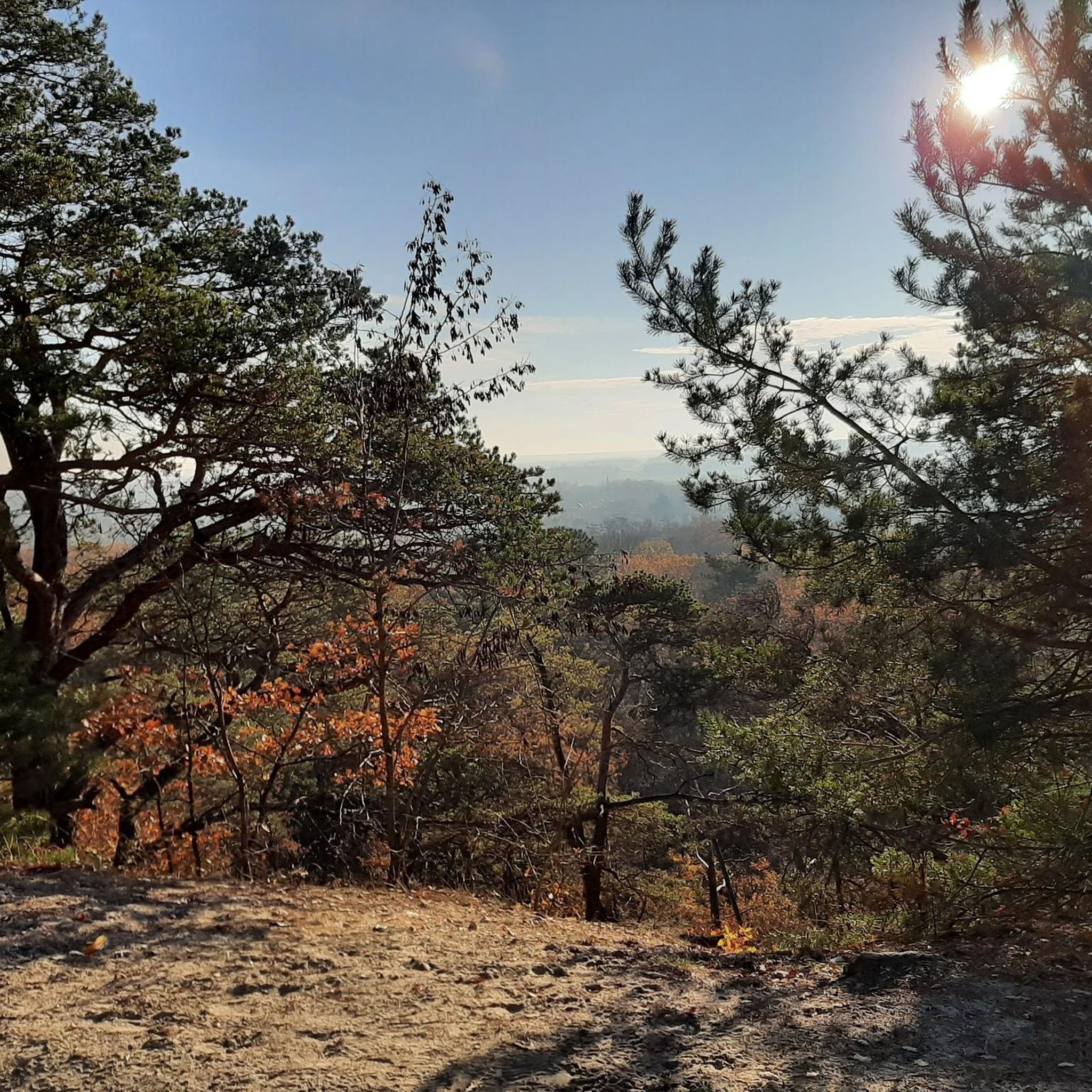
The Corne Biche rock, perched in the heart of the Vosges massif, offers a spectacular view of the dense forests and surrounding valleys. This rocky promontory is surrounded by pines and firs, creating a wild and peaceful atmosphere. From the summit, the panorama stretches as far as the eye can see.
0
0


The cyclops visit is not free, 12 euros entry but it lasts 45 minutes and is very interesting. Limit of 25 people at a time. Please note that photos inside are prohibited. I recommend the first visit at 10:30 a.m. (less crowded)
2
0

This sculpture, made of concrete and iron, represents the fantastic creature from Greek mythology which gave its name to the work. 22.5 meters high, the sculpture is a project by artists Jean Tinguely and Niki de Saint Phalle, carried out between 1969 and 1994. On site, you can also discover two other works: the Face of Mirrors and the Tribute to the Deportees. Visiting all the monuments is completely free.
0
1
Standing in the heart of the Gâtinais, the Courances estate extends over 75 hectares and includes a magnificent 17th century castle as well as its park and vegetable garden. Closed during the winter, it opens its doors the rest of the year for fun visits. If you're not pressed for time, don't hesitate to drop by.
0
0
The Corne Biche rock is an emblematic rock formation in the forest of Fontainebleau. It is located in the area called “Trois Pignons” and offers panoramic views of the surroundings. It is a privileged place for sport in the middle of nature.
1
0

A surprising space in the middle of the forest of Fontainebleau, the sands of Cul de Chien originated 30 million years ago. At the time there was a warm ocean here that deposited quartz in its depths. Time doing its work, it disintegrated into sand, forming this beach in the middle of the woods. In addition to the surprising environment, the sands of Cul de Chien represent a mythical place in the history of climbing in Fontainebleau.
4
0
Frequently Asked Questions
What unique geological features can I explore around Soisy-sur-École?
Soisy-sur-École is known for its distinctive geological formations. You can explore the Tertre Blanc (White Mound) and Tertre Noir (Black Mound), which are ancient sand dunes composed of Fontainebleau siliceous sand topped with Étampes limestone. These formations date back approximately 35 million years. Another unique site is Les sables du Cul de Chien, featuring surprising sand dunes in the middle of the forest, formed from ancient ocean deposits.
Are there any natural monuments with significant ecological importance in the area?
Yes, the Tertre Blanc is a Natural Zone of Ecological, Faunistic, and Floristic Interest (ZNIEFF) since 1992. It hosts nationally protected species like the Fontainebleau Whitebeam and several regionally protected species, including the Oval-leaved Serviceberry and Stag's Horn Clubmoss. Its diverse habitats support rich herpetological, ornithological, and floristic life.
Where can I find panoramic views of the École valley?
For picturesque panoramic views of the École valley and surrounding forests, head to the summit of the Tertre Blanc. This elevated sandy mound offers an excellent vantage point to appreciate the unique blend of geological history and biodiversity in the protected natural area.
What kind of outdoor activities can I do near these natural monuments?
The region offers a variety of outdoor activities. You can find numerous hiking trails, such as the 'Walk between Brie and Gâtinais' or the 'Rocher du Duc – Totem loop'. For cycling enthusiasts, there are road cycling routes like the 'Gâtinais Park and Châteaux Loop' and gravel biking options. You can explore more routes on the hiking guide, road cycling guide, and gravel biking guide for Soisy-sur-École.
Are there family-friendly natural monuments or attractions around Soisy-sur-École?
Absolutely. Les sables du Cul de Chien, with its surprising sand dunes, is a family-friendly spot for exploration. Additionally, the Domaine de Courances, while a castle, is listed as family-friendly and offers extensive gardens to explore. The general landscape of the Parc Naturel Régional du Gâtinais Français provides many opportunities for pleasant family walks.
What is the best time to visit the natural monuments in Soisy-sur-École?
The natural monuments around Soisy-sur-École, particularly within the Parc Naturel Régional du Gâtinais Français, can be enjoyed throughout much of the year. Spring and autumn offer pleasant temperatures for hiking and exploring the diverse ecosystems. Summer is also suitable, though it can be warmer. Winter visits can provide a different, serene perspective, especially on the geological formations.
Can I find any impressive tree avenues or botanical sites?
Yes, you can visit Sequoia Avenue at Villeroy Park. This remarkable natural monument features an 800-meter-long path lined with 134 giant sequoias, making it the second longest of its kind in Europe. These magnificent trees, planted in 1887, reach over 30 meters in height.
What is the significance of the Parc Naturel Régional du Gâtinais Français to Soisy-sur-École?
Soisy-sur-École is situated at the northern edge of the Parc Naturel Régional du Gâtinais Français. This vast protected area is crucial for preserving the natural, cultural, and human heritage of the region. The park provides the broader context for the local biodiversity and geological formations, offering numerous opportunities for hiking and experiencing the rural charm of the area, with its agricultural plains, forests, and the École river.
Are there any rock formations or viewpoints suitable for sport or climbing?
Yes, Rocher de Corne-Biche is an emblematic rock formation in the forest of Fontainebleau. It offers panoramic views and is a privileged place for sport in the middle of nature, including climbing. The nearby Les sables du Cul de Chien is also a mythical place in the history of climbing in Fontainebleau.
What do visitors enjoy most about the natural monuments around Soisy-sur-École?
Visitors particularly appreciate the unique sand dunes and ancient rock formations, as well as impressive tree avenues. The surprising environment of sites like Les sables du Cul de Chien and the panoramic views from Rocher de Corne-Biche are highly rated. The overall diversity of natural monuments, from geological wonders to significant botanical sites, is a major draw.
Is there any historical context associated with the natural monuments?
The Tertre Blanc has a historical context where its acidic heather moorland was once kept low by rabbits, and old photographs show a more open, cleared mound. The formation of the sand dunes at Les sables du Cul de Chien dates back 30 million years to a warm ocean. Additionally, Sequoia Avenue at Villeroy Park was planted in 1887 at the request of the Darblay family, adding a touch of human history to its natural beauty.
Most popular routes around Soisy-Sur-École
Most popular attractions around Soisy-Sur-École

Get inspired with the komoot mobile app


Explore more
Extend your search for the best caves by checking out these guides of the top ones around Soisy-Sur-École:
