Top 10 Natural Monuments around Sucht
Natural monuments around Sucht offer a landscape characterized by diverse geological features and forest environments. The region provides opportunities to explore unique rock formations and historical sites integrated within the natural setting. Sucht's terrain includes areas with significant natural monuments, making it suitable for outdoor exploration. Visitors can discover various natural and man-made structures that highlight the area's distinct character.
Best natural monuments around Sucht
- The most popular natural monuments is Ochsenstall Rock, a cave that features a beautiful…
Last updated: May 4, 2026
Ochsenstall Rock
Highlight • Cave
Translated by Google •
Tip by

Croix Saint-Hubert
Highlight • Monument
Translated by Google •
Tip by

Sign up now to discover places like this
Get recommendations on the best single tracks, peaks, & plenty of other exciting outdoor places.
Sign up for free
12 Apostles Stone / Breitenstein
Highlight • Monument
In 1787 it was carved with the effigies of the twelve apostles.
Translated by Google •
Tip by

Little Meisenbach Castle
Highlight • Castle
Translated by Google •
Tip by

Englishberg West Viewpoint
Highlight • Viewpoint
Translated by Google •
Tip by

Sign up for free to discover even more natural monuments around Sucht.
Sign up for free
Already have an account?
Start today with a free account
Your next adventure awaits.
Login or Signup
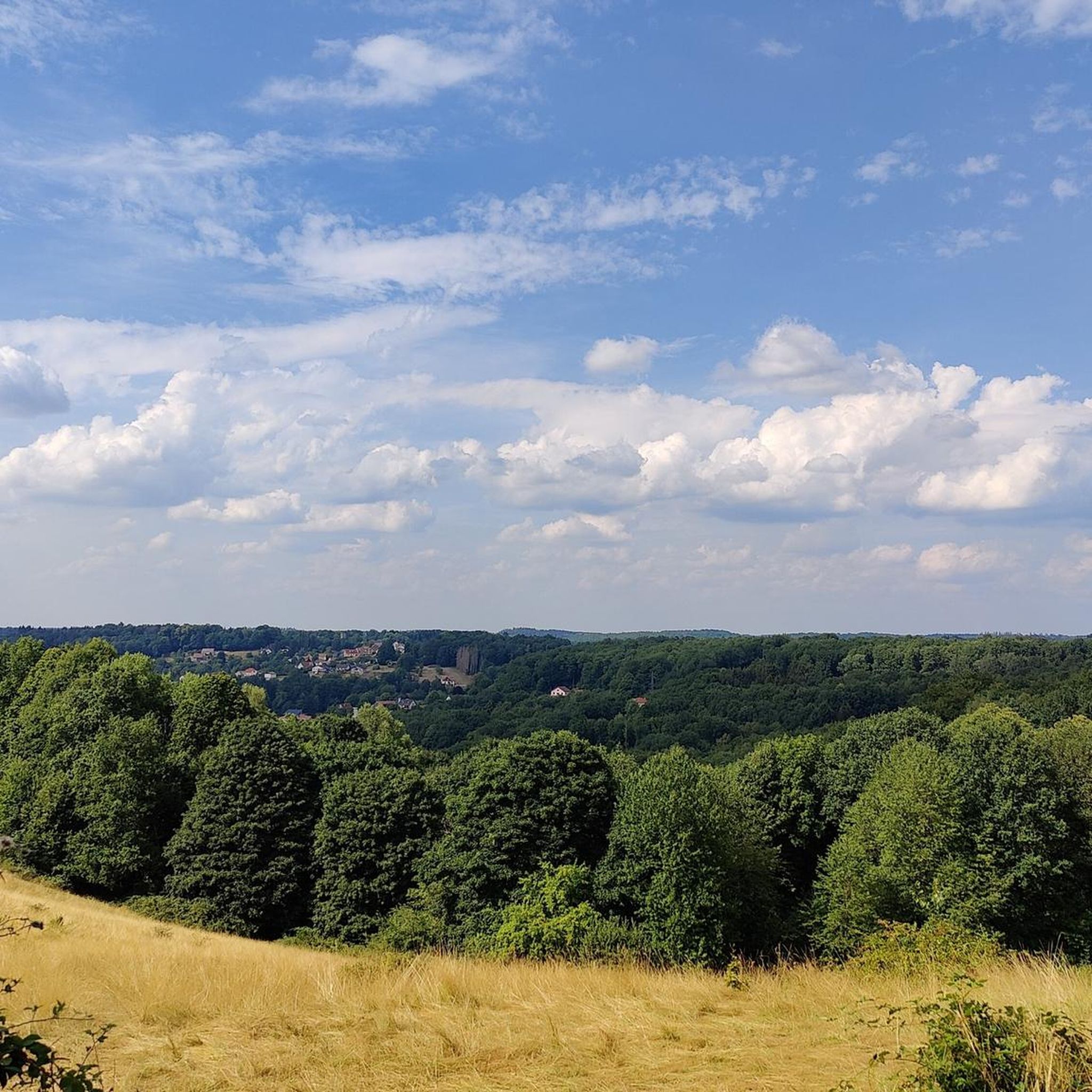
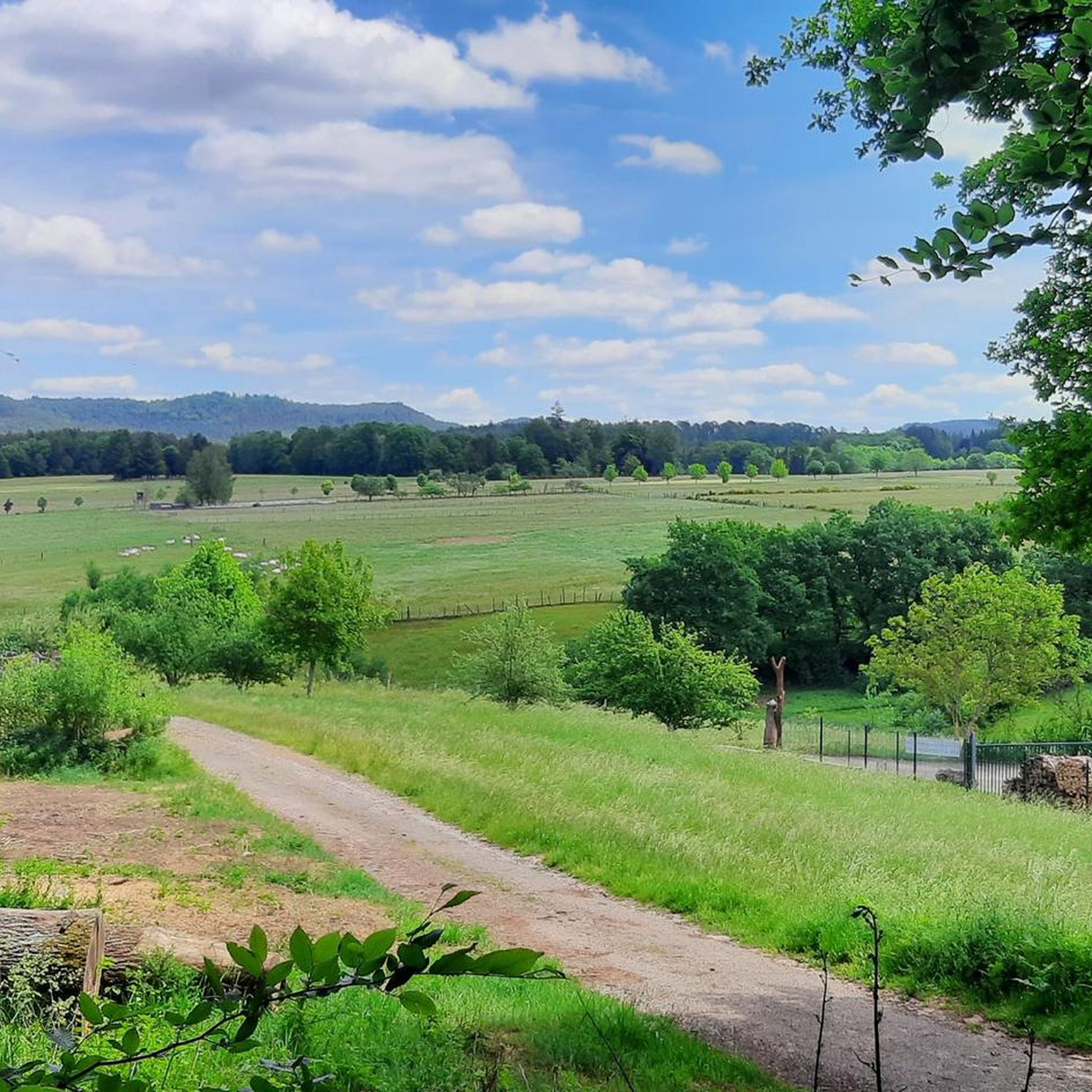
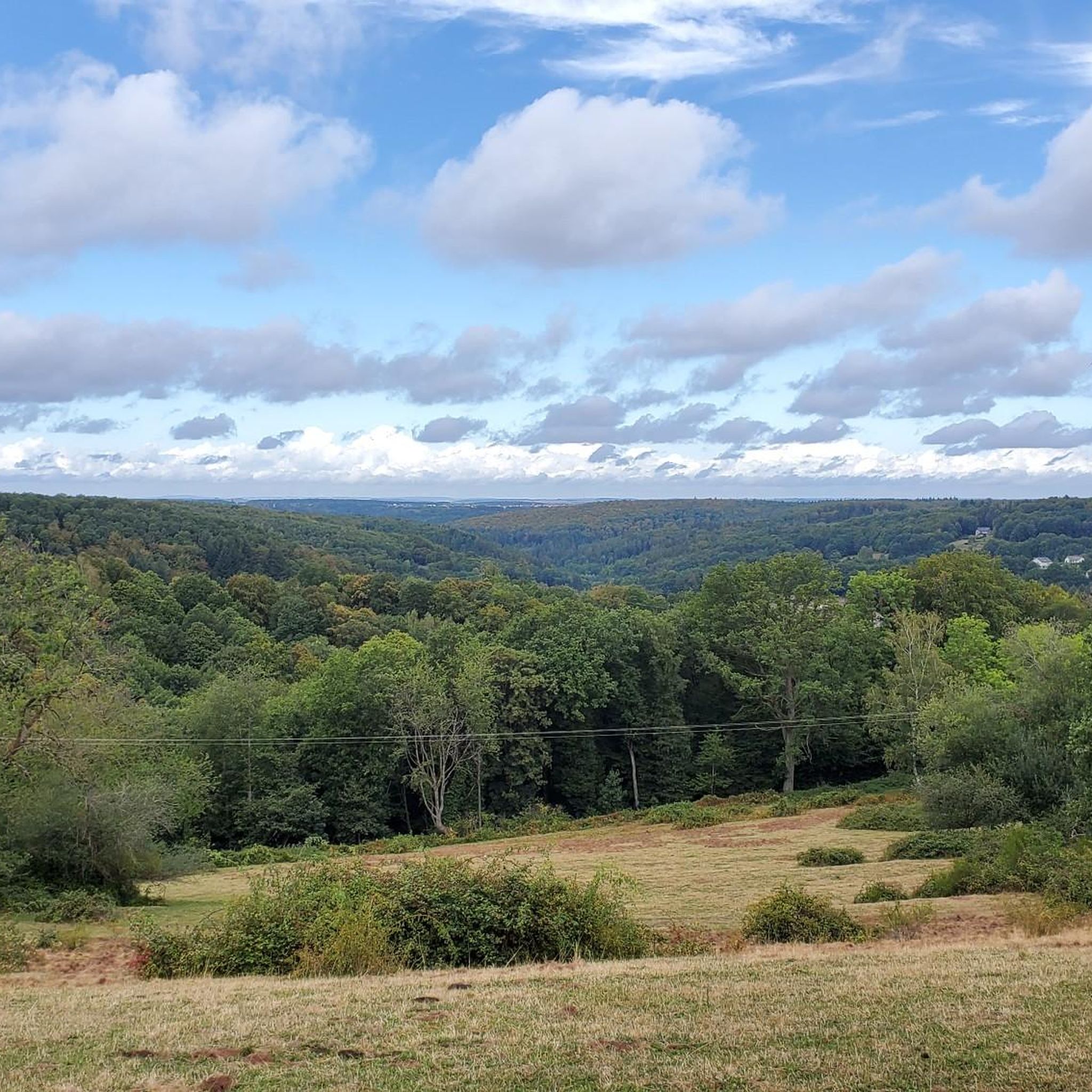

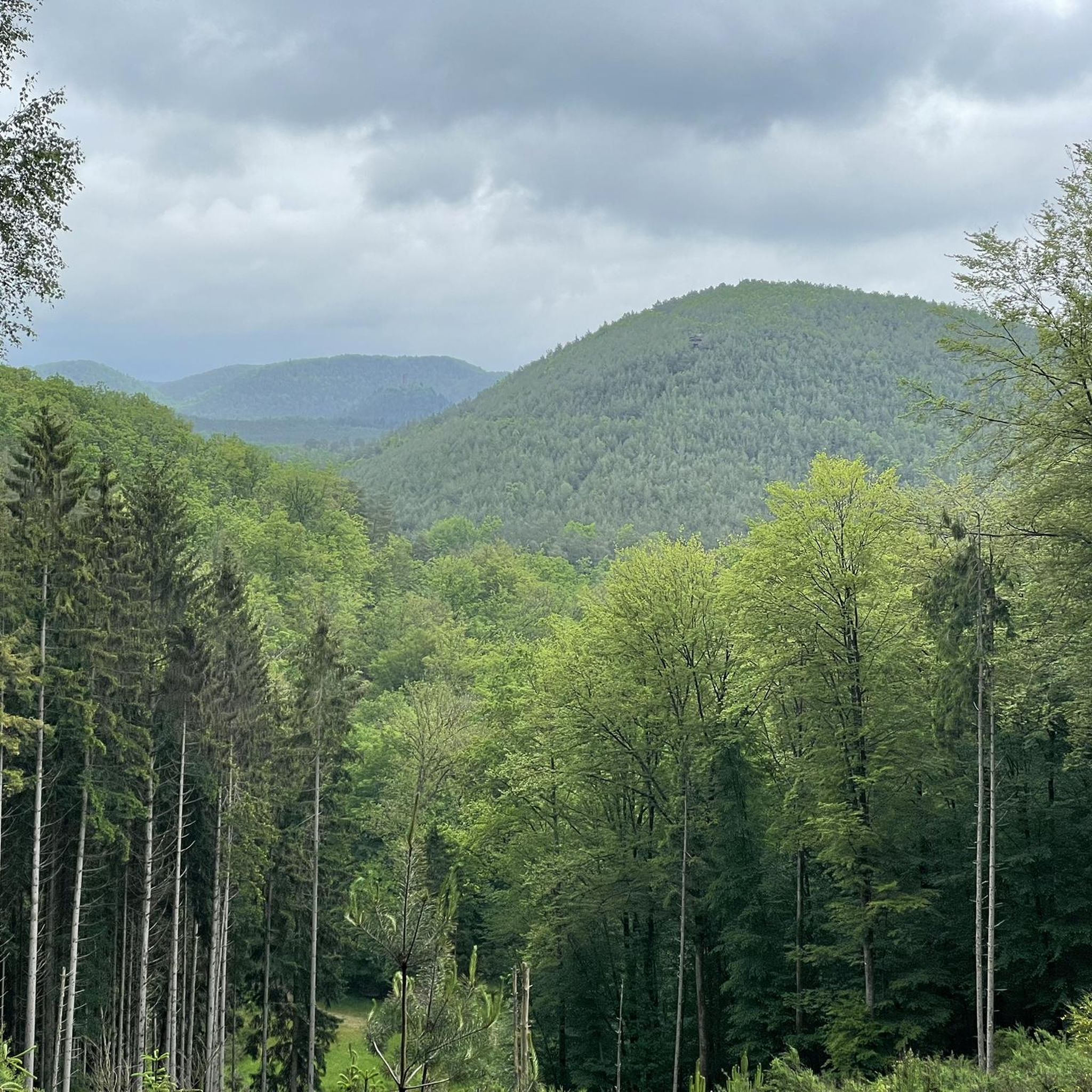

Tips from the Community

Although the few remaining ruins of this structure are called a castle, it appears that the site was first used as a Roman temple and then as a Christian church. Nearby are superb rock formations typical of the Northern Vosges Mountains.
1
0

Accessible from various directions and/or accessible as a circular walk. The walk up the mountain is quite long.
0
0

At this spot, in the forest northeast of Lviv, the trees give way slightly, creating a clearing where, at an altitude of 420 meters, stands the small sacred monument known as the "Croix Saint-Hubert." A low stone wall and a wooden fence create a small "sacred precinct," at the center of which is the well-preserved cross. At the very bottom of the lower section is the well-known scene from the Life of Hubertus, featuring a stag with a cross between its antlers. Above it, reliefs of two figures are depicted, the one on the left identified as a monk with his tonsure and habit. Between the two images, the year 1786 is inscribed. Above this, the actual cross, which also bears the body of the crucified Christ, rises.
2
0
At this spot, in the forest northeast of Lviv, the trees give way slightly, creating a clearing where, at an altitude of 420 meters, stands the small sacred monument known as the "Croix Saint-Hubert." A low stone wall and a wooden fence create a small "sacred precinct," at the center of which is the well-preserved cross. At the very bottom of the lower section is the well-known scene from the Life of Hubertus, featuring a stag with a cross between its antlers. Above it, at the very bottom, are reliefs of two figures, the one on the left identified as a monk with his tonsure and habit; between the two images, the year 1786. Above this, rises the actual cross, which also bears the body of the crucified Christ.
0
0

Very beautiful places in the calm of the forest
0
0

The remains are not the ruins of a small castle, as the popular name might suggest, but rather the remains of a Roman or Gallo-Roman sanctuary from the 2nd century, with a second phase of use in the 4th century. It may have later been used as a Christian church. In Curt Mündel's guide to the Vosges Mountains (1911 edition), the ruins are referred to as "Meisenbacher Schlössel," and the rock below as "Ochsenstall" (Oxen Stable), probably because the rock overhang was formerly used as a shelter for cattle.
0
0

The Ochsenstall Rock offers an exhilarating mountain biking experience with its rugged terrain and steep slopes. The highlight of your ride is the Ochsenstall Cave, an intriguing little cavern located beneath the rock formations. This cave, carved out by natural forces, offers a moment of exploration and a unique view of the surrounding landscape. It is the perfect place to take a break.
1
0

the climb is a bit technical but doable. Beautiful viewpoint and benches to rest. On the way, very beautiful rocks 👍
0
0
Frequently Asked Questions
What kind of natural monuments can I explore around Sucht?
The region around Sucht offers a variety of natural monuments, including unique rock formations, historical sites integrated into nature, and viewpoints. You can discover caves like Ochsenstall Rock, which features beautiful rock formations and historically served as a shelter for herdsmen. There are also significant viewpoints and man-made structures with natural significance.
Are there any historical natural monuments in the Sucht area?
Yes, several natural monuments around Sucht have historical significance. For instance, Croix Saint-Hubert is a man-made monument in a forest clearing featuring a well-preserved cross with historical carvings. Another example is the 12 Apostles Stone / Breitenstein, a prehistoric menhir that once marked the border between Alsace and Lorraine and was later carved with effigies of the twelve apostles.
What are some unique geological features to see near Sucht?
The area is known for its diverse geological features, particularly fascinating rock formations. You can find these at locations like Ochsenstall Rock, a cave with distinctive formations. The Englishberg West Viewpoint also features numerous rock formations on the mountain itself, alongside its scenic views.
Are there family-friendly natural monuments or activities around Sucht?
While specific family-friendly trails are not detailed for all monuments, the 12 Apostles Stone / Breitenstein is categorized as family-friendly, suggesting it's suitable for visits with children. Exploring the unique rock formations and historical sites can be an engaging activity for families.
What outdoor activities can I do near the natural monuments around Sucht?
The region offers various outdoor activities. You can find numerous hiking trails, such as the 'Kammerfelsen – Dreipeterstein loop' or the 'Rocher du Heidenfelsen loop'. For running, there are routes like the 'Etang du Moulin loop'. Cyclists can explore road cycling routes, including the 'Saar Coalfields Canal – Allée de Peupliers loop'. You can find more details on these activities in the Hiking around Sucht, Running Trails around Sucht, and Road Cycling Routes around Sucht guides.
Are there good viewpoints among the natural monuments near Sucht?
Yes, the area boasts excellent viewpoints. The Englishberg West Viewpoint offers expansive views towards the Vosges mountains and is known for its fascinating rock formations. Croix Saint-Hubert, while a man-made monument, is situated in a clearing that provides a scenic spot within the forest.
What do visitors enjoy most about the natural monuments around Sucht?
Visitors frequently appreciate the beautiful rock formations and the historical context of the sites. Many find places like Ochsenstall Rock to be great for shelter and rest. The scenic views from spots like Englishberg West Viewpoint are also highly praised. The blend of natural beauty and historical elements, such as the carvings on Croix Saint-Hubert, makes for a rewarding exploration.
Are there any castle ruins or similar structures among the natural monuments?
Yes, you can find historical structures like Little Meisenbach Castle. While only a few ruins remain, the site is believed to have been used as a Roman temple and later a Christian church. It's located near superb rock formations typical of the Northern Vosges Mountains, blending historical interest with natural beauty.
What is the best season to visit the natural monuments around Sucht?
The natural monuments around Sucht, characterized by forest environments and geological features, are generally enjoyable across multiple seasons. Spring and autumn offer pleasant temperatures for hiking and exploring the rock formations and viewpoints. Summer is also suitable, especially for shaded forest paths. Winter can provide a unique, serene experience, though conditions may vary, and some paths might be slippery or require appropriate gear.
Are there any less crowded natural monuments to visit near Sucht?
While specific crowd levels are not detailed for each monument, exploring some of the lesser-known trails or visiting during off-peak hours (early mornings or weekdays) can often lead to a more tranquil experience. The region offers a variety of sites, so venturing beyond the most popular ones might reveal quieter spots.
What kind of trails can I expect when visiting these natural monuments?
The trails around the natural monuments in Sucht vary. You can expect paths that lead through forest environments, often with ascents to viewpoints or descents into valleys. Some trails might be narrow, especially near viewpoints like Englishberg West Viewpoint. The difficulty can range from moderate to challenging, depending on the specific route you choose. Many routes are suitable for hiking and running, with some also accommodating road cycling.
Most popular attractions around Sucht

Get inspired with the komoot mobile app


Explore more
Extend your search for the best caves by checking out these guides of the top ones around Sucht:
