Top 20 Natural Monuments around Wörth An Der Sauer
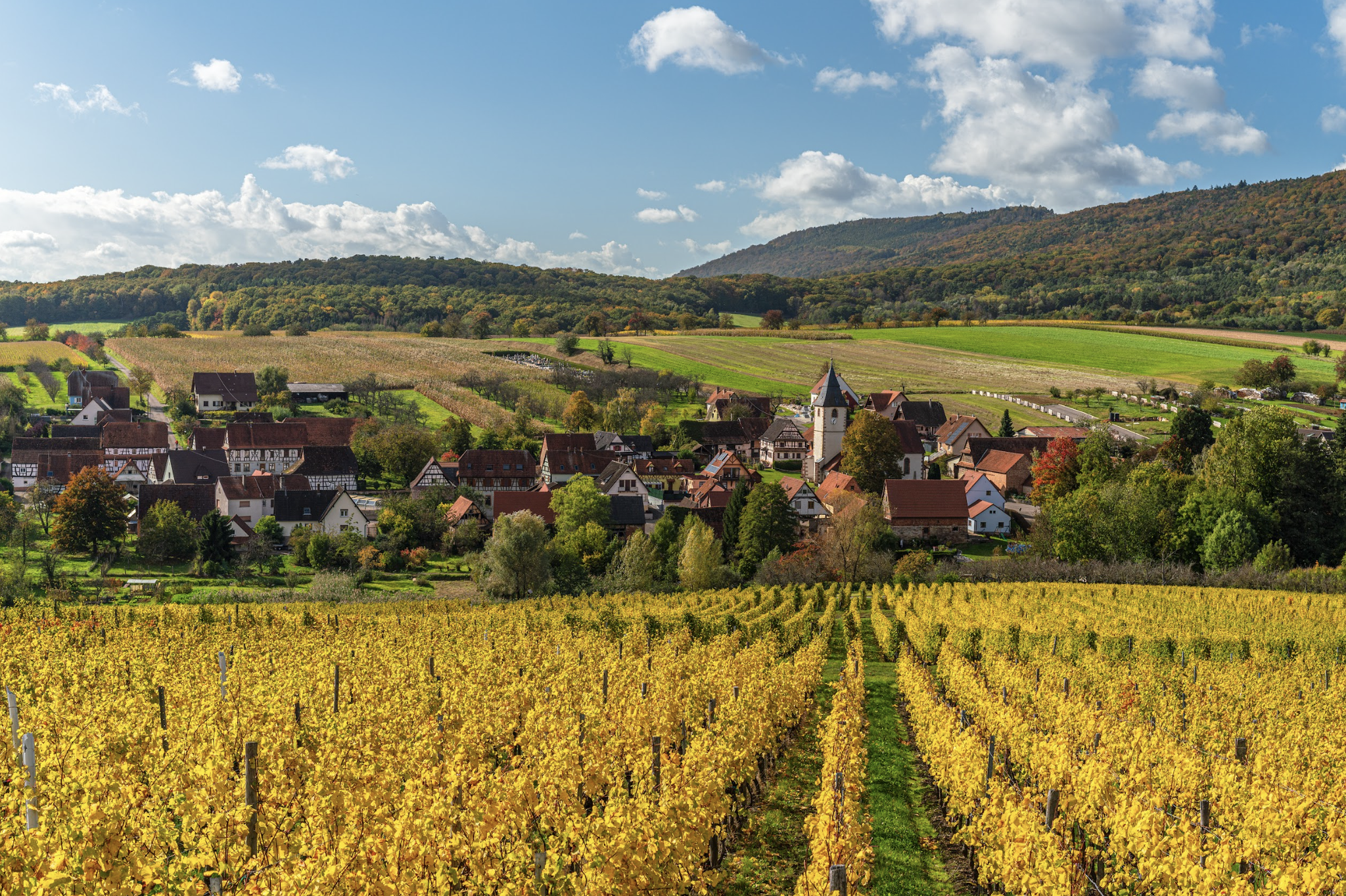
Best natural monuments around Wörth An Der Sauer are found in the Bas-Rhin department of north-eastern France, situated on the Alsatian Sauer River. The region is part of the Northern Vosges Regional Nature Park, a UNESCO World Biosphere Reserve known for its extensive forests and diverse ecosystems. Key natural features include the Sauer Delta Nature Reserve, which protects a mosaic of alluvial forests and wetlands. The landscape is characterized by vast forests, sandstone plateaus, and riverine environments.
Best natural monuments…
Last updated: November 15, 2026
Hohenbourg Castle
Highlight • Viewpoint
Translated by Google •
Tip by

Château du Loewenstein
Highlight • Historical Site
A very beautiful ruin with a wonderful view from both platforms.
Translated by Google •
Tip by

Sign up now to discover places like this
Get recommendations on the best single tracks, peaks, & plenty of other exciting outdoor places.
Fleckenstein Castle
Highlight • Castle
Translated by Google •
Tip by

Sentier des Roches (Felsenpfad)
Highlight • Trail
Translated by Google •
Tip by

Klingelfels
Highlight • Natural Monument
Translated by Google •
Tip by

Sign up for free to discover even more natural monuments around Wörth An Der Sauer.
Already have an account?
Start today with a free account
Your next adventure awaits.
Popular around Wörth An Der Sauer

Other adventures around Wörth An Der Sauer

Tips from the Community

Quite well preserved castle with a beautiful view of Fleckenstein Castle and, in the other direction, of Wegelnburg.
10
4

Still an imposing and powerful building full of old legends. The castle has been renovated and made accessible to tourism. Visits are possible with or without a guide. The puzzle tours with knight spirit Hugo are also a lot of fun for children.
10
3

The White Lady of Hohenbourg Castle Not far from Hohenbourg Castle, just before the German-French border, is the Maidenbrunnen, which bears witness to a sad story: The lords of Hohenbourg and Wegelnburg were enemies for a long time. And as it was bound to happen, the squire Robert von Wegehiburg fell in love with Edwige, daughter of Lord von Hohebourg. She often lingered at the rich source between the two castles. One day Robert went hunting. He chased after a wild boar that rushed to the spring where Edwige was staying. In the heat of the moment, the wild boar jumped at Edwige, but Robert, a good hunter, was able to catch the wild boar just in time and won the heart of his beloved through this act. Often the two secretly spent time at this spring between the enemy castles. But one day the lord of Hohenbourg surprised his daughter in the arms of his archenemy's son. In blind rage he stabbed Robert in front of Edwige's eyes. She collapsed in grief and died on the spot, immediately following her lover to the realm of the dead. Since that awful day, two forget-me-not shrubs have been growing at this spring, now known as the Maiden's Well. It is not uncommon to see a white shadow over the Maidenbrunnen here at dusk: it is the ghost of Edwige, which descends from the cellars of the Hohenbourg and seeks the place of her love. There she sings sad words and sheds tears in the rivulet before vanishing again, carried by the wind. This legend comes from this link_: (https://www.wanderparadies-wasgau.de/hohenbourg.php)
17
0
The Château de Lœwenstein is a castle ruin from the 13th century. It was built on two sandstone rocks lying next to each other. The main castle is to the east and the outer bailey is a little lower to the west. Remains of a stair tower and stairs carved into the rock have been preserved. It was destroyed in the 14th century. It is possible that it was used as an outpost for the Hohenbourg and Fleckenstein castles. From the platform of the two parts of the rock there is a magnificent view over the forests of the Northern Vosges and the adjacent Palatinate Forest. https://de.wikipedia.org/wiki/Burgruine_L%C3%B6wenstein
11
0

A visit to Loewenstein Castle is worthwhile, but it is actually just a large foundation made of sandstone. Most of the walls that must have existed here have been removed. In terms of fortification, the Hohenbourg, which is only a few hundred meters higher, is much more interesting, as there are even more remains of the wall.
19
1
The castle was cleverly built in and around a high sandstone spur. Many remnants of the walls are still visible. The architectural style and carved dates suggest different historical periods. The view from the highest point is breathtaking. Two information panels explain the panorama. In this respect, this castle far surpasses the much more extensive, but also lower-lying, Fleckenstein Castle.
27
0

A great place for a trip. The puzzle rally, which takes you from the valley to the very top of the castle, is particularly worthwhile with children. The rally is designed to be interesting and instructive and offers lots of varied knowledge about nature and life in the Middle Ages.
10
0

Easy to find. Directly at the parking lot next to the road with a picture on the information board.
11
1
Frequently Asked Questions
What are the main natural attractions around Wörth An Der Sauer?
The region around Wörth An Der Sauer, part of the Northern Vosges Regional Nature Park, is characterized by extensive forests, impressive sandstone plateaus, and riverine environments. A significant natural attraction is the Sauer Delta Nature Reserve, known for its diverse ecosystems including alluvial forests and wetlands.
Are there any significant nature reserves near Wörth An Der Sauer?
Yes, the most notable is the Réserve Naturelle du delta de la Sauer (Sauer Delta Nature Reserve). Located where the Alsatian Sauer River flows into the Rhine, it's a protected area spanning 486 hectares, rich in biodiversity with over 182 bird species and 400 plant species. It offers well-maintained paths for exploration.
What kind of geological features can be found in the natural monuments around Wörth An Der Sauer?
The region is known for its impressive sandstone plateaus and cliffs, particularly within the Northern Vosges Regional Nature Park. Many natural monuments, such as Hohenbourg Castle and Fleckenstein Castle, are built directly into high sandstone spurs or rock formations, showcasing the unique geology of the area. The Sentier des Roches (Felsenpfad) also features breathtaking rock formations.
Which natural monuments offer the best panoramic views?
Several natural monuments provide excellent views. Hohenbourg Castle offers a beautiful vista of Fleckenstein Castle and the surrounding landscape. From the highest point of Fleckenstein Castle, you can enjoy a wonderful view of the Vosges and the Palatinate Forest. Wasenbourg Castle also provides a beautiful view from its ruins.
Are there family-friendly natural monuments to visit near Wörth An Der Sauer?
Yes, Fleckenstein Castle is particularly family-friendly. It's an impressive castle ruin built into the rock, offering guided tours and puzzle tours with a knight spirit, which children often enjoy. There's also a café and kiosk at the foot of the castle for refreshments.
What historical natural monuments can I explore in the region?
The area is rich in historical natural monuments, often combining natural rock formations with ancient structures. You can explore Hohenbourg Castle, built into a high sandstone spur, and the impressive rock-hewn ruins of Fleckenstein Castle. Wasenbourg Castle, with its remaining thick walls and historical significance, is another excellent choice.
What outdoor activities can I do near the natural monuments around Wörth An Der Sauer?
The region offers a variety of outdoor activities. You can find numerous routes for gravel biking, running, and hiking. For example, there are challenging gravel biking loops like 'Notre-Dame des Bois – Erbsenfelsen loop from Wœrth' and moderate running trails such as 'Wœrth – Washhouse near the Sauer loop from Wœrth'. You can explore more options on the Gravel biking around Wörth An Der Sauer, Running Trails around Wörth An Der Sauer, and Hiking around Wörth An Der Sauer guide pages.
Are there hiking trails suitable for different difficulty levels near these natural monuments?
Yes, the area provides trails ranging from moderate to difficult. For instance, the 'Battlefield of August 6, 1870 loop' is a moderate hiking option, while the Sentier des Roches (Felsenpfad) is a challenging trail requiring sure-footedness due to its steep paths and rock formations. You can find more details on the Hiking around Wörth An Der Sauer guide page.
What is the best time of year to visit the natural monuments around Wörth An Der Sauer?
The Northern Vosges Regional Nature Park, where Wörth An Der Sauer is located, is beautiful year-round. Spring and autumn offer pleasant temperatures for hiking and exploring the forests, with vibrant foliage in autumn. Summer is ideal for longer days outdoors, while winter can provide a unique, serene experience, though some trails might be more challenging due to conditions.
Are the trails around Wörth An Der Sauer's natural monuments dog-friendly?
Many trails within the Northern Vosges Regional Nature Park are generally dog-friendly, especially those through forests and open landscapes. However, it's always advisable to keep dogs on a leash, particularly in nature reserves like the Sauer Delta, to protect wildlife. Specific rules may apply to certain castle grounds or protected areas, so check local signage.
Where can I find challenging trails with unique natural formations?
For a challenging experience with unique natural formations, the Sentier des Roches (Felsenpfad) is highly recommended. This trail features breathtaking rock formations and steep, root-overgrown paths, requiring good fitness and sure-footedness. It offers fantastic views of the Vosges mountains.
What do visitors particularly enjoy about the natural monuments in this area?
Visitors frequently praise the impressive historical castles built into the natural landscape, such as Fleckenstein Castle, for their unique integration with the rock and the panoramic views they offer. The diverse natural beauty, from the extensive forests to the unique rock formations and the rich biodiversity of the Sauer Delta, is also highly appreciated by the komoot community, who have shared over 2700 photos.
Are there any hidden natural gems or less-known spots worth discovering?
While the castles are popular, exploring the vast forests and lesser-known paths within the Northern Vosges Regional Nature Park can reveal hidden gems. The Klingelfels, for example, is a nice little rock formation located right next to a parking lot, offering easy access and a starting point for further exploration towards the Wasigenstein castle ruins.
Most popular routes around Wörth An Der Sauer
Most popular attractions around Wörth An Der Sauer

Get inspired with the komoot mobile app


Explore more
Extend your search for the best caves by checking out these guides of the top ones around Wörth An Der Sauer:
