Top 13 Natural Monuments around Cranves-Sales
Natural monuments around Cranves-Sales, located in the Haute-Savoie department of France, offer diverse landscapes and significant natural features. The region is characterized by its proximity to the French Prealps, featuring prominent mountains, deep gorges, and extensive forested areas. These sites provide opportunities to explore geological formations, observe varied ecosystems, and experience the natural environment. The area's natural landmarks and protected zones contribute to its ecological importance and appeal for outdoor activities.
Best natural monuments around Cranves-Sales
- The most popular natural…
Last updated: July 2, 2026
Jet d'Eau Fountain
Highlight • Monument
Translated by Google •
Tip by

Orjobet Cave
Highlight • Cave
Translated by Google •
Tip by

Sign up now to discover places like this
Get recommendations on the best single tracks, peaks, & plenty of other exciting outdoor places.
Sign up for free
The Trou de la Tine
Highlight • Cave
Translated by Google •
Tip by
Pointe des Brasses
Highlight • Summit
Les Brasses …
Translated by Google •
Tip by

La Gouille aux Morts
Highlight • Lake
Gouille aux Morts: What an ugly name for this charming little pond. Beavers, mallards, herons, and especially frogs …
Translated by Google •
Tip by
Sign up for free to discover even more natural monuments around Cranves-Sales.
Sign up for free
Already have an account?
Start today with a free account
Your next adventure awaits.
Login or Signup
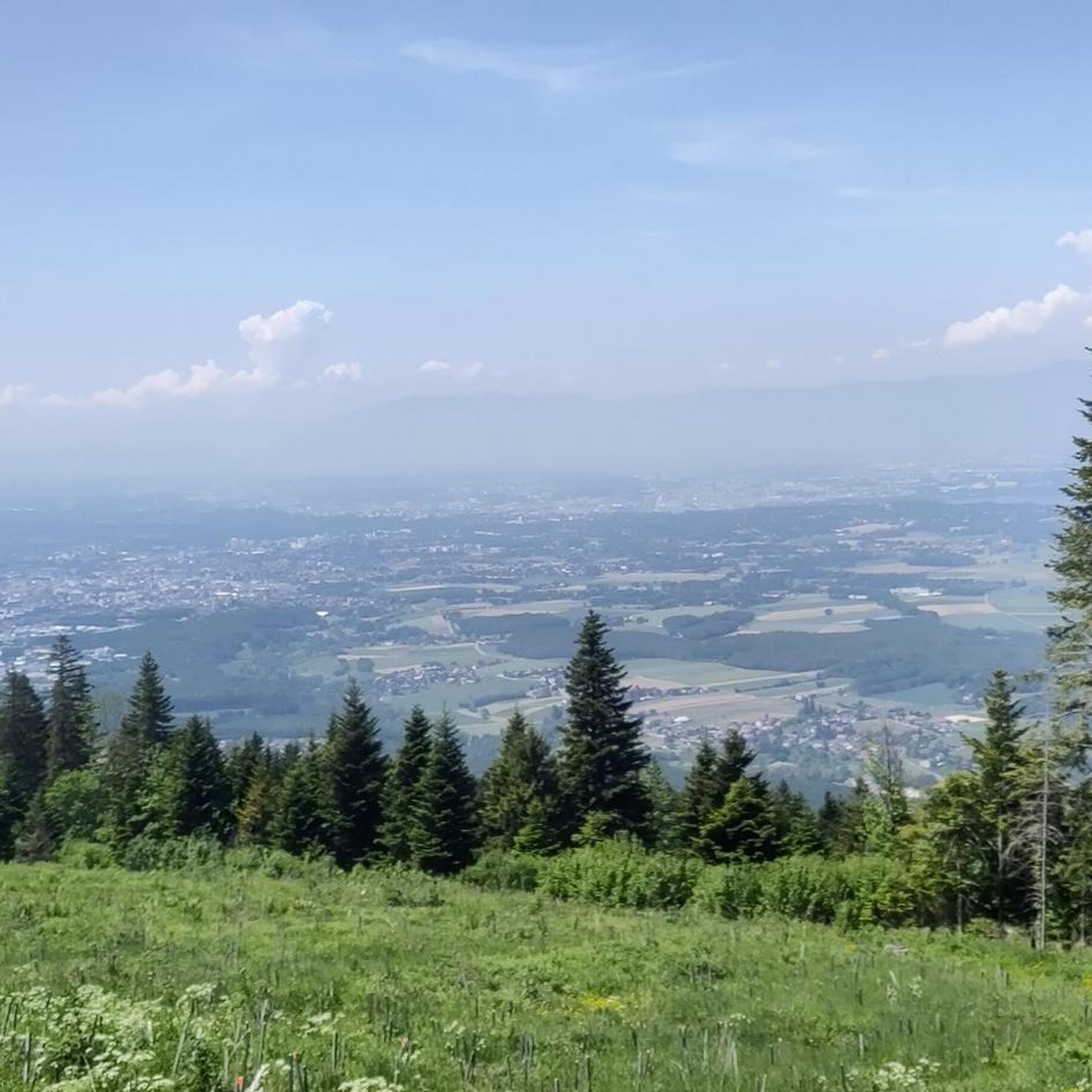
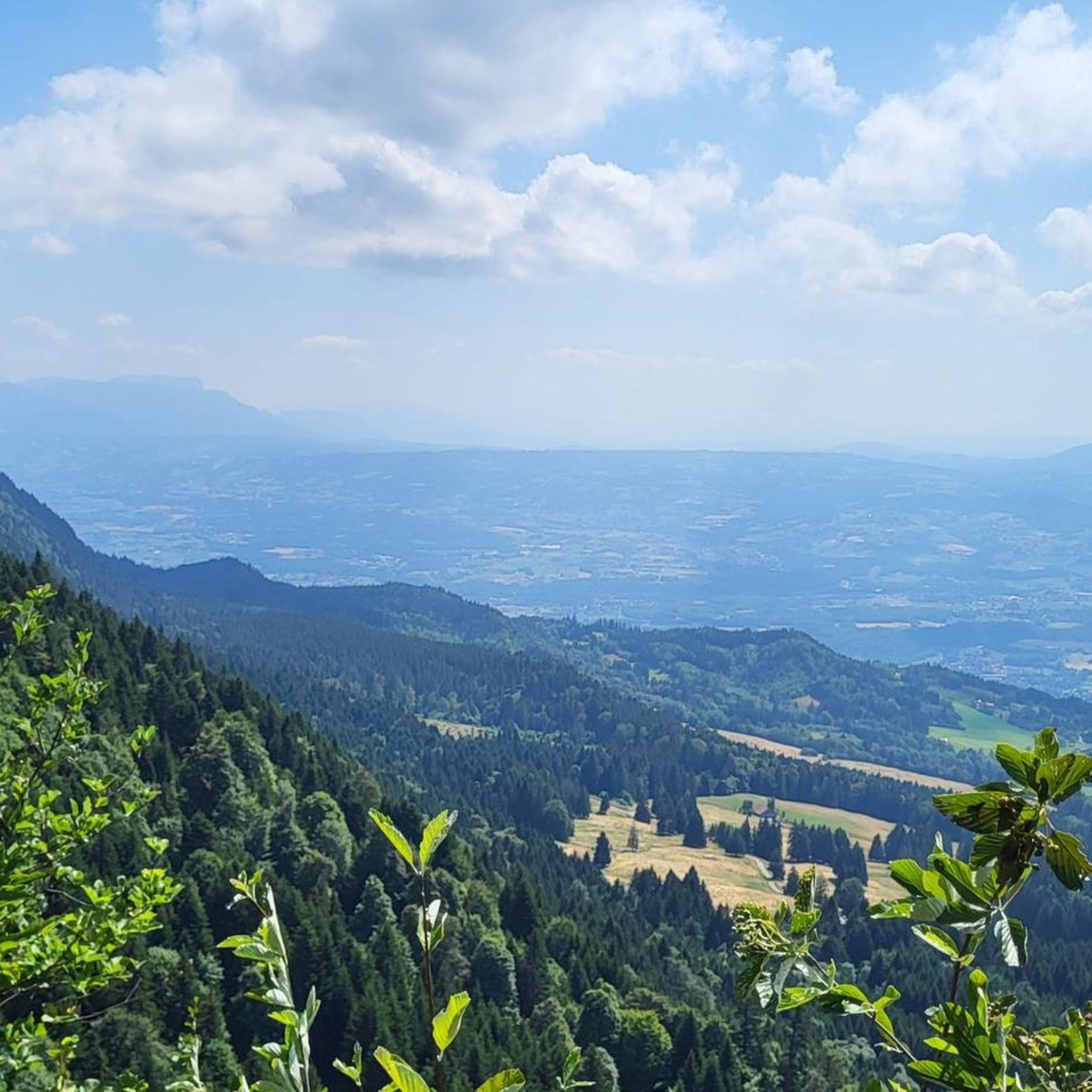

Tips from the Community


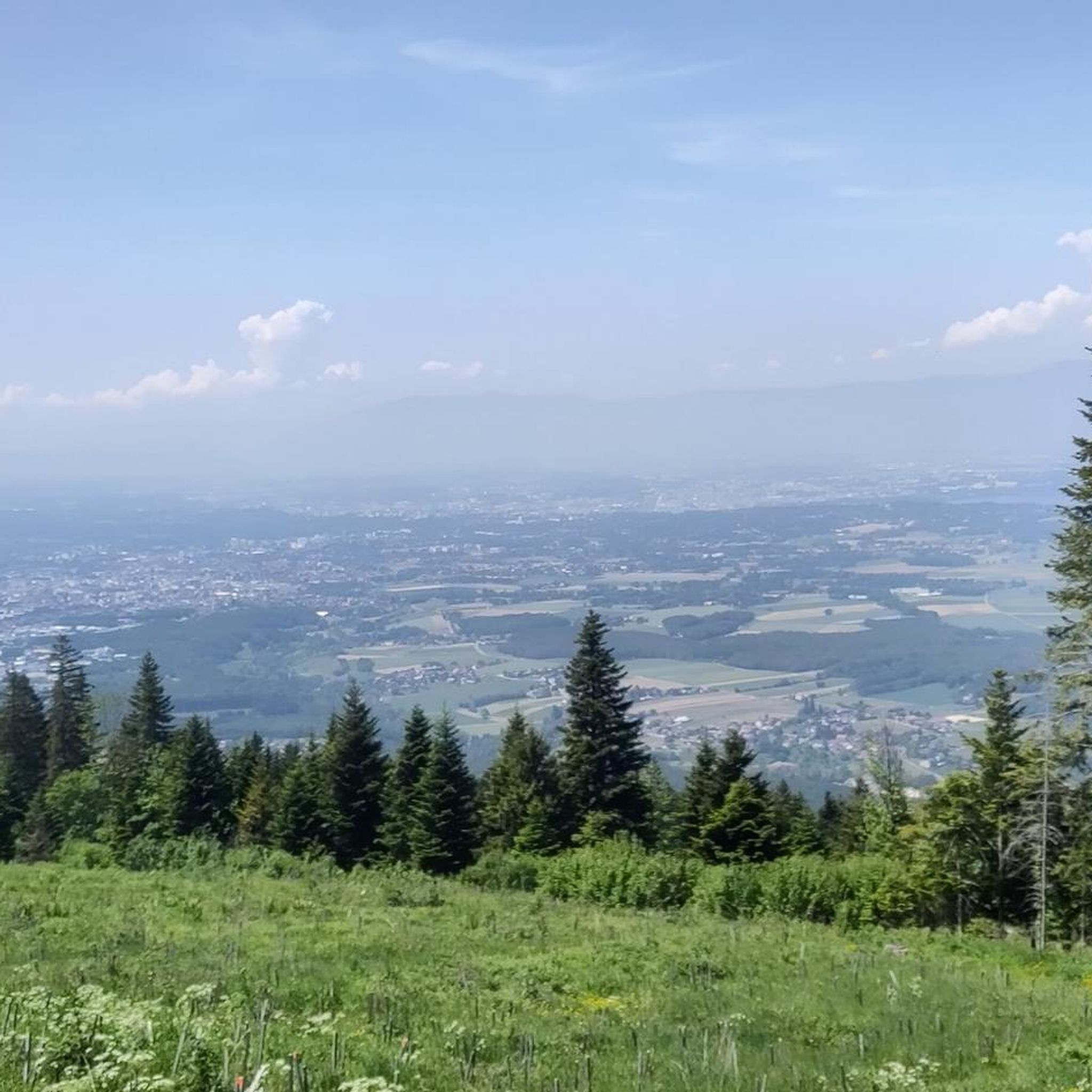
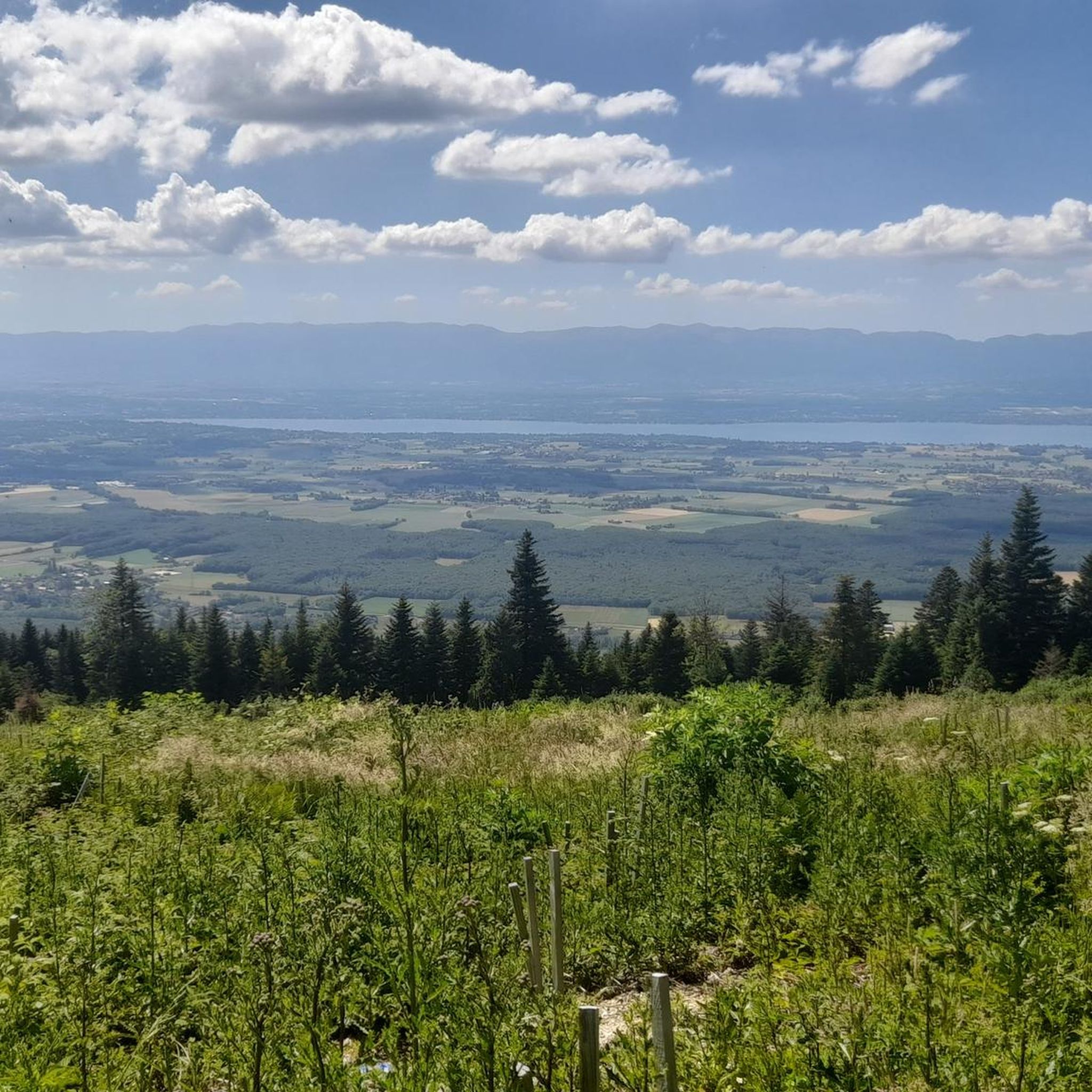
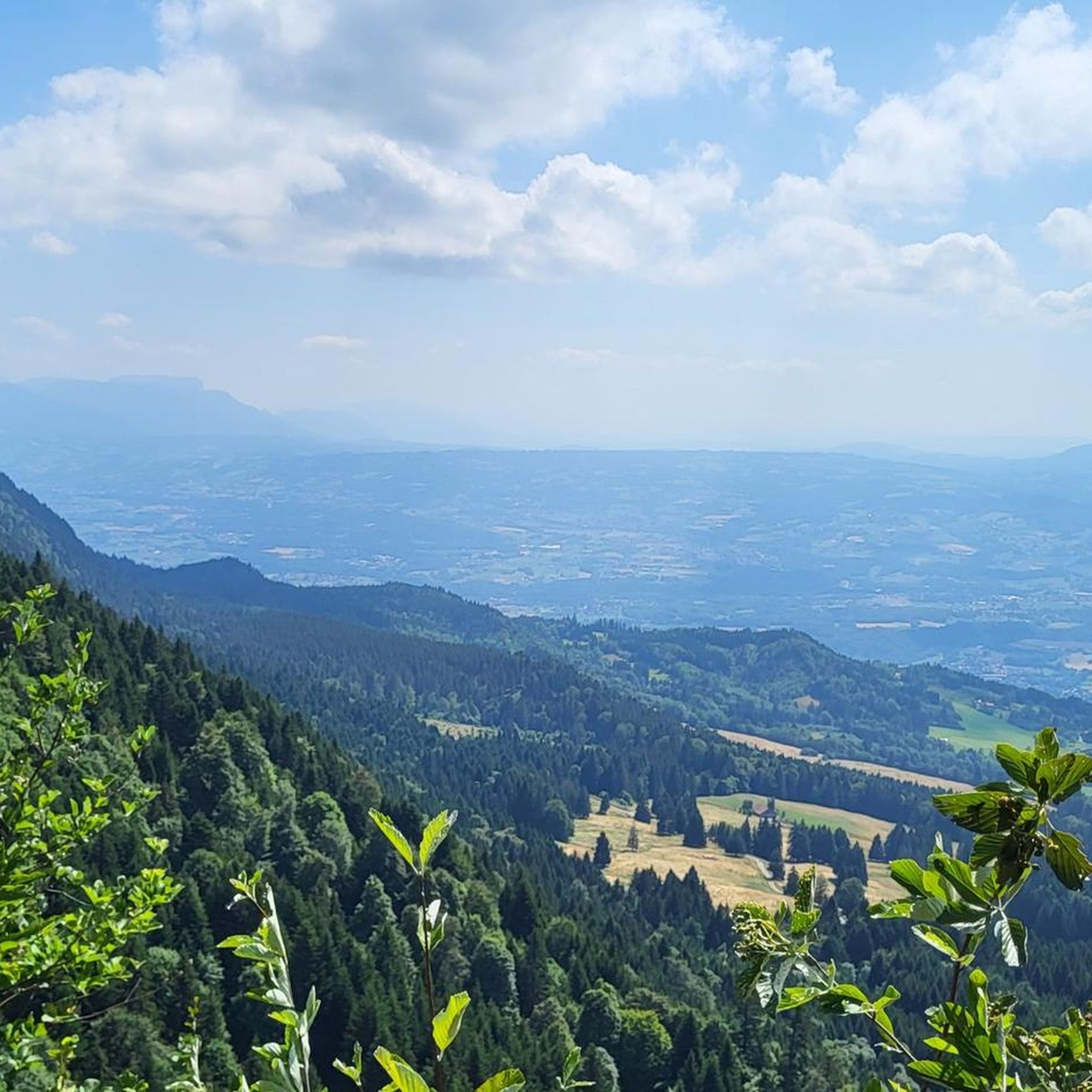
Intersection Point: La Gouille aux Morts (Pond of the Dead) Altitude 650m Gouille aux Morts: What an ugly name for this charming little pond. Beavers, mallards, herons, and especially frogs take shelter in its tall grass and breed there. The place is calm and peaceful, far from the road to the Vallée Verte (Green Valley), although you can still hear the sounds of traffic. Above it, the Molière à Vachat stream is mirrored in its waters. Its reflection blends with the water lilies scattered there, creating perfect harmony. A delight for the eye of the walker. It's impossible not to think of Monet's "Water Lilies." It is said that, long ago, two stonemasons working at the "Molière," located about fifty meters above, fell to their deaths there on a Sunday (yes, a Sunday...the Lord's Day). See: H. Savoie: Les Molières du Mont Vouan. Or perhaps the pond got its name because a peasant was swallowed up there with his cart...
1
0

Le Trou de la Tine (Trou of the Tine Cave) was formed by erosion on the flank of Mont Salève. It is a deep, sunken hole shaped like an open-topped barrel ("Tine" is an old dialect term for barrel, "trou" means hole). The cave's ceiling has collapsed due to erosion, revealing a natural "barrel" with a side opening. One can walk into the "barrel" through this side opening.
0
0


The Jet d'Eau is the emblem of Geneva. 140 metres high, it was projected in 1891 above the city's harbour, offering a superb view known to all.
1
0


Cave with collapsed ceiling
1
0
A beautiful geological formation
0
2
Frequently Asked Questions
What types of natural monuments can I explore around Cranves-Sales?
The region around Cranves-Sales offers a diverse range of natural monuments, including impressive caves like Orjobet Cave and The Trou de la Tine, serene lakes such as La Gouille aux Morts, and significant geological formations like the Copacou Stone. You'll also find prominent mountains like Mont Salève, offering panoramic views, and waterfalls like Cascade de la Diomaz.
Are there any family-friendly natural monuments in the area?
Yes, several natural monuments are suitable for families. The Jet d'Eau Fountain in Geneva is a popular and accessible spot, even for wheelchairs, offering a spectacular water display. La Gouille aux Morts, a peaceful pond, is also family-friendly and great for observing local wildlife.
What are some popular activities to do at these natural monuments?
The natural monuments around Cranves-Sales provide excellent opportunities for various outdoor activities. Mont Salève is a versatile playground for hiking, mountain biking, rock climbing, paragliding, and even cross-country skiing in winter. The Cascade de la Diomaz offers a delightful and accessible hiking experience. For more structured routes, you can find numerous hiking trails, road cycling routes, and running trails in the wider Cranves-Sales area.
Which natural monuments offer the best viewpoints?
For breathtaking panoramic views, Mont Salève, often called the 'Balcony of Geneva,' is unparalleled. It offers vistas of Geneva, Lake Geneva, the Jura mountains, and even Mont Blanc on clear days. The Jet d'Eau Fountain also provides a notable viewpoint over Lake Geneva, and the Copacou Stone offers a magnificent view of the valley.
Are there any natural monuments with historical significance?
Yes, the Copacou Stone is considered a sacrificial and chalice stone, holding archaeological particularity. Mont Salève also has a rich history of prehistoric human activity, with findings of bones and flint. Additionally, the Cascade de la Diomaz features the historic Carthusian's Cross engraved in stone at its base, marking ancient Carthusian lands.
What is the difficulty level for exploring the caves?
The difficulty varies. Orjobet Cave is generally considered intermediate, with an equipped path for easier navigation. However, The Trou de la Tine is rated as challenging due to its terrain, so visitors should be prepared for a more demanding experience.
What makes the Massif des Voirons special for nature lovers?
The Massif des Voirons, located east of Cranves-Sales, is a significant Natura 2000 protected site. It's a crucial habitat for diverse wildlife, including chamois, deer, lynx, and protected amphibian and bird species. Nature enthusiasts can explore its extensive forest areas via hiking trails, making it an excellent destination for wildlife observation and appreciating ecological preservation.
What do visitors particularly enjoy about the natural monuments around Cranves-Sales?
Visitors appreciate the diverse natural beauty, from the unique geological formations of the caves to the serene waters of the lakes. The panoramic views from Mont Salève are highly praised, as is the refreshing experience of hiking to the Cascade de la Diomaz. The komoot community has shown strong engagement, with over 800 upvotes and 86 photos shared, highlighting the area's appeal for outdoor exploration and photography.
Can I find any unique geological features in the area?
Absolutely. The region is rich in geological wonders. Orjobet Cave showcases typical erosion of limestone areas, while The Trou de la Tine is a cave formed by erosion where the ceiling has collapsed, creating a distinctive barrel-like shape. Mont Salève itself is characterized by steep, eroded western slopes revealing distinct limestone strata and deep gorges.
Are there opportunities for wildlife observation?
Yes, the region offers good opportunities for wildlife observation. La Gouille aux Morts is a peaceful pond where beavers, mallards, herons, and frogs take shelter. The Massif des Voirons, a Natura 2000 site, is particularly important for biodiversity, hosting chamois, deer, lynx, and various protected amphibian and bird species like Tengmalm's owl and the black woodpecker.
What is the best time to visit the natural monuments around Cranves-Sales?
The best time to visit depends on your preferred activities. Spring and autumn offer pleasant temperatures for hiking and exploring caves. Summer is ideal for enjoying the refreshing waters of the Cascade de la Diomaz and longer days for panoramic views from Mont Salève. In winter, Mont Salève even offers opportunities for cross-country skiing at Col de la Croisette, making it a year-round destination for different experiences.
Are there any natural monuments that are easily accessible?
The Jet d'Eau Fountain in Geneva is notably wheelchair accessible. Mont Salève can be reached by car or via the Téléphérique du Salève cable car, providing easy access to its summit and views. The walk to the Cascade de la Diomaz is also described as a delightful and easy outing, suitable for various skill levels.
Most popular routes around Cranves-Sales
Most popular attractions around Cranves-Sales

Get inspired with the komoot mobile app


Explore more
Extend your search for the best caves by checking out these guides of the top ones around Cranves-Sales:
