Top 17 Natural Monuments around Robion
Natural monuments around Robion are found in the Vaucluse department of France, a village situated at the foot of the Luberon massif. This region serves as a base for exploring diverse natural features, including vast protected areas, powerful springs, and scenic waterways. The landscape offers a variety of environments, from scrubland and forests to rocky areas and agricultural lands. These sites provide opportunities for outdoor activities and showcase the natural heritage of Provence.
Best natural monuments around Robion
- The most…
Last updated: May 4, 2026
Fontaine-de-Vaucluse
Highlight • Monument
Translated by Google •
Tip by

Sénancole Valley
Highlight • Gorge
Translated by Google •
Tip by

Sign up now to discover places like this
Get recommendations on the best single tracks, peaks, & plenty of other exciting outdoor places.
Sign up for free
Ubac Dolmen
Highlight • Historical Site
Translated by Google •
Tip by
Botanical trail
Highlight • Trail
Translated by Google •
Tip by

Source of the Sorgue
Highlight • River
Translated by Google •
Tip by

Sign up for free to discover even more natural monuments around Robion.
Sign up for free
Already have an account?
Start today with a free account
Your next adventure awaits.
Login or Signup


Tips from the Community

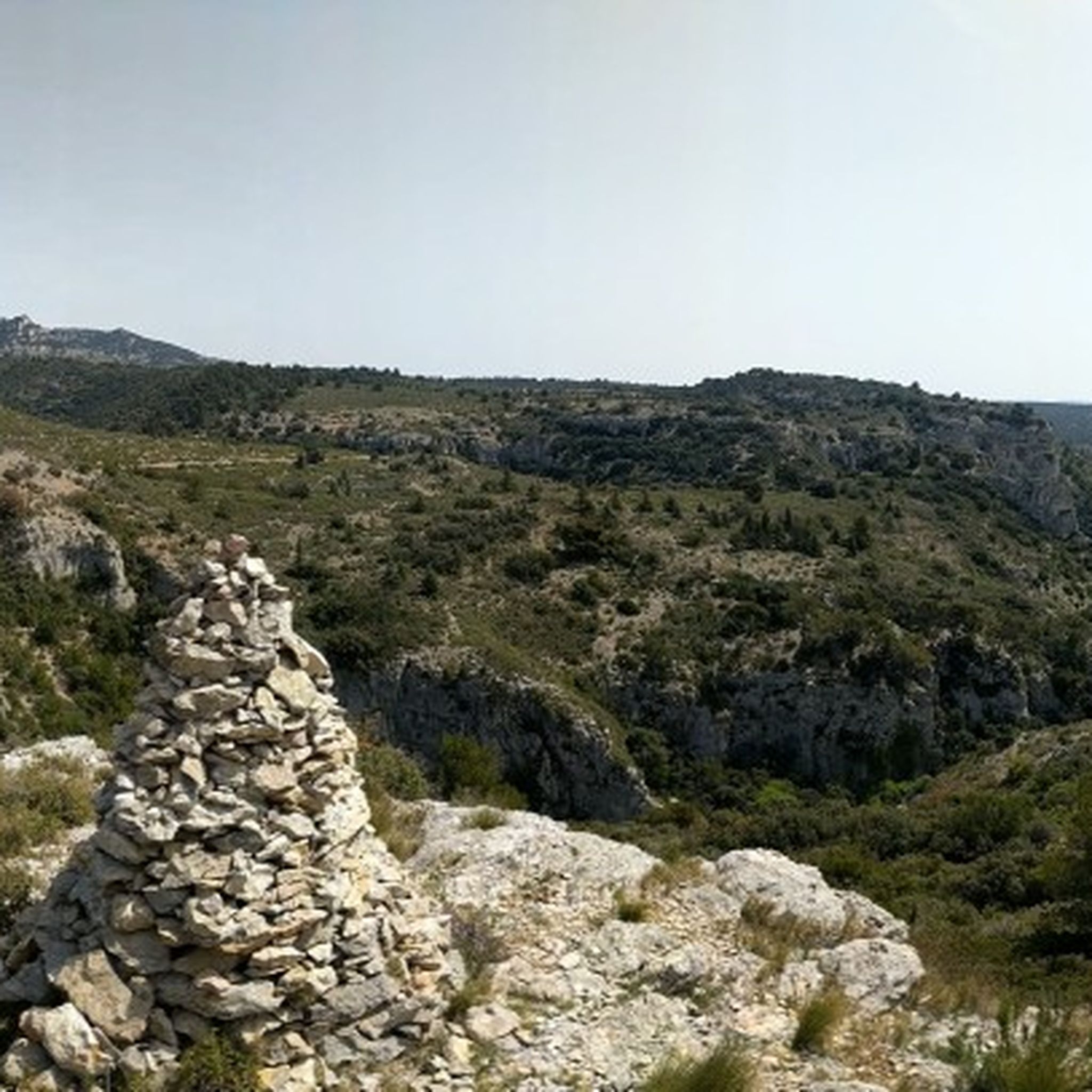
A beautiful and mostly leisurely hiking trail through the gorge. Occasional climbing sections.
0
0

Hike done with a group of 17 from the village of Borries towards Senanque which we were unable to reach. The path in the Senancole valley is pleasant even if strewn with small pitfalls. At the top of the valley the rocky passage is too difficult for some people and we had to turn back.
0
0

The place is the namesake of the department of Vaucluse. Until 1946, this was also the official name of the municipality. In order to avoid confusion, it was decided in that year to change the name to Fontaine-de-Vaucluse. Vaucluse is derived from the Latin "Vallis clausa" which means "closed valley". During the Middle Ages, the village church was a place of pilgrimage because of the tomb of Bishop Veranus of Cavaillon.
9
2

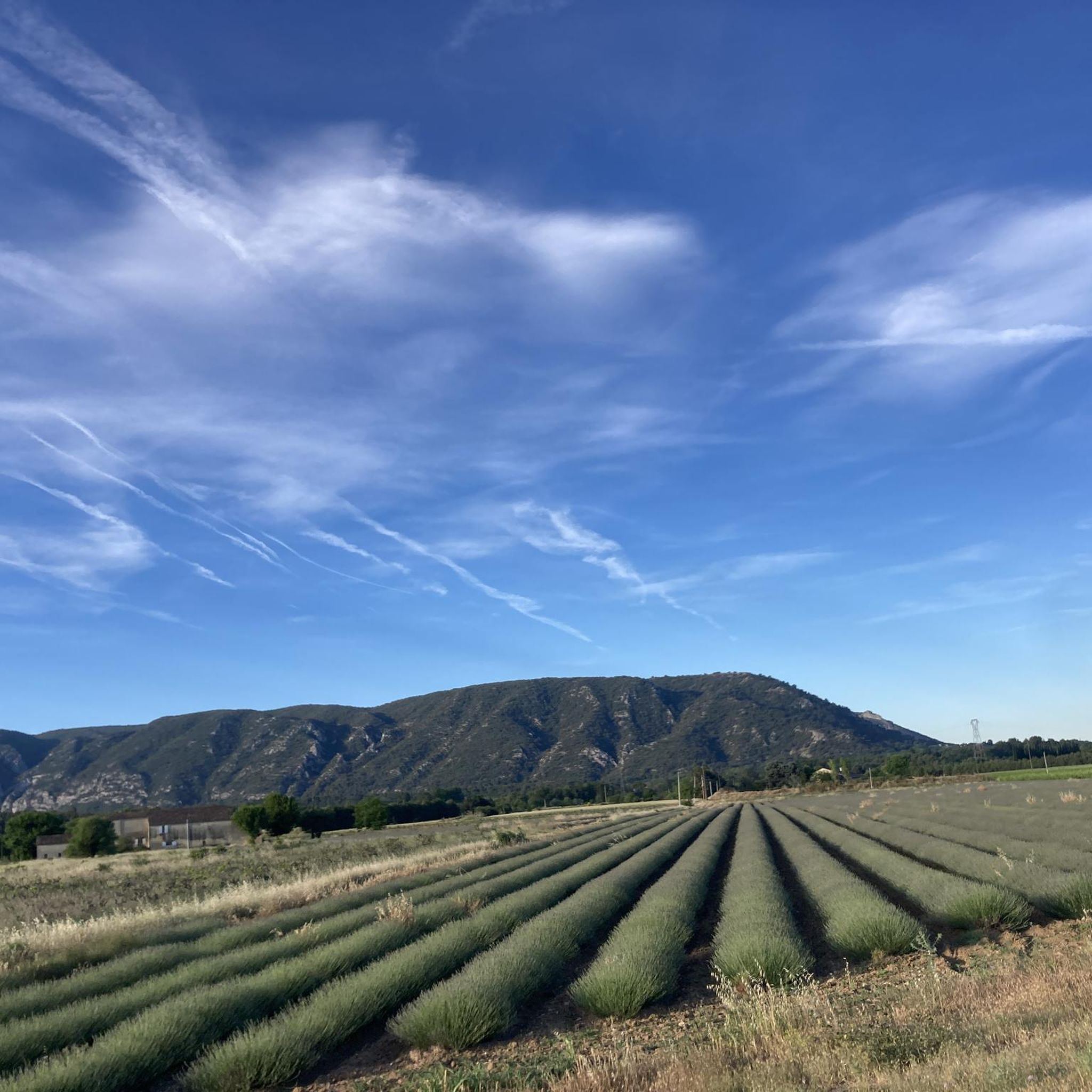
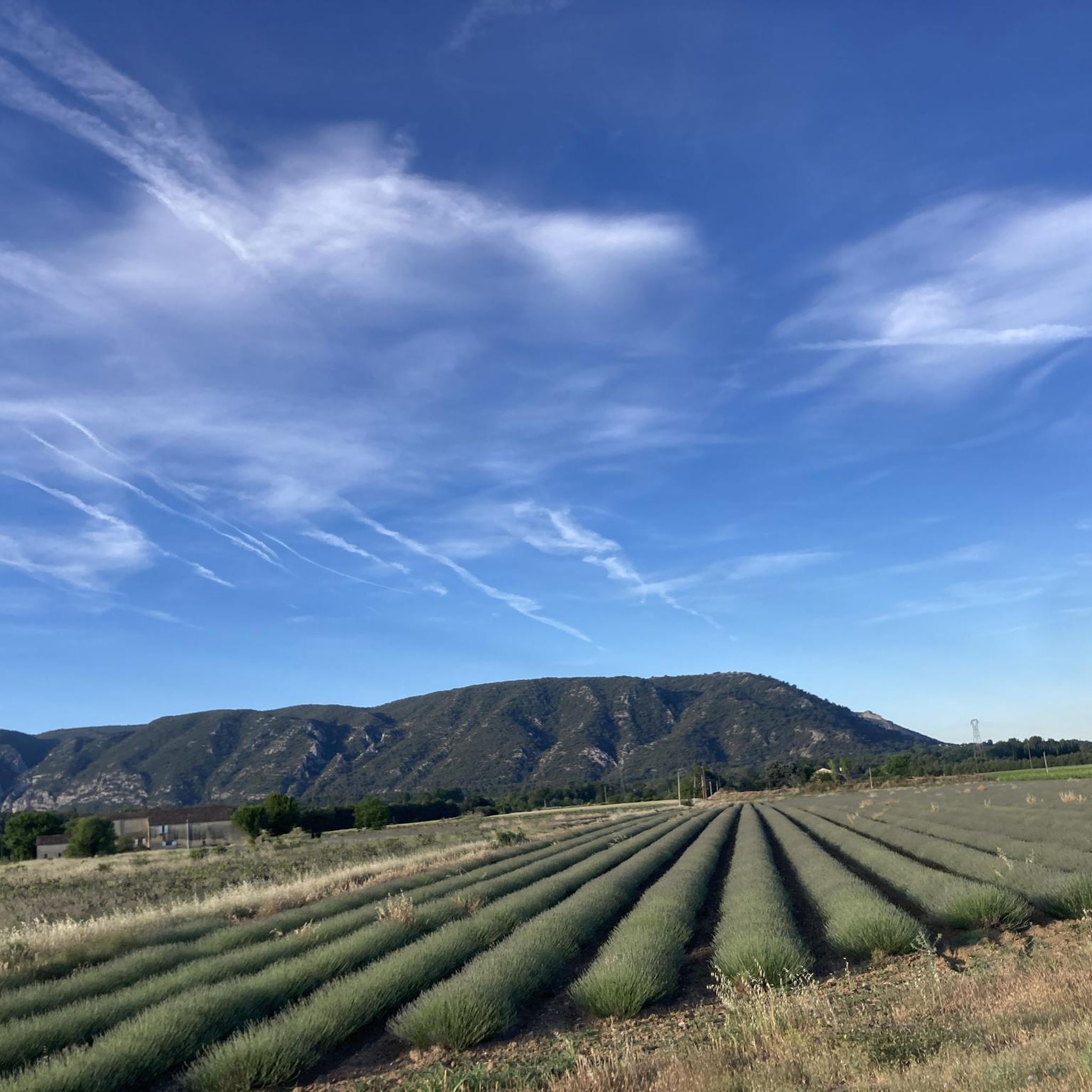
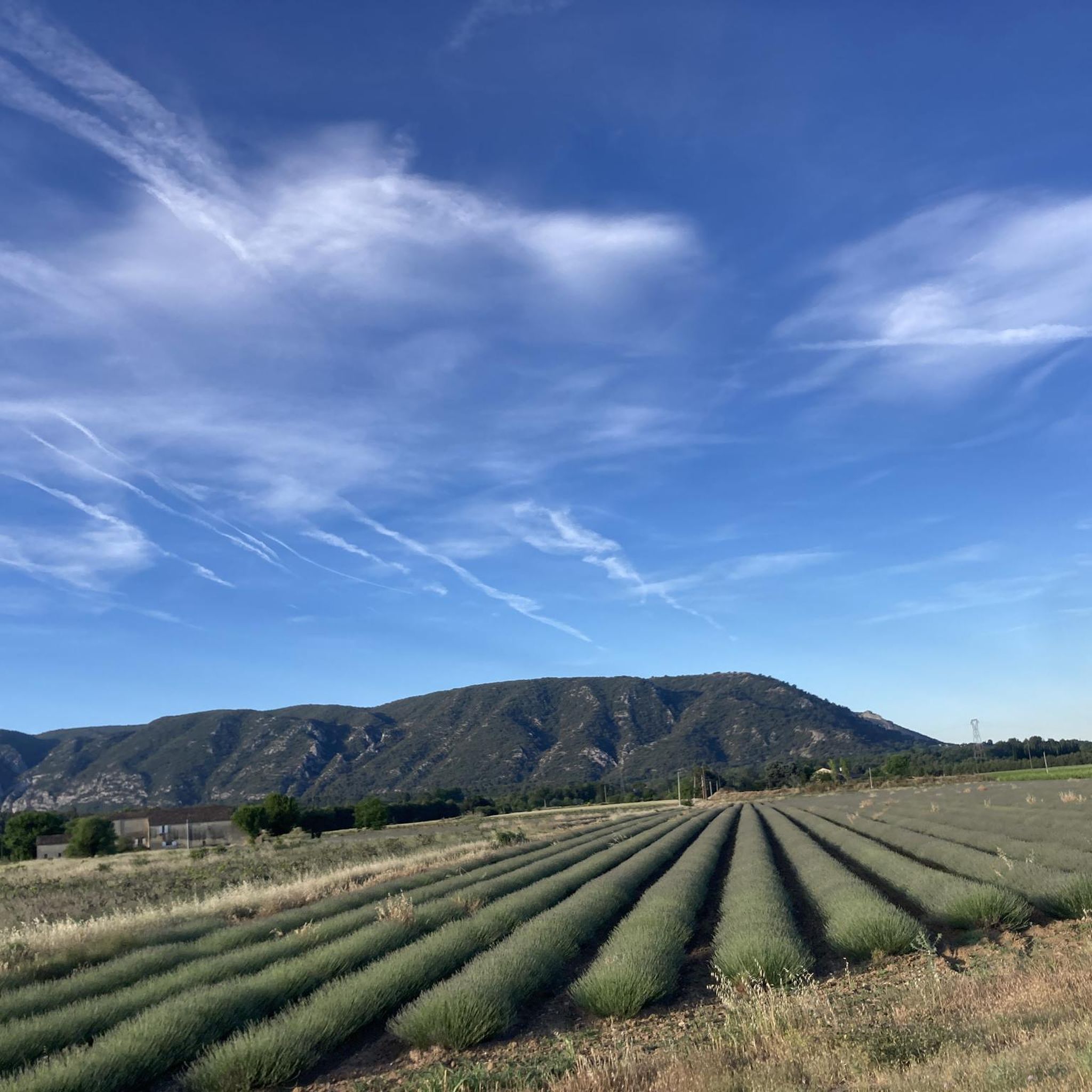
The Lagnes Botanical Trail offers an immersion in the nature of Vaucluse, with a rich diversity of trees such as holm oaks, Atlas cedars, and a remarkable pine forest. The site is also home to local wildlife, including the southern warbler. There we discover old cultivation terraces, dry stone walls, and grazing areas, testifying to ancient agricultural practices. The panorama of the Luberon and the Montmirail laces is spectacular.
0
0


The dolmens are between 3,300 and 2,900 BC. been erected. It housed about fifty people of all ages and genders
4
0
Built around 1030 (probably along with its church), a deed of donation mentions it in 1034, but the ruins date from the early twelfth century. The extraordinary place "Vallis Clausa", the closed valley, was the inspiration for the name Vaucluse.
3
0

Interesting stone grave, even with explanatory info.
5
0
Frequently Asked Questions
What are some of the most significant natural monuments to visit around Robion?
Robion is an excellent base for exploring several noteworthy natural monuments. The vast Luberon Regional Natural Park, a UNESCO Biosphere Reserve, offers diverse landscapes and rich biodiversity. You can also visit Fontaine-de-Vaucluse, famous for the powerful resurgence of the Sorgue River, which is the largest natural spring in France. For a more intimate experience, the Boulon Spring within Robion provides a tranquil spot, and the historic Carpentras Canal offers pleasant pathways for strolling and cycling.
What makes the Luberon Regional Natural Park a special natural monument near Robion?
The Luberon Regional Natural Park, directly adjacent to Robion, is a vast and protected area recognized as a UNESCO Biosphere Reserve and Global Geopark. It features a wide variety of environments, including garrigue scrubland, oak forests, vineyards, and rocky areas. It's home to 270 vertebrate animal species and over 1,800 plant species, offering exceptional natural heritage and diverse landscapes for exploration.
Are there opportunities for hiking and cycling near Robion's natural monuments?
Yes, the area around Robion is excellent for outdoor activities. The Luberon Regional Natural Park offers numerous hiking and cycling trails, including main trails like GR6 and GR97. The Carpentras Canal also provides easy, flat routes ideal for strolling and cycling. For specific routes, you can explore options like cycling tours or running trails around Robion.
What kind of natural features can I expect to see at Fontaine-de-Vaucluse?
At Fontaine-de-Vaucluse, the main attraction is the source of the Sorgue River, which is the largest natural spring in France. The underground river emerges from a chasm at the foot of a 230-meter-high cliff, forming a large, striking emerald-green pool. The flow varies seasonally, creating a spectacular display, especially after heavy rains.
Are there any challenging natural monuments for experienced hikers?
Yes, the Sénancole Valley offers a more challenging experience. This gorge features routes with scrambling sections and requires surefootedness. It's a rewarding destination for those looking for a more adventurous hike.
Are there family-friendly natural attractions around Robion?
Absolutely. The Fontaine-de-Vaucluse is a popular family destination, with a pleasant walk from the village to the spring. The Botanical trail also offers an immersive experience in nature with diverse trees and local wildlife, suitable for families. Additionally, the flat paths along the Carpentras Canal are great for family strolls or bike rides.
Can I find historical or archaeological sites among the natural monuments?
Yes, the region blends natural beauty with history. The Ubac Dolmen is a magnificent Neolithic tomb that has been preserved and is now located near a cycle path, offering an interesting historical stop. The village of Fontaine-de-Vaucluse itself is steeped in history, having inspired poets and featuring historical sites alongside its natural spring.
What is the best time to visit the natural monuments around Robion?
The natural monuments around Robion can be enjoyed throughout the year, but spring and autumn are particularly pleasant. In spring, the Sorgue River at Fontaine-de-Vaucluse has an impressive flow, and the landscapes are lush. Autumn offers mild temperatures and beautiful colors. Summers can be hot, making early mornings or late afternoons ideal for activities, while winters are generally mild, though some seasonal features like the Boulon Spring might be less active.
What kind of wildlife can be spotted in the natural monuments near Robion?
The Luberon Regional Natural Park is rich in biodiversity, home to 270 vertebrate animal species, including marmots, deer, eagle owls, and Bonelli's eagles. The Botanical trail also highlights local wildlife, such as the southern warbler, amidst its diverse flora.
Are there any natural monuments that are less crowded or offer a more peaceful experience?
For a more tranquil experience, the Boulon Spring, located within Robion at the foot of the Baude rocks, offers a peaceful setting. Its appearance changes with the seasons, providing a refreshing break for walkers. The pathways along the Carpentras Canal also offer a serene environment for strolling or cycling away from more bustling tourist spots.
What do visitors enjoy most about the natural monuments around Robion?
Visitors frequently praise the sheer power and striking emerald color of the Fontaine-de-Vaucluse. The diverse landscapes and well-maintained pathways of the Luberon Regional Natural Park are also highly appreciated for hiking and cycling. Many enjoy the blend of natural beauty with the historical and cultural richness of the region, as well as the opportunities for wildlife spotting and panoramic views.
Can I find routes for gravel biking near the natural monuments?
Yes, there are several options for gravel biking. You can find routes that take you through the scenic countryside around Robion, often passing by or near natural features. For detailed routes and guides, check out the gravel biking guide for Robion, which includes challenging loops and routes along canals.
Most popular attractions around Robion

Get inspired with the komoot mobile app


Explore more
Extend your search for the best caves by checking out these guides of the top ones around Robion:
