Top 20 Natural Monuments around Beaumettes
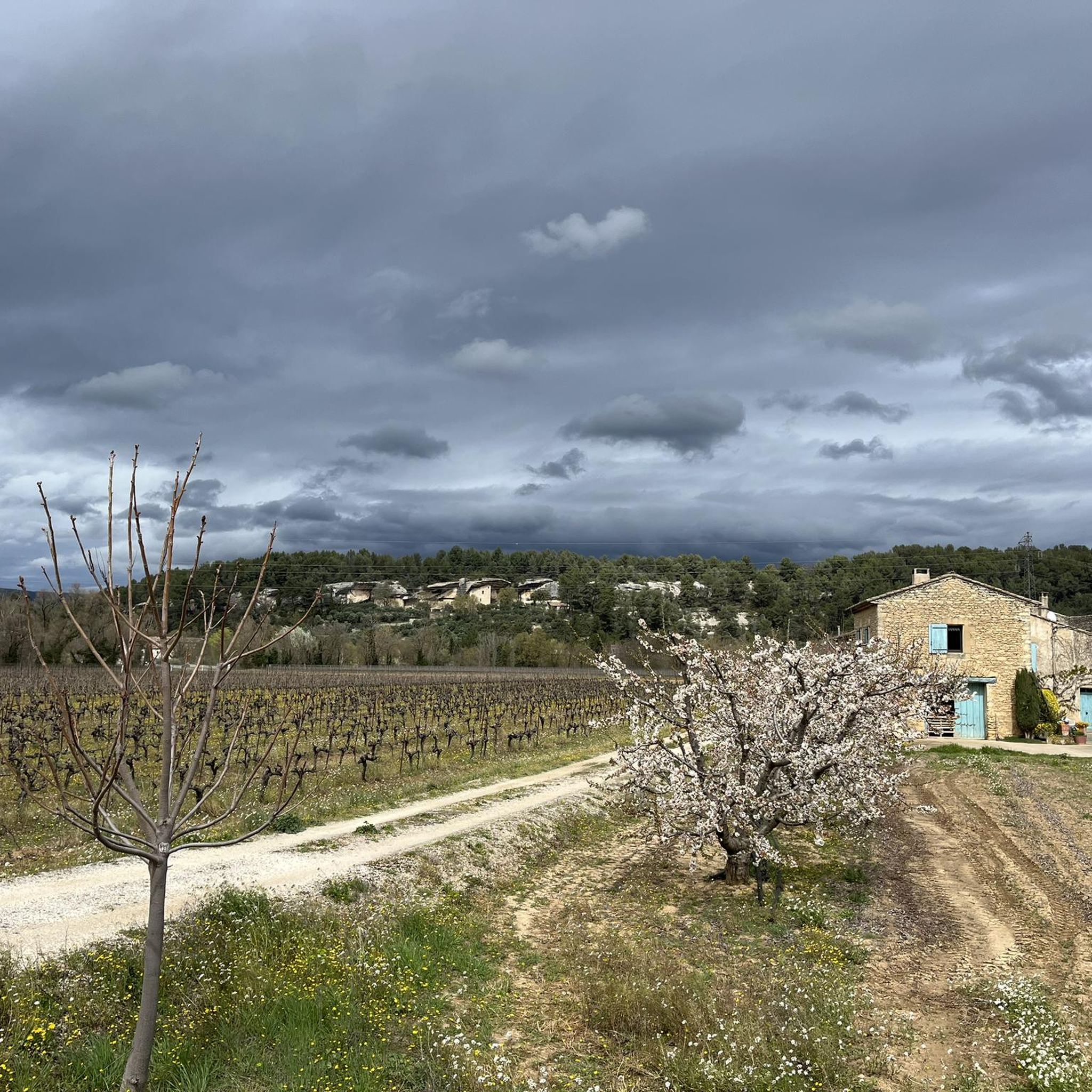
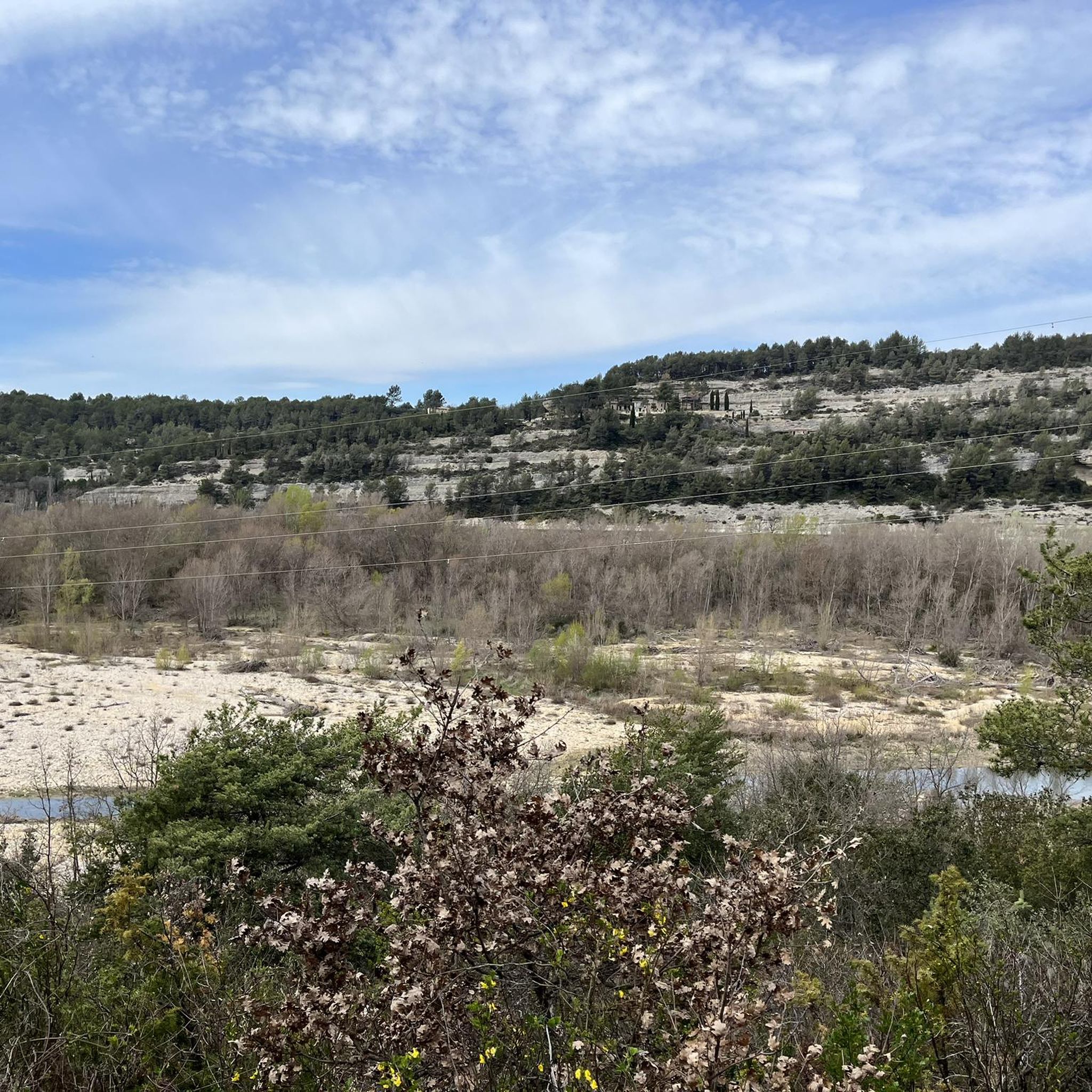
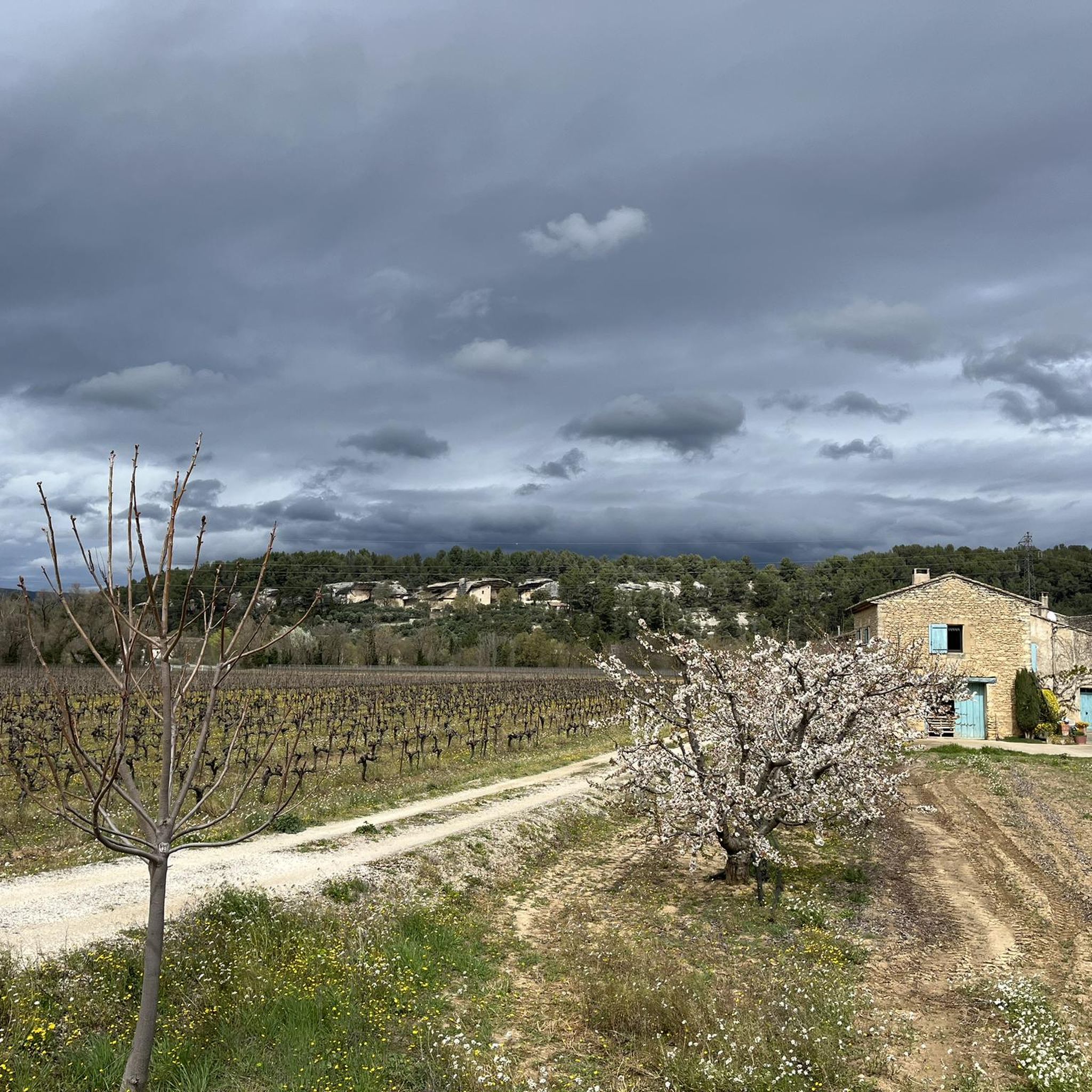
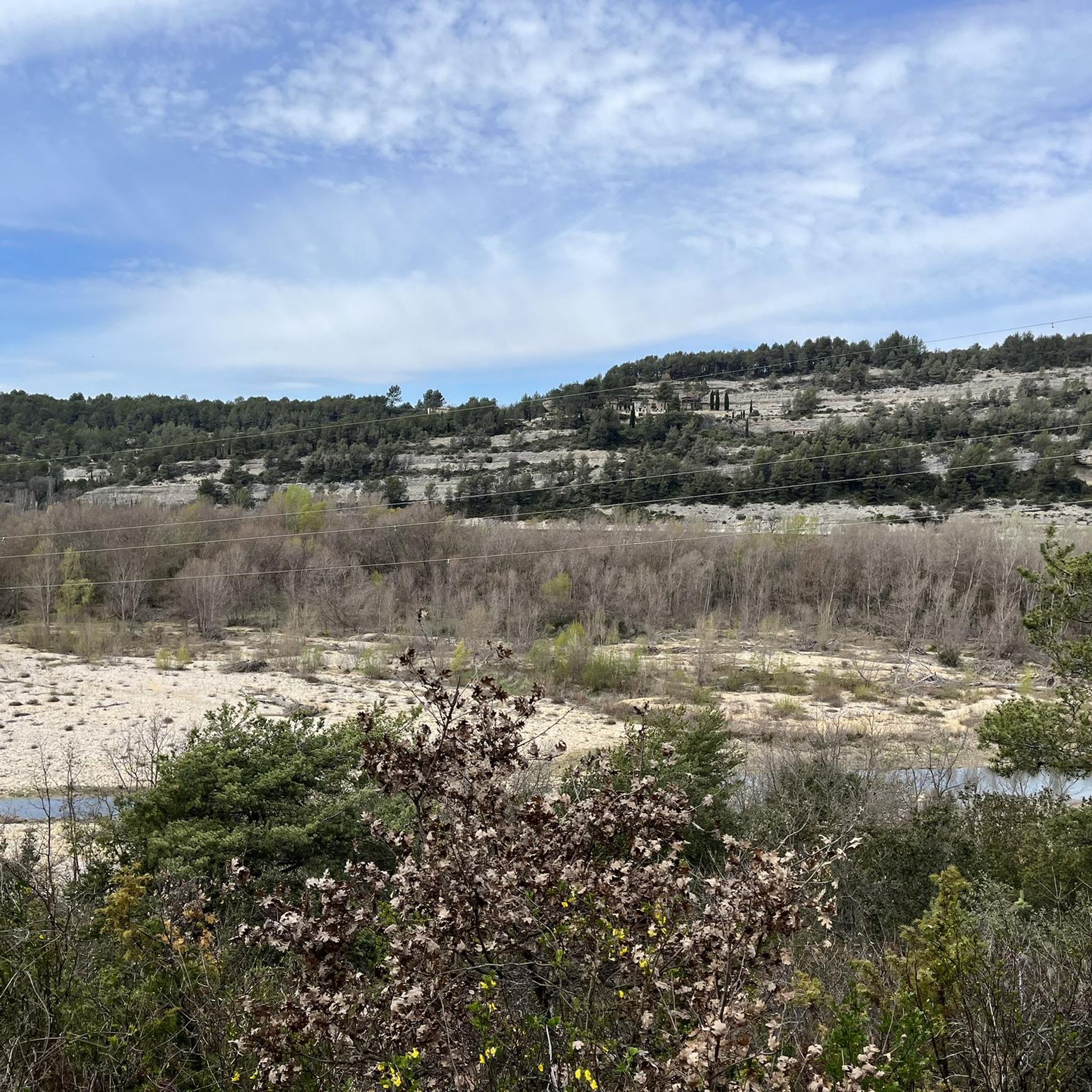
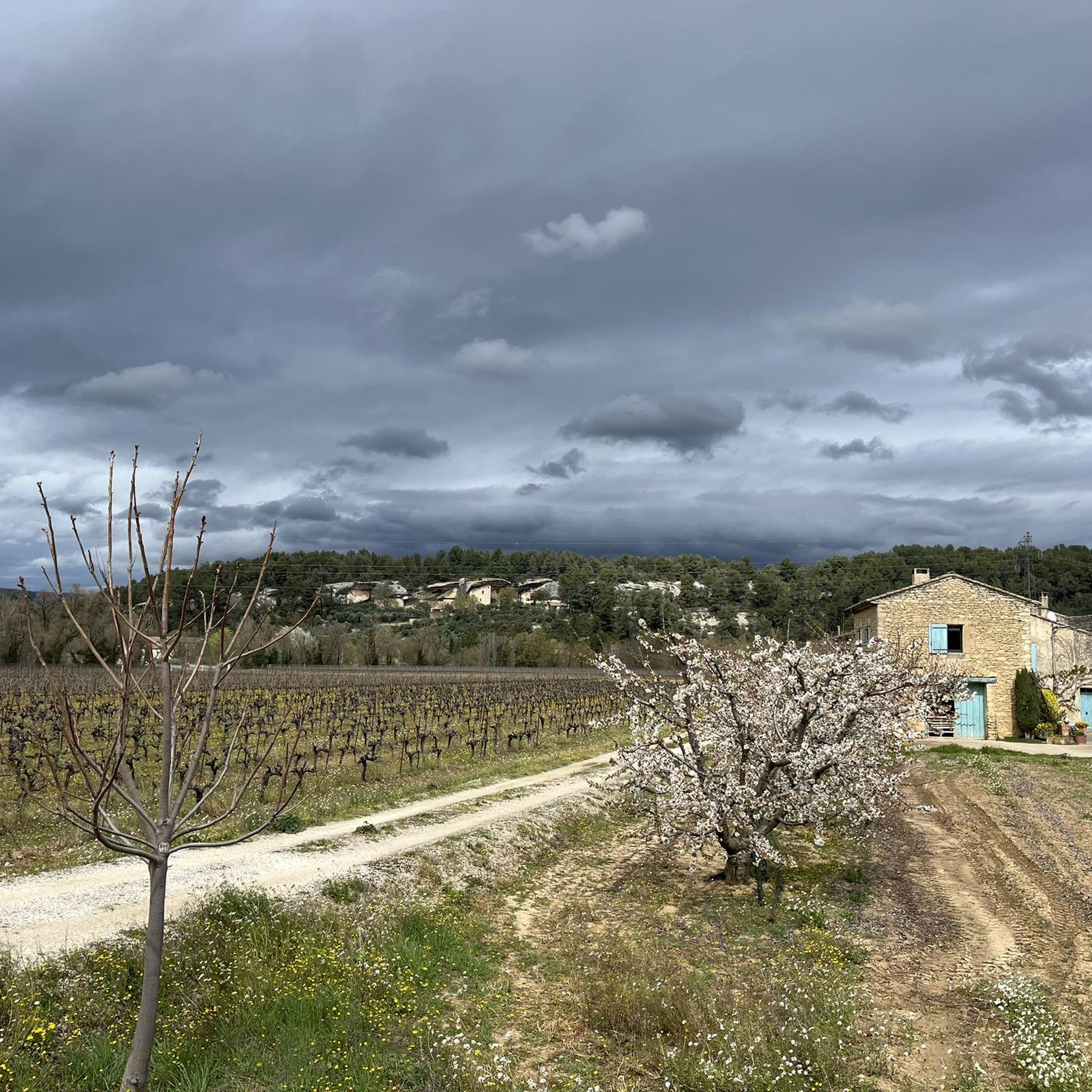
Best natural monuments around Beaumettes are found within the tranquil Luberon Regional Nature Park in Provence, France. This area is characterized by a harmonious integration of human history and its natural surroundings. Visitors can explore unique natural features such as ancient troglodyte dwellings carved into rock faces, diverse landscapes of hills and forests, and distinctive geological formations. The region offers opportunities for peaceful exploration and insight into how inhabitants adapted to the natural terrain.
Best natural monuments around Beaumettes
- The…
Last updated: May 4, 2026
Fontaine-de-Vaucluse
Highlight • Monument
Translated by Google •
Tip by

The Ochres of Roussillon
Highlight • Natural Monument
Translated by Google •
Tip by

Sign up now to discover places like this
Get recommendations on the best single tracks, peaks, & plenty of other exciting outdoor places.
Sign up for free
Ochre Trail
Highlight (Segment) • Trail
Once you've paid the entrance fee and are on your way, you feel like you're in the Brice Canyon. If you have children, please bring old clothes 😉
Translated by Google •
Tip by

Luberon Cedar Forest Trail (Forêt des Cèdres du Luberon)
Highlight • Forest
This forest has only existed since 1860. The …
Translated by Google •
Tip by
Ochre Trail
Highlight • Natural Monument
Translated by Google •
Tip by

Sign up for free to discover even more natural monuments around Beaumettes.
Sign up for free
Already have an account?
Start today with a free account
Your next adventure awaits.
Login or Signup
Tips from the Community

Very well-known and well-visited, but still a must-see. The colors are breathtaking, and the path through the ochre cliffs is very well-marked. The back section (red route) is also worth the effort.
0
0

The view is fascinating. The sunlight can change within a very short time and the rocks can shine in various shades of ochre and even orange. Worth seeing!
2
0

Definitely recommended, the visit: It is called Colorado Provencal
1
0

The place is the namesake of the department of Vaucluse. Until 1946, this was also the official name of the municipality. In order to avoid confusion, it was decided in that year to change the name to Fontaine-de-Vaucluse. Vaucluse is derived from the Latin "Vallis clausa" which means "closed valley". During the Middle Ages, the village church was a place of pilgrimage because of the tomb of Bishop Veranus of Cavaillon.
9
2

Important for photographers: I would do the tour in the morning, otherwise the rocks are in the shade. And honestly: I think the rocks are overrated.
1
0

The Ochre Trail (Sentier des Ocres) near the mountain village of Roussillon leads through the former quarries and offers remarkable landscapes that have been shaped by the ochre industry and nature over two centuries. For a small entrance fee, you can immerse yourself in the formation of ochre and the history of its use. The beautifully laid out trail through the former quarries is a unique experience. We were here in mid-March in the best weather; the colors were particularly intense and there were hardly any visitors with us.
1
0
The Ochre Trail (Sentier des Ocres) leads through the former quarries and offers remarkable landscapes that have been shaped by the ochre industry and nature over two centuries. The bike remains in a parking space, the Ochre Trail can only be experienced on foot. As there are many stairs, the Ochre Trail is not suitable for strollers/wheelchairs. There are signposted 30 and 50 minute loops, but I recommend the long loop because otherwise you will miss an impressive scenery.
2
1

"...The ocher cliffs of Roussillon are a mountain massif that shines in intense red, yellow and orange tones. They are located in the Luberon Regional Nature Park and sometimes form bizarre rock formations..." Find out more about the colorful ocher rocks at: https://www.netreisetagebuch.de/roussillon-ockerfelsen/
4
0
Frequently Asked Questions
What unique natural features can I explore in Beaumettes?
Beaumettes is known for its harmonious integration with nature. You can explore the ancient Troglodyte Dwellings carved into the rock face, which gave the village its name. The surrounding Luberon Regional Nature Park offers diverse landscapes. Additionally, the Ochre Trail provides a unique geological experience with its vibrant colors.
Are there family-friendly natural monuments or trails around Beaumettes?
Yes, several natural sites are suitable for families. The Luberon Cedar Forest Trail offers well-marked, easy paths, including one that is wheelchair accessible, making it great for all ages. The Beaumettes Botanical Trail, starting behind the village church, is an easy 50-minute loop perfect for families to discover local flora and geological formations like Miocene spheres.
What kind of landscapes can I expect to see in the Luberon Regional Nature Park around Beaumettes?
The Luberon Regional Nature Park, where Beaumettes is situated, features a diverse landscape of rolling hills, vineyards, and olive groves. You'll encounter scrubland (garrigue), pine forests, and a rich variety of Mediterranean flora. The area is characterized by its serene beauty and offers peaceful exploration opportunities.
What is the best time of year to visit the natural monuments in Beaumettes?
The spring and autumn months are generally ideal for visiting Beaumettes' natural monuments. During these seasons, the weather is pleasant for outdoor activities, and the natural landscapes are particularly vibrant. Summer can be very hot, making early mornings or late afternoons preferable for exploration.
Are there hiking opportunities near the natural monuments in Beaumettes?
Absolutely. The region offers numerous hiking opportunities. For example, you can find easy routes like the 'Goult – Mill of Jerusalem loop' or the 'Dolmen de l'Ubac loop'. More challenging options are also available, such as the 'Ubac Dolmen – Saint-Michel de la Baume loop'. You can explore various trails by checking the hiking guide around Beaumettes.
What is the significance of the dry-stone terraces (restanques) in the Beaumettes landscape?
The dry-stone terraces, or 'restanques,' are a prominent feature of the Beaumettes landscape. Developed extensively in the 18th century, they represent centuries of human ingenuity in adapting to the natural terrain. These terraces were built to create arable land on hillsides, stabilize soil, manage water, and are a strong visual marker of the authentic Luberon, telling a story of agricultural history and craftsmanship.
Can I find natural monuments that are less crowded than the main attractions?
Yes, for a quieter experience, consider exploring the Beaumettes Botanical Trail, which offers a sensory journey through local flora and geology. The Ubac Dolmen, a Neolithic funerary monument, also provides a unique historical and environmental context in a more tranquil setting between Beaumettes and Goult.
Are there any natural monuments around Beaumettes that are wheelchair accessible?
Yes, the Luberon Cedar Forest Trail offers a specific blue-marked route that is suitable for wheelchair access, allowing everyone to enjoy the imposing century-old cedar trees and the peaceful forest environment.
What kind of wildlife can I observe near the natural monuments in Beaumettes?
The Luberon Regional Nature Park is home to diverse Mediterranean flora and fauna. Along trails like the Beaumettes Botanical Trail, you might discreetly observe wildlife such as red wood ants and the Proserpine butterfly. The broader park landscape supports various species adapted to scrubland and pine forests.
What are the most popular natural monuments around Beaumettes?
Among the most popular natural monuments are Fontaine-de-Vaucluse, a natural spring and river source, and the Ochre Trail, known for its vibrant, canyon-like landscape. Visitors also highly appreciate the Luberon Cedar Forest Trail for its imposing trees and peaceful atmosphere.
Are there mountain biking or gravel biking routes near these natural monuments?
Yes, the area around Beaumettes offers excellent opportunities for both mountain biking and gravel biking. You can find routes like the 'Roussilon – Julien bridge loop' for MTB or 'The Ochres of Roussillon – Roussilon loop' for gravel biking. For more details, refer to the MTB Trails guide or the Gravel biking guide around Beaumettes.
How long does it typically take to explore the main natural monuments?
The time needed varies by site. For instance, the Beaumettes Botanical Trail is an easy 50-minute loop. Exploring the Ochre Trail can take 1-2 hours depending on whether you choose the shorter or longer path. For larger sites like Fontaine-de-Vaucluse, you might spend a few hours enjoying the spring and the village.
Most popular routes around Beaumettes
Most popular attractions around Beaumettes

Get inspired with the komoot mobile app


Explore more
Extend your search for the best caves by checking out these guides of the top ones around Beaumettes:
