Top 15 Natural Monuments around Lagnes
Natural monuments around Lagnes offer diverse landscapes in the heart of Provence-Alpes-Côte d'Azur. The village is situated at the foot of the Luberon Regional Natural Park, providing access to varied terrains including hills, garrigue, and valleys. This region is characterized by geological features and panoramic viewpoints, making it a destination for outdoor exploration. Visitors can experience the typical Provençal landscape with its distinctive natural features.
Best natural monuments around Lagnes
- The most popular natural monuments is Fontaine-de-Vaucluse, a man-made…
Last updated: July 2, 2026
Fontaine-de-Vaucluse
Highlight • Monument
Translated by Google •
Tip by

Sénancole Valley
Highlight • Gorge
Translated by Google •
Tip by

Sign up now to discover places like this
Get recommendations on the best single tracks, peaks, & plenty of other exciting outdoor places.
Sign up for free
Ubac Dolmen
Highlight • Historical Site
Translated by Google •
Tip by
Source of the Sorgue
Highlight • River
Translated by Google •
Tip by

Botanical trail
Highlight • Trail
Translated by Google •
Tip by

Sign up for free to discover even more natural monuments around Lagnes.
Sign up for free
Already have an account?
Start today with a free account
Your next adventure awaits.
Login or Signup
Other adventures around Lagnes

Tips from the Community

Power of the Sorgue at Fontaine de Vaucluse
0
0

A beautiful and mostly leisurely hiking trail through the gorge. Occasional climbing sections.
0
0

Hike done with a group of 17 from the village of Borries towards Senanque which we were unable to reach. The path in the Senancole valley is pleasant even if strewn with small pitfalls. At the top of the valley the rocky passage is too difficult for some people and we had to turn back.
0
0

The place is the namesake of the department of Vaucluse. Until 1946, this was also the official name of the municipality. In order to avoid confusion, it was decided in that year to change the name to Fontaine-de-Vaucluse. Vaucluse is derived from the Latin "Vallis clausa" which means "closed valley". During the Middle Ages, the village church was a place of pilgrimage because of the tomb of Bishop Veranus of Cavaillon.
9
2

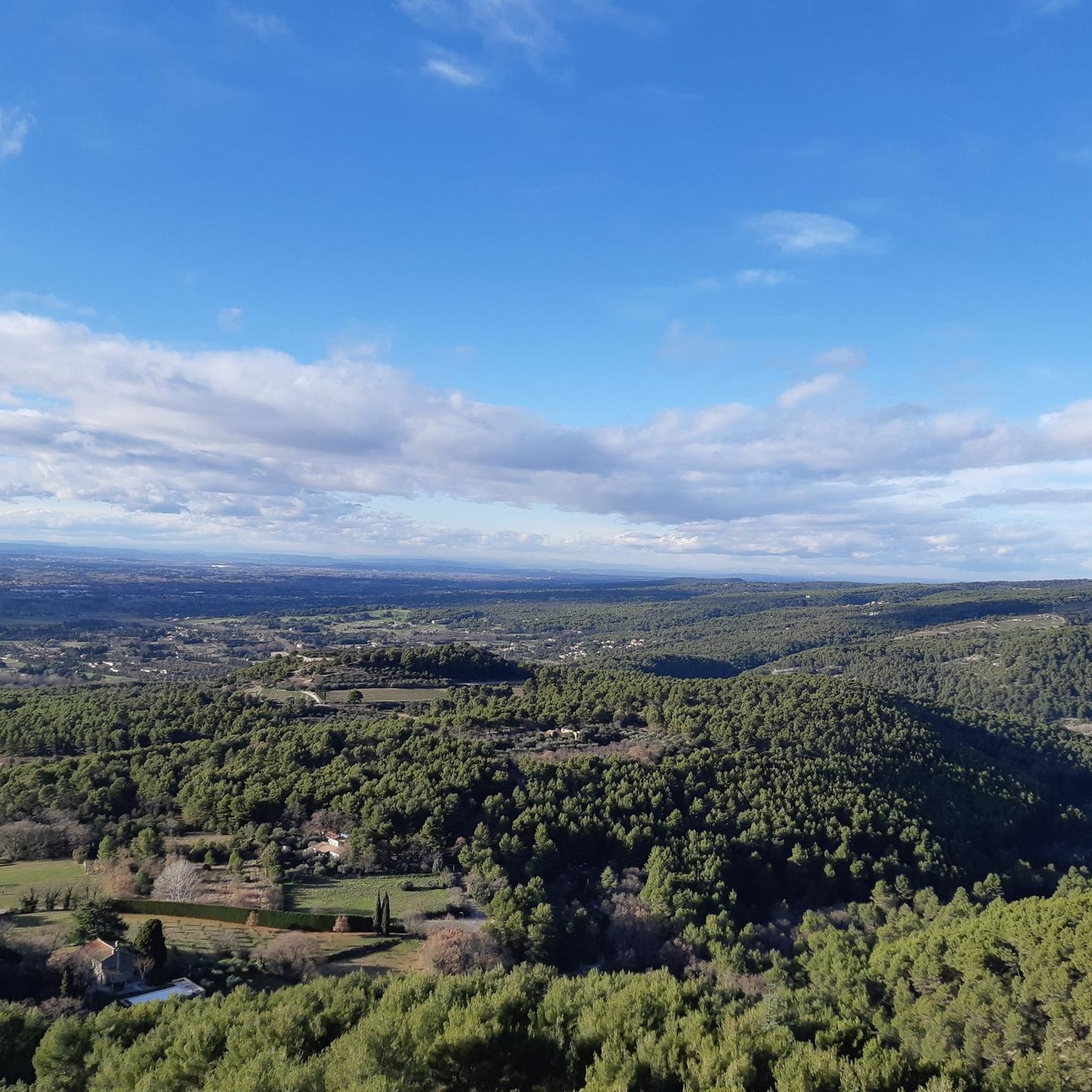
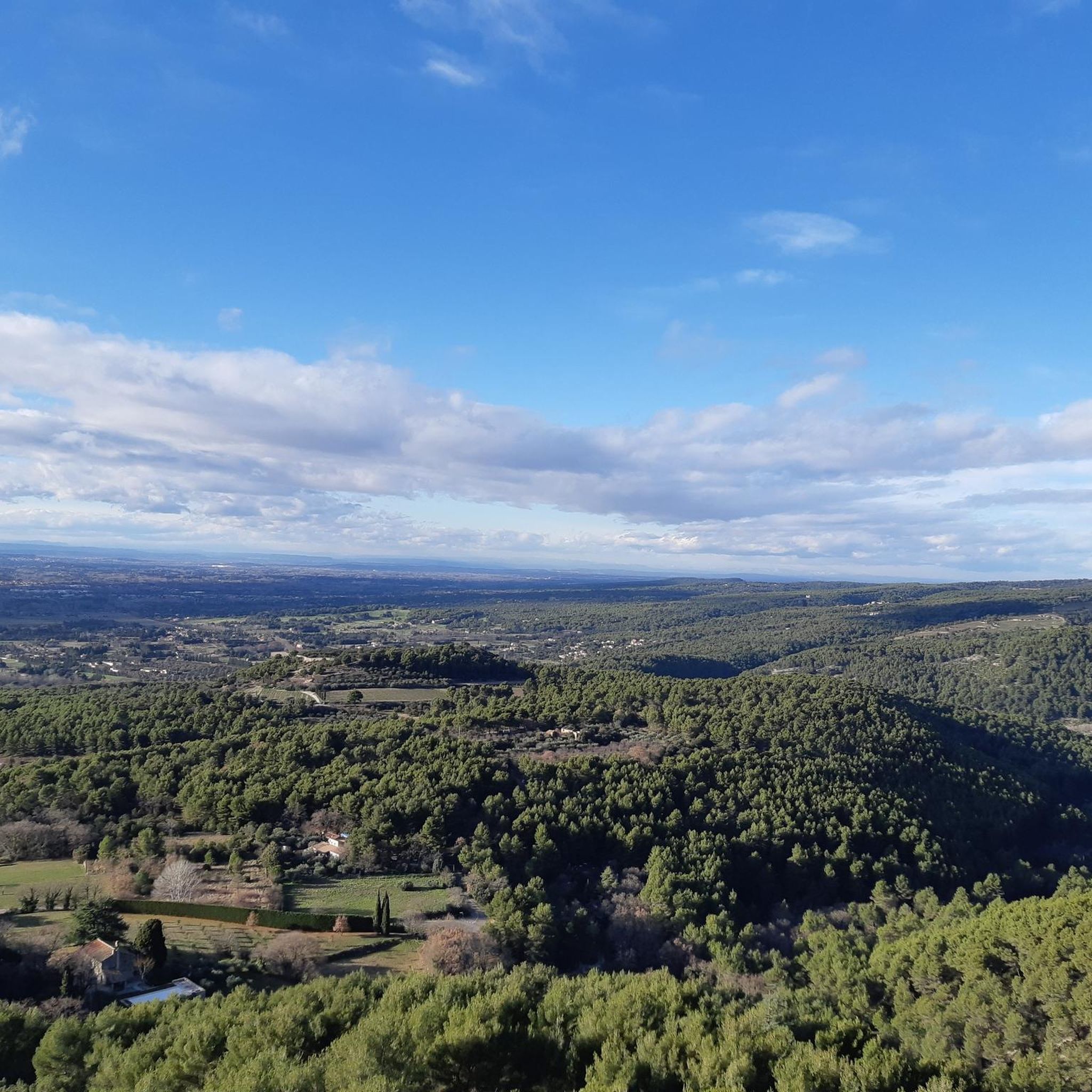
The Lagnes Botanical Trail offers an immersion in the nature of Vaucluse, with a rich diversity of trees such as holm oaks, Atlas cedars, and a remarkable pine forest. The site is also home to local wildlife, including the southern warbler. There we discover old cultivation terraces, dry stone walls, and grazing areas, testifying to ancient agricultural practices. The panorama of the Luberon and the Montmirail laces is spectacular.
0
0


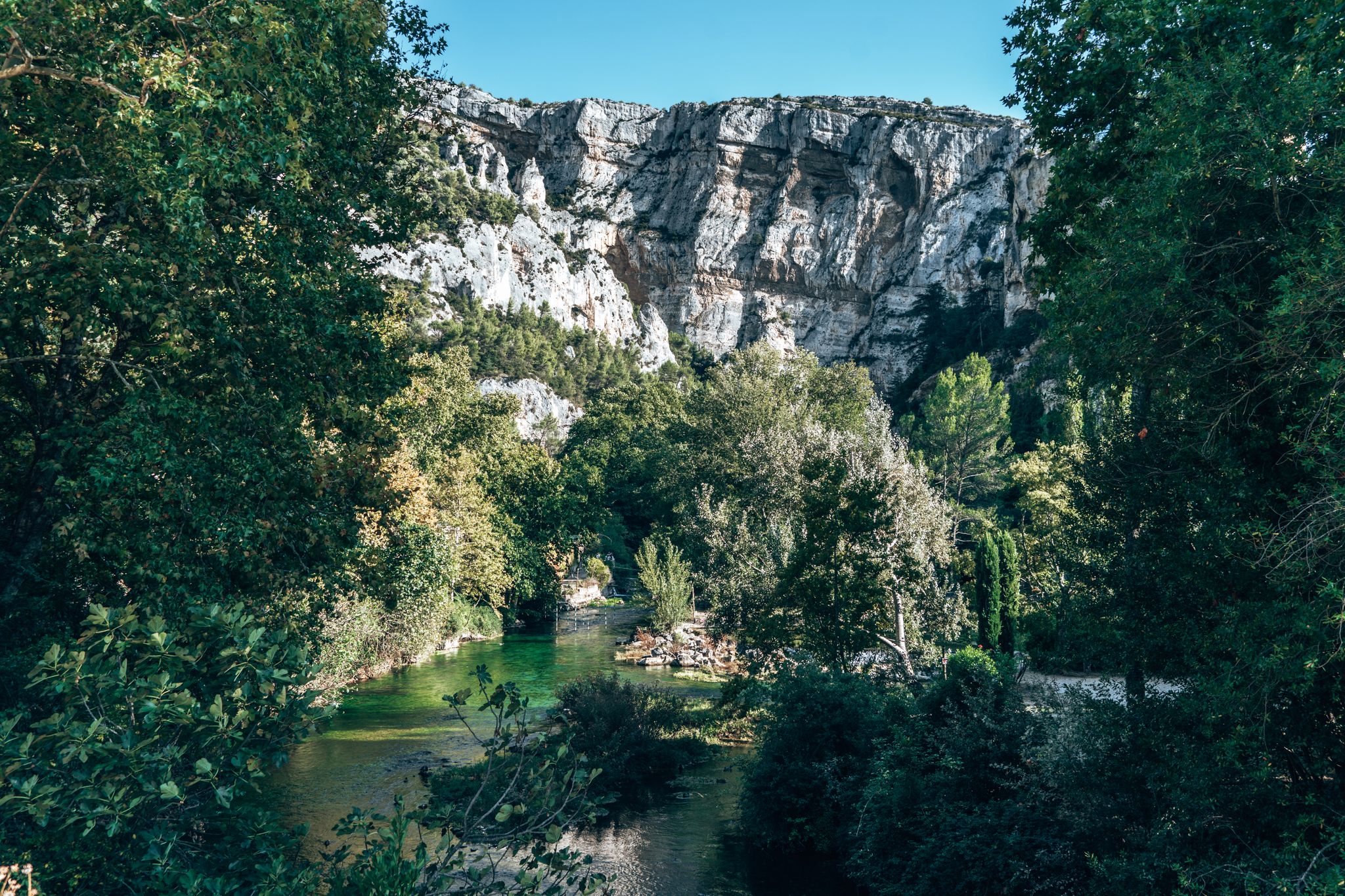
It is in this village that springs from the rocks the source of the Sorgue which is the largest resurgence in Europe. The underground river rises from the depths above a vertiginous cliff 230 meters high. Its flow is enormous: it is ranked fifth in the world with an annual flow of 630 to 700 million cubic meters. The beauty of this natural site makes it one of the most visited places in the department. In the past, it attracted many poets and writers who came to meditate here: Pétrarque, Chateaubriand, Frédéric Mistral and René Char are some examples. A word of advice: in the middle of the tourist season, go visit the source early in the morning, because the flow of tourists is also important.
6
0

The dolmens are between 3,300 and 2,900 BC. been erected. It housed about fifty people of all ages and genders
4
0
Frequently Asked Questions
What are some unique natural features to explore around Lagnes?
Lagnes is rich in diverse natural features. You can visit the spectacular Fontaine-de-Vaucluse, home to Europe's largest resurgence, where the Sorgue river emerges from a dramatic 230-meter-high cliff. Another notable feature is the iconic Tête du Soldat, a rocky summit offering a magnificent 360° panorama of the Luberon, Cavaillon plain, and Mont Ventoux, showcasing typical Provençal garrigue landscapes.
Are there any historical natural monuments in the area?
Yes, the region around Lagnes features historical natural monuments. The Ubac Dolmen is a magnificent Neolithic tomb that was carefully moved stone by stone to its current location near the cycle path connecting Cavaillon to Apt. This site offers a glimpse into ancient history amidst the natural surroundings.
What kind of hiking experiences can I find near Lagnes' natural monuments?
Hiking experiences vary from challenging to family-friendly. For a demanding hike with some scrambling sections, explore the Sénancole Valley gorge. If you prefer a more immersive nature walk, the Botanical trail offers a rich diversity of trees and local wildlife, with panoramic views. You can find more hiking options in the Hiking around Lagnes guide.
Are there family-friendly natural monuments suitable for children?
Absolutely. The Fontaine-de-Vaucluse is a popular spot for families, offering peaceful picnics and even canoeing opportunities near the source of the Sorgue. The Botanical trail is also considered family-friendly, providing an easy walk through diverse flora and fauna with beautiful views.
Where can I find the best panoramic views of the region?
For breathtaking panoramic views, head to the Tête du Soldat, which offers a 360° vista encompassing the Luberon, the Cavaillon plain, and Mont Ventoux. Another excellent spot is the Rocher du Pieï, overlooking Lagnes village, providing superb views of the Sorgue plain, and on clear days, even the distant Alpilles and Cévennes mountains.
What is the best time of day to visit the natural monuments for photography or scenic beauty?
For optimal scenic beauty and photography, visiting the Tête du Soldat at sunrise or sunset is highly recommended. The changing light illuminates the stones and enhances the colors of the Luberon, creating a truly magical experience.
What kind of terrain can I expect on trails near Lagnes' natural monuments?
The terrain around Lagnes is varied. You can expect rugged landscapes typical of the Luberon Regional Natural Park, including hills, garrigue, and valleys. Some trails, like those in the Sénancole Valley, feature challenging sections with short scrambling. Other areas, such as the Botanical trail, offer more gentle paths through forests and old cultivation terraces.
Can I find cycling routes near the natural monuments?
Yes, the region offers various cycling opportunities. The Ubac Dolmen is conveniently located near a cycle path connecting Cavaillon to Apt. The broader Luberon Regional Natural Park is a playground for cyclists, with numerous routes amidst aromatic lavender fields and rugged terrains. Explore more options in the Cycling around Lagnes guide.
What do visitors particularly enjoy about the natural monuments around Lagnes?
Visitors frequently praise the diverse landscapes and the immersive natural experiences. Many appreciate the geological wonders like the source of the Sorgue at Fontaine-de-Vaucluse, and the panoramic vistas from spots like the Tête du Soldat. The blend of natural beauty, historical sites, and varied outdoor activities makes the area highly appealing.
Are there any natural monuments that are particularly good for experiencing Provençal flora and fauna?
The Botanical trail in Lagnes is an excellent choice for experiencing Provençal nature. It offers an immersion in the local flora, with diverse trees like holm oaks and Atlas cedars, and is home to local wildlife such as the southern warbler. You'll also see ancient agricultural practices reflected in old cultivation terraces and dry stone walls.
What is the significance of the Luberon Regional Natural Park in relation to Lagnes?
Lagnes is situated at the foot of the vast and diverse Luberon Regional Natural Park, making it an ideal starting point for exploration. The park itself is a significant natural monument, offering extensive opportunities for hiking and cycling through aromatic lavender fields, rugged terrains, hills, garrigue, and lush valleys that define Provence's natural beauty.
Most popular attractions around Lagnes

Get inspired with the komoot mobile app


Explore more
Extend your search for the best caves by checking out these guides of the top ones around Lagnes:
