Top 18 Natural Monuments around Reignier-Ésery
Best natural monuments around Reignier-Ésery include a variety of natural and man-made features. The region, though named Reignier-Ésery, features prominent natural monuments located in and around Geneva, offering diverse landscapes. These sites showcase geological formations, unique ecosystems, and significant urban natural spaces. Visitors can explore caves, botanical gardens, and iconic fountains that define the area's character.
Best natural monuments around Reignier-Ésery
- The most popular natural monuments is Jet d'Eau Fountain, a man-made monument that projects water up to 140…
Last updated: July 2, 2026
Jet d'Eau Fountain
Highlight • Monument
Translated by Google •
Tip by

Jet d'Eau and the Lake Geneva waterfront
Highlight • Lake
Translated by Google •
Tip by

Sign up now to discover places like this
Get recommendations on the best single tracks, peaks, & plenty of other exciting outdoor places.
Sign up for free
Orjobet Cave
Highlight • Cave
Translated by Google •
Tip by

Flower Clock (Horloge Fleurie), English Garden
Highlight • Monument
Translated by Google •
Tip by

The Trou de la Tine
Highlight • Cave
Translated by Google •
Tip by
Sign up for free to discover even more natural monuments around Reignier-Ésery.
Sign up for free
Already have an account?
Start today with a free account
Your next adventure awaits.
Login or Signup

Tips from the Community

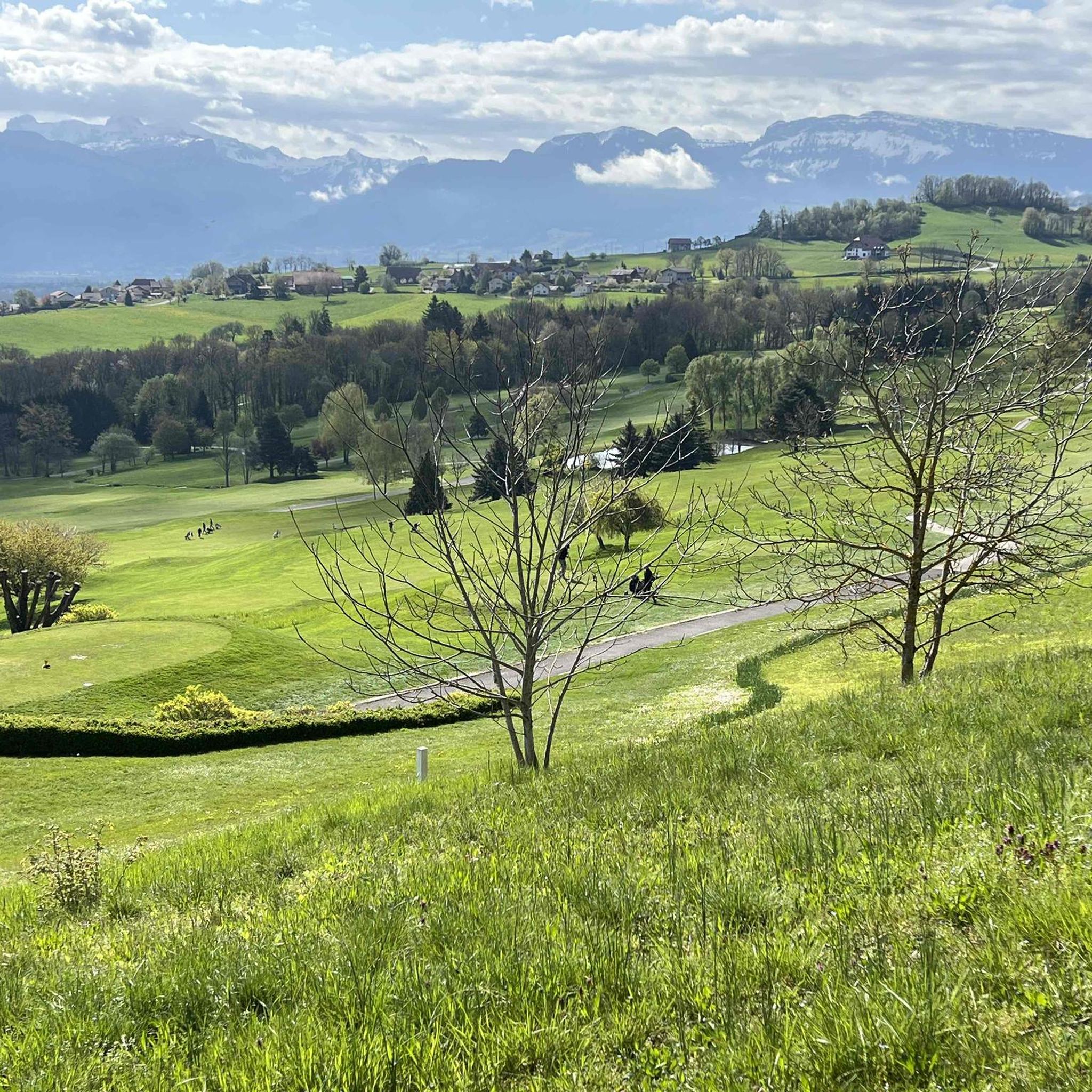
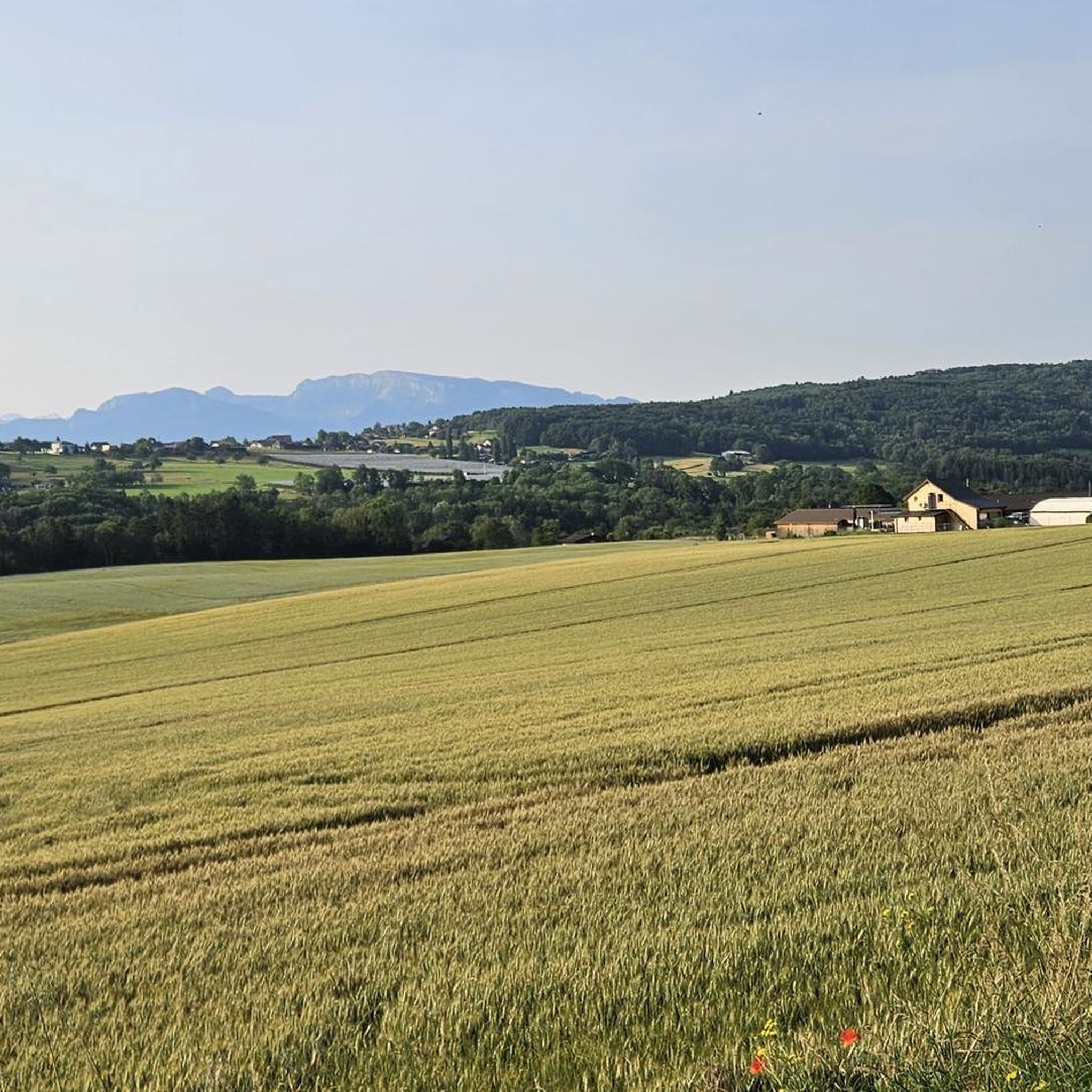
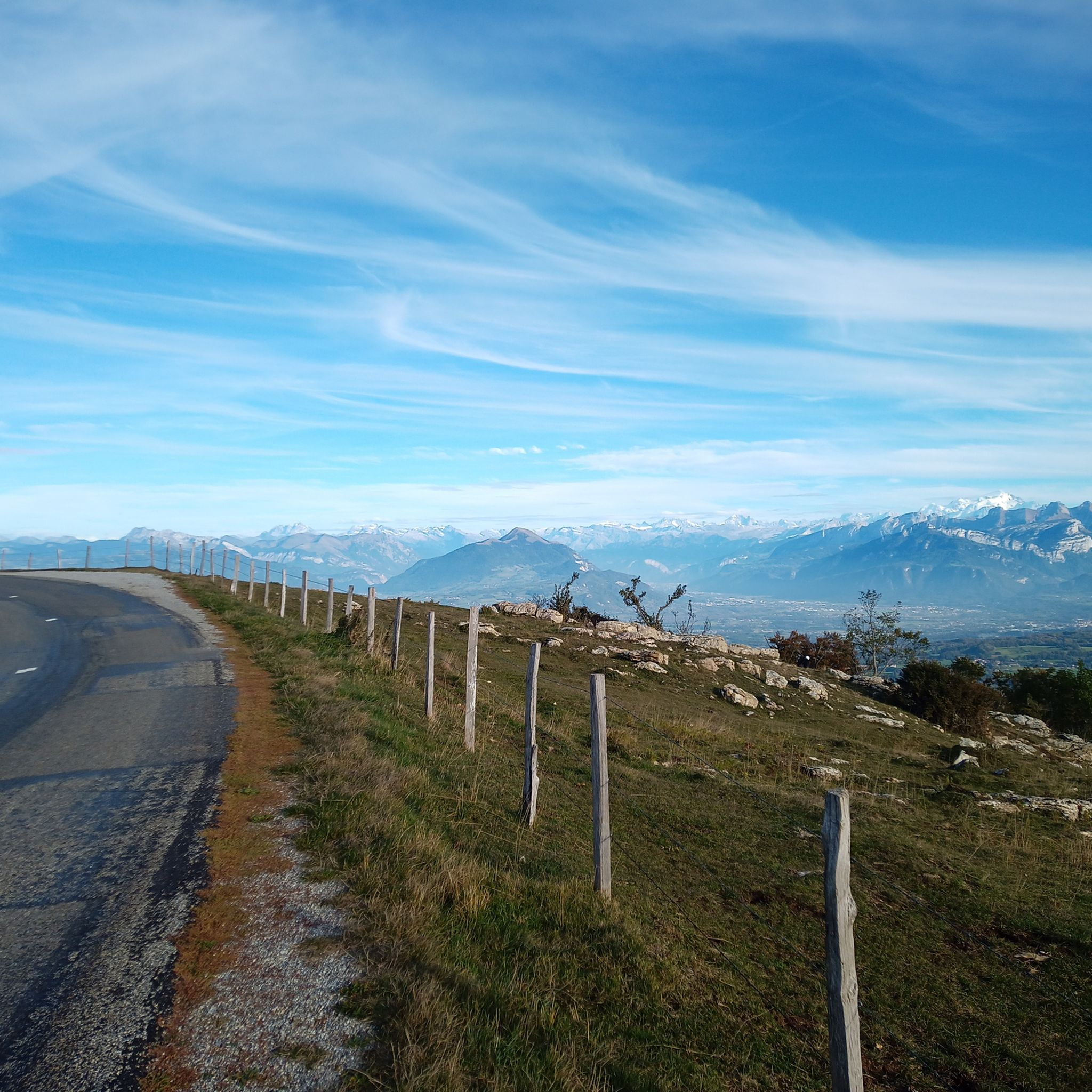
pretty here, very pretty
3
0

wonderfully beautiful area here
0
0


Le Trou de la Tine (Trou of the Tine Cave) was formed by erosion on the flank of Mont Salève. It is a deep, sunken hole shaped like an open-topped barrel ("Tine" is an old dialect term for barrel, "trou" means hole). The cave's ceiling has collapsed due to erosion, revealing a natural "barrel" with a side opening. One can walk into the "barrel" through this side opening.
0
0


Pretty and lively little park with several highlights and “must sees” of Geneva.
1
0
One of the city’s landmarks and a must-see.
1
0

For an invigorating run with stunning views, head to the shores of Lake Geneva in Geneva. Along the shores, you’ll find spectacular views of the waterfall and stunning scenery of the sparkling lake and distant Mont Blanc. The route offers a mix of shaded areas and open stretches, making it ideal for a refreshing morning or evening run.
0
0
Frequently Asked Questions
What unique natural monuments can I explore near Reignier-Ésery?
Near Reignier-Ésery, you can discover a blend of geological wonders and significant ecological sites. Highlights include the ancient Jet d'Eau Fountain in Geneva, known for its impressive water jet, and the fascinating Orjobet Cave, a limestone formation. The region also features the megalithic Pierre-aux-Fées, the ecologically vital Marais du Pont-Neuf marsh, and the geologically distinctive Plaine des Rocailles, scattered with glacial erratics.
Are there any family-friendly natural monuments around Reignier-Ésery?
Yes, several natural monuments are suitable for families. The Jet d'Eau Fountain and the Flower Clock (Horloge Fleurie) in Geneva's English Garden are both easily accessible and enjoyable for all ages. The Conservatory and Botanical Garden of Geneva also offers a beautiful and educational experience for families.
What kind of geological features can I find among the natural monuments?
The region offers diverse geological features. You can explore caves like Orjobet Cave and The Trou de la Tine, which showcase typical limestone erosion. The Plaine des Rocailles is notable for its numerous erratic blocks, massive stones left behind by glaciers, including the impressive 80-ton capstone of the Pierre-aux-Fées.
Are there any historical or cultural natural monuments in the area?
Absolutely. The Pierre-aux-Fées is a significant megalithic dolmen dating back to the Neolithic period, offering a glimpse into ancient human activity and geological history. While man-made, the Jet d'Eau Fountain also has a rich history, originally serving as a pressure relief valve before becoming a symbol of Geneva.
What outdoor activities can I do near these natural monuments?
The area around Reignier-Ésery is excellent for various outdoor activities. You can find numerous routes for cycling, gravel biking, and mountain biking. For example, there are challenging cycling routes like the 'Fairies' Stone – The old Saint-Martin bridge loop' and MTB trails that pass through areas like the Plaine des Rocailles. You can explore more options on the Cycling around Reignier-Ésery, Gravel biking around Reignier-Ésery, and MTB Trails around Reignier-Ésery guide pages.
Can I spot wildlife at the natural monuments?
Yes, particularly at the Marais du Pont-Neuf. This natural low marsh is a crucial ecological site and a Natura 2000 area, serving as a vital refuge and ecological corridor for various species. It's an excellent spot for observing wetland biodiversity.
Are there accessible trails or monuments for visitors with limited mobility?
The Jet d'Eau Fountain and the Flower Clock (Horloge Fleurie) in Geneva are generally wheelchair accessible, allowing visitors to enjoy these iconic sights. The Conservatory and Botanical Garden of Geneva also offers accessible paths.
What is the best season to visit the natural monuments around Reignier-Ésery?
While many sites are enjoyable year-round, spring and autumn offer pleasant temperatures for exploring the outdoor natural monuments like the Plaine des Rocailles and Marais du Pont-Neuf. The Flower Clock changes its floral display four times a year, offering a different visual experience each season.
What do visitors enjoy most about the natural monuments in this region?
Visitors appreciate the diverse experiences, from the impressive spectacle of the Jet d'Eau Fountain and the intricate beauty of the Flower Clock, to the geological marvels of the caves and glacial erratics. The blend of natural beauty, historical significance, and opportunities for outdoor activities like hiking and biking are highly valued.
Are there any hidden gems among the natural monuments near Reignier-Ésery?
Beyond the well-known attractions, the Marais du Pont-Neuf is a significant, yet perhaps less widely publicized, natural low marsh. It's a designated Biotope Protection Order site and Natura 2000 area, offering a unique opportunity to observe a well-preserved wetland ecosystem and its biodiversity.
Are dogs allowed at the natural monuments?
While specific rules vary by location, dogs are generally permitted on a leash on the paths of urban parks like the English Garden (home to the Flower Clock), though often not on the lawns. For natural areas like the Plaine des Rocailles or Marais du Pont-Neuf, it's advisable to keep dogs on a leash to protect wildlife and ensure their safety.
Most popular routes around Reignier-Ésery
Most popular attractions around Reignier-Ésery

Get inspired with the komoot mobile app


Explore more
Extend your search for the best caves by checking out these guides of the top ones around Reignier-Ésery:
