Top 8 Natural Monuments around Longlaville
Best natural monuments around Longlaville are found within a region characterized by diverse natural landscapes. Longlaville is situated near the Lorraine Regional Natural Park, a vast protected area known for its varied ecosystems including agricultural plateaus, forest valleys, and extensive wetlands. The nearby Valley of the Rupt de Mad is a designated Natura 2000 site, featuring steep-sided valleys and diverse flora and fauna. This area offers a range of natural features for exploration.
Best natural monuments around Longlaville
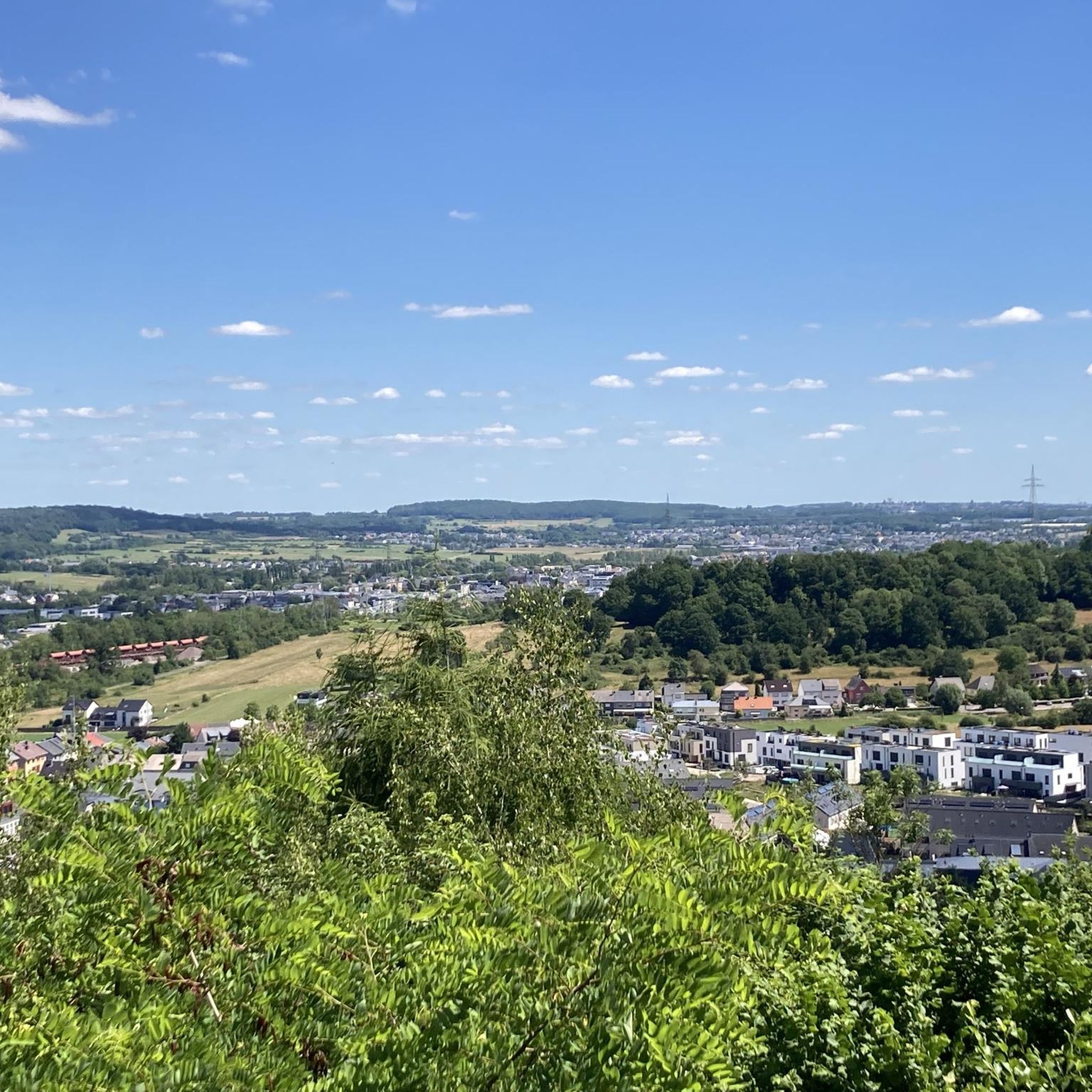
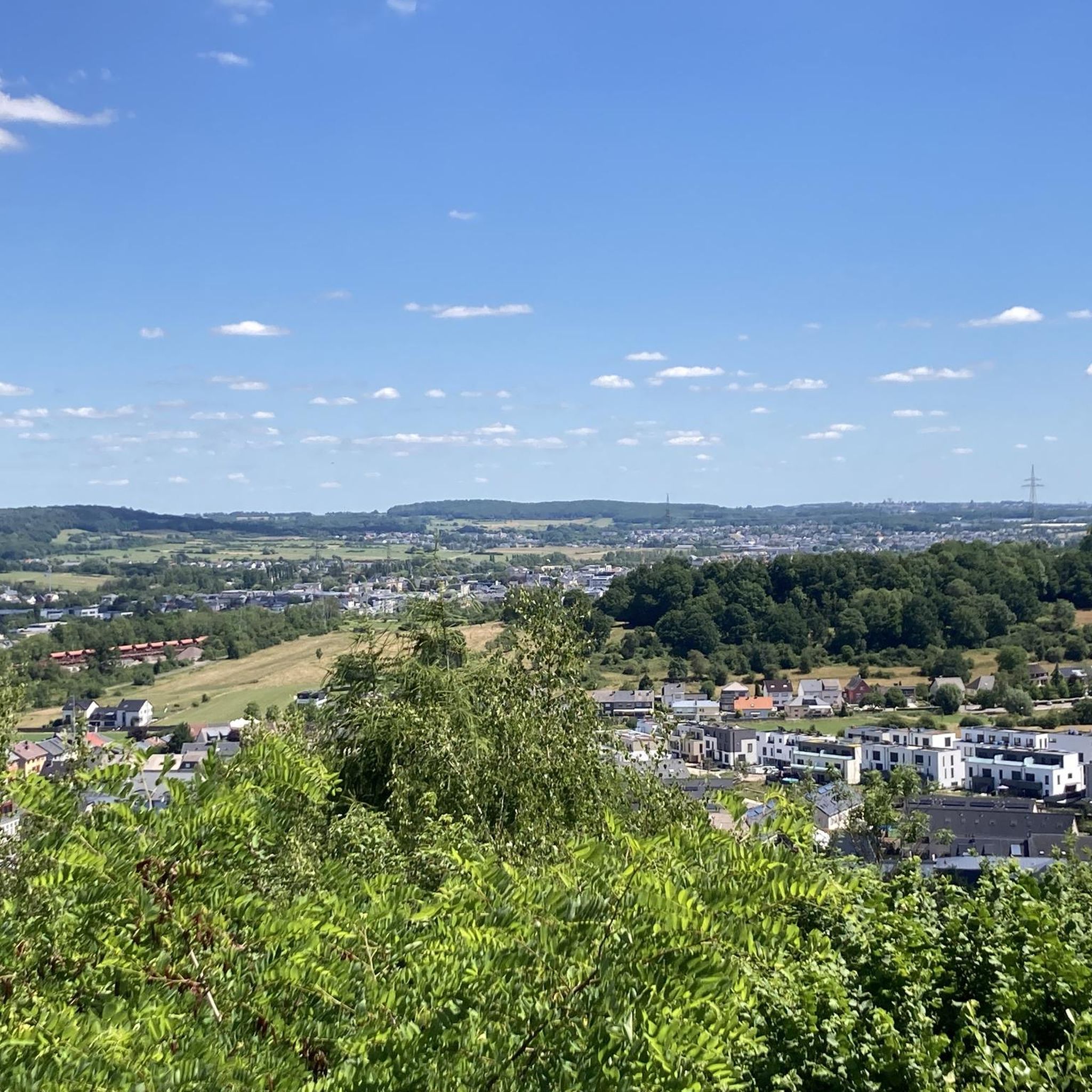
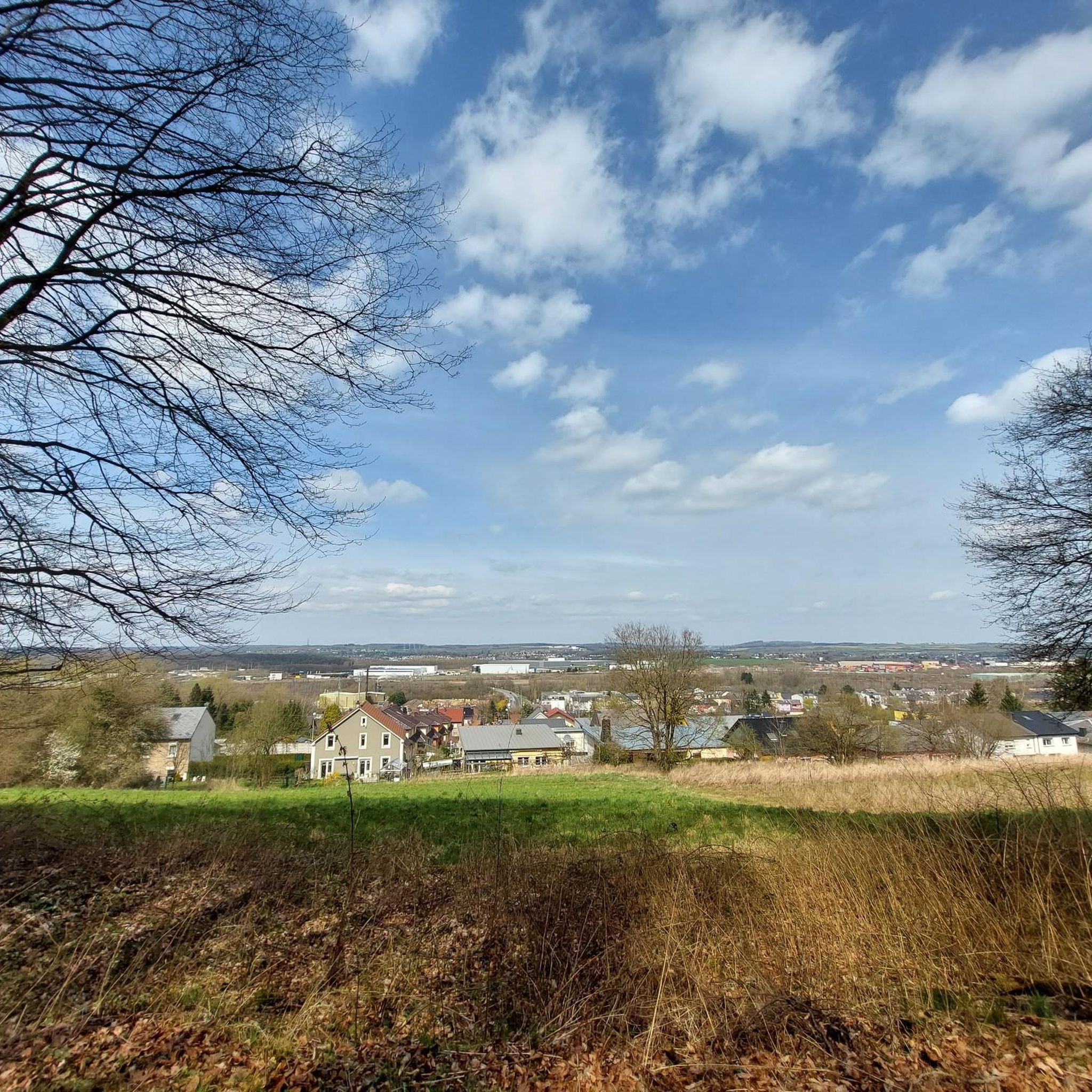
- The most popular natural monuments is Giele Botter Nature Reserve, a natural area featuring forests and viewpoints. It is appreciated for its scenic qualities.
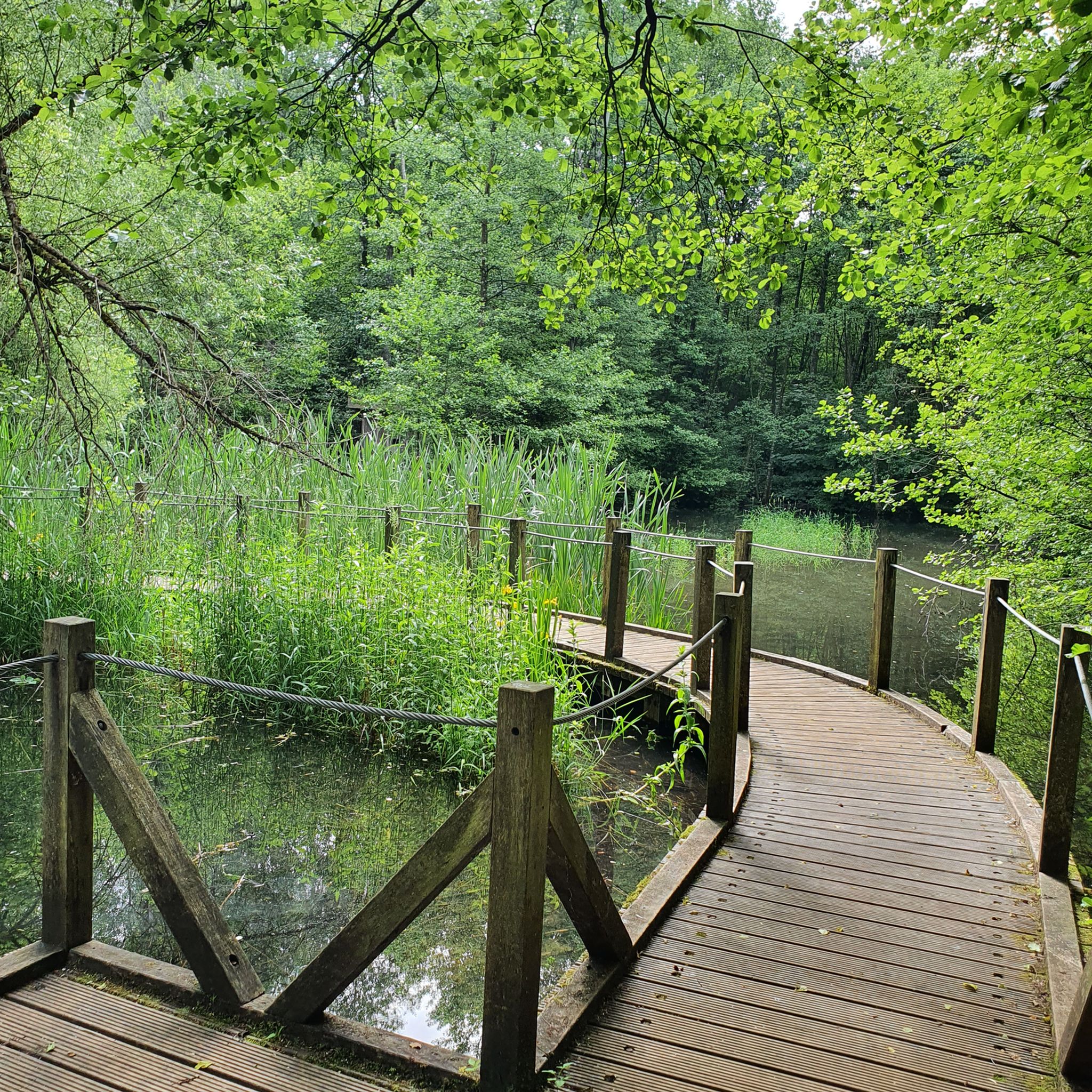
- Another must-see spot is La Cussignière Marsh, a wetland located on the border between Belgium and France. This unique site features wooden plank paths for observing its distinct flora and fauna, and is wheelchair accessible.
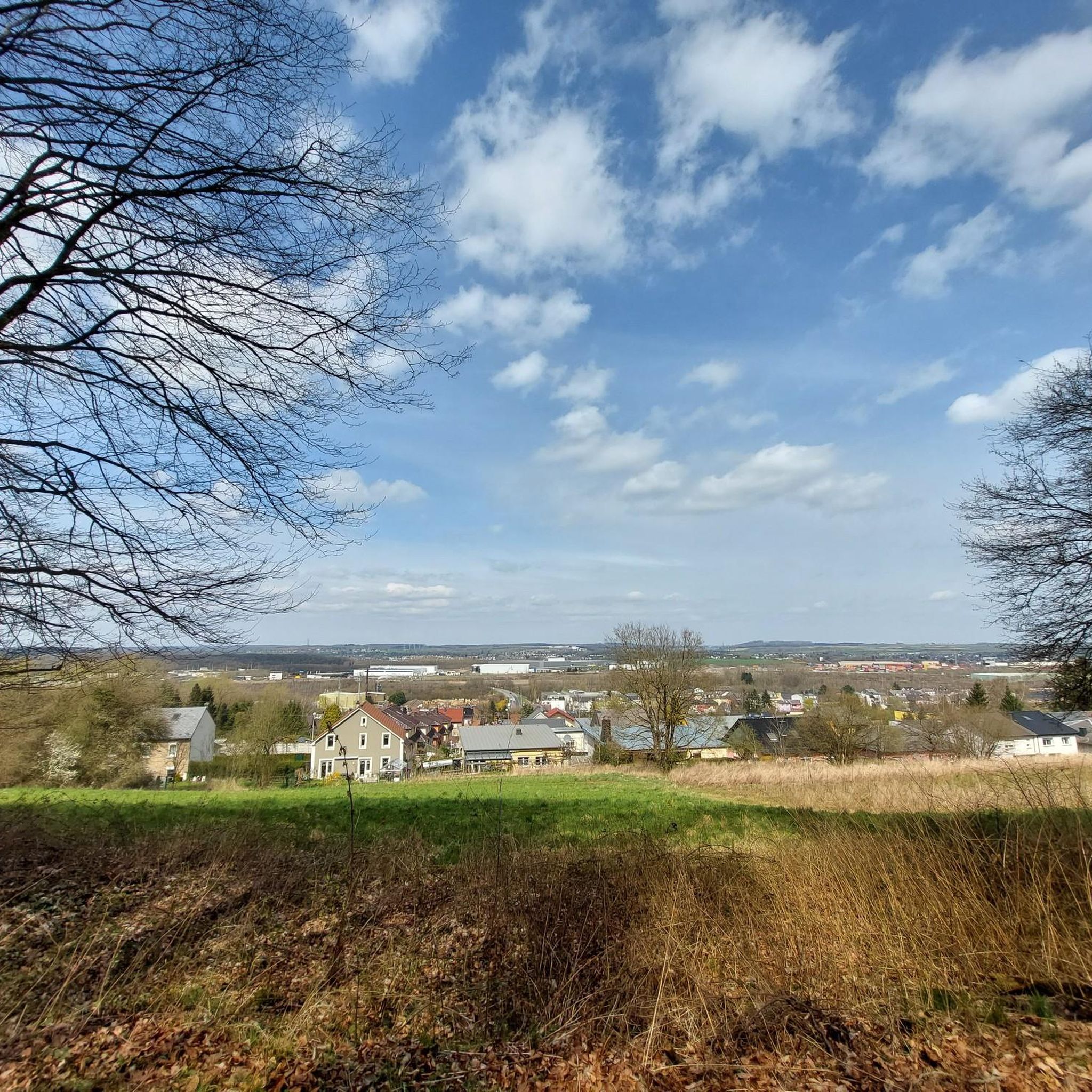
- Visitors also love Moulaine Valley Stream, a valley with a stream that is a nature reserve. This area features a heavily forested valley with clear water and rock steps.
- Longlaville is known for its diverse natural areas, including nature reserves, wetlands, and forested valleys. The region offers a variety of natural monuments to see and explore, from ecological sites to scenic viewpoints.
- The natural monuments around Longlaville are appreciated by the komoot community, with 374 upvotes and 138 photos shared across the highlights.
Last updated: July 2, 2026
Giele Botter Nature Reserve
Highlight • Natural
Translated by Google •
Tip by

Prënzebierg – Giele Botter Nature Reserve
Highlight (Segment) • Natural Monument
Translated by Google •
Tip by

Sign up now to discover places like this
Get recommendations on the best single tracks, peaks, & plenty of other exciting outdoor places.
Sign up for free
Moulaine Valley Stream
Highlight (Segment) • River
Translated by Google •
Tip by

Halanzy Iron Mine Ruins
Highlight • Historical Site
Translated by Google •
Tip by

La Cussignière Marsh
Highlight • Natural
Translated by Google •
Tip by

Sign up for free to discover even more natural monuments around Longlaville.
Sign up for free
Already have an account?
Start today with a free account
Your next adventure awaits.
Login or Signup
Tips from the Community

The most beautiful part of the walk. No difficulties despite the route being marked in red on the map.
0
0


Beautiful walk in a nature reserve in a former open-cast mine
1
0
Always a very pleasant place in the footsteps of the past.
1
1

The Cusignière moor is located on the border between Belgium and France. It is a unique location in this region. You can explore the moor via wooden plank paths and observe the unique flora and fauna.
0
0

There you go, Stephane, I am subscribing to your mailings and this is what I see, the last ones always go back a long time
0
0
Frequently Asked Questions
What are some unique natural features to explore near Longlaville?
Near Longlaville, you can explore diverse natural features. The Giele Botter Nature Reserve offers forests and scenic viewpoints. The Moulaine Valley Stream is a nature reserve with a heavily forested valley, clear water, and rock steps. For a unique wetland experience, visit La Cussignière Marsh, which features wooden plank paths for observing distinct flora and fauna.
Are there family-friendly natural monuments around Longlaville?
Yes, several natural monuments near Longlaville are suitable for families. The Giele Botter Nature Reserve is considered family-friendly, offering pleasant walks through forests. Additionally, the Boufferdanger Muer, a protected wet and swampy area, is also noted as family-friendly. La Cussignière Marsh is also easy to navigate with children due to its wooden plank paths.
Are there any natural monuments near Longlaville that are wheelchair accessible?
Yes, La Cussignière Marsh is specifically highlighted as wheelchair accessible. It features wooden plank paths that allow visitors to explore the unique wetland environment and observe its flora and fauna comfortably.
What kind of wildlife can I expect to see in the natural areas around Longlaville?
The natural areas around Longlaville, particularly within the Lorraine Regional Natural Park and the Valley of the Rupt de Mad, are rich in biodiversity. You can expect to see a wide array of flora and fauna. The Lorraine Regional Natural Park is a vital stopping and mating site for approximately 200 bird species, and its forests are home to deer, wild cats, foxes, and wild boars. The Valley of the Rupt de Mad is known for its diverse plant species and provides crucial habitats for various wildlife.
Are there historical sites among the natural monuments near Longlaville?
Yes, the Halanzy Iron Mine Ruins offer a blend of natural beauty and industrial heritage. Here, you can explore the remnants of mining activity that lasted until 1982, including entrances to underground tunnels and the remains of an ore processing plant. The site also provides panoramic views of wooded hills and red sandstones, typical of the region's iron-rich geology.
What hiking opportunities are available near Longlaville's natural monuments?
The region around Longlaville offers numerous hiking opportunities. You can find trails near natural monuments like the Giele Botter Nature Reserve and the Moulaine Valley Stream. For more extensive options, explore the hiking routes in the broader area, such as the 'Fond-de-Gras Railway Museum – Giele Botter Nature Reserve loop from Saulnes' or 'Entrance to the Old Iron Mine – Shelter on the Crosnière Trail loop from Saulnes'. You can find detailed information on these and other trails in the Hiking around Longlaville guide.
What is the best time of year to visit the natural monuments around Longlaville?
The natural monuments around Longlaville, particularly those within the Lorraine Regional Natural Park and the Valley of the Rupt de Mad, are beautiful year-round. Spring and autumn offer pleasant temperatures for hiking and vibrant natural colors. Spring brings blooming flora, while autumn showcases rich foliage. Summer is ideal for longer days and outdoor activities, though some areas like the Moulaine Valley Stream can get busy with bathers. Winter can offer serene, snow-covered landscapes, but some trails might be more challenging.
Can I bring my dog to the natural monuments around Longlaville?
While specific regulations for each natural monument vary, many natural areas and hiking trails in the region are generally dog-friendly, especially if dogs are kept on a leash. It's always recommended to check local signage or specific park rules before visiting. The Giele Botter Nature Reserve and the Moulaine Valley Stream are popular spots where many visitors bring their dogs.
How can I get to the natural monuments near Longlaville by public transport?
Public transport options to specific natural monuments near Longlaville can be limited, as many are in more rural settings. It's often advisable to use a combination of public transport to reach nearby towns and then proceed by car, bicycle, or on foot. For detailed public transport information, it's best to consult local transport authorities or regional tourism websites like tourisme-meurtheetmoselle.fr for the Valley of the Rupt de Mad, which might offer insights into accessibility.
Where can I find parking when visiting these natural monuments?
Parking availability varies by location. For popular sites like the Giele Botter Nature Reserve or areas within the Valley of the Rupt de Mad, you can often find designated parking areas near trailheads or main access points. For smaller or more remote natural monuments, roadside parking might be an option, but always ensure you are parking legally and safely without obstructing access. It's recommended to check maps or local information for specific parking facilities before your visit.
Are there options for cycling near the natural monuments?
Yes, the region around Longlaville is well-suited for cycling. The Lorraine Regional Natural Park offers extensive opportunities for cycling, and you can find various routes for road cycling and touring bicycles. For example, you can explore routes like 'Attert Cycle Path (PC 12) – Brasserie At the Station, Clemency loop from Bois de Rodange'. More cycling options are detailed in the Road Cycling Routes around Longlaville and Cycling around Longlaville guides.
What makes the Valley of the Rupt de Mad a significant natural area?
The Valley of the Rupt de Mad is a significant natural area due to its designation as a Natura 2000 site, highlighting its ecological importance. This steep-sided valley boasts a wide variety of natural environments, including limestone grasslands, forests on steep slopes, and meadows in the valley floor. It provides a crucial habitat for diverse flora and fauna, with over 315 plant species inventoried. The scenic landscapes and varied ecosystems make it ideal for nature lovers and hikers.
What is the Lorraine Regional Natural Park, and how does it relate to Longlaville's natural monuments?
Longlaville is situated within the broader scope of the Lorraine Regional Natural Park, a vast protected area covering 205,000 hectares. This park is characterized by significant natural treasures, including agricultural plateaus, forest valleys, waterways, and extensive wetland prairies. Many of the natural monuments around Longlaville, such as the diverse ecosystems and wildlife habitats, are part of or influenced by this larger protected area, offering extensive opportunities for outdoor activities and nature observation.
Most popular routes around Longlaville
Most popular attractions around Longlaville

Get inspired with the komoot mobile app


Explore more
Extend your search for the best caves by checking out these guides of the top ones around Longlaville:
