Top 6 Natural Monuments around Domont
Natural monuments around Domont offer diverse outdoor experiences, benefiting from the region's varied topography and proximity to significant natural areas. The area is characterized by its extensive forests, including the Forêt de Montmorency, which provides a rich ecological environment. These natural sites Domont are ideal for exploring green spaces and geological features. The landscape combines woodlands, wetlands, and historical natural landmarks, making it a compelling destination for nature enthusiasts.
Best natural monuments around Domont
- The most popular natural monuments is…
Last updated: July 2, 2026
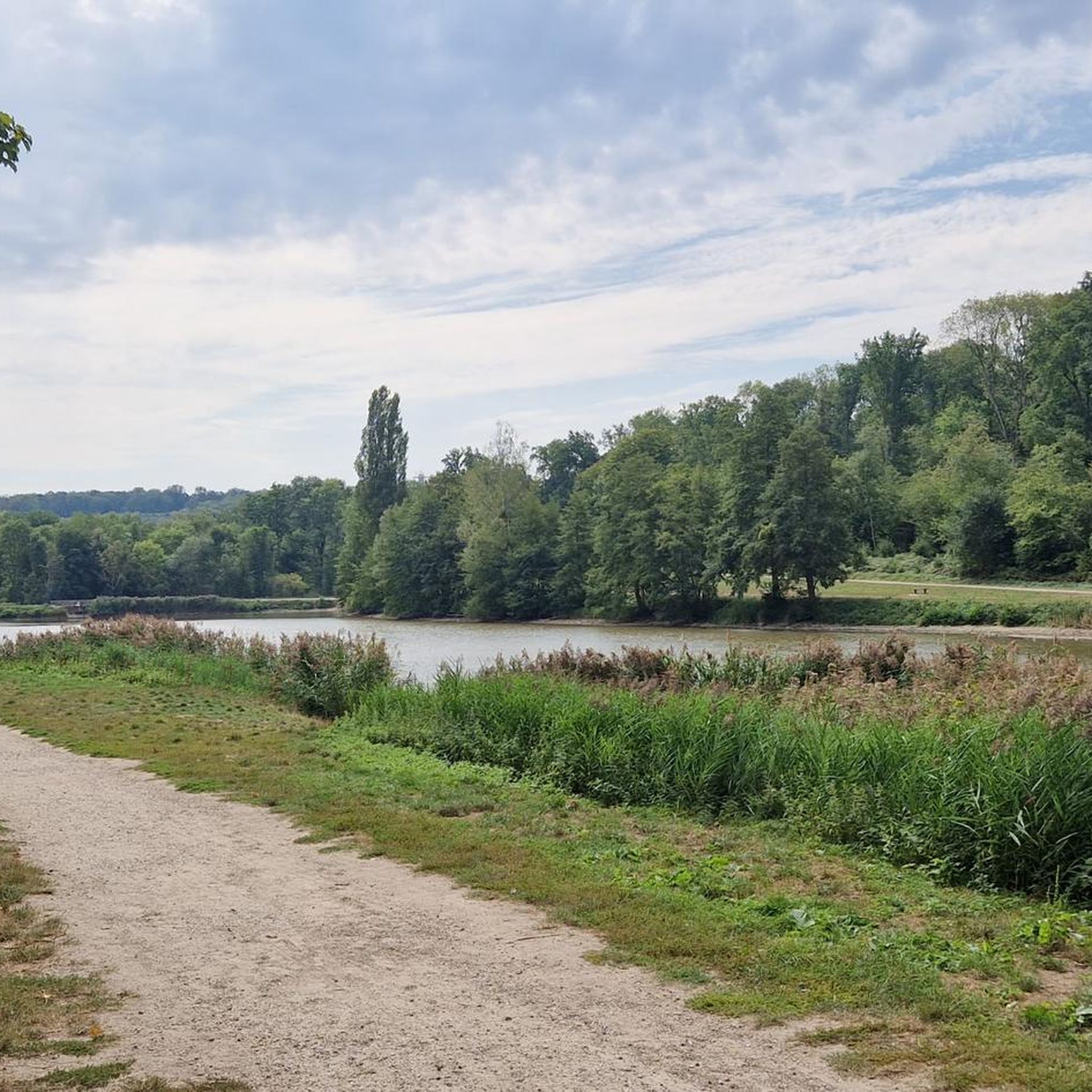
Singletrack along the Marais de Stors
Highlight (Segment) • Trail
Translated by Google •
Tip by

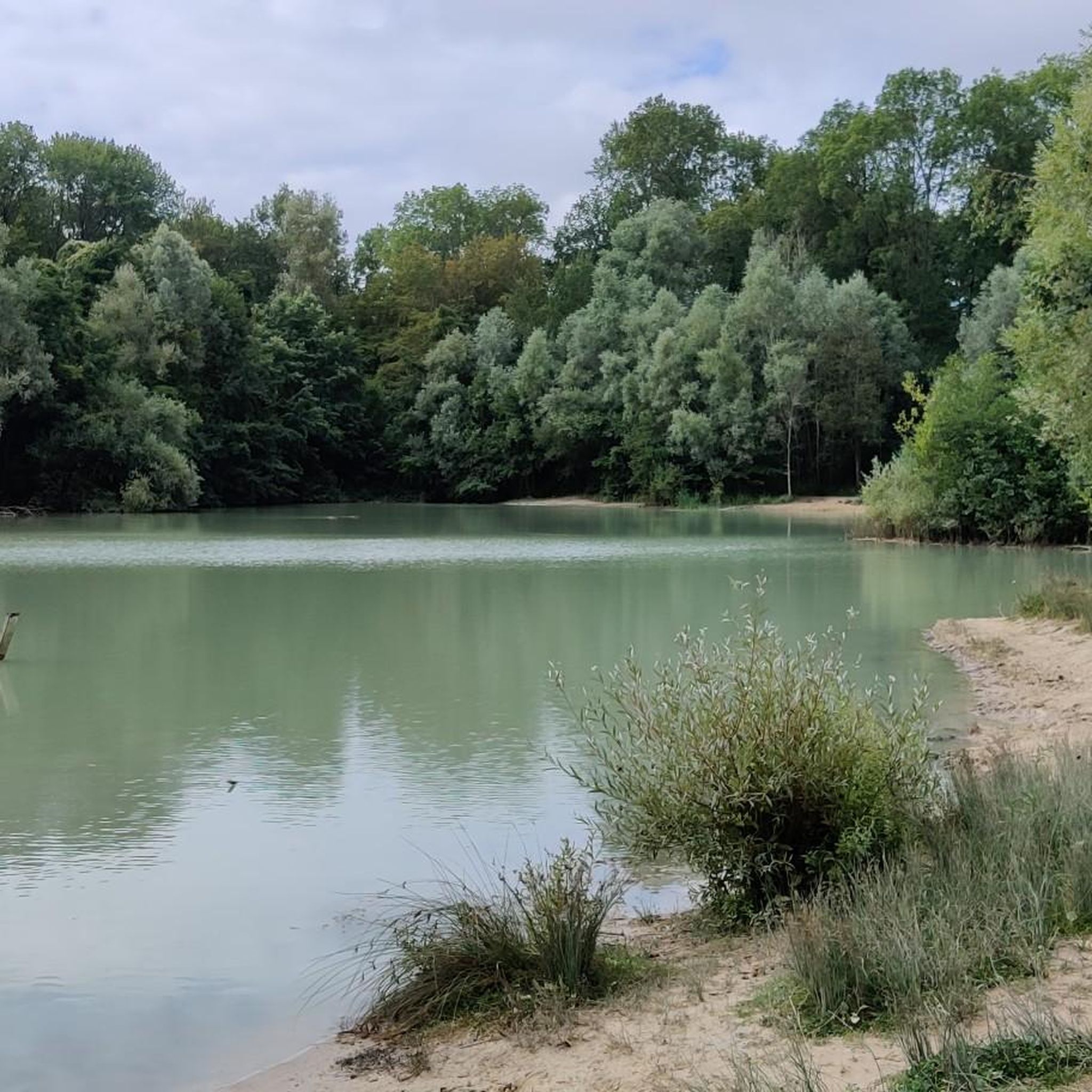
The Blue Lake of Carnelle
Highlight • Forest
Translated by Google •
Tip by
Sign up now to discover places like this
Get recommendations on the best single tracks, peaks, & plenty of other exciting outdoor places.
Sign up for free
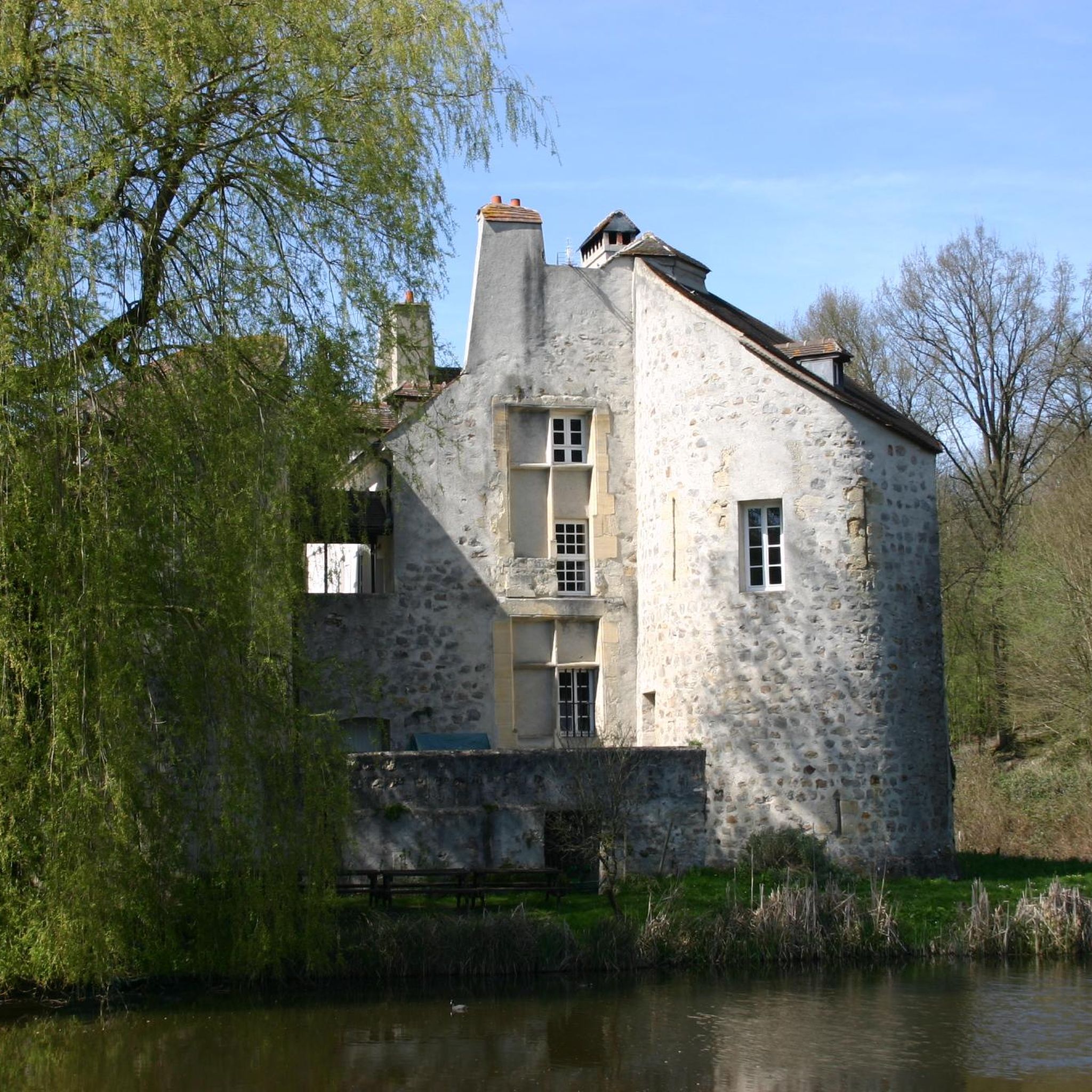
Saint Radegonde Fountain
Highlight • Natural Monument
Translated by Google •
Tip by
Covered alley
Highlight • Historical Site
Translated by Google •
Tip by

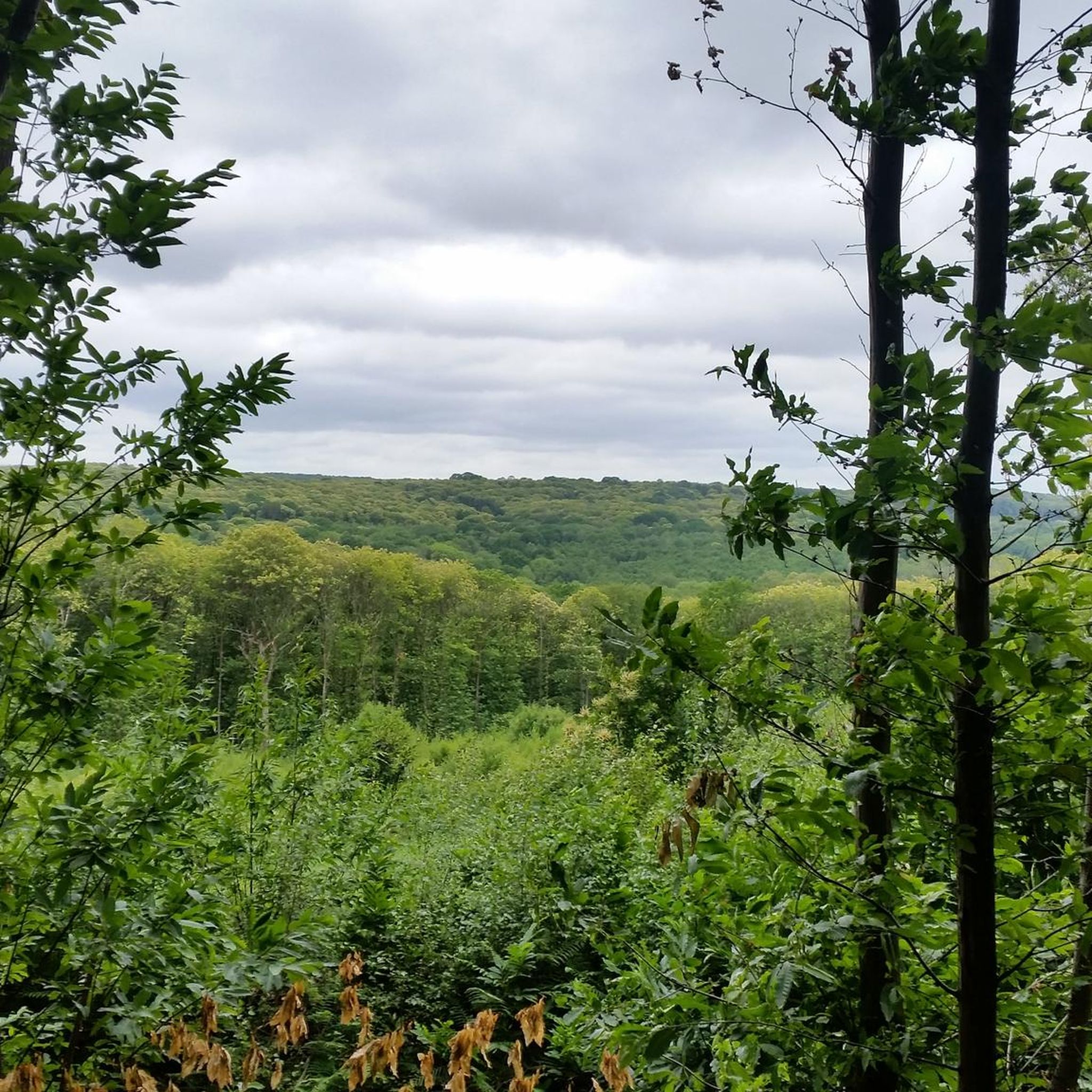
Breathtaking view of the Stors Marsh
Highlight • Natural Monument
Translated by Google •
Tip by
Sign up for free to discover even more natural monuments around Domont.
Sign up for free
Already have an account?
Start today with a free account
Your next adventure awaits.
Login or Signup
Tips from the Community

Very nice trail running outing in the forest 🌳
0
0

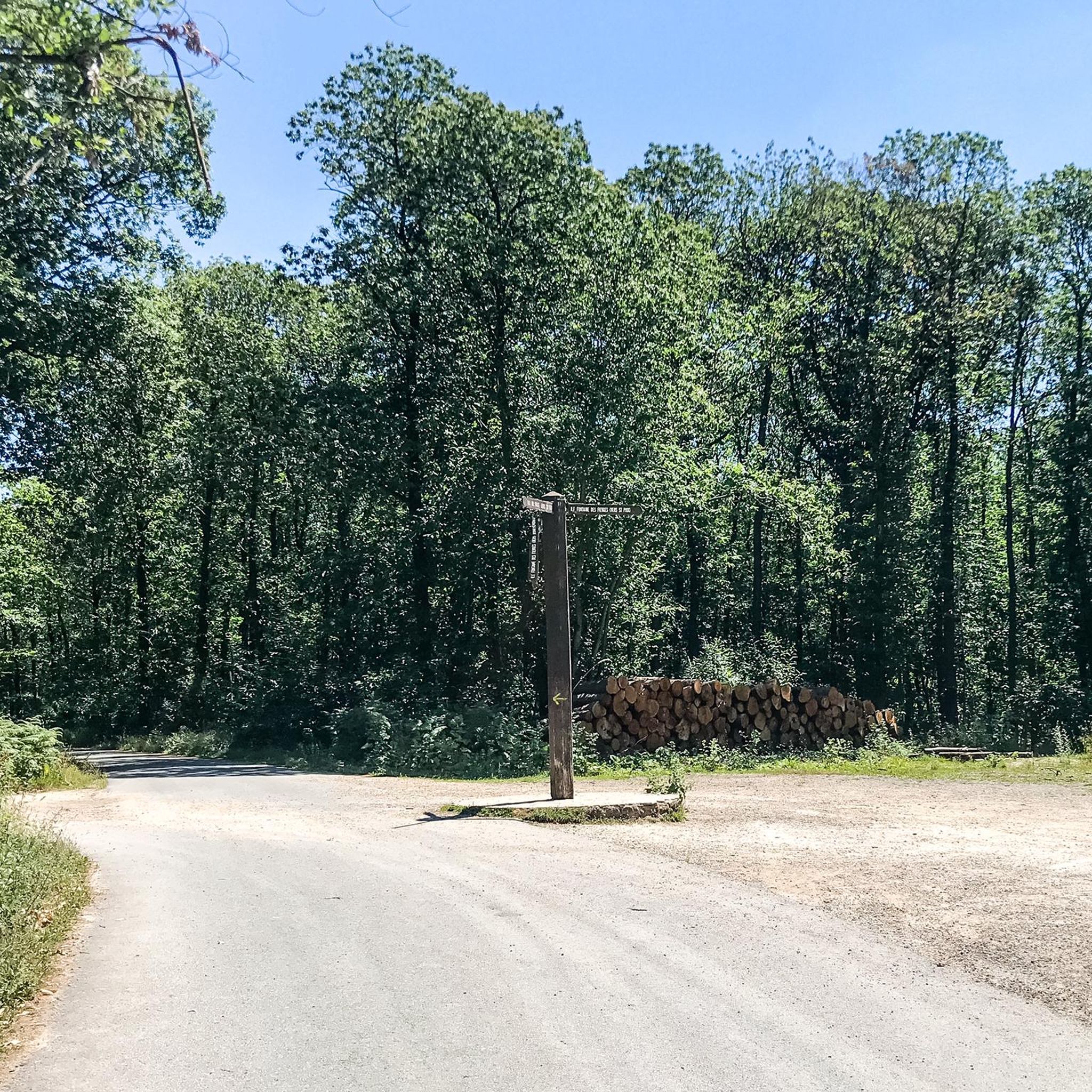
The fountain is on a small bend, be careful because it is quickly invaded by plants
0
0

What is to be remembered from this route is the passage through the Carnelle forest. However, there are too many roads on the Isle Adam and along the Oise. No particular difficulty.
0
0

pretty lake hidden in the middle of the forest
0
0

High place of pilgrimage (in the region anyway) between the 15th and 18th centuries. The water from this fountain was said to have the power to cure various skin diseases (scabies for example). This pilgrimage ceased shortly before the French Revolution.
0
0

This funerary megalith dates back to the beginning of the Neolithic period! It is the largest and most famous of all the covered alleys in the Paris region, which has become the archetype of burials associated with the Seine-Oise-Marne culture. All the slabs are in Fontainebleau sandstone, several outcrops of which are visible on the hillside.
2
0

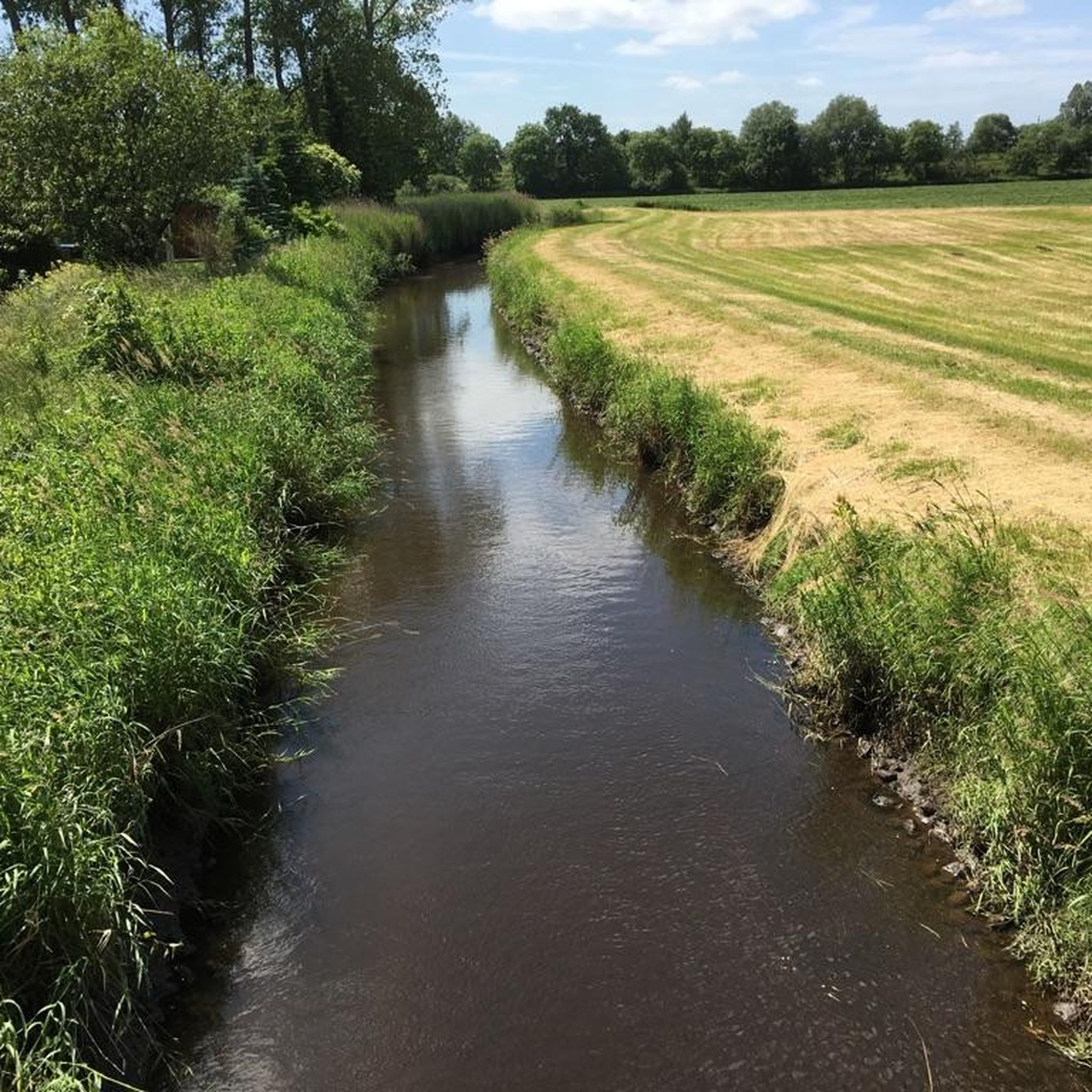
This bucolic path runs along the Stors marsh nature reserve. The ground quickly becomes muddy in bad weather and the days following the rain. That said, the setting is beautiful along the rock faces. For the rest, it's a fairly easy single.
0
0

Magnificent natural reserve that this marsh of Stors.
0
0
Frequently Asked Questions
What natural features can I explore near Domont?
Near Domont, you can explore diverse natural features including extensive forests like the Forêt de Montmorency and the Bois de Morval, wetlands such as the Marais de Stors, and unique water bodies like The Blue Lake of Carnelle. These areas offer varied topography with hills, valleys, and rich flora.
Are there any unique geological formations or water features to see?
Yes, the region features several interesting water bodies. The Blue Lake of Carnelle is notable for its deep blue color, attributed to the gypsum and marl composition of its bottom. The Marais de Stors is a classified nature reserve known for its mosaic of sensitive wetland environments and rich biodiversity.
What kind of wildlife can I expect to see in the natural areas around Domont?
The natural areas around Domont are rich in biodiversity. In the Bois de Morval, you might spot specific and protected plant species, including wild orchids, along with various birds, butterflies, and amphibians. The Marais de Stors is also recognized for its remarkable flora and fauna, making it an important wetland on the Ile-de-France scale.
Where can I find panoramic views of the surrounding area?
For exceptional panoramic views, visit the Butte d'Orgemont. Located between Argenteuil and Enghien, it offers a clear view of Paris and its surroundings, making it an ideal spot to admire the skyline or a sunset.
Are there historical natural monuments or sites of cultural significance?
Absolutely. The Covered alley is a significant funerary megalith dating back to the Neolithic period, considered the largest and most famous of its kind in the Paris region. Additionally, the Saint Radegonde Fountain in the Forêt de Montmorency is a historical site, once a place of pilgrimage believed to have healing waters.
What outdoor activities are popular near Domont's natural monuments?
The natural monuments around Domont are perfect for various outdoor activities. You can enjoy hiking, cycling, and horseback riding, especially in the Forêt de Montmorency. For specific routes, explore the guides for hiking, gravel biking, and road cycling around Domont.
Are there specific hiking trails recommended for exploring these natural monuments?
Yes, there are numerous trails. For example, you can find routes like the 'Singletrack in the heart of the ferns loop' or the 'Saint Radegonde Fountain – Hunting Castle loop' which take you through the Forêt de Montmorency. You can find more options in the Hiking around Domont guide.
Are the natural monuments around Domont suitable for families with children?
Many natural monuments in the area are family-friendly. The Blue Lake of Carnelle and the Covered alley are great options. The parks and green spaces around the Butte d'Orgemont also offer picnic areas and walking trails suitable for families.
Can I bring my dog to the natural monuments and trails?
Generally, dogs are welcome on trails and in natural areas like the Forêt de Montmorency, often on a leash. It's always best to check specific regulations for nature reserves like the Marais de Stors or the Bois de Morval, but many paths are dog-friendly.
What is the best time of year to visit the natural monuments near Domont?
The natural monuments near Domont can be enjoyed year-round. Spring and autumn offer pleasant temperatures and beautiful foliage, ideal for hiking. Summer is great for longer days and outdoor activities, while winter can provide a serene, quiet experience, especially in the forests, though some paths might be muddy.
Are there any hidden gems or less-known natural spots worth discovering?
While popular spots are well-loved, the Bois de Morval, located in the nearby Vexin Français regional natural park, is a significant natural area with diverse ecosystems, including valuable calcareous grasslands and an ancient covered alley. It offers a unique blend of nature and history, and its conservation efforts make it a special place for nature observation.
How accessible are these natural monuments by public transport?
Many natural areas, particularly the Forêt de Montmorency, are relatively accessible from Domont and surrounding towns, which are connected by public transport. The Butte d'Orgemont is also well-connected. For specific starting points of trails, it's advisable to check local transport links.
Most popular attractions around Domont

Get inspired with the komoot mobile app


Explore more
Extend your search for the best caves by checking out these guides of the top ones around Domont:
