Top 6 Natural Monuments around Laurière
Best natural monuments around Laurière highlight the diverse natural and historical landscape of the Haute-Vienne department. The region features a varied environment, from ancient forests and unique arboretums to significant geological formations and historical stone structures. Visitors can explore a range of natural sites that showcase the area's ecological value and natural beauty. These natural monuments offer opportunities to experience the local environment and its heritage.
Best natural monuments around Laurière
- The most popular natural monuments is Arboretum of La…
Last updated: July 2, 2026
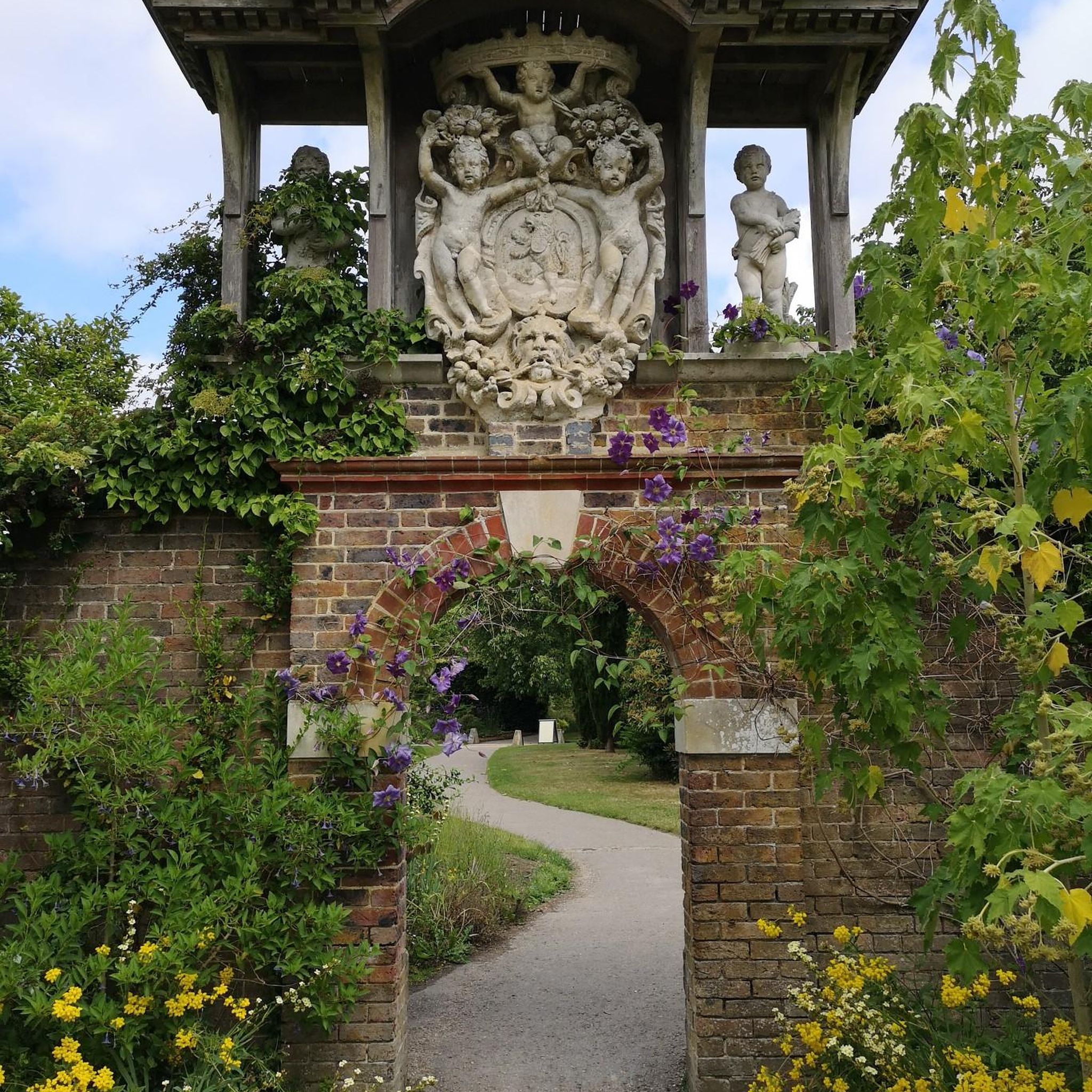
Arboretum of La Jonchère-Saint-Maurice
Highlight • Forest
Translated by Google •
Tip by

Dolmen du Four des Fades
Highlight • Historical Site
Translated by Google •
Tip by

Sign up now to discover places like this
Get recommendations on the best single tracks, peaks, & plenty of other exciting outdoor places.
Sign up for free
The Temple and The Three Stones
Highlight (Segment) • Natural Monument
Translated by Google •
Tip by

The Wolf Stone
Highlight (Segment) • Natural Monument
Translated by Google •
Tip by
The Belzanne Fountains
Highlight (Segment) • Monument
Translated by Google •
Tip by
Start today with a free account
Your next adventure awaits.
Login or Signup
Tips from the Community

Great and interesting stone formations
1
0

Interesting and clearly visible prehistoric stone finds.
1
1

Towards the Four des Fades Dolmen, which is located at the end of a small path that can be done quickly on foot, below the village of Mourioux. According to legend, the fades were geniuses, who found refuge in these constructions.
2
0

Limousin is always full of surprises and discoveries.
0
0
In the town of Bersac-sur-Rivalier, near Puy La Gude. Easy to pass by without seeing it. Below, an ordinary rock pile, slightly overgrown with vegetation. We first notice a "comma" or half basin and a stone with two holes. Necessary to climb on the stones to have the view. When you take a little height the drawing becomes more refined, a head and the body, make you think of a lying animal. Nature still does things well and imagination does the rest.
0
0
Rare to see two fountains close to each other. The most recent is very well restored. The detour is necessary.
0
0
In the town of Bersac-sur-Rivalier, in Belzanne. The first, larger with its two granite blocks, seems original, the fountain with its seats, a flat stone roof and the large basin. Its construction or its restoration are recent. The second is about ten meters away, embedded in the stone wall. It is older, smaller and may be feeding the first.
0
0
Located 200m from the Croix du Pâtre, the path leads you right to a beautiful private property bordered by some exceptional megaliths. To see from the side of the road.
0
0
Frequently Asked Questions
What unique natural features can I explore near Laurière?
Beyond the well-known sites, you can discover the ecological richness of La Tourbière des Dauges, a 200-hectare peat bog with over 2,200 animal and plant species, including carnivorous plants and rare birds. Another remarkable site is the ancient Chêne de Sazeirat, a 400-500 year old oak tree with an impressive 7.20-meter circumference. Additionally, the historic alignment of Ginkgo Biloba Trees at Saint-Sulpice-Laurière train station offers a beautiful and unique natural sight.
Are there family-friendly natural monuments around Laurière?
Yes, the Arboretum of La Jonchère-Saint-Maurice is particularly suitable for families, offering well-maintained trails perfect for young children and strollers. You can explore a diverse collection of trees, including Giant sequoias and Nordmann firs. The Belzanne Fountains are also categorized as family-friendly, providing an interesting historical and natural stop.
What kind of outdoor activities can I do near these natural monuments?
The region around Laurière offers a variety of outdoor activities. You can find numerous routes for different sports. For instance, there are several running trails, such as the 'Lavoir du Queyroix – Rocking Stone loop' or the 'Monts d'Ambazac Forest loop'. Cyclists can enjoy road cycling routes like the 'Le Châtenet-en-Dognon – Saint-Léonard-de-Noblat loop', and gravel biking enthusiasts have options like the 'Étang de la Toueille – Bénévent-l'Abbaye loop'. You can find more details on these activities and routes in the dedicated guides for running, road cycling, and gravel biking around Laurière.
Are there historical natural monuments or ancient sites to visit?
Absolutely. The Dolmen du Four des Fades is a significant historical site featuring interesting and clearly visible prehistoric stone formations, located at the end of a short path. Another impressive site is The Temple and The Three Stones, characterized by exceptional megaliths that can be observed from the roadside. The ancient Chêne de Sazeirat also holds historical significance due to its age and local legends.
What kind of trees can I expect to see in the natural monuments?
The region boasts a variety of impressive trees. At the Arboretum of La Jonchère-Saint-Maurice, you'll find numerous species, including Giant sequoias, Nordmann firs, Calocedrus, Cryptomeria, Japanese cypress, and heterophyll oaks, some reaching record sizes. The Chêne de Sazeirat is a majestic 400-500 year old oak. Additionally, the Saint-Sulpice-Laurière train station features a unique alignment of 12 ancient Ginkgo Biloba Trees, planted in 1864.
Are there easy walks or trails suitable for beginners?
Yes, several natural monuments offer easy and accessible walks. The Arboretum of La Jonchère-Saint-Maurice has perfectly maintained trails suitable for young children and strollers. La Tourbière des Dauges offers two marked hiking trails (2 km and 5 km) that are generally accessible. The 'Chemin de la papeterie' walk passes by the Ginkgo Biloba Trees, providing a pleasant stroll.
What do visitors enjoy most about the natural monuments around Laurière?
Visitors often appreciate the tranquility and natural beauty of the area. The Arboretum of La Jonchère-Saint-Maurice is loved for its diverse tree species and the peaceful pond. The Belzanne Fountains are noted for their unique double fountain setup, with one being very well restored. The historical significance of sites like the Dolmen du Four des Fades and the impressive megaliths of The Temple and The Three Stones also draw considerable interest.
Is there parking access available at these natural monuments?
While specific parking details vary by site, most natural monuments and trailheads in the region typically have designated parking areas or roadside parking available. For instance, the Tourbière des Dauges has visitor parking, and the Arboretum of La Jonchère-Saint-Maurice is easily accessible with parking nearby.
What is the best time to visit the natural monuments around Laurière?
The natural monuments around Laurière can be enjoyed throughout the year, but each season offers a different experience. Spring brings lush greenery and blooming flora, while autumn showcases vibrant fall colors, especially in the arboretums and forests. Summer is ideal for longer walks and outdoor activities. For sites like La Tourbière des Dauges, late spring to early autumn allows for the best observation of its diverse biodiversity.
Are there any hidden gems or lesser-known natural monuments worth discovering?
Beyond the more prominent sites, the region holds some intriguing spots. The Wolf Stone near Puy La Gude in Bersac-sur-Rivalier is a fascinating natural rock formation that, with a bit of imagination, resembles a lying animal. It's easy to miss but offers a unique discovery for those who seek it out. The Belzanne Fountains, with their rare double setup, are also a charming and less-trafficked historical natural monument.
How long does it typically take to visit these natural monuments?
The duration of your visit depends on the specific monument and your chosen activity. For instance, a walk through the Arboretum of La Jonchère-Saint-Maurice can take anywhere from 30 minutes to a couple of hours, depending on how much you explore. The marked trails at La Tourbière des Dauges range from 2 km to 5 km, taking 1-2 hours. Shorter stops at sites like the Dolmen du Four des Fades or The Temple and The Three Stones might only require 15-30 minutes.
Most popular routes around Laurière
Most popular attractions around Laurière

Get inspired with the komoot mobile app


Explore more
Extend your search for the best caves by checking out these guides of the top ones around Laurière:
