Top 3 Natural Monuments around Épierre
Natural monuments around Épierre highlight the diverse landscapes of the Savoie department in France. The region features challenging mountain passes, prominent summits, and expansive regional parks. These sites showcase the natural beauty of the French Alps, offering varied terrain for exploration. Épierre is situated amidst a landscape rich in geological formations and significant natural features.
Best natural monuments around Épierre
- The most popular natural monument is Lac Blanc, a lake that is located near a rocky outcrop at 2,139…
Last updated: May 5, 2026
View of the Cascade du Morel
Highlight • Viewpoint
Translated by Google •
Tip by

Lac Blanc
Highlight • Lake
Translated by Google •
Tip by

Sign up now to discover places like this
Get recommendations on the best single tracks, peaks, & plenty of other exciting outdoor places.
Sign up for free
Longecha Summit
Highlight • Summit
Translated by Google •
Tip by
Mont Bellacha
Highlight • Summit
A geodesic point is present at the summit
Translated by Google •
Tip by

Start today with a free account
Your next adventure awaits.
Login or Signup

Tips from the Community


Bird's eye view of the impressive Morel Waterfall, the viewpoint is much more worth it than the view from below.
1
0
View of the impressive Morel Waterfall from below, in the continuity of the family path and easy to access. Not as good a viewpoint as the plunging view, accessible in the continuity of the more sporty path on the other side of the watercourse, which can be caught up by crossing the bridge a little lower down.
0
0

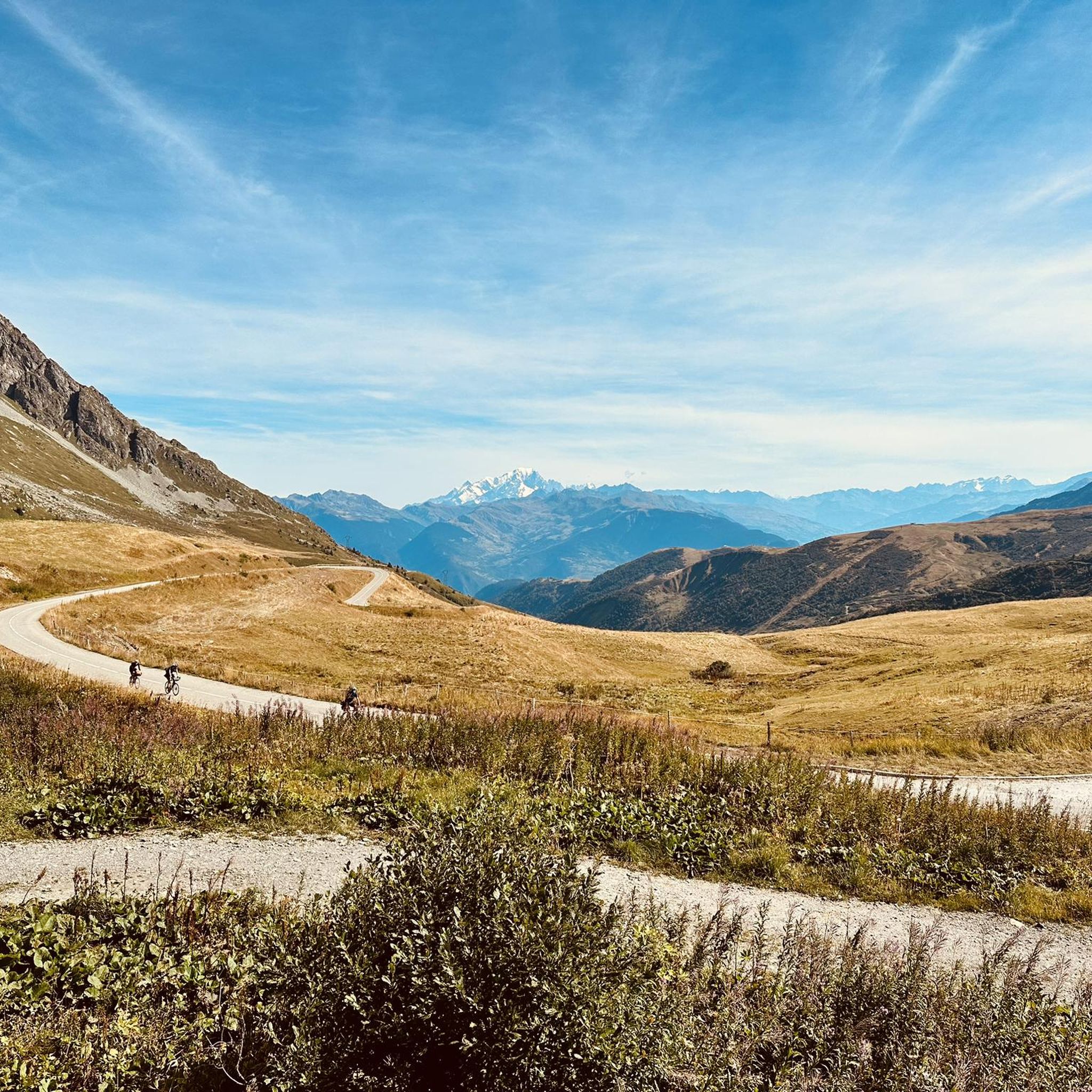
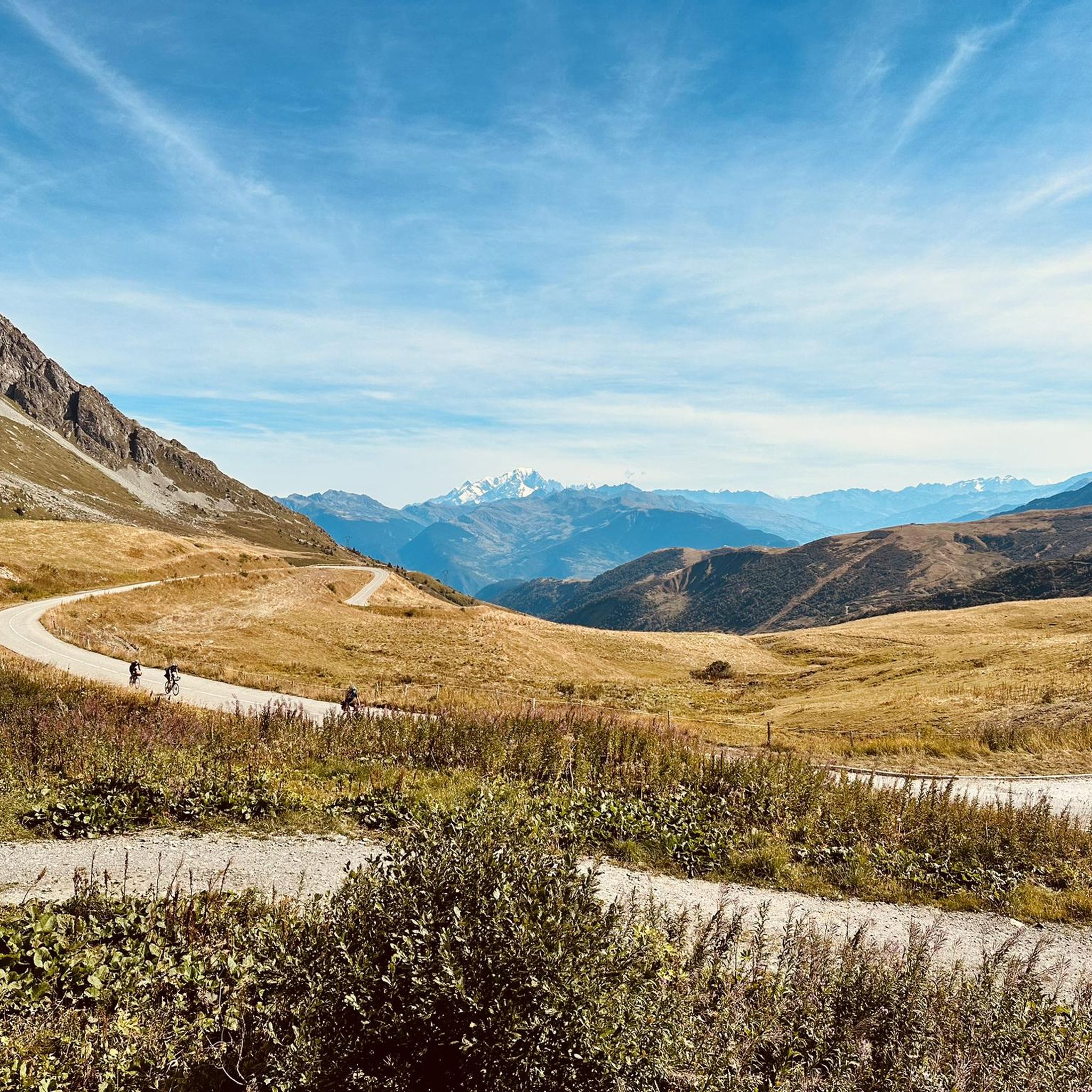
Magnificent view, from the Mont Blanc Massif to Les Écrins via Belledone. A geodesic point is present at the summit
1
0

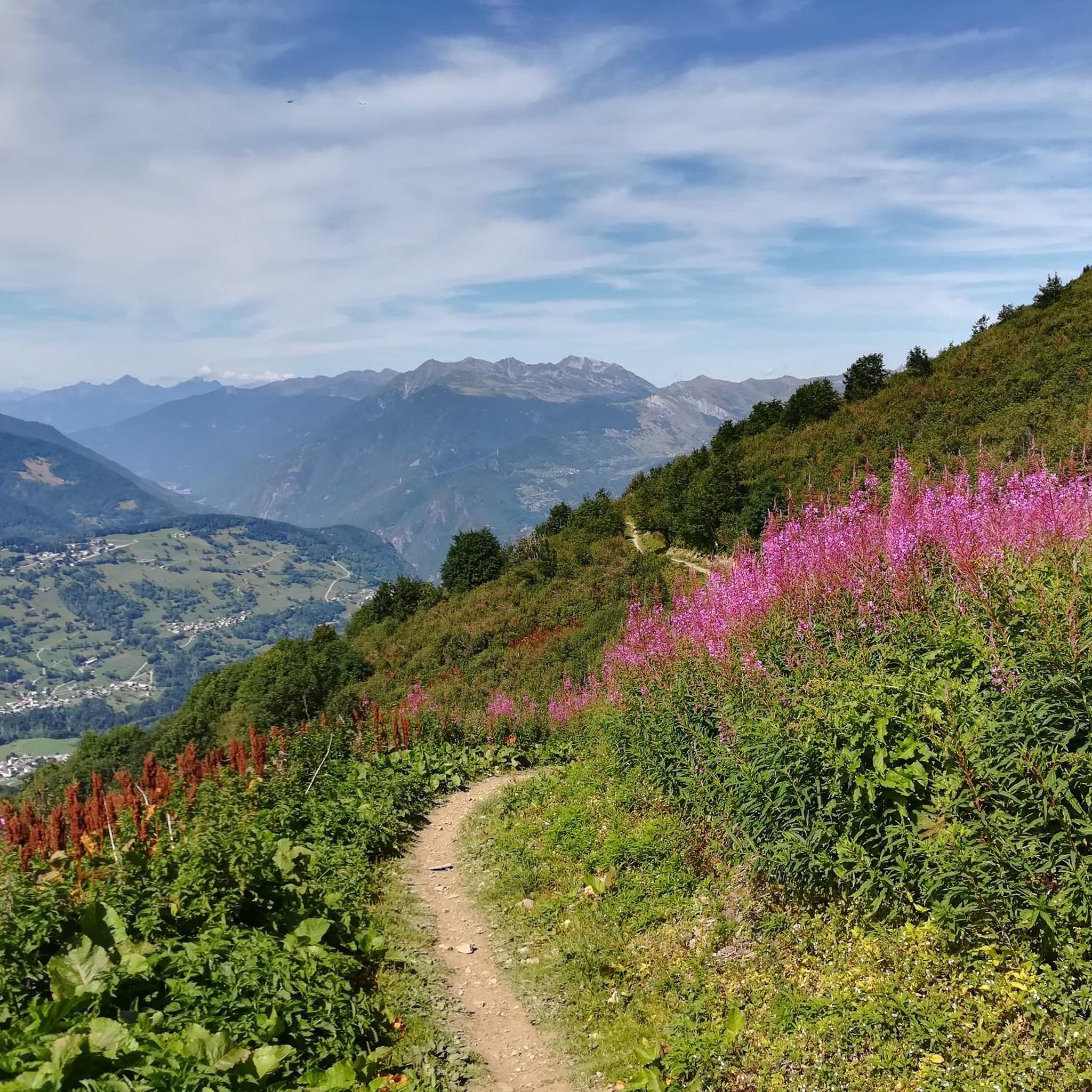
Very beautiful panorama arrived at the top. The climb does not present great difficulties.
0
0

At 2,139 meters, this lake is located near a rocky outcrop. It turns blue-black after the avalanches melt.
0
0
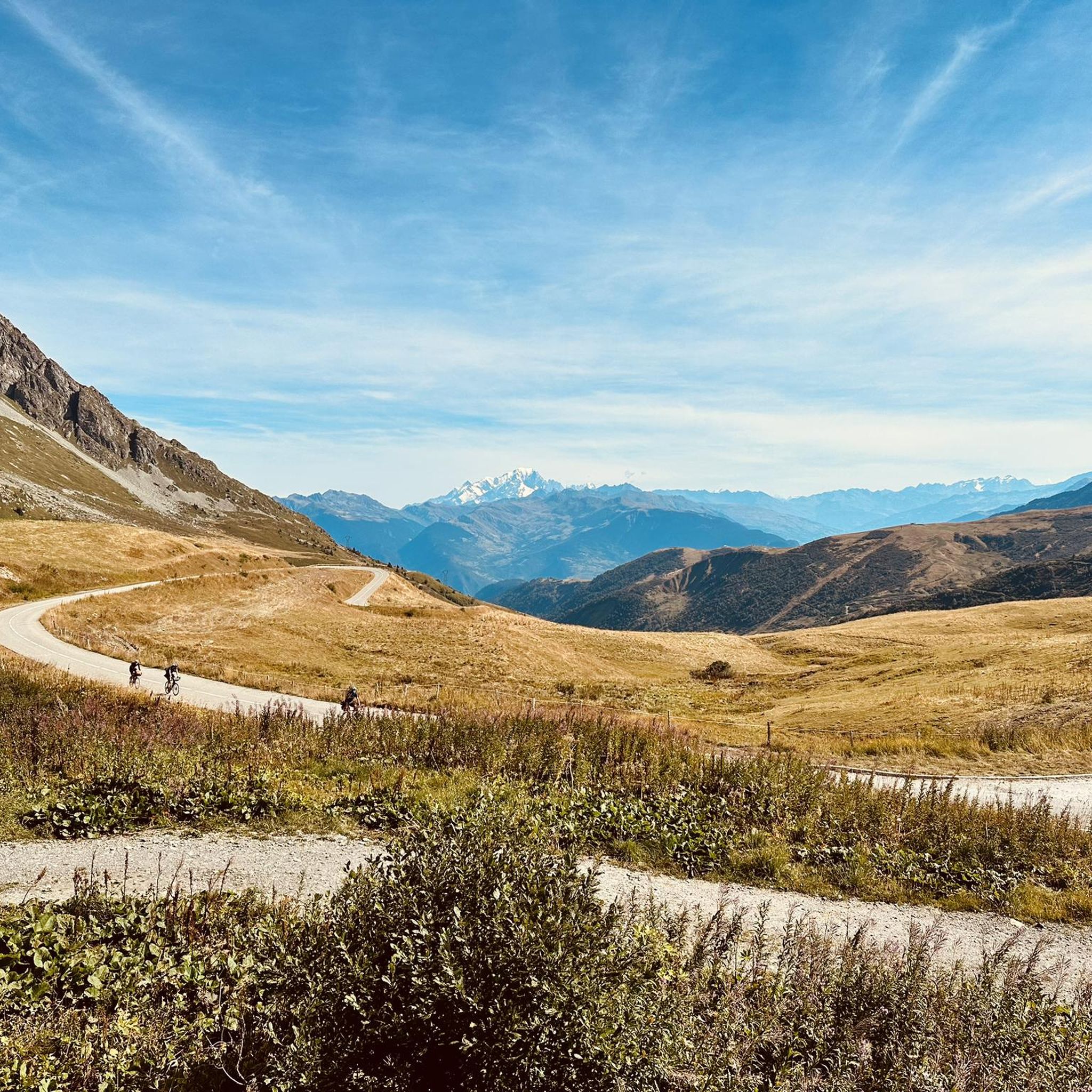
Located at 2,077 meters, this point is located on the same ridge as Crève Tête and offers an impressive view of the surrounding valleys and peaks including Mont Blanc.
0
0

varied route to reach the waterfall. consider wearing a fluorescent top when hunting.
0
0
Frequently Asked Questions
What are some popular natural monuments to visit around Épierre?
Visitors frequently enjoy the stunning Lac Blanc, a high-altitude lake known for its unique blue-black color after avalanches melt. Another favorite is the View of the Cascade du Morel, which offers a spectacular bird's-eye perspective of the impressive Morel Waterfall. For panoramic vistas, the Longecha Summit provides impressive views of surrounding valleys and peaks, including Mont Blanc.
Are there any family-friendly natural monuments near Épierre?
Yes, the View of the Cascade du Morel is considered family-friendly, offering an accessible way to witness the impressive waterfall. Additionally, the extensive trails within the Massif des Bauges Regional Natural Park and Chartreuse Regional Natural Park offer many easy discovery walks suitable for families, allowing exploration of diverse landscapes and wildlife.
What kind of natural features can I expect to see near Épierre?
The region around Épierre boasts a diverse range of natural features. You can find high-altitude lakes like Lac Blanc, dramatic waterfalls such as the Cascade du Morel, and numerous summits offering expansive views, including Longecha Summit and Mont Bellacha. Beyond these, the area features challenging mountain passes like Col de la Madeleine and Col du Chaussy with its famous 'Lacets de Montvernier' hairpin bends, sheer cliff faces like Mont Granier, and vast protected areas like Vanoise National Park with its glaciers and diverse wildlife.
What outdoor activities can I do near these natural monuments?
The area around Épierre is ideal for various outdoor activities. You can explore numerous hiking trails, from moderate to difficult, with options like the 'Lac de la Grande Léchère loop' or 'The Black Horse – The ridge loop'. Cyclists can tackle famous mountain passes such as Col de la Madeleine, Col du Chaussy, and Col du Grand Cucheron. Running trails are also abundant, including routes around Col de la Madeleine and Lac Blanc. For more details on routes, you can check out the Hiking around Épierre, Road Cycling Routes around Épierre, and Running Trails around Épierre guides.
Are there any natural monuments with significant historical importance?
Yes, several natural monuments in the region hold historical significance. The Col de la Madeleine, for instance, was historically a Roman road linking Épierre to Moûtiers and has been strategically important for centuries. Mont Granier is known for its dramatic geological history, including a catastrophic landslide in 1248, and its associated legends. The Chartreuse Regional Natural Park also encompasses cultural heritage, including the famous Grande Chartreuse monasteries, adding a spiritual dimension to its natural beauty.
Where can I find panoramic views of the Alps near Épierre?
For breathtaking panoramic views, consider visiting the Longecha Summit or Mont Bellacha, both offering impressive vistas including Mont Blanc. The summit of Col de la Madeleine provides 360-degree views of the high Alps. Col du Chaussy offers panoramic views of the Maurienne Valley and the Belledonne Mountains, while Mont Granier provides stunning 360-degree views of Mont Blanc and other massifs.
What is the best time of year to visit the natural monuments around Épierre?
The best time to visit largely depends on your preferred activities. For hiking and cycling, late spring (May-June) through early autumn (September-October) generally offers pleasant weather and accessible trails and passes. During these months, the alpine meadows are vibrant, and the weather is typically stable. Winter brings opportunities for snowshoeing and skiing in higher elevations, but many mountain passes and trails may be closed due to snow.
Can I spot wildlife near the natural monuments?
Yes, the region is rich in wildlife. Vanoise National Park, France's first national park, is a haven for diverse species, including chamois, ibex, and marmots. The Massif des Bauges Regional Natural Park is also known for its rich biodiversity, with chamois, lynx, and black grouse. Exploring these parks and other natural areas offers excellent opportunities for wildlife observation, especially during quieter times of the day.
Are there any unique geological formations worth seeing?
Absolutely. The Col du Chaussy is famous for its 'Lacets de Montvernier' – a unique section with 17 tightly stacked hairpin bends climbing a cliff face, an engineering marvel. Mont Granier is a limestone colossus known for its sheer 900-meter north face, formed by a catastrophic landslide, and extensive cave networks. The Massif des Bauges Regional Natural Park, a UNESCO Global Geopark, features outstanding geological heritage with limestone reliefs, karstic networks, and perched synclines.
What are the Aiguilles d'Arves and why are they significant?
The Aiguilles d'Arves are an iconic mountain consisting of three distinct peaks, considered one of the prettiest trilogies in the Alps. They dominate the Arvan valley and are a symbol of the French Alps, attracting mountaineers and hikers. Various trails allow visitors to approach these impressive formations and explore high mountain pastures, offering a quintessential Alpine experience.
What are the Vanoise National Park and Massif des Bauges Regional Natural Park known for?
Vanoise National Park, France's first national park, is renowned for its unspoiled natural reserve, diverse wildlife including chamois and ibex, over 100 peaks exceeding 3,000 meters, and glaciers. It's a paradise for nature lovers and hikers. The Massif des Bauges Regional Natural Park, a UNESCO Global Geopark, is celebrated for its outstanding geological heritage, rich biodiversity, and a wide range of outdoor activities, offering a tranquil escape with breathtaking panoramas.
Are there any less crowded natural monuments for a peaceful experience?
While popular spots can attract crowds, areas like the Col du Grand Cucheron are known for their peaceful environment, offering magnificent views away from the busiest routes. Exploring the quieter trails within the Massif des Bauges Regional Natural Park or the Chartreuse Regional Natural Park can also provide a tranquil experience, especially during off-peak hours or seasons.
Most popular attractions around Épierre

Get inspired with the komoot mobile app


Explore more
Extend your search for the best caves by checking out these guides of the top ones around Épierre:
