Top 6 Natural Monuments around Limogne-En-Quercy
Best natural monuments around Limogne-En-Quercy are primarily shaped by the region's distinctive karst landscape, part of the Causses du Quercy Regional Natural Park and a UNESCO Global Geopark. This area features geological wonders such as dolines, igues, and underground rivers, alongside significant paleontological sites. The landscape also includes numerous prehistoric dolmens, offering insights into ancient human activity. These natural features provide diverse opportunities for exploration and understanding the region's geological and cultural heritage.
Best natural monuments around Limogne-En-Quercy
- The most…
Last updated: July 2, 2026
The Igue of Crégols
Highlight • Gorge
Translated by Google •
Tip by

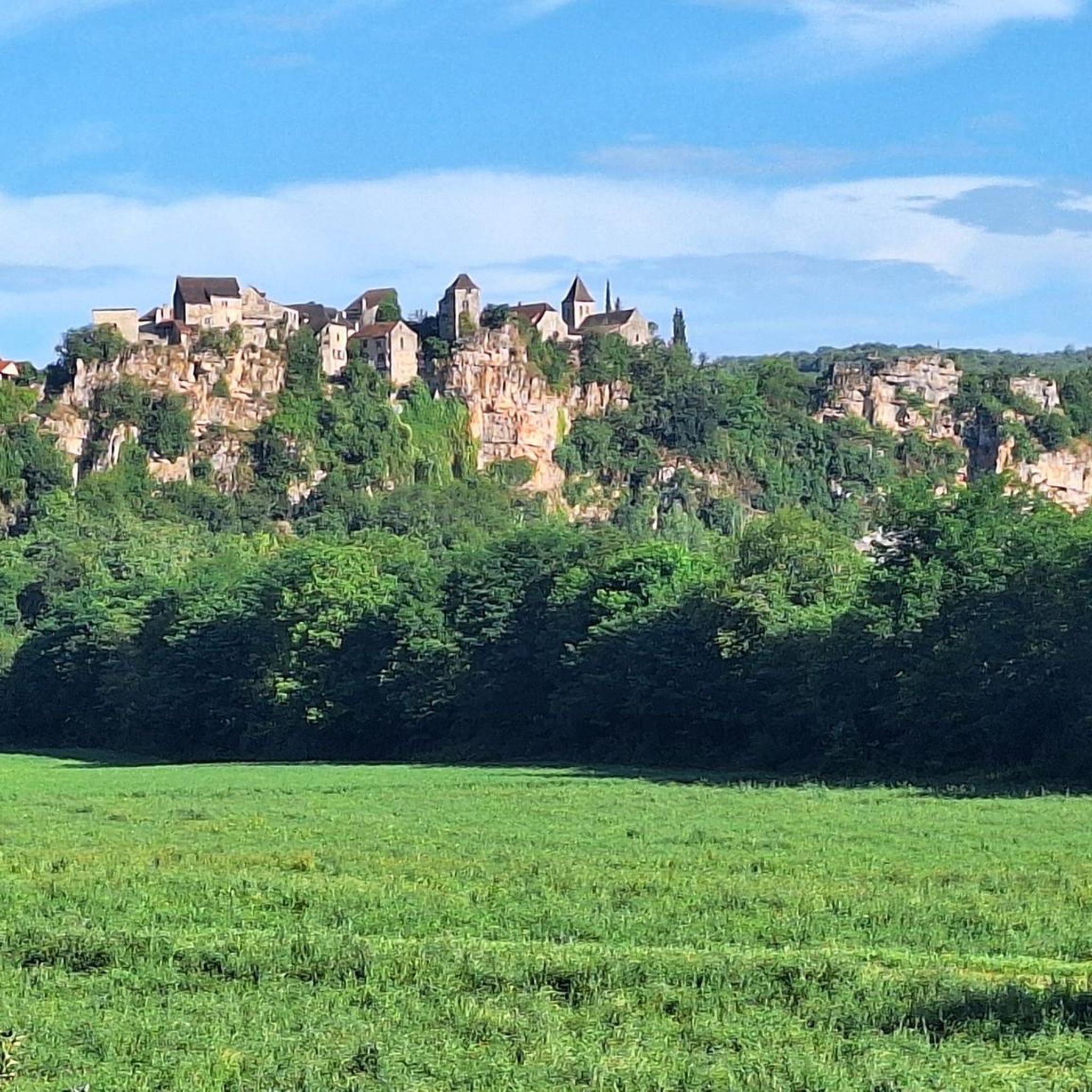
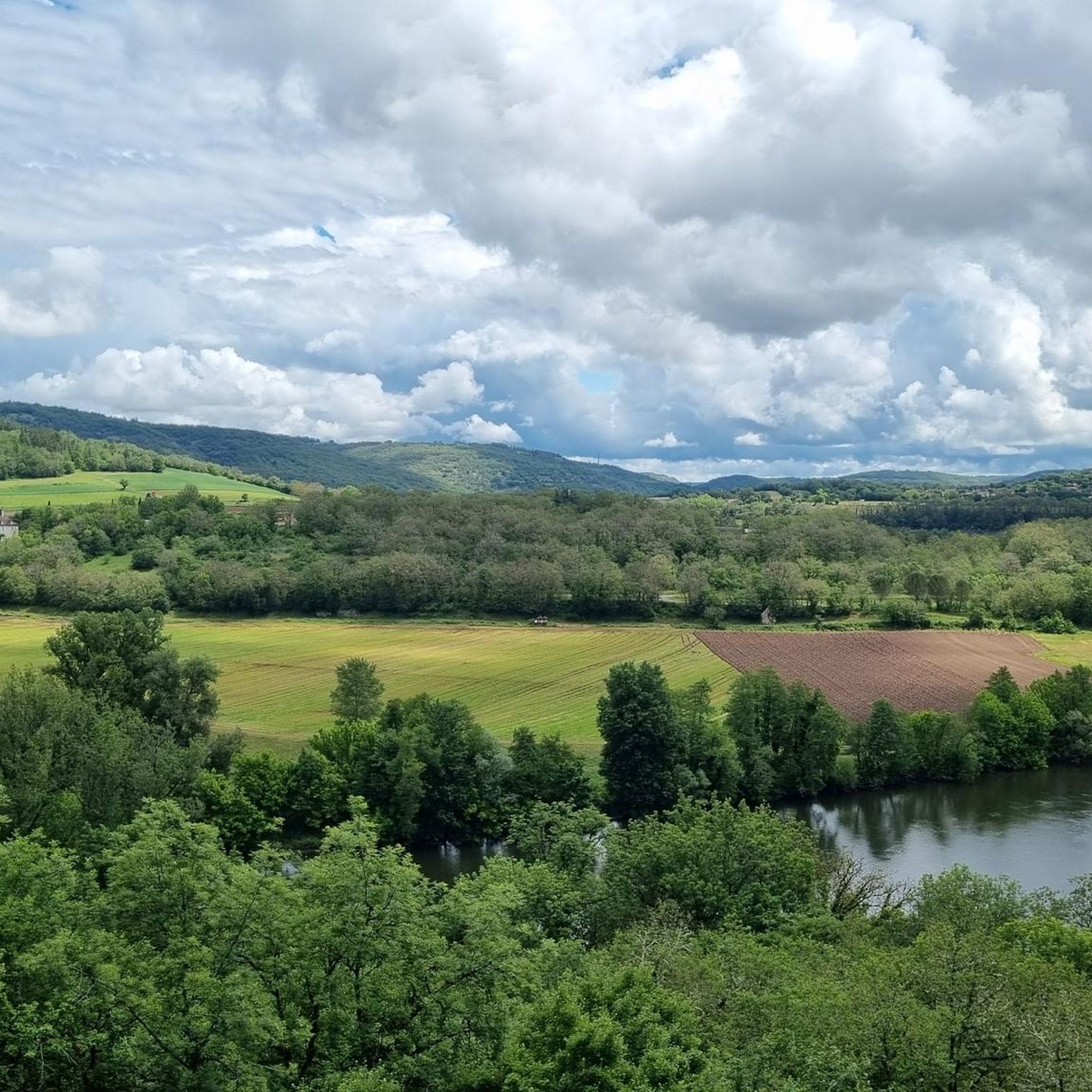
Cliffs Along the Lot River
Highlight • Gorge
Translated by Google •
Tip by

Sign up now to discover places like this
Get recommendations on the best single tracks, peaks, & plenty of other exciting outdoor places.
Sign up for free
Gouffre du Lantouy
Highlight • Natural Monument
Translated by Google •
Tip by

Dolmen du lac d'Aurié
Highlight • Natural Monument
Translated by Google •
Tip by

Dolmen de Joncas
Highlight • Historical Site
Translated by Google •
Tip by
Sign up for free to discover even more natural monuments around Limogne-En-Quercy.
Sign up for free
Already have an account?
Start today with a free account
Your next adventure awaits.
Login or Signup
Popular around Limogne-En-Quercy

Other adventures around Limogne-En-Quercy

Tips from the Community

I know the legend of the Lantouy chasm. It's a bit gory.
0
0

In 1122, a monastery belonging to the Benedictines of the Cluniac order stood here. Legend has it that the spring appeared after the monastery's disappearance. The spring is said to be fertile.
1
0

Very pleasant circuit and largely in the shade. Really beautiful Igue site. Too bad there were so many caterpillars, which spoiled the pleasure of the ride a little.
2
0
Beautiful to do, it's worth a look
1
1
Very suggestive karst gorge. You need to pay close attention because only one part is fenced.
1
0

Superb passage - A little damp if the Lot is large ;0)
1
0

Wonder of nature to see absolutely. But be careful to get there, the 2 associated hikes by taking the karst path before the cemetery are very difficult, narrow steep slope and very slippery, for an informed public! To reach the igue, simply stay on the paved road after the cemetery, then straight ahead stay on the path with the 2 lines of white pebbles all along! You will easily reach the top (don't forget to visit the old Lotoise farm 100m after the Igue)
2
0

This dolmen is the oldest and largest dolmen in the Lot. It weighs 17 tons!
2
0
Frequently Asked Questions
What unique geological features can I explore around Limogne-en-Quercy?
The region is part of the Causses du Quercy Regional Natural Park, a UNESCO Global Geopark, and is renowned for its distinctive karst landscape. You can explore various formations such as dolines (sinkholes), igues (natural wells), and lapiez (sculpted limestone pavements). A notable example is The Igue of Crégols, a large gorge-like opening in the limestone.
Are there any prehistoric sites or ancient monuments to visit?
Yes, the Lot department is rich in megalithic sites. You can find numerous dolmens, which are prehistoric burial chambers. Notable examples include the Dolmen du Joncas and the Dolmen de Ferrières. The Dolmen du lac d'Aurié is also a significant site, considered the oldest and largest dolmen in the Lot.
What kind of outdoor activities can I do near these natural monuments?
The area offers diverse outdoor activities. You can find numerous routes for road cycling, mountain biking, and running. For instance, there are several road cycling routes, MTB trails, and running trails that pass by or near many natural monuments.
Are there any natural monuments with historical significance beyond prehistory?
Yes, the Phosphatières du Cloup d'Aural, near Bach, are ancient open-air phosphate mines that are now considered open-air paleontological museums. They are rich in fossils from the Tertiary era and offer a unique glimpse into the region's geological and paleontological evolution over millions of years.
What are some of the best viewpoints to experience the natural beauty of the region?
For breathtaking vistas, visit St-Cirq-Lapopie Heights, which offers an exceptional view of the Lot River and the picturesque village of St-Cirq-Lapopie. Another stunning location is the Cliffs Along the Lot River, where you can follow a path along beautiful cliffs with majestic and bucolic scenery.
Are there family-friendly natural monuments or activities suitable for children?
Many of the natural monuments, especially the dolmens and the karst landscape features, can be explored by families. The interpretive trails at sites like the Phosphatières du Cloup d'Aural are designed to be engaging. For walks, look for routes that are less challenging, such as the 'Malecargue fountain loop' which is an easy MTB trail suitable for a family bike ride or walk.
What is the best time of year to visit the natural monuments around Limogne-en-Quercy?
The spring and autumn months are generally ideal for visiting, as the weather is pleasant for outdoor activities like hiking and cycling. The natural landscapes are vibrant in spring and offer beautiful colors in autumn. Summer can also be enjoyable, but it's advisable to plan activities for the cooler parts of the day.
Can I find any natural monuments that involve water features?
Absolutely. The karst landscape is characterized by underground rivers and unique water formations. The Gouffre du Lantouy is a notable natural monument featuring a spring, with a local legend about its appearance after a monastery disappeared. The Lot River itself, with its cliffs and reflections, is a prominent water feature.
Are there guided tours or specific walking circuits to explore the dolmens?
Yes, the region offers well-marked walking circuits specifically designed to explore the dolmens. For example, the 'Les Dolmens de Limogne-en-Quercy' circuit provides a structured way to visit several of these prehistoric structures, combining historical interest with scenic walks.
What makes the Causses du Quercy Regional Natural Park special for nature lovers?
Beyond its geological wonders, the park is known for its preserved natural landscape and commitment to environmental heritage. It's recognized as a UNESCO Global Geopark. The 'black triangle' of Quercy within the park is also famous for having one of the best night skies in metropolitan France, making it an exceptional spot for stargazing.
What should I wear or bring when visiting the natural monuments?
Given the varied terrain, comfortable walking shoes or hiking boots are recommended. Layers of clothing are advisable, as temperatures can change. For exploring sites like the Igue of Crégols, be aware that some paths can be steep and slippery, so appropriate footwear is crucial. Don't forget water, especially during warmer months.
Are there any natural monuments that are less known but worth discovering?
While the major sites are popular, the entire Causses du Quercy is dotted with numerous smaller dolines, igues, and lapiez formations that offer quiet exploration. The region's commitment to preserving its natural heritage means many hidden gems are waiting to be discovered off the main trails, offering a more secluded experience of the karst landscape.
Most popular routes around Limogne-En-Quercy
Most popular attractions around Limogne-En-Quercy

Get inspired with the komoot mobile app


Explore more
Extend your search for the best caves by checking out these guides of the top ones around Limogne-En-Quercy:
