Top 20 Natural Monuments around Montvalezan
Best natural monuments around Montvalezan are found in the French Alps, offering diverse natural landscapes. The region features high mountain passes, glacial lakes, and impressive waterfalls. These natural features provide opportunities to explore varied terrain and significant geological formations. Visitors can discover a range of natural attractions, from alpine lakes to historical mountain passes.
Best natural monuments around Montvalezan
- The most popular natural monuments is Lac du Verney, a lake that is one of the largest natural alpine lakes…
Last updated: October 6, 2026
Rutor’s First Waterfall
Highlight • Waterfall
Translated by Google •
Tip by

Lac du Verney
Highlight • Lake
Translated by Google •
Tip by

Sign up now to discover places like this
Get recommendations on the best single tracks, peaks, & plenty of other exciting outdoor places.
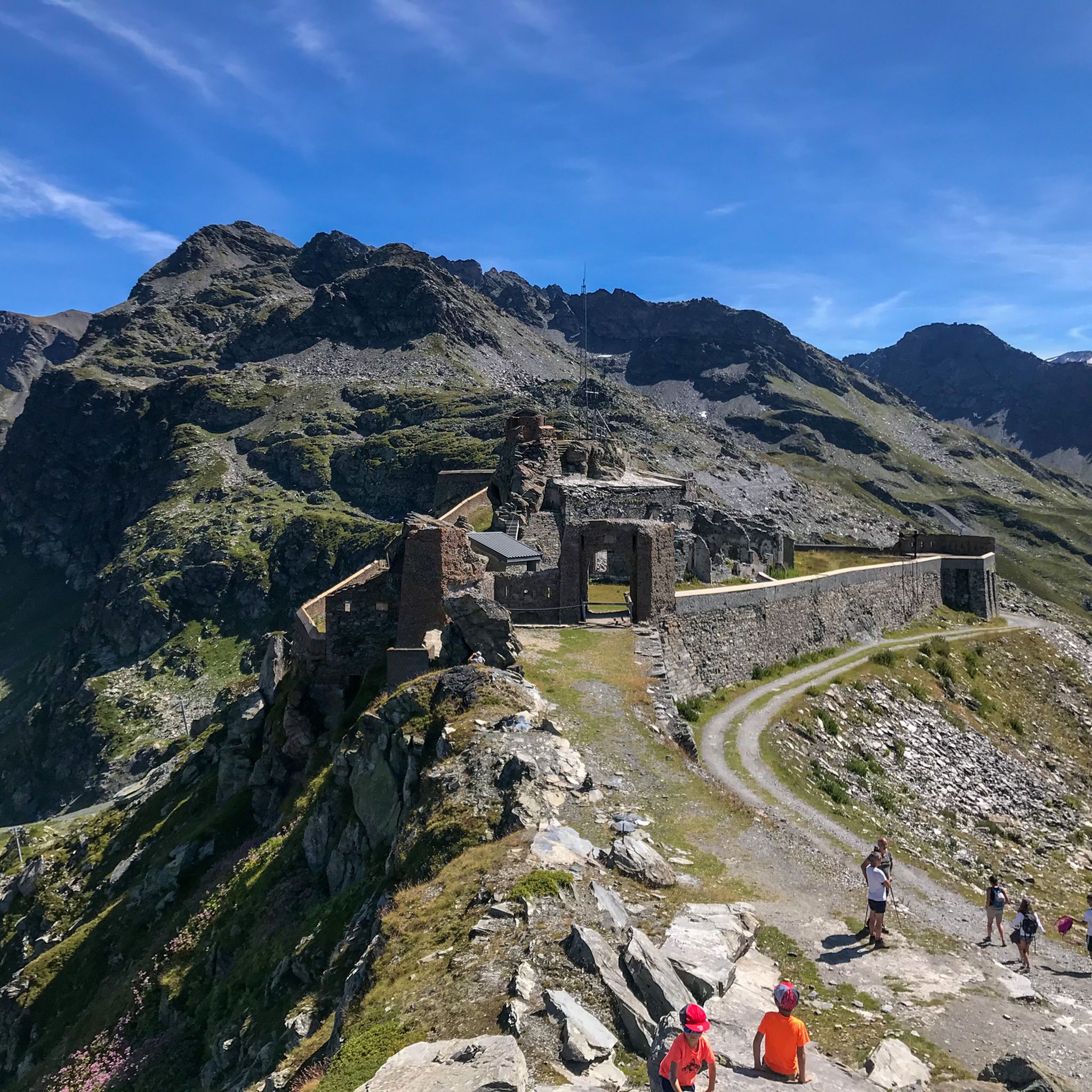
Punta della Croce and Ancient Fortifications
Highlight • Historical Site
Translated by Google •
Tip by
Lago dei Seracchi
Highlight • Lake
Translated by Google •
Tip by
Rutor Waterfalls
Highlight • Waterfall
Translated by Google •
Tip by

Sign up for free to discover even more natural monuments around Montvalezan.
Already have an account?
Start today with a free account
Your next adventure awaits.
Tips from the Community

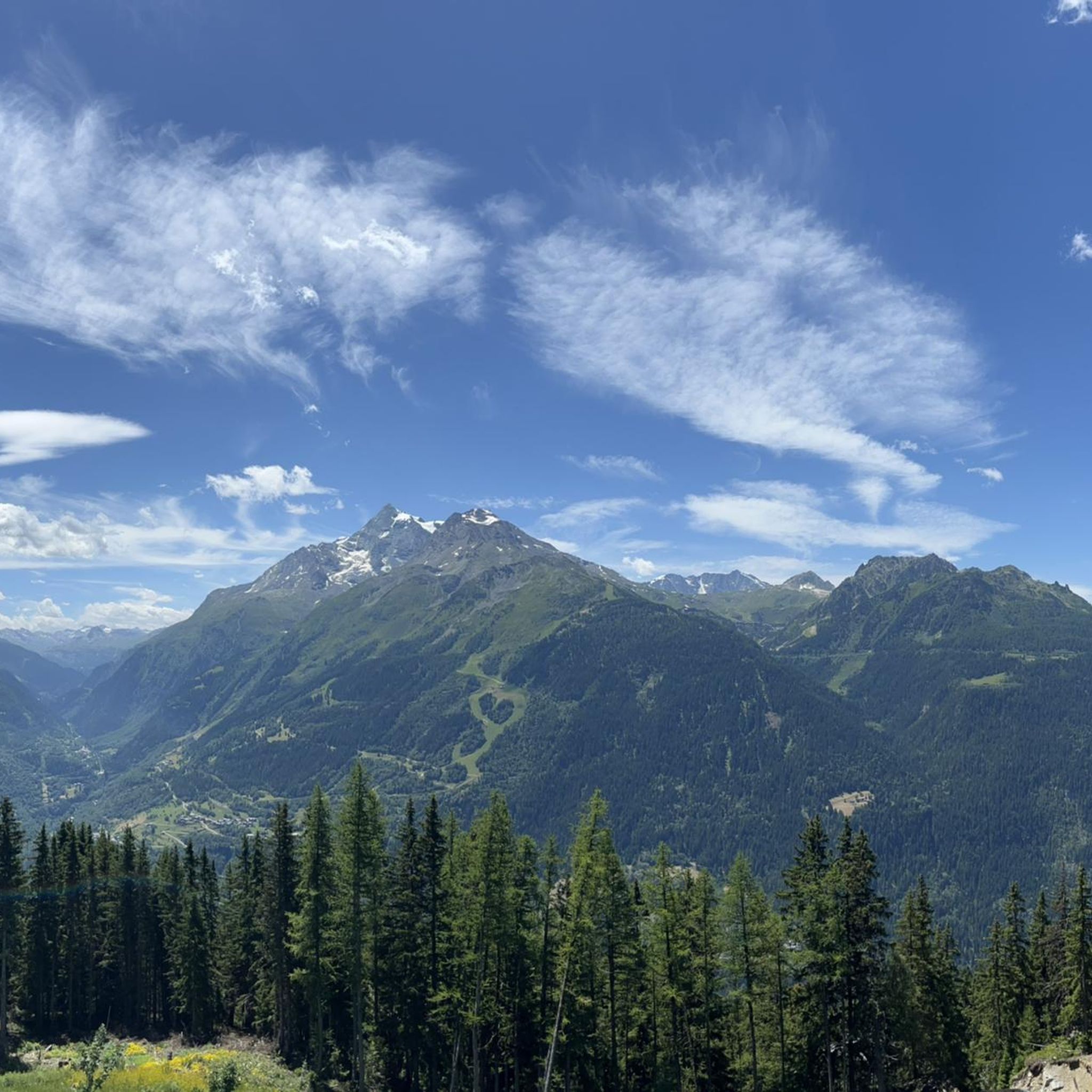
Magnificent panorama over the entire Mont Blanc chain and La Thuille. Near the cross there are only the remains of ancient fortifications that dominated the valley
1
0

Punta della Croce is a place that you cannot miss for the vast panorama that can be enjoyed from the top (2,432 meters above sea level). From here the view of Mont Blanc is truly incredible!
3
0
There is a legend that hovers around the Rutor glacier which tells that the place now occupied by the glacier was once a large green meadow where the cows of a rich farmer grazed. One day God wanted to test his goodness and sent him a beggar to ask for some milk to feed his family. The rich farmer, instead of giving him some of his milk, mocked the beggar and, out of insult, ordered his workers to pour the buckets of fresh milk on the lawn. The beggar reacted by casting a curse on him that made it snow for days on end. Accompanying the snow was also a very cold wind which caused the green pastures to turn into ice. Thus the Rutor glacier was born.
4
0
The first waterfall is the easiest to reach and is located about 20 minutes from the start. Although it is the easiest to reach, you need to be careful because, being wet, you could slip, so remember suitable shoes and be careful.
0
0
The three Rutor waterfalls are part of the country's history and are shrouded in myths and legends. Daughters of the lakes fed by the Rutor glacier, the wonderful waterfalls that can be visited in summer are three impetuous waterfalls that throw themselves into gorges and precipices, carving out the rock with all the power of the melting water. Starting from the hamlet of La Joux at 1,603 meters above sea level and located just three kilometers from the town of La Thuile, you can reach the first of the three with a beautiful path up to the third waterfall which is located at 1,996 metres. The first observation point is found shortly after passing the farmhouses of La Joux, along a mule track that passes through coniferous woods. The first waterfall is surprising: the emotion of the rainbow and the force of the water arouse incredible sensations.
2
0
Lake Verney is the largest natural alpine lake in the Aosta Valley. Of glacial origin, it is located at 2,088 m above sea level, between the Bec des Rousses, the promontory of the Piccolo San Bernardo, and Mount Chaz Dura. The shores of the lake are colonized by hygrophilous vegetation that includes prized botanical varieties such as eriophilous grasses, sedges and rushes as well as sphagnum, a typical species of peat bogs. On the sides, the work of nature has left morainic deposits rich in springs, a perfect habitat for primroses and saxifrages. In a distant time, over 2,000 years ago, the Salassi people considered these waters sacred: they were used to bless the fields, unions and children, to propitiate a fruitful summer or a benevolent winter. When the Salassi leaders returned victorious from a battle, they offered the swords of their fallen adversaries to Graio, the god of war and rocks, as a sign of thanks. Today, Lake Verney is a favorite destination for many tourists as well as a fishing reserve. You can walk around its entire perimeter with a comfortable walk of about 45 minutes and by climbing further you can reach the Upper Lake Verney in about half an hour.
1
0

Nice tour starting from La Thuile
0
0

crazy mtb ride to be redone for experts
0
0
Frequently Asked Questions
What natural features can I explore around Montvalezan?
Montvalezan is rich in diverse natural features. You can discover impressive waterfalls like the Rutor Waterfalls, serene alpine lakes such as Lac du Verney and Lago dei Seracchi, and high mountain passes offering breathtaking vistas.
Are there any natural monuments with historical significance in the Montvalezan area?
Yes, the region boasts several historically significant natural monuments. The Col de la Traversette is famously associated with Hannibal's crossing of the Alps. Additionally, Punta della Croce and Ancient Fortifications offers a glimpse into past military structures alongside stunning natural views.
Where can I find the best panoramic views of the Mont Blanc massif?
For spectacular views of the Mont Blanc massif, consider visiting the Col de la Traversette. From its summit, you are treated to stunning 360-degree panoramas. Another excellent spot is Punta della Croce, which also offers incredible views of Mont Blanc from its 2,432-meter elevation.
Are there family-friendly natural monuments around Montvalezan?
Absolutely. Rutor’s First Waterfall is particularly accessible for families, including those with children (though not suitable for strollers). The walk around Lac du Verney is also a comfortable 45-minute stroll suitable for all ages.
What outdoor activities can I do near these natural monuments?
The area around Montvalezan offers a wide range of outdoor activities. You can enjoy challenging mountain hikes, explore various cycling routes, or try gravel biking. For detailed routes and guides, you can check out the Mountain Hikes around Montvalezan, Cycling around Montvalezan, and Gravel biking around Montvalezan guides.
Can I go rock climbing at any of the natural monuments?
Yes, the Natural Climbing Site of Le Châtelard in Montvalezan offers excellent opportunities for rock climbing. It features natural limestone cliffs with varied routes suitable for all skill levels, from beginners (3a) to experts (8a+), all while providing breathtaking views of the Tarentaise Valley.
What is the best time to visit the natural monuments in Montvalezan?
The best time to visit largely depends on the activity. For climbing at Le Châtelard, summer and spring are ideal due to the sunny walls. High mountain passes like the Col de la Traversette and trails to glacial lakes are typically best accessed during the warmer months when snow has melted, usually from late spring through early autumn.
Are there any challenging hikes to natural monuments in the region?
Yes, many natural monuments are reached via challenging terrain. The road to the Col de la Traversette is unpaved and very steep, with sections reaching up to 30% gradient, making it a rewarding challenge for experienced hikers. The path to Punta della Croce is also considered intermediate to challenging.
What makes Lac du Verney a significant natural monument?
Lac du Verney is one of the largest natural alpine lakes in the Aosta Valley, located at approximately 2000 meters above sea level. It lies in a hanging valley carved by ancient glaciers and is known for its unique hygrophilous vegetation and morainic deposits, which host prized botanical varieties.
What do visitors enjoy most about the natural monuments around Montvalezan?
Visitors frequently praise the stunning natural beauty and the sense of adventure. The powerful Rutor’s First Waterfall, for instance, is noted for the emotion of seeing a rainbow and the force of the water. The panoramic views from summits like Punta della Croce are also highly appreciated, offering incredible vistas of the surrounding valleys and mountains.
Is there a tunnel near any of the natural monuments?
Yes, near the Col de la Traversette, you can find the 75-meter-long Monte Viso Tunnel (also known as Buco di Viso). Constructed between 1478 and 1480, it is considered one of Europe's oldest and highest pedestrian tunnels, originally built for trade and now open to hikers and mountain bikers in summer.
Are there any natural monuments related to glaciers?
Yes, the Rutor Waterfalls are fed by the Rutor glacier, and Lago dei Seracchi is a small lake located at the foot of the majestic Rutor glacier, generated by the glacier itself. These sites offer a direct connection to the region's glacial history and ongoing natural processes.
Most popular routes around Montvalezan
Most popular attractions around Montvalezan

Get inspired with the komoot mobile app


Explore more
Extend your search for the best caves by checking out these guides of the top ones around Montvalezan:
