Top 4 Natural Monuments around Appietto
Best natural monuments around Appietto are found in the surrounding region of Corsica, particularly within the Corse-du-Sud department. The area features diverse landscapes, from coastal formations along the Gulf of Lava to inland mountain features. These natural sites offer varied geological formations and opportunities for outdoor exploration.
Best natural monuments around Appietto
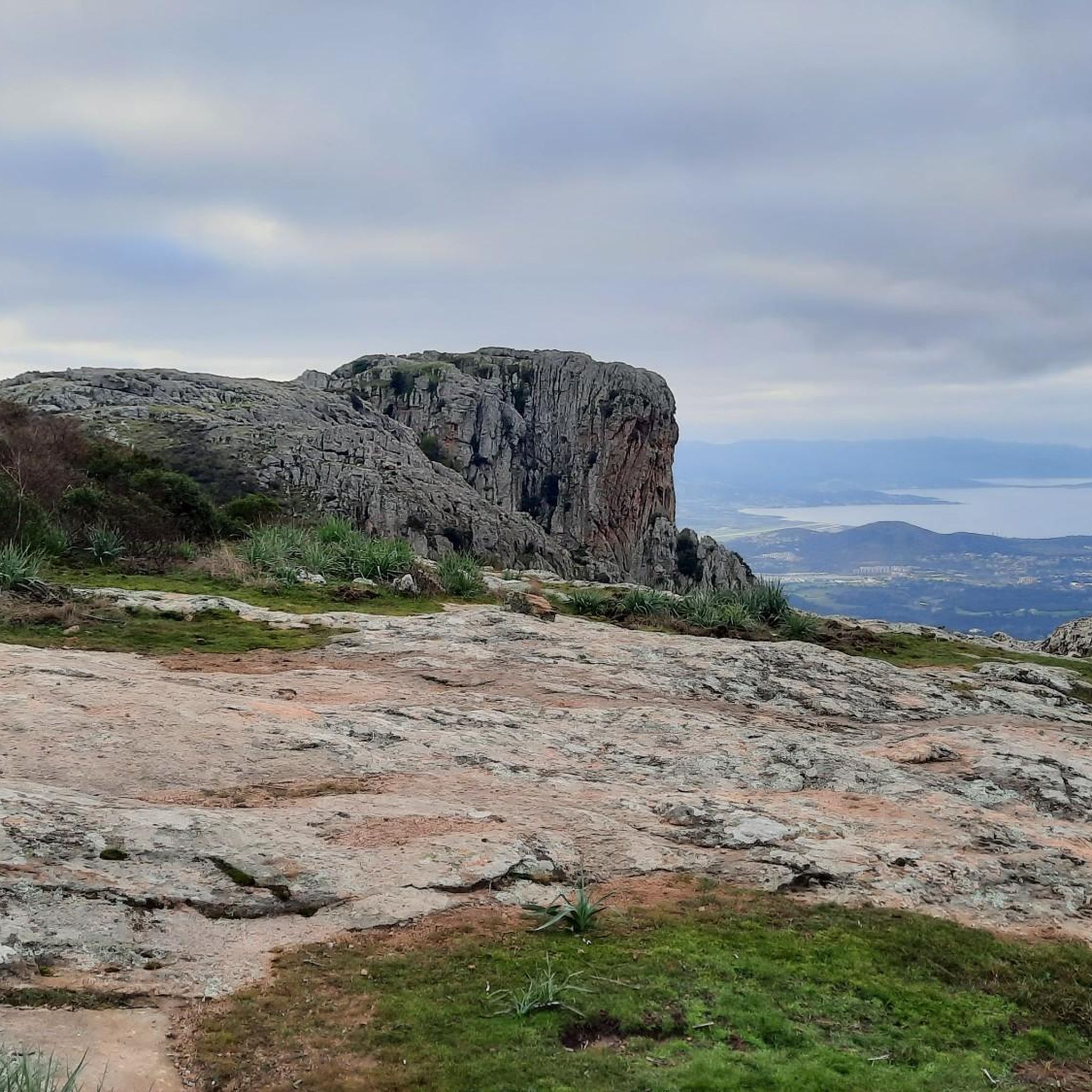
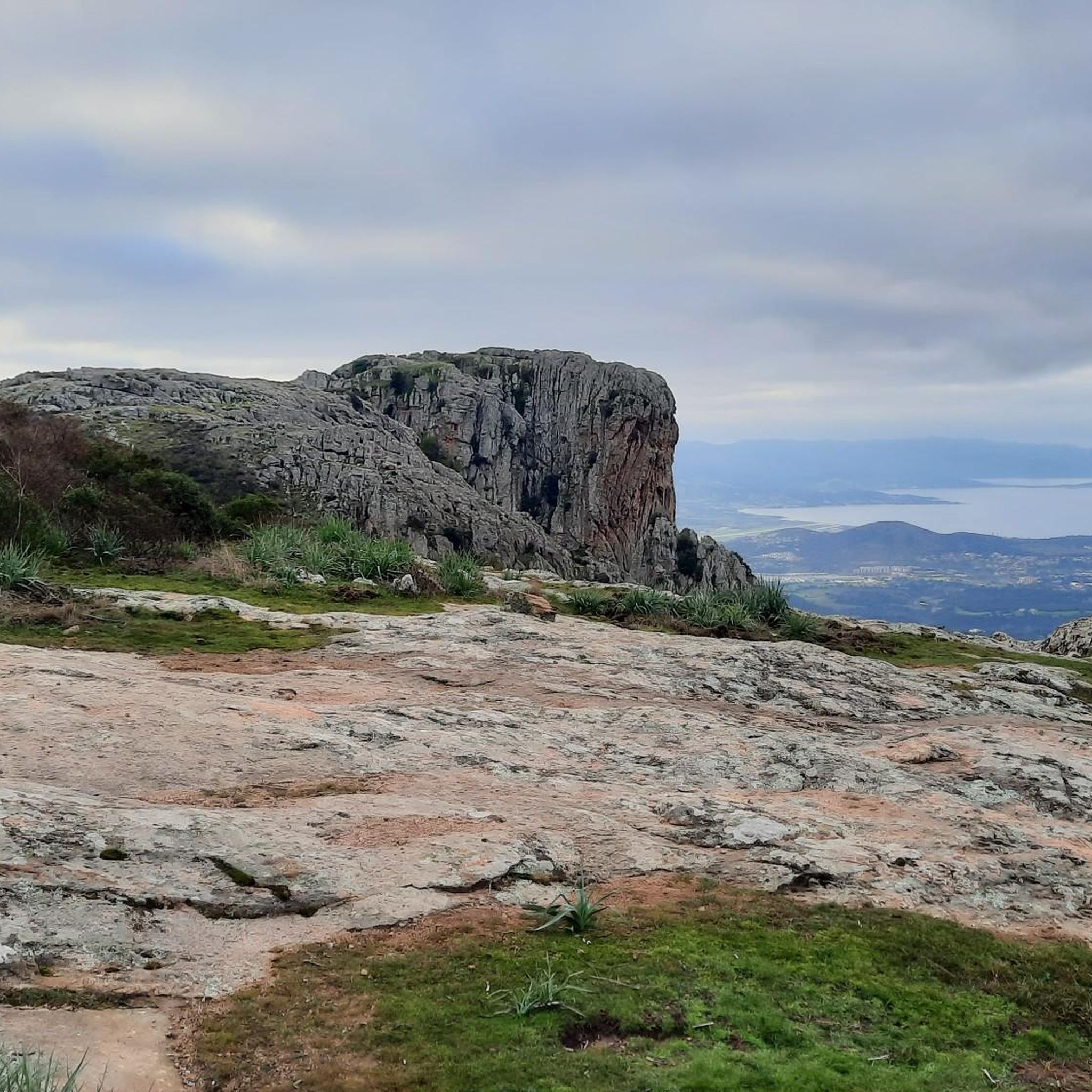
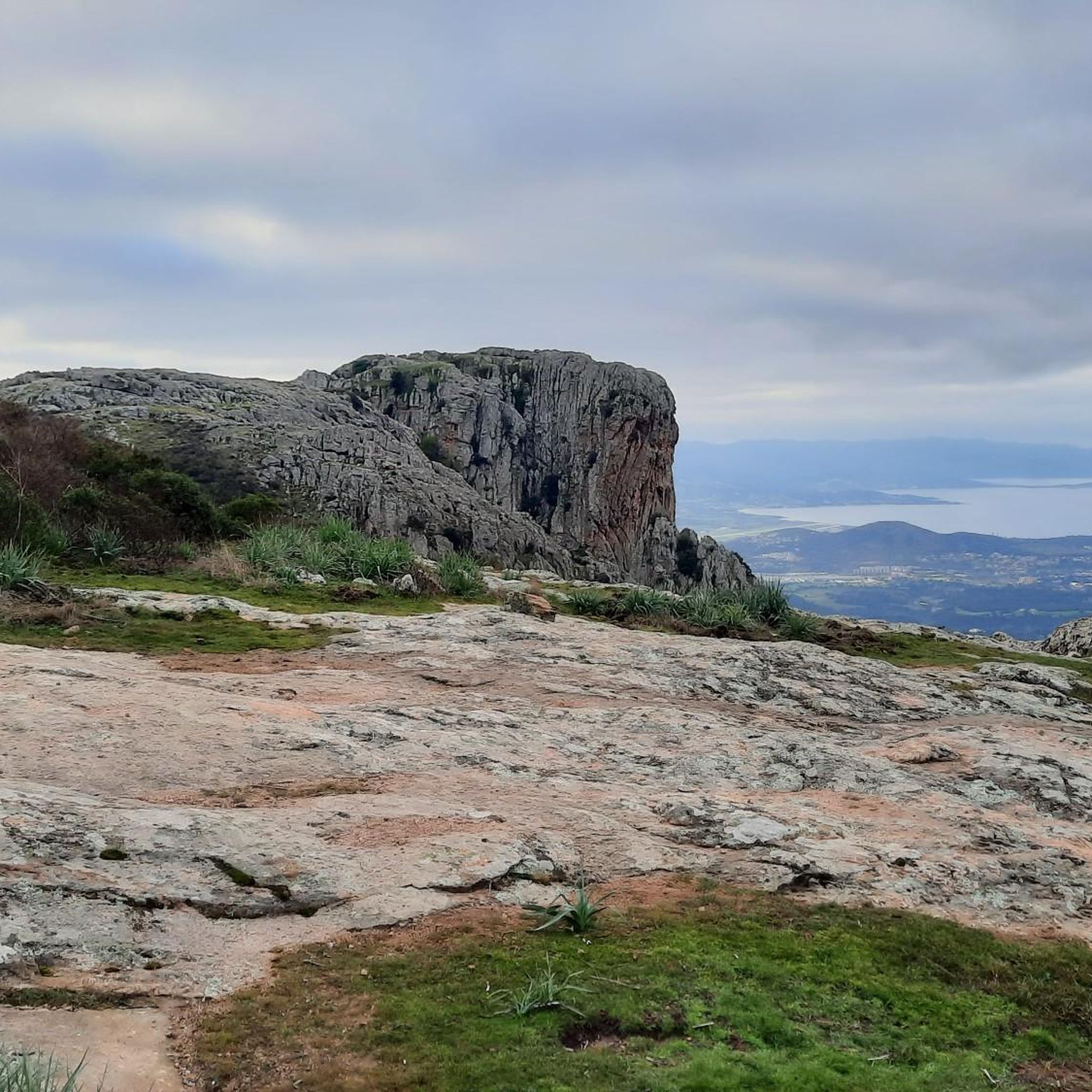
- The most popular natural monuments is Rocher des Gozzi, a summit that is a granite platform at 714 m. It offers views of the Gravona valley, the…
Last updated: July 2, 2026
Rocher des Gozzi
Highlight • Summit
Translated by Google •
Tip by

Cinaraggia
Highlight • Summit
Translated by Google •
Tip by

Sign up now to discover places like this
Get recommendations on the best single tracks, peaks, & plenty of other exciting outdoor places.
Sign up for free
Rocher Saint-Antoine
Highlight • Climb
Translated by Google •
Tip by

Prickly Pear Cactus Hedge at Le Petit Gravolet
Highlight • Natural
Translated by Google •
Tip by

Milelli Estate
Highlight • Historical Site
Translated by Google •
Tip by
Sign up for free to discover even more natural monuments around Appietto.
Sign up for free
Already have an account?
Start today with a free account
Your next adventure awaits.
Login or Signup
Tips from the Community

In addition to the magnificent views it offers, this typically Corsican granite rock is known for its natural climbing routes.
0
0
This property was once a place of rest for the Bonaparte family, as well as a source of income thanks to its eleven-hectare olive grove. It has been classified as a Historic Monument since 1958.
0
0

Beautiful hike carried out in February with a drone: https://youtu.be/o78fNnX0V8Q?si=JtcO7-R4QHpMcndq
1
1

Cinaraggia peaks at 528 meters above sea level. It offers a 360-degree panorama of Ajaccio, but also the Sanguinaires Islands. At the summit, an orientation table allows you to identify the surrounding summits and islands.
0
0

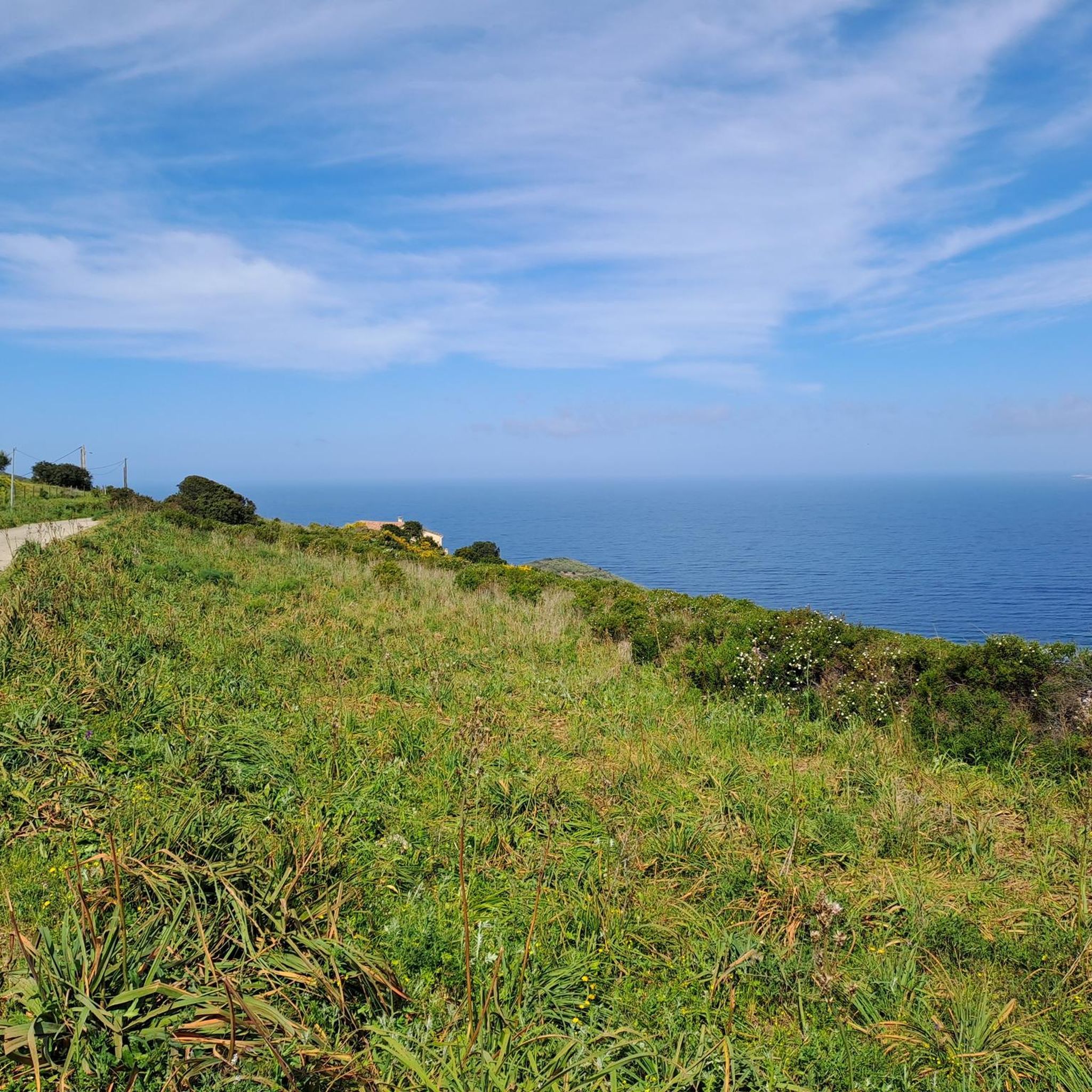
There are many cacti in full bloom here.
3
0
Fortification that served to shield the beach.
3
0
🌵🌵🌵 Prickly pears in full bloom.
3
0

Frequently Asked Questions
What are some unique natural monuments to visit near Appietto?
Beyond the immediate vicinity, the region offers spectacular natural monuments. Consider a boat trip to the Scandola Nature Reserve, a UNESCO World Heritage site known for its dramatic red porphyry cliffs and rich marine biodiversity. Another breathtaking option is the Calanques de Piana, also a UNESCO site, featuring astonishing red granite formations sculpted by nature. For a different landscape, explore the Gorges de la Restonica inland, with its dramatic cliffs and crystal-clear river leading to glacial lakes.
Are there family-friendly natural monuments around Appietto?
Yes, several natural monuments are suitable for families. The Milelli Estate offers a historical site with a forest, perfect for a leisurely stroll. The Liamone Sandy Terraces and Wetland Zone is a large sandy beach and nature reserve, ideal for a relaxing day by the sea. Inland, Lac de Nino provides wide green plains and easy to moderate hiking routes, where you might even spot wild horses.
What kind of geological formations can I expect to see?
The region around Appietto showcases a diverse range of geological wonders. You can witness the towering red porphyry cliffs of the Scandola Nature Reserve and the sculpted red granite formations of the Calanques de Piana. Inland, the Gorges de la Restonica and Gorges de Spelunca feature dramatic granite walls carved by rivers, while Rocher des Gozzi is a prominent granite summit offering expansive views.
What outdoor activities can I do near these natural monuments?
The area provides numerous outdoor activities. You can enjoy hiking to panoramic viewpoints like Rocher des Gozzi or the challenging ascent to Rocher Saint-Antoine. The Gorges de la Restonica and Gorges de Spelunca are popular for hiking and swimming in natural river pools. For cycling enthusiasts, there are many routes available, including those for touring bicycles and gravel biking. You can find more details on routes in the Hiking around Appietto or Cycling around Appietto guides.
Are there any historical sites among the natural monuments?
Yes, the region blends natural beauty with historical significance. The Milelli Estate, classified as a Historic Monument, was once a retreat for the Bonaparte family. The Archipel des Sanguinaires features a 16th-century Genoese watchtower and a lighthouse. Within the Gorges de Spelunca, you can find historic Genoese bridges like Ponte di Pianella and Pont de Zaglia, adding a cultural layer to the natural landscape.
What is the best time to visit the natural monuments around Appietto?
The best time to visit largely depends on your preferred activities. Spring (April-May) and early autumn (September-October) offer pleasant temperatures for hiking and exploring coastal areas, avoiding the peak summer heat and crowds. Summer (June-August) is ideal for swimming in the natural pools of Aitone or the river pools of the Gorges de la Restonica, and for boat trips to sites like Scandola or the Sanguinaires Islands.
Can I go hiking to viewpoints with panoramic views?
Absolutely. The region is rich in viewpoints. The hike to the Genoese Turghiu tower at Capu Rossu offers exceptional panoramic views of the Gulf of Porto and the Calanques de Piana. Rocher des Gozzi provides a breathtaking vista of the Gravona valley, the Gulf of Ajaccio, and the Gulf of Lava. Even the challenging climb to Rocher Saint-Antoine rewards with magnificent views.
Where can I find unique flora and fauna?
The natural monuments are havens for biodiversity. The Scandola Nature Reserve is a protected area with rich biodiversity both on land and underwater, home to rare species like the osprey. The Archipel des Sanguinaires, a Natura 2000 site, boasts over 150 endemic species of flora and fauna. Inland, Lac de Nino is famous for its 'pozzine' (spongy turf) and wild horses grazing in lush meadows, surrounded by fragrant forests of black pine.
Are there opportunities for swimming in natural settings?
Yes, the region offers several refreshing natural swimming spots. The Aitone Natural Pools, nestled in the heart of the Aitone forest, provide tranquil cascades and clear, emerald-green waters. The Gorges de la Restonica and Gorges de Spelunca both feature accessible river pools, perfect for a cool dip after a hike. The Liamone Sandy Terraces and Wetland Zone also offers a large sandy beach for swimming.
What do visitors enjoy most about the natural monuments around Appietto?
Visitors frequently praise the stunning panoramic views, especially from summits like Rocher des Gozzi. The unique geological formations, such as the red granite of the Calanques de Piana and the dramatic cliffs of Scandola, are also highly appreciated. Many enjoy the diverse outdoor activities, from challenging climbs at Rocher Saint-Antoine to peaceful walks through the Milelli Estate, and the refreshing natural swimming spots.
Are there any natural monuments accessible by boat?
Yes, some of the most spectacular natural monuments are best experienced by boat. The Scandola Nature Reserve is primarily accessible by boat, offering unique views of its sea caves and cliffs. The Calanques de Piana can also be explored by boat to discover hidden coves. Boat trips from Ajaccio are popular for visiting the Archipel des Sanguinaires, allowing you to explore the islands and enjoy the famous sunset views.
Where can I see cacti in bloom?
You can find impressive displays of cacti, particularly prickly pears in full bloom, at the Prickly Pear Cactus Hedge at Le Petit Gravolet. This site offers a unique natural monument experience with its vibrant flora.
Are there any natural monuments that are also nature reserves?
Yes, the region is home to several protected nature reserves. The Scandola Nature Reserve is a UNESCO World Heritage site and a marine and terrestrial protected area. The Archipel des Sanguinaires is part of the Natura 2000 network, recognized for its ecological importance. Additionally, the Liamone Sandy Terraces and Wetland Zone is a large sandy beach that has been designated as a nature reserve.
Most popular attractions around Appietto

Get inspired with the komoot mobile app


Explore more
Extend your search for the best caves by checking out these guides of the top ones around Appietto:
