Top 6 Natural Monuments around Asnières-Sur-Oise
Best natural monuments around Asnières-Sur-Oise are found within a region known for its rich natural heritage. Located in the Val-d'Oise department of France, Asnières-Sur-Oise is part of the Parc naturel régional Oise-Pays de France. The area features diverse natural landscapes, including significant wetlands, ancient forests, and various waterways. These natural monuments offer opportunities to engage with different ecosystems and observe local wildlife.
Best natural monuments around Asnières-Sur-Oise
- The most popular natural monuments is Étangs de Commelles, a lake that…
Last updated: July 2, 2026
Singletrack along the Marais de Stors
Highlight (Segment) • Trail
Translated by Google •
Tip by

The Blue Lake of Carnelle
Highlight • Forest
Translated by Google •
Tip by
Sign up now to discover places like this
Get recommendations on the best single tracks, peaks, & plenty of other exciting outdoor places.
Sign up for free
Étangs de Commelles
Highlight • Lake
Translated by Google •
Tip by
Covered alley
Highlight • Historical Site
Translated by Google •
Tip by

Breathtaking view of the Stors Marsh
Highlight • Natural Monument
Translated by Google •
Tip by
Sign up for free to discover even more natural monuments around Asnières-Sur-Oise.
Sign up for free
Already have an account?
Start today with a free account
Your next adventure awaits.
Login or Signup
Tips from the Community

What is to be remembered from this route is the passage through the Carnelle forest. However, there are too many roads on the Isle Adam and along the Oise. No particular difficulty.
0
0

pretty lake hidden in the middle of the forest
0
0

This funerary megalith dates back to the beginning of the Neolithic period! It is the largest and most famous of all the covered alleys in the Paris region, which has become the archetype of burials associated with the Seine-Oise-Marne culture. All the slabs are in Fontainebleau sandstone, several outcrops of which are visible on the hillside.
2
0

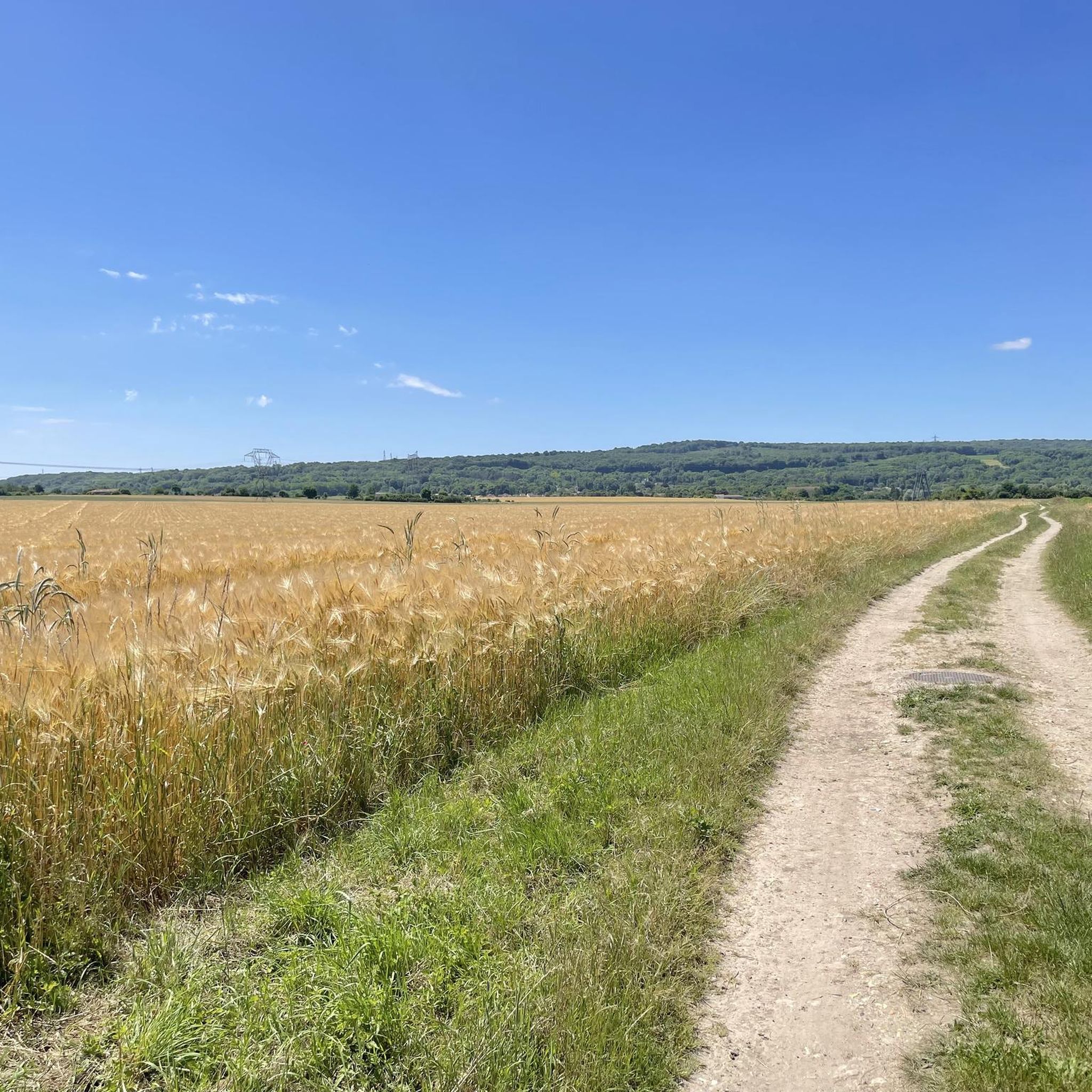
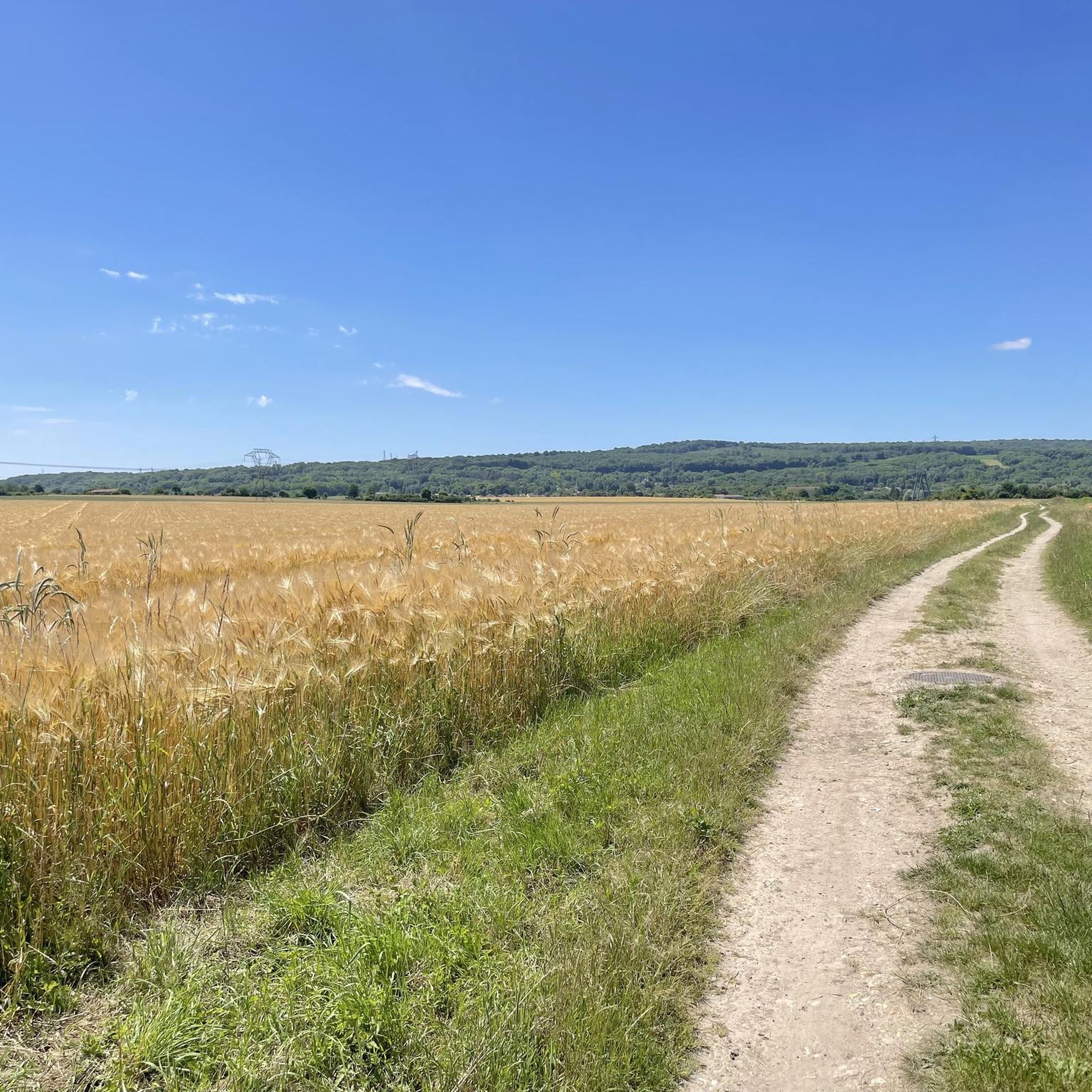
This bucolic path runs along the Stors marsh nature reserve. The ground quickly becomes muddy in bad weather and the days following the rain. That said, the setting is beautiful along the rock faces. For the rest, it's a fairly easy single.
0
0

Magnificent natural reserve that this marsh of Stors.
0
0
The ponds of Commelles are part of the beautiful forest of Chantilly and therefore of the Regional Natural Park Oise-Pays de France It is a protected site, rich in biodiversity, with thousands of frogs in March. In the 19th century, the ponds were frequented by romantic artists and authors such as Chateaubriand.
1
1
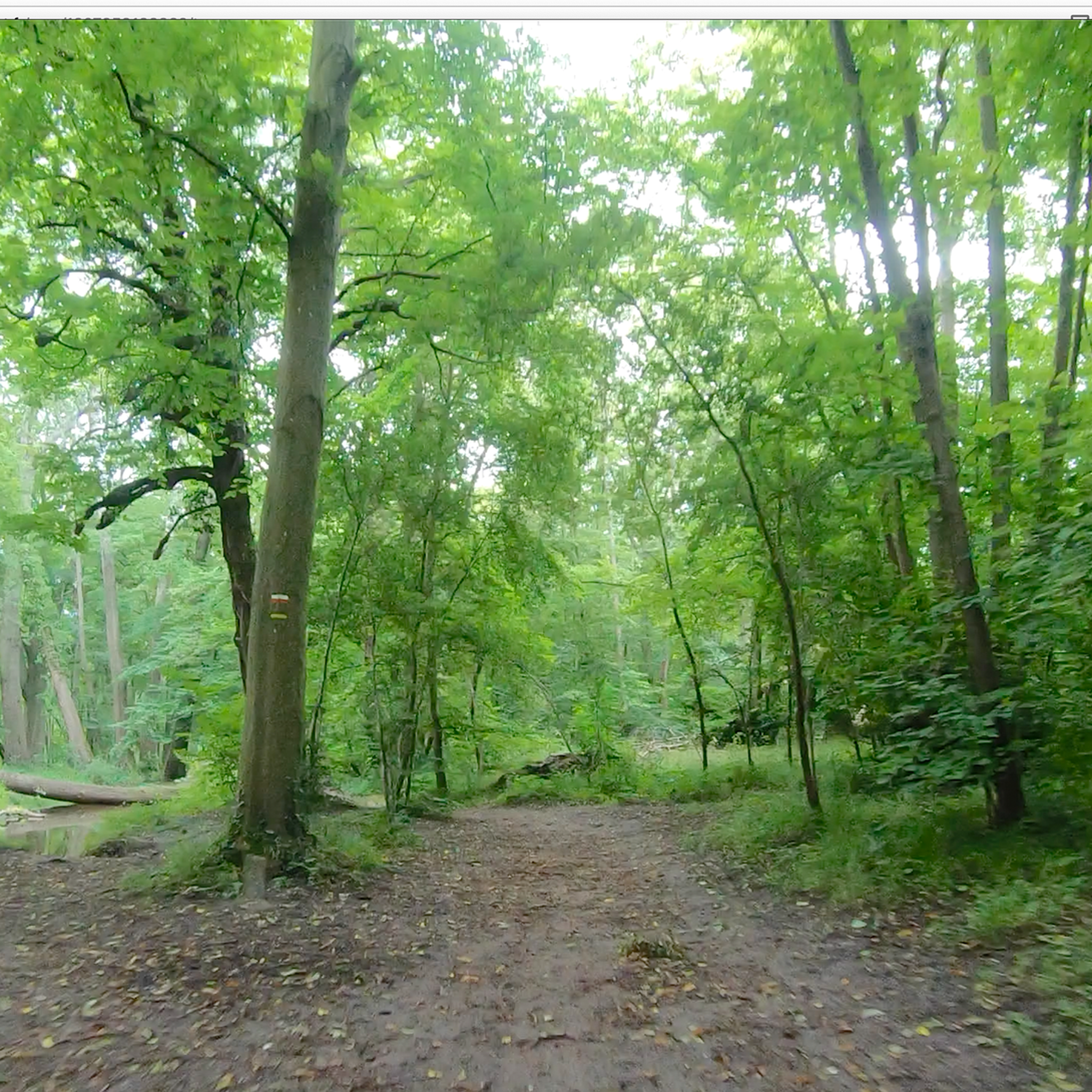
Here we have a beautiful view of the Marais de Stors nature reserve, a preserved site in the middle of the forest. We appreciate the density of the greenery. Over the year, you can admire the different colors, like an open-air fresco. It is the only swamp in the region, which makes it a unique place to discover during a running outing.
0
0
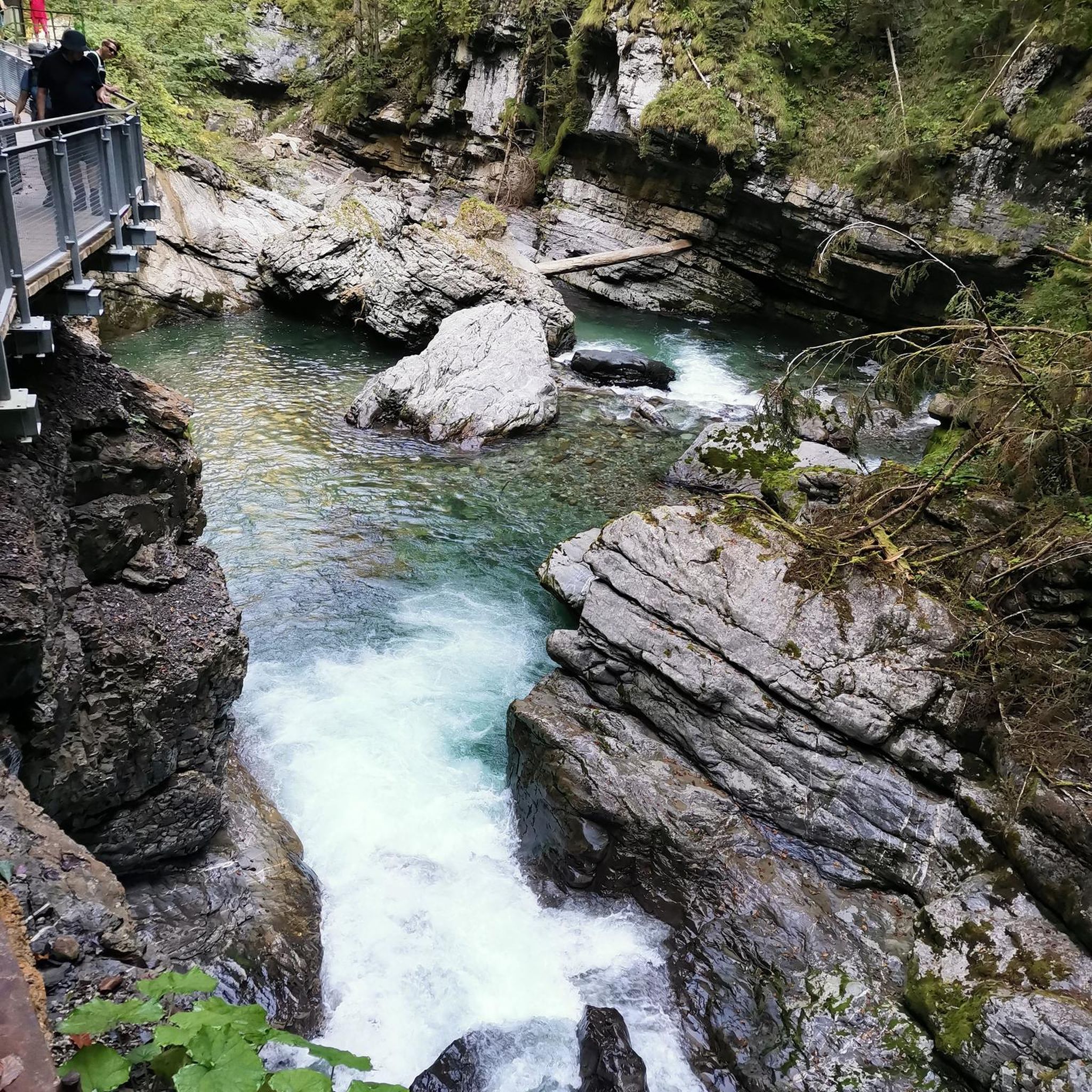
Lac Bleu is one of the two bodies of water in the Carnelle forest. On sunny days, its name takes on its full meaning. But there is another reason for the name of this lake from ancient quarries. The rock at the bottom is a mixture of gypsum and marl. The color is changing due to algae, but originally it is deep blue. Around the lake, one can appreciate oaks, beeches and chestnuts. A feast for the eye!
1
0
Frequently Asked Questions
What are some of the most popular natural monuments around Asnières-sur-Oise?
Visitors frequently enjoy the serene Étangs de Commelles, a protected lake rich in biodiversity within the Chantilly forest. Another favorite is the The Blue Lake of Carnelle, known for its unique color and surrounding ancient trees. The Singletrack along the Marais de Stors is also highly appreciated for its scenic trail along a rich wetland nature reserve.
Are there family-friendly natural monuments to visit in the area?
Yes, several natural monuments are great for families. The The Blue Lake of Carnelle and Étangs de Commelles are both listed as family-friendly. Additionally, the Parc de Touteville, featuring the remarkable Plane Tree Alley, offers two bodies of water, children's games, sports circuits, and picnic areas, making it a pleasant destination for all ages.
What kind of wildlife can I expect to see in the natural monuments around Asnières-sur-Oise?
The region is a biodiversity hotspot. At the Marais de Baillon, you might spot dragonflies, damselflies, butterflies, and amphibians, and it's a crucial migration route for birds and red deer. The Forêt de Carnelle is home to roe deer, wild boars, red deer, foxes, and rabbits. The Étang du Grand Vivier is particularly significant as a wintering migration zone for birds in Île-de-France.
Are there hiking trails near these natural monuments?
Absolutely! The Forêt de Carnelle offers numerous opportunities for hiking, with trails like the 'PR en forêt de Carnelle' starting from Asnières-sur-Oise. You can find more detailed hiking routes and tours in the region by exploring the Asnières-sur-Oise hiking guide.
What are some unique natural features or 'hidden gems' in the area?
Beyond the well-known spots, the Marais de Baillon is a significant wetland classified as a 'Sensitive Natural Space,' offering a mosaic of open wetlands and wet woodlands. The Allée de Platanes du Parc de Touteville, with its 'Arbre remarquable de France' label, is also a unique sight. The region is also rich in waterways, including the Thève and Oise rivers, and the still-active 'source du Crocq' feeding historical washhouses.
What is the best time of year to visit the natural monuments?
Public access to the Marais de Baillon is permitted year-round. However, for birdwatching, the Étang du Grand Vivier is particularly noteworthy during winter migration. The red deer's 'brame' (bellowing during rutting season) in the Forêt de Carnelle is a highly anticipated annual event, typically occurring in autumn. Generally, spring and autumn offer pleasant temperatures for exploring.
Are there any historical natural monuments or sites with historical significance?
Yes, the region blends natural beauty with history. The Covered alley is a funerary megalith dating back to the Neolithic period, making it the largest and most famous of its kind in the Paris region. The Étangs de Commelles were also frequented by romantic artists and authors in the 19th century, adding a layer of cultural history to their natural appeal.
Can I go cycling near the natural monuments?
Yes, the area offers various cycling opportunities. You can explore MTB trails, gravel biking routes, and road cycling routes. For example, there are several MTB trails around Asnières-sur-Oise, including loops from Boran-sur-Oise and Viarmes. You can find more details in the MTB Trails around Asnières-sur-Oise guide, the Gravel biking around Asnières-sur-Oise guide, and the Road Cycling Routes around Asnières-sur-Oise guide.
What are the main natural features that define the landscape around Asnières-sur-Oise?
Asnières-sur-Oise is characterized by a rich and diverse natural landscape. It is part of the Parc naturel régional Oise-Pays de France and features significant wetlands like the Marais de Baillon, ancient forests such as the Forêt de Carnelle, and numerous waterways including the Thève and Oise rivers, along with various streams, marshes, ponds, and canals. This abundance of water makes it a 'territory of water'.
Is there a notable ancient tree or forest to visit?
Yes, the Forêt de Carnelle is an ancient forest spanning 975 hectares, offering diverse wildlife and hiking opportunities. Additionally, the The Chêne des Grès, a remarkable sessile oak in the forest of Pontarmé, stands at 23 meters high and is approximately 300 years old, making it a significant natural landmark.
What do visitors particularly enjoy about the natural monuments in this region?
Visitors appreciate the tranquility and rich biodiversity of sites like the Étangs de Commelles. The unique blue hue of The Blue Lake of Carnelle, surrounded by oaks, beeches, and chestnut trees, is often highlighted as a 'feast for the eyes.' The scenic trails along wetlands, such as the Singletrack along the Marais de Stors, are also very popular for their natural beauty.
Most popular routes around Asnières-Sur-Oise
Most popular attractions around Asnières-Sur-Oise

Get inspired with the komoot mobile app


Explore more
Extend your search for the best caves by checking out these guides of the top ones around Asnières-Sur-Oise:
