Top 5 Natural Monuments around Nasbinals
Best natural monuments around Nasbinals are found in the heart of the Lozère Aubrac region, characterized by its volcanic and glacial past. This area features distinctive geological formations and pristine landscapes. The high-altitude Aubrac plateau offers immense pastures and is recognized for its important habitat stations, including numerous peat bogs. Visitors can explore a variety of natural sites, from impressive waterfalls to glacial lakes and high summits.
Best natural monuments around Nasbinals
- The most popular natural monuments is Cascade du…
Last updated: October 6, 2026
Cascade du Déroc
Highlight • Waterfall
Translated by Google •
Tip by

Basalt Columns of the Ruisseau des Plèches
Highlight • Natural Monument
Translated by Google •
Tip by

Sign up now to discover places like this
Get recommendations on the best single tracks, peaks, & plenty of other exciting outdoor places.
Signal de Mailhebiau
Highlight • Summit
Translated by Google •
Tip by
Climb up to Croix de la Roda
Highlight (Segment) • Climb
Tip by

Touzes Waterfall
Highlight • Waterfall
Translated by Google •
Tip by

Sign up for free to discover even more natural monuments around Nasbinals.
Already have an account?
Start today with a free account
Your next adventure awaits.

Other adventures around Nasbinals

Tips from the Community

La croix de la rode, a very particular cross with its circle around it!
0
0

We passed and enjoyed this during our Camino trip in 2025: https://youtu.be/iWACUDABfUc
0
0


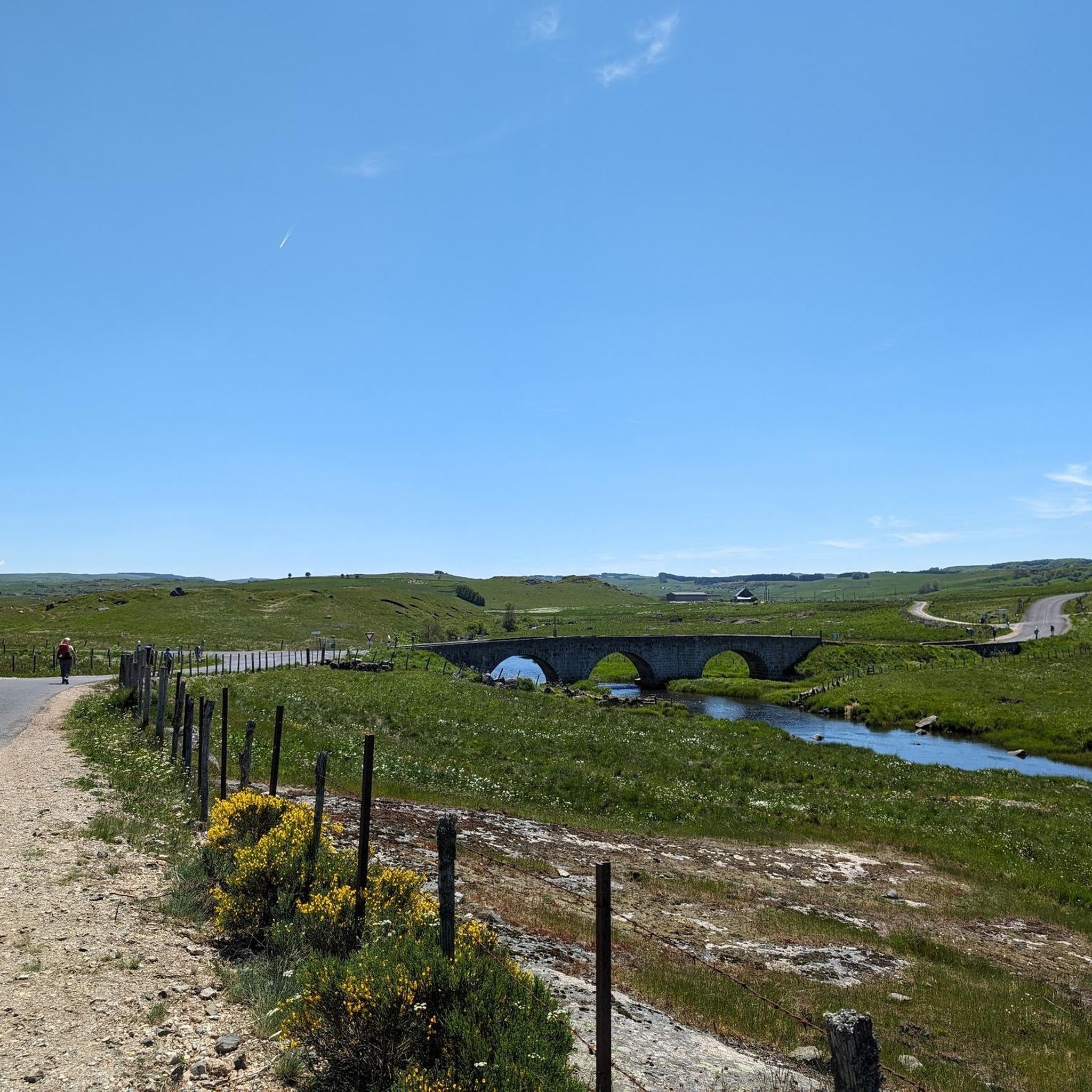
The trail is just to the right after the bridge
0
0

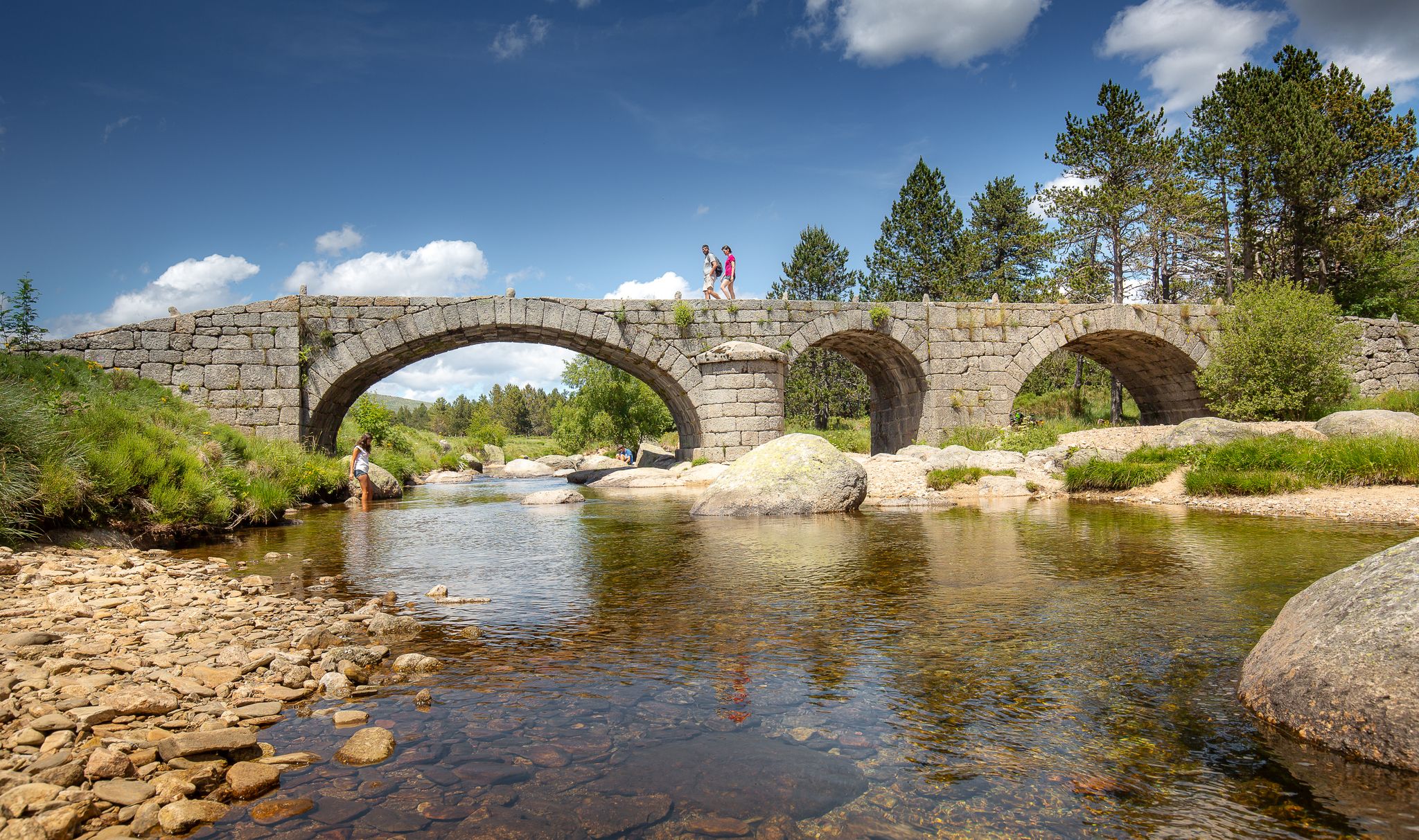
At the level of the Negro Bridge which passes over the Stream of Arrows, you can observe superb geological formations. In this case, they are basalt organs.
1
0

Magnificent and practicable place for all types of walkers.
0
0


Located in the Touzes canyon, this waterfall offers an enchanting setting. The water flows over the black rocks covered with moss and promotes the emergence of lush vegetation.
0
0
Frequently Asked Questions
What unique geological features can I explore around Nasbinals?
The region around Nasbinals is rich in geological wonders, shaped by its volcanic and glacial past. You can observe impressive basaltic organs, particularly at the Cascade du Déroc, where the waterfall cascades over a basaltic flange and a cave reveals these distinctive columnar joints. Similar formations are also visible near the Negro Bridge at the Basalt Columns of the Ruisseau des Plèches, providing evidence of ancient volcanic activity and glacial presence.
Are there any notable waterfalls to visit in the area?
Yes, two prominent waterfalls stand out. The Cascade du Déroc is a major attraction, where the Bès tributary and Lake Salhiens converge, creating a 33-meter cascade over basaltic rock. Another enchanting spot is the Touzes Waterfall, nestled in the Touzes canyon, known for its lush vegetation and water flowing over moss-covered black rocks.
What lakes can be found near Nasbinals?
The Nasbinals area is home to several glacial lakes, each with its own character. Lake of Salhiens is notable as its outflow contributes to the Déroc waterfall. Lake Saint Andéol is the largest natural lake in the region, historically a site of pagan worship. Lake Souveyrol, the smallest, is unique for its sphagnum moss carpet and rare plants, while Lake Born, at 1260 meters, carries ancient Celtic significance.
Where can I find the best panoramic views of the Aubrac landscape?
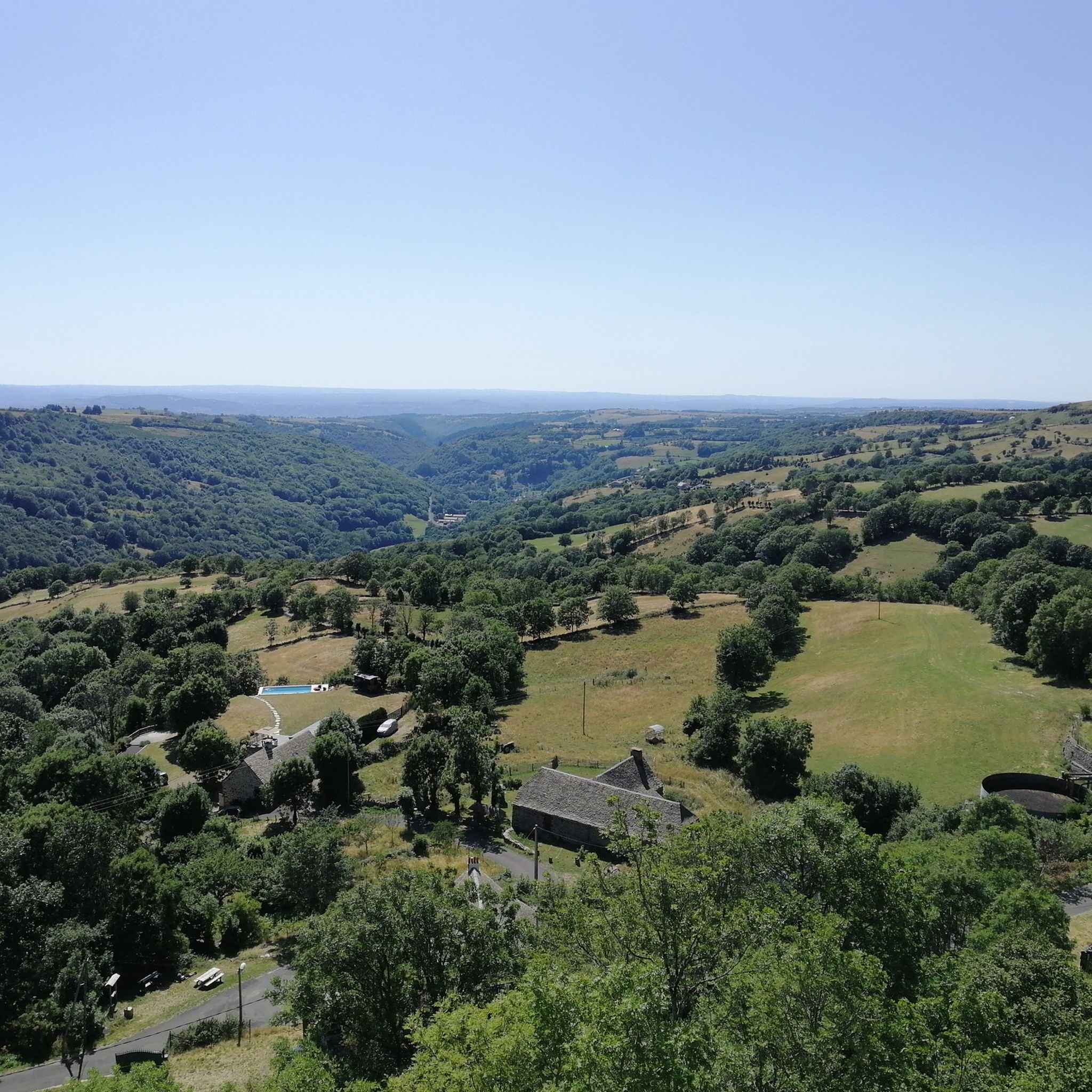
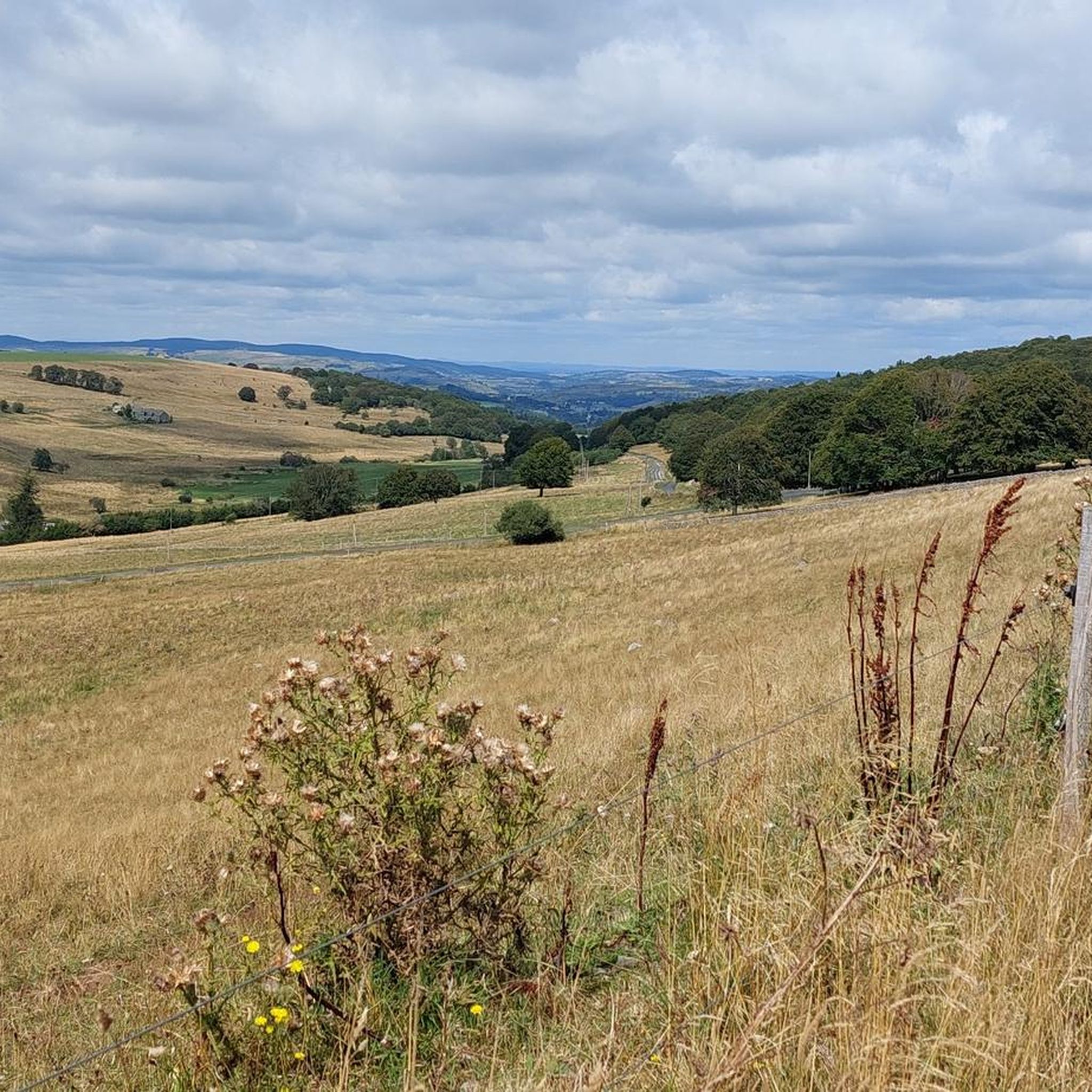
For breathtaking panoramic views, head to the Signal de Mailhebiau. At an altitude of 1,469 meters, it is the highest point in Aubrac, offering a magnificent 360° vista of the surrounding plateau. Another excellent viewpoint is from the Croix de la Roda, which, despite its rugged climb, rewards visitors with stunning scenery from its 1,400-meter peak.
What kind of unique flora and ecosystems can I observe on the Aubrac Plateau?
The Aubrac Plateau, particularly its Lozère portion, is recognized by the Natura 2000 network for its important habitat stations. You can discover numerous peat bogs that support specialized flora, including carnivorous plants, cottongrass, and the Siberian Ligularia. Lake Souveyrol is also notable for its carpet of sphagnum moss and other rare, protected plants.
Are there family-friendly natural monuments around Nasbinals?
Many of the natural monuments offer accessible experiences for families. The Cascade du Déroc is a popular and relatively easy-to-access site that fascinates with its waterfall and basaltic cave. Exploring the glacial lakes, such as Lake Saint Andéol, also provides a serene natural setting for families to enjoy.
What outdoor activities can I do near these natural monuments?
The area around Nasbinals is ideal for various outdoor activities. You can find numerous routes for road cycling, general cycling, and running. For instance, there are road cycling routes like the 'Aubrac Pass – Aubrac loop from Nasbinals' and running trails such as the 'Cascade du Déroc Trail'. You can explore more options in the Road Cycling Routes around Nasbinals, Cycling around Nasbinals, and Running Trails around Nasbinals guides.
What do visitors enjoy most about the natural monuments around Nasbinals?
Visitors frequently praise the idyllic and magnificent scenery, especially at the Cascade du Déroc, highlighting its unique basaltic prisms and the magical atmosphere. The 360° views from the Signal de Mailhebiau are also highly appreciated, offering a comprehensive perspective of the Aubrac landscape. The geological formations, like the Basalt Columns of the Ruisseau des Plèches, are often cited for their beauty and scientific interest.
What is the best time to visit the natural monuments in Nasbinals?
The Aubrac region, including Nasbinals, is beautiful throughout the warmer months. Spring and summer offer lush green pastures, blooming flora, and pleasant temperatures for hiking and exploring the lakes and waterfalls. Autumn brings vibrant colors to the landscape, making it another picturesque time to visit. However, some areas, especially higher elevations like the Croix de la Roda, can be exposed to elements, so always check weather conditions.
Are there any challenging hikes or climbs for experienced adventurers?
Yes, for those seeking a more challenging experience, the climb up to Croix de la Roda is described as rugged and wild. This section is stunning but exposed to the elements, requiring preparation. The Signal de Mailhebiau also involves an intermediate climb to reach the highest point of Aubrac.
Can I bring my dog to the natural monuments around Nasbinals?
Generally, the natural outdoor areas around Nasbinals are dog-friendly, especially for walks on trails and around the lakes. However, it's always advisable to keep your dog on a leash, particularly in areas with livestock or protected wildlife, and to respect local regulations. Some sensitive ecosystems, like the marshy banks of Lake Souveyrol, might be less suitable for dogs due to challenging access.
Most popular routes around Nasbinals
Most popular attractions around Nasbinals

Get inspired with the komoot mobile app


Explore more
Extend your search for the best caves by checking out these guides of the top ones around Nasbinals:
