Top 8 Natural Monuments around Crottet
Best natural monuments around Crottet are found within the Auvergne-Rhône-Alpes region of France, characterized by its significant natural heritage. The area is defined by its wetlands and proximity to the Saône River, offering diverse ecosystems. These natural sites are recognized for their rich biodiversity, including floodable meadows, alluvial forests, and unique rock formations. Crottet provides opportunities for nature observation and outdoor activities within its protected natural areas.
Best natural monuments around Crottet
- The most popular natural monuments is Vergisson Rock…
Last updated: July 2, 2026
Roche de Solutré
Highlight • Natural Monument
Translated by Google •
Tip by

Vergisson Rock
Highlight • Natural Monument
Translated by Google •
Tip by

Sign up now to discover places like this
Get recommendations on the best single tracks, peaks, & plenty of other exciting outdoor places.
Sign up for free
La Lie Quarry
Highlight • Natural Monument
Translated by Google •
Tip by

View of the Roche de Solutré
Highlight • Viewpoint
Translated by Google •
Tip by

Mount Pouilly
Highlight • Summit
Translated by Google •
Tip by

Sign up for free to discover even more natural monuments around Crottet.
Sign up for free
Already have an account?
Start today with a free account
Your next adventure awaits.
Login or Signup

Tips from the Community

The Solutré Rock is a world-famous, 493-meter-high limestone cliff in the south of the Burgundy region. It is situated amidst the picturesque vineyards of the municipality of Solutré-Pouilly. The region is officially designated as a Grand Site de France. The hike to the summit is easy to moderate and well-suited for families. It takes about 1 hour for the entire circular route (approx. 4 kilometers round trip). The elevation gain is around 100 to 140 meters from the official parking lot, on well-maintained paths with information panels, although there are many steps.
0
0
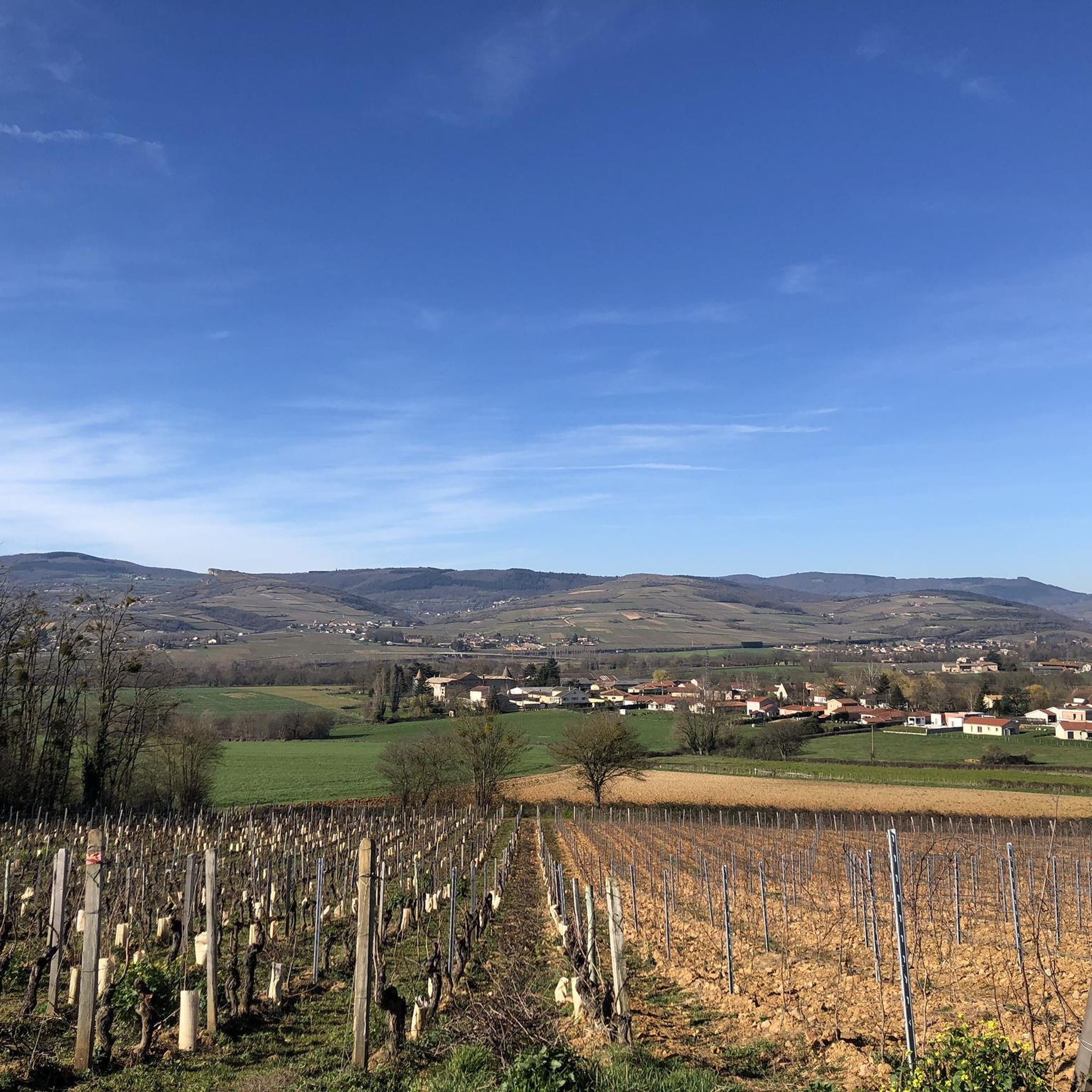
The rock is located in the south of the Burgundy region (Département Saône-et-Loire), not far from the town of Mâcon. Its distinctive profile rises out of a vast "sea of vines". The vineyards shown belong to the well-known Mâconnais wine region and produce renowned white wines such as Pouilly-Fuissé. The entire area is protected as a Grand Site de France and is also one of the most important prehistoric sites in Europe.
2
0

Magnificent view across the countryside all the way to Mâcon
2
0

A perfect complement to the Solutré rock and Mont de Pouilly.
1
0

Several paths lead to the summit. A very pretty hike, which can be extended by climbing its big sister, Solutré, for the more athletic.
1
0

Mont Pouilly 481m above sea level with a magnificent panoramic view
1
0

Archaeological site. The excavations show the 2000-year history of stone mining. Dismounting and taking a short walk through the area of the Carrières de la Lie is worthwhile just for the magnificent view at the back.
2
0

Beautiful view at a historic site.
3
0
Frequently Asked Questions
What unique natural features can I explore in Crottet?
Crottet is primarily known for its significant wetlands, including Groves Est, Groves Ouest, and Zone du Creuzet, which are rich in biodiversity. The region also features extensive floodplains along the Saône River, offering diverse ecosystems with floodable meadows, alluvial forests, and ponds. These areas are recognized for their ecological importance and unique natural landscapes.
Are there specific natural monuments known for their panoramic views?
Yes, several natural monuments near Crottet offer spectacular views. You can visit Vergisson Rock, which provides a unique view of the Beaujolais valley from 485 meters above sea level. Another must-see is Roche de Solutré, culminating at 495 meters with a breathtaking panorama over the Mâconnais vineyards. Additionally, Mount Pouilly, at 481 meters, also offers magnificent panoramic views.
What kind of wildlife can I expect to see in Crottet's natural areas?
Crottet's wetlands and Saône floodplains are biodiversity hotspots. You can observe numerous migratory bird species, a wide variety of amphibians, small mammals, and insects. The region is particularly vital for bird conservation, hosting a significant percentage of French populations of curlews, black-tailed godwits, and corncrakes. The diverse flora includes protected species like the guinea fowl fritillary and loose-flowered orchids.
Are there family-friendly natural monuments or activities in Crottet?
The wetlands in Crottet are being developed with families in mind, featuring plans for walking trails, observation points, and a pedagogical route with explanatory panels. These initiatives aim to make nature accessible and educational for all ages. The La Lie Quarry is also noted as a family-friendly spot with geological interest and views.
What outdoor activities can I do near these natural monuments?
The area around Crottet offers various outdoor activities. You can explore road cycling routes, such as the 'Saint-Laurent Bridge (Mâcon) – Roche de Solutré loop' or 'Saint-Laurent Bridge – Berges de la Saône loop'. For mountain biking, options like the 'Forest Path Around Chevagny – Mont Rouge loop' are available. Gravel biking is also popular, with routes like 'La Voie Bleue – Beauregard loop'. You can find more details on these activities in the Road Cycling Routes around Crottet, MTB Trails around Crottet, and Gravel biking around Crottet guides.
Are there historical sites among the natural monuments?
Yes, some natural sites also hold historical significance. The Roche de Solutré is not only a natural monument but also an important archaeological site with a prehistory museum at its foot. Additionally, the Poype of Saint-Cyr-sur-Menthon is a well-preserved historical site, a medieval motte, which also falls under the natural monument category.
What is the best time to visit the natural monuments in Crottet?
The wetlands and riverine areas are particularly vibrant during spring and autumn, offering excellent opportunities for birdwatching and observing migratory species. Spring also brings blooming flora, while autumn showcases beautiful foliage. Summer is ideal for walking and cycling along the Saône, though it can be warmer. Winter can offer a different, tranquil perspective, especially for observing certain bird species.
What do visitors enjoy most about the natural monuments around Crottet?
Visitors frequently praise the spectacular panoramic views from sites like Roche de Solutré and Vergisson Rock. The tranquility and natural beauty of the wetlands and Saône floodplains are also highly appreciated for peaceful walks and nature observation. The geological curiosities, such as La Lie Quarry, also draw interest for their unique features and historical context.
Can I find walking or hiking trails near the natural monuments?
Yes, the region around Crottet, particularly along the Saône River, offers picturesque landscapes with opportunities for leisurely walks and cycling. The ongoing rehabilitation of the wetlands includes the creation of walking trails and observation points. For more structured routes, you can explore guides like Road Cycling Routes around Crottet, which often include sections suitable for walking, or look for specific hiking guides for the area.
Are there any specific natural landmarks along the Saône River near Crottet?
Crottet's territory is bordered by the Saône River, with approximately one-third of it being part of the river's floodplains. These extensive wet meadows are a significant natural landmark, protected by Natura 2000. They are renowned for their exceptional natural environment, hosting nearly a hundred nesting bird species and close to 400 species of flowers. The picturesque landscapes along the Saône, with its meandering bends, are a natural highlight in themselves.
Is there information available about the ecological importance of Crottet's natural areas?
Yes, Crottet's wetlands are of major ecological interest and are listed in the inventory of Natural Areas of Ecological, Faunal, and Floral Interest (ZNIEFF). They are also recognized as a Community Interest Zone for Birds (ZICO). The Saône floodplains are protected by Natura 2000 and designated as a Sensitive Natural Area of the Ain department, highlighting their critical role in regional biodiversity.
Most popular routes around Crottet
Most popular attractions around Crottet

Get inspired with the komoot mobile app


Explore more
Extend your search for the best caves by checking out these guides of the top ones around Crottet:
