Top 16 Natural Monuments around Leffrinckoucke
Best natural monuments around Leffrinckoucke are found in the Nord department of France, characterized by its extensive coastline, diverse dune systems, and green spaces. This region offers a unique natural environment, recognized for its ecological value and biodiversity. The area's natural heritage provides opportunities for nature observation and exploration.
Best natural monuments around Leffrinckoucke
- The most popular natural monuments is Oostergrenspad Observation Deck, a viewpoint that offers magnificent views on the edge of a nature reserve. This platform provides panoramic views of the dunes and surrounding landscapes.
- Another must-see spot is Krakeelduinen Nature Reserve, a nature reserve where the dune area is being restored to its natural state. Visitors can observe Scottish Blackface sheep grazing and experience a tranquil environment.
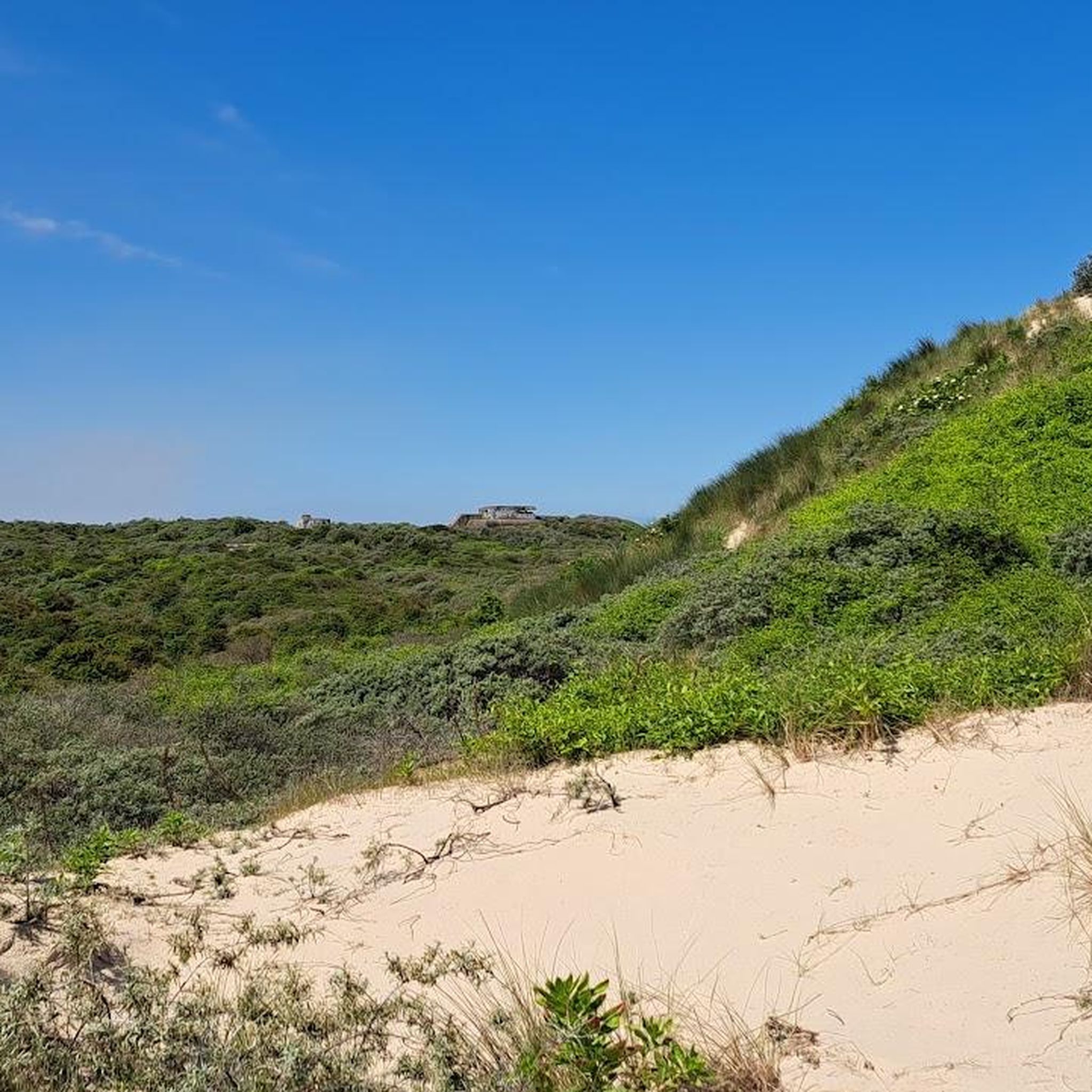
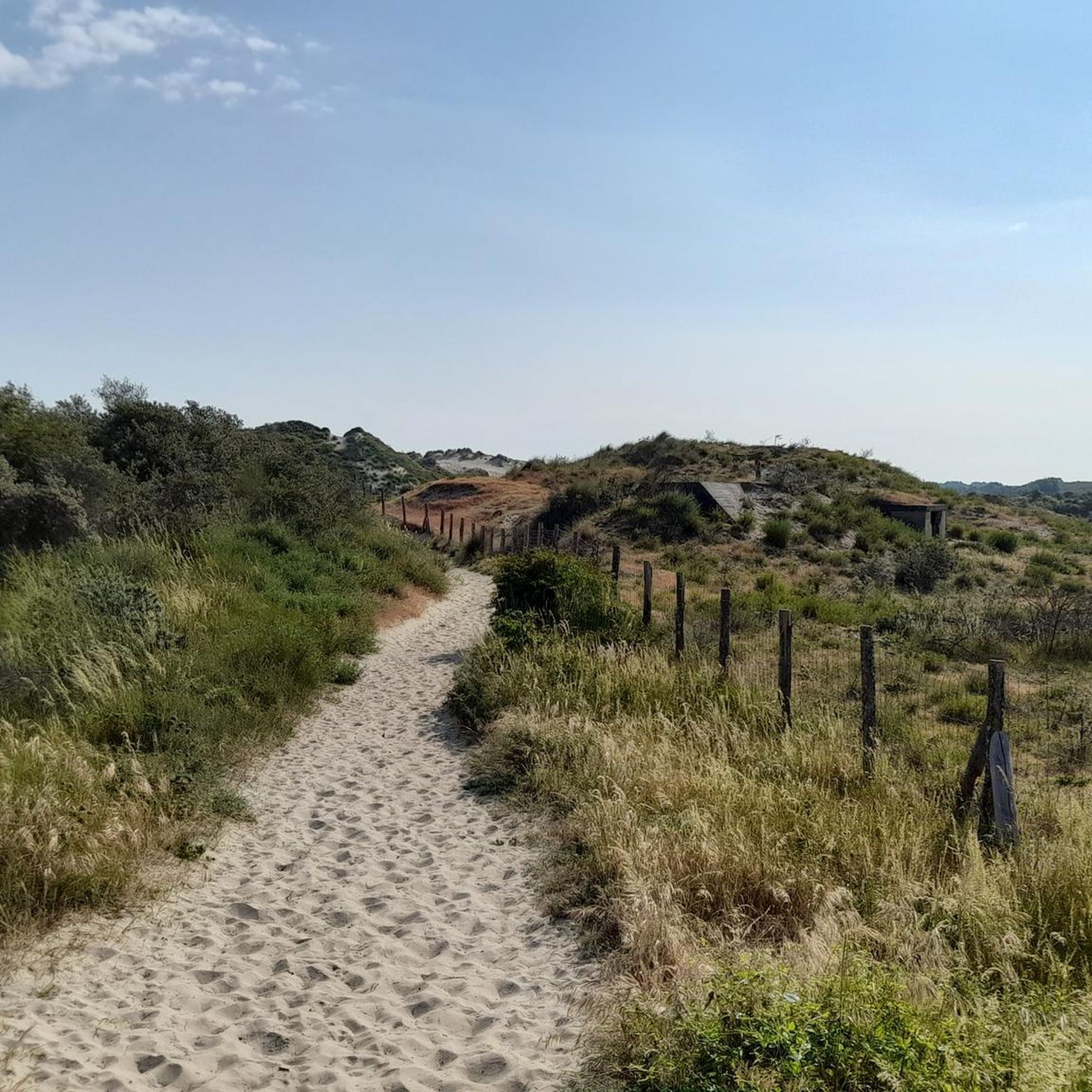
- Visitors also love Dune Dewulf Nature Reserve, a natural monument containing both dry dunes and moist dune pans. It is part of a larger dune system that includes historical military remains and an uninterrupted, 15 km long beach.
- Leffrinckoucke is known for its coastal dunes, nature reserves, and viewpoints. The region offers a variety of natural monuments to see and explore, including protected dune habitats and areas for nature observation.
- The natural monuments around Leffrinckoucke are appreciated by the komoot community, with 81 photos and 362 upvotes.
Last updated: July 2, 2026
Krakeelduinen Nature Reserve
Highlight • Natural
Translated by Google •
Tip by

Dune Dewulf Nature Reserve
Highlight • Natural Monument
Translated by Google •
Tip by

Sign up now to discover places like this
Get recommendations on the best single tracks, peaks, & plenty of other exciting outdoor places.
Sign up for free
Oostergrenspad Observation Deck
Highlight • Viewpoint
Tip by

De Westhoek Dune Reserve
Highlight • Natural
The dune reserve is of course not cycleable.
Translated by Google •
Tip by
Dune du Perroquet
Highlight • Natural
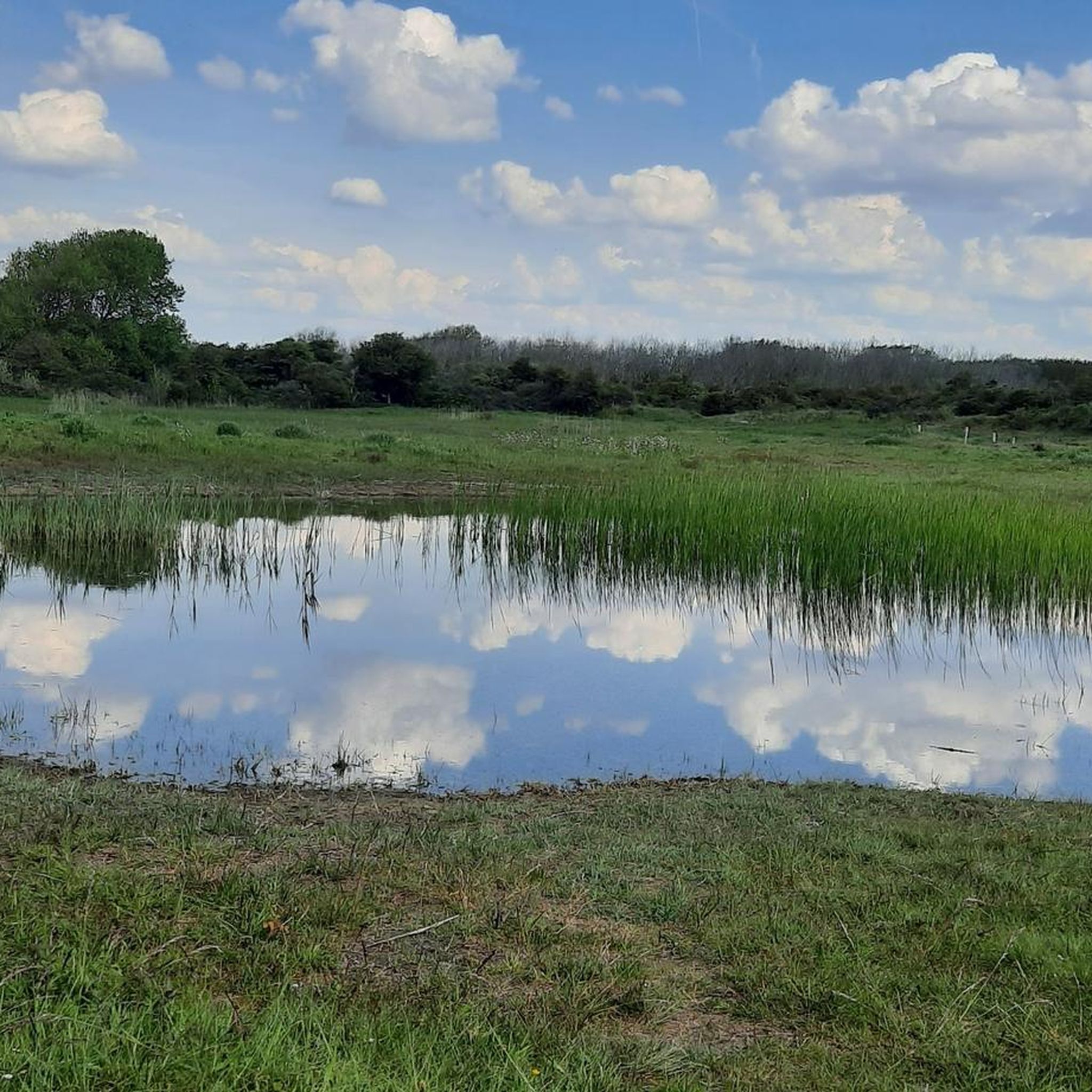
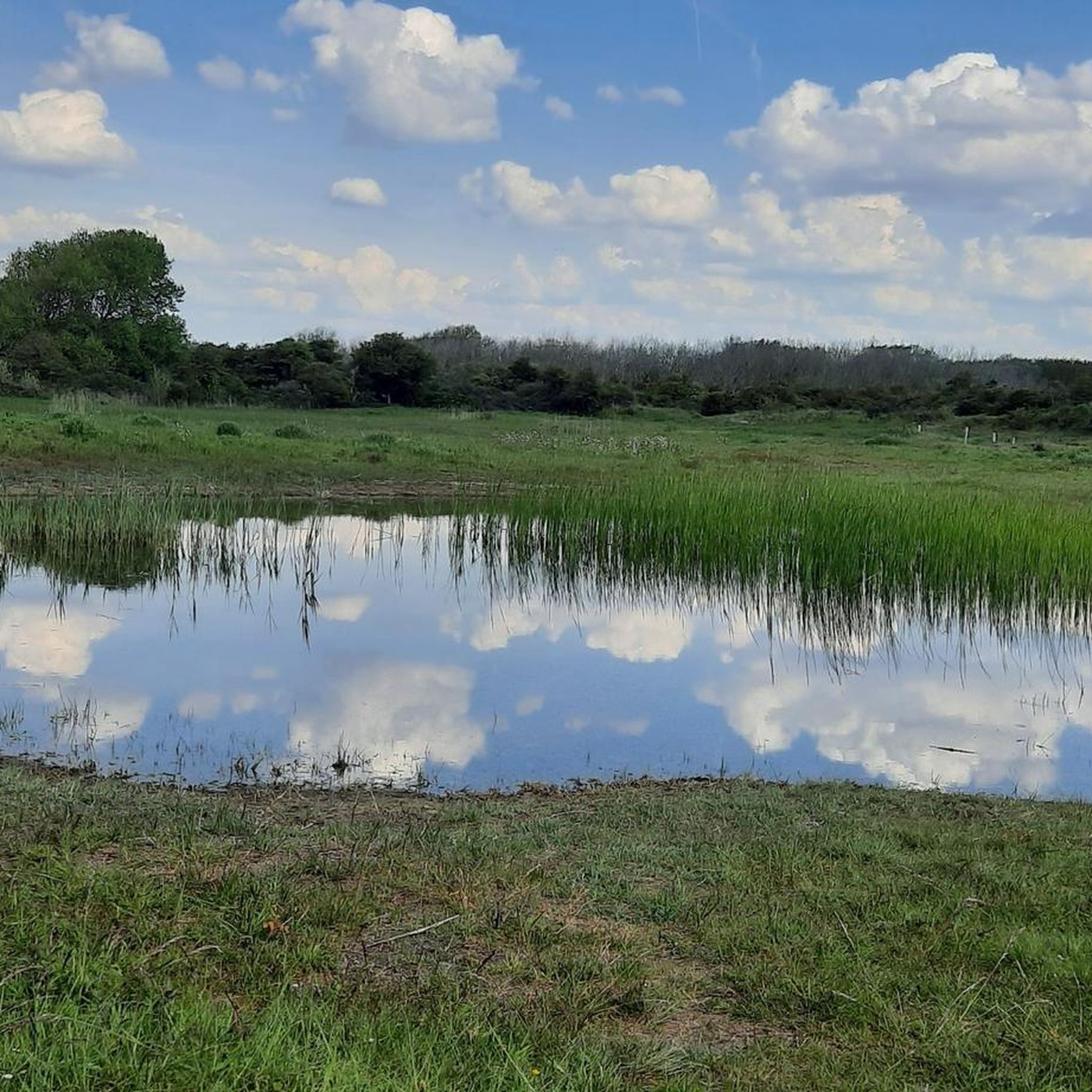
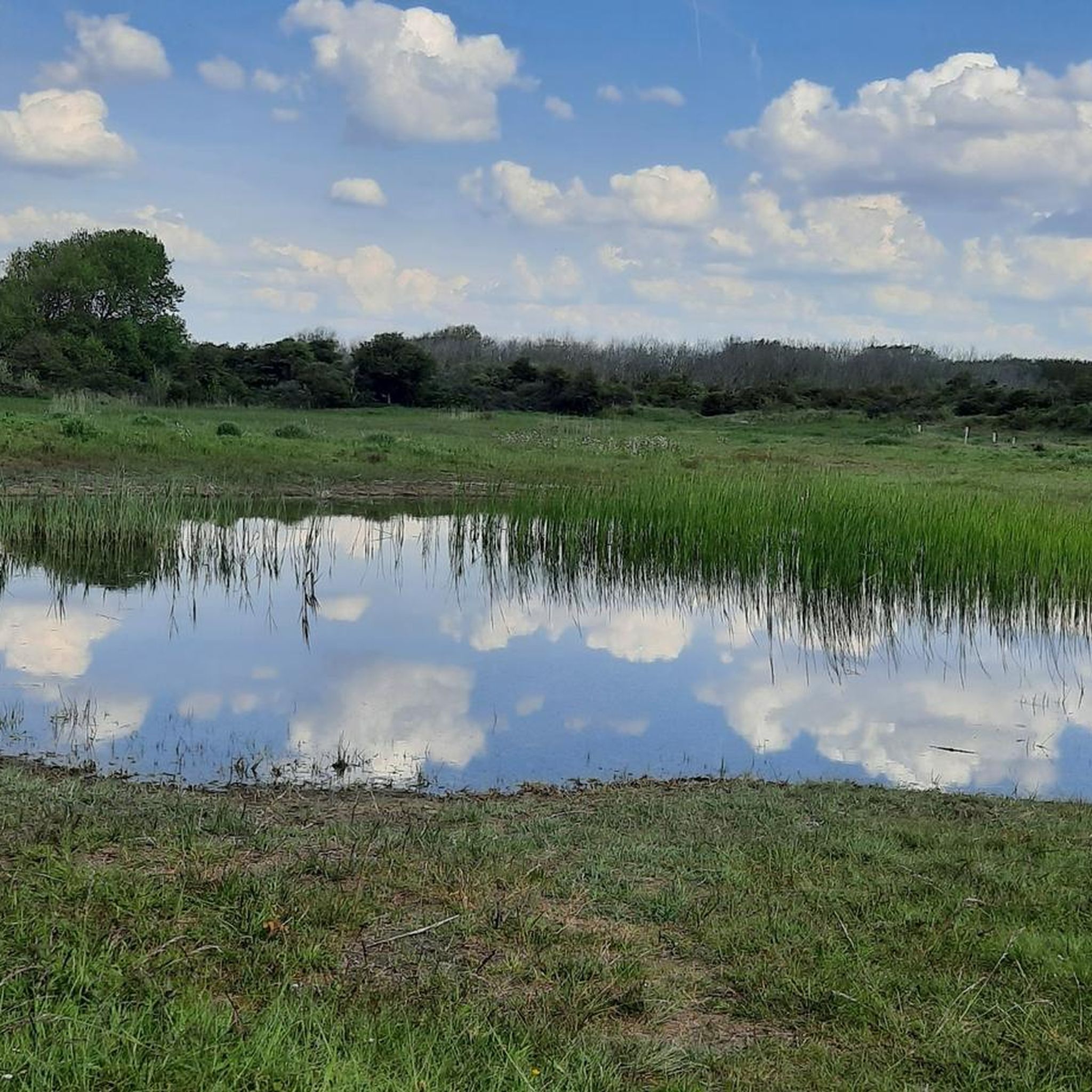
In the spring, the dune pools of the Westhoek are the ideal spawning ground for the European protected natterjack toad and great crested newt.
Translated by Google •
Tip by

Sign up for free to discover even more natural monuments around Leffrinckoucke.
Sign up for free
Already have an account?
Start today with a free account
Your next adventure awaits.
Login or Signup

Tips from the Community

Unfortunately, the bike path here is no longer paved. Still, the scenery is beautiful.
0
0

A magnificent viewpoint on the edge of the nature reserve. Climb this platform and be tempted to dive into the dunes. Hiking trails lead you through an oasis of tranquility.
6
0
A dune that flirts with the border between Belgium and France. About the dunes: The Dune du Perroquet is a nature reserve in the town of Bray-Dunes, part of the Nord department of France. The 179-hectare area consists of dunes that are directly connected to the North Sea coast, making it the northernmost point of France.
4
0

A must do between De Panne and Bray-Dunes
1
1

Not passable by bike.
1
0

Nature reserve. You're pretty much alone here.
3
0

It was very nice and there wasn't much going on.
0
1

The Flemish nature reserve De Westhoek extends over almost 350 hectares. In 1935, De Westhoek was protected as a landscape. In 1957, the area was the very first Flemish nature reserve to receive the status of a state nature reserve. Together with the adjacent Calmeynbos and the Krakeelduinen, the Oosthoekduinen and the French dunes of Le Perroquet, De Westhoek forms the largest contiguous dune massif on our coast. The Westhoek is part of the varied and extensive Dunes and Forests of De Panne. Foredune dunes, walking dunes, parabolic dunes, gray and blonde dunes: one dune is certainly not the same as the other. More or less parallel to the coastline you can distinguish different 'belts': the beach, the front dunes, the northern pan belt, the central drift dune, the southern pan belt and the inner dunes. More than 400 species of plants grow in the Westhoek. Many special mosses, liverworts and lichens also flourish in De Westhoek. Beaches and dunes are a real attraction for various birds such as wheatear and crested lark and migratory birds such as hen harrier and redwing. Bird lovers will always find a wide variety in De Westhoek: stonechat, chiffchaff and warbler are regular guests. In the spring, the dune pools of the Westhoek are the ideal spawning ground for the European protected natterjack toad and great crested newt.
4
0
Frequently Asked Questions
What are some highly-rated natural monuments to visit around Leffrinckoucke?
Beyond the most popular spots, visitors highly recommend the De Westhoek Dune Reserve, known as the oldest Flemish nature reserve, offering diverse dune landscapes and rich biodiversity. Another excellent choice is the Dune du Perroquet, a significant nature reserve in Bray-Dunes that forms part of the largest contiguous dune massif on the coast.
Are there family-friendly natural monuments in the Leffrinckoucke area?
Yes, several natural monuments are suitable for families. The Oostergrenspad Observation Deck offers easy access and great views. Both the Dune Dewulf Nature Reserve and the De Westhoek Dune Reserve are also categorized as family-friendly, providing opportunities for walks and nature observation in varied dune environments.
What kind of wildlife can I expect to see in the natural monuments around Leffrinckoucke?
The dune systems around Leffrinckoucke are sanctuaries of biodiversity. In areas like the Krakeelduinen Nature Reserve, you might spot Scottish Blackface sheep grazing as part of conservation efforts. The De Westhoek Dune Reserve is home to various birds like wheatear and crested lark, and migratory birds such as hen harrier and redwing. Its dune pools are also ideal spawning grounds for the natterjack toad and great crested newt.
What natural features define the landscape of Leffrinckoucke's natural monuments?
The natural monuments in Leffrinckoucke are primarily characterized by extensive coastal dune systems. These include dry dunes, moist dune pans, and parabolic dunes. You'll find diverse landscapes ranging from beaches to forests within these reserves, offering panoramic views of the sea and surrounding natural areas, such as from the Oostergrenspad Observation Deck.
Are there hiking trails near the natural monuments in Leffrinckoucke?
Yes, the region offers numerous hiking opportunities. You can find various trails, including easy to moderate routes, that lead through the dune areas and along the coast. For a comprehensive list of options, explore the Hiking around Leffrinckoucke guide, which includes routes like the 'Fortress in the dunes – Blockhaus 602 in the Dunes loop from Leffrinckoucke'.
What other outdoor activities can I do near these natural monuments?
Besides hiking, the area around Leffrinckoucke is excellent for cycling. You can explore various routes for mountain biking and gravel biking. Check out the MTB Trails around Leffrinckoucke guide or the Gravel biking around Leffrinckoucke guide for detailed routes, including options that pass through or near the natural dune areas.
What is the best time to visit the natural monuments around Leffrinckoucke?
The natural monuments, particularly the dune reserves, offer unique experiences throughout the year. Spring and autumn are ideal for nature observation, with diverse flora and migratory birds. Summer provides pleasant weather for coastal walks, while winter offers tranquil, peaceful landscapes, as noted by visitors enjoying the dunes in all seasons.
Are there any historical elements integrated with the natural monuments?
Yes, the region's natural landscapes often intertwine with its history. For instance, the Dune Dewulf Nature Reserve contains military remains, and the Fort des Dunes, while a historical monument itself, is set amidst a nature reserve, highlighting the area's commitment to preserving both its natural and historical heritage.
What makes the Krakeelduinen Nature Reserve unique?
The Krakeelduinen Nature Reserve is notable for its ongoing restoration efforts. After being used as a water extraction area, the dunes are now being returned to their natural state. This includes the removal of concrete lanes to allow sand to drift freely and the introduction of Scottish Blackface sheep for grazing, creating a tranquil environment where nature is reclaiming its space.
Can I find circular walks within the natural monuments?
Yes, many of the trails within and around the natural monuments are designed as circular walks, allowing you to explore the diverse landscapes and return to your starting point. For specific circular routes and their difficulty, refer to the Hiking around Leffrinckoucke guide, which details options like the 'Fortress in the dunes – Blockhaus 602 in the Dunes loop'.
Are the natural monuments accessible by public transport?
While specific public transport routes directly to every natural monument might vary, the Vélomaritime, a European cycle route, traverses the commune and passes by key natural areas like the dunes surrounding the Fort des Dunes, offering a sustainable way to access the coastal natural heritage. For more precise public transport information, it's advisable to check local transit schedules.
What do visitors enjoy most about the natural monuments in Leffrinckoucke?
Visitors frequently praise the tranquility and natural beauty of the area. Many appreciate the opportunity for peaceful walks, nature observation, and the panoramic views offered from elevated points like the Oostergrenspad Observation Deck. The preserved nature and unique ecosystems of the dune reserves provide a soothing and enriching experience for nature lovers.
Most popular routes around Leffrinckoucke
Most popular attractions around Leffrinckoucke

Get inspired with the komoot mobile app


Explore more
Extend your search for the best caves by checking out these guides of the top ones around Leffrinckoucke:
