Top 15 Natural Monuments around Fournets-Luisans
Best natural monuments around Fournets-Luisans include a diverse range of natural sites, from dramatic waterfalls and deep gorges to serene lakes and impressive underground formations. The region's landscape is characterized by its Jura rock basins, limestone cliffs, and rich flora, offering varied natural experiences. This area provides numerous opportunities to explore its unique geological features and scenic beauty.
Best natural monuments around Fournets-Luisans
- The most popular natural monuments is Saut du Doubs Waterfall, a waterfall that plunges 27 meters…
Last updated: November 2, 2026
Saut du Doubs Waterfall
Highlight • Waterfall
Translated by Google •
Tip by

Lançot Waterfall
Highlight • Waterfall
Translated by Google •
Tip by

Sign up now to discover places like this
Get recommendations on the best single tracks, peaks, & plenty of other exciting outdoor places.
Brenets Lake
Highlight • Lake
Translated by Google •
Tip by

Consolation Cirque
Highlight • Gorge
Translated by Google •
Tip by
Mont Vouillot Viewpoint
Highlight • Viewpoint
Translated by Google •
Tip by

Sign up for free to discover even more natural monuments around Fournets-Luisans.
Already have an account?
Start today with a free account
Your next adventure awaits.
Tips from the Community

For hotel guests, a boat trip to the waterfalls and back is free ... otherwise the one-way trip costs 9 sfr
0
0

The Saut du Doubs is a 27-meter-high waterfall located along the Doubs River, which forms the border between France and Switzerland here. The waterfall is the result of a paleohistoric landslide that filled the narrow, gorge-like Doubs Valley, which cuts deep into the limestone formations of the Folded Jura, about 14,000 years ago.
7
0

An interesting hiking experience to have two viewpoints 5m away and not be able to cross. The view is actually better on the French side 😉 The "Saut du Doubs" is a 27-meter-high waterfall on the Doubs, which is located on the French-Swiss border. During periods of flooding on the Doubs, kayak records have been set here for overcoming the waterfall.
2
0

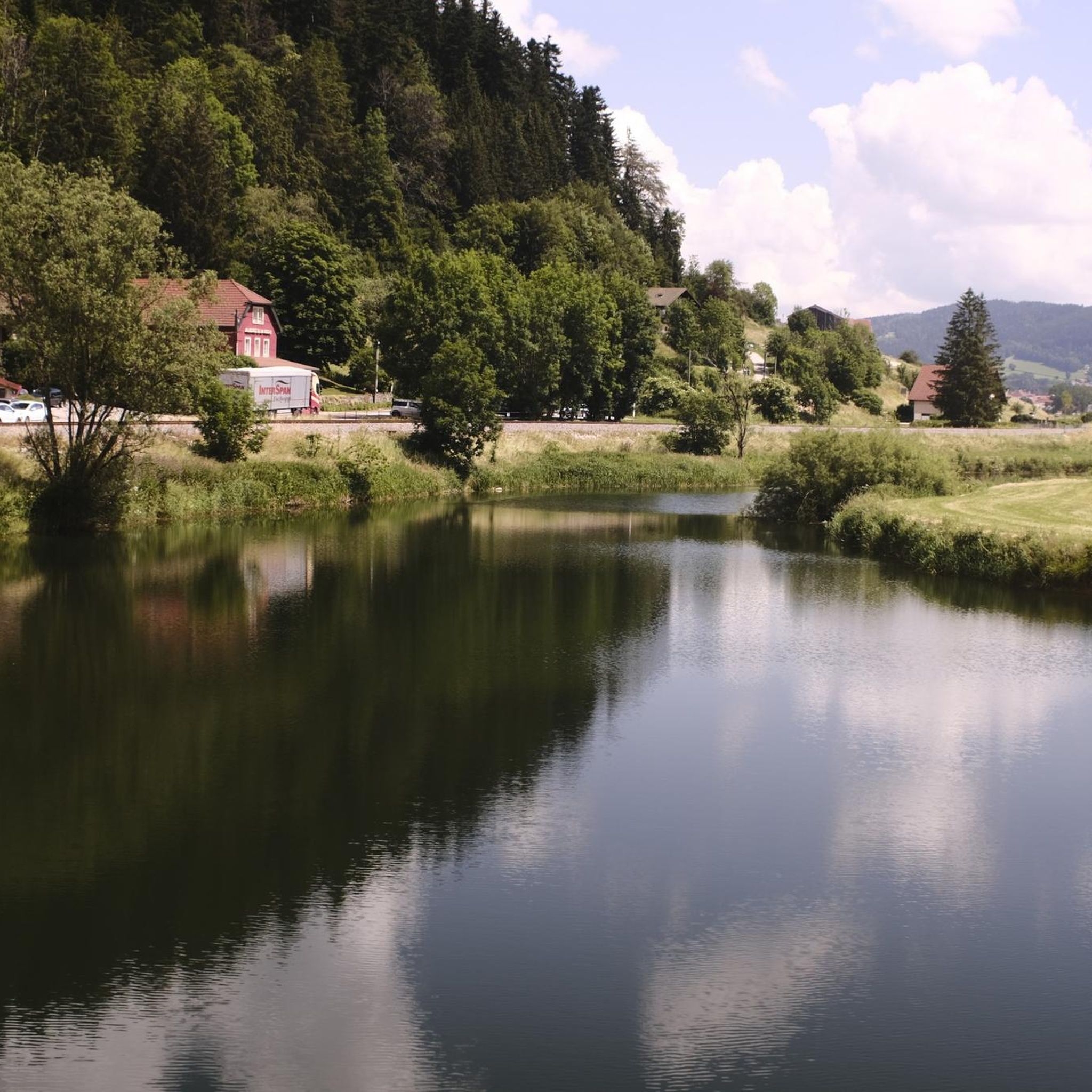
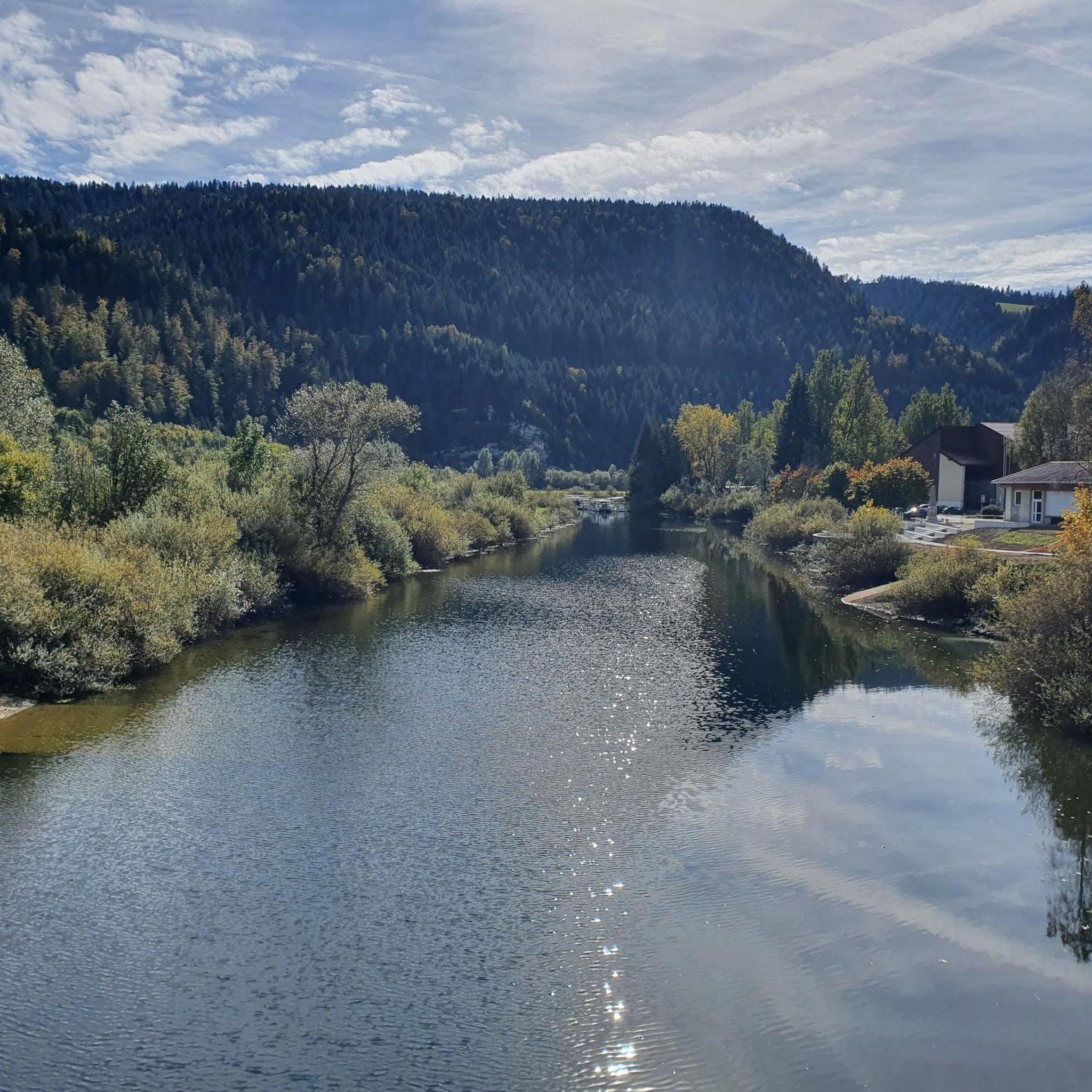
Lac des Brenets is nestled in the Jura massif, overlooked by wooded cliffs. The lake consists of three basins, ending with the impressive Saut de Doubs.
1
0

In autumn and late summer the lake tends to dry out. The waterfall then also has no water.
0
0

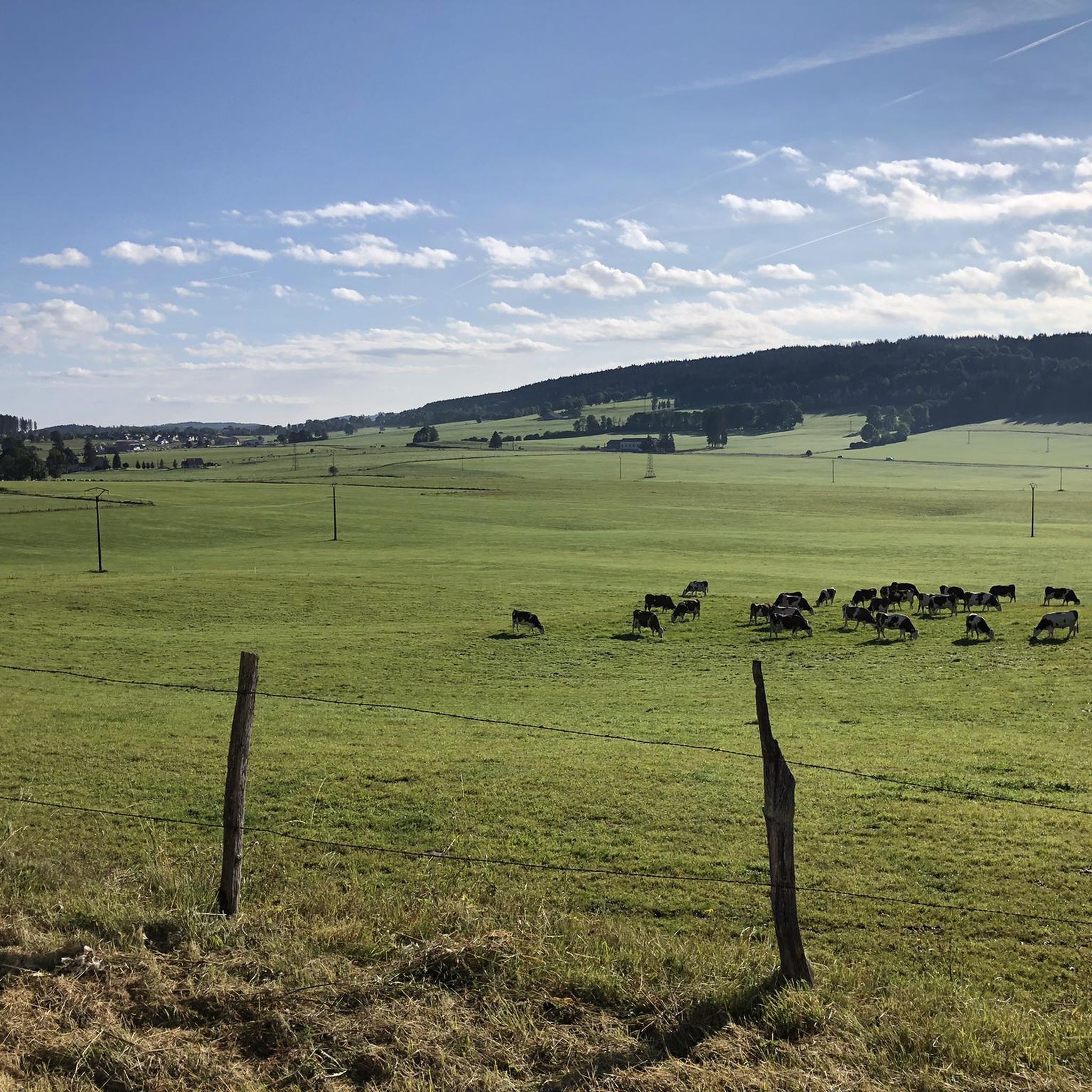
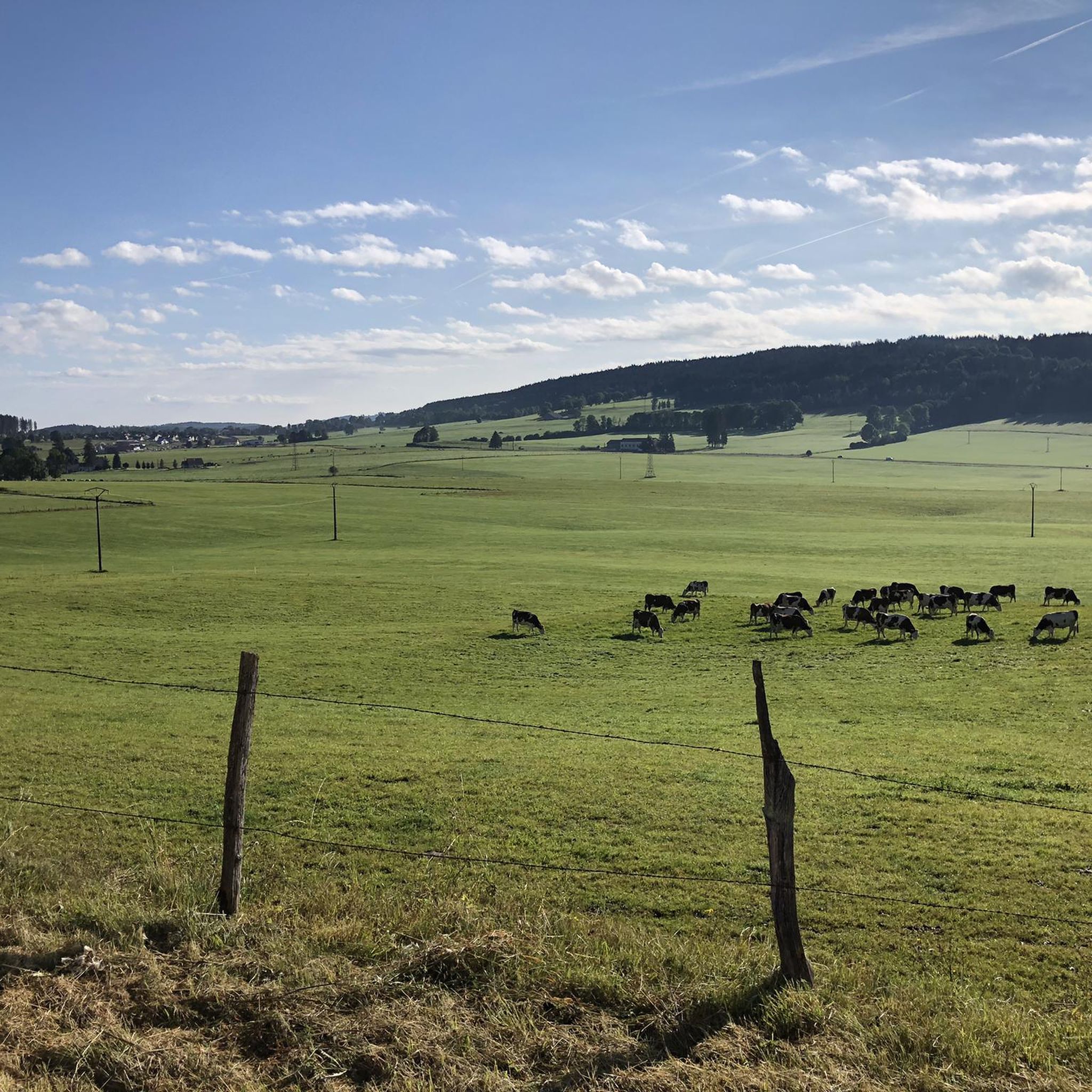
This belvedere offers an exceptional panorama of the Val de Morteau, the Swiss Jura and even the Alps on a clear day. You can access the belvedere by car from Les Fins or Morteau, or follow a 7 km loop trail which starts from Les Beuclets and passes through the Bois des Suchaux and the Bois du Fol. The trail is well marked and mostly shaded, with some open field sections. You can picnic at the lookout, where there are several tables and orientation signs. You can also watch paragliders take off or land from the nearby slope. The Mont Vouillot Belvedere is an ideal place to admire the beauty of nature and breathe fresh air.
3
0

A little change when circling Lac de Moron 👍🏻
4
1
Whether you visit the waterfall in full flow or not, this circus has something to offer. The deafening roar of flowing water contrasts with the majesty and serene tranquility of the circus in times of drought.
2
0
Frequently Asked Questions
What types of natural monuments can I explore around Fournets-Luisans?
The region around Fournets-Luisans offers a diverse range of natural monuments, including dramatic waterfalls like the Saut du Doubs Waterfall and Lançot Waterfall, serene lakes such as Brenets Lake, impressive underground formations like the Grotte le Fourneau de la Guemande and Gouffre de Poudrey, and unique geological features like the Consolation Cirque and Gorges de Remonot.
Are there family-friendly natural sites near Fournets-Luisans?
Yes, several natural monuments are suitable for families. The Cirque de Consolation features an arboretum, a picnic area, and a game trail with riddles about local fauna and flora, making it engaging for children. Brenets Lake offers relaxing boat tours and easy walks along the shore. The Mont Vouillot Viewpoint also provides a family-friendly trail and picnic spots.
What are the best viewpoints to experience the natural beauty of the region?
For breathtaking panoramas, the Mont Vouillot Viewpoint offers exceptional views of the Val de Morteau, the Swiss Jura, and even the Alps on clear days. The Saut du Doubs Waterfall also provides stunning observation points of the 27-meter high waterfall and its Canadian-like canyons.
Can I go hiking or trail running near these natural monuments?
Absolutely. The Cirque de Consolation alone boasts 80 kilometers of trails suitable for hiking, mountain biking, or trail running. The area around the Saut du Doubs Waterfall also has numerous hiking trails offering views of the gorges and pine forests. For more options, you can explore various running trails around Fournets-Luisans, including routes from Orchamps-Vennes and Fuans, which can be found in the Running Trails around Fournets-Luisans guide.
Are there any historical or cultural sites integrated with the natural monuments?
Yes, the region beautifully blends nature with heritage. The Cirque de Consolation is home to an ancient monastery and chapel. Additionally, the Gorges de Remonot feature the Grotte-chapelle de Remonot, a Catholic place of worship within a 30-meter deep cavern, used since the 8th century and housing a 15th-century statue of the Virgin of Piety.
What is the best time of year to visit the natural monuments?
The natural monuments offer beauty throughout the year. Spring, after heavy rains, is ideal for witnessing the impressive water flow of waterfalls like Saut du Doubs and Lançot Waterfall. Autumn is particularly recommended for the Arboretum du Lavot due to its vibrant display of contrasting colors. The Saut du Doubs area also offers stunning autumn colors and frozen lakes in winter.
Can I spot wildlife at these natural sites?
Yes, the natural environments are rich in wildlife. The Cirque de Consolation is known for its impressive flora and fauna, including emblematic species like lynx, chamois, and peregrine falcons. Keep an eye out for various birds and other local animals during your visit.
Are there opportunities for cycling near the natural monuments?
Yes, the region provides excellent cycling opportunities. You can find various road cycling routes and general cycling tours around Fournets-Luisans. For detailed routes, including options like the 'Jura 1 loop' or 'Bike loop from Vennes', refer to the Road Cycling Routes around Fournets-Luisans and Cycling around Fournets-Luisans guides.
What are the unique geological features of the Fournets-Luisans region?
The region is characterized by its Jura rock basins, limestone cliffs, and karst springs. Notable features include the 350-meter high cliffs framing the Consolation Cirque, the dramatic gorges carved by the Doubs River at the Saut du Doubs, and the vast underground caverns like the Gouffre de Poudrey, one of France's largest by volume.
Is it possible to explore underground caves in the area?
Yes, the Franche-Comté region, including Fournets-Luisans, is known for its caves. You can explore the Grotte le Fourneau de la Guemande directly in Fournets-Luisans, which offers relatively easy access to a large chamber. A short distance away, the Gouffre de Poudrey allows visitors to descend 70 to 80 meters underground to explore its labyrinthine chambers with impressive limestone formations.
What makes the Arboretum du Lavot special?
The Arboretum du Lavot, located within Fournets-Luisans, is a 30-hectare park at 1,000 meters altitude, designed in an English-style tradition. It showcases over 500 young plant specimens, including more than 100 different varieties like maples, birches, and sequoias. It plays an important educational and ecological role in identifying adaptable timber species and preserving biodiversity, with autumn being a particularly vibrant time to visit.
Are there any natural monuments that are less known but worth visiting?
While popular sites are well-loved, the Gorges de Remonot offer a beautiful wild landscape that might be considered a hidden gem. Beyond the Grotte-chapelle, the gorges themselves provide stunning views of limestone escarpments and pine trees, perfect for a tranquil hike or scenic drive.
Most popular routes around Fournets-Luisans
Most popular attractions around Fournets-Luisans

Get inspired with the komoot mobile app


Explore more
Extend your search for the best caves by checking out these guides of the top ones around Fournets-Luisans:
