Top 16 Natural Monuments around Ferrières-Le-Lac
Natural monuments around Ferrières-Le-Lac are situated within the Doubs department of France, offering access to the natural beauty of the Jura mountains and the Doubs Valley. The region is characterized by lush landscapes, diverse flora and fauna, and the scenic Doubs River. These sites provide opportunities for outdoor activities and exploration of geological formations. The area is part of or in close proximity to the Doubs Natural Regional Park.
Best natural monuments around Ferrières-Le-Lac
- The most popular natural monuments is…
Last updated: July 2, 2026
Le Theusseret
Highlight • Waterfall
Tip by

The Ladders of Death
Highlight • Gorge
Translated by Google •
Tip by

Sign up now to discover places like this
Get recommendations on the best single tracks, peaks, & plenty of other exciting outdoor places.
Sign up for free
Bief Waterfall
Highlight • Waterfall
Translated by Google •
Tip by

Bisontin Cave
Highlight • Cave
Translated by Google •
Tip by
Goule Bridge
Highlight • Bridge
Translated by Google •
Tip by

Sign up for free to discover even more natural monuments around Ferrières-Le-Lac.
Sign up for free
Already have an account?
Start today with a free account
Your next adventure awaits.
Login or Signup
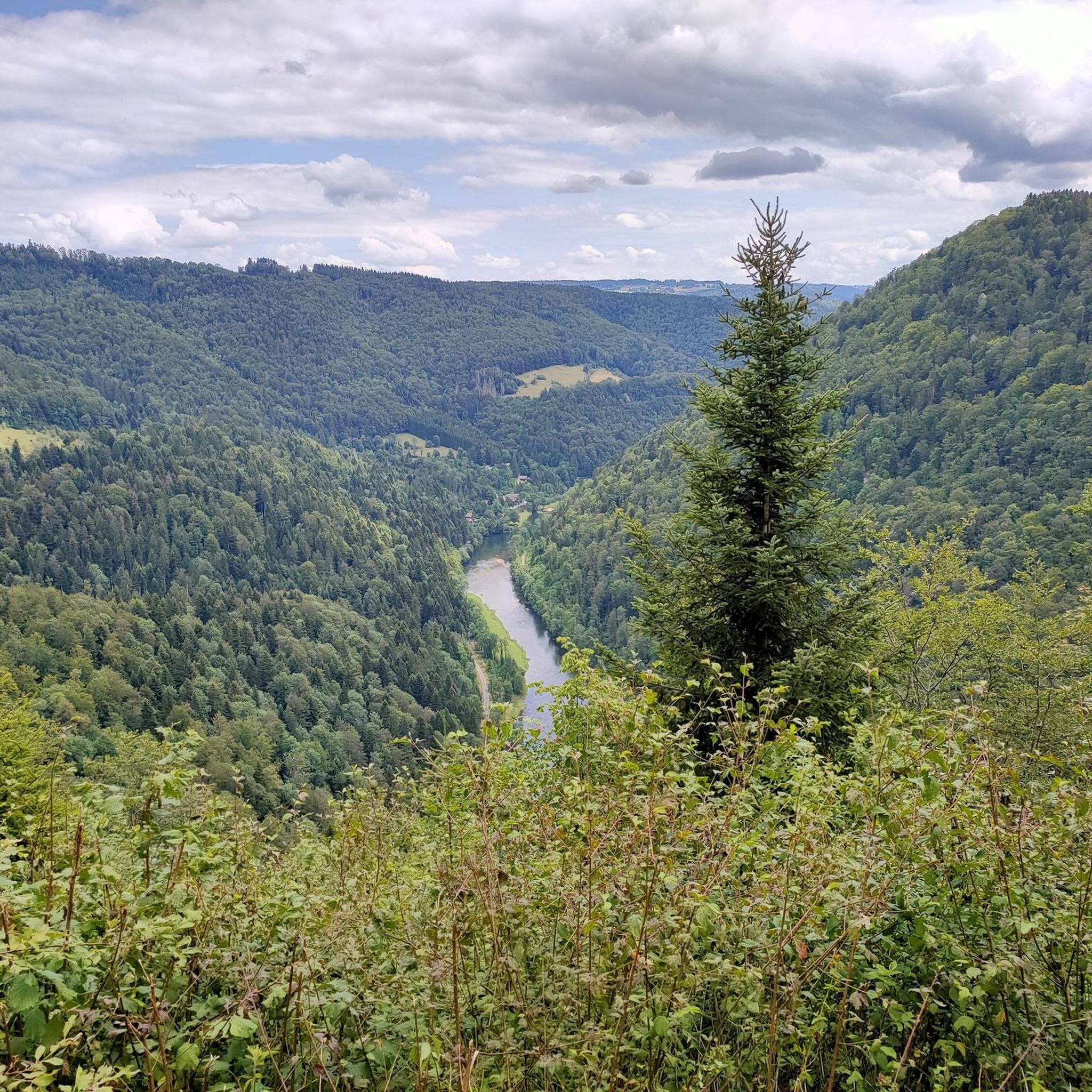
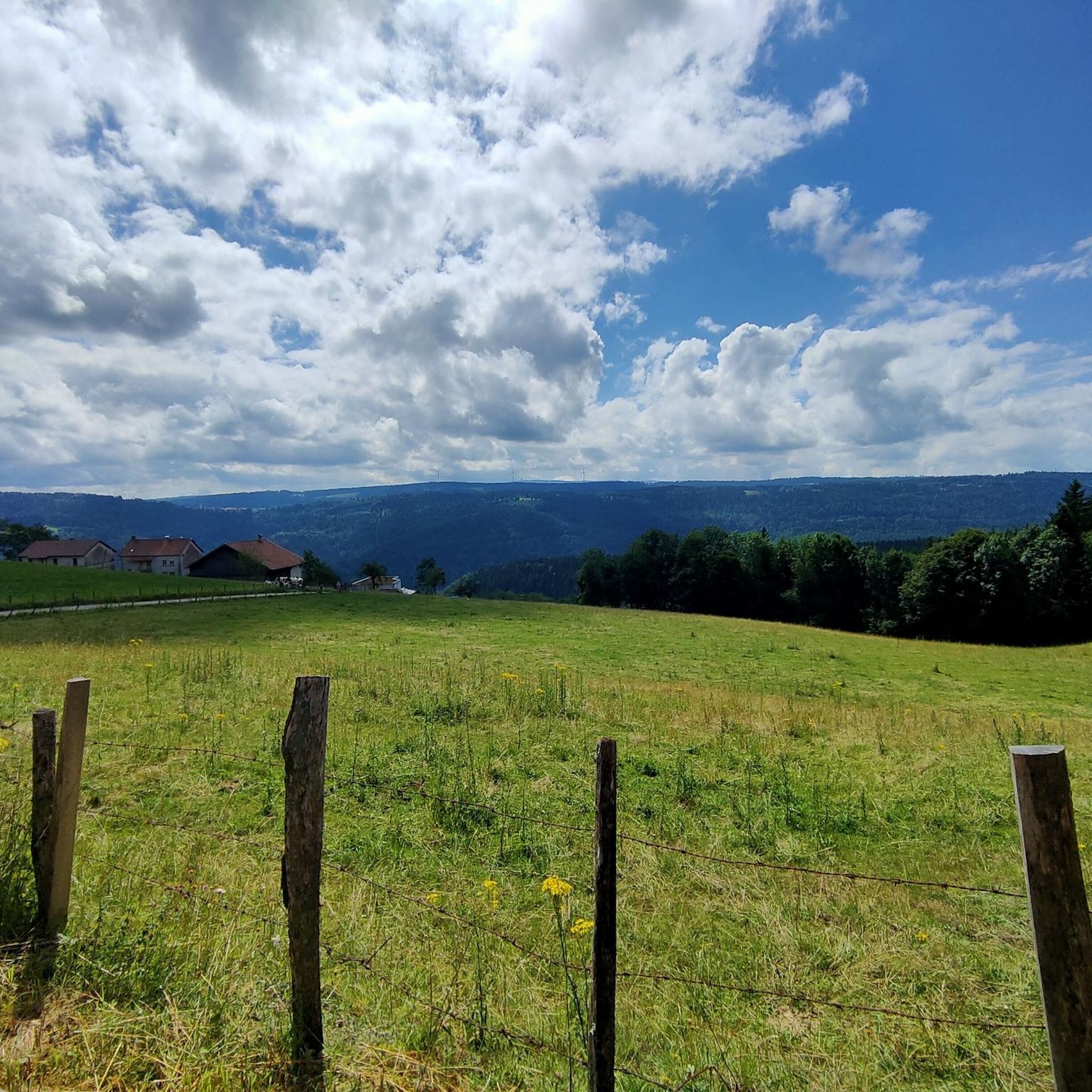
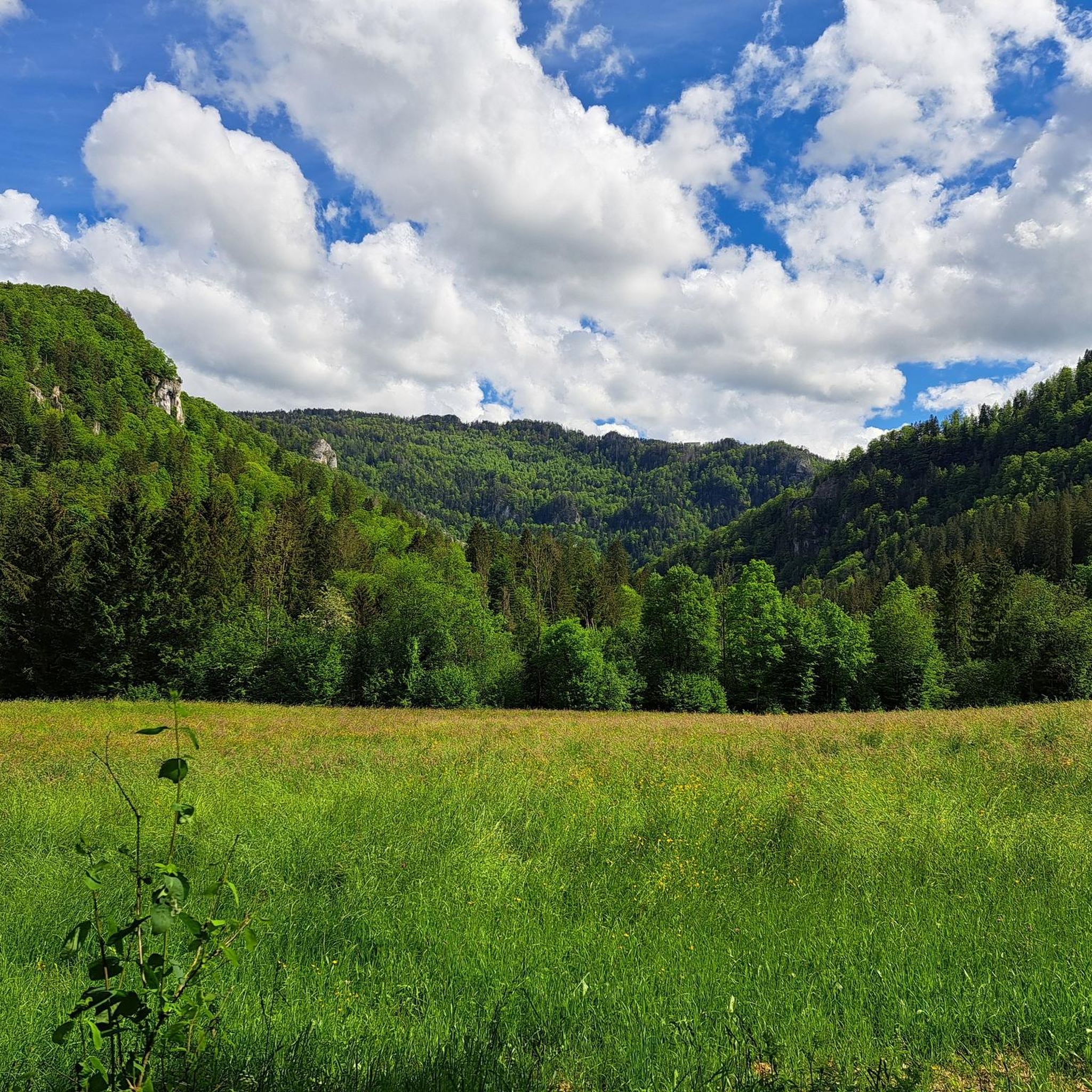
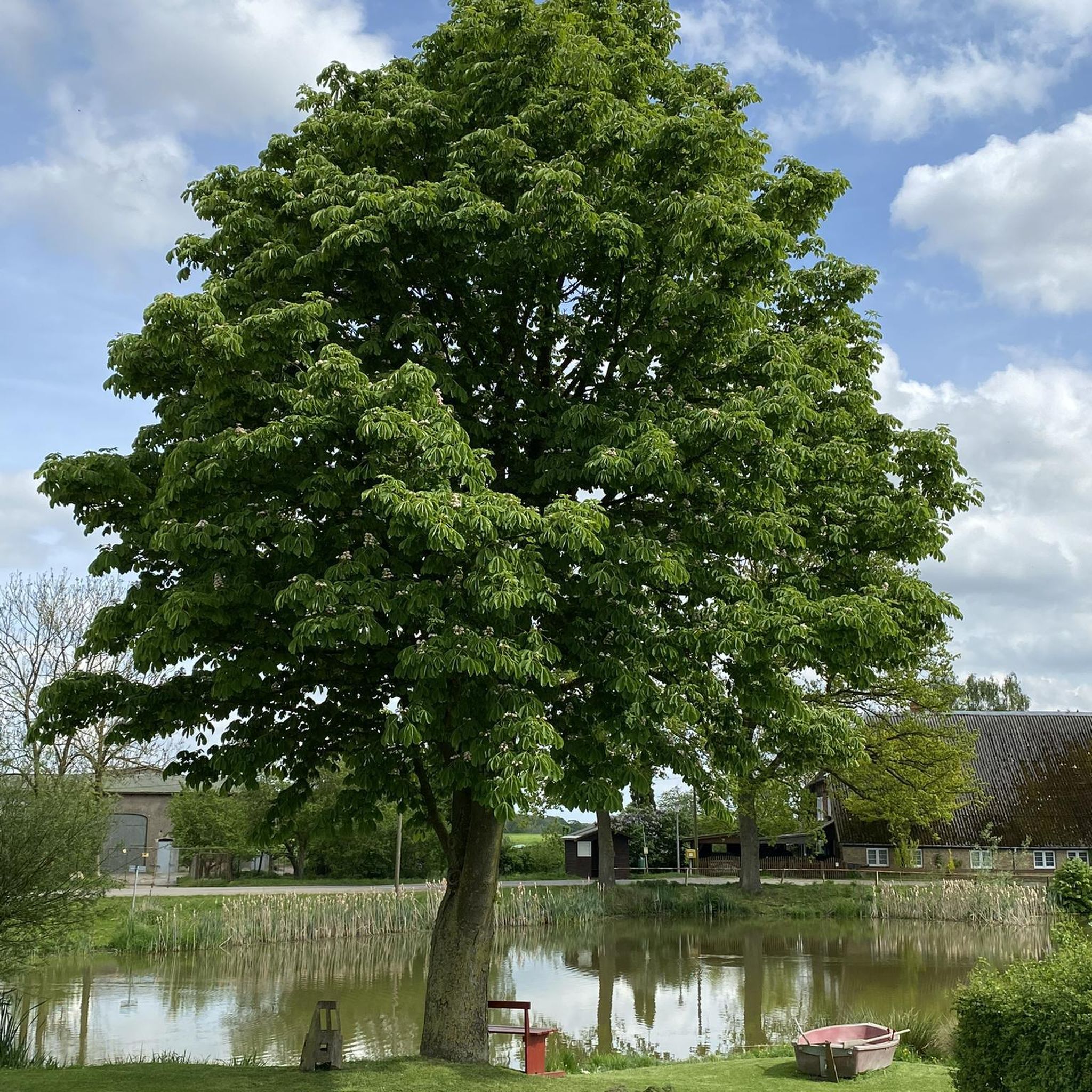
Tips from the Community

E-bike, considering portage areas just after Biaufond and steep climb to reach St.-Brais
0
0

Really impressive, you should definitely spend some time there.
1
0

Please note that most of the photos associated with the route are photos of the via ferrata and the names of the ladders themselves, which are very solid stairs and not rope bridges! It is perfectly feasible for hiking, even if the height can be disconcerting.
4
1
Everything is in good working order. A beautiful experience, thank you to whomever keeps this maintained and safe!
1
0

Spectacular and refreshing after a walk in the sun!
0
0

This 500 meters long via ferrata with a 100 meters positive difference in altitude takes place on the French-Swiss border, in the grandiose and vertiginous setting of the Doubs gorges which for a long time sheltered the smuggling activities between these two countries. Very playful and vertiginous with ladders, footbridges, a zip line, cable and Nepalese bridges, it is certainly one of the most beautiful and impressive via ferrata of the region. After a few minutes of walking on a path, the course begins in the beautiful vertical limestone cliff by a first ladder soon followed by a Nepalese bridge, a beam and a slightly overhanging dihedral. This is the most physical part of the route, and it precedes the first escape route that leads to the Cendrée lookout. The next section offers a short, slightly overhanging passage, then a Tibetan bridge made of logs and a 42-meter-long "3-strand" cable bridge, both of which test your balance. The itinerary continues across a ledge (second possible escape route), takes a descending ladder, crosses a new cable bridge ("2 strands" this time), then goes up vertically by exploiting the weaknesses of the wall. The ladder and the beam that follow announce the long 60 meter zip line that can be avoided via the third escape route (but that would be a shame!). A last beam and a steep and original rope ladder bring you to the end of the via ferrata. A safe path follows the cliff, passes by the belvedere where you can still admire the superb landscapes, then follows the route of the smugglers of yesteryear before bringing you back to the parking lot. (https://www.directmountain.com/en/activities/807-via-ferrata-charquemont/)
4
0

This restaurant is located in an absolute natural paradise. The photos with a view of the Doubs speak for themselves. Next door is one of the largest forest reserves in Switzerland. Fish and truffle dishes will revive tired hikers.
1
0
The view of the Doubs from the bridge is fantastic and the food in the nearby restaurant is also impressive.
1
0
Frequently Asked Questions
What are some unique natural features to explore around Ferrières-Le-Lac?
The region offers a variety of distinctive natural monuments. You can explore the geological curiosity of Bisontin Cave, where two rocks form a natural arch and a cathedral-like courtyard. Another must-see is Bief Waterfall, a majestic site where a stream plunges from a rocky overhang, revealing ancient fossils embedded in a cave-like shelter. For a more adventurous experience, The Ladders of Death offers a thrilling route with metal ladders suspended between the cliffs of the Doubs gorges.
Are there family-friendly natural monuments or walks in the area?
Yes, the area offers options suitable for families. While some sites are more challenging, the general natural beauty of the Doubs Valley and parts of the Doubs Natural Regional Park can be enjoyed by families. For example, the Goule Bridge offers fantastic views of the Doubs River and is noted as family-friendly. When planning, look for trails marked as 'easy' or 'intermediate' within the park for more relaxed outings.
What kind of outdoor activities can I do near these natural monuments?
The natural monuments around Ferrières-Le-Lac are excellent starting points for various outdoor activities. You can find numerous trails for mountain biking, running, and gravel biking. For mountain biking, explore routes like the 'Suspension bridge – Riverside Trail along the Doubs loop from Goumois'. Runners might enjoy the 'Echelles del la mort – La Charbonnière du Haut loop from Damprichard'. Gravel bikers can tackle challenging routes such as 'On old smugglers' paths'. You can find more details on these and other routes in the MTB Trails around Ferrières-Le-Lac, Running Trails around Ferrières-Le-Lac, and Gravel biking around Ferrières-Le-Lac guides.
What is the Doubs Natural Regional Park and what does it offer?
The Doubs Natural Regional Park is a large protected area that Ferrières-Le-Lac is located within or in close proximity to. It's characterized by lush green landscapes, diverse flora and fauna, and the scenic Doubs River. The park offers vast opportunities for nature exploration, including hiking, cycling, and observing the natural environment. It's an ideal place to immerse yourself in the region's natural splendor.
Can I find viewpoints with panoramic vistas in the area?
Yes, the region boasts several impressive viewpoints. The Ladders of Death, for instance, offers breathtaking views of the Doubs gorges. Additionally, the Refuge des Sommêtres, located in the Jura mountains, provides a panoramic vista of the Jura mountain range, the Doubs Valley, the Vosges, and even the Black Forest, making it a rewarding destination for hikers.
Are there any historical natural sites or landmarks?
While primarily natural, some sites carry historical significance. The Goule Bridge is a notable example, recognized as a historical site with display boards providing context. The area around The Ladders of Death also has a history, as the Doubs gorges long sheltered smuggling activities between France and Switzerland.
What should I wear when hiking to these natural monuments?
Given the varied terrain, including narrow, muddy paths and potentially challenging sections, it's advisable to wear sturdy hiking boots with good grip. Layered clothing is recommended to adapt to changing weather conditions, especially in mountainous areas. For sites like The Ladders of Death or the Ladder Trail and Waterfall in Parc naturel régional du Doubs Horloger, appropriate gear for scrambling or via ferrata might be necessary, and caution is advised.
Is it possible to spot wildlife near the natural monuments?
The lush landscapes and diverse ecosystems of the Doubs Natural Regional Park and surrounding areas provide habitats for various wildlife. While specific sightings are never guaranteed, visitors may encounter local bird species, small mammals, and diverse flora. The natural environment, particularly around the Doubs River and in forested areas, offers opportunities for nature observation.
What do visitors enjoy most about the natural monuments around Ferrières-Le-Lac?
Visitors frequently praise the breathtaking scenery and the unique geological formations. For instance, the Bisontin Cave is loved for its 'natural cathedral' feel and the sublime light at the end of the day. The Bief Waterfall is described as 'spectacular and refreshing,' while the experience at The Ladders of Death is often called 'breathtaking' and 'playful' for its adventurous elements.
Are there any natural sites that involve ladders or challenging trails?
Yes, for those seeking a challenge, The Ladders of Death is a unique route featuring three metal ladders and is part of a via ferrata course. Another challenging option is the Ladder Trail and Waterfall in Parc naturel régional du Doubs Horloger, which involves narrow, muddy paths, crossing streams, and navigating a ladder section on a hillside. These trails are recommended for adventurous nature lovers.
What is the best time of year to visit the natural monuments?
The best time to visit largely depends on the activities you plan. Spring and autumn offer pleasant temperatures for hiking and exploring, with vibrant foliage in autumn. Summer is ideal for enjoying the waterfalls and river activities, though some trails might be busier. Winter can offer a different, serene beauty, but some trails, especially those with ladders or steep sections, may be more challenging or inaccessible due to snow and ice.
Are there options for dog-friendly trails near the natural monuments?
Many natural areas and trails within the Doubs Natural Regional Park are generally dog-friendly, provided dogs are kept on a leash and owners clean up after them. It's always best to check specific trail regulations before heading out, especially for more challenging routes or protected areas, to ensure a safe and enjoyable experience for both you and your dog.
Most popular routes around Ferrières-Le-Lac
Most popular attractions around Ferrières-Le-Lac

Get inspired with the komoot mobile app


Explore more
Extend your search for the best caves by checking out these guides of the top ones around Ferrières-Le-Lac:
