Top 7 Natural Monuments around Saint-Lyphard
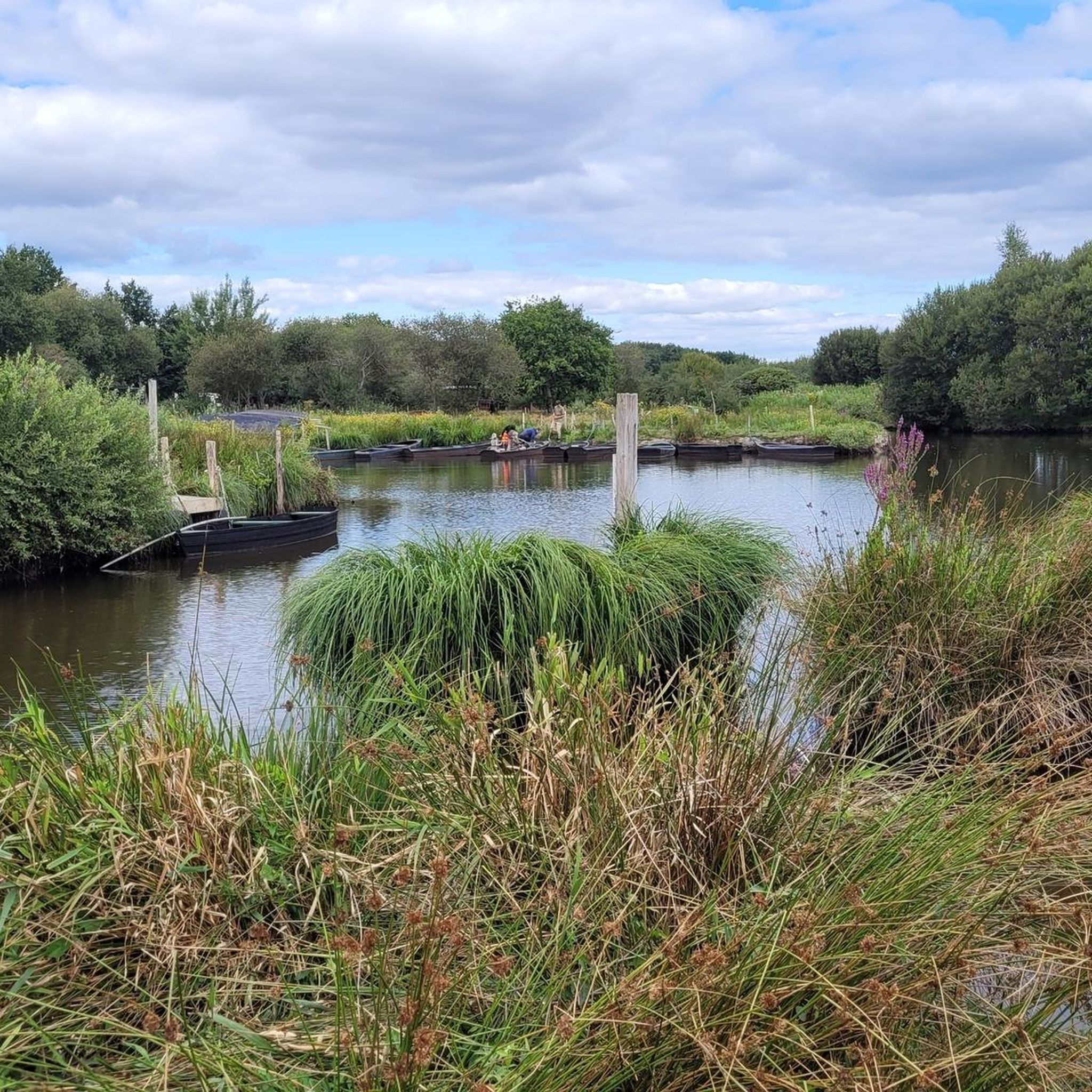
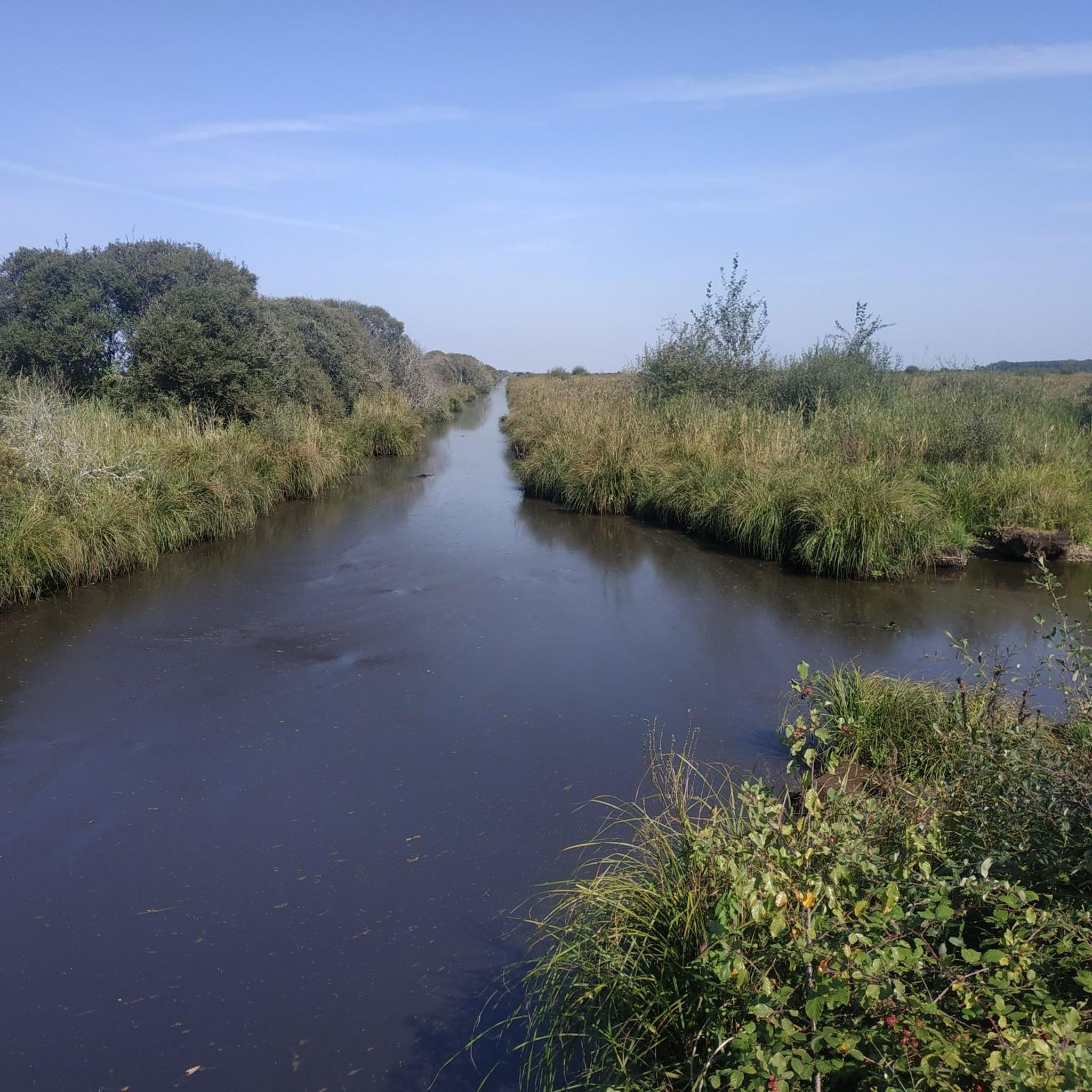
Best natural monuments around Saint-Lyphard are found within a region characterized by its extensive wetlands and coastal features. The area is dominated by the Brière Regional Natural Park, one of France's largest wetland areas, featuring marshes, canals, and traditional thatched cottages. This landscape offers a diverse environment for flora and fauna. The proximity to the Atlantic coast also introduces unique natural sites like salt marshes and coastal viewpoints.
Best natural monuments around Saint-Lyphard
- The most popular natural monuments is Guérande…
Last updated: July 3, 2026
Tumulus of Dissignac
Highlight • Historical Site
Translated by Google •
Tip by

Guérande Salt Marshes
Highlight • Structure
Tip by

Sign up now to discover places like this
Get recommendations on the best single tracks, peaks, & plenty of other exciting outdoor places.
Sign up for free
Dolmens of Kerbourg
Highlight • Historical Site
Translated by Google •
Tip by

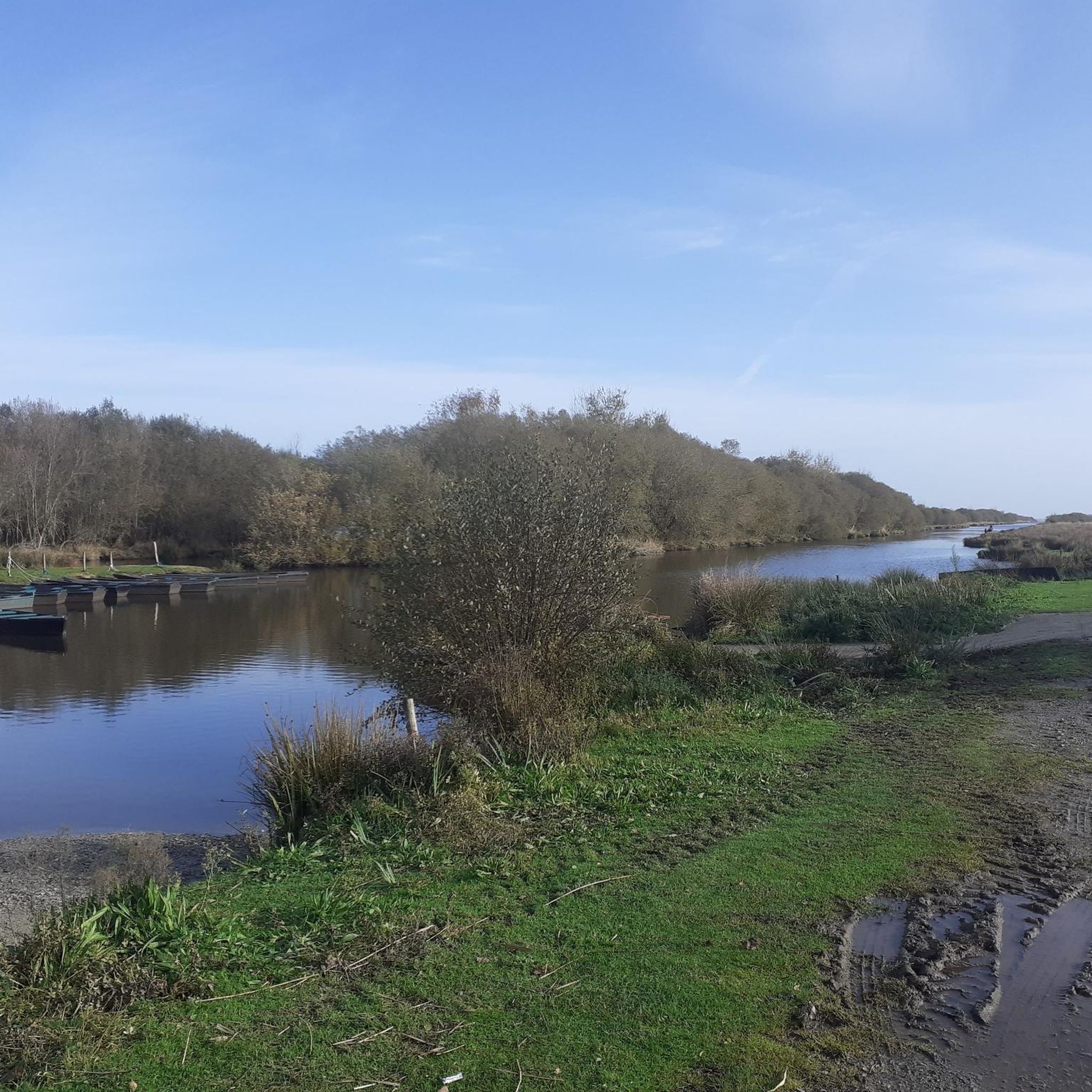
Port of Bréca
Highlight • Natural Monument
We tested them on May 20. It was just awful!
You had to push our bikes in several places where …
Translated by Google •
Tip by

Pointe de la Grande Île de Mesquéry
Highlight • Viewpoint
Translated by Google •
Tip by

Sign up for free to discover even more natural monuments around Saint-Lyphard.
Sign up for free
Already have an account?
Start today with a free account
Your next adventure awaits.
Login or Signup
Other adventures around Saint-Lyphard

Tips from the Community

This megalithic tomb, built around 4300 BC, is the oldest monument in Loire Atlantique, dating back over 6,000 years.
0
0


Actually, it's more of an allée couverte—but I don't even want to know what Komoot translates into. Fifty meters further on, there's a second collapsed dolmen.
1
0

Impressive dimensions. It is hidden away in a dead end street and absolutely worth seeing. In the immediate vicinity there is another dolmen, a pretty old mill and great little houses with thatched roofs.
0
0

Worth seeing dolmen. Just follow the path from the road 150m. After another 50m there is another "fallen" dolmen on the left side.
0
0

This 6,000-year-old Neolithic burial mound is worth a visit. It is open for guided tours in July and August, if there is something you want to do after your run is over.
2
0
This 6000 year old Neolithic burial mound is worth a visit. Open for guided tours in July and August.
2
0
Before reaching the tip of Pen Bé which is at sea level, you can take advantage of this much higher point of view and the cliffs which offer you beautiful views of the surrounding coastline.
3
0
Frequently Asked Questions
What are the main natural features I can explore around Saint-Lyphard?
The region around Saint-Lyphard is dominated by the vast Brière Regional Natural Park, one of France's largest wetland areas, characterized by extensive marshes, intricate canals, and rich biodiversity. You can also discover the unique landscape of the Guérande Salt Marshes, known for their scenic beauty and traditional salt harvesting.
Are there any historical natural monuments in the area?
Yes, the Tumulus of Dissignac is a significant archaeological site and natural monument. This 6,000-year-old Neolithic burial mound offers a glimpse into the region's ancient past. Guided tours are available during summer months.
What kind of wildlife can I expect to see in the natural monuments around Saint-Lyphard?
The Brière Regional Natural Park is a haven for wildlife, especially birds. It's an excellent spot for birdwatching, with numerous species inhabiting its marshes and canals. You might also spot various other wetland creatures and diverse flora throughout the park.
What outdoor activities can I do near these natural monuments?
The area offers a variety of outdoor activities. You can explore the Brière marshland by traditional flat-bottomed boats, or enjoy walking, cycling, and even horse-drawn carriage rides. For more structured activities, there are numerous routes for hiking, running, and gravel biking that take you through the natural landscapes.
Are there family-friendly natural monuments around Saint-Lyphard?
Many natural monuments in the area are suitable for families. The Guérande Salt Marshes offer scenic views and an educational experience. The Port of Bréca provides access to the Brière marshland, which can be explored by boat, and the Pierre Constant Site – Brière Marsh Nature Reserve has an observatory for birds, perfect for engaging children with nature.
What are some of the best viewpoints to appreciate the natural landscape?
For panoramic views, consider climbing the bell tower of the Saint-Lyphard church, which offers an exceptional 360-degree vista of the Brière marshes and the Guérande peninsula. Another great spot is Pointe de la Grande Île de Mesquéry, providing elevated views of the surrounding coastline.
What is the best time of year to visit the natural monuments around Saint-Lyphard?
Spring and early autumn are generally ideal. The weather is pleasant for outdoor activities, and the natural landscapes, especially the marshes, are vibrant with flora and fauna. Summer also offers good conditions, but some areas like the Tumulus of Dissignac are only open for guided tours during July and August.
Are there any natural monuments that are less known but worth visiting?
While not a hidden gem in the traditional sense, the Pierre Constant Site – Brière Marsh Nature Reserve offers a dedicated bird observatory in the heart of the marsh, providing a focused nature experience. Remember to bring binoculars and pre-book a time slot for access.
Can I bring my dog to the natural monuments and trails?
While many natural areas in France are dog-friendly, it's always best to check specific regulations for each site, especially within protected areas like the Brière Regional Natural Park. Generally, dogs on a leash are permitted on most public trails, but some nature reserves or bird observatories might have restrictions to protect wildlife.
How long should I plan for a visit to the natural monuments?
The duration depends on your interests. A visit to a specific highlight like the Tumulus of Dissignac (with a guided tour) might take about 45 minutes. Exploring the Guérande Salt Marshes or taking a boat trip in the Brière could easily fill a half-day. For a comprehensive experience of the Brière Regional Natural Park, a full day or more is recommended to truly immerse yourself in its diverse landscapes and activities.
Where can I find more information about the Brière Regional Natural Park?
For detailed information about the Brière Regional Natural Park, including visitor centers and activities, you can visit the official tourism website for the area: saint-nazaire-tourisme.uk.
Most popular routes around Saint-Lyphard
Most popular attractions around Saint-Lyphard

Get inspired with the komoot mobile app


Explore more
Extend your search for the best caves by checking out these guides of the top ones around Saint-Lyphard:
