Top 20 Natural Monuments around Blauvac
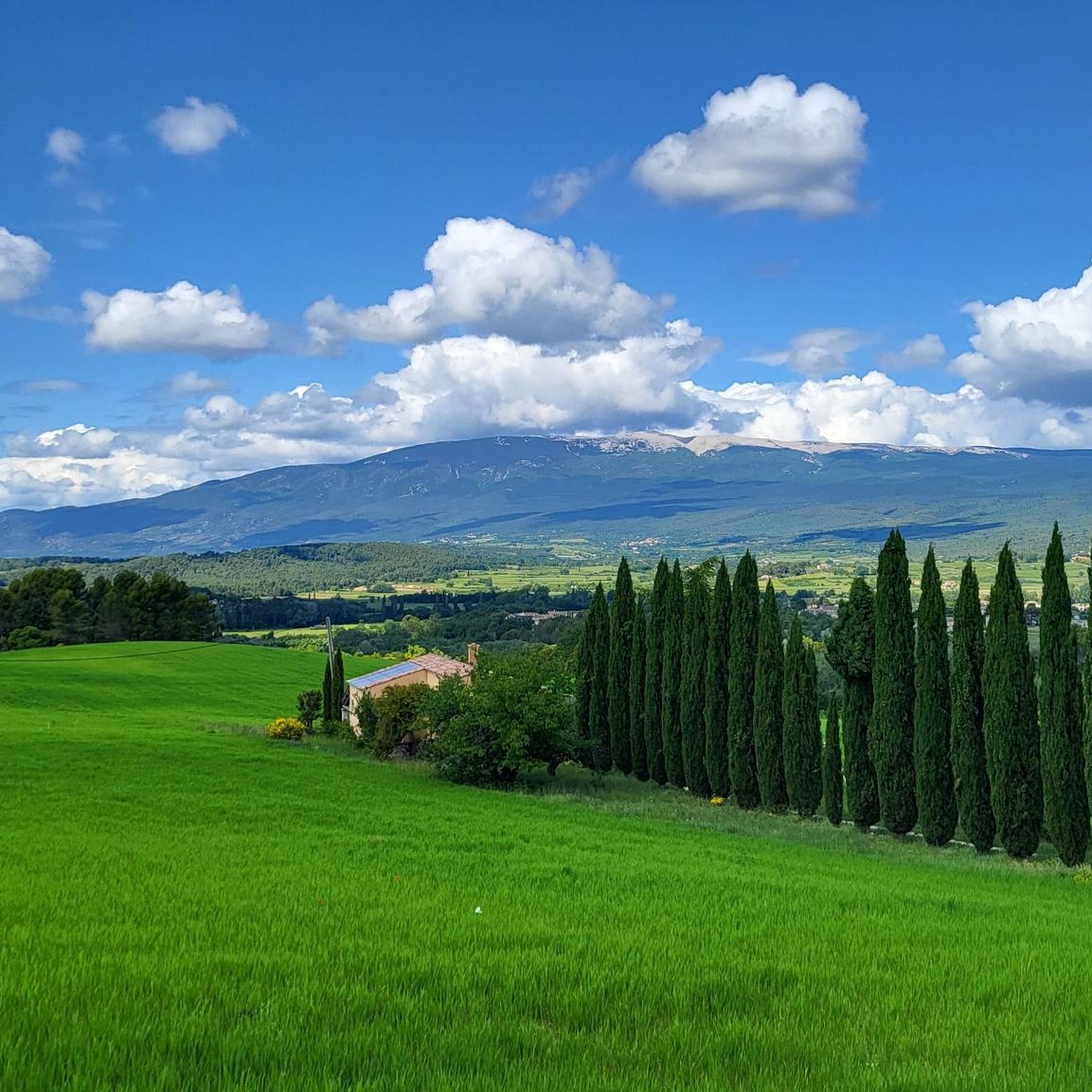
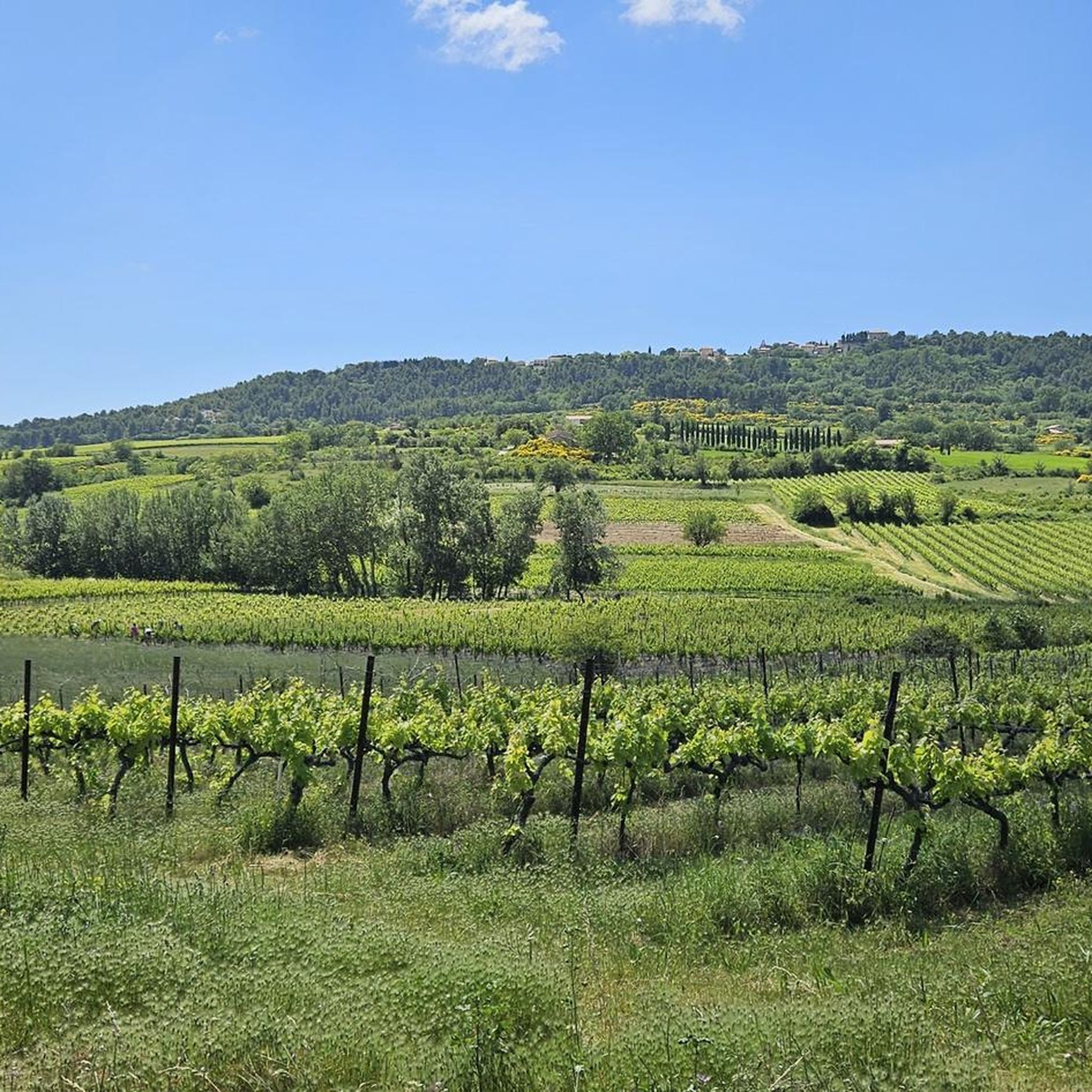
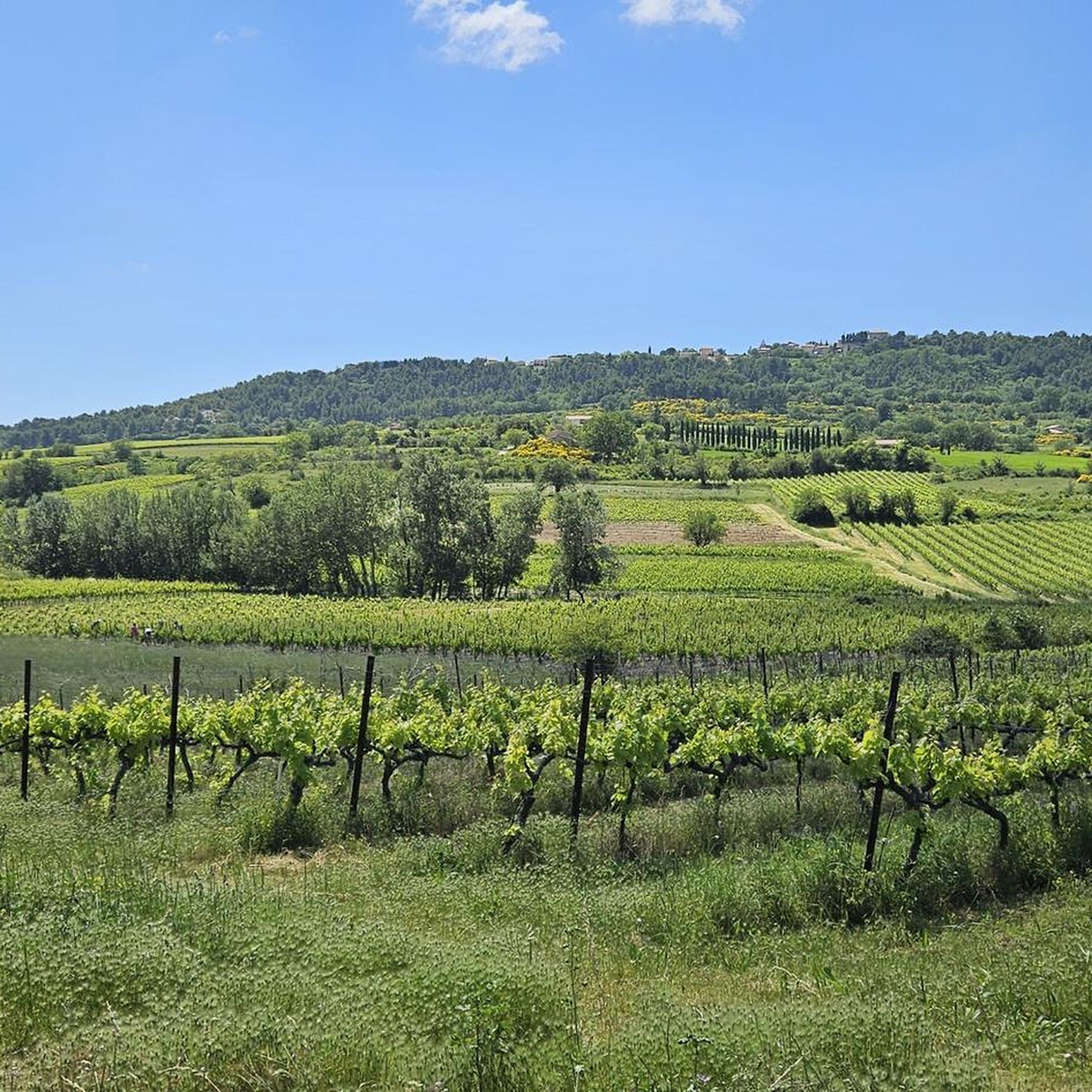
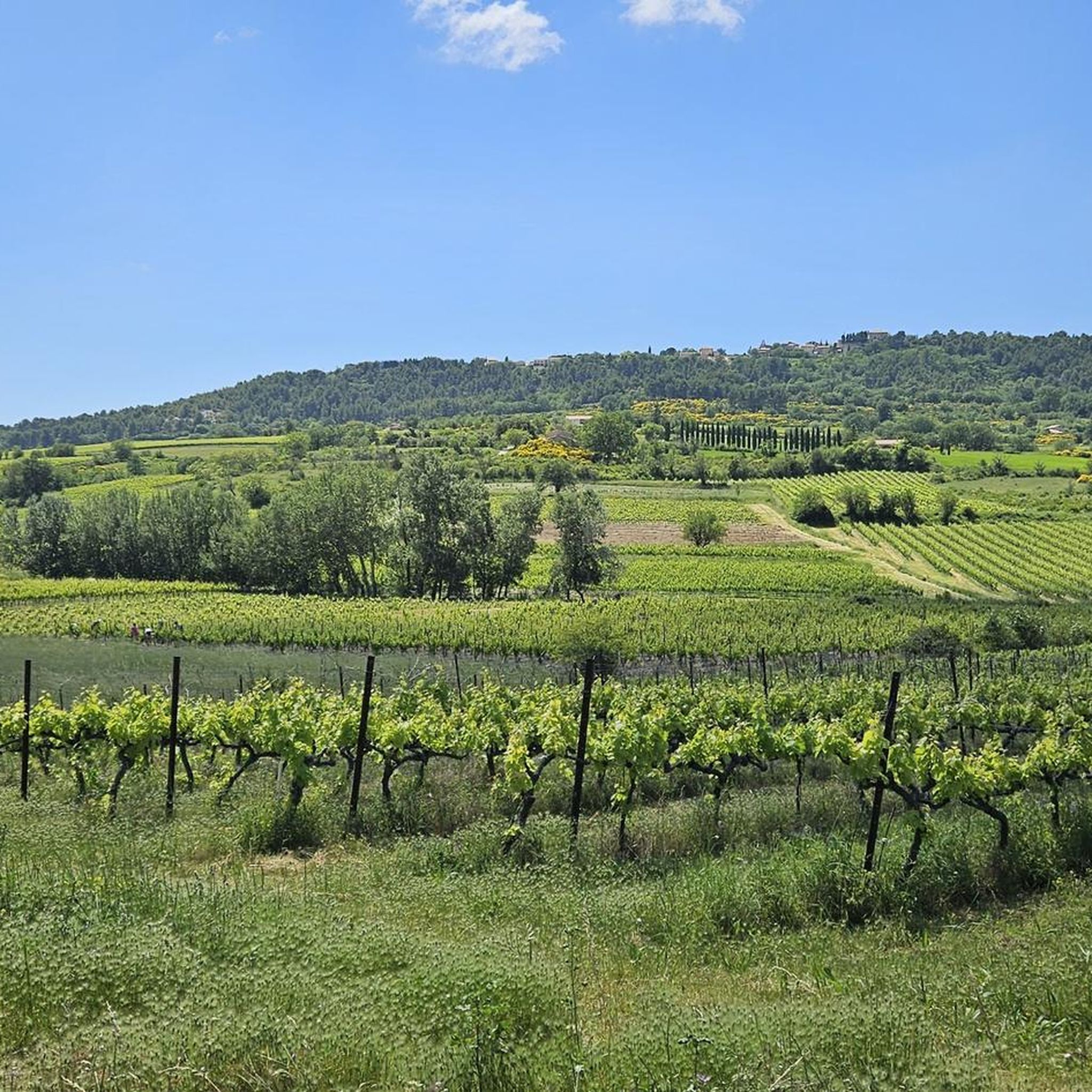
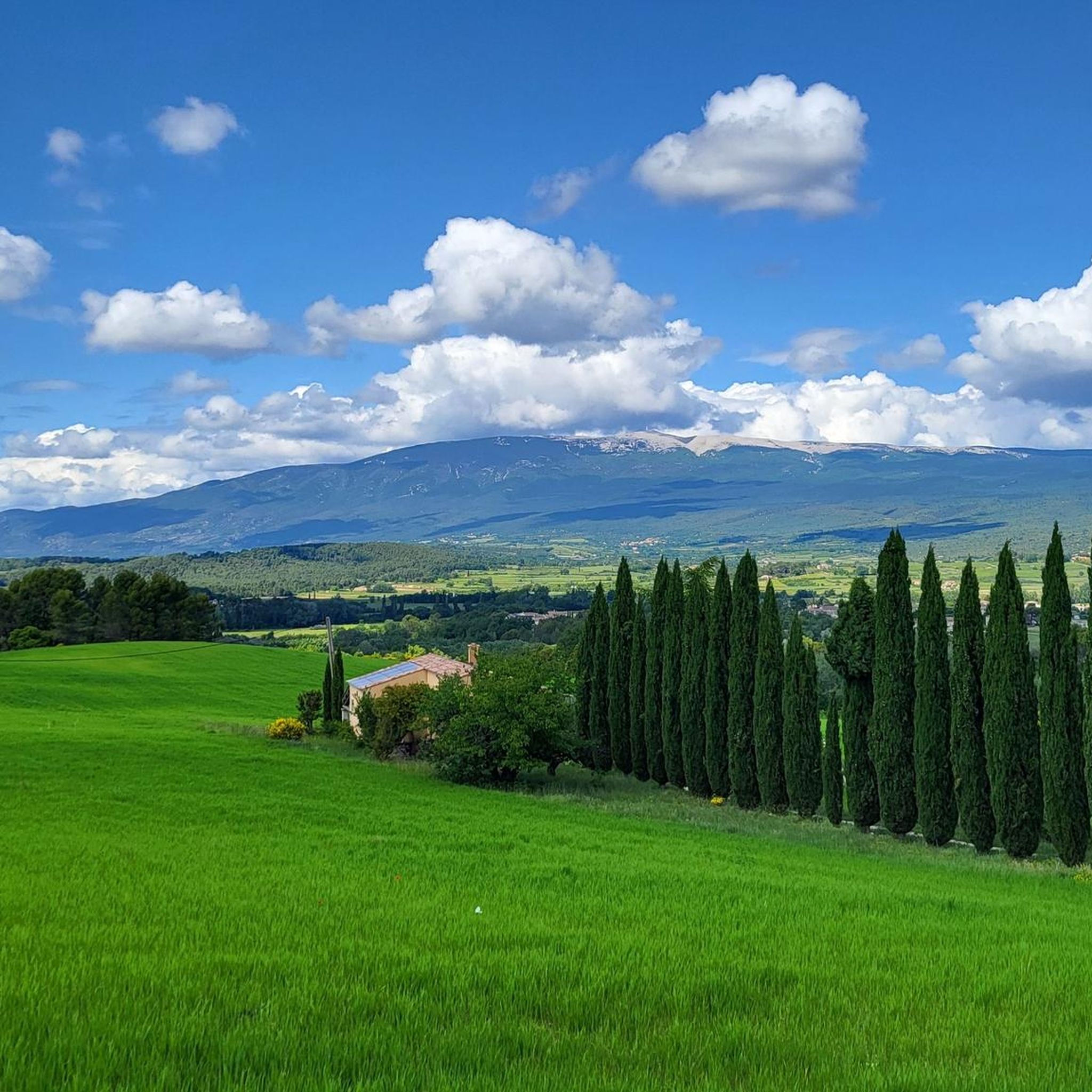
Best natural monuments around Blauvac include a variety of geological formations and scenic viewpoints. Blauvac, a Provençal village, offers views of vineyards and cherry trees, serving as a base for exploring the Mont Ventoux biosphere reserve. The area features diverse natural landscapes, from unique rock formations to mountain passes and challenging climbs.
Best natural monuments around Blauvac
- The most popular natural monument is Bédoin Fairy Chimneys, a natural monument that features large natural columns made of friable rocks with more resistant tops. This site is known for its sculpted landscape of ancient ochreous sand quarries, shaped by erosion.
- Another must-see spot is Col de la Ligne, a mountain pass. Visitors can expect a climb on quiet roads with a maximum gradient of 7%, offering a nice view at the top.
- Visitors also love Final 6 km to the summit of Mont Ventoux, a challenging climb. This section is known for its spectacular views and can be difficult due to wind, with some double-digit gradients in the last 1.5 km.
- Blauvac is known for its natural monuments, including unique rock formations, mountain passes, and challenging climbs. The area offers a variety of natural monuments to see and explore, from geological curiosities to high-altitude viewpoints.
- The natural monuments around Blauvac are appreciated by the komoot community, with 2 highlights receiving 195 upvotes and featuring 60 photos.
Last updated: August 12, 2026
Bédoin Hoodoos
Highlight • Natural Monument
They are made of crumbly rocks, protected or capped by a more solid rock. Erosion thus does not take place below the stone and forms over thousands of years a colonnade under the protective stone.
In the USA we find some of these Hoodoos topped with a fossil, as in Oregon, a sabre-toothed tiger's head instead of a simple stone.
Translated by Google •
Tip by

Ravin des Sitos (South Entrance)
Highlight • Canyon
Translated by Google •
Tip by

Sign up now to discover places like this
Get recommendations on the best single tracks, peaks, & plenty of other exciting outdoor places.
Sign up for free
Col de la Ligne
Highlight • Mountain Pass
Translated by Google •
Tip by

Sénancole Valley
Highlight • Gorge
Translated by Google •
Tip by

Final 6 km to the summit of Mont Ventoux
Highlight • Climb
Translated by Google •
Tip by

Sign up for free to discover even more natural monuments around Blauvac.
Sign up for free
Already have an account?
Start today with a free account
Your next adventure awaits.
Login or Signup
Tips from the Community

The last few kilometers are no longer that steep, apart from a few ramps, and the destination is in sight.
0
0

and fight the climbs once again ;)
0
0

The descent from the Col to Méthamis is super beautiful 🤩
0
0

A beautiful and mostly leisurely hiking trail through the gorge. Occasional climbing sections.
0
0

Get off your bike and walk to the ocres and hoodoos.
0
0

Good mental training!
0
0

Pleasant climb, surface mostly good, the holes are visible uphill but early enough and you usually don't go that fast ,-)
1
0

Hike done with a group of 17 from the village of Borries towards Senanque which we were unable to reach. The path in the Senancole valley is pleasant even if strewn with small pitfalls. At the top of the valley the rocky passage is too difficult for some people and we had to turn back.
0
0
Frequently Asked Questions
What are some of the most popular natural monuments to visit around Blauvac?
Visitors frequently enjoy the unique Bédoin Fairy Chimneys, known for their sculpted landscape of ancient ochreous sand quarries. The Col de la Ligne offers a rewarding climb with nice views, and the challenging Final 6 km to the summit of Mont Ventoux is highly rated for its spectacular vistas.
What unique geological features can I explore near Blauvac?
The region boasts several fascinating geological formations. The Bédoin Fairy Chimneys are natural columns of friable rock with resistant tops, sculpted by erosion. Mont Ventoux, known as the 'Giant of Provence,' is characterized by its bare, white limestone summit. Further south, the Gorges de la Nesque present a spectacular canyon carved by the Nesque river, featuring dramatic cliffs and karstic landscapes.
Are there family-friendly natural monuments or activities around Blauvac?
Yes, the Bédoin Fairy Chimneys are considered family-friendly, offering an unexpected natural curiosity with colorful mineral sculptures that delight both young and old. The base of Mont Ventoux also offers numerous trails suitable for leisurely family walks, allowing observation of its diverse flora and fauna.
What outdoor activities can I do near the natural monuments?
The area is a paradise for outdoor enthusiasts. You can find numerous opportunities for hiking, cycling, and mountain biking. Mont Ventoux is world-renowned for its challenging cycling routes, famously featured in the Tour de France, and offers countless hiking trails. The Gorges de la Nesque also provide excellent options for hiking and cycling along its panoramic road. For more detailed routes, explore the MTB Trails around Blauvac, Cycling around Blauvac, and Road Cycling Routes around Blauvac guides.
What makes Mont Ventoux a significant natural monument?
Mont Ventoux, the 'Giant of Provence,' is significant for its unique ecosystem, recognized as a UNESCO Biosphere Reserve. It rises to 1,912 meters, offering breathtaking 360-degree views from its summit, stretching from the Alps to the Mediterranean Sea. Its slopes exhibit remarkable climatic terracing, supporting diverse flora and fauna, and its bare, white limestone peak gives it a distinctive appearance.
What can I expect when visiting the Gorges de la Nesque?
The Gorges de la Nesque offer spectacular scenery with vertiginous cliffs reaching over 300-400 meters in depth. You can drive along the panoramic D942 road, which features tunnels and numerous viewpoints like the Castellaras belvedere. It's an ideal location for hiking and cycling, and you might spot rare wildlife such as golden eagles and peregrine falcons. The area also holds historical significance with prehistoric remains and the unique 12th-century troglodytic chapel of Saint-Michel de Anesca.
Are there challenging trails for experienced hikers or cyclists?
Absolutely. The Final 6 km to the summit of Mont Ventoux is a challenging climb, known for its steep gradients and potential strong winds. The Sénancole Valley also offers a beautiful but not easy hike with some short scrambling sections, requiring surefootedness. Many cycling routes around Blauvac are rated as difficult, such as the 'View of the Mont Ventoux summit – Pass of Storms loop' for road cycling.
What is the best time of year to visit the natural monuments around Blauvac?
The best time to visit generally depends on your planned activities. For hiking and cycling, spring (April-June) and autumn (September-October) offer pleasant temperatures. Mont Ventoux's summit can have snow cover from December to April, making it challenging for cycling during those months. The Nesque river often runs dry from April to October, which can reveal more of the dramatic karstic landscape within the Gorges de la Nesque.
What kind of wildlife can be found in the natural monuments area?
The Mont Ventoux Biosphere Reserve is home to diverse wildlife, including deer, roe deer, mouflons, wild boars, foxes, and numerous bird species like Bonelli's eagle and griffon vulture. In the Gorges de la Nesque, you might spot golden eagles and peregrine falcons nesting in the rock faces, alongside other rich and diverse flora and fauna.
What can I expect from the Ravin des Sitos?
The Ravin des Sitos (South Entrance) offers a unique experience of walking between impressive ocher walls, some reaching about 5 meters high. Visitors describe the colors of the ocher as almost surreal, making it a visually striking canyon to explore.
Are there any historical sites within or near these natural monuments?
Yes, the Gorges de la Nesque area holds historical significance, with prehistoric remains and rock shelters indicating human presence dating back 150,000 years. Additionally, the 12th-century troglodytic chapel of Saint-Michel de Anesca is nestled within the canyon, offering a glimpse into the region's ancient past.
Most popular routes around Blauvac
Most popular attractions around Blauvac

Get inspired with the komoot mobile app


Explore more
Extend your search for the best caves by checking out these guides of the top ones around Blauvac:
