Top 3 Natural Monuments around Longeville-Sur-Mer
Best natural monuments around Longeville-Sur-Mer are found in a region characterized by its diverse natural landscape, situated between a national forest and the Atlantic Ocean. This area in the Vendée department features extensive forests, marshlands, and sandy beaches. Visitors can explore a variety of natural landmarks that highlight the region's unique geography.
Best natural monuments around Longeville-Sur-Mer
- The most popular natural monuments is Pointe du Payré cliffs, a viewpoint that features mesmerizing cliffs. When the tide recedes, an underwater…
Last updated: July 17, 2026
Pointe du Payré cliffs
Highlight • Viewpoint
Translated by Google •
Tip by

Pointe du Payré
Highlight • Viewpoint
Translated by Google •
Tip by
Sign up now to discover places like this
Get recommendations on the best single tracks, peaks, & plenty of other exciting outdoor places.
Sign up for free
The Mad Stones of Plessis
Highlight • Historical Site
The southern menhir is much smaller than its neighbor. …
Translated by Google •
Tip by

Menhir of Camp de César
Highlight • Monument
Translated by Google •
Tip by

Casse de la Belle Henriette Nature Reserve
Highlight (Segment) • Natural Monument
A walking area for holidaymakers, we are here in an enchanting area.
Translated by Google •
Tip by

Sign up for free to discover even more natural monuments around Longeville-Sur-Mer.
Sign up for free
Already have an account?
Start today with a free account
Your next adventure awaits.
Login or Signup

Tips from the Community


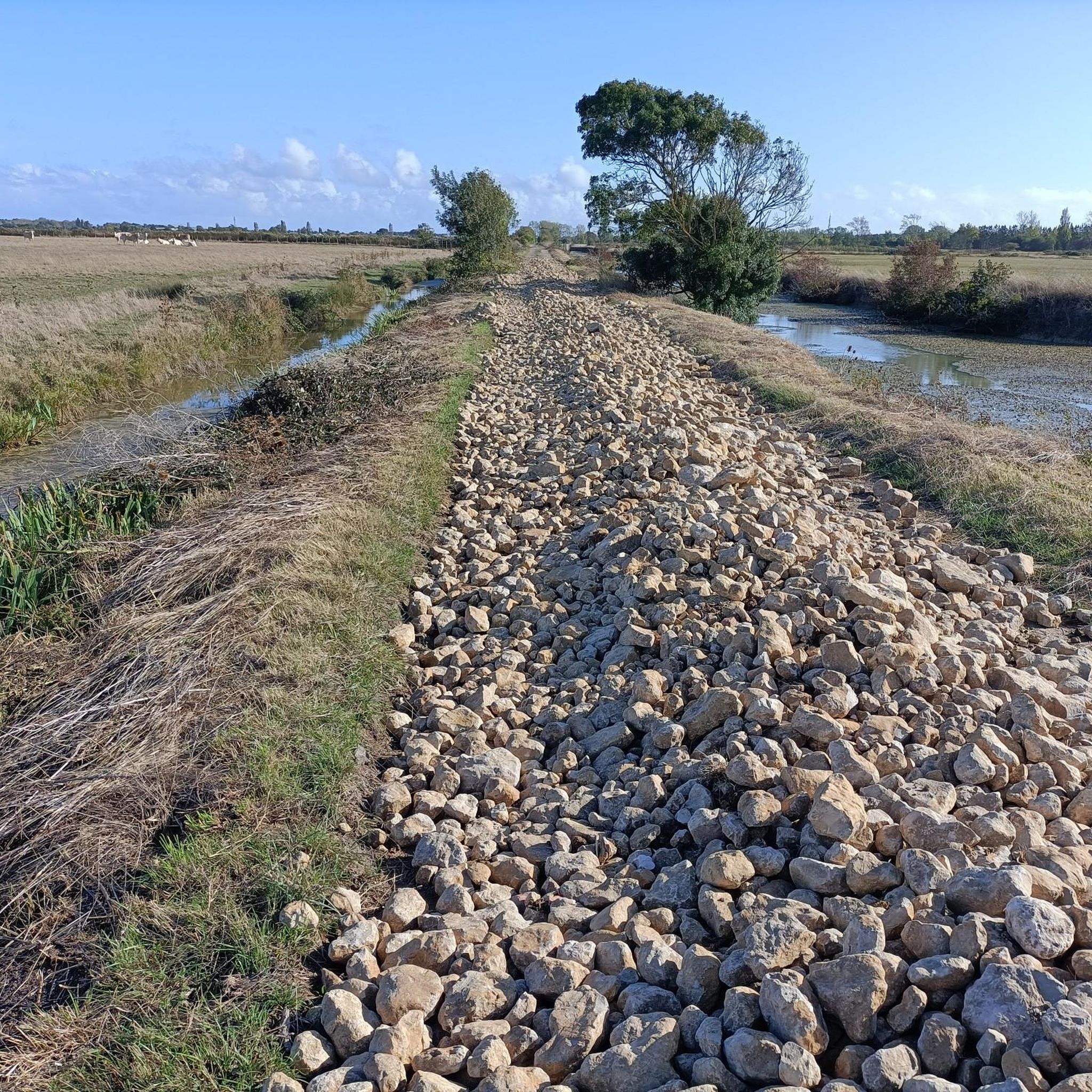
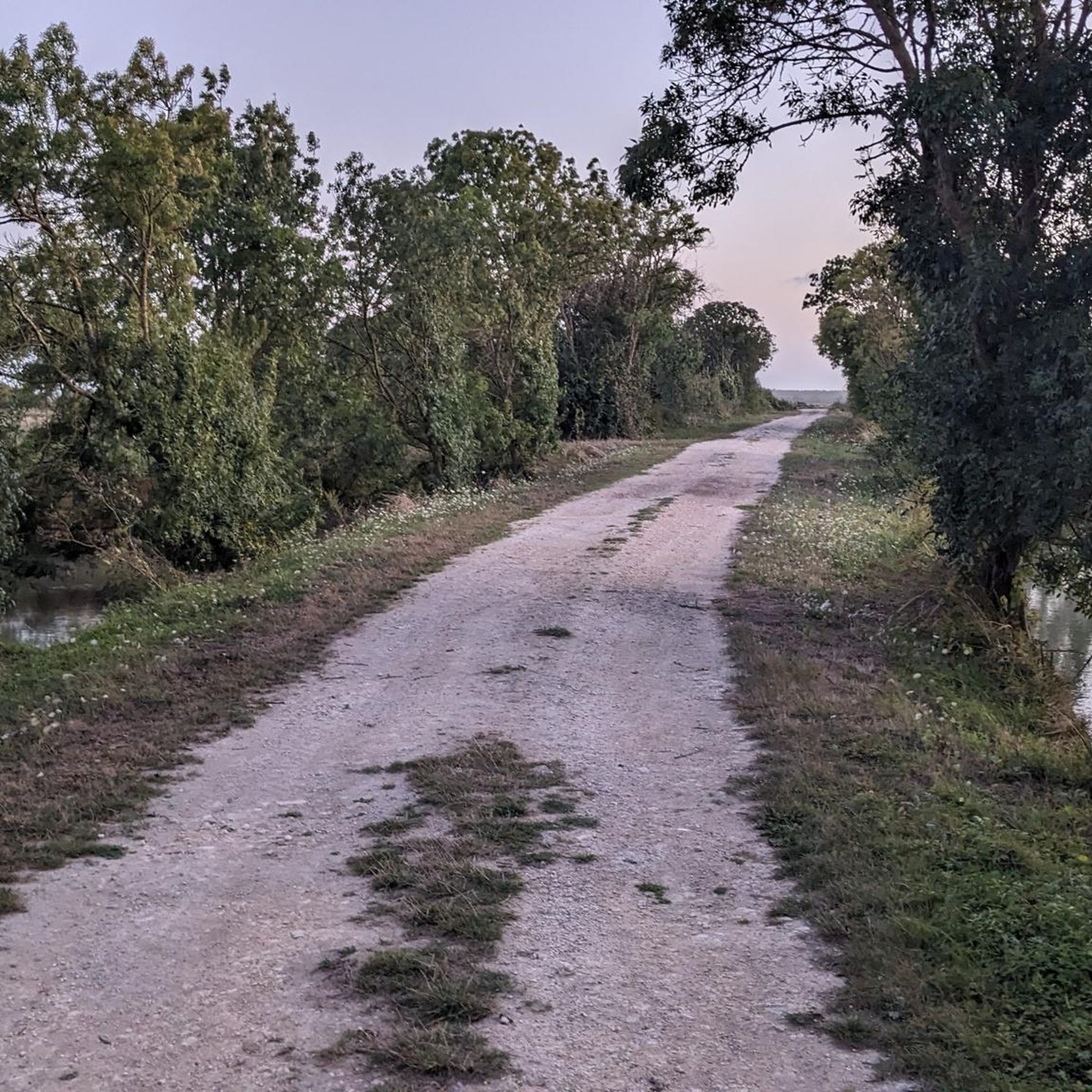
It is through this magnificent nature reserve that we enter Le Faute-sur-Mer. A walking area for holidaymakers, we are here in an enchanting area.
0
0

The last 500m to the Pointe de Payré reward me with a great view all the way to Les Sables d‘Olonne
0
0

Impressive how it was built a long time ago
0
0

This Menhir (standing stone) is very impressive and well worth stopping to visit.
0
0

The Plessis menhirs were once an equilateral triangle of three large menhirs, each 100 meters apart, but now only two remain. The southern menhir is much smaller than its neighbor. There is an information board that tells the story of these historical monuments.
0
0


Magnificent stretch of coast that changes with the tides. Rocky, rugged and rough. You will appreciate this advice.
2
0
Frequently Asked Questions
What types of natural monuments can I explore around Longeville-Sur-Mer?
Longeville-Sur-Mer offers a diverse range of natural monuments. You can discover dramatic coastal features like the Pointe du Payré cliffs, extensive wetlands such as the Marais Poitevin, and the vast Longeville State Forest. The area also features beautiful sandy beaches and historical megalithic sites like The Mad Stones of Plessis.
Are there any historical natural monuments in the region?
Yes, the area is home to fascinating historical natural monuments. The Mad Stones of Plessis are a notable example, consisting of two remaining megalithic menhirs that were once part of an equilateral triangle. Another significant site is the Menhir of Camp de César, which is the largest menhir in the Vendée department, standing at 8.7 meters tall and weighing 85 tons.
What natural features are unique to the Longeville-Sur-Mer coastline?
The coastline near Longeville-Sur-Mer is known for its fine sandy beaches, such as Les Conches, Le Rocher, and Le Bouil. These beaches are often backed by the extensive Longeville State Forest, creating a unique blend of coastal and woodland scenery. The Pointe du Payré cliffs are particularly mesmerizing, revealing an underwater landscape when the tide recedes.
Are there family-friendly natural monuments suitable for children?
Many natural monuments around Longeville-Sur-Mer are family-friendly. The sandy beaches are perfect for swimming and playing, and the Longeville State Forest offers shaded paths for easy walks. Historical sites like The Mad Stones of Plessis and the Menhir of Camp de César can also be intriguing for children, offering a glimpse into ancient history. The Casse de la Belle Henriette Nature Reserve provides an enchanting walking area for all ages.
What outdoor activities can I do near these natural monuments?
The region offers a wide array of outdoor activities. The Longeville State Forest is ideal for hiking, cycling, and horseback riding. The Marais Poitevin wetlands can be explored by bike, boat, or canoe, offering excellent birdwatching opportunities. The beaches are perfect for swimming, surfing, bodyboarding, sand yachting, kitesurfing, and windsurfing. For more detailed routes, you can find options for hiking and cycling around Longeville-Sur-Mer.
Where can I go for a walk or hike in a natural setting?
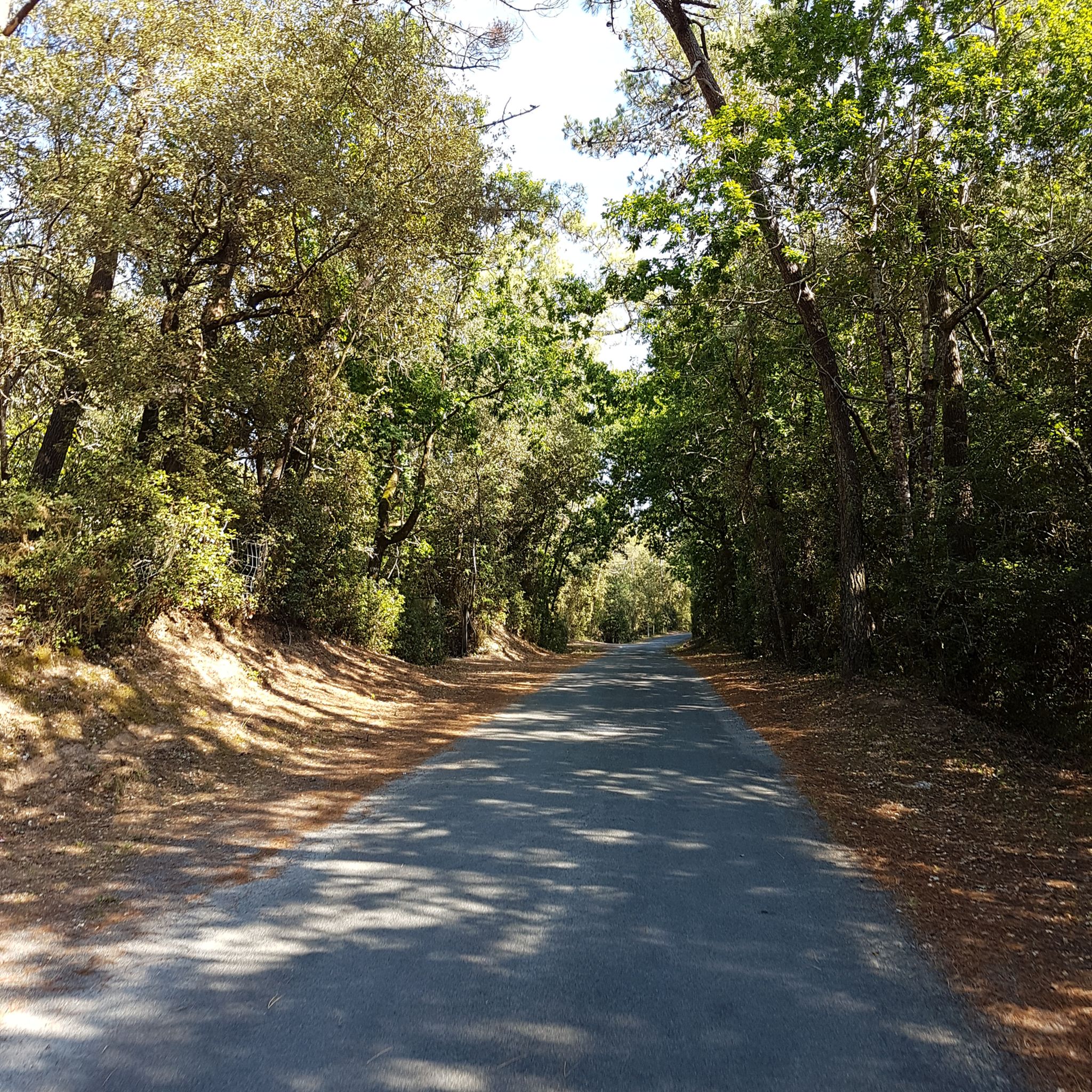
The Longeville State Forest provides an extensive network of rolling gravel paths, perfect for walks and hikes, offering shade and tranquility. The Casse de la Belle Henriette Nature Reserve also features an enchanting walking area. For specific routes, consider exploring the hiking guide for Longeville-Sur-Mer, which includes trails like the 'Roses Beach loop from Le Rocher'.
Are there opportunities for cycling near the natural monuments?
Absolutely. The Longeville State Forest has paths suitable for cycling, and the Marais Poitevin wetlands are well-suited for bike exploration. You can find various cycling routes in the area, including options in the cycling guide for Longeville-Sur-Mer, such as the 'Plage du Goulet – Jard-sur-Mer loop'.
What is the best time to visit the natural monuments in Longeville-Sur-Mer?
The natural monuments can be enjoyed year-round, but the warmer months from April to October are ideal for water activities on the beaches and exploring the Marais Poitevin by boat or canoe. During summer, the beaches are supervised, and the forest offers a cool escape from the heat. Spring and autumn provide pleasant temperatures for hiking and cycling.
What kind of wildlife and flora can I expect to see?
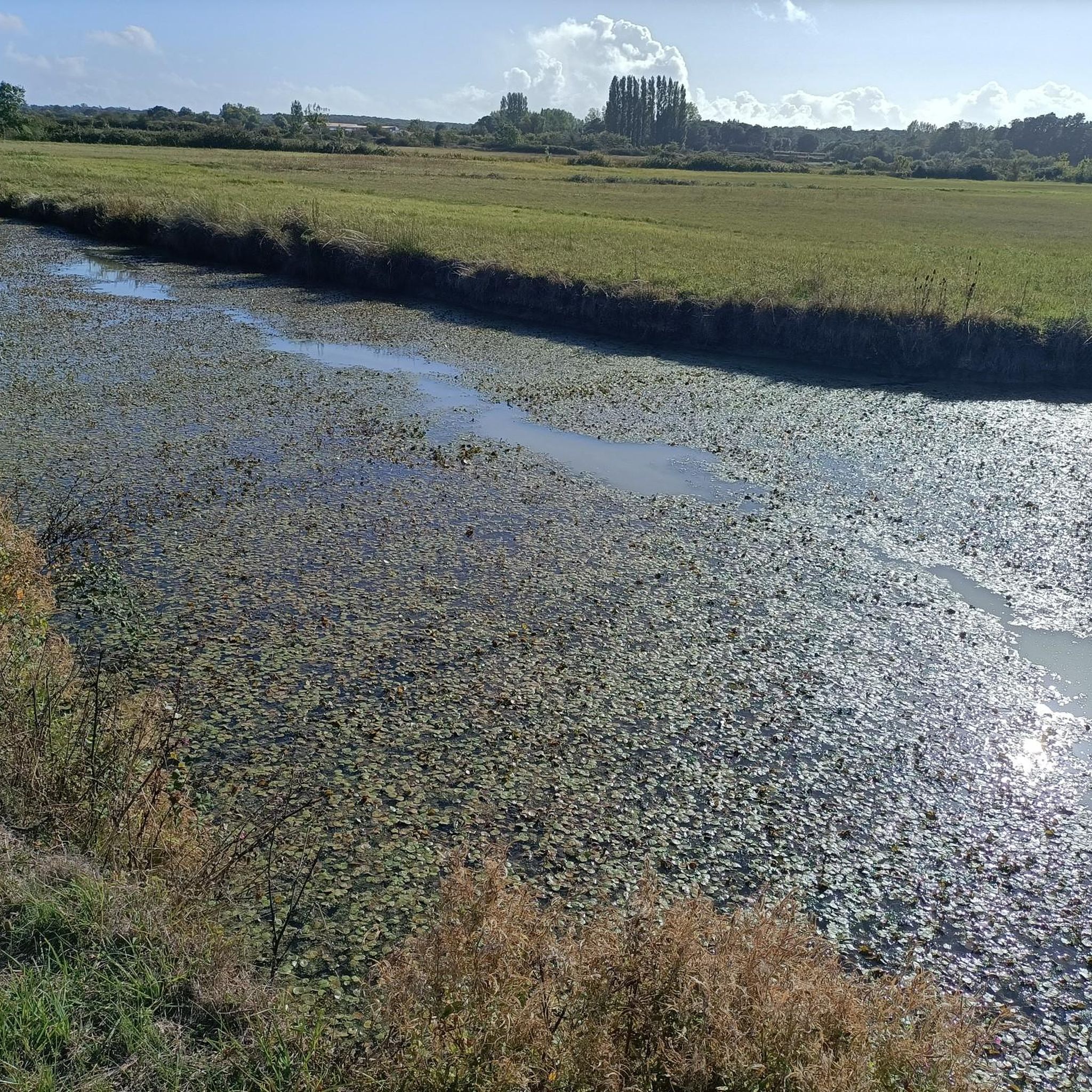
The Marais Poitevin is particularly rich in biodiversity, featuring a wide variety of fish, birds, and insects within its lush greenery and water points. The Longeville State Forest is primarily composed of maritime pines and holm oaks. The nearby Pointe d'Arcay Nature Reserve, though a short drive away, is known for its exceptional flora and fauna, including diverse ecosystems of dunes, salt marshes, and ponds.
What do visitors enjoy most about the natural monuments here?
Visitors frequently praise the mesmerizing cliffs at Pointe du Payré, especially when the tide reveals the unique underwater landscape. The historical significance of the megalithic sites like The Mad Stones of Plessis also impresses many. The enchanting natural environment of the Casse de la Belle Henriette Nature Reserve is also a popular highlight for walks.
Are there any nature reserves or protected areas nearby?
Yes, the Casse de la Belle Henriette Nature Reserve offers a protected area with beaches and other natural elements, providing an enchanting environment for exploration. Additionally, the Marais Poitevin, France's second-largest wetland, is a significant preserved natural environment. The Pointe d'Arcay Nature Reserve, located approximately 25 km away, is another important site for its exceptional flora and fauna.
Most popular routes around Longeville-Sur-Mer
Most popular attractions around Longeville-Sur-Mer

Get inspired with the komoot mobile app


Explore more
Extend your search for the best caves by checking out these guides of the top ones around Longeville-Sur-Mer:
