Top 9 Natural Monuments around Saou
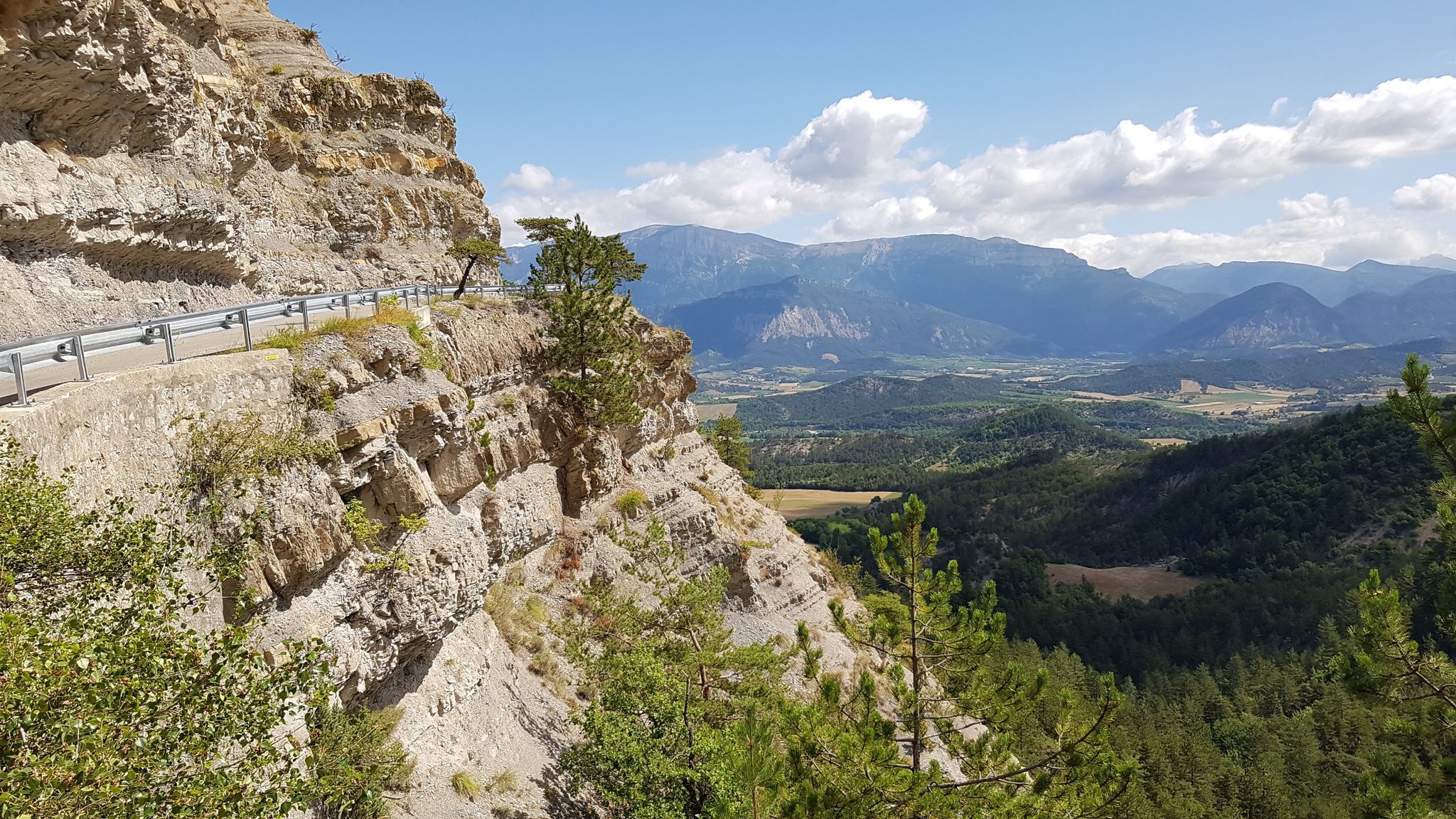
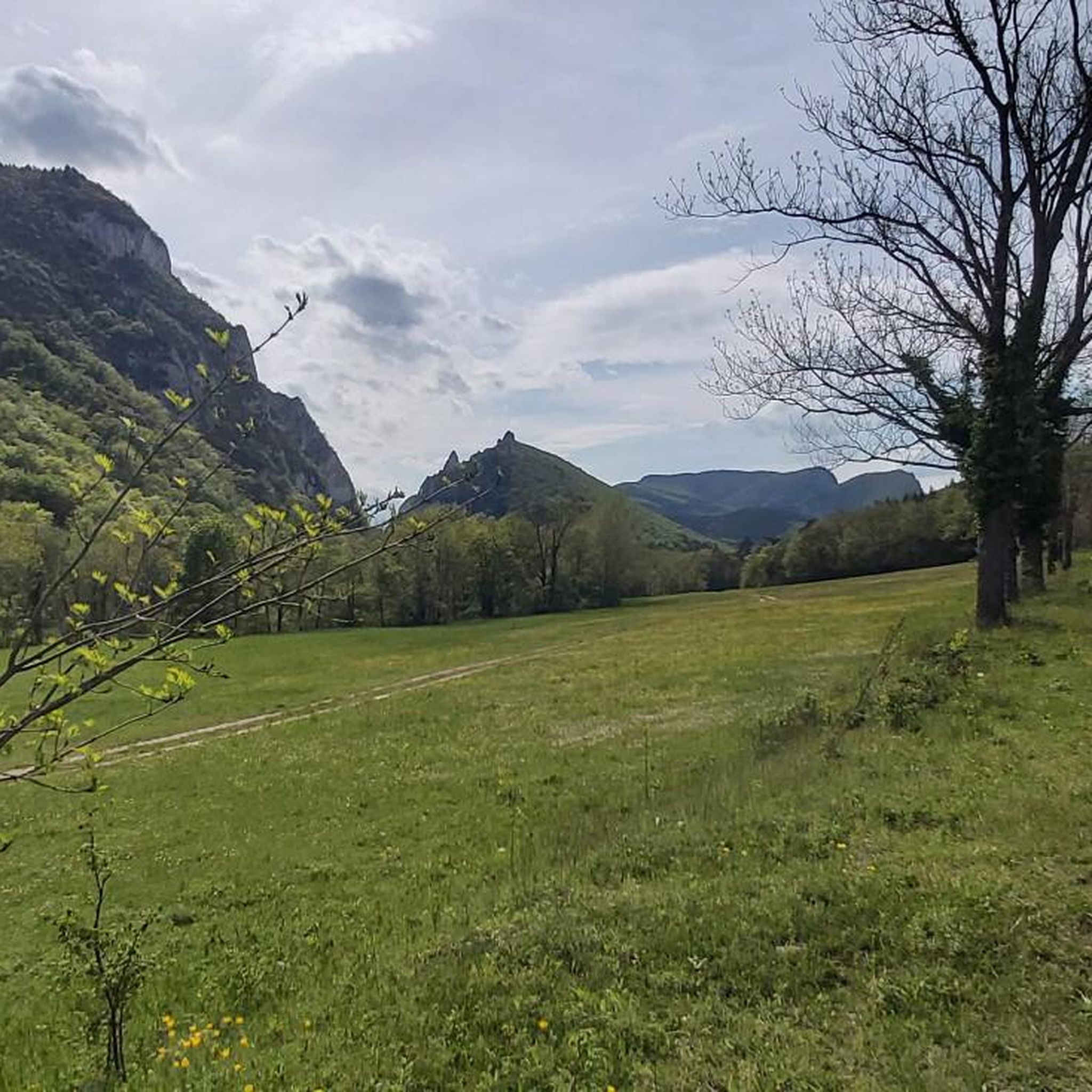
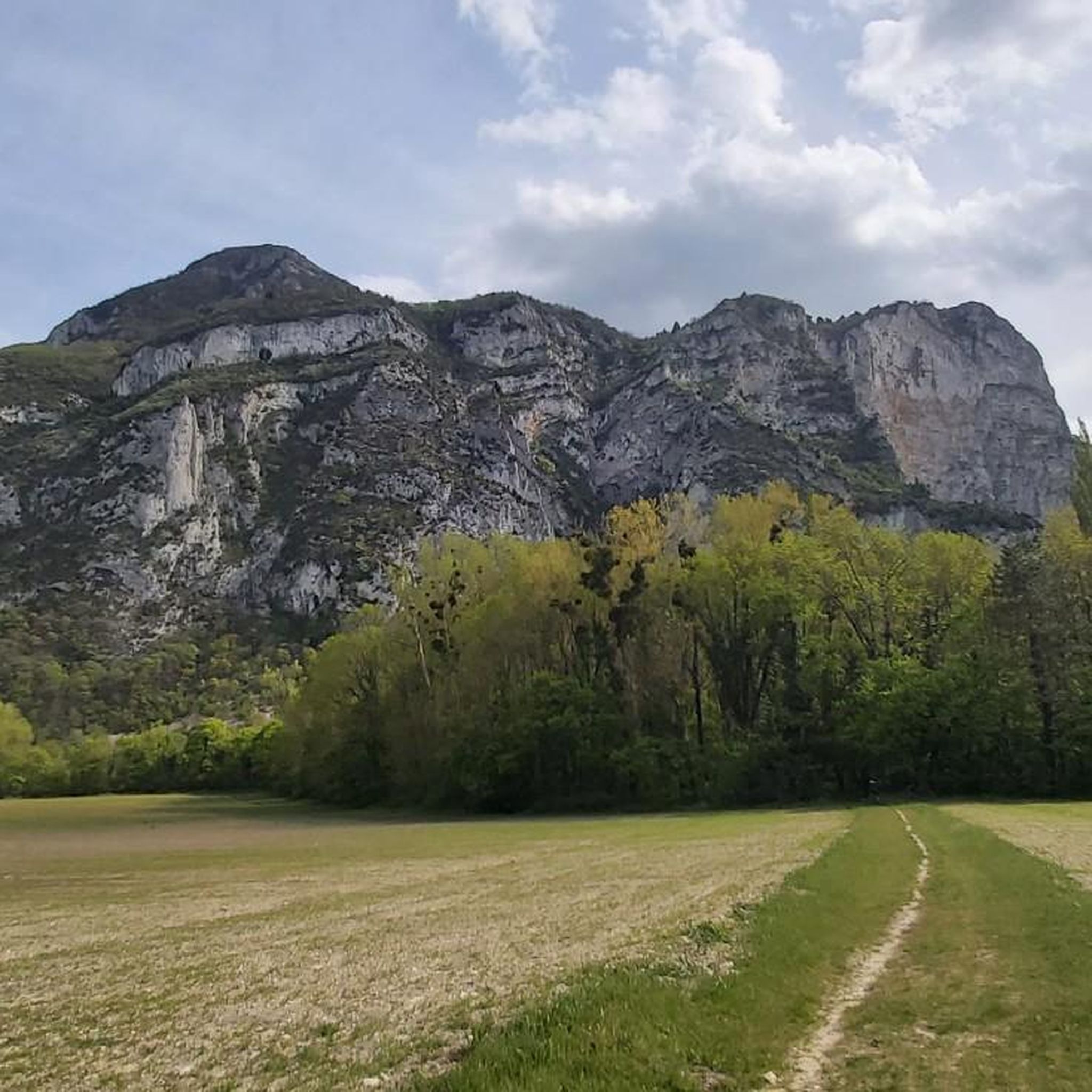
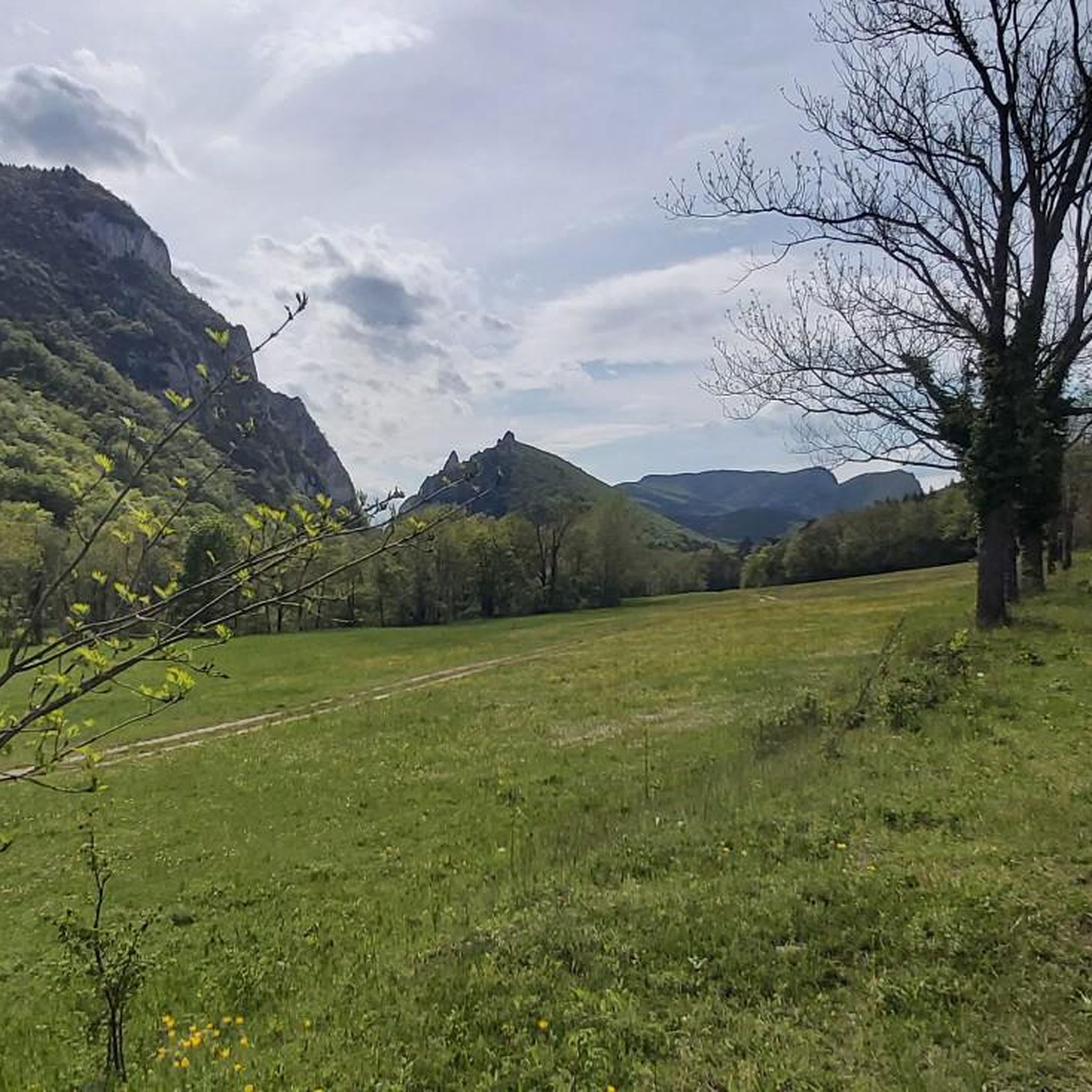
Best natural monuments around Saou are found within a unique geological setting in the Drôme department of southeastern France. The region is characterized by the Forêt de Saou, encircled by limestone cliffs, and the prominent Trois Becs rock massif. This area features a "perched syncline," a geological formation resulting in diverse habitats and a rich array of plant and animal life. Notable landmarks Foret de Saou include several summits and rock formations that offer panoramic views.
Best natural monuments around…
Last updated: October 7, 2026
Rocher de la Laveuse
Highlight • Natural Monument
Translated by Google •
Tip by

Le Veyou
Highlight • Summit
Translated by Google •
Tip by
Sign up now to discover places like this
Get recommendations on the best single tracks, peaks, & plenty of other exciting outdoor places.
Les Trois Becs
Highlight • Summit
Translated by Google •
Tip by

Grand Delmas
Highlight • Summit
Translated by Google •
Tip by

Roche Courbe
Highlight • Summit
Translated by Google •
Tip by
Sign up for free to discover even more natural monuments around Saou.
Already have an account?
Start today with a free account
Your next adventure awaits.



Tips from the Community

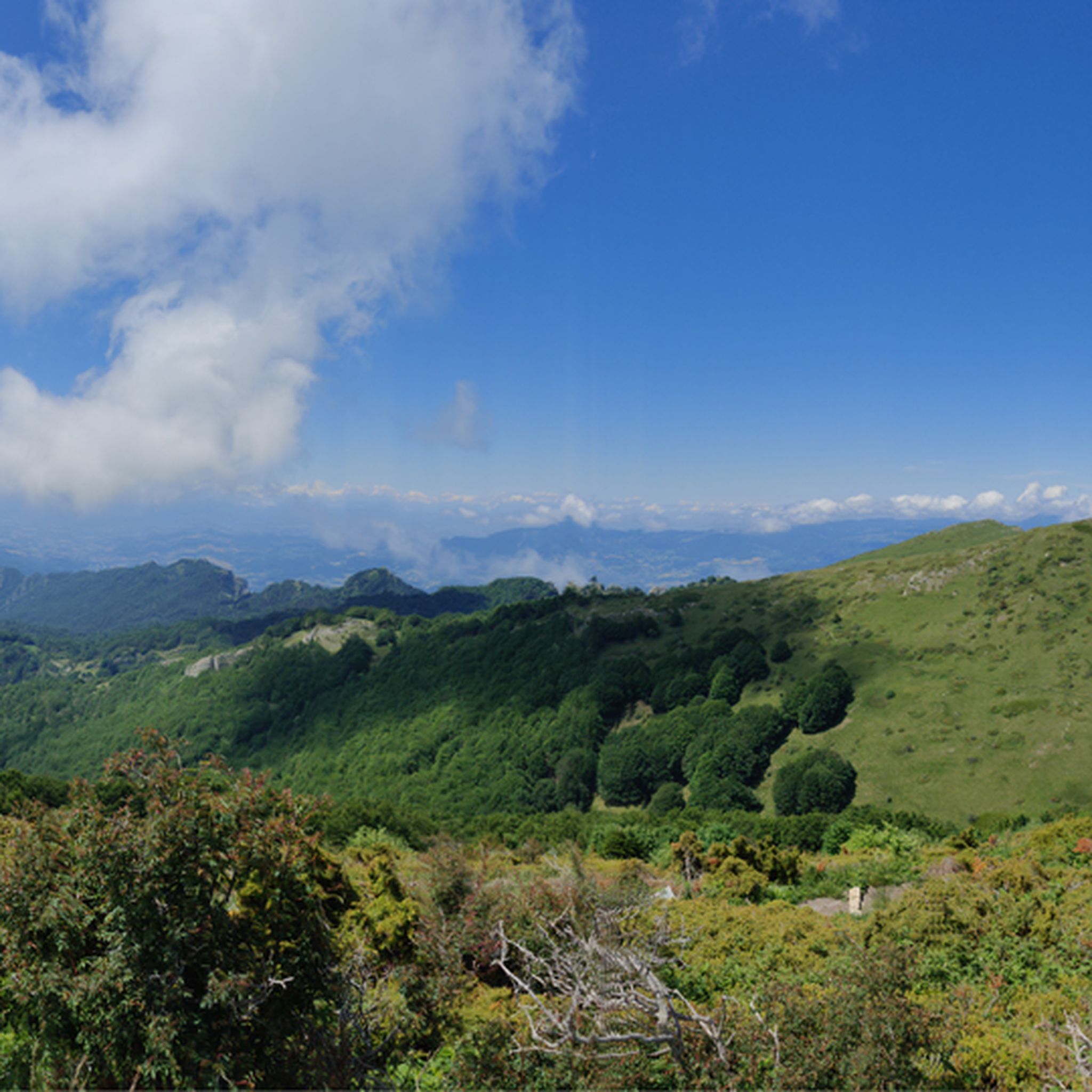
The return route is impossible to find. It is recommended to retrace your steps, as the route indicates a 50% elevation gain at the end after a full-circle climb across the southern savannah. Otherwise, the view of the Veyou and the surrounding area is extraordinary.
1
0

Beautiful tour over the 3 peaks. Not always very lonely on sunny weekends.
4
0
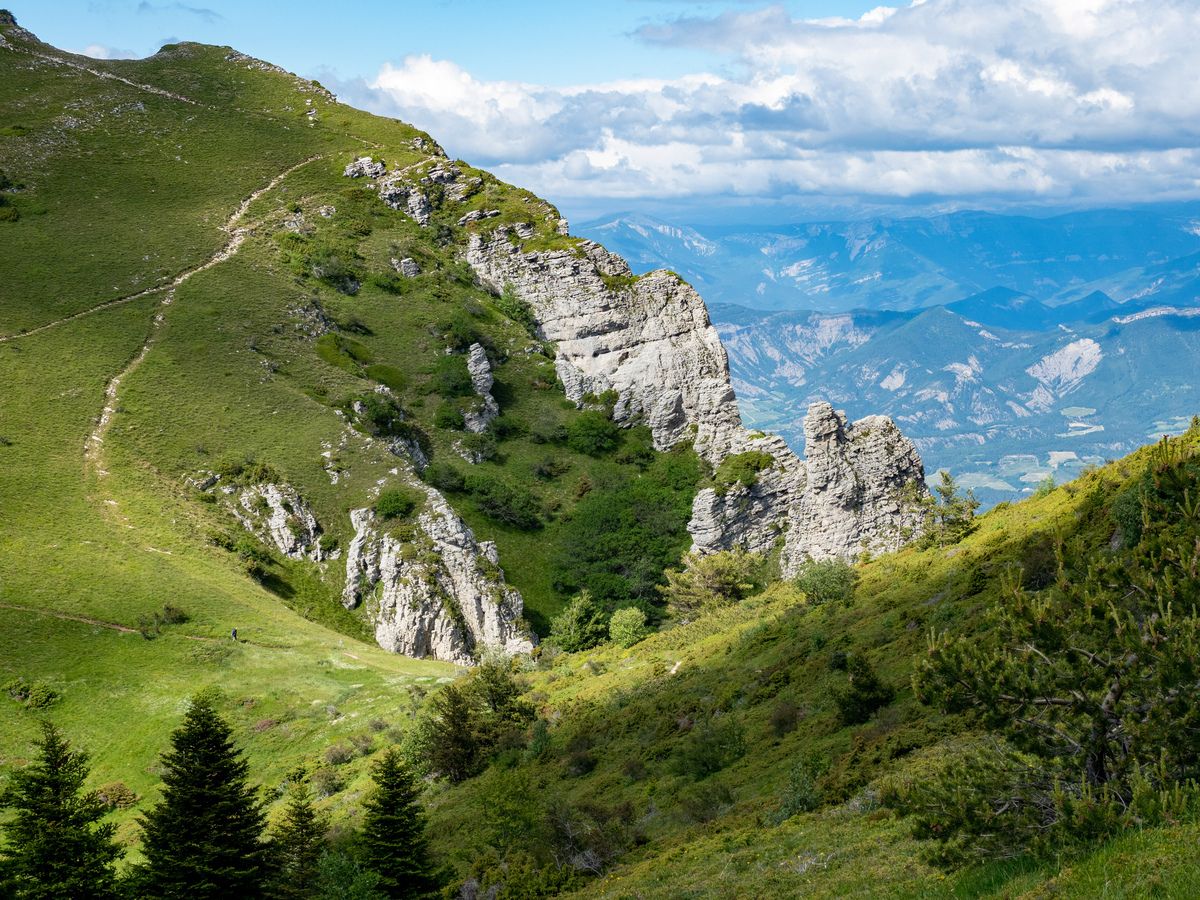
Beautiful rock formation near the Trois Becs
5
1

Beautiful mountain, the ridges in spring are grassy with flowers and magnificent views, hike done before the summer pastures (because pastures and patou)
1
0

Magnificent viewpoints for these unmissable peaks!
2
0

We call the Trois Becs, three summits with a similar profile, and perfectly aligned: the Veyou (1,589 meters), the Signal (1,559 meters), the Roche Courbe (1,545 meters).
2
0

Located on the summit of Pésteié, the Laveuse rock is a site a little set back not to be missed when climbing the Trois Becs. These rocks with unusual shapes constitute a natural window on the green mountains of the surroundings.
4
2
Frequently Asked Questions
What makes the natural monuments around Saou unique?
The natural monuments around Saou are unique due to their exceptional geological formations, particularly the "perched syncline" of the Forêt de Saou. This geological wonder, resembling a "stone ship," creates diverse habitats that support a rich array of plant and animal life, including species not typically found together like lavender and gentian. The dramatic limestone cliffs of the Trois Becs massif also contribute to the region's distinct landscape.
What are some of the most popular natural monuments to visit in Saou?
Among the most popular natural monuments are Le Veyou, the highest peak of the Trois Becs massif, offering expansive views of the Diois region. Another highly rated spot is Rocher de la Laveuse, a unique rock formation providing a natural window onto the surrounding green mountains. Visitors also frequently explore Roche Courbe, another significant summit within the Trois Becs.
Are there family-friendly natural monuments or activities around Saou?
While many trails in the Saou region can be challenging, the Forêt de Saou itself offers various paths suitable for families. The diverse ecosystems and unique geological features provide an engaging environment for children to explore nature. For specific family-friendly routes, it's advisable to check local guides or the Hiking around Saou guide for easier options.
What kind of outdoor activities can I do near the natural monuments?
The Saou region is ideal for various outdoor activities. Hiking is very popular, with numerous trails ranging from leisurely walks within the Forêt de Saou to more challenging treks up to the Trois Becs. You can find detailed routes in guides like Hiking around Saou and Mountain Hikes around Saou. There are also options for running, with routes available in the Running Trails around Saou guide.
What is the best time of year to visit the natural monuments in Saou?
The best time to visit the natural monuments around Saou is generally during spring and autumn. In spring, the forests are lush, and wildflowers bloom, while autumn offers vibrant foliage. Summer can also be pleasant, especially for higher altitude hikes, but it's wise to start early to avoid the midday heat. Winter visits are possible but may require appropriate gear for snow and ice, especially on higher peaks.
What geological features can I observe in the Forêt de Saou?
The most prominent geological feature in the Forêt de Saou is its unique "perched syncline." This extraordinary formation, often described as a "stone ship," is the result of ancient geological forces that left the syncline at a higher altitude than the surrounding terrain. This creates a fascinating landscape with diverse microclimates and habitats within the forest.
Are there any notable viewpoints among the natural monuments?
Yes, the region is rich in stunning viewpoints. Rocher de la Laveuse offers impressive views, acting as a natural window over the green mountains. The summits of Le Veyou and Roche Courbe, both part of the Trois Becs, also provide magnificent panoramic vistas of the Drôme valley and the surrounding landscapes.
What is the Trois Becs massif?
The Trois Becs (Three Beaks) is a prominent rock massif dominating the landscape around Saou. It comprises three distinct summits with similar profiles: Le Veyou (1,589 meters), Signal (1,559 meters), and Roche Courbe (1,545 meters). These towering limestone cliffs offer challenging hikes and breathtaking views.
Can I find information about the biodiversity of the Forêt de Saou?
The Forêt de Saou is recognized as a Site of Special Scientific Interest and a Natura 2000 zone due to its exceptional biodiversity. Its unique geology creates a variety of habitats, from fresh and damp areas to sunny and dry spots, fostering a rich array of plant and animal life. You can observe a unique cohabitation of species, including lavender and gentian, within its boundaries.
What do visitors enjoy most about the natural monuments around Saou?
Visitors frequently highlight the magnificent views from the summits, particularly the grandiose landscapes from Le Veyou and the extraordinary panoramas from Grand Delmas. The unique rock formations, such as Rocher de la Laveuse, are also a popular draw. The overall appeal lies in the combination of challenging hikes, stunning natural beauty, and the tranquility of the Drôme Provençale.
Are there any hidden natural gems near Saou worth exploring?
While the main natural monuments are well-known, the vastness of the Forêt de Saou and its unique geological structure mean there are many less-traveled paths and secluded spots to discover. Exploring the diverse habitats created by the "perched syncline" can lead to finding unique flora and fauna. For more detailed exploration, local maps and guides are recommended to uncover these hidden corners.
Where can I find more information about the Forêt de Saou?
For additional information about the Forêt de Saou, including its ecological significance and visitor details, you can visit the local tourism website: dieulefit-tourisme.com.
Most popular attractions around Saou

Get inspired with the komoot mobile app


Explore more
Extend your search for the best caves by checking out these guides of the top ones around Saou:
