Top 8 Natural Monuments around Le Grau-Du-Roi
Natural monuments around Le Grau-Du-Roi showcase the unique beauty and biodiversity of the Camargue region, a protected wetland environment in southern France. This coastal town offers diverse natural experiences, from expansive wild beaches and dune systems to vibrant wetlands and historic salt marshes. The area is characterized by a mosaic of natural environments including salt flats, lagoons, and marshlands, providing critical habitats for various wildlife. These sites offer opportunities to explore preserved Mediterranean ecosystems and traditional landscapes.
Best natural monuments…
Last updated: November 3, 2026
The Pink Salt Flats of Aigues-Mortes
Highlight • Natural
The tour with your own bike is possible from Mon-Sat and costs 22 €. There …
Translated by Google •
Tip by

ViaRhôna: Section Through the Camargue Biosphere Reserve Buffer Zone
Highlight (Segment) • Cycleway
Translated by Google •
Tip by

Sign up now to discover places like this
Get recommendations on the best single tracks, peaks, & plenty of other exciting outdoor places.
Salins d'Aigues-Mortes
Highlight • Natural
Translated by Google •
Tip by

Marais du vieux Vistre
Highlight • Natural
Translated by Google •
Tip by

Espiguette Beach
Highlight • Beach
Translated by Google •
Tip by

Sign up for free to discover even more natural monuments around Le Grau-Du-Roi.
Already have an account?
Start today with a free account
Your next adventure awaits.
Popular around Le Grau-Du-Roi
Loops between Nîmes and Le Grau-du-Roi – Train liO bike transport
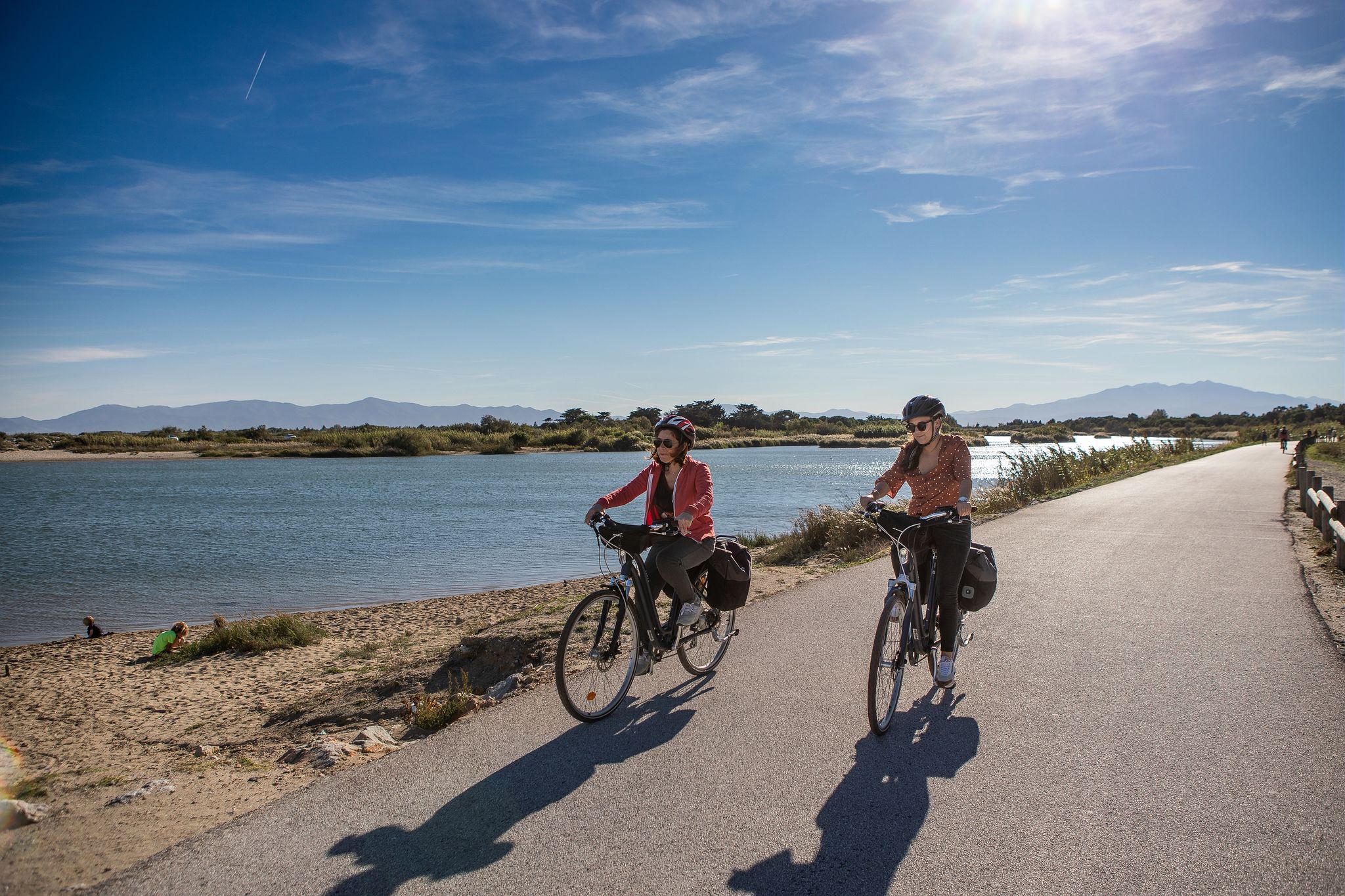
Méditerranée in Occitanie - Ten bike rides in the South of France
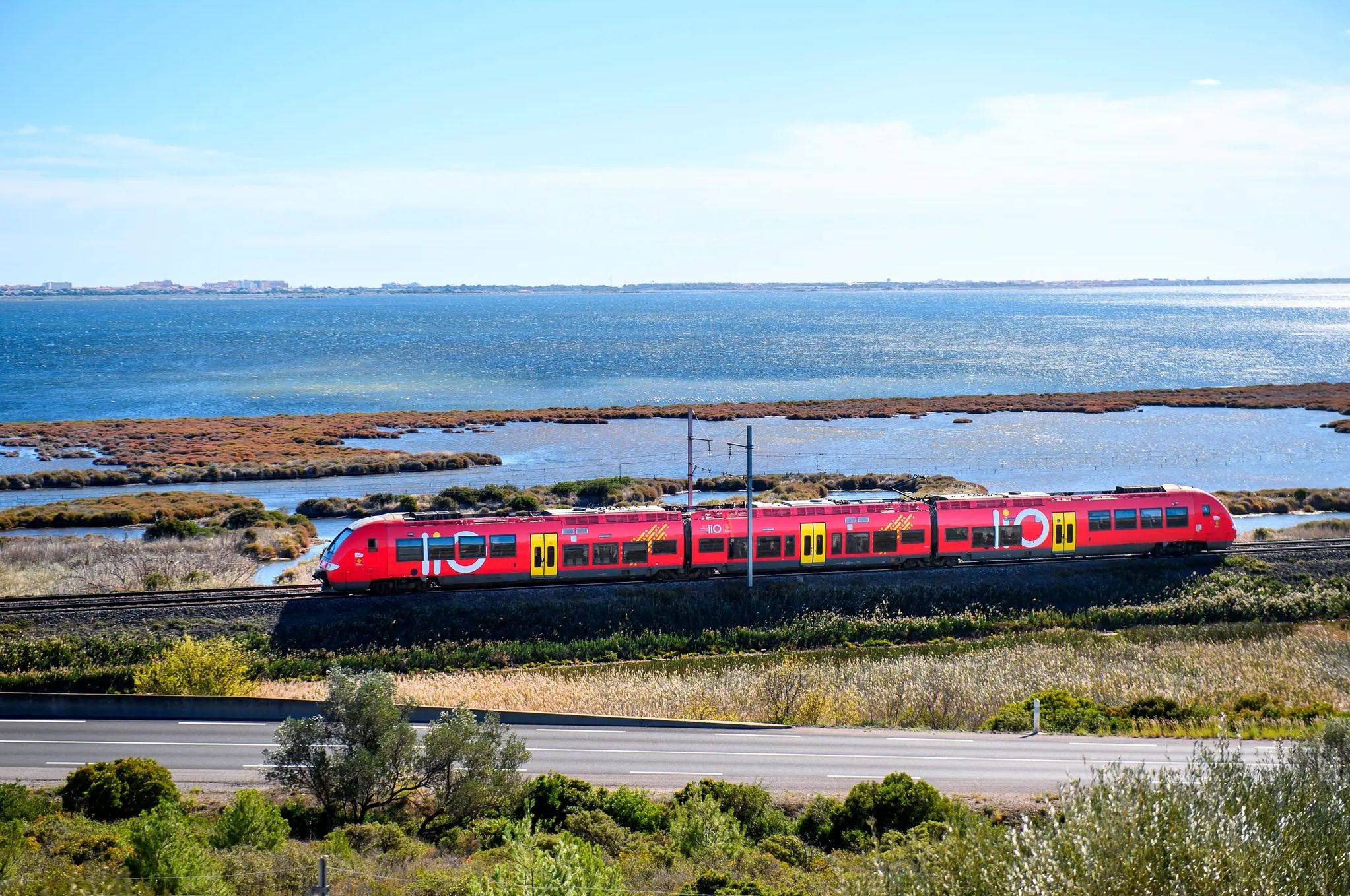
Occitanie Rail Tour – cycle and train along the Occitan Coast

Cycling around Le Grau-Du-Roi

Running Trails around Le Grau-Du-Roi

MTB Trails around Le Grau-Du-Roi

Hiking around Le Grau-Du-Roi

Road Cycling Routes around Le Grau-Du-Roi

Gravel biking around Le Grau-Du-Roi
Other adventures around Le Grau-Du-Roi


Tips from the Community

The Espiguette beach in Le Grau-du-Roi is one of the wildest and most unspoiled dune areas of the Mediterranean. It offers 10 kilometers of fine sand, bordered by dunes up to 12 meters high. It is classified as a Grand Site de France and is ideal for nature lovers and outdoor activities such as kitesurfing.
0
0

Unique place and unique nature reserve
0
0


I live in Grau du Roi and often drive in the area!!!! Easy circuit; only the wind can harm you; choose the direction of the wind so as to have it favorable to finish the outing (wind at your back)..Have a good ride everyone.Cdlt.Rv.
2
0
This is a walk in a paid park with limited accessibility regarding the time of day. Good to take this into account.
1
0

Too bad the salt works are private. We would like to cycle through them. Paid visit possible however.
4
1

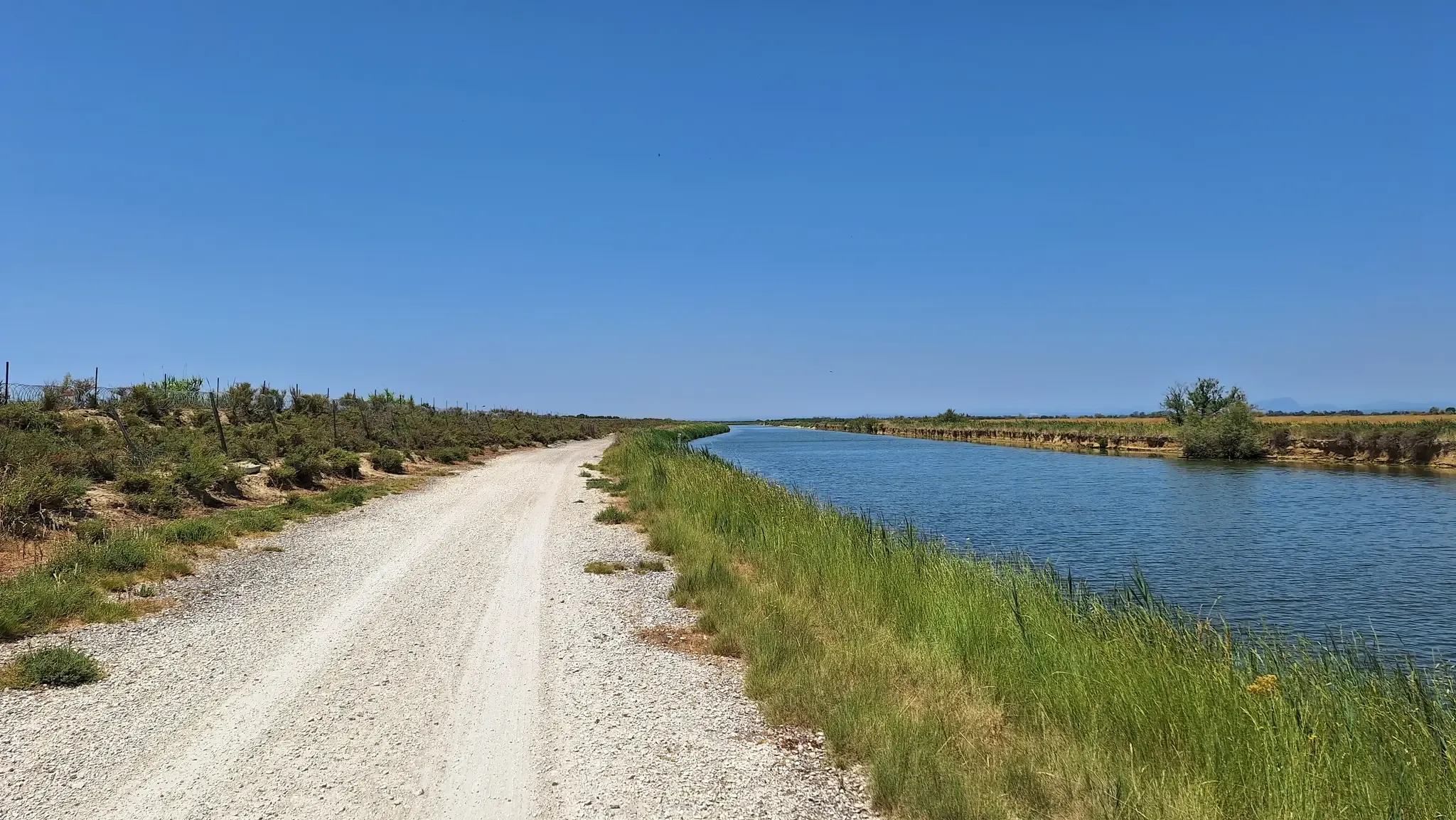
LONG AND BEAUTIFUL STRAIGHT LINES ... ENDLESS
2
0

It is the Camargue. It is a nature reserve, how not to be amazed while crossing these landscapes?
0
0
Frequently Asked Questions
What unique natural features can I explore around Le Grau-du-Roi?
Le Grau-du-Roi is nestled within the Camargue region, offering a diverse range of natural features. You can discover vast dune systems, extensive salt flats, and protected wetlands. A particularly striking feature is The Pink Salt Flats of Aigues-Mortes, known for their spectacular pink hues caused by a rare type of algae thriving in the salty water. The area also features numerous lagoons and marshlands, critical habitats for various wildlife.
Are there family-friendly natural sites near Le Grau-du-Roi?
Yes, several natural sites are suitable for families. The ViaRhôna: Section Through the Camargue Biosphere Reserve Buffer Zone is a cycle way offering easy circuits, perfect for a family bike ride. Another great option is Ponant Peninsula, which features a pleasant loop through a pine forest with wooden sculptures, ideal for walking or cycling with children. Additionally, the “Maison du Grand Site de France de la Camargue” offers an ecomuseum with educational trails accessible to the whole family.
Where can I observe wildlife, especially birds, in the natural monuments around Le Grau-du-Roi?
The Camargue region is a prime destination for wildlife spotting, particularly birdwatching. The Pink Salt Flats of Aigues-Mortes are an excellent spot to see flamingos. The broader Parc Naturel Régional de Camargue, which encompasses Le Grau-du-Roi, is a critical site for biodiversity, home to over 300 bird species and more than 400 migratory bird species, including the iconic pink flamingos, as well as semi-feral Camargue horses and bulls. The protected dune system of Pointe de l'Espiguette also provides habitat for 109 bird species.
What kind of outdoor activities can I do near these natural monuments?
The area around Le Grau-du-Roi offers a variety of outdoor activities. You can enjoy cycling along the ViaRhôna, which provides long, straight paths through the Camargue landscape. For hiking, there are numerous trails, including easy loops around the Ponant Peninsula. Mountain biking and gravel biking are also popular, with routes like the 'Constance Tower – Canal du Rhône à Sète loop' or the 'Tower of Constance – Le Grau-du-Roi loop'. You can find more details on routes in the hiking, MTB, and gravel biking guides for Le Grau-du-Roi.
What is the best time of year to visit the natural monuments in the Camargue region?
The Camargue region, including the natural monuments around Le Grau-du-Roi, is generally pleasant to visit in spring (April-May) and autumn (September-October). During these seasons, the weather is mild, and wildlife, especially migratory birds, is abundant. Summer can be very hot, while winter offers a quieter experience, though some facilities might have reduced hours.
Are there any natural monuments with historical significance in the area?
Yes, the Salins du Midi (Salt Marshes of Aigues-Mortes) have significant historical importance. They have been producing salt for centuries using traditional methods, offering a unique insight into the region's industrial heritage intertwined with its natural environment. The Phare de l'Espiguette (lighthouse) within the Pointe de l'Espiguette dune system is also classified as a Historic Monument.
Can I find easy walking trails suitable for beginners or casual strolls?
Absolutely. The Ponant Peninsula offers a nice, easy loop through a pine forest. The “Maison du Grand Site de France de la Camargue” also features a 1.6km walk through the Marette, which is accessible on foot by the whole family and free. These trails are perfect for a relaxed walk to enjoy the natural surroundings.
What are the characteristics of the Pointe de l'Espiguette?
Pointe de l'Espiguette is a vast and protected dune system located east of Le Grau-du-Roi. It stretches almost 18 kilometers along the Mediterranean coast, featuring immense white sand dunes, some reaching up to 12 meters high, and a long, wild, undeveloped beach. This 534-hectare site is a prime example of a preserved Mediterranean ecosystem, offering stunning, expansive landscapes. It's important not to climb or walk on the fragile dunes to help preserve them.
Is it possible to explore the natural monuments by bike?
Yes, cycling is a popular way to explore the natural monuments. The ViaRhôna offers excellent cycling opportunities with long, straight sections through the Camargue. You can also cycle through the Pink Salt Flats of Aigues-Mortes, with guided tours or by paying an entrance fee for your own bike. The Ponant Peninsula also has paths suitable for bikes.
Are there any viewpoints to get a panoramic perspective of the natural landscapes?
Yes, the Camargue region offers several opportunities for panoramic views. The “Maison du Grand Site de France de la Camargue” provides beautiful views of the Marette pond. While exploring the Ponant Peninsula, you can enjoy views of Ponant and La Vidourle. The vastness of the Pointe de l'Espiguette also offers expansive coastal vistas.
What are the main features of the Camargue Regional Natural Park?
The Camargue Regional Natural Park is a vast protected wetland environment covering 86,300 hectares. It's characterized by a mosaic of natural environments including salt flats, lagoons, and marshlands. This UNESCO biosphere reserve is renowned for its exceptional biodiversity, particularly its diverse birdlife (including pink flamingos), and its semi-feral Camargue horses and bulls. It's a unique landscape where traditional activities like salt production and bull/horse breeding coexist with nature conservation.
Most popular routes around Le Grau-Du-Roi
Most popular attractions around Le Grau-Du-Roi

Get inspired with the komoot mobile app


Explore more
Extend your search for the best caves by checking out these guides of the top ones around Le Grau-Du-Roi:
