Top 6 Natural Monuments around La Turballe
Best natural monuments around La Turballe include diverse coastal formations and significant wetlands. La Turballe, a seaside town in Loire-Atlantique, France, is situated between the ocean and marshes, offering a variety of natural landscapes. The area is characterized by its unique blend of coastal habitats, geological features like cliffs, and historical sites integrated into the natural environment. These natural monuments provide opportunities to explore rich flora and fauna, as well as traditional practices like salt farming.
Best natural monuments around La Turballe
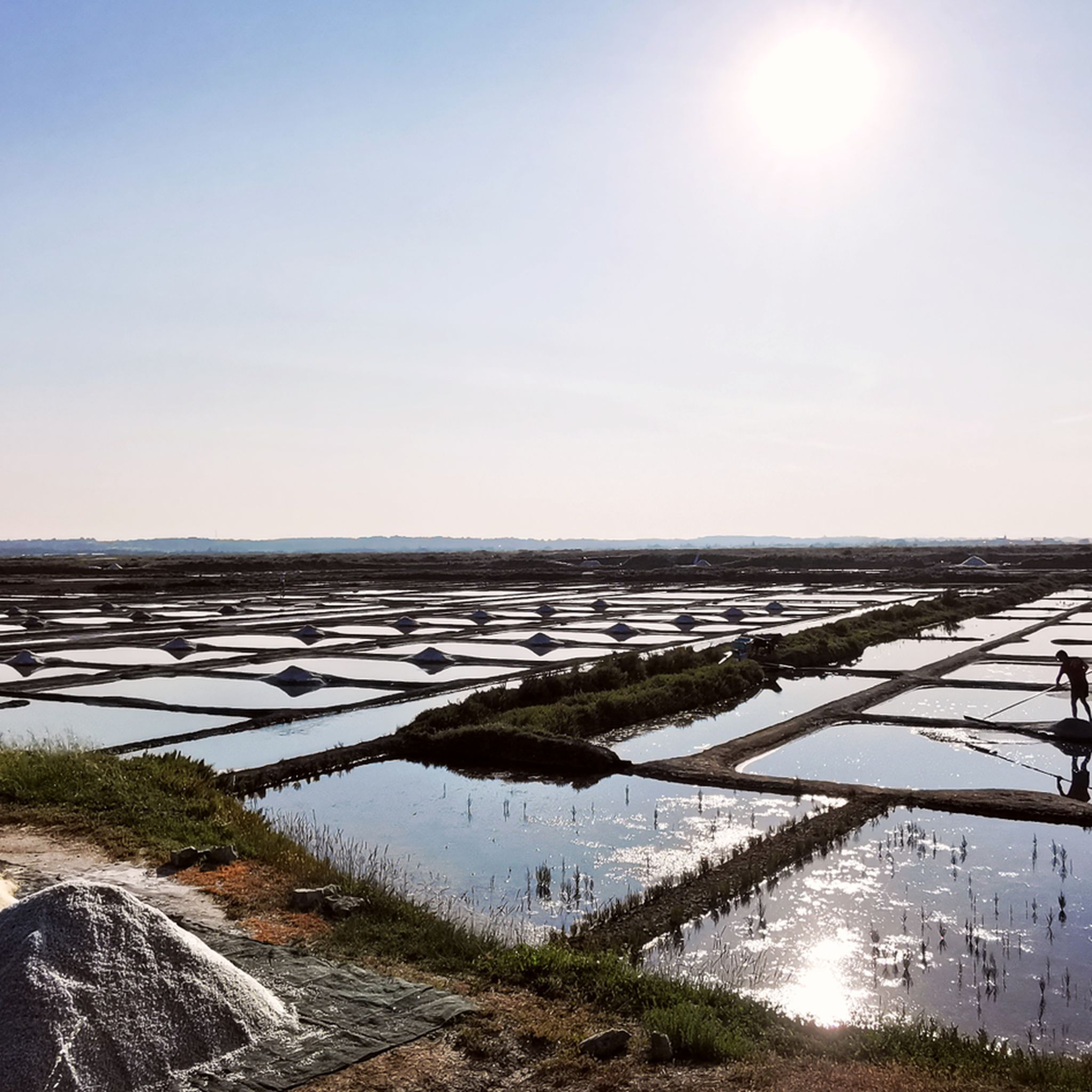
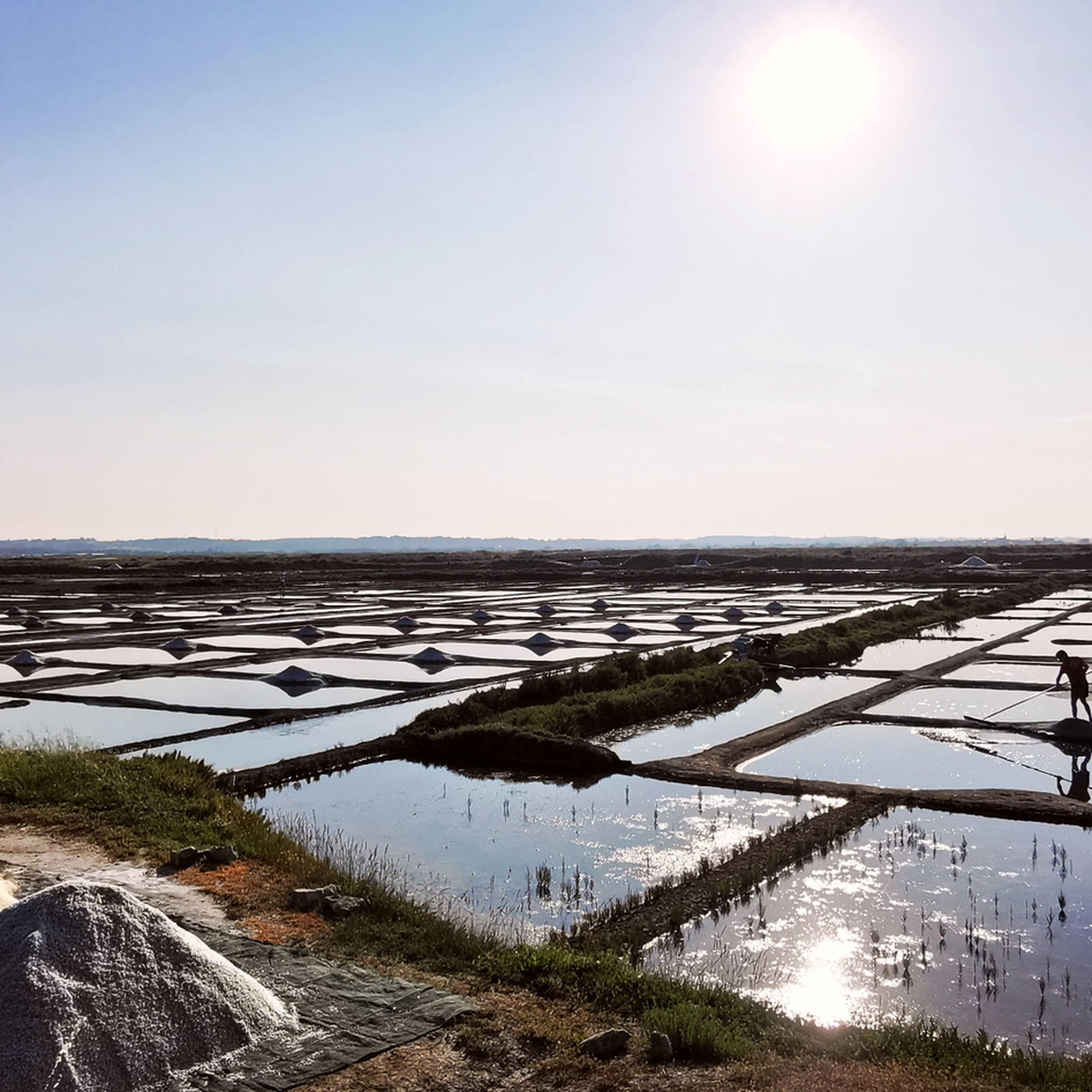
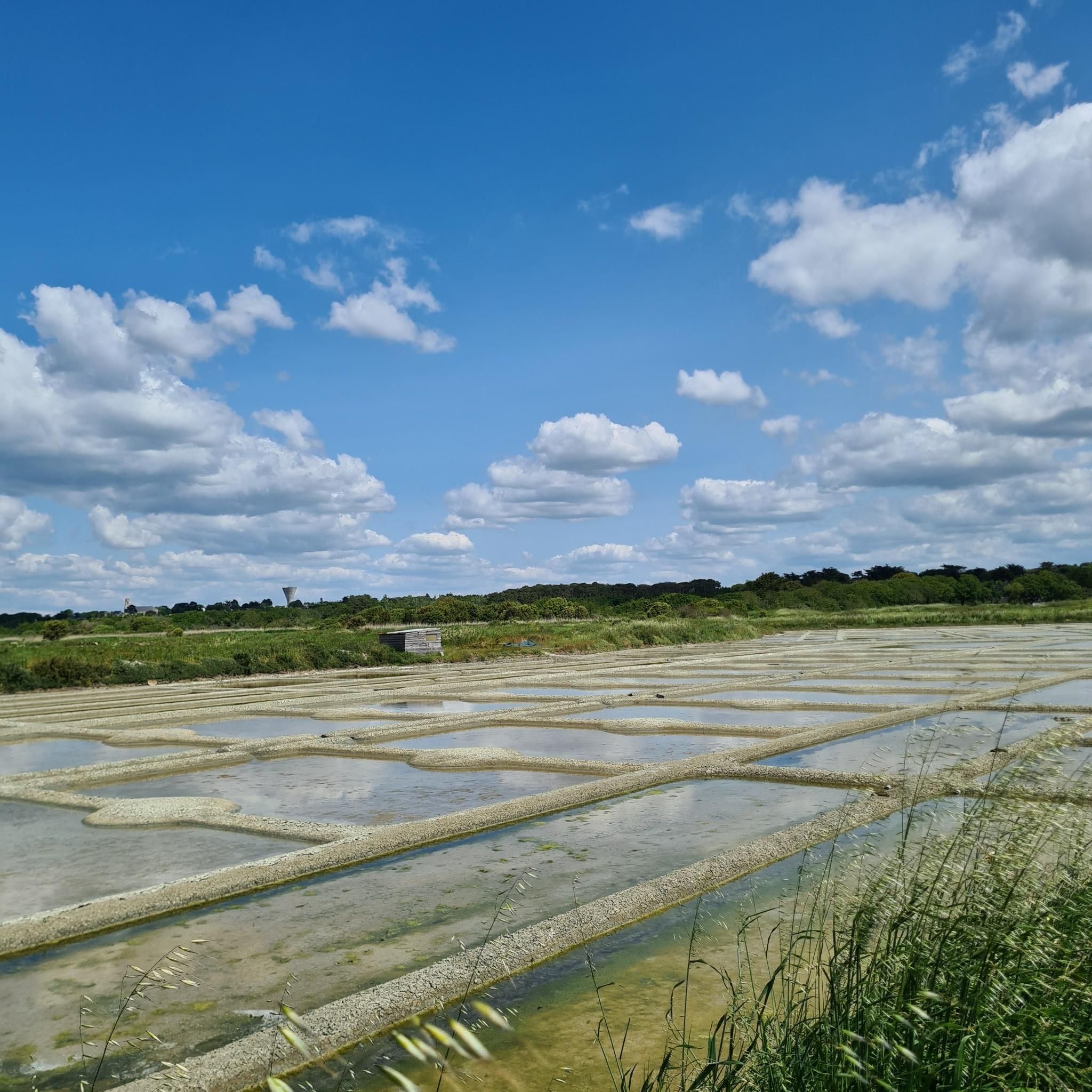
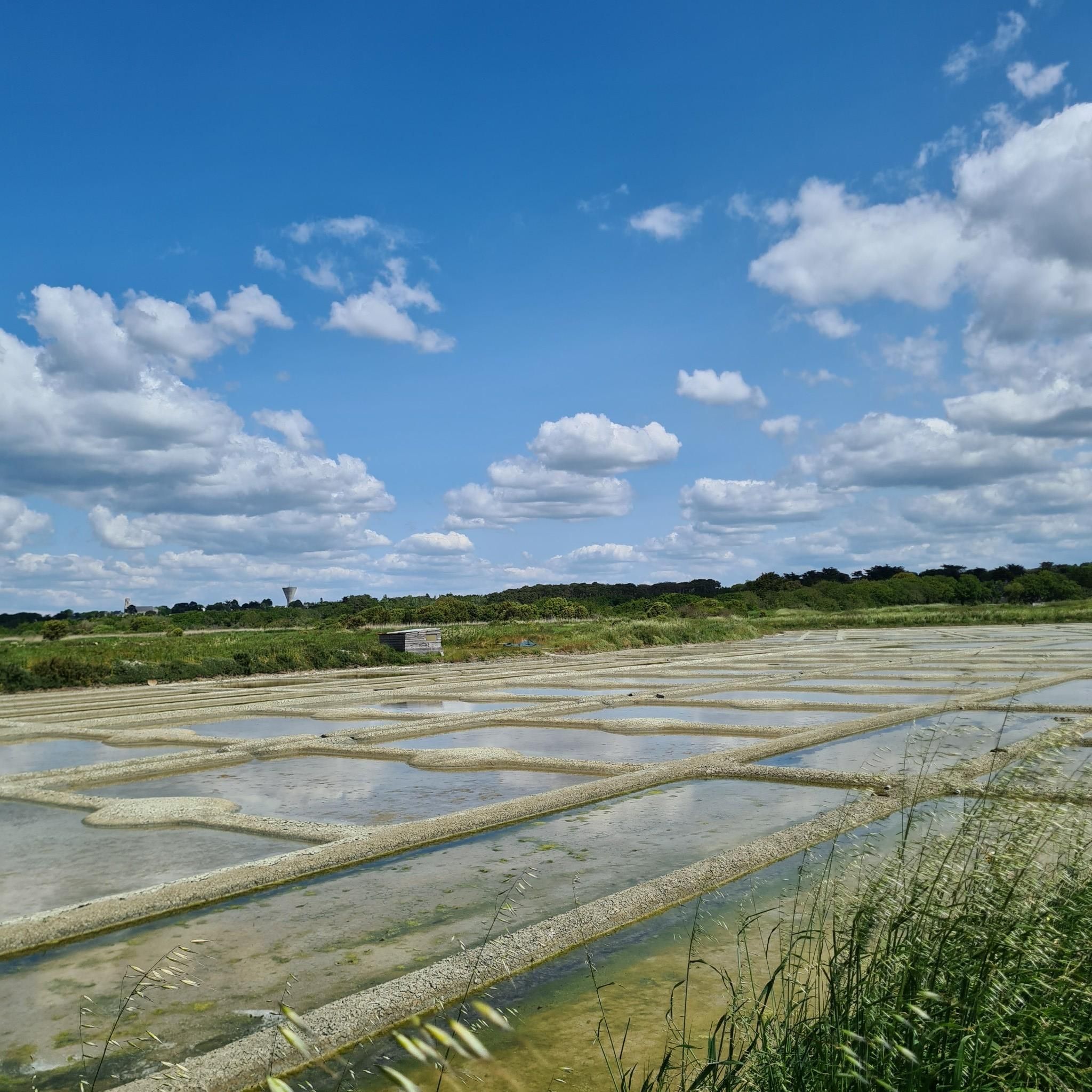
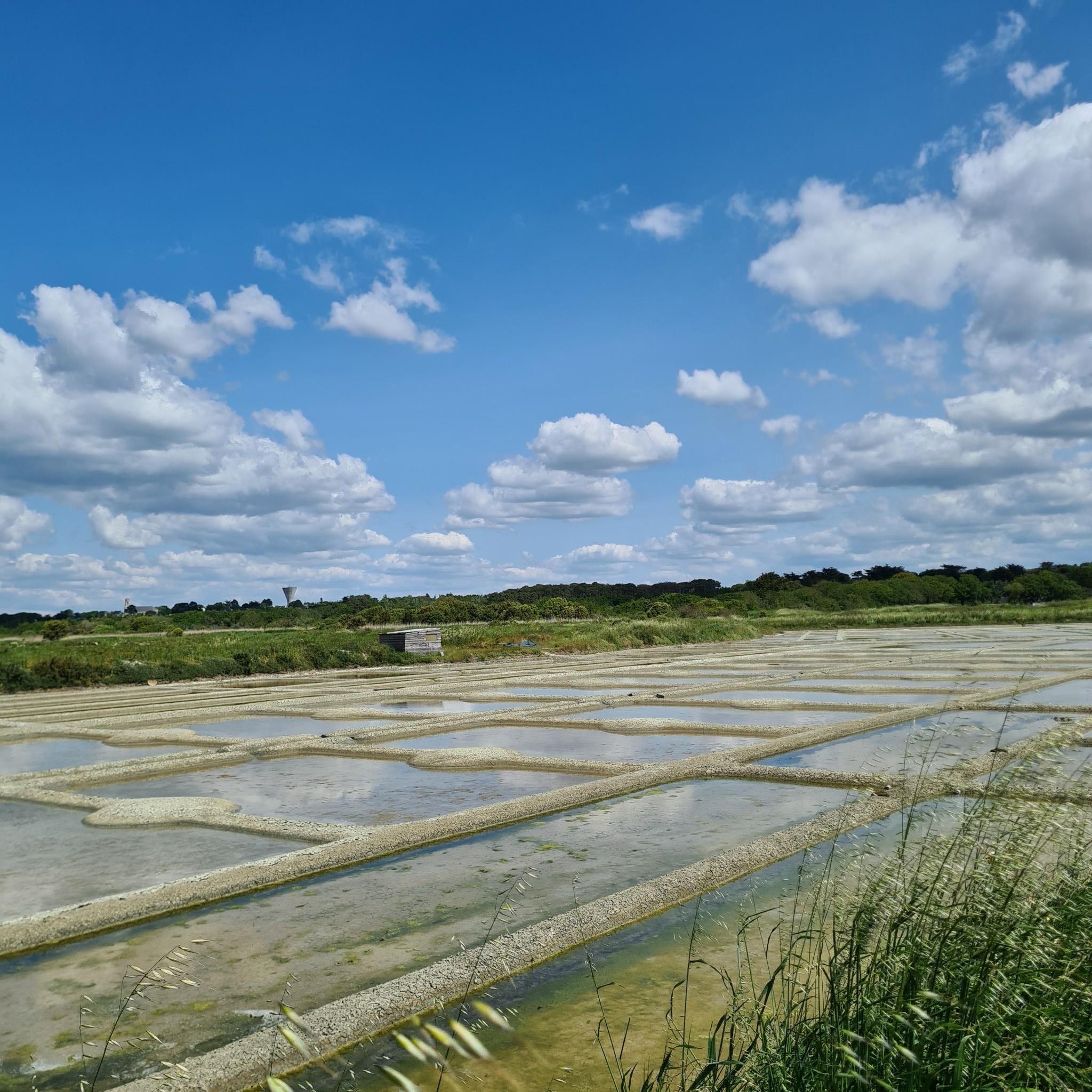
- The most popular natural monuments is Guérande Salt Marshes, a wetland historically used for sea salt production. This important area is slowly being reclaimed by local biodiversity and is recognized for its traditional salt farming.
- Another must-see spot is Pointe de Pen-Bron, a sandy peninsula that juts out into the ocean and is the largest natural dune in the department. This protected natural area features diverse landscapes including dunes and pine forests, offering views of the ocean.
- Visitors also love Long Stone, a menhir which is more than 2 meters high. This historical site offers views of the wild coast and served as a navigation aid for ships.
- La Turballe is known for coastal formations, wetlands, and historical natural monuments. The region offers a variety of natural monuments to see and explore, from sandy spits to ancient standing stones.
- The natural monuments around La Turballe are appreciated by the komoot community, with over 240 upvotes and 50 photos shared across the highlights.
Last updated: July 17, 2026
Long Stone
Highlight • Monument
Translated by Google •
Tip by

Guérande Salt Marshes
Highlight • Structure
Tip by

Sign up now to discover places like this
Get recommendations on the best single tracks, peaks, & plenty of other exciting outdoor places.
Sign up for free
Dolmens of Kerbourg
Highlight • Historical Site
Translated by Google •
Tip by

Saint Michael Menhir or Long Stone
Highlight • Beach
Translated by Google •
Tip by

Pointe de Pen-Bron
Highlight • Natural Monument
Translated by Google •
Tip by

Sign up for free to discover even more natural monuments around La Turballe.
Sign up for free
Already have an account?
Start today with a free account
Your next adventure awaits.
Login or Signup
Tips from the Community


Actually, it's more of an allée couverte—but I don't even want to know what Komoot translates into. Fifty meters further on, there's a second collapsed dolmen.
1
0
A small additional highlight on the beautiful path along the Côte Sauvage.
0
0

The menhir stands on a rock called the Tombeau du Diable, which itself covers the Trou du Diable. The rock is said to be the one where Saint-Michel confronted and defeated the Devil. According to legend, a treasure was buried at its foot by a child or a salt worker after having stolen it from the Korrigans cave, on the wild coast of Pouliguen. Until the 1870s-80s, tradition dictated that young girls from the village would come to consult this menhir around August 15. Through rounds and songs around the Long Stone, they asked for their projects to come true, including marriage. If by misfortune one of the dancers touched the stone, she would not get married within the year
0
1

Impressive dimensions. It is hidden away in a dead end street and absolutely worth seeing. In the immediate vicinity there is another dolmen, a pretty old mill and great little houses with thatched roofs.
0
0

The Pierre Longue or Signal menhir is a menhir located in the commune of Le Croisic, in the French department of Loire-Atlantique. https://fr.m.wikipedia.org/wiki/Pierre_Longue_(Le_Croisic)
0
0

Bike barge only really runs on weekends in June. Don’t get caught out like I did and have to ride all the way round/through the salt marshes in the evening wind and rain.
0
0
Frequently Asked Questions
What kind of natural features can I expect to see around La Turballe?
La Turballe offers a diverse range of natural features, from the expansive wetlands of the Guérande Salt Marshes, historically used for sea salt production, to the distinctive coastal landscapes of Pointe de Pen-Bron, which features the largest natural dune massif in the Loire-Atlantique department. You'll also find geological formations like the Rock Arch at Pointe du Castelli and ancient standing stones such as the Long Stone.
Are there family-friendly natural monuments to visit near La Turballe?
Yes, several natural monuments are suitable for families. The Guérande Salt Marshes offer an educational experience about traditional salt farming and local biodiversity. Pointe de Pen-Bron provides wide-open spaces for exploration with dunes and pine forests. Additionally, the Saint Michael Menhir or Long Stone is located on a beautiful beach, perfect for a family outing.
What outdoor activities can I do near the natural monuments?
The area around La Turballe is excellent for various outdoor activities. You can enjoy running on trails like the 'Penn Bron Cemetery loop' or 'Saint-Michel Beach – Port of Lérat loop'. For cycling, there are options for gravel biking, including routes through the Guérande Salt Marshes, and road cycling routes that take you along the coast and past points like Pointe de Pen-Bron. You can find more details on these activities in the Running Trails around La Turballe, Gravel biking around La Turballe, and Road Cycling Routes around La Turballe guides.
Are there any historical natural monuments in the region?
Yes, the region features historical natural monuments. The Long Stone, a menhir over two meters high, served as a navigation aid for ships and offers views of the wild coast. Another significant menhir is the Saint Michael Menhir or Long Stone, which is steeped in local legends and traditions.
What is the best time to visit the natural monuments around La Turballe?
La Turballe, being a seaside town, is generally pleasant to visit during warmer months, from spring to early autumn, when you can fully enjoy the coastal paths, beaches, and outdoor activities. However, the natural beauty of sites like Guérande Salt Marshes and Pointe de Pen-Bron can be appreciated year-round, offering different atmospheric experiences in each season.
What kind of wildlife can I observe at these natural sites?
The natural monuments around La Turballe are rich in biodiversity. Pointe de Pen-Bron, for instance, is a protected natural area recognized by Natura 2000 and serves as a Special Protection Area for birds, making it an excellent spot for birdwatching. The Guérande Salt Marshes are also important wetlands that support diverse local flora and fauna.
Is parking available at the natural monuments?
While specific parking details for each monument are not always listed, popular sites like Pointe de Pen-Bron and the Guérande Salt Marshes typically have designated parking areas nearby due to their popularity. It's advisable to check local signage upon arrival.
Are there any easy-to-access natural monuments for a relaxed visit?
For an easy and relaxed visit, the Guérande Salt Marshes offer accessible paths to observe the landscape and salt production. Pointe de Pen-Bron also features signposted footpaths and cycle paths, making it easy to explore its diverse coastal environment.
What do visitors enjoy most about the natural monuments in La Turballe?
Visitors frequently praise the stunning views and unique landscapes. The Guérande Salt Marshes are appreciated for their historical significance and the opportunity to try local salt. Pointe de Pen-Bron is loved for its uninterrupted ocean views and diverse natural habitats. The Long Stone is noted for its beautiful view of the wild coast.
Can I find circular walks around the natural monuments?
Yes, the region offers opportunities for circular walks. For example, the 'Penn Bron Cemetery loop' is a moderate running trail that can also be walked, and there are various cycling routes that form loops around key natural sites like Pointe de Pen-Bron and the Guérande Salt Marshes. These routes often provide scenic circular paths for exploration.
Are there any lesser-known natural gems worth discovering near La Turballe?
While Pointe de Pen-Bron and the Guérande Salt Marshes are well-known, the Rock Arch at Pointe du Castelli offers a unique geological formation that is a treasure to explore, especially at low tide. It provides a natural playground of boulders and smooth rocks, offering a different coastal experience.
What is the terrain like at the natural monuments?
The terrain varies significantly across the natural monuments. At Pointe de Pen-Bron, you'll find sandy dunes and pine forests. The Guérande Salt Marshes feature flat, open wetland paths. Coastal areas like Jumel Bay and Pointe du Castelli are characterized by rocky cliffs and flat, smooth rocks, which can be explored at low tide.
Most popular routes around La Turballe
Most popular attractions around La Turballe

Get inspired with the komoot mobile app


Explore more
Extend your search for the best caves by checking out these guides of the top ones around La Turballe:
