Top 13 Natural Monuments around Saint-Didier
Best natural monuments around Saint-Didier are found in the Provence-Alpes-Côte d'Azur region of France. This area is characterized by its diverse natural features, including prominent mountains and powerful river sources. The landscape offers a range of geological formations and scenic viewpoints. Visitors can explore unique natural attractions that define the region's character.
Best natural monuments around Saint-Didier
- The most popular natural monuments is Fontaine-de-Vaucluse, a natural resurgence where the Sorgue River emerges from underground. This site is known as…
Last updated: July 3, 2026
Fontaine-de-Vaucluse
Highlight • Monument
Translated by Google •
Tip by

Ravin des Sitos (South Entrance)
Highlight • Canyon
Translated by Google •
Tip by

Sign up now to discover places like this
Get recommendations on the best single tracks, peaks, & plenty of other exciting outdoor places.
Sign up for free
Sénancole Valley
Highlight • Gorge
Translated by Google •
Tip by

Source of the Sorgue
Highlight • River
Translated by Google •
Tip by

Obelisk With a View Over the Sorgue Valley
Highlight • Monument
Tip by

Sign up for free to discover even more natural monuments around Saint-Didier.
Sign up for free
Already have an account?
Start today with a free account
Your next adventure awaits.
Login or Signup

Tips from the Community

Power of the Sorgue at Fontaine de Vaucluse
0
0

A beautiful and mostly leisurely hiking trail through the gorge. Occasional climbing sections.
0
0

Hike done with a group of 17 from the village of Borries towards Senanque which we were unable to reach. The path in the Senancole valley is pleasant even if strewn with small pitfalls. At the top of the valley the rocky passage is too difficult for some people and we had to turn back.
0
0

The place is the namesake of the department of Vaucluse. Until 1946, this was also the official name of the municipality. In order to avoid confusion, it was decided in that year to change the name to Fontaine-de-Vaucluse. Vaucluse is derived from the Latin "Vallis clausa" which means "closed valley". During the Middle Ages, the village church was a place of pilgrimage because of the tomb of Bishop Veranus of Cavaillon.
9
2

The route is again open we walked it today with many others.
4
5

Mormoiron Ocher Art Gallery!
1
1

Short but very impressive route with a wonderful play of colors.
0
0

Great place especially when the sun shines because of the red color
0
0
Frequently Asked Questions
What unique geological features can I explore around Saint-Didier?
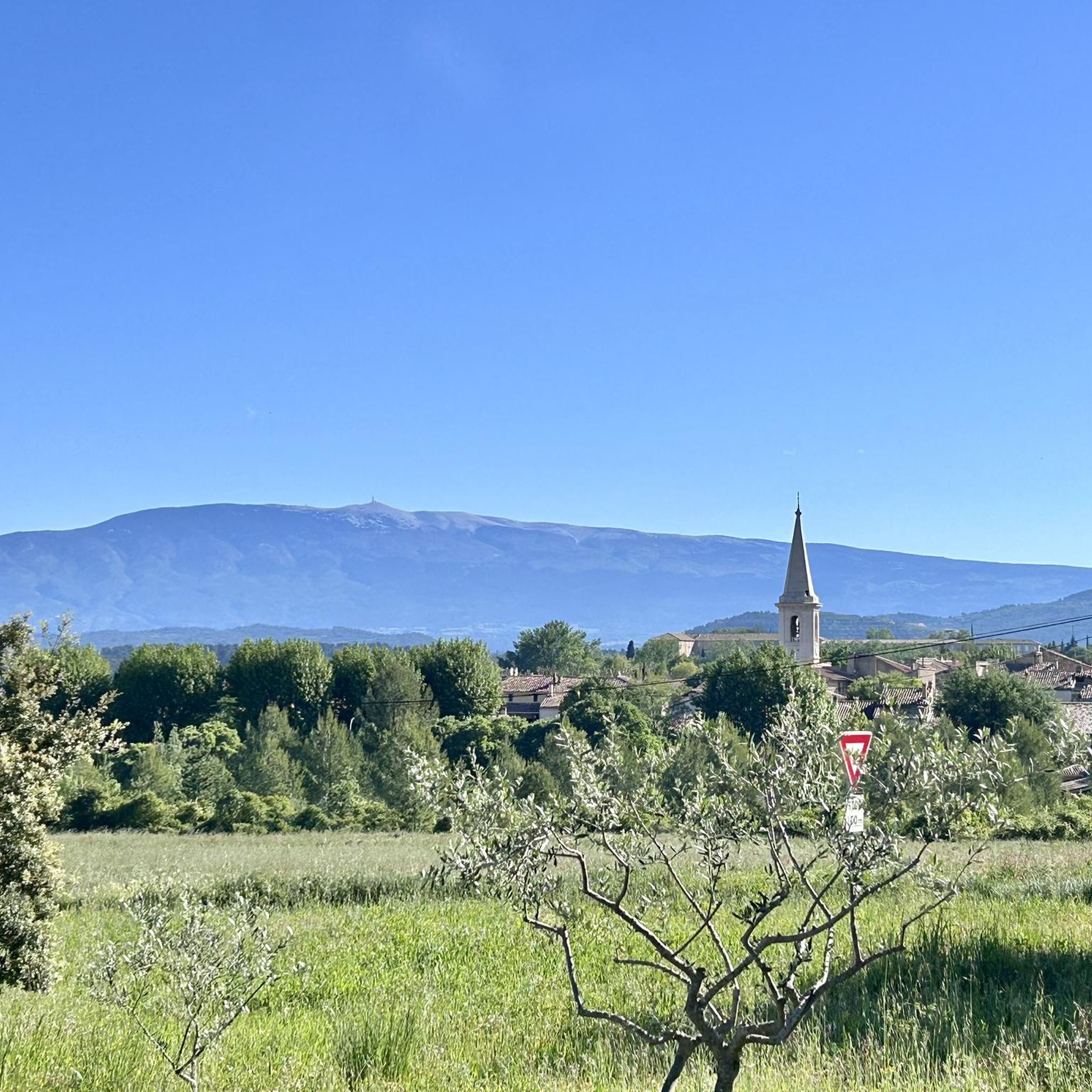
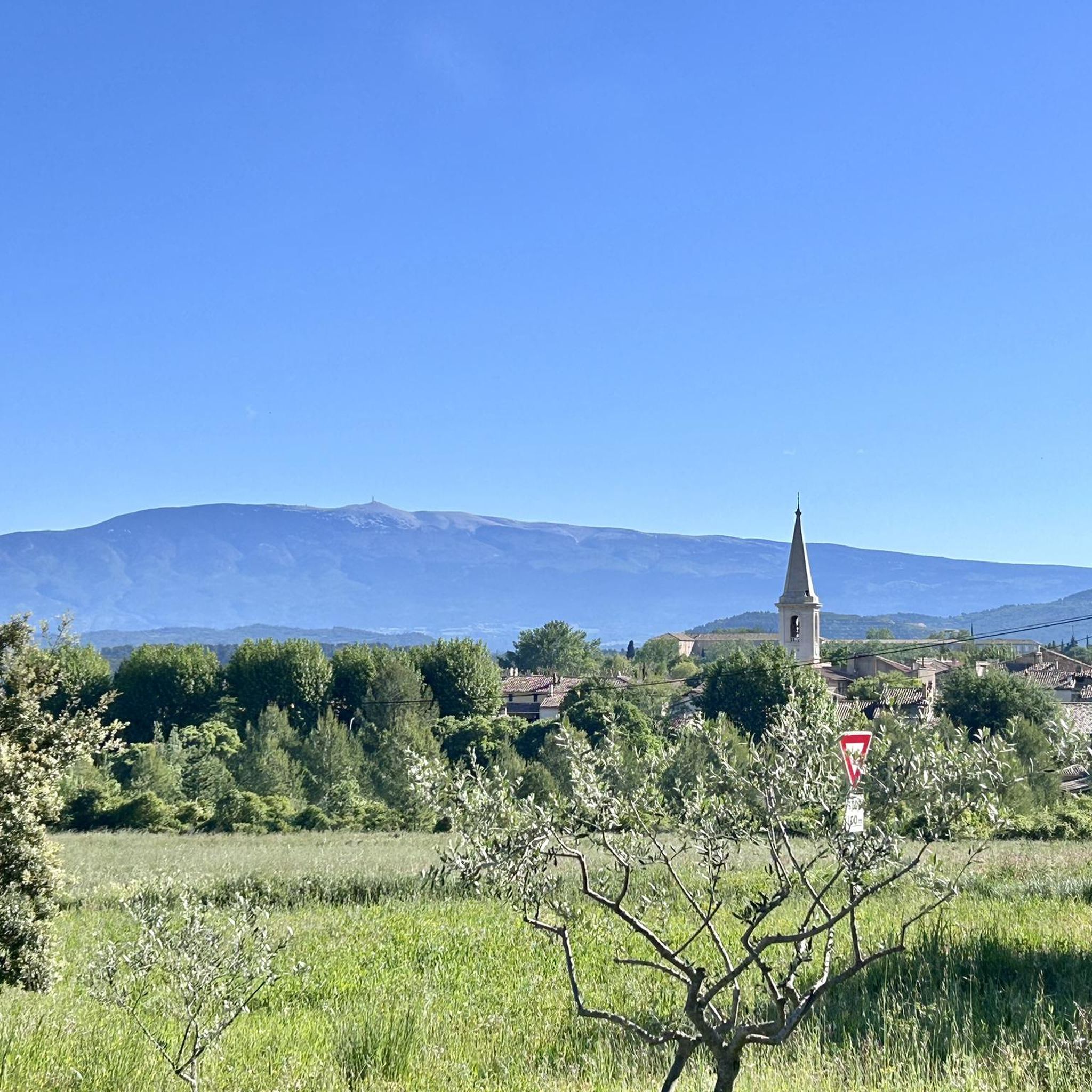
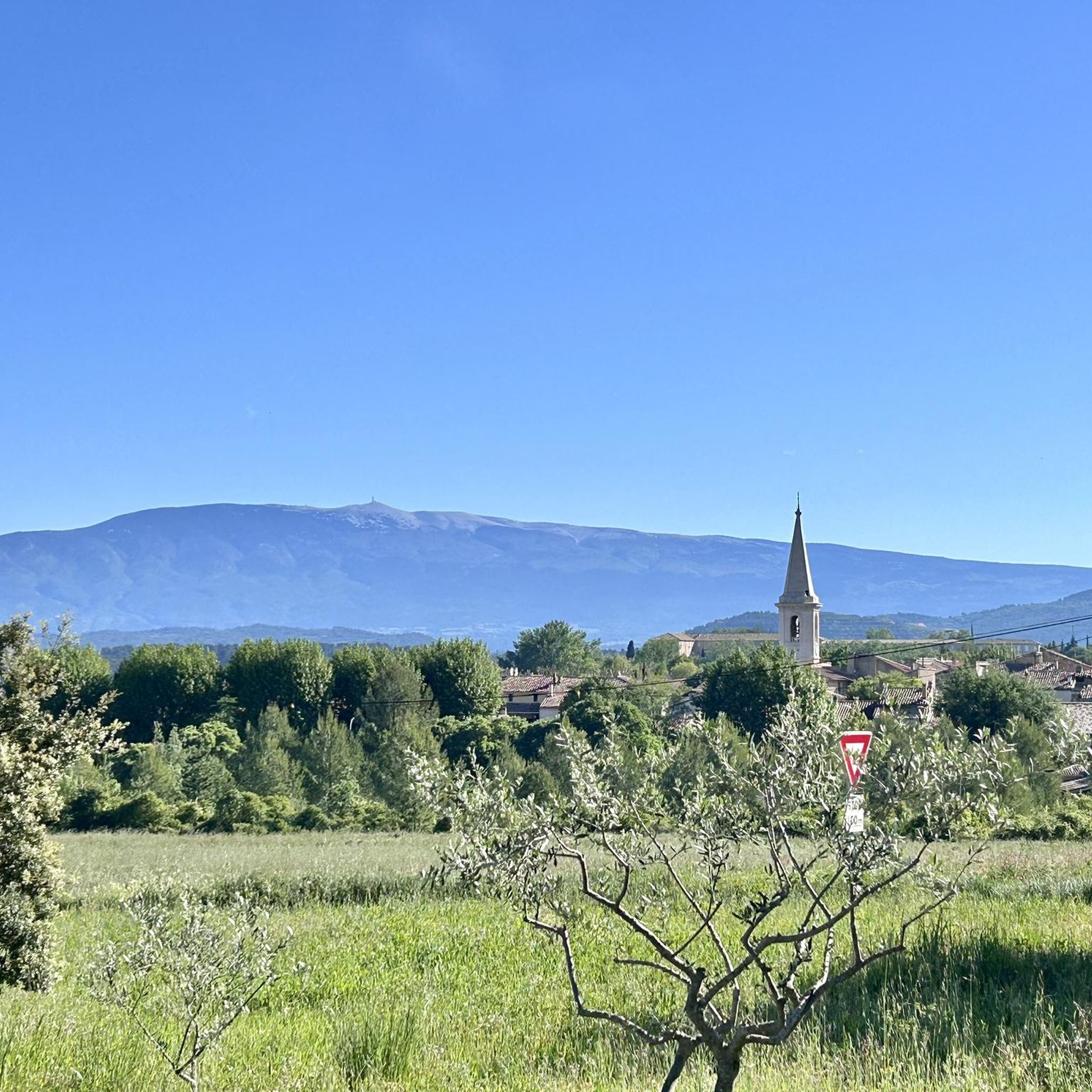
The region around Saint-Didier offers several distinct geological formations. You can visit Ravin des Sitos (South Entrance), a canyon known for its striking ocher walls, where you can walk between 5-meter high formations. Another significant feature is Fontaine-de-Vaucluse, the largest resurgence in Europe, where the Sorgue River emerges from a deep underground network at the base of a 230-meter cliff. Additionally, the iconic Mont Ventoux, often called the "Giant of Provence," presents diverse ecosystems and a unique bald peak.
Are there any impressive viewpoints of the natural landscape near Saint-Didier?
Yes, there are several spots offering expansive views. The Obelisk With a View Over the Sorgue Valley provides spectacular vistas over the surrounding valley. For a more challenging experience, the Sénancole Valley offers viewpoints amidst its gorge, though it requires surefootedness. Mont Ventoux also provides panoramic views from its summit, showcasing the vast Provençal landscape.
Are there family-friendly natural monuments to visit around Saint-Didier?
Absolutely. Fontaine-de-Vaucluse is a popular and family-friendly destination, offering easy access to the impressive source of the Sorgue River. Its clear waters and the surrounding village make for a pleasant outing. While some areas like the Ravin des Sitos are accessible, always consider the terrain and difficulty for younger children.
What outdoor activities can I do near these natural monuments?
The area around Saint-Didier is excellent for various outdoor activities. You can find numerous routes for mountain biking, cycling, and gravel biking. For detailed routes and guides, explore MTB Trails around Saint-Didier, Cycling around Saint-Didier, and Gravel biking around Saint-Didier.
Are there challenging natural monuments or trails for experienced hikers?
Yes, for experienced hikers, the Sénancole Valley offers a challenging gorge with sections requiring surefootedness and some scrambling. The ascent can be demanding, but it leads to rewarding views. Additionally, hiking or cycling up Mont Ventoux is a significant challenge, known for its steep climbs and exposed terrain near the summit.
What is the best time of year to visit the natural monuments around Saint-Didier?
The spring and autumn months are generally ideal for visiting the natural monuments around Saint-Didier. During these seasons, the weather is pleasant for outdoor activities like hiking and cycling, and the landscapes are particularly vibrant. Spring brings lush greenery and strong water flow at Fontaine-de-Vaucluse, while autumn offers beautiful colors, especially in the ocher landscapes.
What do visitors enjoy most about the natural monuments in this region?
Visitors frequently highlight the stunning natural beauty and the unique geological formations. The surreal colors of the ocher walls in Ravin des Sitos are often praised. The powerful resurgence of the Sorgue River at Fontaine-de-Vaucluse, with its enormous flow and picturesque setting, is also a major draw. Many appreciate the spectacular views from spots like the Obelisk With a View Over the Sorgue Valley.
Can I find natural monuments suitable for a leisurely walk?
Yes, Fontaine-de-Vaucluse offers a pleasant and easy walk to the source of the Sorgue River, suitable for all ages. The path is generally flat and well-maintained, allowing for a relaxed exploration of this natural wonder and the charming village surroundings.
Are there any natural monuments with historical significance?
While primarily natural, Fontaine-de-Vaucluse has historical connections, having attracted poets and writers like Petrarch, Chateaubriand, and Frédéric Mistral who came to meditate by its powerful source. The village itself, from which the department of Vaucluse takes its name, has a rich history dating back to the Middle Ages.
What should I wear when visiting natural monuments in Provence?
For comfortable exploration, wear sturdy walking shoes, especially if you plan to hike or explore uneven terrain like the Ravin des Sitos or Sénancole Valley. Layered clothing is advisable, as temperatures can vary, particularly between shaded areas and open viewpoints. Don't forget sun protection, including a hat and sunscreen, especially during warmer months.
Is public transport available to reach natural monuments around Saint-Didier?
While Saint-Didier itself has some local transport, reaching specific natural monuments often requires a car for convenience and flexibility. Some popular sites like Fontaine-de-Vaucluse may have more direct public transport options or tour bus access, but for more remote locations or trailheads, a private vehicle is recommended.
Are there any natural monuments that are less crowded or considered 'hidden gems'?
While popular sites like Fontaine-de-Vaucluse can be busy, especially in peak season, visiting early in the morning or late in the afternoon can offer a more tranquil experience. Exploring lesser-known trails within areas like the Sénancole Valley can lead to quieter spots, though these often require more challenging navigation and surefootedness.
Most popular routes around Saint-Didier
Most popular attractions around Saint-Didier

Get inspired with the komoot mobile app


Explore more
Extend your search for the best caves by checking out these guides of the top ones around Saint-Didier:
