Top 8 Natural Monuments around Mourèze
Natural monuments around Mourèze are characterized by unique geological formations and diverse landscapes. The region is home to the Cirque de Mourèze, a vast amphitheater of dolomite rock formations sculpted by millennia of erosion. This area, nestled within the Haut-Languedoc regional natural park, offers a distinctive blend of greyish rocks, golden sand, and Mediterranean vegetation. Visitors can explore a variety of natural attractions, from dramatic viewpoints to serene lakes, showcasing the area's geological history and natural beauty.
Best natural monuments…
Last updated: October 20, 2026
Salagou Dam
Highlight • Monument
Translated by Google •
Tip by

Cirque de Mourèze Viewpoint
Highlight • Viewpoint
Translated by Google •
Tip by

Sign up now to discover places like this
Get recommendations on the best single tracks, peaks, & plenty of other exciting outdoor places.
Vissou Peak
Highlight • Summit
Translated by Google •
Tip by
Olivettes Dam
Highlight • Monument
Translated by Google •
Tip by

Lac de Vailhan
Highlight • Lake
Translated by Google •
Tip by

Sign up for free to discover even more natural monuments around Mourèze.
Already have an account?
Start today with a free account
Your next adventure awaits.

Tips from the Community

Once at the summit, the effort is well rewarded: a magnificent 360° panorama opens up over the Cabrières mountains, the vast Languedoc plain, and the Mediterranean. In clear weather, the view extends as far as the Pyrenees and, sometimes, to Mont Ventoux. On the other side, while Mont Saint-Baudille can be seen in the distance, the relief of Liausson, the dolomitic cirque of Mourèze, the Lousses, and Mont Mars create a spectacular setting. The Pic de Vissou also tells a story: about 470 to 450 million years ago, in the Ordovician period, fine sediments were deposited in a marine environment before transforming into shales. In the Devonian period, between about 390 and 360 million years ago, the sea saw the formation of white limestones, rich in marine fossils, but also red griotte limestones, whose color is linked to iron oxides. In the Carboniferous period, about 350 to 330 million years ago, lydites, dark siliceous rocks, appeared, as well as fine sediments that would become shales. Then the formation of the Hercynian chain disrupted this whole area: the rocks were deformed and displaced. At Vissou, ancient terrains are thus found above younger terrains, testifying to a complex tectonic history. Erosion then shaped the current relief.
3
0

One of the most beautiful lakes in France, clearly!!
0
0
Cross the dam and climb up to admire the lake from the heights, it's magnificent !!
0
0


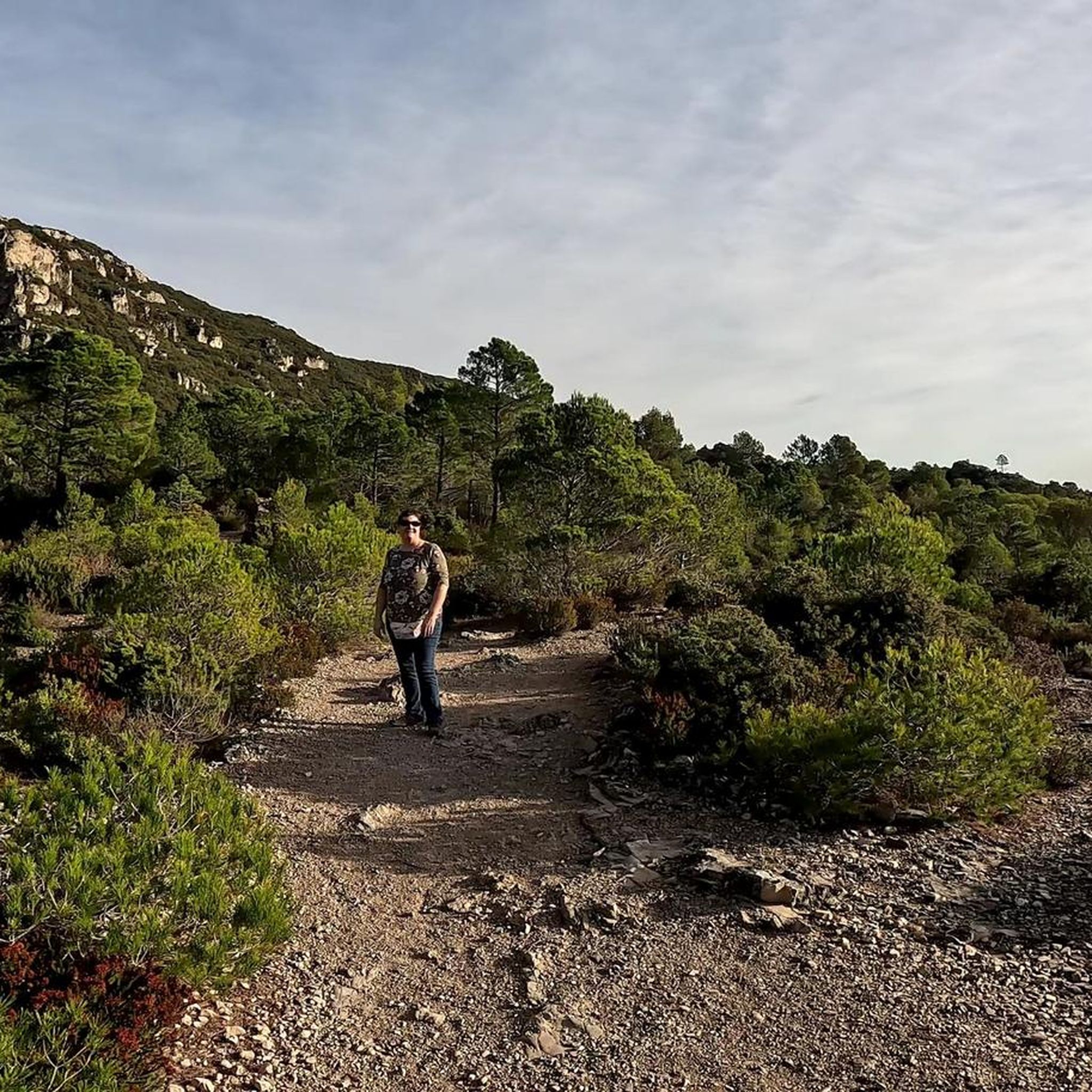
A superb 360-degree viewpoint that is well worth it! Be careful if you choose to descend by any path from the summit, expect trails with difficulty levels S3-S4!
0
0

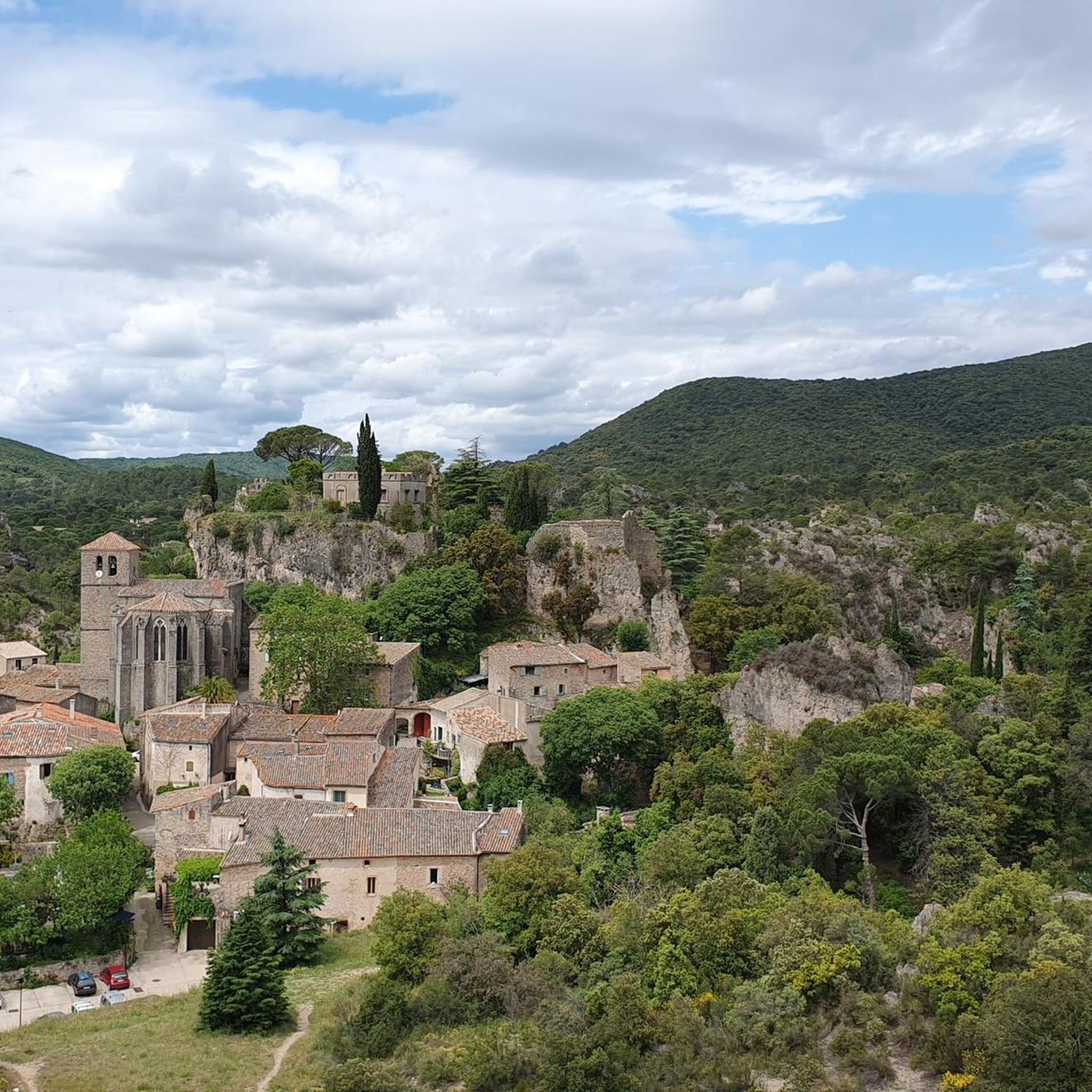
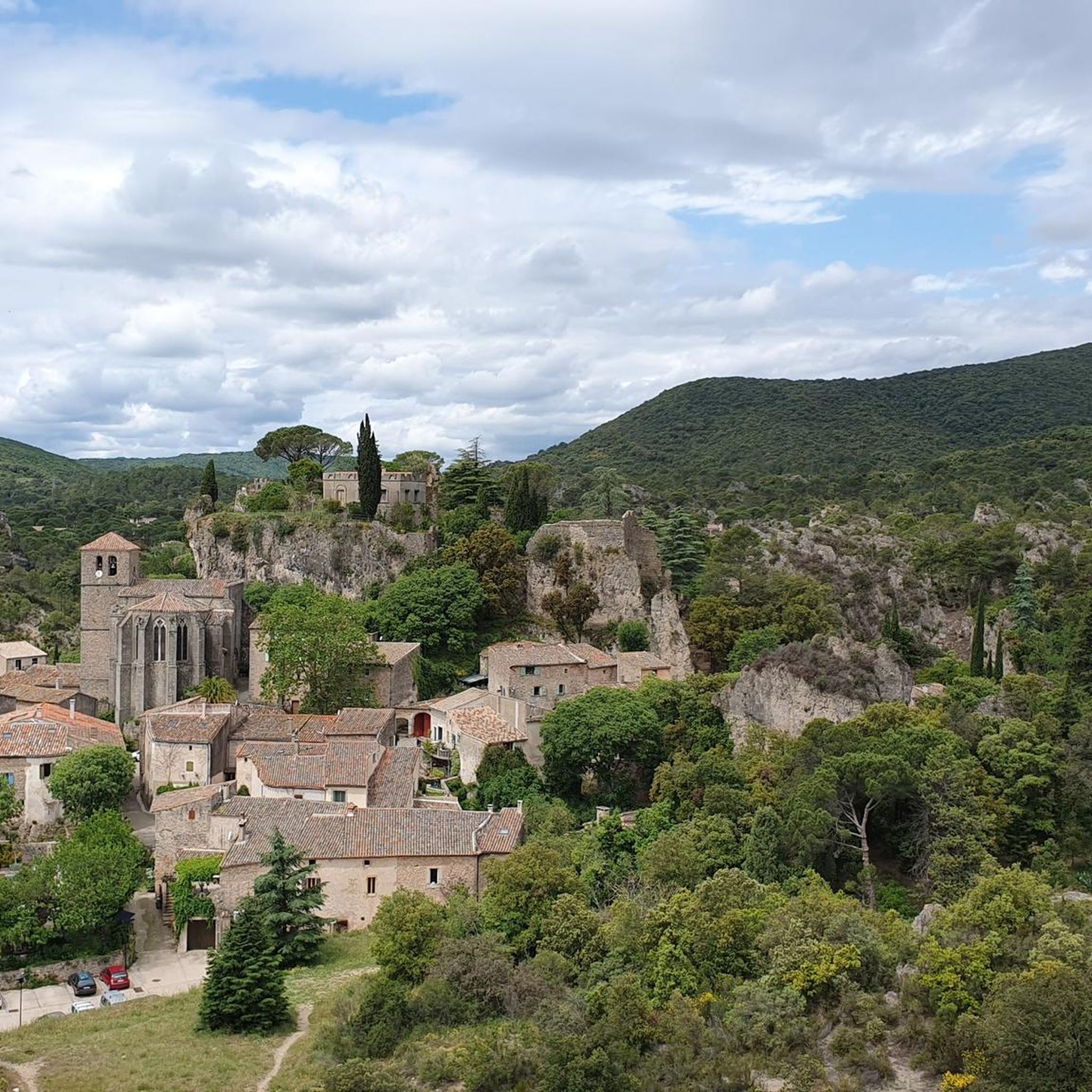
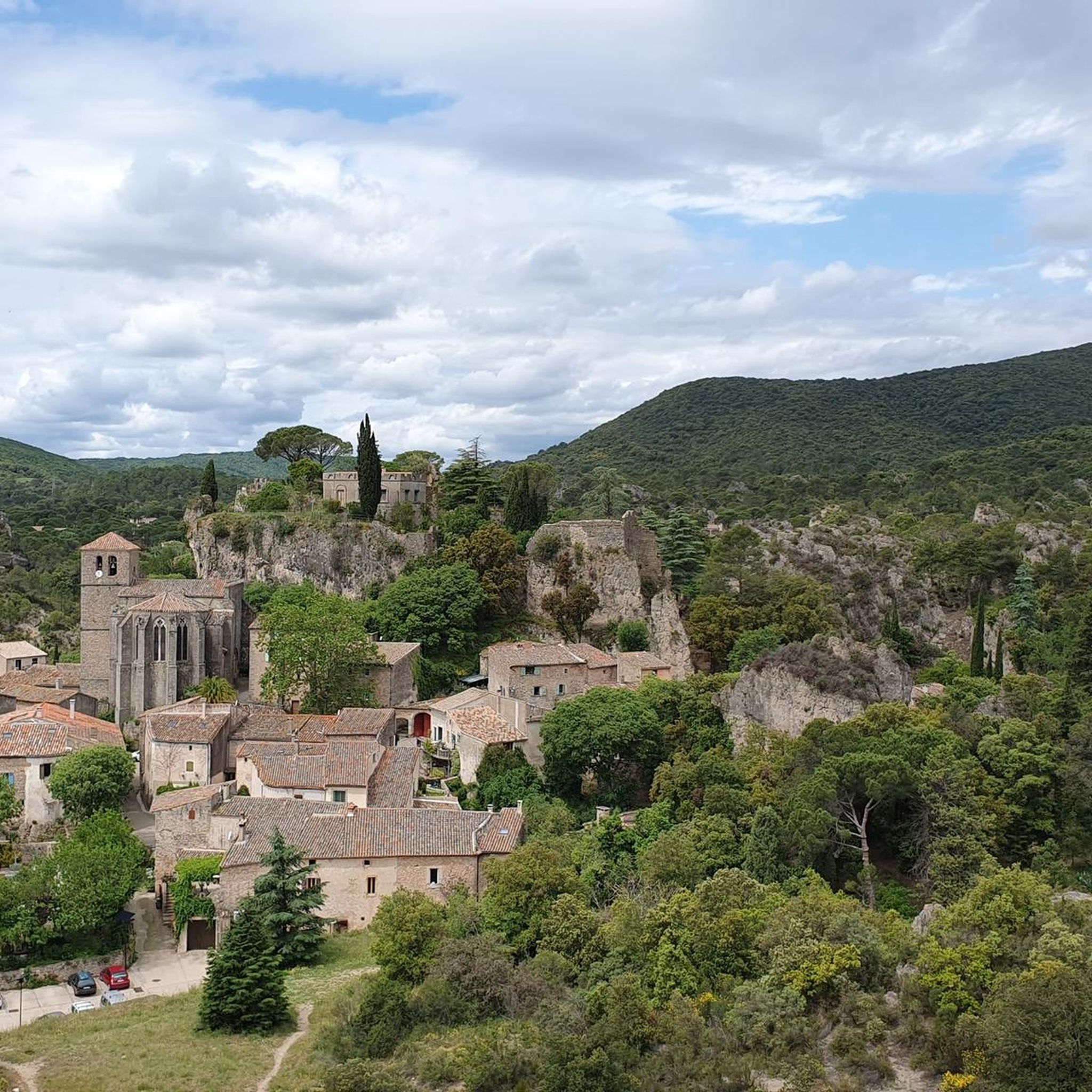
A beautiful view to start the hike at the Belvédère de Mourèze. You can see the charming village on one side, and the Cirque on the other!
0
0

The Salagou dam, located in Hérault, is a spectacular site surrounded by contrasting landscapes, where the red earth of the ruffes mixes with the blue waters of the lake. This dam, which created the famous Salagou lake, offers an ideal setting for nature and outdoor activity lovers. As you walk along the banks, you can admire the unique rock formations and enjoy panoramic views of the lake and the surrounding hills.
0
0

A demanding climb rewarded by the panoramic view at the top.
1
0
Frequently Asked Questions
What unique geological formations can I explore around Mourèze?
The most prominent is the Cirque de Mourèze, a vast amphitheater of dramatic dolomite rock formations sculpted by millennia of erosion. These impressive limestone columns, some reaching up to 30 meters high, are often described as a 'forest of dolomite rocks' and have inspired names like 'The Oracle' and 'The Sphinx'. You can also see the contrasting red earth ('ruffes') around Salagou Dam, which created the famous Lake Salagou.
Are there good viewpoints to appreciate the natural monuments?
Absolutely. The Cirque de Mourèze Viewpoint offers magnificent panoramic views over the entire cirque and its spectacular rock formations. For a 360° vista, ascend Vissou Peak, which provides stunning views, especially of Lac du Salagou. The belvedere of Parc des Courtinals also offers an extraordinary panoramic view of the cirque and the village of Mourèze.
What hiking opportunities are available near the natural monuments?
The Cirque de Mourèze offers several marked hiking trails winding through its limestone giants, ranging from approximately one to four hours in length and varying difficulties. You can find routes like the 'Mont Liausson - Hike of the Cirque de Mourèze' or 'Cirque de Mourèze – View of Lake Salagou' which are accessible from the village. For more options, explore the hiking guide for Mourèze.
Are there any family-friendly natural monuments or activities in the area?
Yes, several natural monuments are suitable for families. The Salagou Dam and the surrounding Lake Salagou area are great for outdoor activities and offer contrasting landscapes. The Olivettes Dam provides a quiet and relaxing spot with a small pond downstream suitable for unsupervised swimming and picnic areas. Many of the hiking trails within the Cirque de Mourèze also have easy options.
What is the best time of year to visit the natural monuments around Mourèze?
The region benefits from a Mediterranean climate. Spring and autumn are generally ideal for visiting, as the weather is pleasant for hiking and exploring without the intense heat of summer. During these seasons, the vegetation is vibrant, and the light is excellent for photography. Summer can be very hot, but the proximity to Lake Salagou offers opportunities for water-based activities to cool down.
Can I combine a visit to the natural monuments with other outdoor activities?
Absolutely. The Cirque de Mourèze is located near Lake Salagou, which is a classified site known for its wide range of leisure activities. Besides hiking, you can enjoy water sports on the lake, mountain biking, or road cycling. Check out the gravel biking guide or the road cycling routes around Mourèze for more ideas.
What makes the Cirque de Mourèze so special?
The Cirque de Mourèze is a geological wonder due to its unique dolomite complex, continuously sculpted by erosion over 160 million years. This creates a landscape often compared to a lunar or Western setting. The combination of greyish rock formations, golden sand at their base, and dense vegetation exuding the scent of pine offers a delightful sensory experience and exceptional panoramic views.
Are there any other notable lakes or water features besides Lake Salagou?
Yes, in addition to the expansive Lake Salagou created by the Salagou Dam, you can also visit Lac de Vailhan, which offers a superb landscape. The Olivettes Dam also created a reservoir, providing a tranquil setting, though swimming is generally restricted in the main lake, a small pond downstream allows for it.
What should I bring for a trip to the natural monuments in Mourèze?
Given the hiking opportunities and varied terrain, comfortable walking shoes are essential. Sun protection (hat, sunscreen) is recommended, especially during warmer months, as well as plenty of water. If you plan to hike, a map or a GPS device with downloaded routes is advisable. Don't forget your camera to capture the unique landscapes!
How long does it typically take to visit the main natural monuments?
The duration of your visit can vary. Exploring the accessible parts of the Cirque de Mourèze via its marked trails can take anywhere from one to four hours, depending on the chosen route and your pace. Visiting a viewpoint like Cirque de Mourèze Viewpoint or Vissou Peak might take less time, but you'll want to factor in travel to and from the sites. If you combine it with Lake Salagou activities, you could easily spend a full day or more.
What do visitors enjoy most about the natural monuments around Mourèze?
Visitors frequently highlight the impressive and spectacular rock formations of the Cirque de Mourèze, often describing them as unique and breathtaking. The magnificent panoramic views from various viewpoints, especially over the cirque and Lac du Salagou, are also highly praised. The contrasting landscapes, from the red earth around Salagou to the greyish dolomite rocks, create a memorable experience for nature and photography enthusiasts.
Most popular routes around Mourèze
Most popular attractions around Mourèze

Get inspired with the komoot mobile app


Explore more
Extend your search for the best caves by checking out these guides of the top ones around Mourèze:
