Top 4 Natural Monuments around Lunel
Natural monuments around Lunel encompass a diverse landscape, featuring significant geological formations, expansive wetlands, and cultivated botanical gardens. The region is characterized by its unique blend of Mediterranean flora and fauna, influenced by the nearby Camargue. These natural areas provide opportunities for observing varied ecosystems and geological features. The area offers a range of natural sites, from ancient quarries to river-carved landscapes.
Best natural monuments around Lunel
- The most popular natural monuments is ViaRhôna: Section Through the Camargue Biosphere Reserve…
Last updated: July 3, 2026
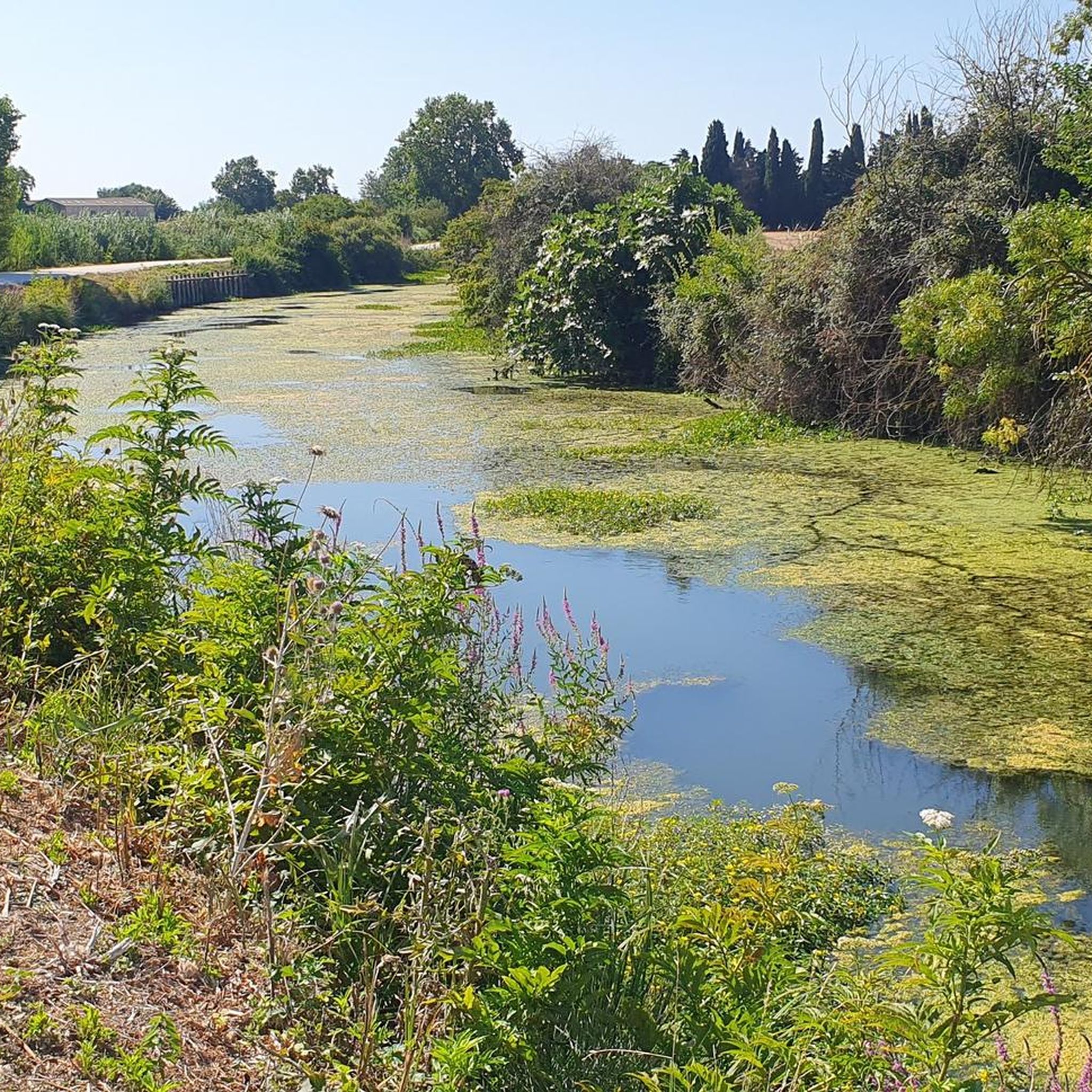
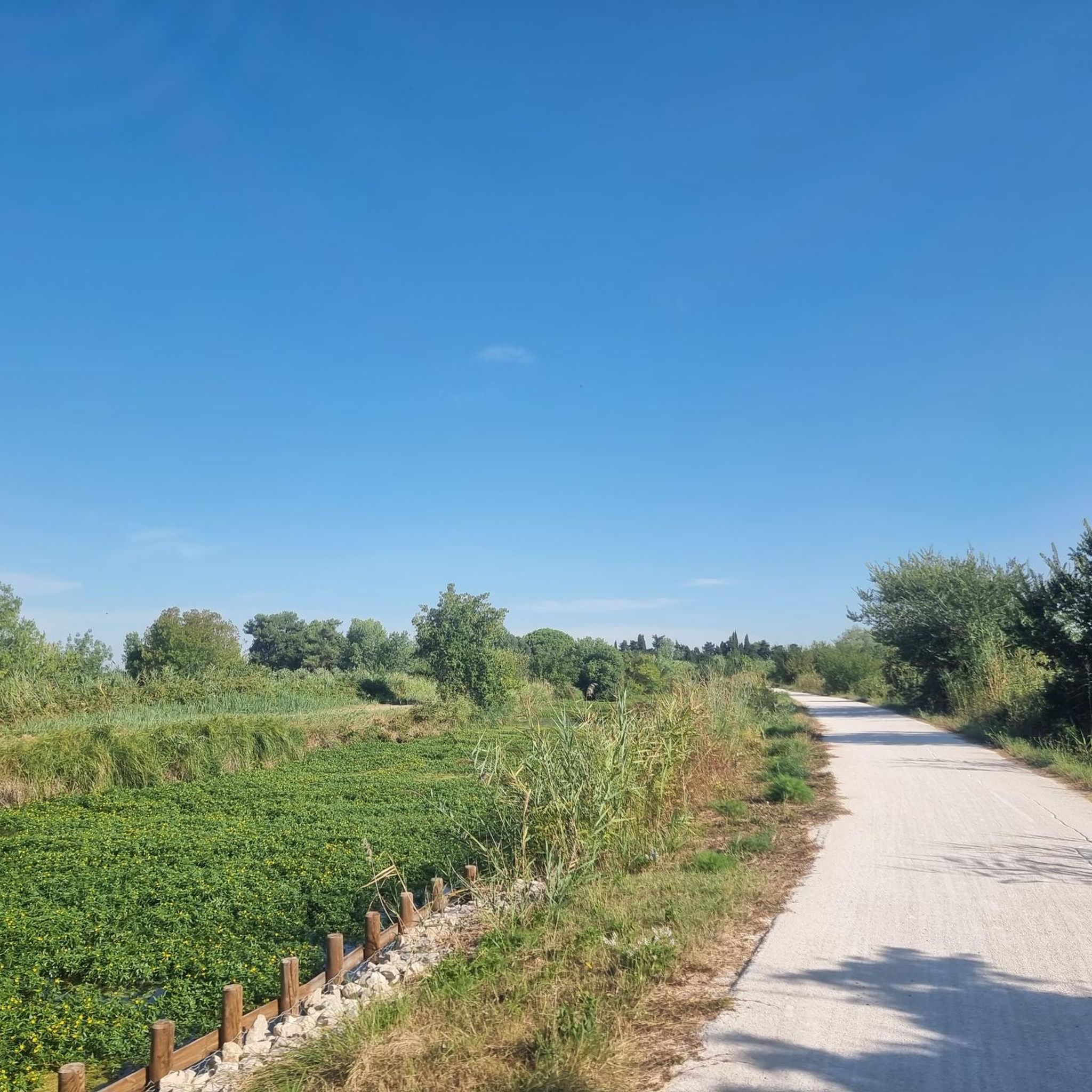
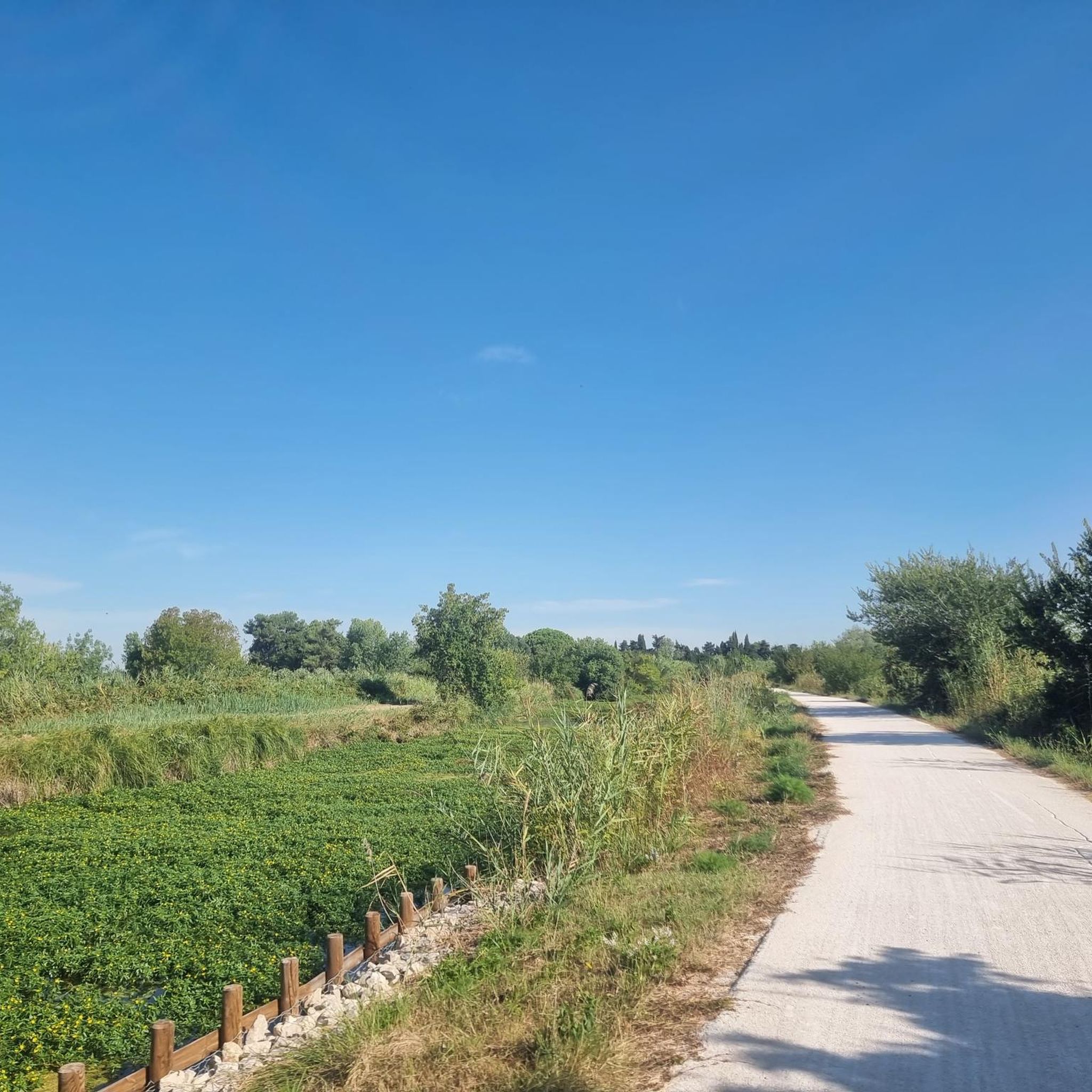
ViaRhôna: Section Through the Camargue Biosphere Reserve Buffer Zone
Highlight (Segment) • Cycleway
Translated by Google •
Tip by

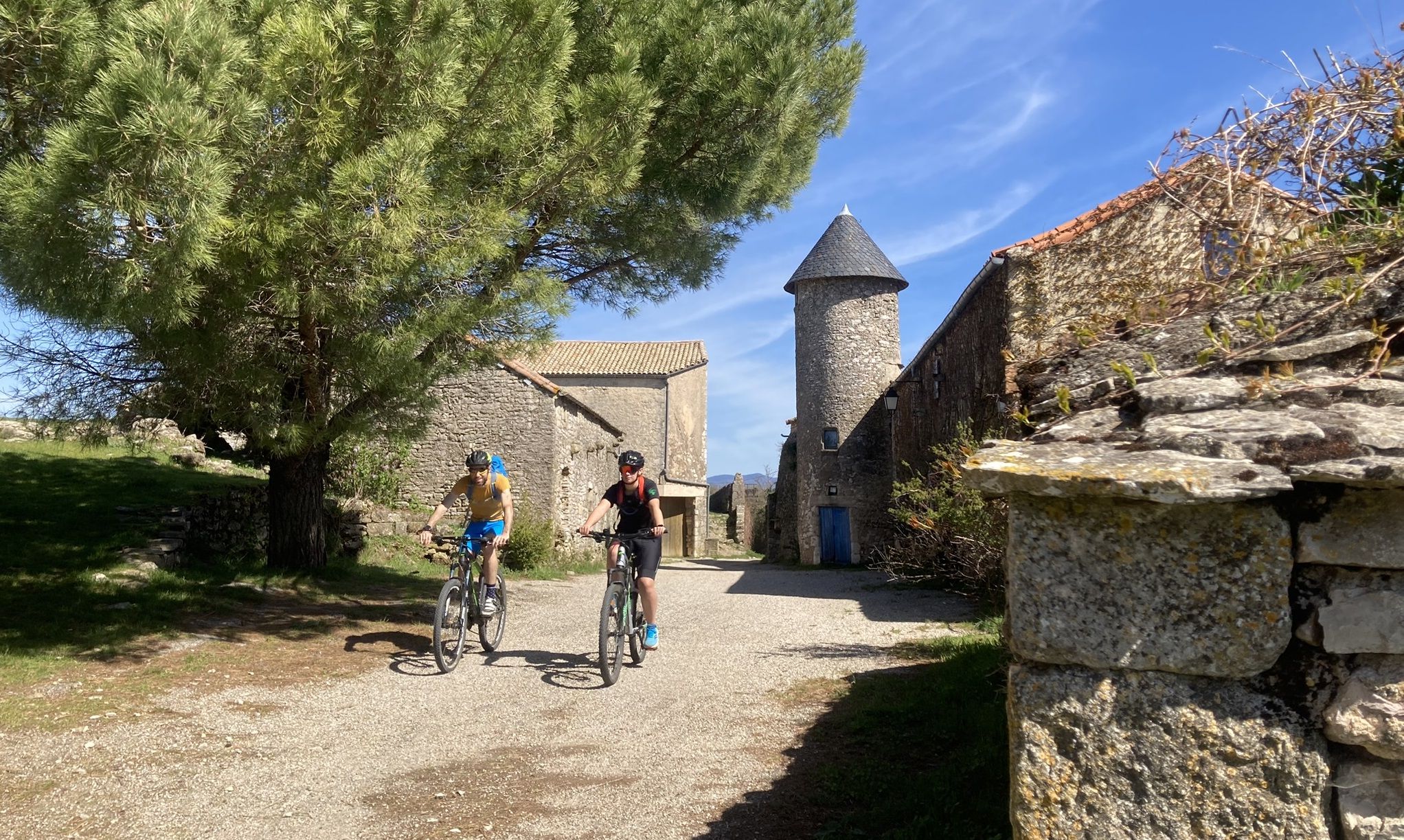
Carrières de Junas
Highlight • Structure
Translated by Google •
Tip by

Sign up now to discover places like this
Get recommendations on the best single tracks, peaks, & plenty of other exciting outdoor places.
Sign up for free
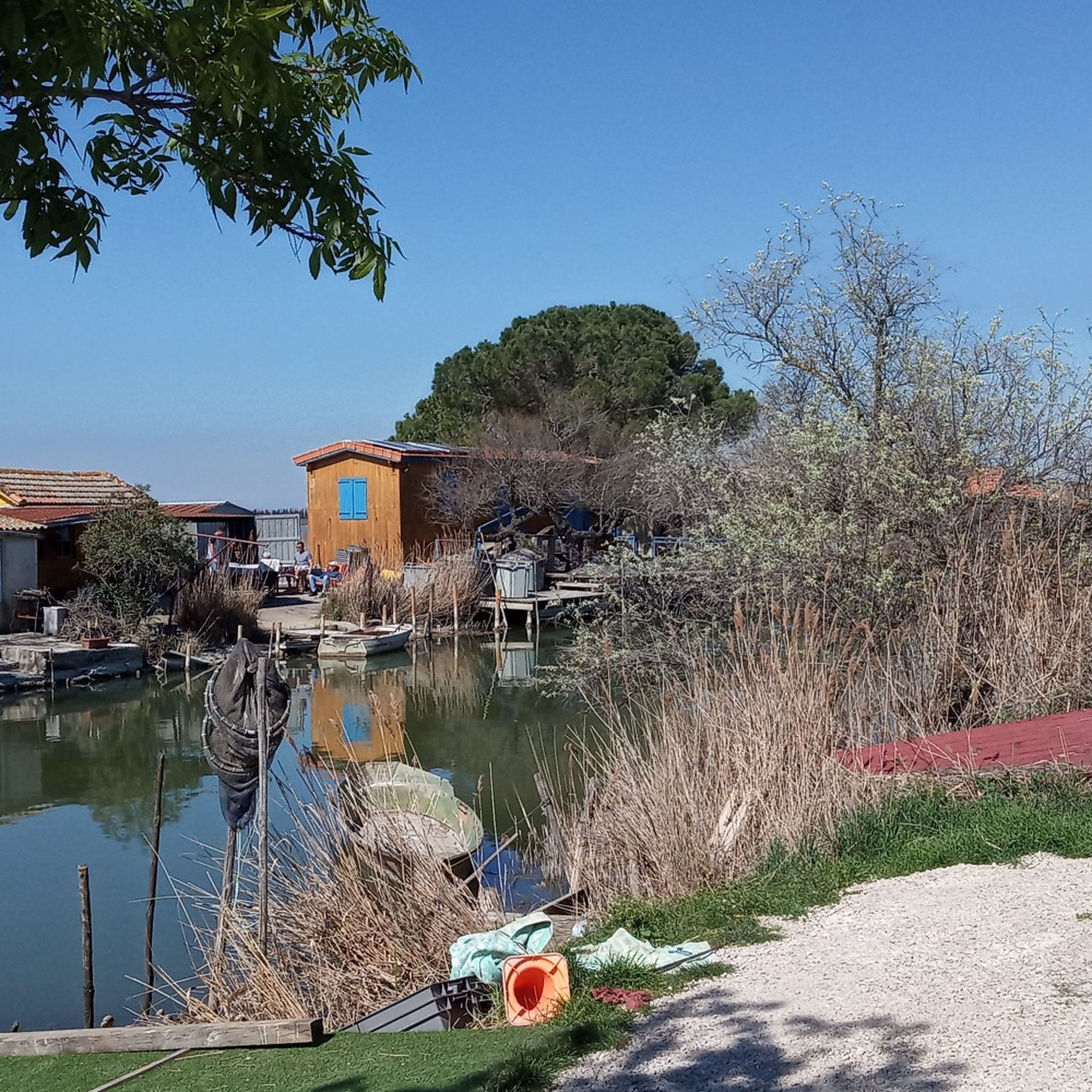
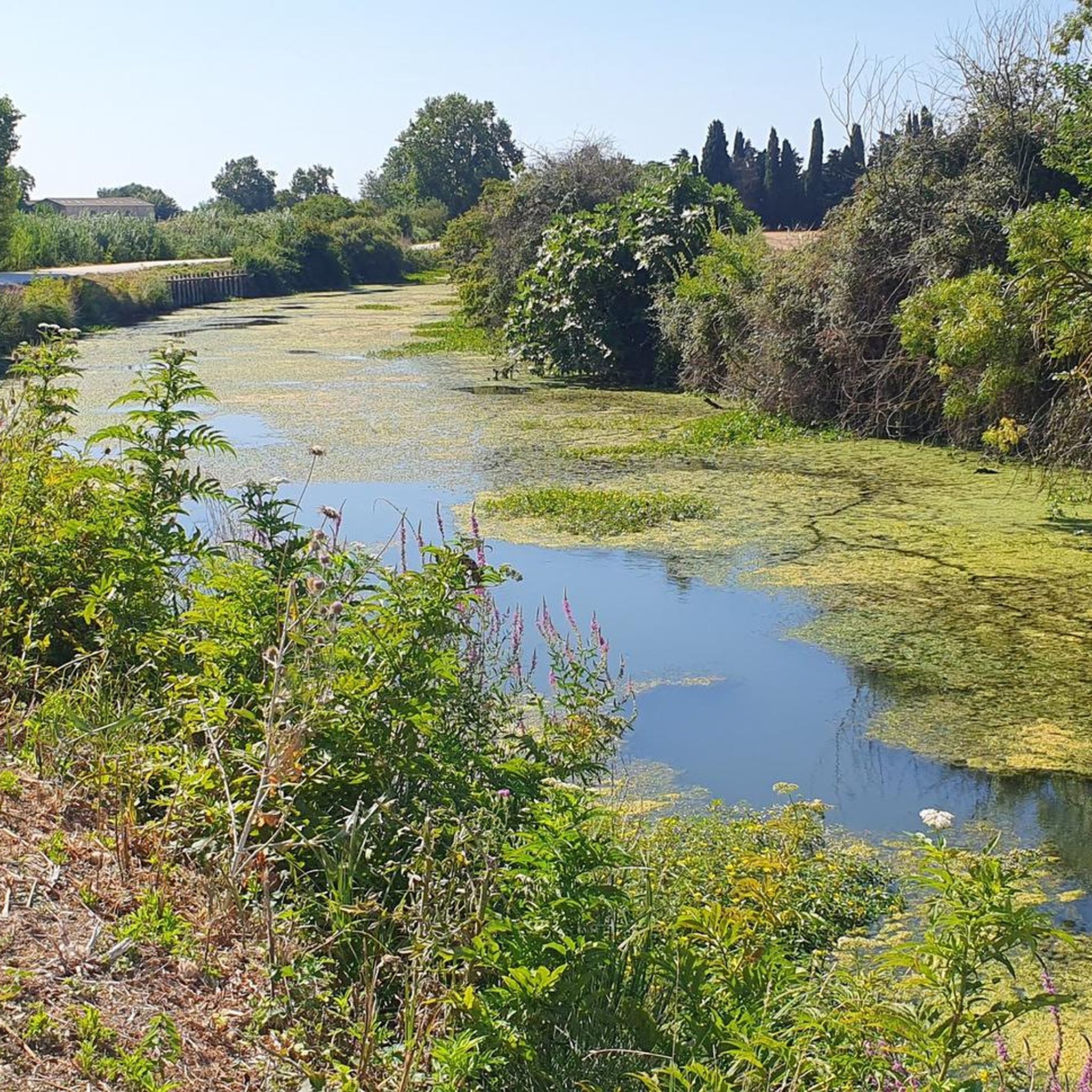
Marais du vieux Vistre
Highlight • Natural
Translated by Google •
Tip by

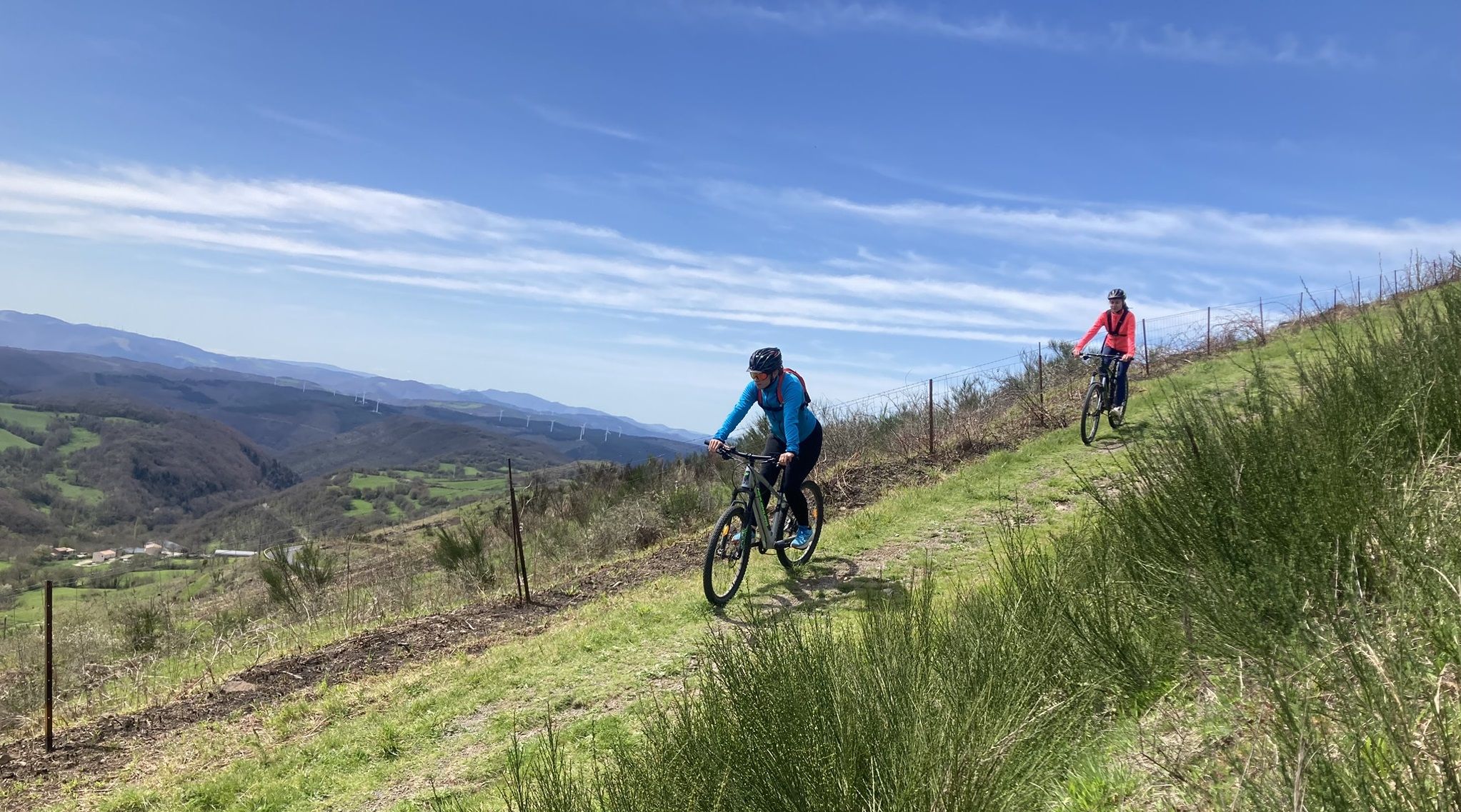
Roc de Gachone – 4 Windmills
Highlight • Viewpoint
Translated by Google •
Tip by
Stepping Stones at the Large Rock
Highlight • Bridge
Translated by Google •
Tip by

Start today with a free account
Your next adventure awaits.
Login or Signup


Tips from the Community


Beautiful place and beautiful view. The trail to get there is quiet (although it climbs). The single tracks are much more technical!
0
1

You have to sweat to get there! Come on, go!
0
0

I live in Grau du Roi and often drive in the area!!!! Easy circuit; only the wind can harm you; choose the direction of the wind so as to have it favorable to finish the outing (wind at your back)..Have a good ride everyone.Cdlt.Rv.
2
0

LONG AND BEAUTIFUL STRAIGHT LINES ... ENDLESS
2
0

A grandiose and magical place, forged by more than 2000 years of rock quarrying using an unchanged manual method, hundreds of cubic meters of stone quarried there were used in particular to build the Pont de Sommières, then later in Aigues-Mortes and Vigan .
8
0

The summit of Roc de Gachone (167m above sea level) is "capped" by 3 windmills and offers a magnificent view of the plain.
0
0
Les Carrières de Junas, or quarries of Good Time, is the site of an old stone quarry exploited since Antiquity and whose shapes evoke human constructions.
3
0
Frequently Asked Questions
What unique geological formations can I explore near Lunel?
Near Lunel, you can discover the impressive Carrières de Junas, an ancient stone quarry with shapes that evoke human constructions, exploited since antiquity. Another striking site is La Roque de Saint-Sériès, characterized by a large, 75-meter-high fault between two steep rocks with the Vidourle river flowing alongside it.
Are there natural monuments suitable for families with children around Lunel?
Yes, several natural monuments are family-friendly. The ViaRhôna: Section Through the Camargue Biosphere Reserve Buffer Zone offers car-free, long, straight paths perfect for family cycling. The Carrières de Junas is also considered family-friendly, offering a unique landscape to explore.
What kind of wildlife can I expect to see in the natural areas near Lunel?
The Petite Camargue and Etang de Scamandre, both close to Lunel, are significant wetland areas rich in wildlife. They are vital stopovers for over 10,000 wintering or migratory waterfowl, including teal, gulls, and the white stilt. You can also observe the distinctive white horses and fighting bulls that are iconic to the Camargue region.
Where can I find scenic viewpoints or panoramic vistas near Lunel?
For magnificent views of the plain, head to Roc de Gachone – 4 Windmills. The summit, capped by three windmills, offers a rewarding panorama after a scenic trail climb.
Are there opportunities for cycling or mountain biking near Lunel's natural monuments?
Absolutely. The ViaRhôna: Section Through the Camargue Biosphere Reserve Buffer Zone is an excellent car-free cycle path. For more varied cycling, you can explore numerous routes. For MTB enthusiasts, there are trails like the 'Carbonnière Tower – Constance Tower loop from Lunel' or 'Ambroix Bridge – The Vidourle loop from Lunel'. You can find more options in the MTB Trails around Lunel guide, Gravel biking around Lunel guide, and Road Cycling Routes around Lunel guide.
What are some easy walking routes or trails near Lunel's natural sites?
The Lunel Arboretum offers a peaceful and educational walking experience through its two-hectare botanical garden. For a unique natural setting, consider the Petite Camargue, which provides ideal locations for nature walks amidst its wetlands. The trails leading to Roc de Gachone – 4 Windmills are also generally quiet and scenic.
Can I find natural areas with water features or coastal access near Lunel?
Yes, the Petite Camargue and Etang de Scamandre are extensive wetland areas with fresh and saltwater intermingling. For coastal access, Pointe de l'Espiguette, about 20 kilometers from Lunel, offers vast stretches of wild, unspoiled sandy beaches and dunes.
What is the best time of year to visit the natural monuments around Lunel?
The spring and autumn months are generally ideal for visiting the natural monuments around Lunel. The weather is pleasant for outdoor activities, and you can observe migratory birds in the wetlands. Summers can be hot, while winters are milder but some areas might be less vibrant.
Are there any historical or cultural sites integrated with the natural monuments?
The Carrières de Junas is a significant historical site, an ancient stone quarry that has been exploited since antiquity, with stones used to build structures like the Pont de Sommières. La Roque de Saint-Sériès also has legends of Roman carving or geological collapse, adding a historical dimension to its natural beauty.
What do visitors particularly enjoy about the natural monuments near Lunel?
Visitors appreciate the diversity of landscapes, from the unique geological formations of Carrières de Junas to the expansive wetlands of the Camargue. The car-free environment of the ViaRhôna is highly praised by cyclists, and the panoramic views from Roc de Gachone are a community favorite.
Are there any natural monuments near Lunel that involve crossing water?
Yes, the Stepping Stones at the Large Rock offers a very pretty corner where you can cross a ford, with water levels varying by season. It's an unexpected and charming spot.
Is public transport available to reach any of the natural monuments?
While specific public transport routes directly to all natural monuments can be limited, Lunel itself is well-connected. For detailed information on reaching specific sites via public transport, it's advisable to check local transport schedules or consult the official tourism website for the Hérault region: herault-tourisme.com.
Most popular attractions around Lunel

Get inspired with the komoot mobile app


Explore more
Extend your search for the best caves by checking out these guides of the top ones around Lunel:
