Top 11 Natural Monuments around Armissan
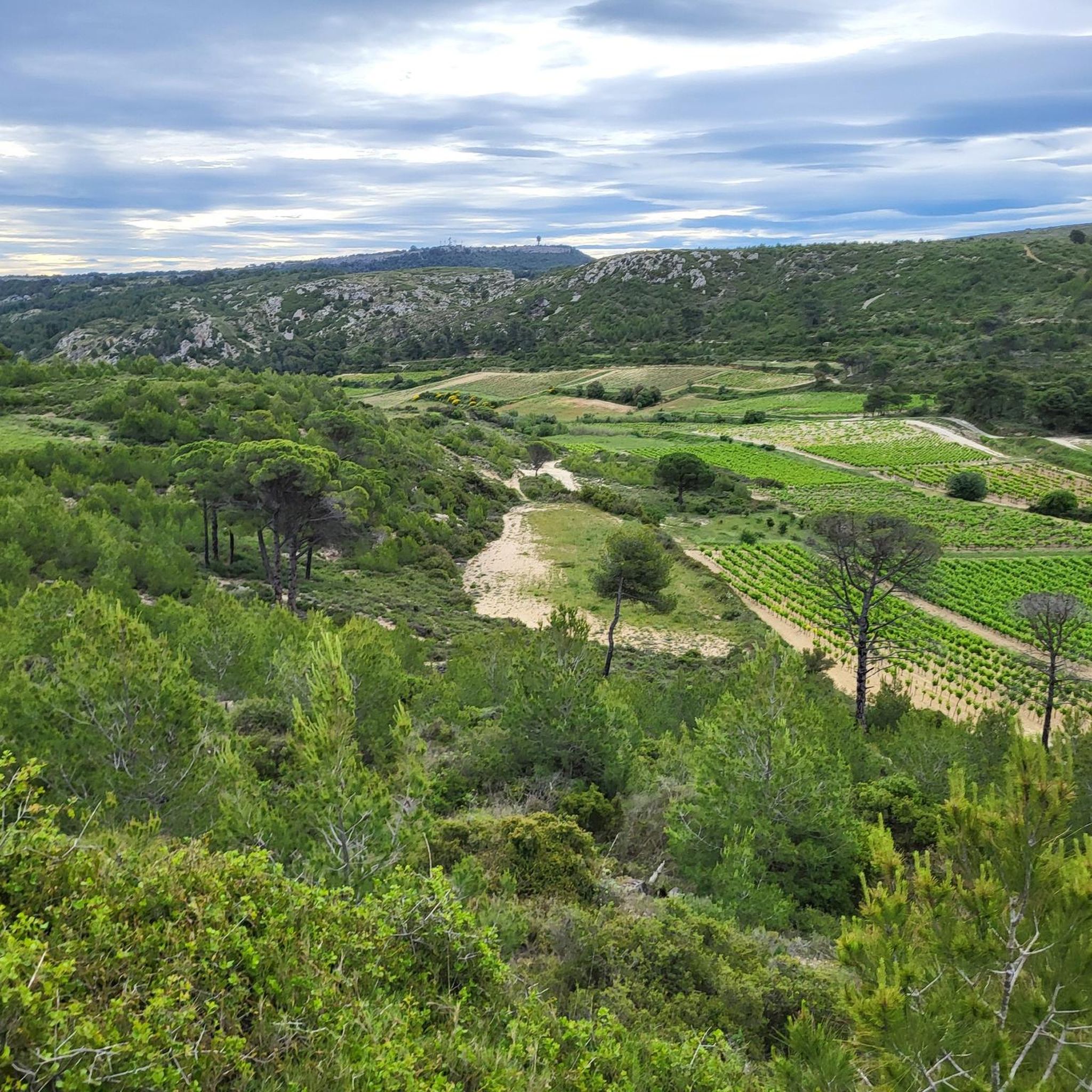
Natural monuments around Armissan, a commune in the Aude department of France, offer diverse landscapes and unique ecological features. The region is characterized by limestone massifs, coastal wetlands, and forests, providing varied natural environments within the protected natural environment of La Clape. These areas present opportunities for outdoor activities and exploration of the local geology and biodiversity. The landscape includes significant natural sites recognized for their ecological importance, part of the Narbonnaise en Méditerranée Regional Nature Park.
Best natural monuments…
Last updated: July 4, 2026
Œil Doux Sinkhole
Highlight • Lake
Translated by Google •
Tip by

Grouzade Cave
Highlight • Cave
Translated by Google •
Tip by
Sign up now to discover places like this
Get recommendations on the best single tracks, peaks, & plenty of other exciting outdoor places.
Sign up for free
Trou de la Crouzade Trail
Highlight • Gorge
Translated by Google •
Tip by

La Clape Lookout Tower
Highlight • Viewpoint
Translated by Google •
Tip by

View of the Mediterranean Coast from La Clape Cliffs
Highlight (Segment) • Viewpoint
Translated by Google •
Tip by
Sign up for free to discover even more natural monuments around Armissan.
Sign up for free
Already have an account?
Start today with a free account
Your next adventure awaits.
Login or Signup
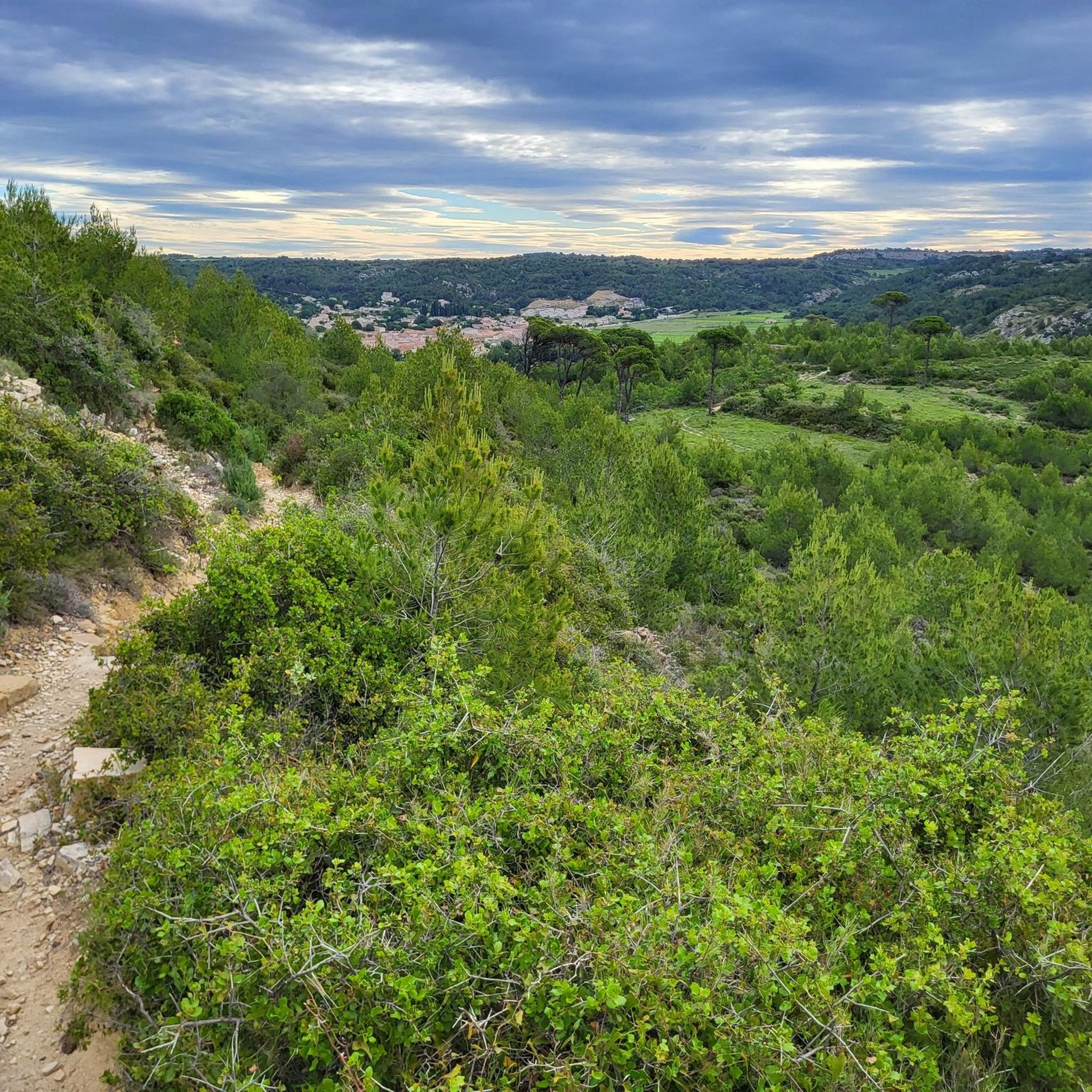
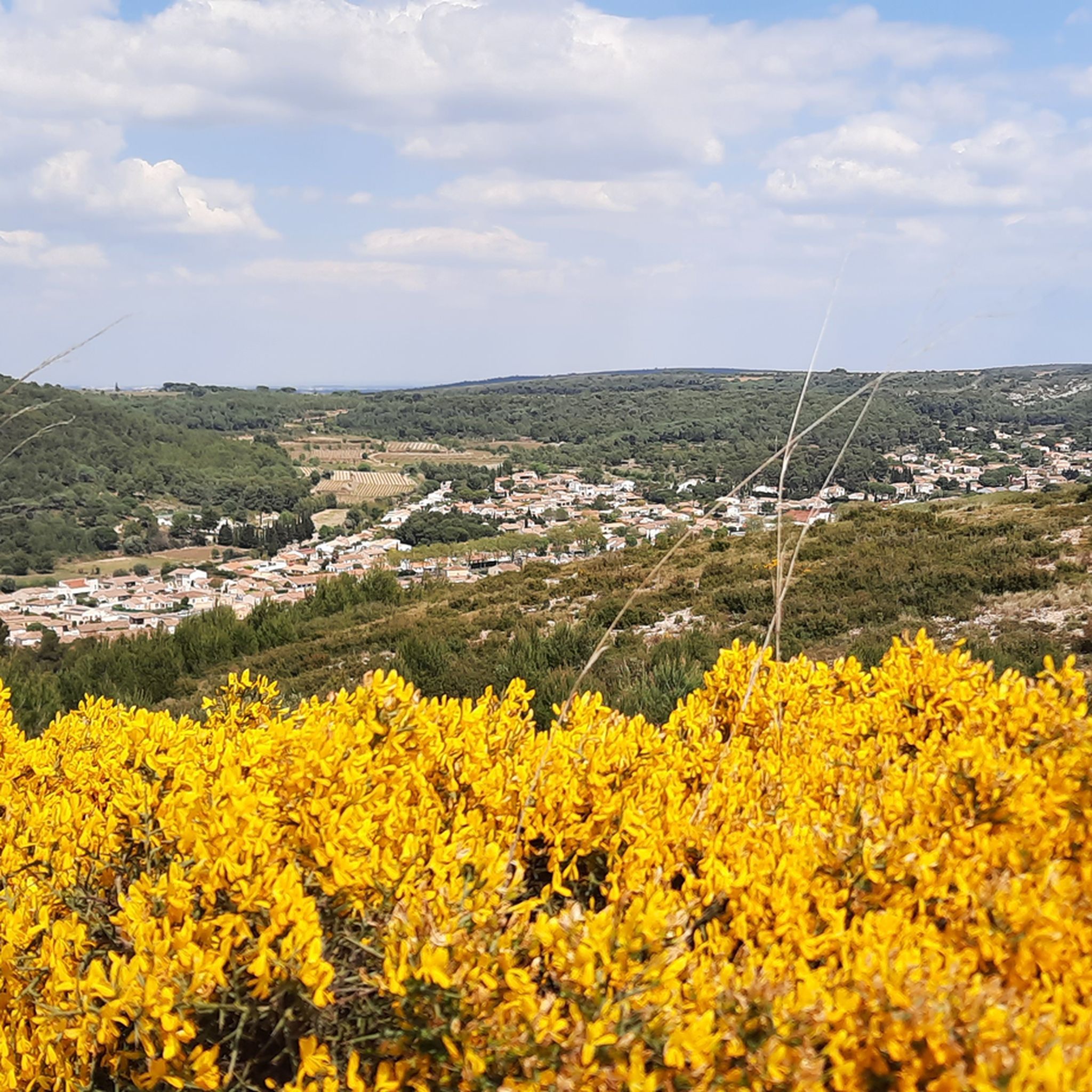

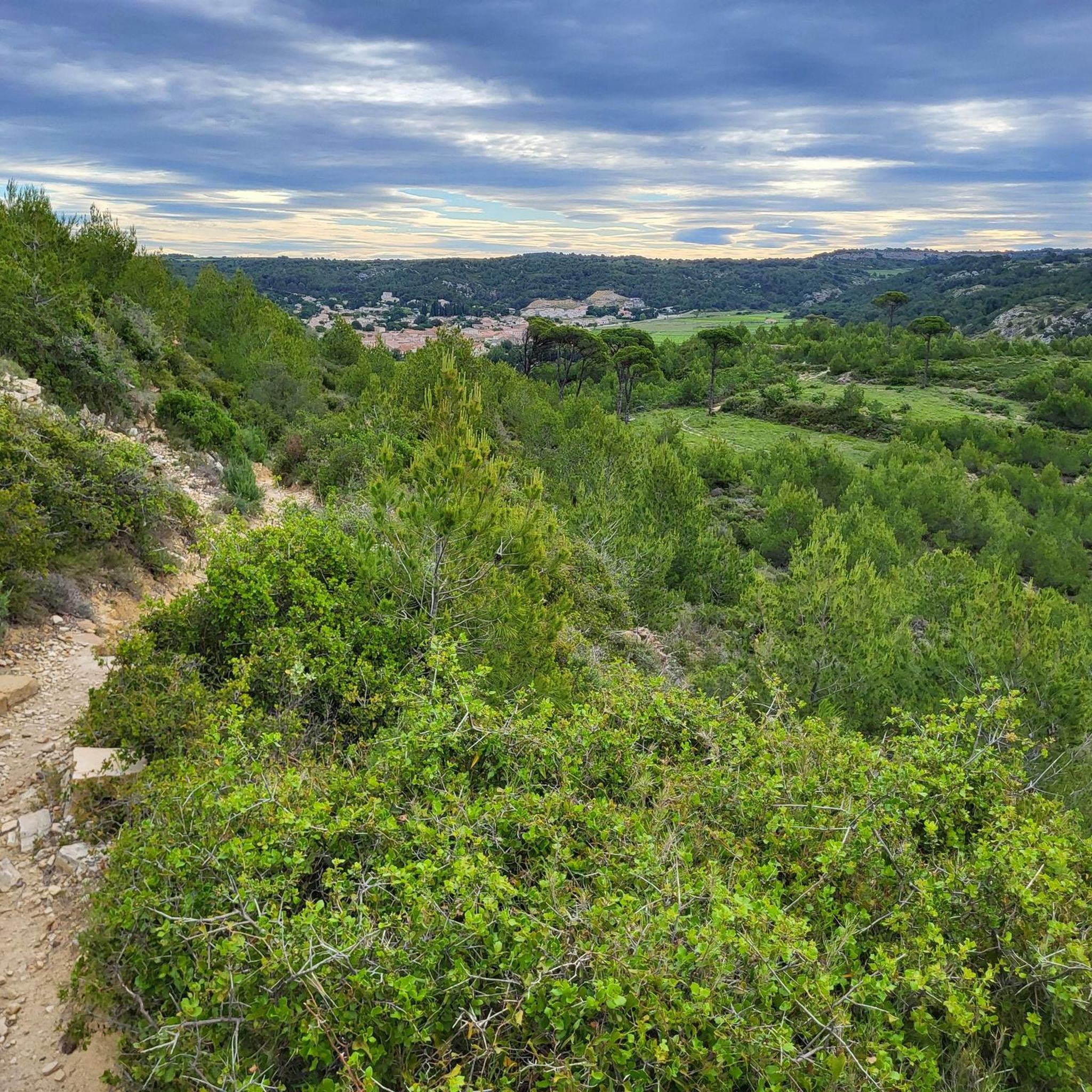
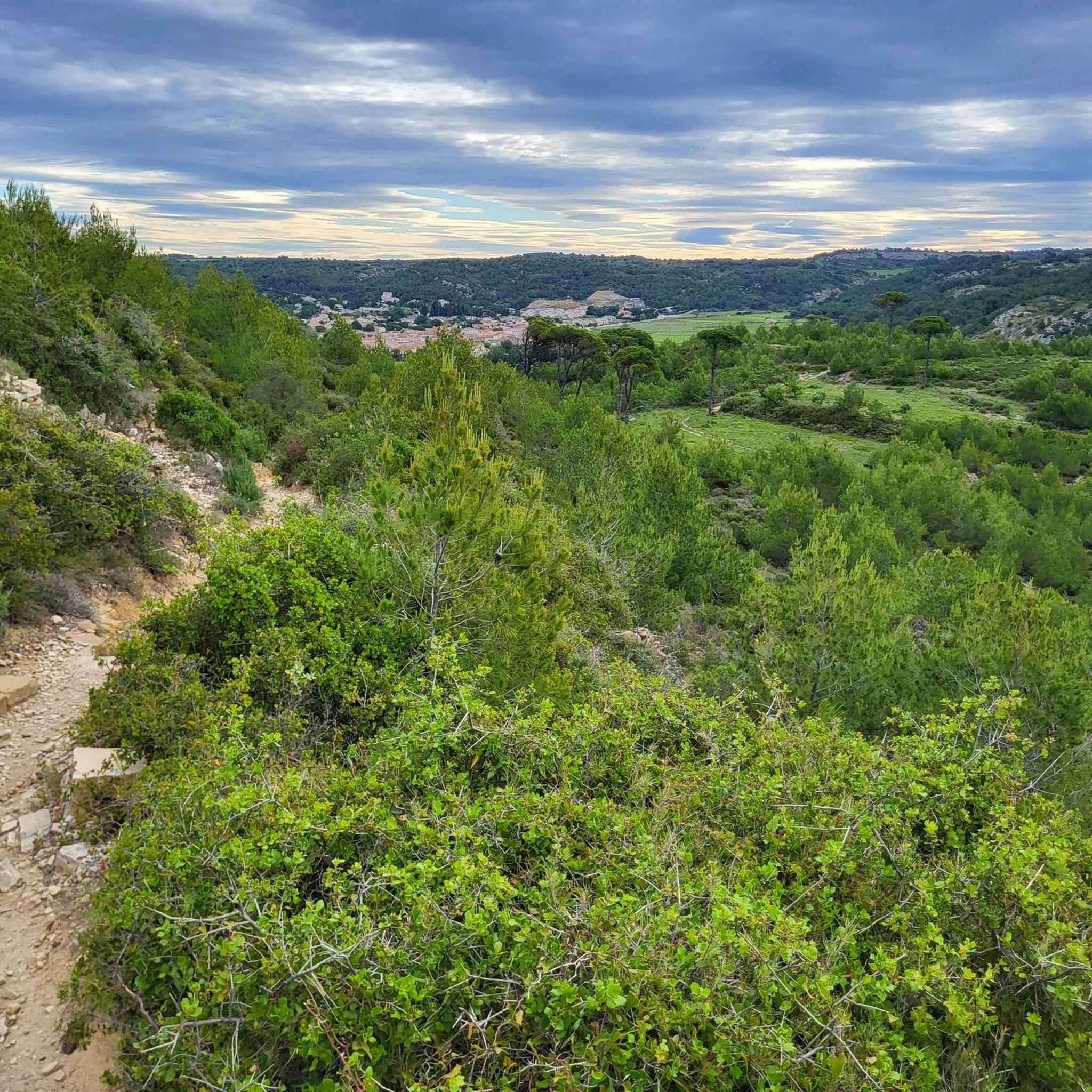
Tips from the Community

a 180° panoramic view - FRONT OF THE SEA !!!
0
0

Way up to the cave is at least grade medium. Be careful when wet
0
0

From below it looks good, but is walled up and closed
0
0


A superb site, this path which passes near the Trou de la Crouzade!
0
0

It's bricked up, but the size can be guessed at a bit.
22
1
You have a great view from the top
12
0
Frequently Asked Questions
What unique geological features can be explored around Armissan?
The region around Armissan is rich in diverse geological formations. You can explore the fascinating Œil Doux Sinkhole, an emerald-green lake nestled within towering white limestone cliffs, considered a cenote. Another notable feature is the extensive Massif de la Clape, a limestone massif with cliffs and narrow canyons, historically an island. The area also features caves like Grouzade Cave.
Are there natural monuments suitable for families with children?
Yes, several natural monuments are family-friendly. The Gruissan Lagoon offers a peaceful setting where families can observe unique salt formations and various birdlife. The easy walk to the clifftops overlooking the Gouffre de l'Œil Doux is also suitable for families, though swimming is prohibited there.
What kind of wildlife can I observe in the natural monuments near Armissan?
The natural monuments around Armissan are havens for wildlife. The Massif de la Clape is a Natura 2000 protected area, home to over 60 bird species and unique flora. The Étangs du Bagnas Nature Reserve is particularly renowned for its birdlife, with 149 regular species, including pink flamingos, herons, and egrets. Étang de Leucate also supports 50 bird species, including migratory birds.
What outdoor activities are available near these natural monuments?
The region offers a wide range of outdoor activities. The Massif de la Clape is a paradise for outdoor enthusiasts, with approximately 500 km of hiking trails and numerous mountain biking routes. You can find various hiking routes around Armissan, including easy and moderate options. Étang de Leucate is popular for water sports like kitesurfing and windsurfing, and its plateau offers hiking and cycling opportunities. The Forêt de Fontfroide also provides beautiful hiking trails.
Where can I find panoramic views of the Mediterranean Sea?
For stunning panoramic views of the Mediterranean Sea, visit the View of the Mediterranean Coast from La Clape Cliffs. The Massif de la Clape generally offers excellent vantage points, and the Leucate plateau, with its 40-meter high cliff overlooking Étang de Leucate, provides unique coastal scenery.
Are there any protected natural areas or reserves in the vicinity?
Yes, the region boasts significant protected natural areas. The Massif de la Clape is the largest classified natural site in Languedoc and a Natura 2000 protected area. The Étangs du Bagnas is a national nature reserve, and the Forêt de Fontfroide is also a Natura 2000 protected area. Étang de Leucate is classified as a Ramsar site of international importance.
What is the best time of year to visit the natural monuments around Armissan?
The natural monuments around Armissan are enjoyable throughout much of the year. Spring and autumn offer pleasant temperatures for hiking and exploring, with vibrant flora. Summer is ideal for water sports at Étang de Leucate, but be mindful of potential forest fire risks in areas like the Gouffre de l'Œil Doux, which may lead to temporary closures. Birdwatching is excellent during migratory seasons at the Étangs du Bagnas.
What do visitors particularly enjoy about the natural monuments in this area?
Visitors frequently praise the stunning visual spectacle and peaceful atmosphere of the Œil Doux Sinkhole, noting its emerald-green water. The Gruissan Lagoon is appreciated as a wonderful place to unwind. Many also highlight the fantastic views of the sea and surrounding area from viewpoints like the View of the Mediterranean Coast from La Clape Cliffs.
Can I go running or cycling near the natural monuments?
Absolutely. The Massif de la Clape offers numerous mountain biking routes. You can find various running trails around Armissan, including moderate and difficult options. For cyclists, there are also several cycling routes around Armissan, ranging from easy to difficult, often passing by lagoons and coastal areas.
Are there any unique water bodies or lakes to visit?
Yes, the region features several unique water bodies. Besides the Œil Doux Sinkhole, there's the Gruissan Lagoon, a brackish water lake known for its salt formations. The Étangs du Bagnas is a coastal wetland with a large, shallow, brackish pond, and Étang de Leucate is a vast marine lake, the second-largest in the Languedoc-Roussillon region, known for its diverse habitats.
What kind of vegetation can I expect to see in these natural areas?
The vegetation is typically Mediterranean. The Massif de la Clape features vineyards, almond trees, olive trees, garrigue, and pine forests. The Forêt de Fontfroide is primarily composed of maritime, Aleppo, and umbrella pines, alongside green oaks, heather, and strawberry trees. Areas like the Gouffre de l'Œil Doux are surrounded by Mediterranean scrubland, including rosemary, thyme, and lavender.
Most popular routes around Armissan
Most popular attractions around Armissan

Get inspired with the komoot mobile app


Explore more
Extend your search for the best caves by checking out these guides of the top ones around Armissan:
