Top 5 Natural Monuments around Peyriac-Minervois
Best natural monuments around Peyriac-Minervois include a variety of geological features and scenic landscapes. The region offers opportunities to explore natural formations such as caves and historical quarries. These sites provide diverse natural environments for outdoor activities and offer insights into the area's geology.
Best natural monuments around Peyriac-Minervois
- The most popular natural monuments is Aldène Cave, a cave that is a prehistoric site located in Cesseras, Hérault. It has been frequented since the Lower Palaeolithic and features Aurignacian…
Last updated: July 4, 2026
Aldène Cave
Highlight • Cave
Translated by Google •
Tip by

Roc de l'Aigle
Highlight • Viewpoint
Translated by Google •
Tip by

Sign up now to discover places like this
Get recommendations on the best single tracks, peaks, & plenty of other exciting outdoor places.
Sign up for free
Carrière des Bessous
Highlight • Structure
Translated by Google •
Tip by
Cesse Valley Scenic Route
Highlight (Segment) • Trail
Translated by Google •
Tip by

Start today with a free account
Your next adventure awaits.
Login or Signup

Tips from the Community

Magnificent, be careful, delicate access for children.
0
0

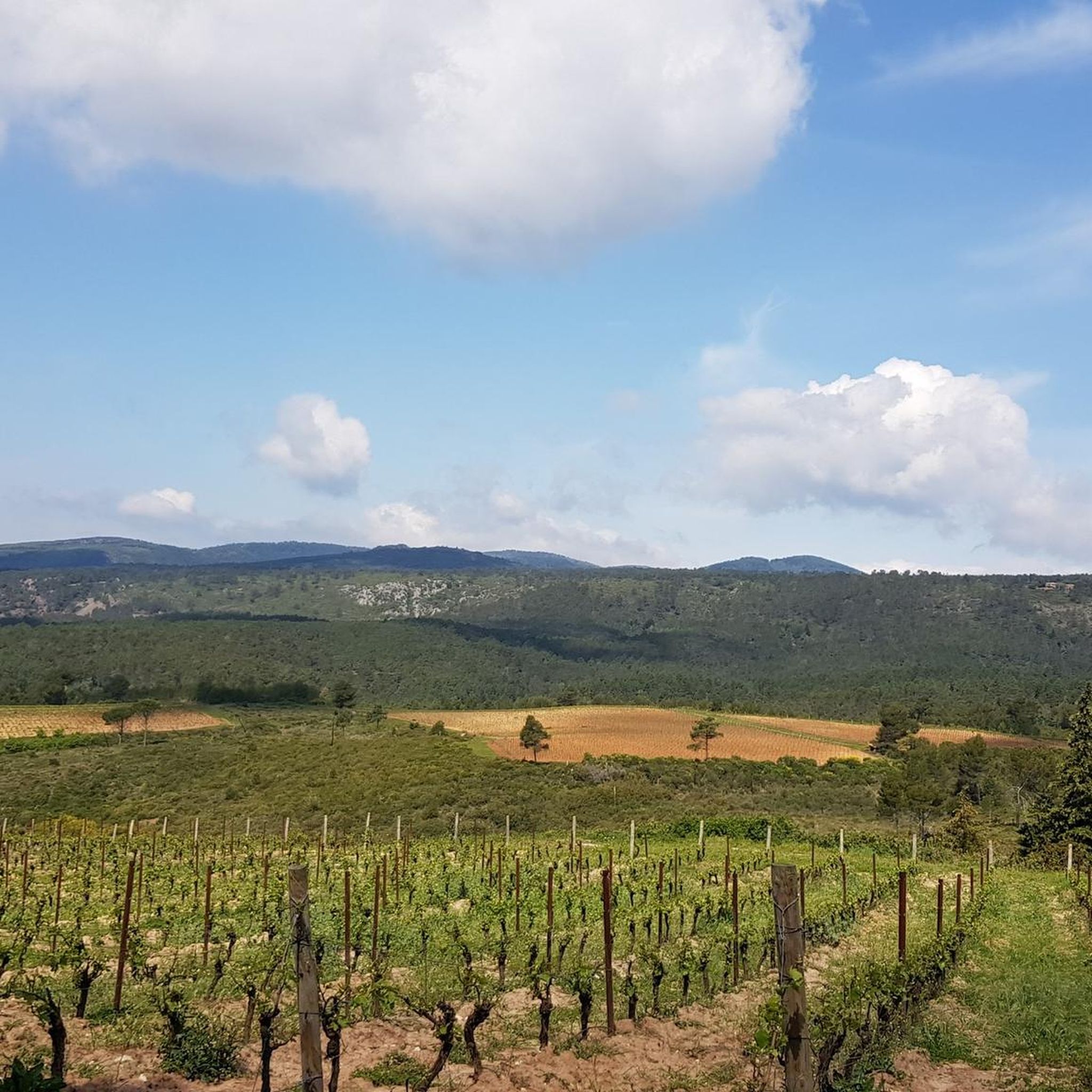
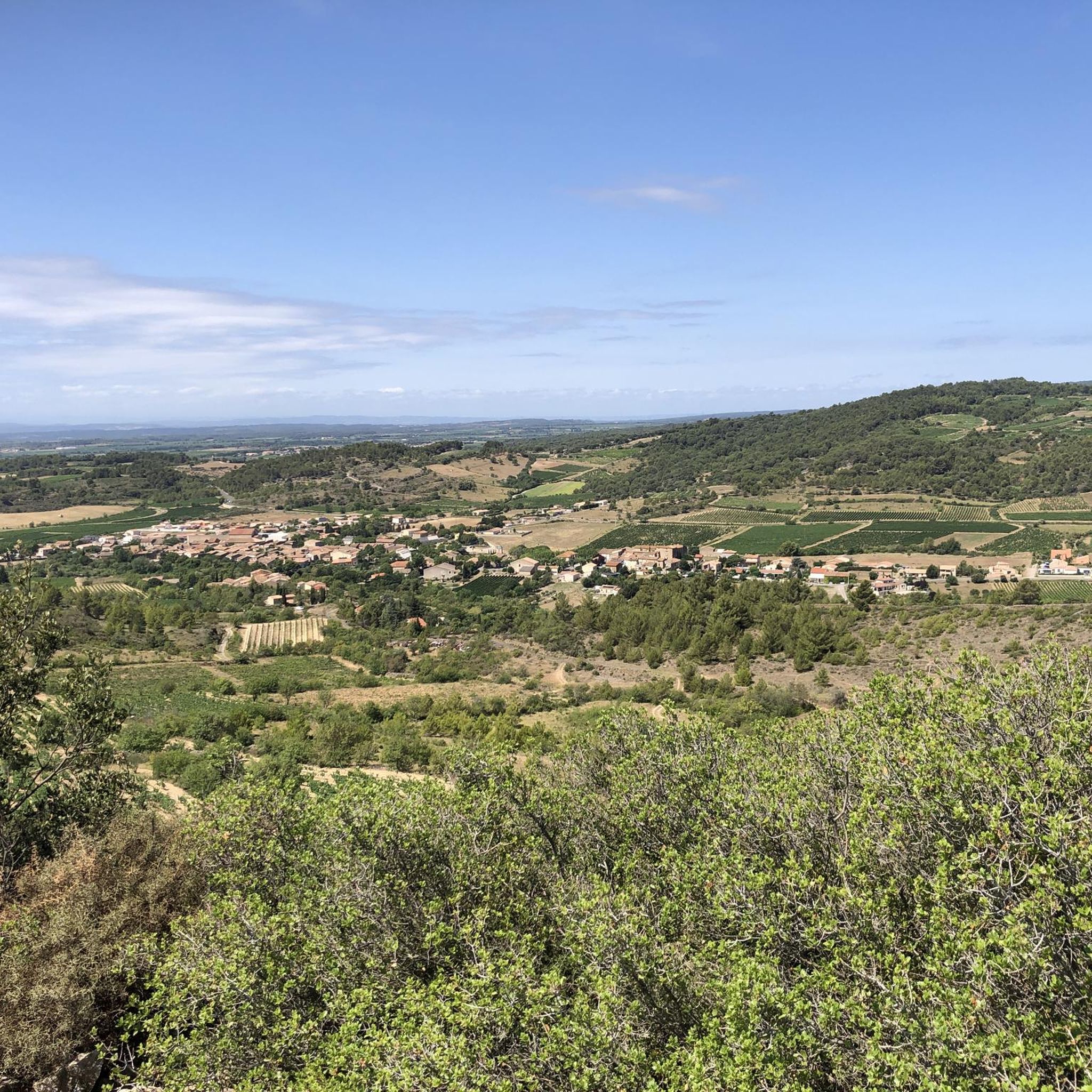
Small road in good condition, little traffic, with spectacular views of the Gorges de la Cesse and the Pyrenees mountain range
0
0

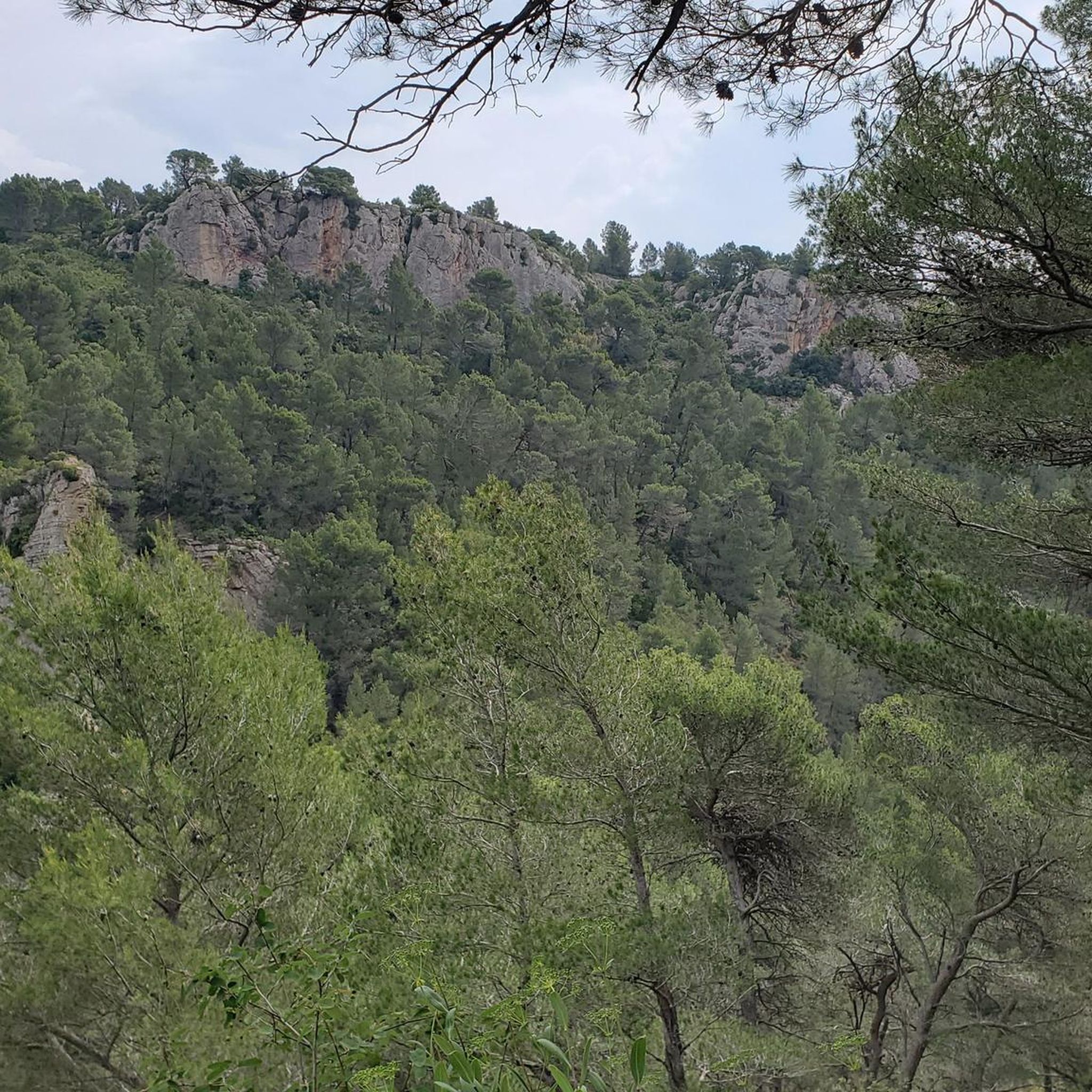
The Roc de l'Aigle offers a magnificent panorama over the Montagne Noire to the Pyrenees, and the ridge to reach it is quite spectacular.
1
0
Some of the marble quarries in the area date back to antiquity and have been exploited for centuries. The Bessous quarry, for example, provided the marble for several fireplaces in the Palace of Versailles.
1
0

The Aldène cave, also called the Coquille cave, Minerve cave or Fauzan cave, is a prehistoric site located in the town of Cesseras in Hérault, south of the Black Mountain. It has been frequented since the Lower Palaeolithic, then decorated with Aurignacian engravings. It has also delivered signs of attendance dating from the Mesolithic and the Bronze Age. (Wikipedia)
2
0
Frequently Asked Questions
What unique geological features can I explore around Peyriac-Minervois?
The region offers a diverse range of geological features. You can explore fascinating underground formations at the Aldène Cave, which is also a significant prehistoric site. Additionally, the area is known for its historical quarries, such as Carrière des Bessous, where you can observe exposed geological strata and learn about the region's marble extraction history.
Are there any natural monuments with historical significance in the region?
Yes, several natural monuments in the area hold historical importance. The Aldène Cave is a prehistoric site frequented since the Lower Palaeolithic, featuring Aurignacian engravings. The Carrière des Bessous is a former marble quarry, with some quarries in the area dating back to antiquity, even providing marble for the Palace of Versailles.
Where can I find panoramic views of the landscape around Peyriac-Minervois?
For breathtaking panoramic views, visit Roc de l'Aigle, which offers magnificent vistas over the Montagne Noire and extends to the Pyrenees on clear days. The Cesse Valley Scenic Route also provides spectacular views of the Gorges de la Cesse and the distant Pyrenees mountain range.
What is the best time of year to visit the natural monuments in this region?
The region's natural monuments can be enjoyed throughout much of the year. Spring and autumn offer pleasant temperatures for hiking and exploring, with vibrant foliage in autumn. Summer is also suitable, especially for cave explorations, but can be warm for exposed trails. Winter might be cooler but can offer clear views.
Are there family-friendly natural monuments around Peyriac-Minervois?
Many natural monuments in the region can be enjoyed by families. While specific accessibility for very young children might vary, sites like the Cesse Valley Scenic Route offer easy access to scenic views from a car or short walks. Exploring the historical quarries can also be an engaging activity for older children interested in geology and history.
What outdoor activities can I do near these natural monuments?
The area around Peyriac-Minervois is excellent for various outdoor activities. You can find numerous hiking trails, such as the 'Marble Quarries Trail' or the 'Capitelles loop from Laure-Minervois'. There are also dedicated MTB trails and cycling routes that allow you to explore the natural landscapes, including routes along the Canal du Midi.
Are there specific hiking trails that explore the natural monuments?
Yes, there are several hiking opportunities. For instance, you can explore the historical marble quarries on trails like the 'Marble Quarries Trail'. The hiking guide for Peyriac-Minervois lists routes like the 'Biot Mill – Staircase quarry loop from Félines-Minervois' which takes you through these unique landscapes.
What kind of terrain can I expect on trails around these natural monuments?
The terrain varies depending on the specific monument. For caves like Aldène Cave, expect uneven, potentially damp surfaces. Quarry sites like Carrière des Bessous might involve rocky paths. Viewpoints such as Roc de l'Aigle often require ascents on natural trails, while scenic routes like the Cesse Valley Scenic Route offer smoother paths or road access.
Can I bring my dog to the natural monuments and trails?
While many outdoor areas in France are dog-friendly, it's always best to check specific regulations for each site. For natural trails and scenic routes, dogs are often permitted on a leash. However, for sensitive sites like caves (e.g., Aldène Cave) or protected areas, restrictions may apply. Always ensure your dog is under control and clean up after them.
What do visitors particularly appreciate about the natural monuments in this area?
Visitors frequently appreciate the combination of natural beauty and historical depth. The dramatic underground formations of caves, the unique geological insights offered by ancient quarries, and the expansive panoramic views from elevated points like Roc de l'Aigle are often highlighted. The scenic routes, such as the Cesse Valley Scenic Route, are also popular for their breathtaking vistas and tranquil atmosphere.
Are there any natural monuments accessible for people with limited mobility or wheelchairs?
While many natural monuments involve uneven terrain, some scenic routes or viewpoints might offer better accessibility. The Cesse Valley Scenic Route, being a road, allows for car access to various viewpoints. For detailed accessibility information on specific sites, it is recommended to check local tourist information or the official websites of the attractions.
Are there other significant natural attractions slightly further afield worth visiting?
Yes, if you're willing to venture a bit further, the Gouffre Géant de Cabrespine, a massive chasm, and the Grotte de Limousis, another impressive cave system, are renowned for their dramatic underground formations and are major draws for those interested in spectacular geological features.
Can I explore the Canal du Midi as a natural monument?
While the Canal du Midi is a man-made engineering marvel, it is deeply integrated into the natural landscape and offers numerous natural attractions. Its banks provide pleasant pathways for walking and cycling, making it a serene natural corridor. Features like the Argent-Double aqueduct and spillway are notable examples, with the spillway being an original structure designed to regulate water levels.
Most popular routes around Peyriac-Minervois
Most popular attractions around Peyriac-Minervois

Get inspired with the komoot mobile app


Explore more
Extend your search for the best caves by checking out these guides of the top ones around Peyriac-Minervois:
