Top 15 Natural Monuments around Thoard
Best natural monuments around Thoard are found within the Alpes-de-Haute-Provence, a region known for its diverse geological history and landscapes. Thoard is situated within the UNESCO Géoparc de Haute-Provence, which preserves significant geological wonders. The area features formations resulting from ancient marine periods, the uplift of the Alps, and extensive erosion. This rich geological heritage offers a variety of natural features for exploration.
Best natural monuments around Thoard
- The most popular natural monument is Pénitents des Mées Trail, a…
Last updated: July 4, 2026
Inscribed Stone
Highlight • Historical Site
Translated by Google •
Tip by

Pénitents des Mées Trail
Highlight • Trail
Translated by Google •
Tip by

Sign up now to discover places like this
Get recommendations on the best single tracks, peaks, & plenty of other exciting outdoor places.
Sign up for free
Les Robines (Black Marl Hills) – Réserve Naturelle Géologique de Haute-Provence
Highlight • Natural Monument
Translated by Google •
Tip by

Ichthyosaur Fossil – Réserve Naturelle Géologique de Haute-Provence
Highlight • Natural Monument
Translated by Google •
Tip by
Le Trou d'Argent
Highlight • Cave
Translated by Google •
Tip by

Sign up for free to discover even more natural monuments around Thoard.
Sign up for free
Already have an account?
Start today with a free account
Your next adventure awaits.
Login or Signup

Tips from the Community

A piece of ancient history awaits you here
0
0

Not easy to reach and there is also a difficult vertical section after that - but it's worth it 👍
3
0

This stone was engraved in the 6th century to recall the passage of Dadanus, a powerful man. This Christian, correspondent of Saint-Augustin and prefect of Gaul, had come to retire to Saint-Geniez to found a “City of God” in the valley.
1
0
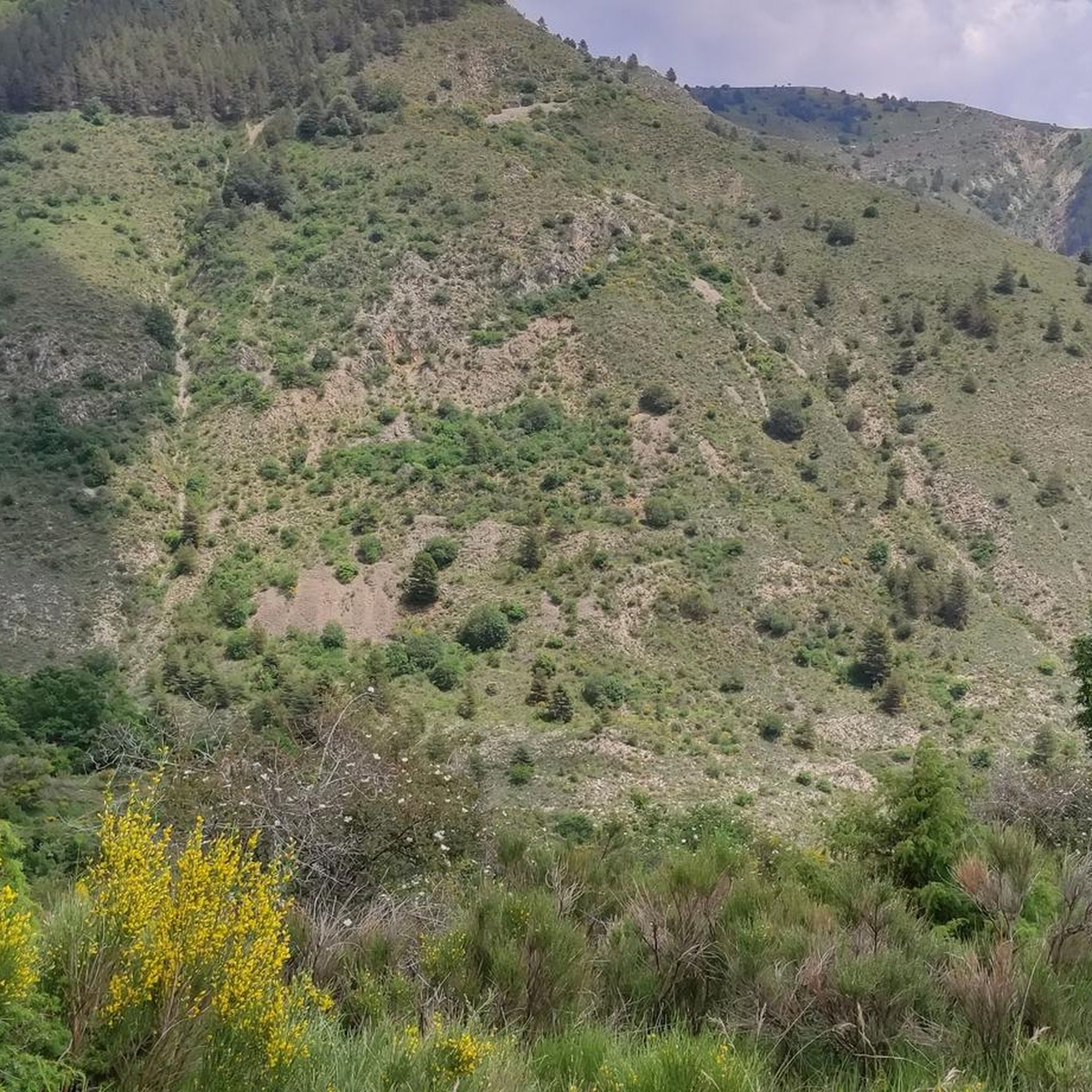
Magnificent view of the Robines, slopes formed of black marl. These sedimentary rocks were found at the bottom of the seas in the secondary era. Later, the formation of mountains brought up its soils which shelter numerous fossils (ammonites, algae, plants).
1
0
Ichthyosaur site invites you to discover the fossil of this marine reptile. Measuring more than 4 meters, it is 183 million years old. A platform allows you to observe the fossil of the reptile whose shape is similar to that of sharks.
1
0

great ride
0
0

This beautiful part of the trail strays slightly from the Durance and gives you a glimpse of the geological formation of the Mées penitents in the distance. The trail itself is very pleasant to walk.
1
1

The road that will take you to the Written Stone. A stone carving that dates back to the 5th century.
1
0
Frequently Asked Questions
What are some notable natural features or viewpoints to explore near Thoard?
The region around Thoard, part of the UNESCO Géoparc de Haute-Provence, offers diverse natural features. You can explore the unique geological formation of the Pénitents des Mées Trail, which provides views of the distinctive Mées penitents. Another significant site is Les Robines (Black Marl Hills), offering magnificent views of slopes formed by ancient marine sedimentary rocks. For a challenging adventure, consider Le Trou d'Argent, a cave with a difficult vertical section.
Are there family-friendly natural monuments or trails in the Thoard area?
Yes, the area offers options suitable for families. The Ichthyosaur Fossil – Réserve Naturelle Géologique de Haute-Provence is a fascinating site where you can observe a 183-million-year-old marine reptile fossil, which is often a hit with children. Many hiking trails around Thoard are also suitable for families, with varying difficulty levels.
What hiking trails are available near the natural monuments around Thoard?
Thoard is an excellent base for hiking. You can find numerous trails that lead to nearby lakes or the charming Chapelle Sainte Madeleine, offering magnificent panoramas. For specific routes, consider exploring the Hiking around Thoard guide, which includes trails like the 'Chapelle Sainte-Madeleine – Thoard loop' and 'Sainte-Madeleine Chapel loop'.
What is the difficulty level of hiking trails around Thoard's natural monuments?
The hiking trails around Thoard vary in difficulty. Many are considered moderate, such as the 'Chapelle Sainte-Madeleine – Thoard loop' (10.4 km) and 'Sainte-Madeleine Chapel loop' (11.9 km). There are also easier options, like the 'Thoard loop from Thoard' (3.3 km), suitable for beginners. The Hiking around Thoard guide provides more details on specific routes.
When is the best time of year to visit the natural monuments around Thoard?
The Alpes-de-Haute-Provence region generally enjoys pleasant weather from spring through autumn, making these seasons ideal for exploring the natural monuments. Spring brings blooming flora, while autumn offers comfortable temperatures and beautiful colors. Summer is also popular, though it can be warmer, especially in July and August.
Are there any historical natural monuments in the Thoard area?
Yes, the region boasts natural monuments with significant historical and geological importance. The Ichthyosaur Fossil – Réserve Naturelle Géologique de Haute-Provence preserves a 183-million-year-old marine reptile fossil. Additionally, the Inscribed Stone, though primarily a historical site, is set within the natural landscape and dates back to the 5th or 6th century, recalling the passage of Dadanus.
What other outdoor activities can I do near these natural monuments?
Beyond hiking, the area around Thoard offers opportunities for cycling and gravel biking. You can find challenging routes like the 'Col du Pas de Bonnet depuis Thoard – gravel loop' in the Cycling around Thoard guide or the Gravel biking around Thoard guide. The diverse landscapes, including the black marl formations and ridges, provide varied terrain for exploration.
Where can I find the best panoramic views of the natural monuments around Thoard?
Many trails around Thoard offer magnificent panoramas. The Col de Fontebelle, at 1,304 meters, is a great starting point for hikes with superb views. The Les Robines (Black Marl Hills) also provides a stunning vantage point over the unique geological formations. The Crête du Siron to the east of Thoard offers a dramatic mountainous backdrop.
Is parking available at the natural monuments near Thoard?
While specific parking details for each individual natural monument may vary, Thoard and its surrounding areas are generally accessible by car. Many trailheads and points of interest, such as the Col de Fontebelle, serve as starting points for exploration and typically have designated parking areas. It's advisable to check local signage upon arrival.
What should I bring when visiting the natural monuments around Thoard?
When exploring the natural monuments and trails around Thoard, it's recommended to bring appropriate hiking footwear, water, sun protection (hat, sunscreen), and layers of clothing suitable for changing weather conditions in mountainous regions. A map or GPS device is also useful, especially for longer hikes. For cave explorations like Le Trou d'Argent, specialized gear may be required.
Can I bring my dog to the natural monuments and trails around Thoard?
Generally, dogs are permitted on many hiking trails in the Alpes-de-Haute-Provence region, including those around Thoard. However, it's always best to keep them on a leash, especially in protected areas or near wildlife. Specific rules may apply to certain natural reserves or sites, so checking local regulations for each monument is recommended.
What makes the geology of Thoard and its surroundings unique?
Thoard is situated within the UNESCO Géoparc de Haute-Provence, a region renowned for its exceptional geological heritage. The landscapes are a result of ancient marine periods, the uplift of the Alps, and significant erosion. This has created diverse formations like the black marl hills of Les Robines, the regularly cone-shaped Pic d'Oise, and the dramatic Crête du Siron, showcasing complex tectonic dislocations and a wealth of fossils like the Ichthyosaur Fossil.
Most popular attractions around Thoard

Get inspired with the komoot mobile app


Explore more
Extend your search for the best caves by checking out these guides of the top ones around Thoard:
