Top 20 Natural Monuments around Arvieux
Natural monuments around Arvieux are situated within the Queyras Regional Natural Park in the French Alps. This region features a complex geology, shaped by ancient oceans, glacial activity, and erosion, resulting in diverse landscapes. The area includes high mountain environments, varied flora and fauna, and an array of geological formations. Visitors can explore natural sites that showcase the region's unique geological history and alpine characteristics.
Best natural monuments around Arvieux
- The most popular natural monuments is Mirror Lake, a…
Last updated: July 4, 2026
Mirror Lake
Highlight • Lake
This is the lake where the mountains are reflected, at the foot of the GR5.
Translated by Google •
Tip by

Gorges of the Guil
Highlight • Gorge
Translated by Google •
Tip by

Sign up now to discover places like this
Get recommendations on the best single tracks, peaks, & plenty of other exciting outdoor places.
Sign up for free
Col Fromage
Highlight • Mountain Pass
Borrowed by the famous GR 5, it offers an unobstructed view of the Cristillan valley to the south and the points of La Selle and Rasis to the northeast.
Translated by Google •
Tip by

La Casse Déserte
Highlight • Natural Monument
Translated by Google •
Tip by

Gorges du Guil
Highlight • Gorge
Translated by Google •
Tip by
Sign up for free to discover even more natural monuments around Arvieux.
Sign up for free
Already have an account?
Start today with a free account
Your next adventure awaits.
Login or Signup
Popular around Arvieux
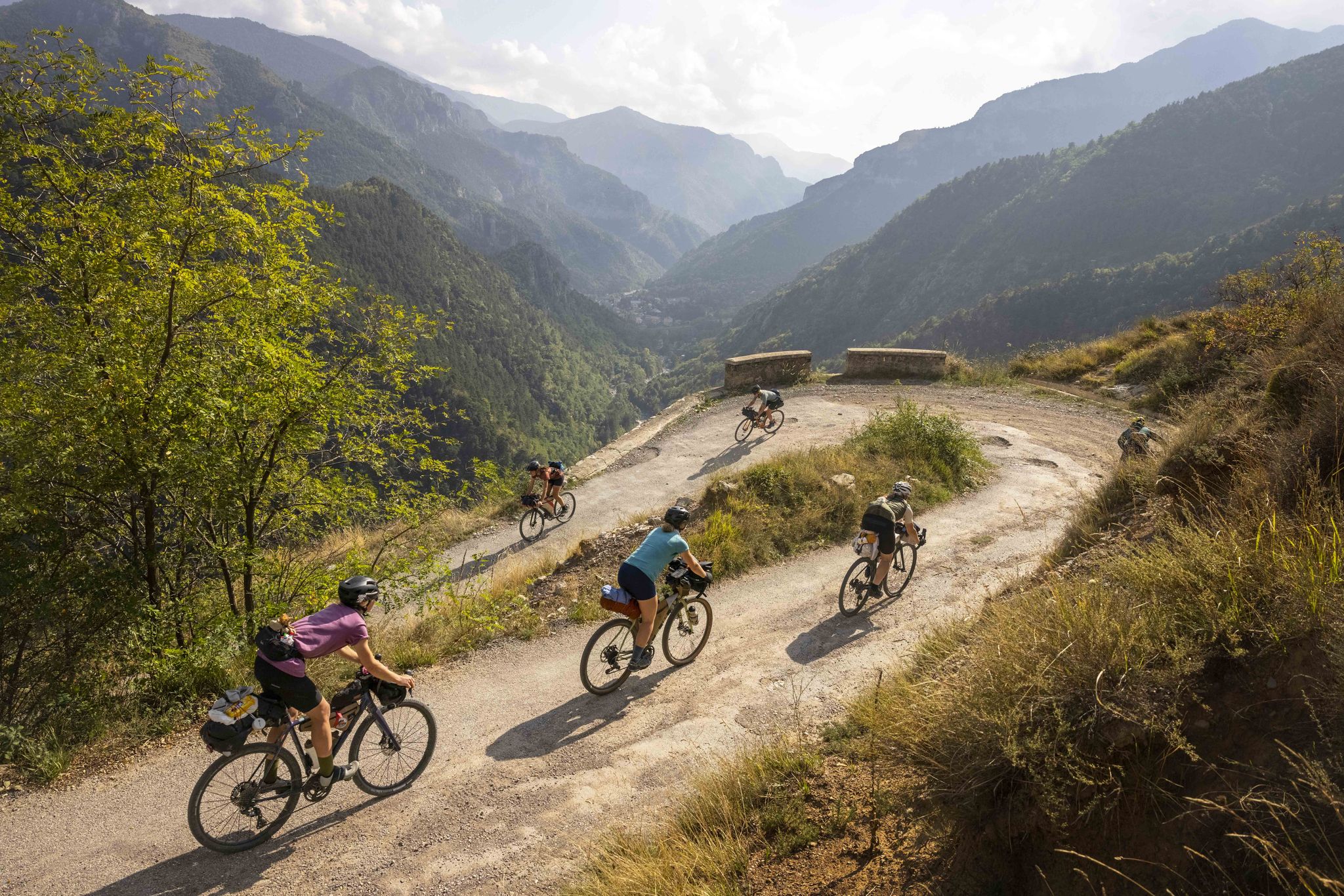
Lael's 2021 Komoot Women's Torino Nice Rally
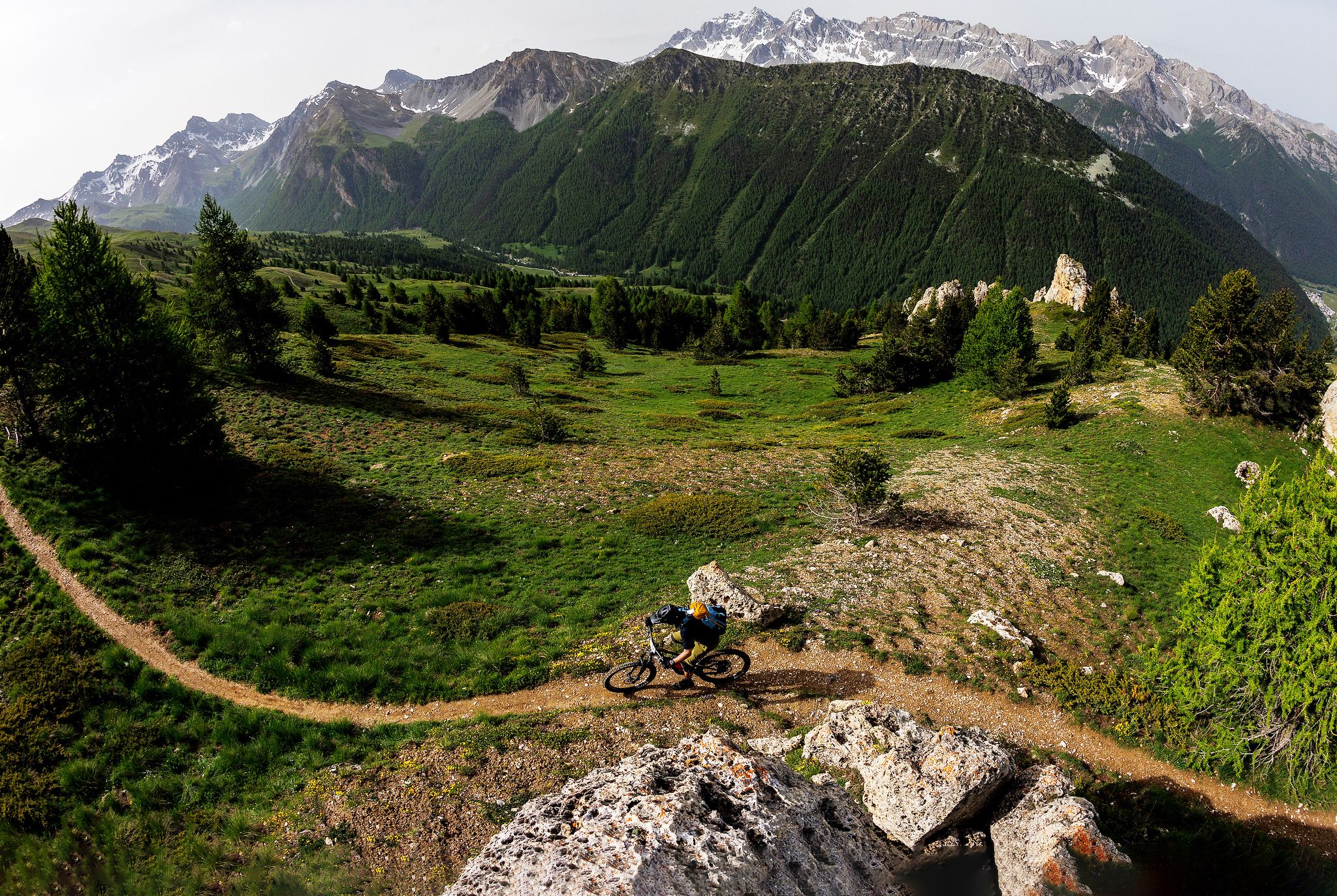
The STONE KING Route – adventure enduro from High Alps to the Med
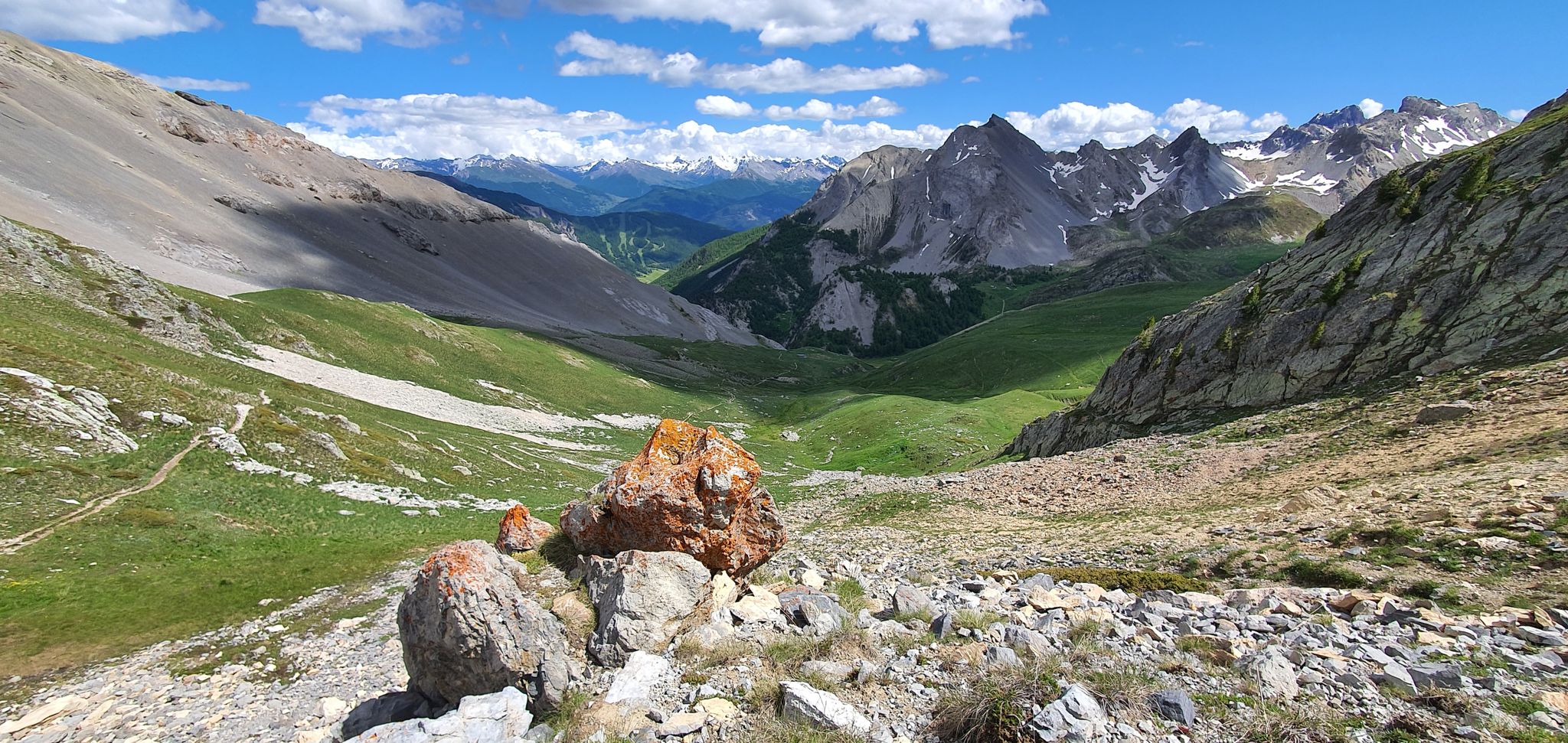
Hike from Saint-Étienne-de-Tinée to Briançon – Europe Trail (GR 5)
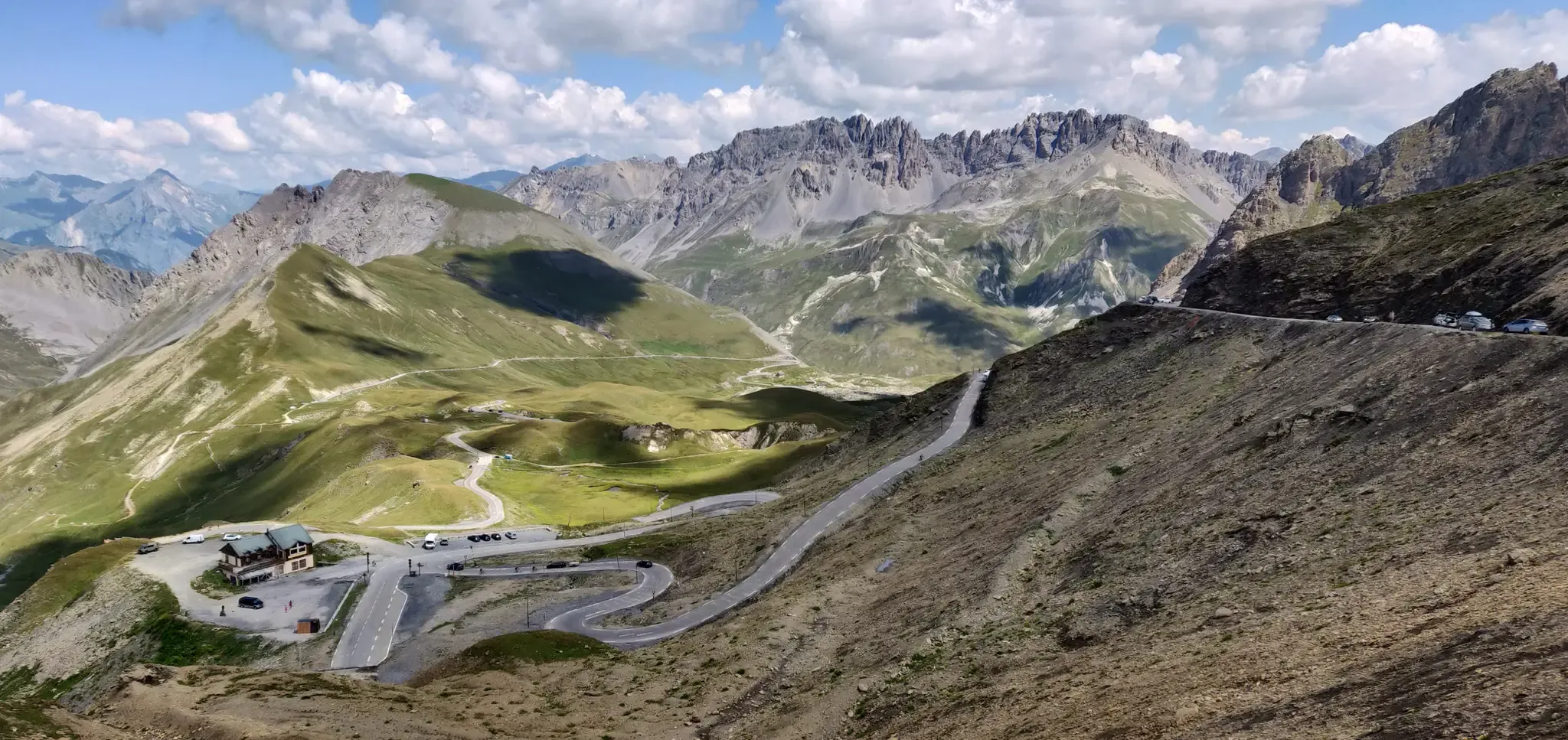
Legendary passes of the Tour de France
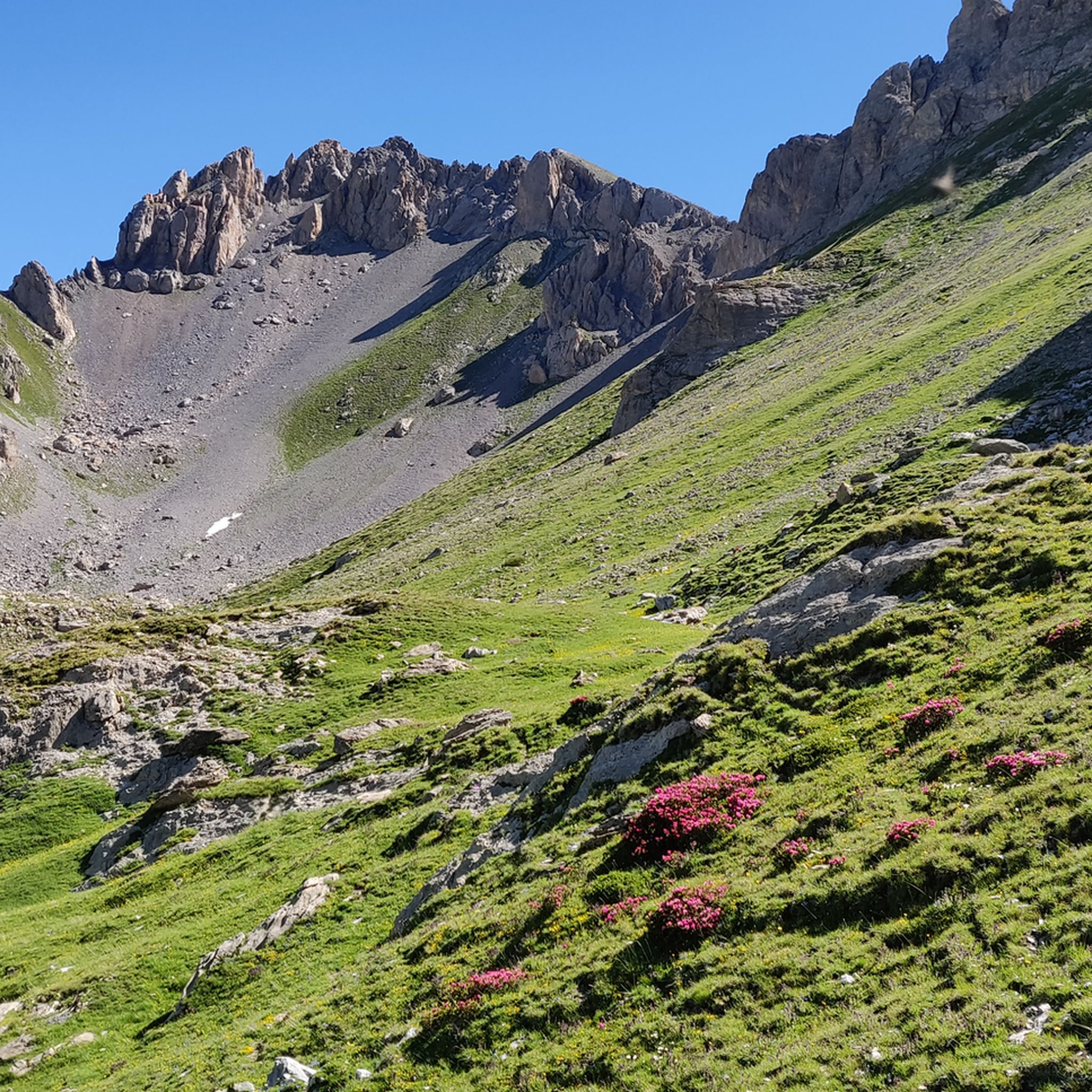
Hiking around Arvieux
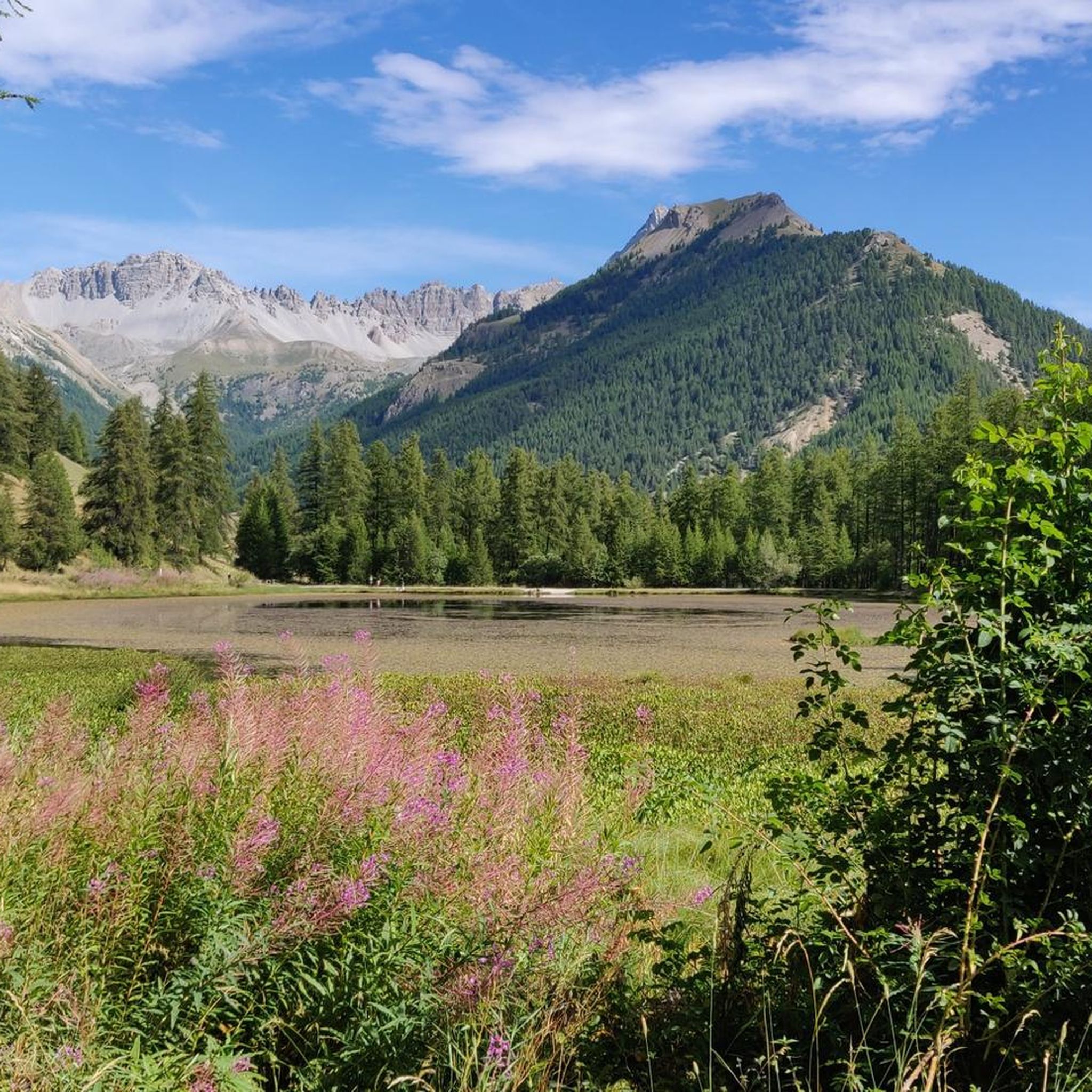
Road Cycling Routes around Arvieux
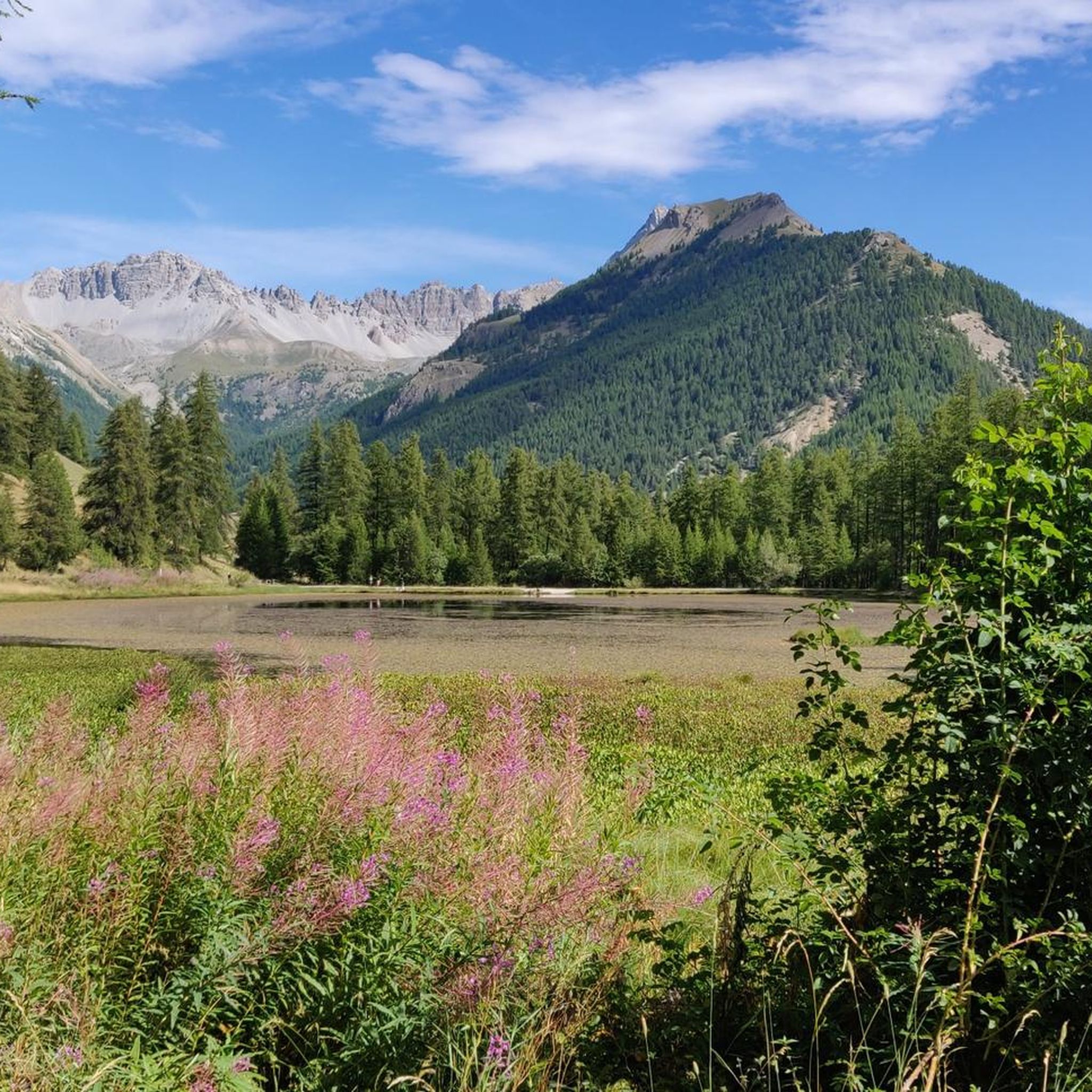
MTB Trails around Arvieux
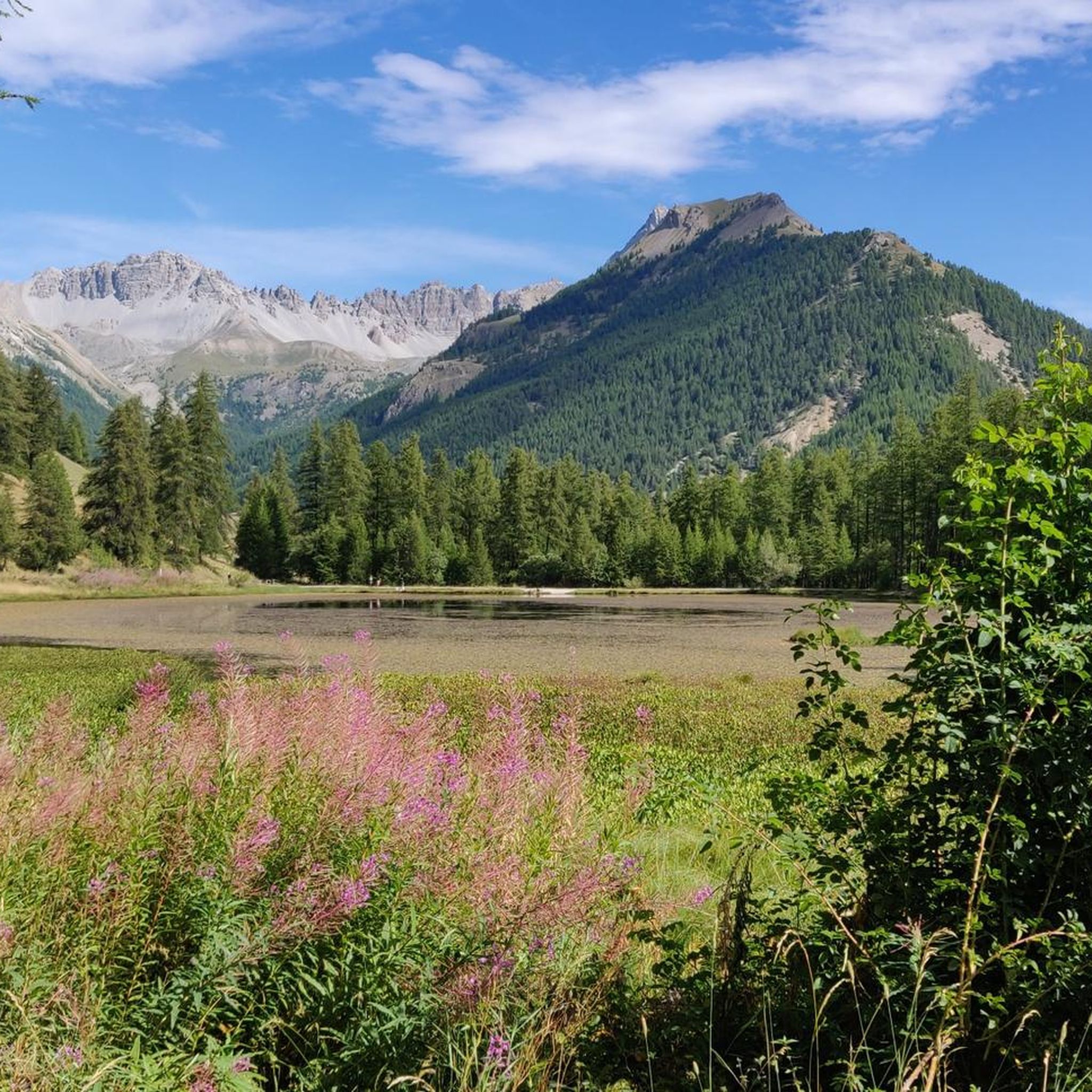
Cycling around Arvieux
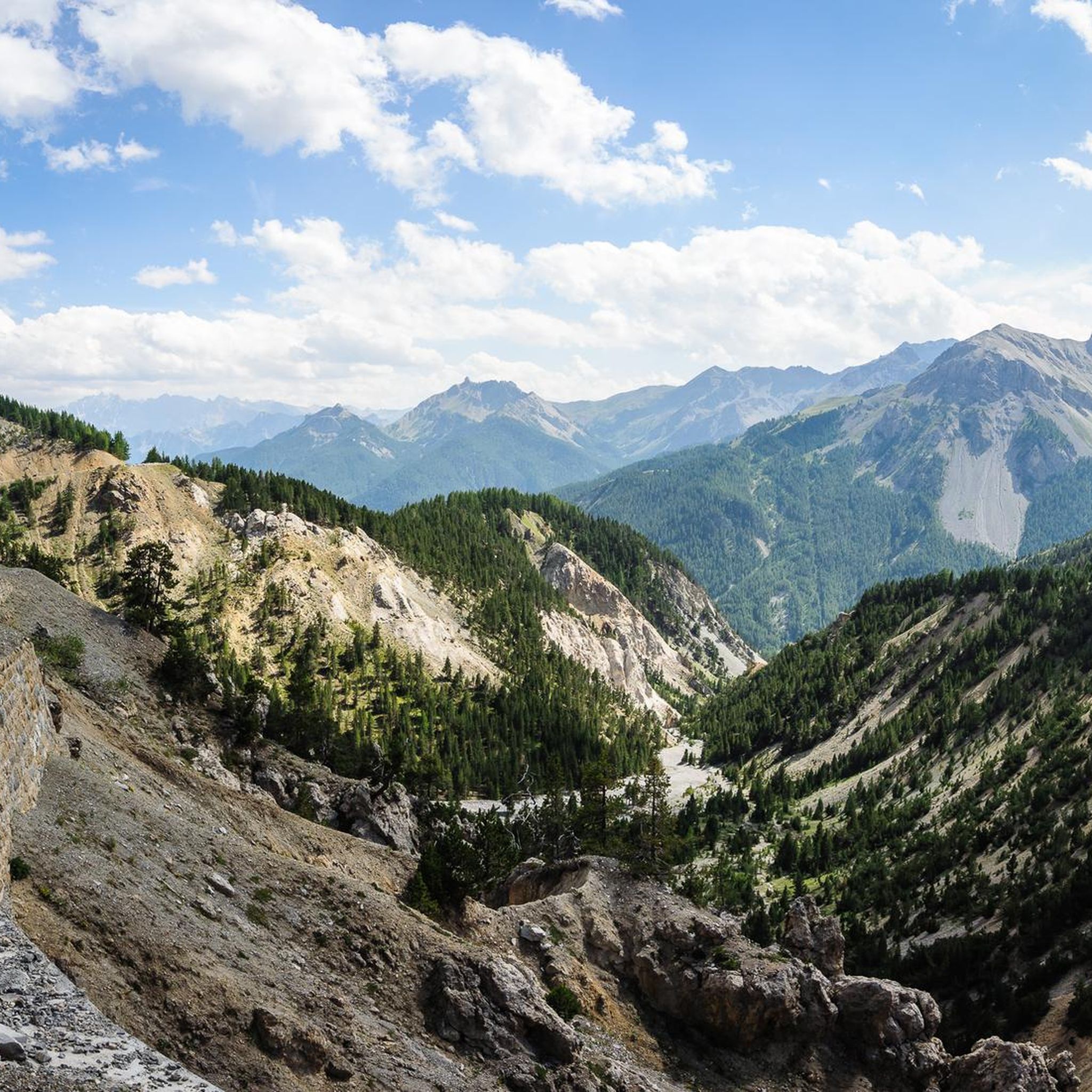
Running Trails around Arvieux
Gravel biking around Arvieux
Other adventures around Arvieux


Tips from the Community

An almost fairytale passage, the Guil has carved the rock over millions of years.
14
0
Incredible road, you enjoy it even more on a bike.
13
0
Wonderful view very nice area.
16
0
This spot offers a unique view.
16
0
Cycling through these gorges is a wonderful experience.
15
0
Point with a particular view of a rock face.
15
0

This lake is magnificent as are the hikes around it.
0
0
Frequently Asked Questions
What kind of natural features can I expect to see around Arvieux?
The Arvieux region, nestled in the Queyras Regional Natural Park, offers a diverse range of natural features. You'll find impressive gorges like the Gorges of the Guil, serene mountain lakes such as Mirror Lake, and high mountain passes offering expansive views, like Fromage Pass. The area is characterized by its complex geology, shaped by ancient oceans and glacial activity, resulting in unique rock formations and stunning alpine landscapes.
Are there family-friendly natural monuments or walks suitable for children around Arvieux?
Yes, there are several family-friendly options. La Casse Déserte, near the Col d'Izoard, is a striking geological site that's accessible and offers a unique landscape for families to explore. Additionally, Lac de Roue provides an accessible natural beauty and serene surroundings, ideal for a leisurely stroll with children, offering magnificent insights into the valley's geological history.
What outdoor activities can I do near the natural monuments in Arvieux?
The natural monuments around Arvieux are excellent starting points for various outdoor activities. You can enjoy hiking, with routes like the Lac de Souliers loop or the challenging Rochebrune Peak loop. For cyclists, there are gravel biking opportunities, including routes around Col d'Izoard and Col de Péas. You can find more details on specific routes and their difficulty levels in the Hiking around Arvieux and Gravel biking around Arvieux guides.
What is the best time to visit the natural monuments around Arvieux?
The Queyras Regional Natural Park, where Arvieux is located, is known for its ideal climate and abundant sunshine, protected by high mountain walls. Generally, late spring to early autumn (May to October) offers the best conditions for exploring, with pleasant temperatures for hiking and clear views. Winter provides opportunities for snow-based activities, but access to some higher-altitude monuments might be restricted due to snow.
Can I find challenging hikes or mountaineering opportunities near Arvieux's natural monuments?
Absolutely. For those seeking a challenge, Pic de Rochebrune, the second-highest point in the Queyras region, offers majestic cliffs and requires a good level of mountaineering experience for its ascent from the Col d'Izoard. The Tronchet Pass also provides superb views and can be part of more demanding routes. You can explore challenging options like the Rochebrune Peak loop in the Mountain Hikes around Arvieux guide.
What makes the Gorges du Guil a significant natural monument?
The Gorges du Guil are a natural gateway to the Queyras National Park, renowned for their raw and powerful display of nature's erosive force. Carved by the torrential Guil river, they feature vertiginous walls, natural moats, and unique rock formations. They are popular for activities like rafting and offer an almost fairytale passage through scenery shaped over millions of years.
What geological insights can I gain from visiting the natural monuments in Arvieux?
The region's complex geology, shaped by ancient oceans, glacial activity, and erosion, is evident throughout its natural monuments. Sites like La Casse Déserte showcase unique 'cargneules' (vacuolar rocks) and 'demoiselles décoiffées' (rock formations), offering a glimpse into the Alps' ancient marine environments. Lac de Roue also provides insights into the valley's formation by glaciers.
Are there any natural monuments around Arvieux that offer extensive panoramic views?
Yes, several natural monuments provide breathtaking panoramic views. Côte Belle, situated at the foot of Lac de Souliers, offers expansive vistas. From its summit, on a clear day, you can see as far as the Barre des Ecrins and even Mont Blanc. Fromage Pass also provides an unobstructed view of the Cristillan valley and the points of La Selle and Rasis.
What is special about Lac de Souliers and its surroundings?
Lac de Souliers is a beautiful mountain lake that serves as a starting point for a rewarding climb to Côte Belle. After enjoying the serene lake, the ascent to Côte Belle offers unparalleled panoramic views, making the Col d'Izoard appear miniature below. It's a great spot for both relaxation by the water and a more strenuous hike for stunning vistas.
What do visitors particularly enjoy about the natural monuments in Arvieux?
Visitors frequently praise the stunning natural beauty and the diverse experiences offered. Many highlight the unique reflections at Mirror Lake, the almost fairytale-like passage through the Gorges of the Guil, and the impressive landscapes along the GR5 from
What do visitors particularly enjoy about the natural monuments in Arvieux?
Visitors frequently praise the stunning natural beauty and the diverse experiences offered. Many highlight the unique reflections at Mirror Lake, the almost fairytale-like passage through the Gorges of the Guil, and the impressive landscapes along the GR5 from Fromage Pass. The region's ability to offer both challenging climbs and accessible, serene walks is also highly appreciated.
Is the Queyras Regional Natural Park itself considered a natural monument?
While not a single monument, the entire Queyras Regional Natural Park is a protected area covering 65,000 hectares, characterized by a diverse range of environments, rich flora and fauna, and high mountain landscapes. It's often described as an 'island in the ocean of the Alps' due to its unique climate and preserved natural heritage. The park offers an unparalleled opportunity to experience pristine alpine nature through its numerous marked trails.
Are there any natural monuments that are particularly good for photography?
Many natural monuments in the Arvieux area offer fantastic photographic opportunities. Mirror Lake is particularly renowned for its reflections of the surrounding mountains and larches. The dramatic rock formations of the Gorges of the Guil and the unique geological features of La Casse Déserte also provide striking and unusual subjects for photographers.
Most popular routes around Arvieux
Most popular attractions around Arvieux

Get inspired with the komoot mobile app


Explore more
Extend your search for the best caves by checking out these guides of the top ones around Arvieux:
