Top 7 Natural Monuments around Clarensac
Best natural monuments around Clarensac offer diverse natural and historical sites in the Gard department of France. The region features a landscape shaped by ancient quarries, elevated viewpoints, and unique geological formations. These sites blend natural beauty with historical elements, providing insights into the area's past and ecological significance. Visitors can explore a variety of natural settings, from limestone caves to ochre sites and elevated summits.
Best natural monuments around Clarensac
- The most popular natural monuments is Carrières de Junas…
Last updated: July 4, 2026
Carrières de Junas
Highlight • Structure
Translated by Google •
Tip by

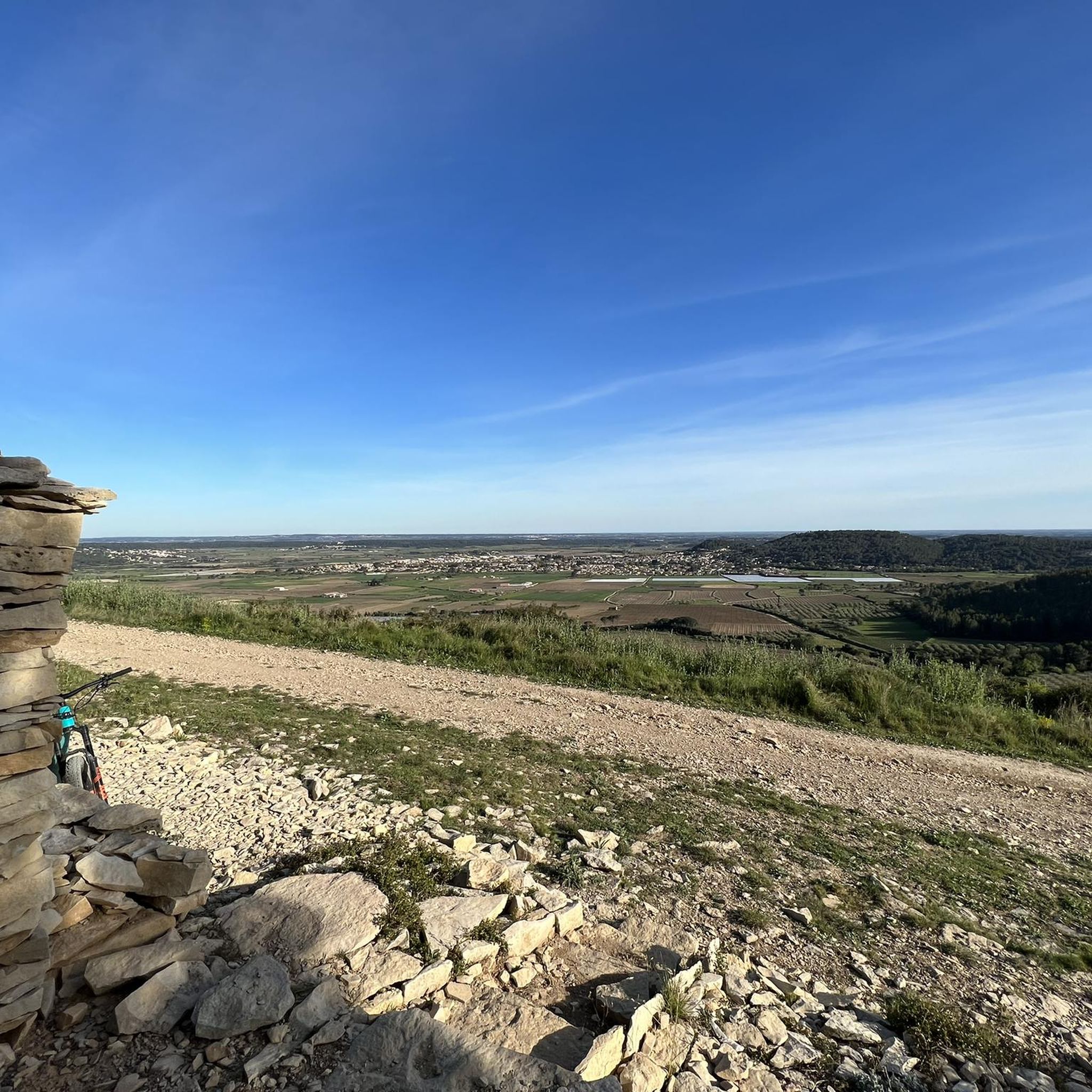
Roc de Gachone – 4 Windmills
Highlight • Viewpoint
Translated by Google •
Tip by
Sign up now to discover places like this
Get recommendations on the best single tracks, peaks, & plenty of other exciting outdoor places.
Sign up for free
Ancient Roman Quarry
Highlight • Historical Site
Tip by

Roman Fountain of Ranquet
Highlight • Historical Site
Translated by Google •
Tip by

Ochres of Fougeras
Highlight • Viewpoint
Formerly exploited for the many uses of ochre, it is now a magnificent natural site.
Translated by Google •
Tip by
Sign up for free to discover even more natural monuments around Clarensac.
Sign up for free
Already have an account?
Start today with a free account
Your next adventure awaits.
Login or Signup

Tips from the Community

Lens limestone was primarily reserved for intricately decorated works, as its composition allows for fine and in-depth work. It was shipped to Arles or Beaucaire before being exported to construction sites all around the Mediterranean. But in Nîmes, it was of course used for all the ornamentation of the arenas, the Maison Carrée, and the Temple of Diana. https://echosdeleinsgardonnenque.fr/en-visite-aux-carrieres-romaines/
0
0

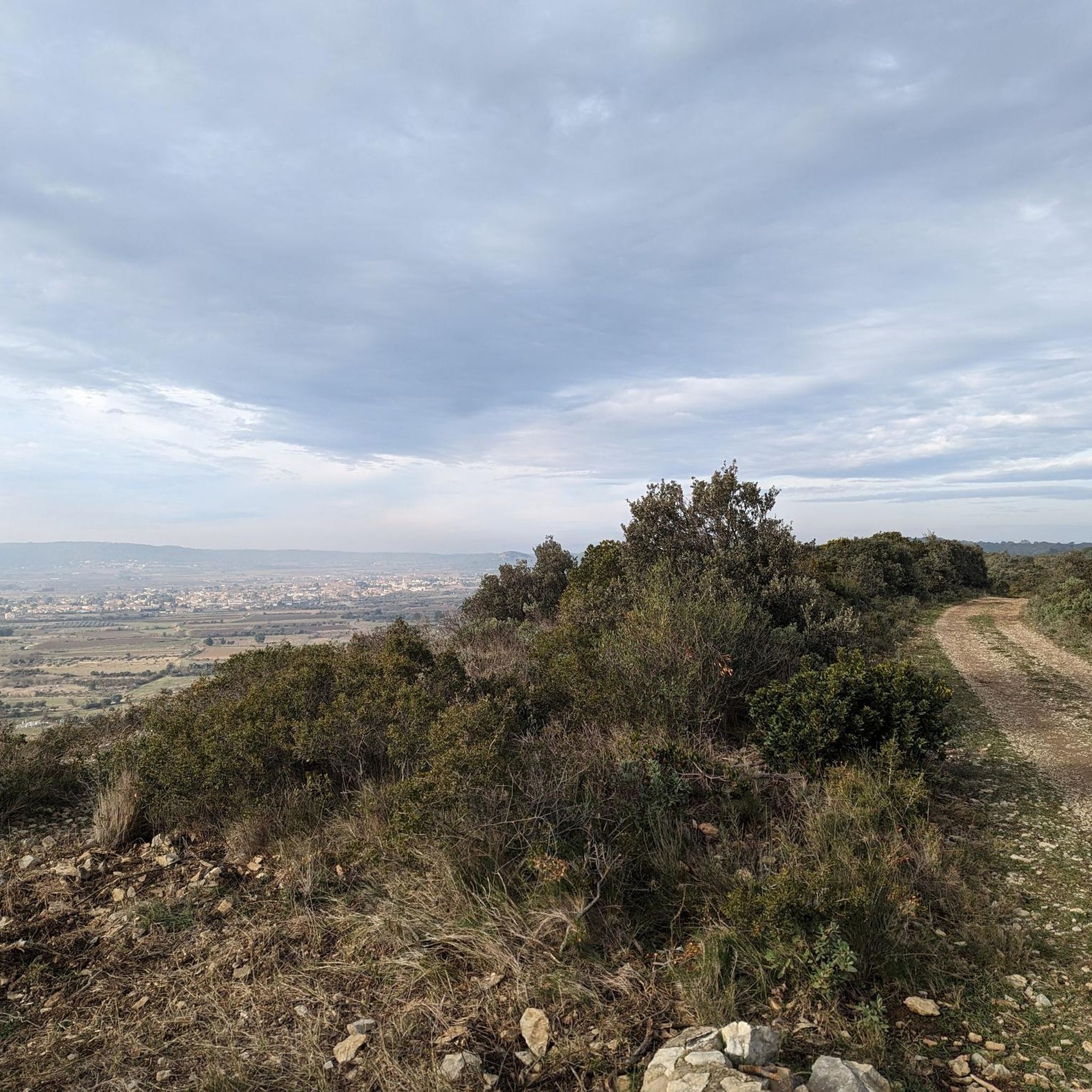
Beautiful place and beautiful view. The trail to get there is quiet (although it climbs). The single tracks are much more technical!
0
1

You have to sweat to get there! Come on, go!
0
0

Magnificent Roman quarry, difficult to access but worth the effort. We can see the cutting of certain stone blocks as well as elements sculpted on site (pillars) that have not been moved.
0
0

Beautiful stone site, remnant of a building which in Roman times housed the Ranquet spring which provided water to the inhabitants of the oppidum of Roque de Viou. It supplied two tanks measuring 24m x 4.6m, which are now partially destroyed. Located at the junction of rue de la Fontaine Romaine and rue de l'Agau de Nages, the place, decorated with a small stone bench, is charming.
1
0

A beautiful old Roman quarry at the end of a small path.
0
0

A grandiose and magical place, forged by more than 2000 years of rock quarrying using an unchanged manual method, hundreds of cubic meters of stone quarried there were used in particular to build the Pont de Sommières, then later in Aigues-Mortes and Vigan .
8
0

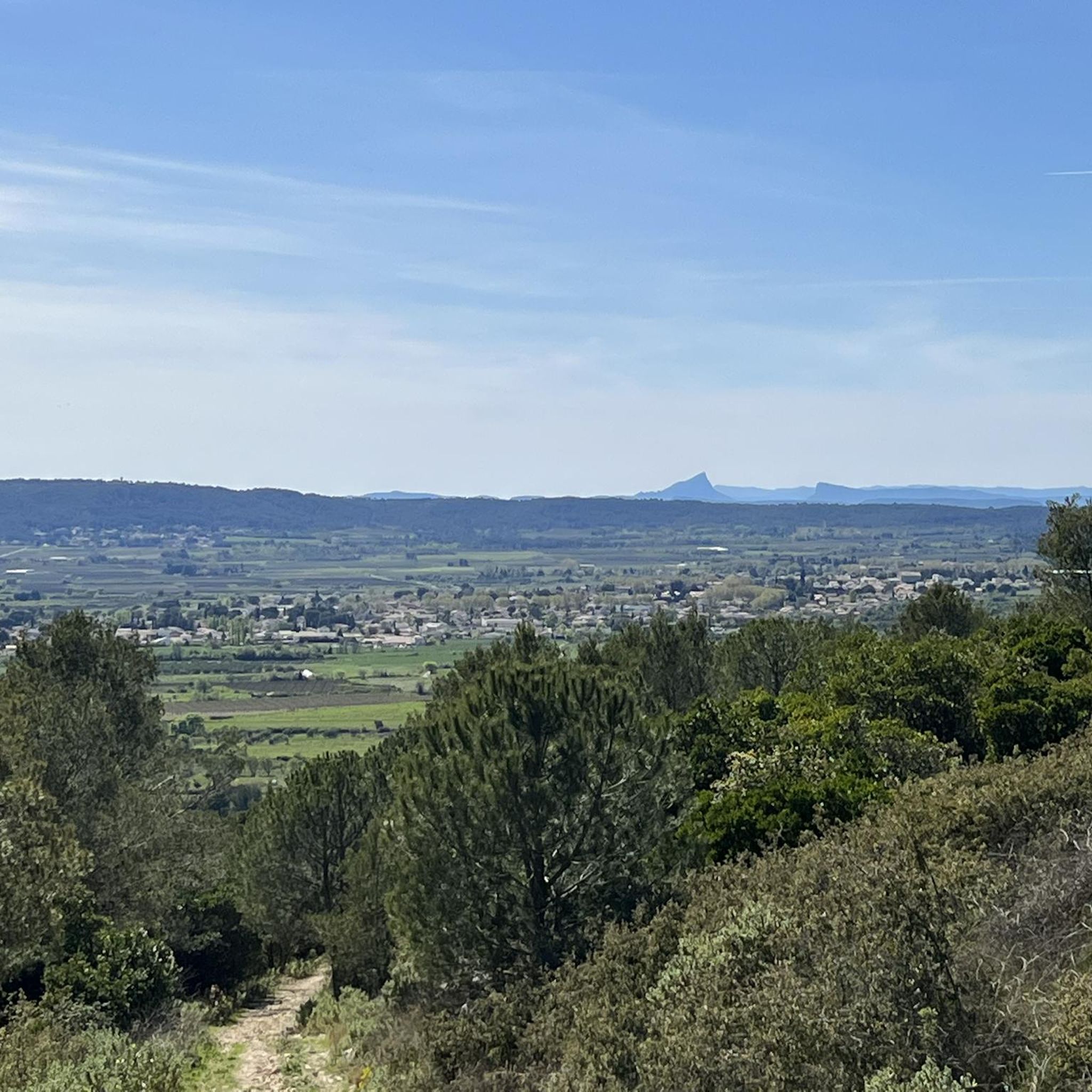
The summit of Roc de Gachone (167m above sea level) is "capped" by 3 windmills and offers a magnificent view of the plain.
0
0
Frequently Asked Questions
What unique natural features can I explore near Clarensac?
Near Clarensac, you can discover a variety of unique natural features. These include ancient quarries like Carrières de Junas, known for its impressive rock formations shaped over millennia, and the vibrant Ochres of Fougeras, which showcase a striking natural landscape. Further afield, you can explore the vast dune system and wild beach of Pointe de l'Espiguette, or the stunning underground world of Grotte des Demoiselles with its intricate stalactites and stalagmites.
Are there natural monuments with historical significance around Clarensac?
Yes, several natural monuments in the area blend natural beauty with rich history. The Carrières de Junas, for example, is an ancient stone quarry exploited since Antiquity. You can also visit the Ancient Roman Quarry, where you can still see evidence of stone cutting and sculpted elements. Additionally, the Roman Fountain of Ranquet is a beautiful stone site that once housed a spring providing water in Roman times.
What are some family-friendly natural monuments to visit near Clarensac?
For families, the Carrières de Junas offers an engaging experience with its grand scale and interesting rock formations. The Roman Fountain of Ranquet provides a charming historical spot. The Grotte des Demoiselles is also a fantastic family outing, featuring a funicular railway descent and a captivating sound and light show within the cave.
Where can I find panoramic views of the region's natural landscape?
For magnificent panoramic views, head to Roc de Gachone – 4 Windmills. At 167 meters above sea level, this summit is crowned by three windmills and offers extensive vistas of the surrounding plain. Another excellent viewpoint is the Ochres of Fougeras, which provides a unique perspective of its colorful natural landscape.
Are there opportunities for birdwatching near Clarensac's natural monuments?
Yes, the Etang de Scamandre Regional Nature Reserve, located about 25 km from Clarensac in the Camargue region, is a crucial bird area. It features marshes, reed beds, and wet forests with marked walking trails and observation areas, making it an ideal destination for birdwatchers to observe diverse species in their natural habitat.
What kind of outdoor activities can I do near these natural monuments?
The area around Clarensac offers various outdoor activities. You can find numerous hiking trails, ranging from easy to moderate, such as the 'Oppidum of Nages – Chemin des Aires loop' or the 'Source Font Bonnet – Chapelle Saint Roman Ruins loop'. For cyclists, there are road cycling routes like the 'View of Gallician pond – Vauvert Greenway loop' and touring bicycle routes such as the 'Camargue bulls – Bridge crossing loop'. You can explore more options on the Hiking around Clarensac and Road Cycling Routes around Clarensac guide pages.
What is the best time to visit the natural monuments around Clarensac?
The natural monuments around Clarensac can be enjoyed throughout much of the year. Spring and autumn offer pleasant temperatures for exploring outdoor sites like the quarries and viewpoints. For coastal areas like Pointe de l'Espiguette, summer is ideal for beach activities, while the cooler months are great for walking the dunes. Caves like Grotte des Demoiselles maintain a consistent cool temperature, making them a good option even on hotter days.
Can I find natural monuments that are less crowded?
While popular sites attract visitors, many natural monuments offer a sense of tranquility. The Ancient Roman Quarry, though challenging to access, is often less crowded and rewards visitors with its preserved historical elements. The Etang de Scamandre Regional Nature Reserve, with its extensive trails, also provides ample space for quiet observation of nature.
What are the geological highlights of the natural monuments near Clarensac?
The region is rich in geological interest. The Grotte des Demoiselles is a prime example, showcasing spectacular limestone formations, including massive stalactites, stalagmites, and rare helictite formations. The ancient quarries like Carrières de Junas also reveal the geological history of the area through their carved rock faces.
Are there any natural monuments that are also good for a longer walk or hike?
Yes, several natural monuments are integrated into longer walking experiences. The trails leading to Roc de Gachone – 4 Windmills offer a good climb and rewarding views. The Etang de Scamandre Regional Nature Reserve provides several marked walking trails, including elevated wooden walkways, perfect for extended strolls through wetlands. Additionally, the vast, undeveloped coastline of Pointe de l'Espiguette is ideal for long walks along its extensive dune system and beach.
What do visitors particularly enjoy about the natural monuments around Clarensac?
Visitors appreciate the diverse experiences offered by the natural monuments. Many enjoy the historical depth of sites like Carrières de Junas, marveling at the ancient rock quarrying. The panoramic views from Roc de Gachone – 4 Windmills are also highly praised. The unique natural landscapes, such as the colorful Ochres of Fougeras and the wild beauty of Pointe de l'Espiguette, are also frequently highlighted as memorable experiences.
Most popular routes around Clarensac
Most popular attractions around Clarensac

Get inspired with the komoot mobile app


Explore more
Extend your search for the best caves by checking out these guides of the top ones around Clarensac:
