Top 6 Natural Monuments around Flaux
Best natural monuments around Flaux offer a diverse landscape shaped by geological features and historical significance. The region is characterized by its river valleys, ancient caves, and impressive viewpoints. These natural formations provide opportunities to explore both the natural environment and historical sites. The area features a variety of natural monuments, including rivers, caves, and gorges.
Best natural monuments around Flaux
- The most popular natural monuments is View of a bend in the Gardon River, a viewpoint that offers…
Last updated: July 4, 2026
La Baume Saint-Vérédème Cave and Chapel
Highlight • Cave
Translated by Google •
Tip by

Salpêtrière Prehistoric Shelter
Highlight • Gorge
It is the eponymous …
Translated by Google •
Tip by

Sign up now to discover places like this
Get recommendations on the best single tracks, peaks, & plenty of other exciting outdoor places.
Sign up for free
Source of the Eure
Highlight • River
Translated by Google •
Tip by

View of a bend in the Gardon River
Highlight • Viewpoint
Translated by Google •
Tip by

Gardon River
Highlight • River
Translated by Google •
Tip by

Start today with a free account
Your next adventure awaits.
Login or Signup
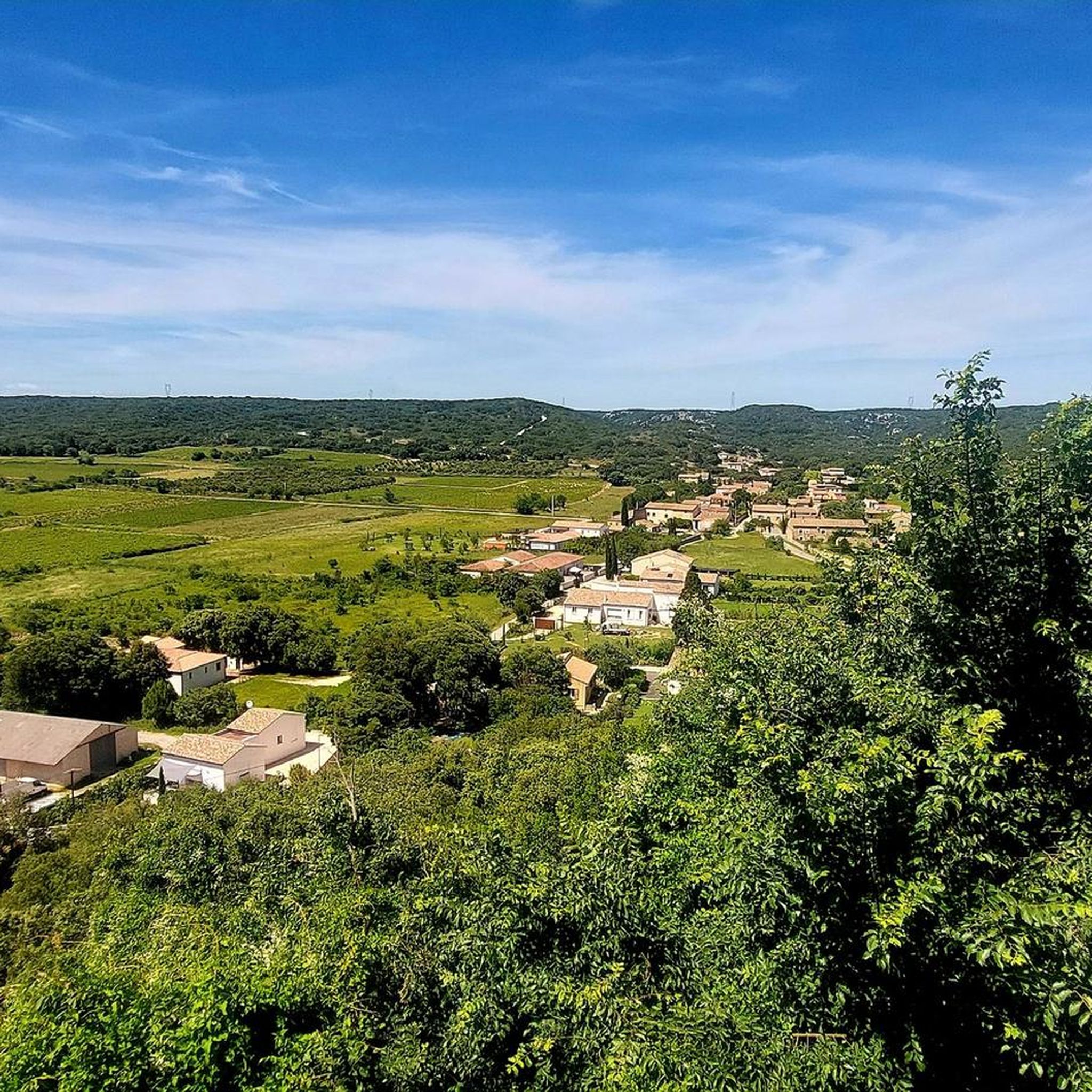
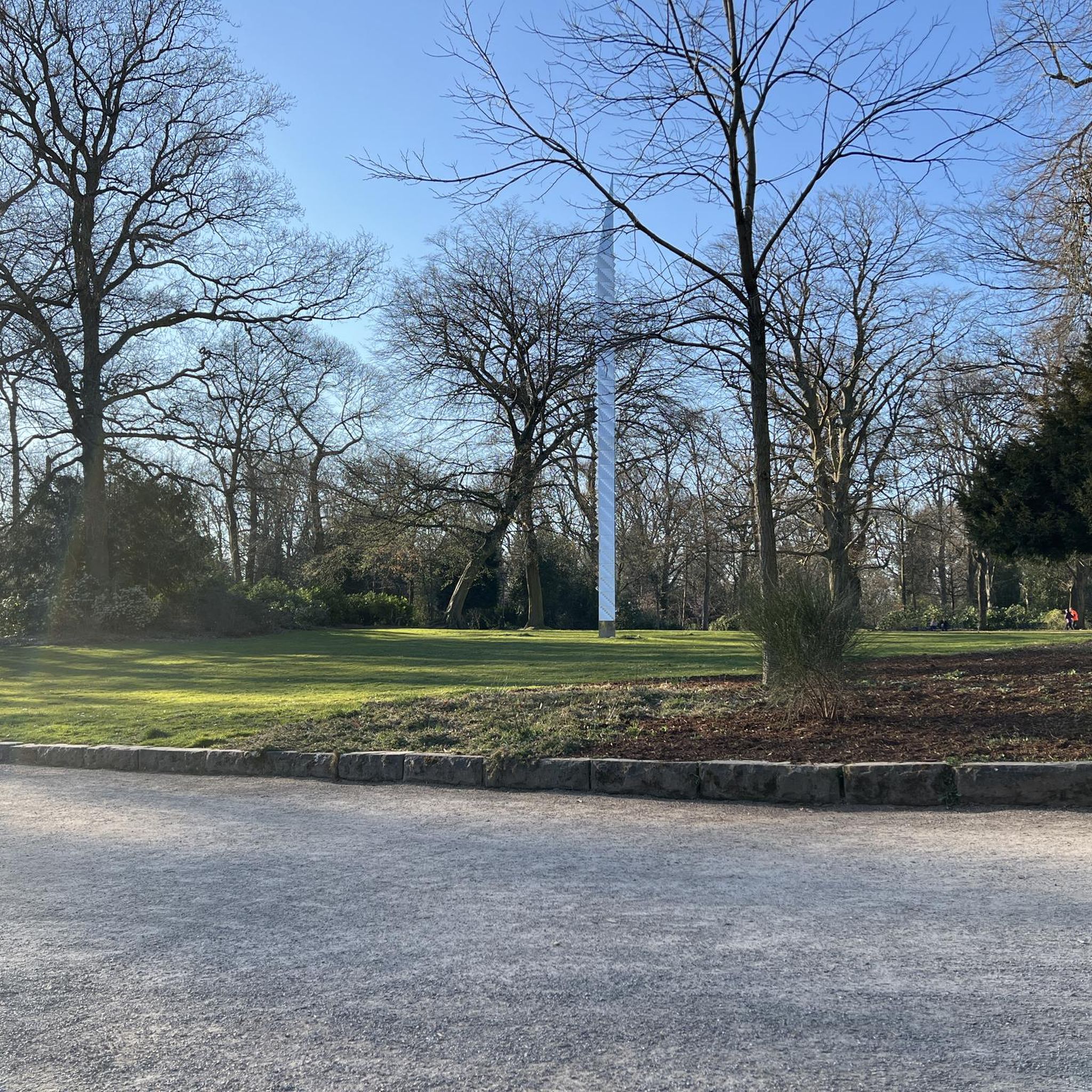
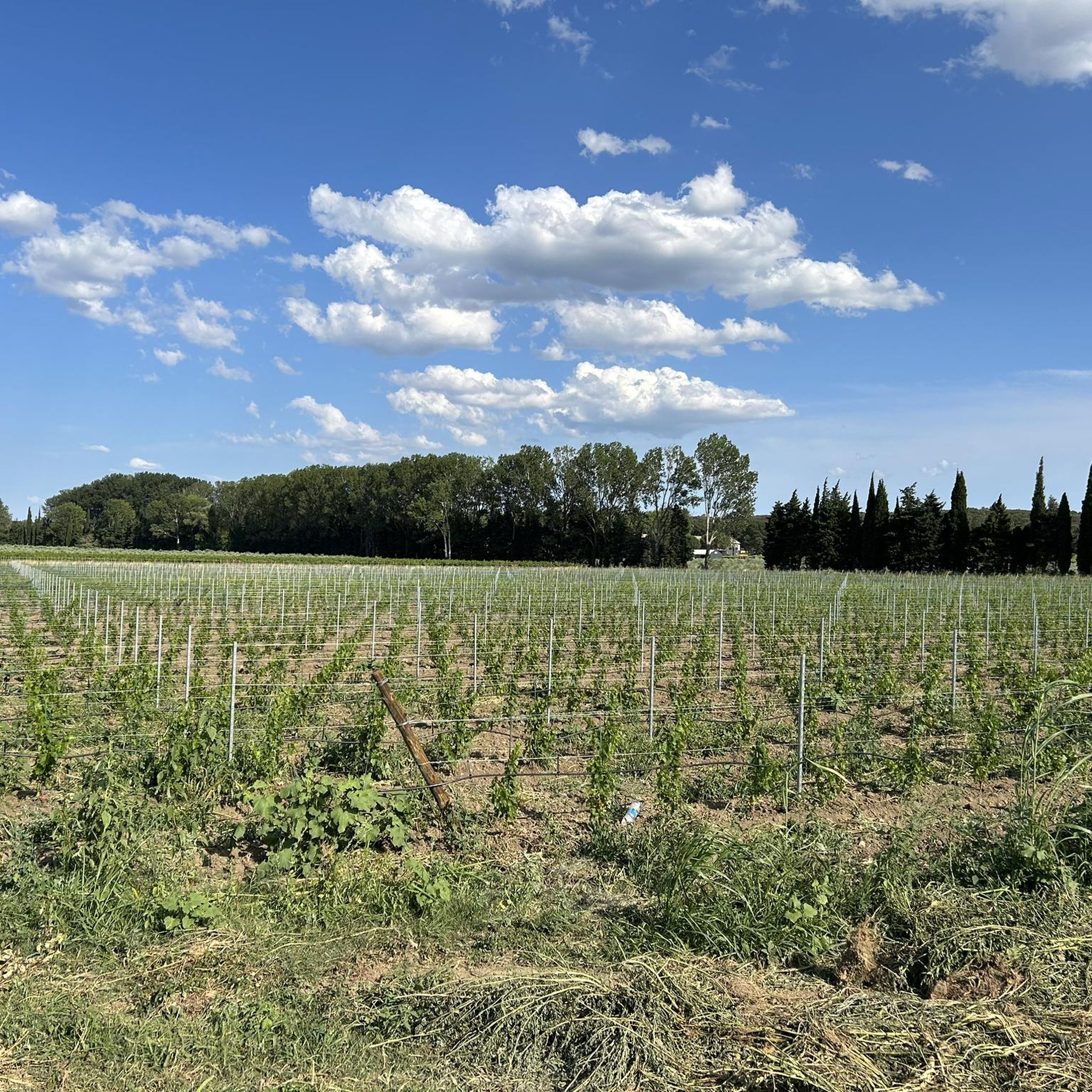
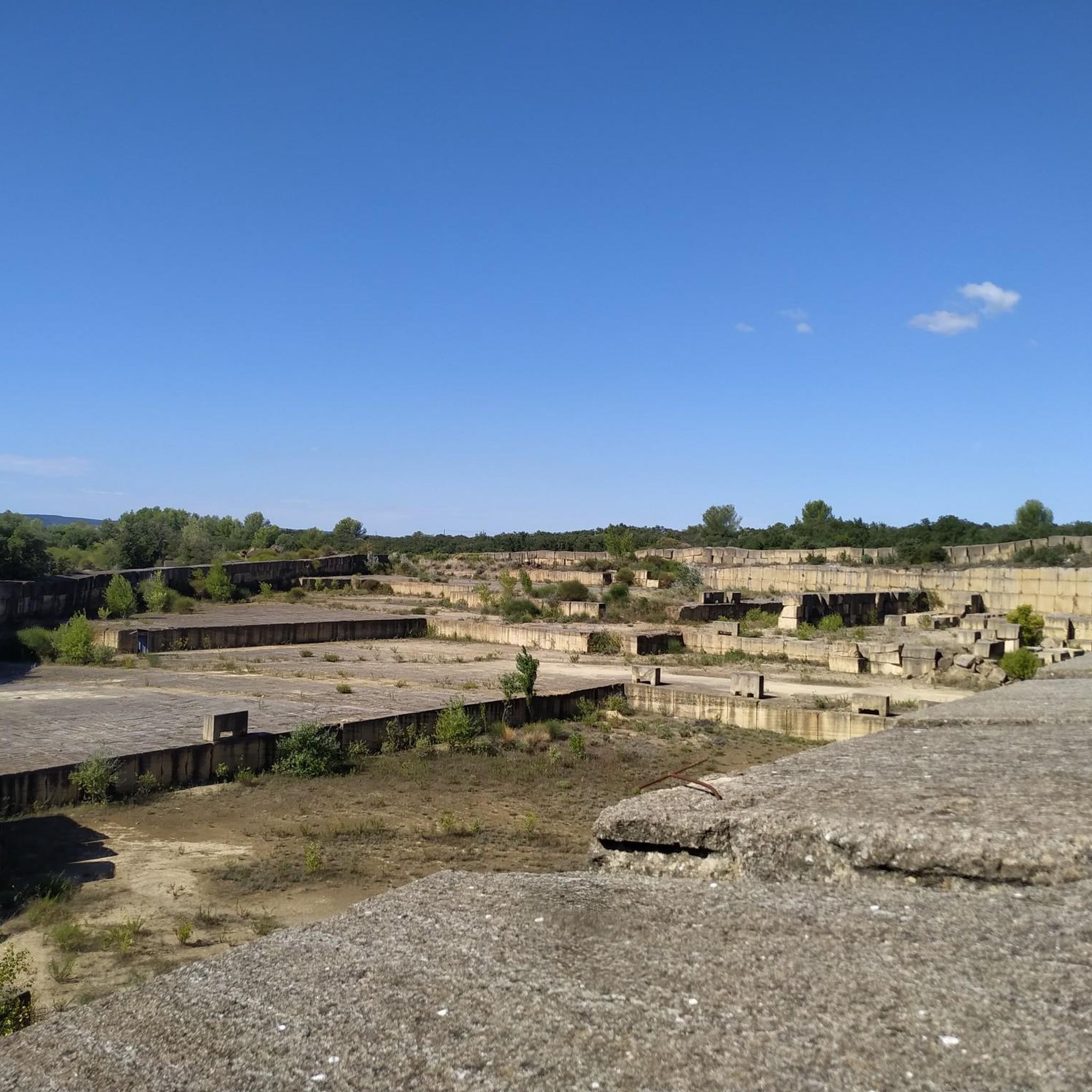
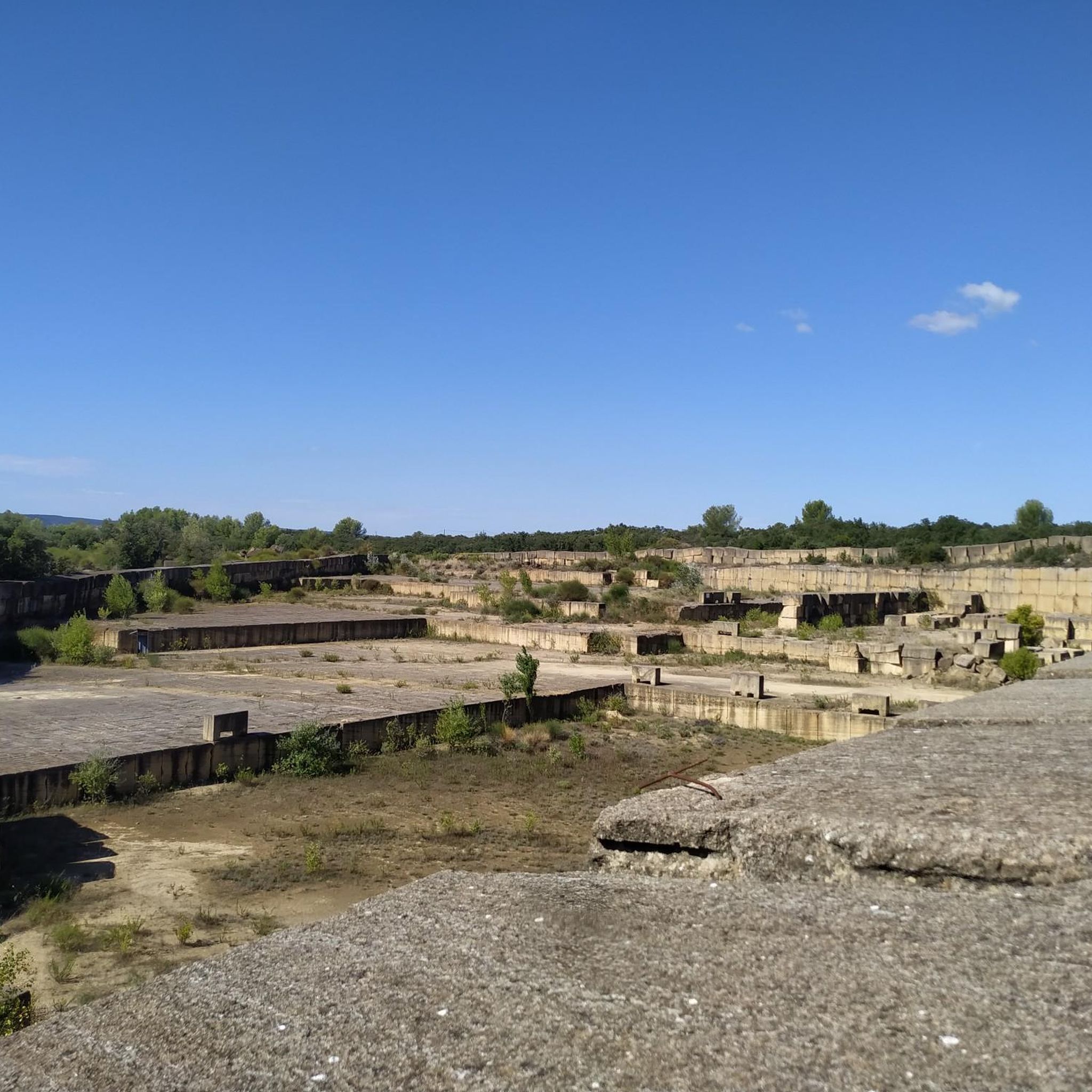
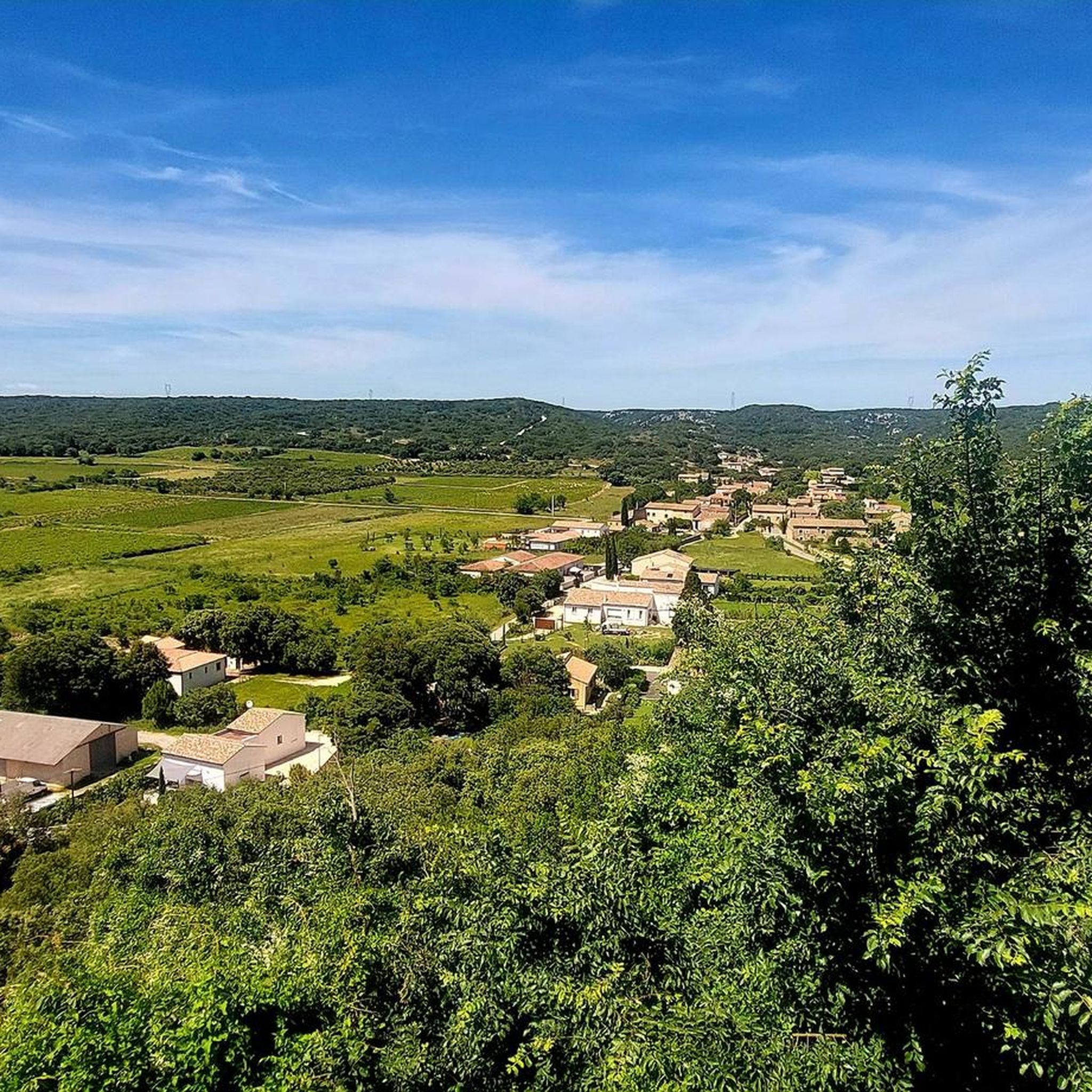
Tips from the Community

In the 1st century AD, the Romans harnessed the abundant water supply of the Alzon River, the source of the Eure River, located in a small valley at the foot of the city. It is here that the water begins its long journey (over 50 km) to Nîmes via an aqueduct, the most spectacular part of which remains the Pont du Gard, a UNESCO World Heritage Site, spanning the Gardon River. The Eure Valley is a must-see destination for walks for both the residents of Uzès and tourists.
0
0

Simply beautiful to look at and a great building that has stood for centuries
0
0

Gorges du Gardon Biosphere Reserve. The Gardon is a river in the French region of Occitanie. It flows beneath the Pont du Gard. The aqueduct is one of the best-preserved Roman structures in all of Europe. Magnificent, imposing, and truly ingenious.
0
0

A beautiful loop from Collias. However, the "lower" section will be much more interesting than the "plateau" (T3). There are still a few tricky sections to note in the lower section (T2).
0
0
Access is only available during certain periods of the year, due to the conservation of the small inhabitants that inhabit the area. The cave is open from August 16th to November 14th, and from March 16th to April 30th. Bring a good flashlight, as the crossing can take approximately 5 to 10 minutes. This cave is nothing more than the former underground passage of the Gardon River. Accessible to all, be careful, however, once you have crossed, you will be close to the cliff on the other side. The path beyond (T2/T3) can be daunting for some people. Don't hesitate to turn back if you have any hesitation.
1
0

The source that was channeled by the Romans via a long canal and the Pont du Gard to Nimes.
0
0

Due to the very steep climb, once the cave is passed, over rocks with places where even steel handrails had to be placed, this walk cannot be classified as “easy for every walker”.
5
1

Already seen accustomed for 50 years
2
0
Frequently Asked Questions
What kind of natural features can I expect to see among Flaux's natural monuments?
The natural monuments around Flaux are primarily characterized by river valleys, ancient caves, and impressive viewpoints. You'll find significant geological formations like the La Baume Saint-Vérédème Cave and Chapel, which has been occupied since the Paleolithic era, and the Salpêtrière Prehistoric Shelter, a Stone Age camp site under a massive rock overhang.
Are there hiking trails near the natural monuments around Flaux?
Yes, there are several hiking opportunities near the natural monuments. For example, you can find a beautiful loop from Collias that includes the View of a bend in the Gardon River. The komoot community has curated various hiking routes in the area, which you can explore further on the Hiking around Flaux guide.
Which natural monuments around Flaux are suitable for families?
The Source of the Eure is a family-friendly natural monument, notable for its historical engineering where the Alzon River's water was harnessed by the Romans for an aqueduct. The Gardon River itself, flowing through the Gorges du Gardon Biosphere Reserve, also offers family-friendly viewing opportunities.
What historical significance do the natural monuments around Flaux hold?
Many natural monuments in the Flaux area have deep historical roots. The La Baume Saint-Vérédème Cave and Chapel was inhabited since the Paleolithic era and later became a pilgrimage site. The Salpêtrière Prehistoric Shelter is an eponymous site of a Paleolithic culture. Additionally, the Source of the Eure was channeled by the Romans to Nîmes, showcasing ancient engineering marvels.
Are there any less-known natural monuments worth exploring near Flaux?
While the guide highlights the most popular spots, the region is rich in natural beauty. The Salpêtrière Prehistoric Shelter, a significant archaeological site under a massive rock, offers a glimpse into ancient history and is less frequently mentioned than the main viewpoints or caves, providing a unique experience.
What outdoor activities can I do near these natural monuments?
Beyond hiking, the area around Flaux offers opportunities for cycling and mountain biking. You can find various routes, including those that pass by or offer views of the natural monuments. Explore options like the Cycling around Flaux guide or the MTB Trails around Flaux guide for detailed routes.
What do visitors enjoy the most about the natural monuments around Flaux?
Visitors particularly appreciate the panoramic vistas from viewpoints like the View of a bend in the Gardon River, which offers a beautiful bird's eye view. The historical depth of sites like the La Baume Saint-Vérédème Cave and Chapel and the impressive Roman engineering at the Source of the Eure are also highly valued.
When is the best time to visit the natural monuments around Flaux?
Given the outdoor nature of these monuments, spring and autumn generally offer the most pleasant weather for exploring. These seasons provide comfortable temperatures for hiking and cycling, allowing you to fully enjoy the viewpoints and historical sites without the intense heat of summer or the chill of winter.
Are there any challenging routes or climbs to reach certain natural monuments?
Yes, some natural monuments involve challenging ascents. For instance, reaching the View of a bend in the Gardon River can be very steep after the tunnel, with parts requiring stairs and iron handles. The path to the La Baume Saint-Vérédème Cave and Chapel also includes a very steep climb over rocks, making it unsuitable for all walkers.
Can I find information about the Pont du Gard in relation to these natural monuments?
While the Pont du Gard is a separate, iconic Roman aqueduct, it is closely related to the natural monuments around Flaux. The Source of the Eure is where the water began its journey to Nîmes via this aqueduct. The Gardon River also flows beneath the Pont du Gard, which is part of the Gorges du Gardon Biosphere Reserve.
Are there any natural monuments that are particularly good for photography?
The View of a bend in the Gardon River is highly recommended for photography, offering panoramic vistas from the heights. The dramatic geological formations and historical elements of sites like the La Baume Saint-Vérédème Cave and Chapel also provide unique photographic opportunities.
Most popular attractions around Flaux

Get inspired with the komoot mobile app


Explore more
Extend your search for the best caves by checking out these guides of the top ones around Flaux:
