Top 17 Natural Monuments around Fort-Du-Plasne
Best natural monuments around Fort-Du-Plasne include a variety of geological formations and water features within the Jura Mountains. The region is characterized by its lakes, gorges, and waterfalls, which contribute to its ecological significance. These sites offer opportunities to observe diverse landscapes and natural processes.
Best natural monuments around Fort-Du-Plasne
- The most popular natural monuments is Langouette Gorges, a gorge that features a superb canyon with deep, narrow sections and footbridges. This site is known for its wild environment…
Last updated: July 4, 2026
Fan Waterfall
Highlight • Waterfall
Translated by Google •
Tip by

Saut Girard Waterfall
Highlight • Waterfall
Translated by Google •
Tip by

Sign up now to discover places like this
Get recommendations on the best single tracks, peaks, & plenty of other exciting outdoor places.
Sign up for free
Langouette Gorges
Highlight (Segment) • Gorge
Translated by Google •
Tip by
The Hérisson Waterfalls
Highlight • Waterfall
Translated by Google •
Tip by
Petit Maclu Lake
Highlight • Lake
Located in a Natura 2000 area, the lake offers …
Translated by Google •
Tip by
Sign up for free to discover even more natural monuments around Fort-Du-Plasne.
Sign up for free
Already have an account?
Start today with a free account
Your next adventure awaits.
Login or Signup
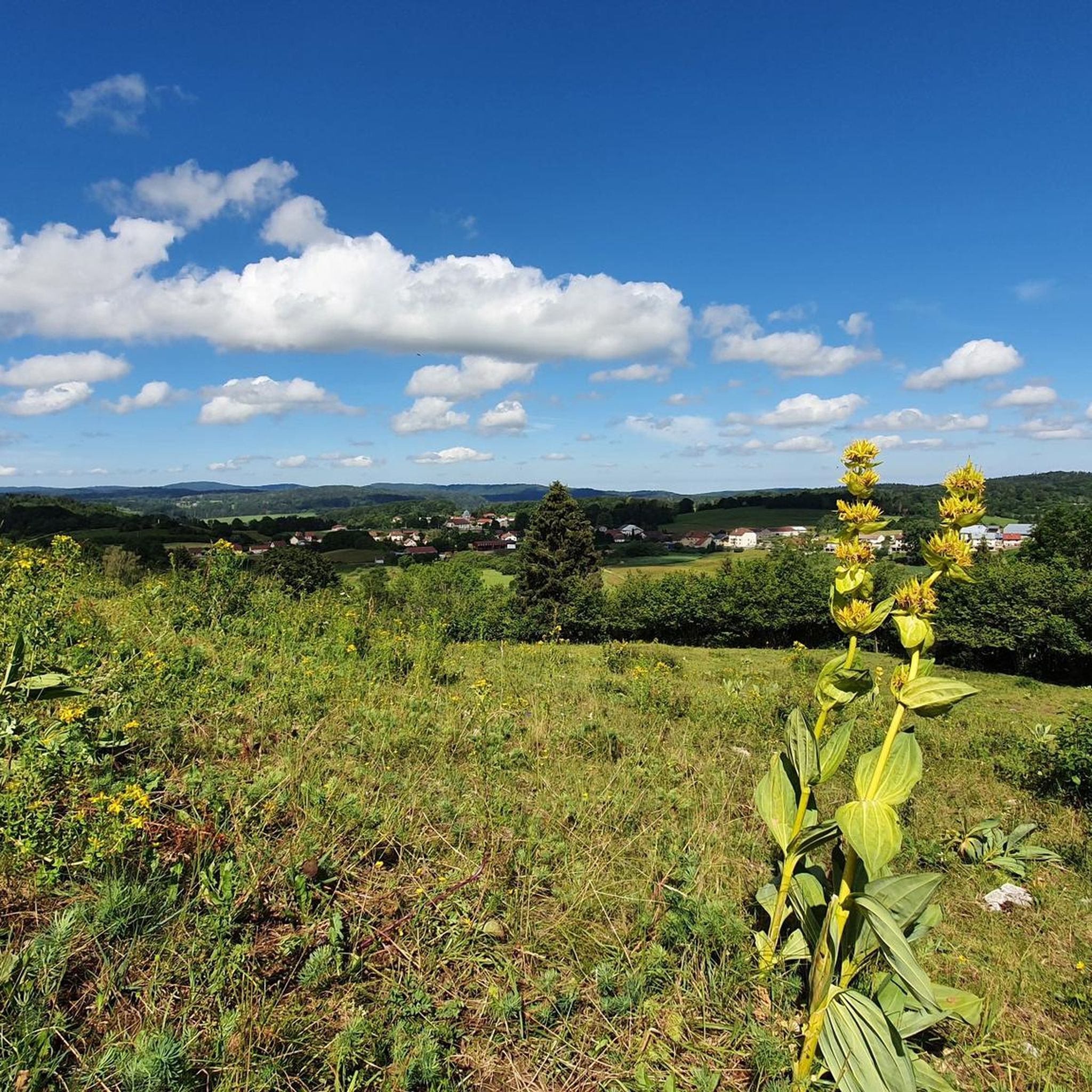
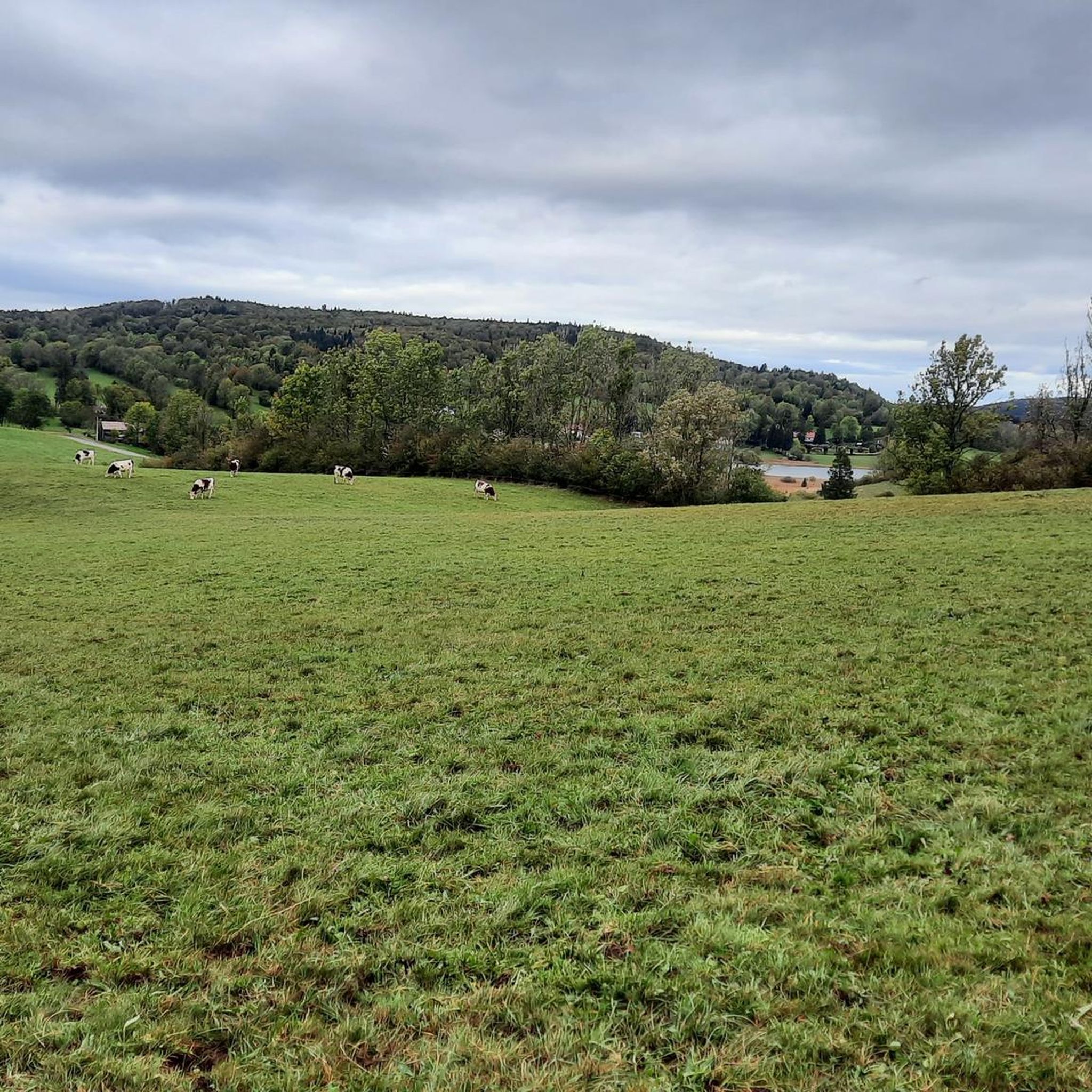
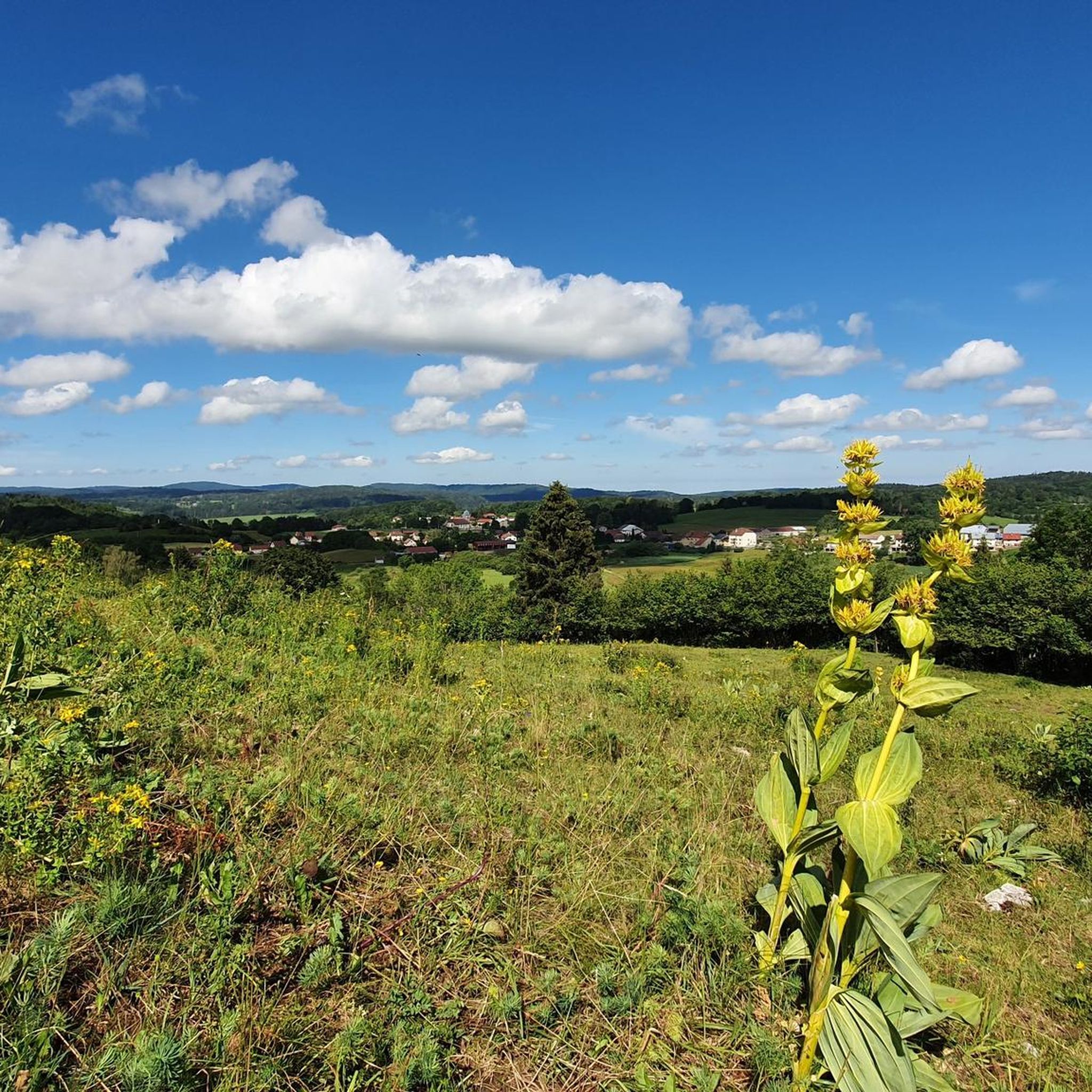
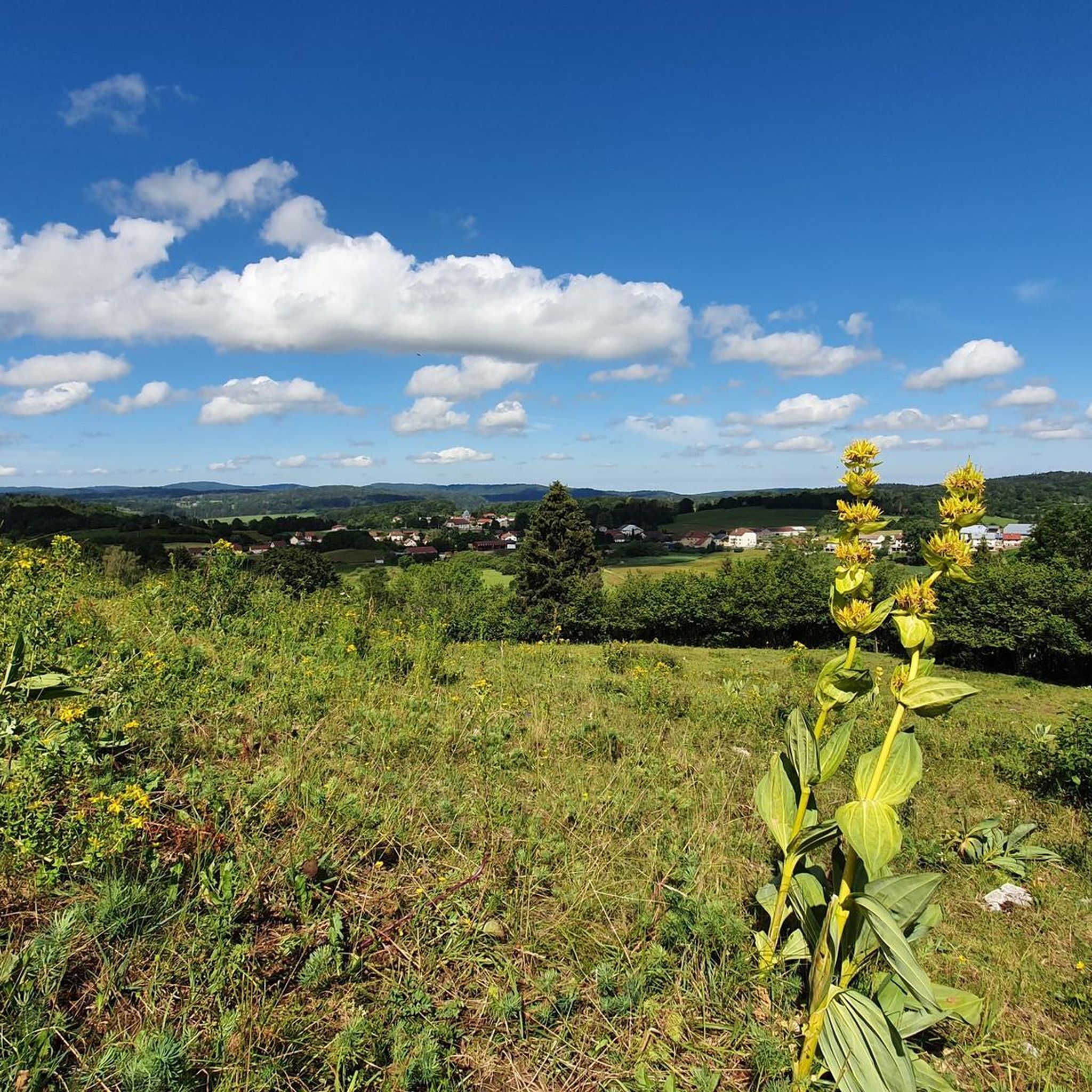
Tips from the Community

A waterfall with a larger pool and a smaller cascade in a beautiful setting. In front of it is a small stone lynx statue.
6
0
View of the Cascade de L'Eventail. A small, rocky path leads directly to the waterfall.
7
0
Beautiful view of the central waterfall Cascade Du Hérisson with several cascades.
7
0
The Gorges de la Langouette are impressive for their vastness and the uniqueness of their wild environment. With the many light effects illuminating the mosses and ferns growing beneath the wooded canopy, they exude a gentle and tranquil atmosphere, particularly conducive to relaxation. This unspoiled spot offers a privileged view of the water's work, carving the canyon with its capricious meanders. The Petit Saine River, roaring and unpredictable, overcomes all obstacles to continue its course before converging with the Ain a few kilometers further on.
6
0
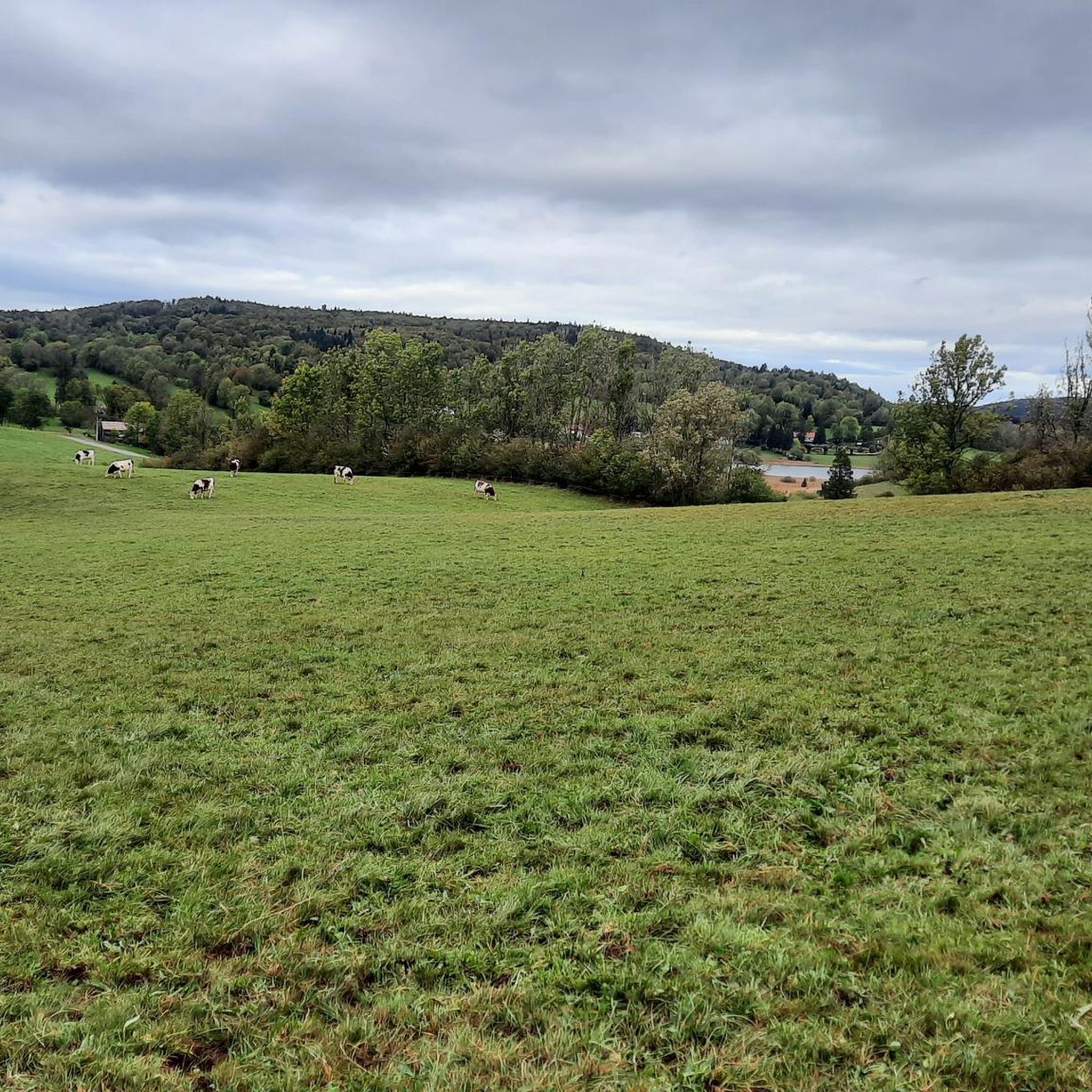
Lacs de Maclu are two adjacent lakes in the western part of the French Jura, in the Jura department of Franche-Comté. They are located at an elevation of 779 m in a depression in the High Jura, in the region of the Five Lakes near Le Frasnois, about 12 km south of Champagnole. The Petit Maclu, located to the northeast, has an area of 5 hectares, a length of about 500 m, and a maximum width of about 120 m. Its greatest depth is 11 m. It lies entirely within the municipal territory of Le Frasnois.
6
0


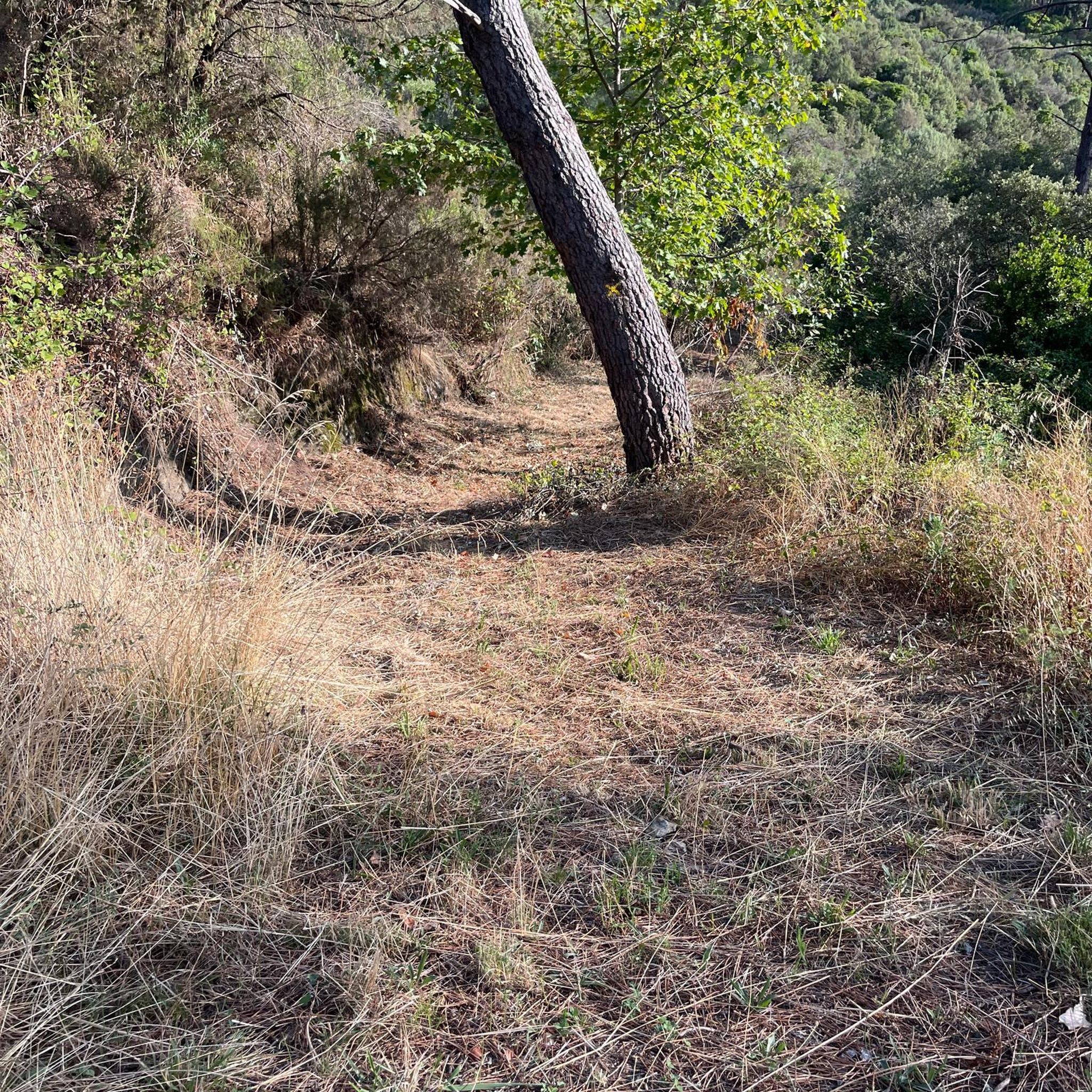
Easy, shaded path, perfect for cooling off in hot weather.
0
0

Very nice walk but a lot of tarmac
0
1
Frequently Asked Questions
What are some of the most ecologically significant natural monuments near Fort-du-Plasne?
The region boasts several sites of high ecological value. The Lac de Fort-du-Plasne and its Peat Bog is a Ramsar-labeled wetland crucial for rare biodiversity and water preservation. The Four Lakes Region, including Lacs de Maclu, Lac de Narlay, and Lac d'Ilay, are recognized as Natura 2000 and Ramsar sites, highlighting their ecological importance as glacial lakes with unique flora and fauna.
Which natural monuments offer the most dramatic scenery or viewpoints?
For dramatic scenery, the Cascade de la Billaude (also known as "Saut Claude Roy") is one of the most photogenic waterfalls, plunging 28 meters. The Cascades du Hérisson, a "Grand Site de France," offer a breathtaking series of 31 waterfalls over a 3-kilometer stretch, with notable falls like Le Grand Saut and L'Éventail. For panoramic views, the Pic de l'Aigle belvedere provides stunning vistas of the Four Lakes, the Hérisson Valley, and even Mont Blanc on clear days.
Are there any natural monuments with historical or cultural significance?
Yes, Lac d'Ilay features a central island, "La Motte," with evidence of human occupation dating back to the Neolithic period and remains of a 10th-century monastery. The Gorges de la Lemme were historically part of an ancient Roman salt route, adding a layer of cultural interest to their geological marvels. The Hérisson Waterfalls also feature historical remains of past human activity utilizing hydraulic power.
What kind of wildlife can I expect to see around the natural monuments?
The peat bogs around Lac de Fort-du-Plasne are home to unique flora like cotton grass. The Lacs de Maclu, with their peat bogs and reed beds, support a rich insect population, including dragonflies, and birds such as the Eurasian coot. The protected areas around Lac d'Ilay also serve as habitats for various wildlife species.
Are there easy hiking trails suitable for beginners or families around these natural monuments?
Yes, several spots offer easy trails. The Lac de Fort-du-Plasne offers a tranquil 6-kilometer, two-hour hike. The path around Petit Maclu Lake is described as easy and shaded, perfect for cooling off. Lac de Bonlieu also has a forest path encircling the lake, ideal for peaceful family walks. The Langouette Gorges are accessible to all with footbridges and stairs.
What are the best options for mountain biking or gravel biking near the natural monuments?
The region around Fort-du-Plasne offers excellent opportunities for cycling. You can find various routes, including those around the Four Lakes region. For specific routes, explore the Gravel biking around Fort-Du-Plasne guide or the MTB Trails around Fort-Du-Plasne guide. Options range from easy loops like the "Grand Maclu Lake – Shore of Lac de Narlay loop from Le Frasnois" to more challenging routes.
Can I find circular hiking routes around the lakes or waterfalls?
Absolutely. The Four Lakes region offers trails like the "tour of 3 lakes / 4 lakes" and "tour of 5 lakes." The Cascades du Hérisson feature a well-maintained 7-kilometer hiking trail that allows visitors to follow the river's course and admire the falls in a circular fashion. The Mountain Hikes around Fort-Du-Plasne guide lists routes such as the "Fan Waterfall – Le Grand Saut loop from La Chaux-du-Dombief".
What is the best time of year to visit the natural monuments near Fort-du-Plasne?
The best time depends on your interests. Spring and summer are ideal for hiking and enjoying the lush greenery. Autumn offers spectacular foliage, especially around the lakes and waterfalls, making it a very picturesque time. After heavy rains, the waterfalls like Cascade de la Billaude and the Cascades du Hérisson are particularly powerful. In winter, these waterfalls can freeze, creating a magical spectacle, though access might be more challenging.
Are there any natural monuments where swimming is allowed?
Swimming is generally prohibited or tolerated at your own risk in many of the lakes to protect their delicate ecosystems and water quality, as some serve as drinking water sources. For instance, swimming is prohibited in Lac de Fort-du-Plasne and Lac de Bonlieu. While tolerated at your own risk in Lac d'Ilay, boating is prohibited there.
What do visitors enjoy most about the natural monuments around Fort-du-Plasne?
Visitors frequently praise the wild beauty and tranquil atmosphere of the region. The Langouette Gorges are appreciated for their deep, narrow sections and the serene environment created by light effects on mosses and ferns. The Fan Waterfall is noted for its unique stepped layout and secure observation platform, while Saut Girard Waterfall is loved for its beautiful setting and larger pool. The overall diversity of landscapes, from powerful cascades to serene glacial lakes, is a major draw.
Are the natural monuments accessible by public transport?
While specific public transport routes directly to all natural monuments can be limited, some areas, especially popular ones like the Cascades du Hérisson, may have seasonal bus services or be reachable via regional transport hubs. It is generally recommended to check local transport schedules or consider personal vehicle access for greater flexibility when exploring the more remote sites.
Can I visit the natural monuments with my dog?
Many natural areas in France are dog-friendly, especially on marked trails, but it's always best to keep dogs on a leash to protect wildlife and ensure the safety of other visitors. Specific rules may apply in protected areas like Natura 2000 or Ramsar sites. Always check local signage at each monument for any restrictions.
Are there facilities like cafes or restaurants near the natural monuments?
While some major sites like the Cascades du Hérisson have visitor centers (e.g., Maison des Cascades) that might offer refreshments or have nearby eateries, many natural monuments are in more secluded areas. It's advisable to bring your own provisions, especially for longer hikes. Small villages near the lakes or waterfalls may offer cafes or restaurants, but these can be seasonal.
Most popular routes around Fort-Du-Plasne
Most popular attractions around Fort-Du-Plasne

Get inspired with the komoot mobile app


Explore more
Extend your search for the best caves by checking out these guides of the top ones around Fort-Du-Plasne:
