Top 10 Natural Monuments around Lapanouse-De-Cernon
Best natural monuments around Lapanouse-De-Cernon are situated within the Parc Naturel Régional des Grands Causses, an area characterized by its diverse landscapes. This region features significant geological formations and ecological diversity, offering various natural landmarks. The terrain around Lapanouse-De-Cernon includes plateaus, gorges, and unique rock formations.
Best natural monuments around Lapanouse-De-Cernon
- The most popular natural monuments is Cap de Coste Viewpoint, a viewpoint that offers a spectacular view of Millau, its viaduct, and the Tarn valley. This belvedere provides…
Last updated: July 4, 2026
The Creissels waterfalls
Highlight • Waterfall
Translated by Google •
Tip by

The Three Crosses – View of the Millau Viaduct
Highlight • Viewpoint
Translated by Google •
Tip by

Sign up now to discover places like this
Get recommendations on the best single tracks, peaks, & plenty of other exciting outdoor places.
Sign up for free
Cap de Coste Viewpoint
Highlight • Viewpoint
Translated by Google •
Tip by

The Rock Engraved with Two Crosses
Highlight • Natural Monument
Translated by Google •
Tip by

Giant's Foot Rock
Highlight • Natural Monument
Translated by Google •
Tip by
Sign up for free to discover even more natural monuments around Lapanouse-De-Cernon.
Sign up for free
Already have an account?
Start today with a free account
Your next adventure awaits.
Login or Signup

Tips from the Community

The name "Montagne de Trois Croix" already hinted at it, and so it's no real surprise to find more than just a summit cross up here, which – as is common in many places – crowns the mountain peak. The central cross, standing in the middle, points the observer to the execution of the incarnate Son of God, Jesus of Nazareth. According to biblical tradition, however, he was not condemned to death and crucified alone, but together with two criminals. Pope Francis, who died on Easter Monday, once composed the following prayer on this subject: "Help us, Son of Man, to free ourselves from the arrogance of the thief, the robber on your left, and of the short-sighted and the corrupt (...) Instead, we ask you, Son of God, to identify us with the good thief who looked at you with eyes full of shame, repentance, and hope; who, with the eyes of faith, saw divine victory in your apparent defeat and thus knelt before your mercy and grace and stole paradise with honesty and integrity.
0
1

History and nature an ideal mix
0
0

The Creissels waterfall is a true natural gem! It is a resurgence that flows constantly throughout the year, with a flow that varies. What makes this place so special is that it is loaded with calcium carbonate, which has allowed the formation of a magnificent tuff rock. In winter, when temperatures drop, the waterfall transforms into a magical spectacle. The icy concretions that form are simply magnificent, and it is fascinating to see how the waterfall can completely petrify at times. It is an ideal place for nature lovers and photographers in search of enchanting landscapes. I highly recommend visiting the Creissels waterfall, whether to admire its peaceful flow in summer or its incredible transformation in winter!
1
1

Magnificent panorama to be seen absolutely
0
0

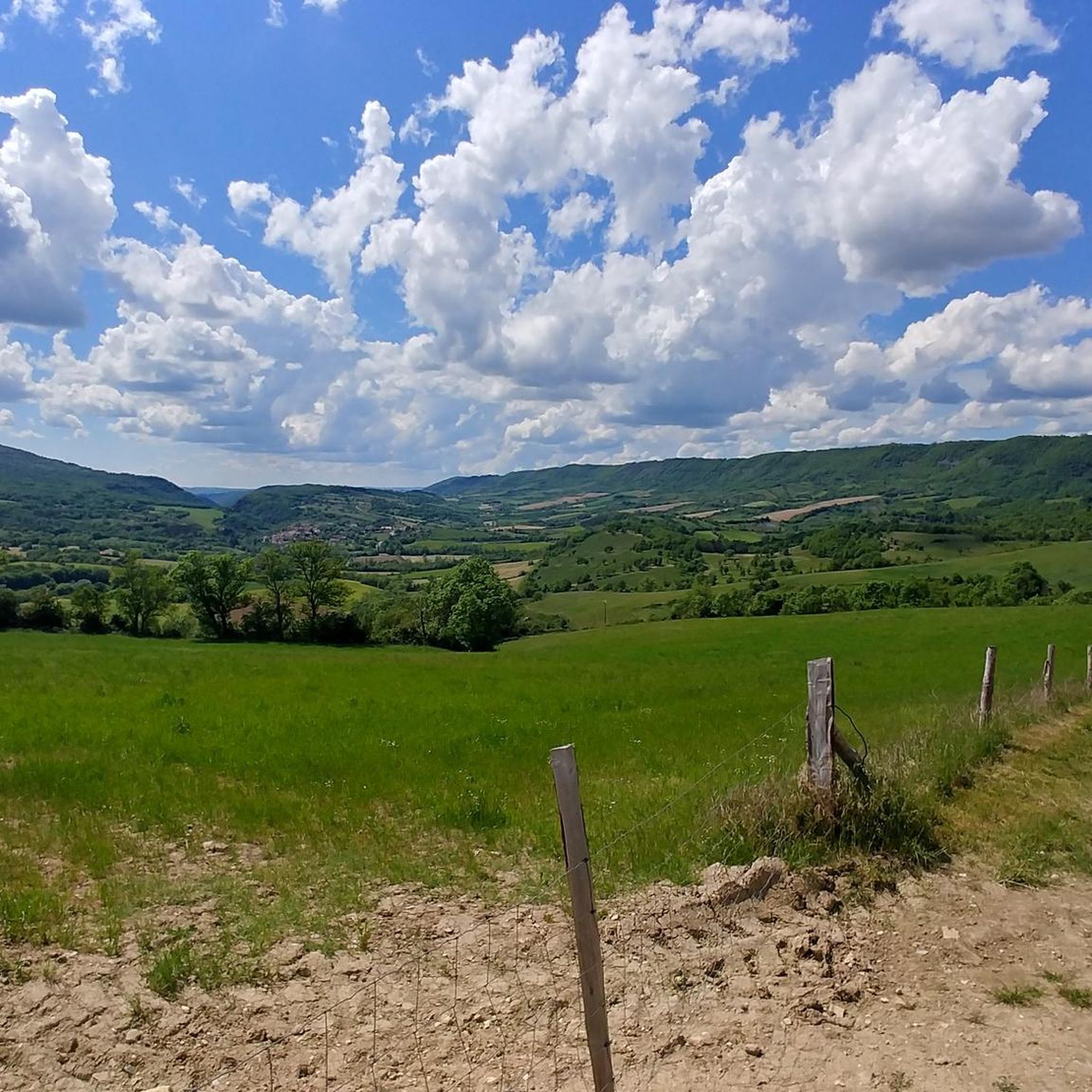
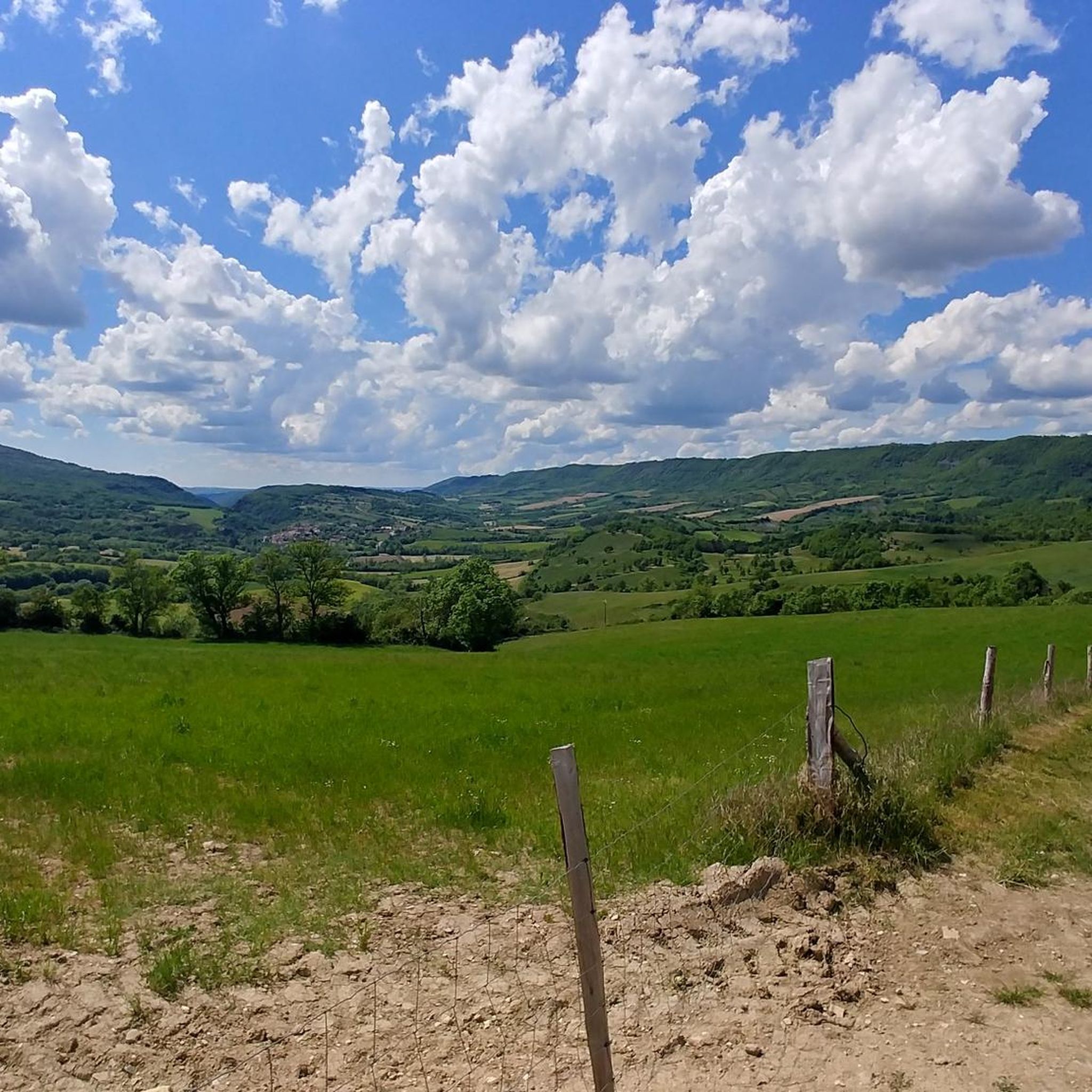
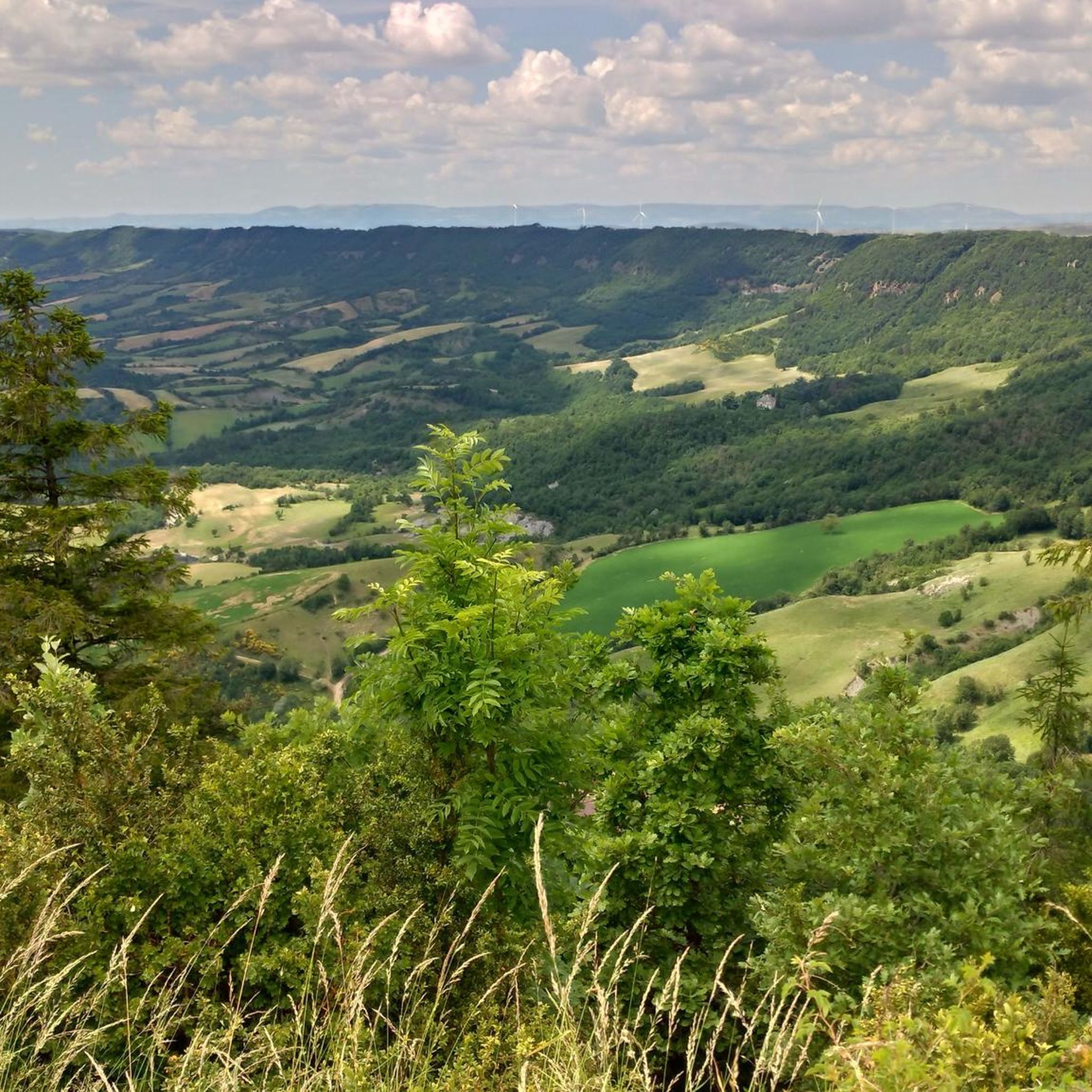
Insanely beautiful view from the plateau.
0
1

She is glancing at us from the village from where we can see her. The Cresseils waterfall is a nugget of nature at the gates of the city. The water comes from the ledges of Larzac, then flows into the Tarn with a fall of 23 meters high. Several other waterfalls follow one another for the height of wonder.
0
1

The belvedere offers a spectacular view of Millau, its viaduct, and the majestic Tarn valley.
1
0
Frequently Asked Questions
What are some of the most popular natural monuments around Lapanouse-de-Cernon?
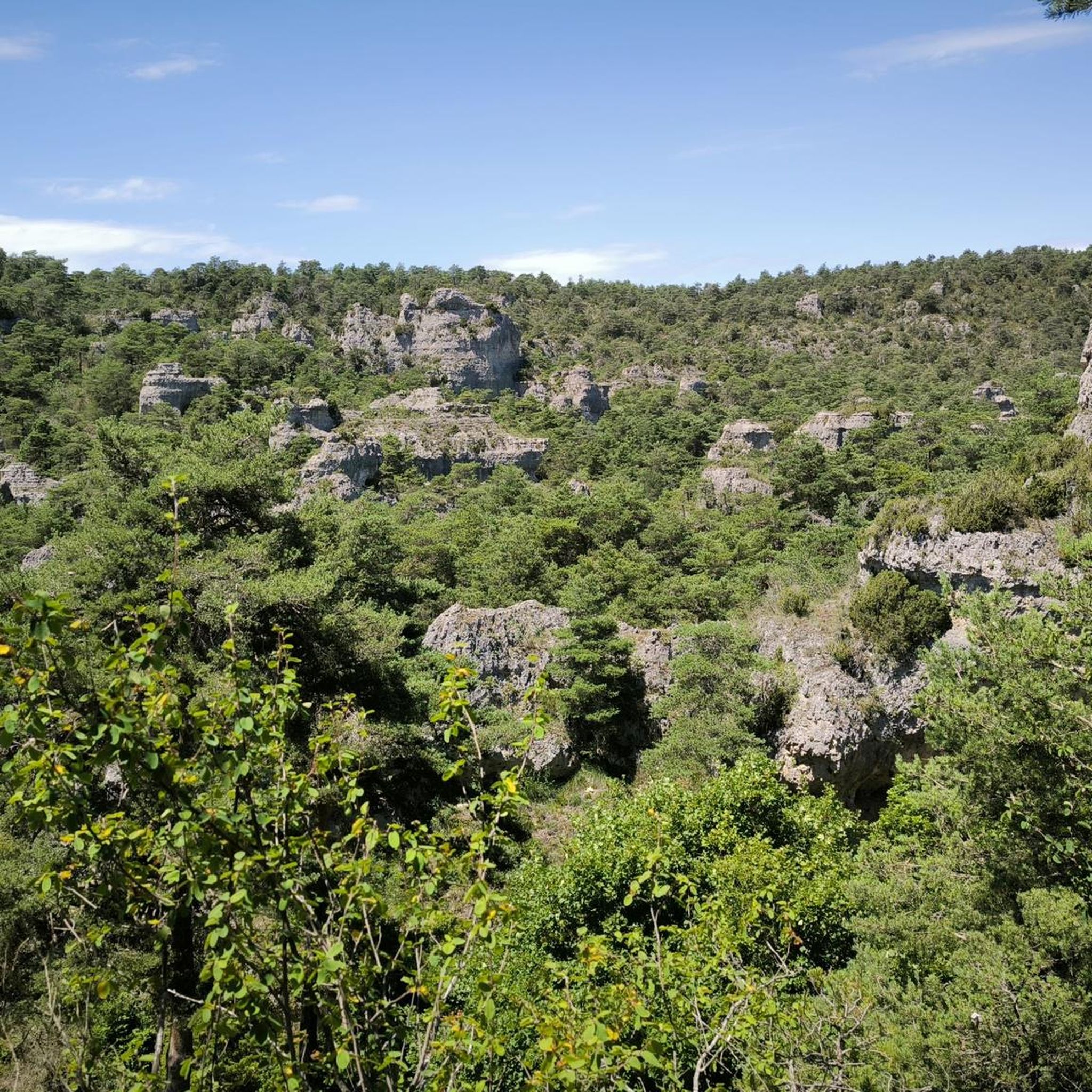
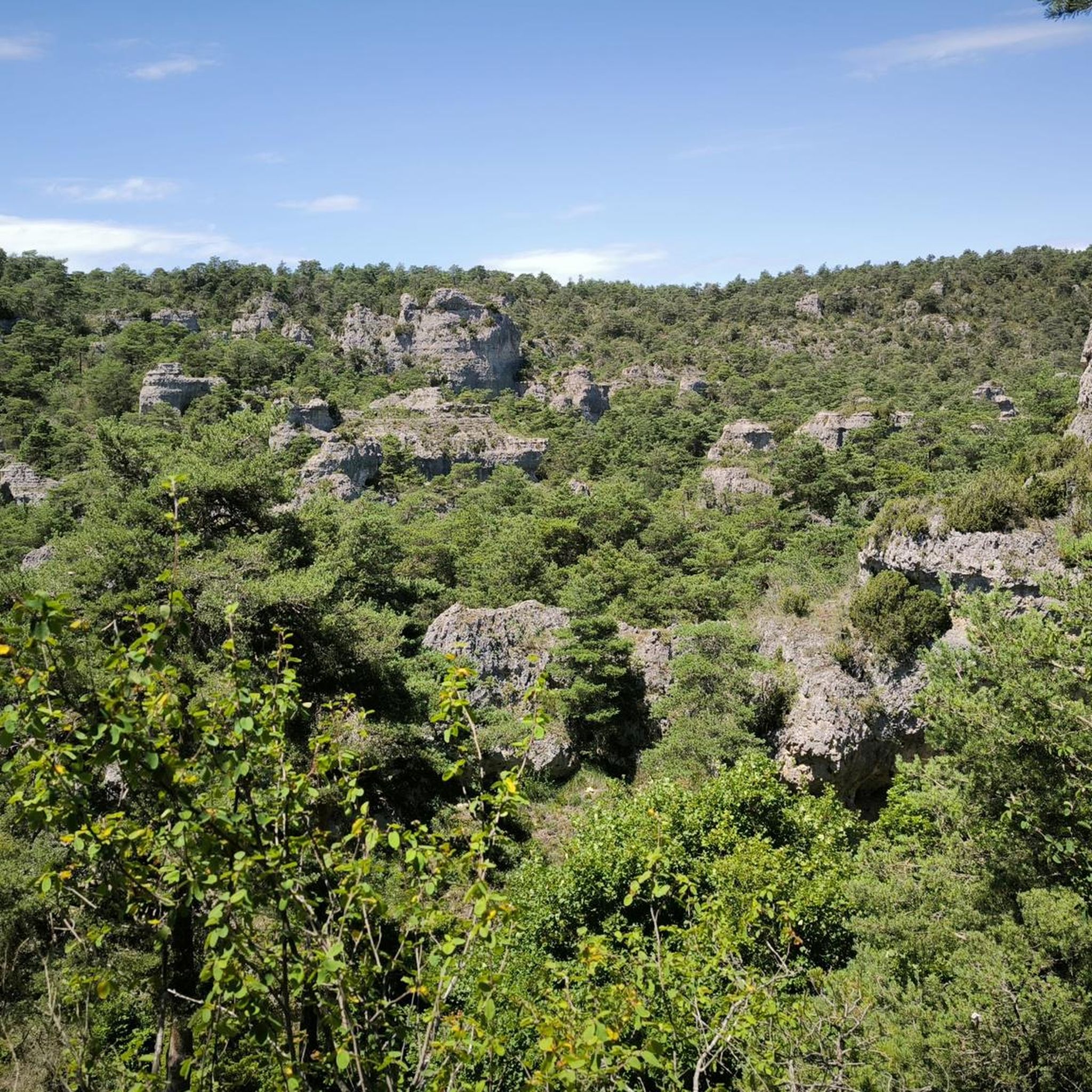
Visitors frequently enjoy the panoramic views from Cap de Coste Viewpoint, which offers a spectacular perspective of Millau and the Tarn valley. Another favorite is the View from Pouncho d'Agast, a summit where you can watch paragliders take off. The unique Giant's Foot Rock, a natural formation resembling a human foot, is also a popular spot.
Are there any unique geological formations to explore near Lapanouse-de-Cernon?
Yes, the region is rich in geological wonders. You can explore the extraordinary limestone formations at the Chaos de Montpellier-le-Vieux, often called the 'City of Stones,' with its towering rock formations. The Aven Armand cave is home to a 'forest' of over 400 stalagmites, some reaching 30 meters high. Additionally, the Cirque de Navacelles is a grand erosional landform carved by the Vis River, creating a unique natural amphitheater.
What natural monuments are suitable for families with children?
For families, the Chaos de Montpellier-le-Vieux offers marked walking trails of varying difficulty and a tourist train for a more relaxed tour, making it accessible for all ages. The Aven Armand cave provides an exciting experience with a funicular descent and a guided tour featuring a sound and light show, which children often find captivating. Closer to Lapanouse-de-Cernon, the Giant's Foot Rock is an easy and intriguing natural monument to visit.
What kind of outdoor activities can I do near these natural monuments?
The area offers a wide range of outdoor activities. The Gorges du Tarn is a prime destination for canoeing, kayaking, hiking, mountain biking, rock climbing, and caving. Near the Cirque de Navacelles, you can enjoy walking, mountain biking, and even horse or donkey rides on marked footpaths. For more structured activities, you can find various hiking trails, running routes, and road cycling routes around Lapanouse-de-Cernon.
Are there any historical or cultural sites integrated with the natural monuments?
Yes, some natural monuments also hold historical significance. For instance, The Rock Engraved with Two Crosses, while a natural block, features ancient engravings. The Cirque de Navacelles, a UNESCO World Heritage site, is not only a natural wonder but also a testament to human interaction with the landscape over centuries. The areas of La Ségalasse and the Devèze de Lapanouse showcase traditional agro-pastoral practices alongside their unique ecosystems.
What is the best time of year to visit the natural monuments around Lapanouse-de-Cernon?
Spring and autumn are generally ideal for visiting the natural monuments. During these seasons, the weather is pleasant for outdoor activities like hiking and exploring, and the landscapes are particularly vibrant. Spring brings blooming flora, especially in areas like the Devèze de Lapanouse with its rare orchids, while autumn offers beautiful colors. Summer can be warm, but sites like the Gorges du Tarn and Abîme de Bramabiau offer refreshing experiences.
Where can I find breathtaking panoramic views of the region?
Several natural monuments offer spectacular panoramic views. The viewpoints overlooking the Cirque de Navacelles, such as Belvédère de la Baume Auriol and Blandas viewpoint, provide breathtaking vistas of the canyon. The Cap de Coste Viewpoint and the View from Pouncho d'Agast are also highly rated for their extensive views of the Tarn valley and surrounding plateaus. The ledges of the Cliffs of the Cirque du Boundoulaou also provide magnificent views of the Millau viaduct and the Tarn valley.
Are there any less crowded natural attractions or hidden gems?
For a quieter experience, explore the areas of La Ségalasse and the Devèze de Lapanouse. These Natura 2000 sites offer serene landscapes, unique flora, and insights into traditional agricultural practices, providing a peaceful escape from more frequented spots. While popular, the extensive trails at Chaos de Montpellier-le-Vieux can also offer quieter sections away from the main tourist train route.
Can I explore underground natural monuments in the area?
Absolutely. The region is famous for its subterranean wonders. The Aven Armand is a magnificent cave with a vast chamber filled with giant stalagmites. Another impressive site is the Abîme de Bramabiau, a natural chasm revealing an underground river and waterfall, which offers a unique 1 km circuit for visitors to explore its subterranean environment.
What makes the Gorges du Tarn a significant natural monument?
The Gorges du Tarn is a spectacular deep canyon carved by the Tarn river, renowned for its breathtaking cliff faces and calm waters. It's a significant natural monument due to its stunning mineral landscapes, rich biodiversity, and the wide array of outdoor activities it supports, from water sports like canoeing and kayaking to hiking and rock climbing along its dramatic cliffs.
Are there specific hiking trails that highlight the natural beauty near Lapanouse-de-Cernon?
Yes, the region offers numerous trails. The La Ségalasse trail takes hikers through a deep ravine and past the Lapanouse railway viaduct, showcasing both natural beauty and local heritage. The Devèze de Lapanouse, a Natura 2000 site, features trails through calcareous and steppe-like grasslands, perfect for observing unique flora. You can find more detailed hiking options, including routes like the 'Maquisards Trail' or the 'Rajal de Saploum loop,' on the hiking guide for Lapanouse-de-Cernon.
What do visitors enjoy most about the natural monuments around Lapanouse-de-Cernon?
Visitors particularly appreciate the diverse and dramatic landscapes, from the deep canyons of the Gorges du Tarn and Cirque de Navacelles to the unique rock formations of Chaos de Montpellier-le-Vieux and the Giant's Foot Rock. The sense of discovery in the underground caves like Aven Armand and Abîme de Bramabiau is also highly valued. Many also enjoy the tranquility and opportunities for 'slow tourism' and observing local flora and fauna.
Most popular routes around Lapanouse-De-Cernon
Most popular attractions around Lapanouse-De-Cernon

Get inspired with the komoot mobile app


Explore more
Extend your search for the best caves by checking out these guides of the top ones around Lapanouse-De-Cernon:
