Top 18 Natural Monuments around Mers-Les-Bains
Best natural monuments around Mers-Les-Bains are characterized by dramatic coastal features. The town is situated on the English Channel, known for its white chalk cliffs and pebble beach. These geological formations define the local landscape, offering views and opportunities for exploration. The area is part of the larger Alabaster Coast, recognized for its high cliffs.
Best natural monuments around Mers-Les-Bains
- The most popular natural monuments is La Cise Cliff, a natural monument where cliffs are composed of chalk from the Upper Cretaceous period. The cliffs are strewn with flint nodules that highlight subhorizontal stratification planes.
- Another must-see spot is Ault Chalk Cliffs, a natural monument at the edge of the Normandy Alabaster Coast. These cliffs are made of chalk and offer impressive views.
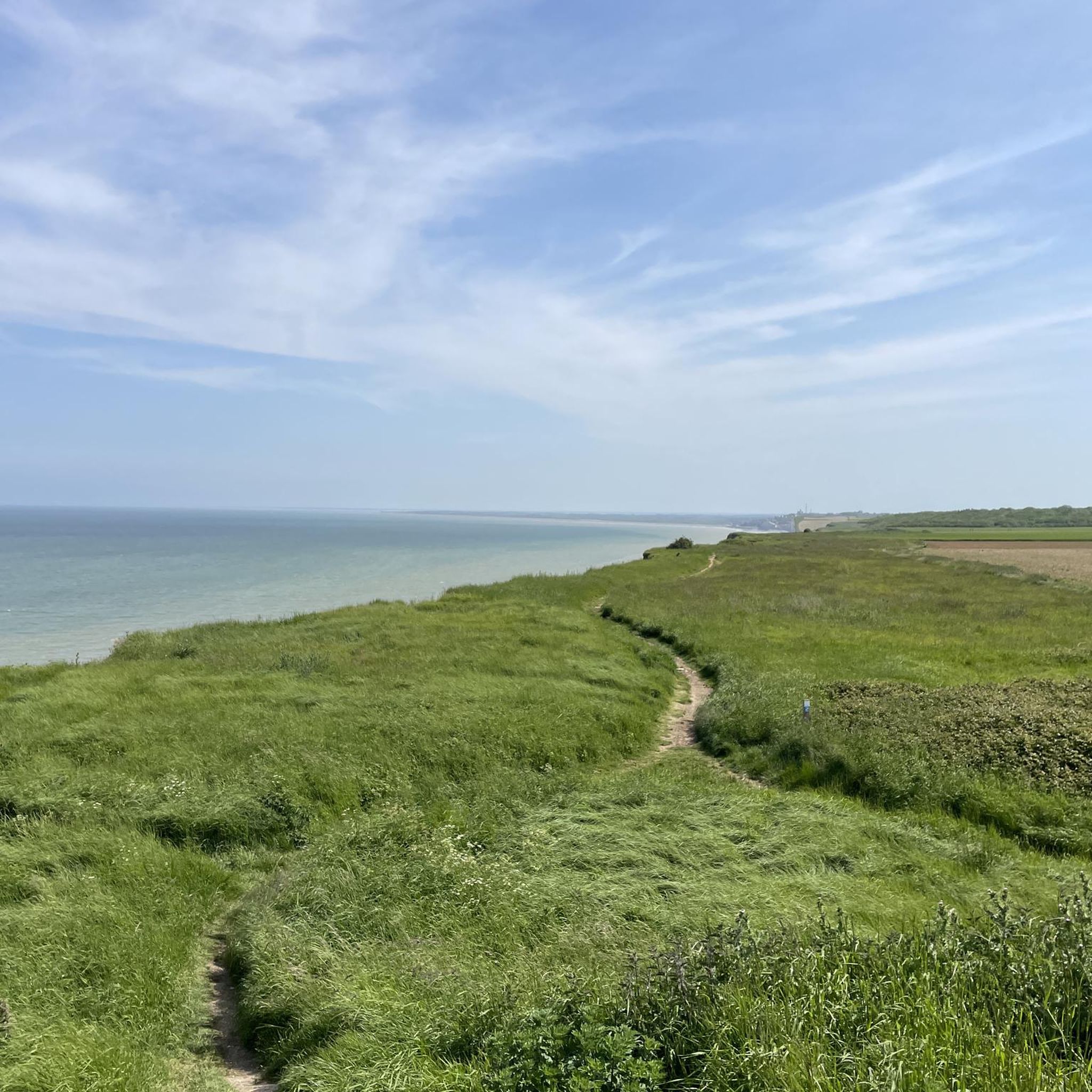
- Visitors also love Cliffs of Ault, where the Normandy cliffs begin to rise. The site is notable for its impressive scale, with the plain of the Bay of Somme extending to the north and cliffs reaching towards Le Havre to the west.
- Mers-Les-Bains is known for its chalk cliffs, beaches, and viewpoints. The region offers a variety of natural monuments to see and explore, from towering coastal formations to expansive pebble beaches.
- The natural monuments around Mers-Les-Bains are appreciated by the komoot community, with more than 280 upvotes and over 100 photos shared.
Last updated: July 4, 2026
Ault Chalk Cliffs
Highlight • Natural Monument
france-voyage.com/frankrijk-steden/ault-31863.htm
Translated by Google •
Tip by

La Cise Cliff
Highlight • Natural Monument
Flint horizons are stratigraphic markers. On the cliffs of Ault, the regular flint band called Seven Sisters is recognizable and characterizes the boundary between the Middle Coniacian and the Upper Coniacian (around 87 million years ago). The boundary between the lower and middle Coniacian is marked by the Shoreham 2 marl level, which is more difficult to identify. These lithostratigraphic markings allow in particular the correlation of distant deposits, such as between the Normandy and Picardy coasts, or between the French and English coasts.
Translated by Google •
Tip by

Sign up now to discover places like this
Get recommendations on the best single tracks, peaks, & plenty of other exciting outdoor places.
Sign up for free
Bois de Cise
Highlight • Forest
This coastal wood was originally a wild wood which became a place for hunting with hounds. Bois de Cise was then sold in the form of lots, by a visionary who would stop at no means.
Today, it is a charming vacation spot and stroll, best discovered on foot along the small paths and wooden stairs that line the site. Very pretty villas bear witness to the prosperous years before the First World War.
Like Victor Hugo in his time, don't forget to go to the panorama. Fantastic viewpoint where you can see the Baie de Somme estuary.
Translated by Google •
Tip by

Cliffs of Ault
Highlight • Natural Monument
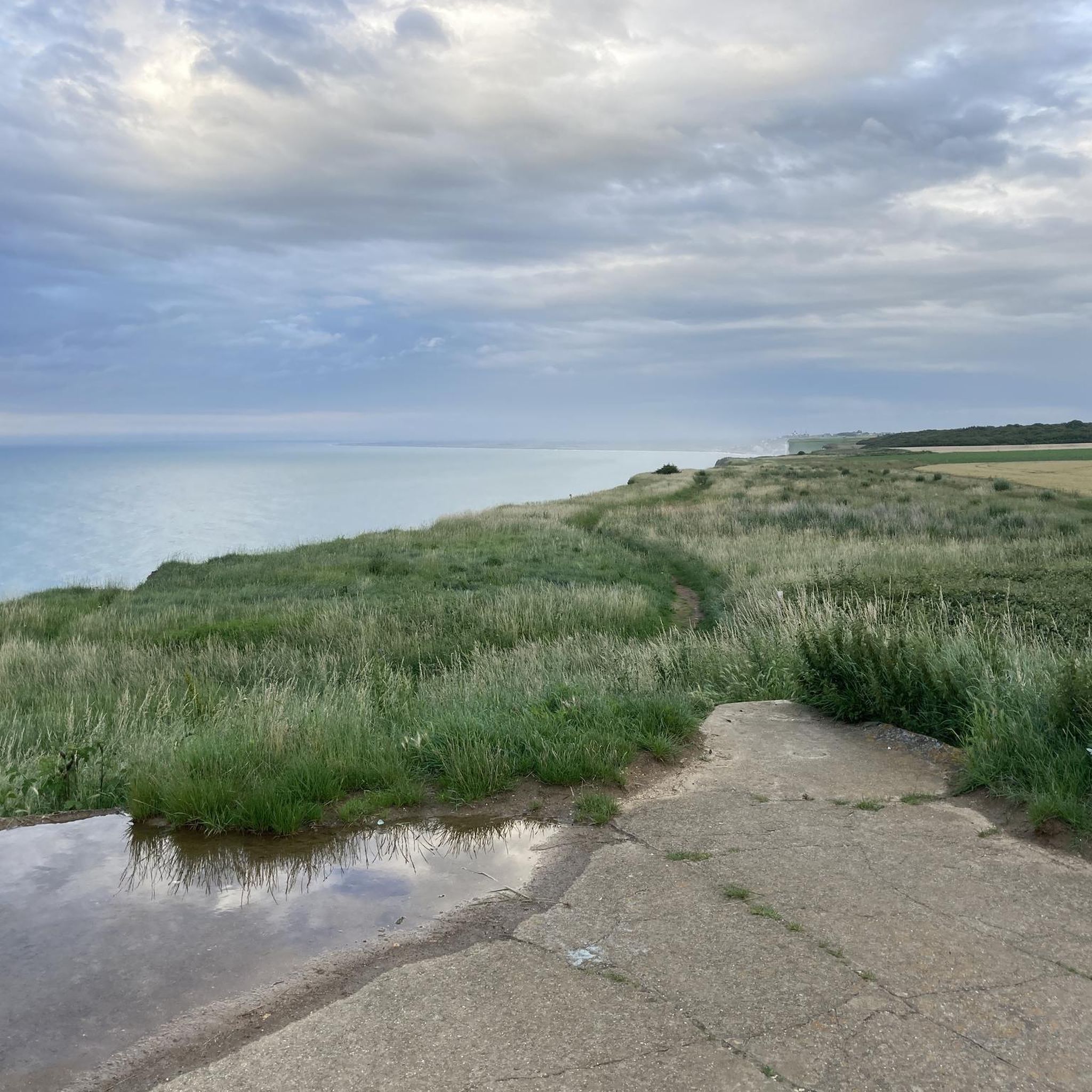
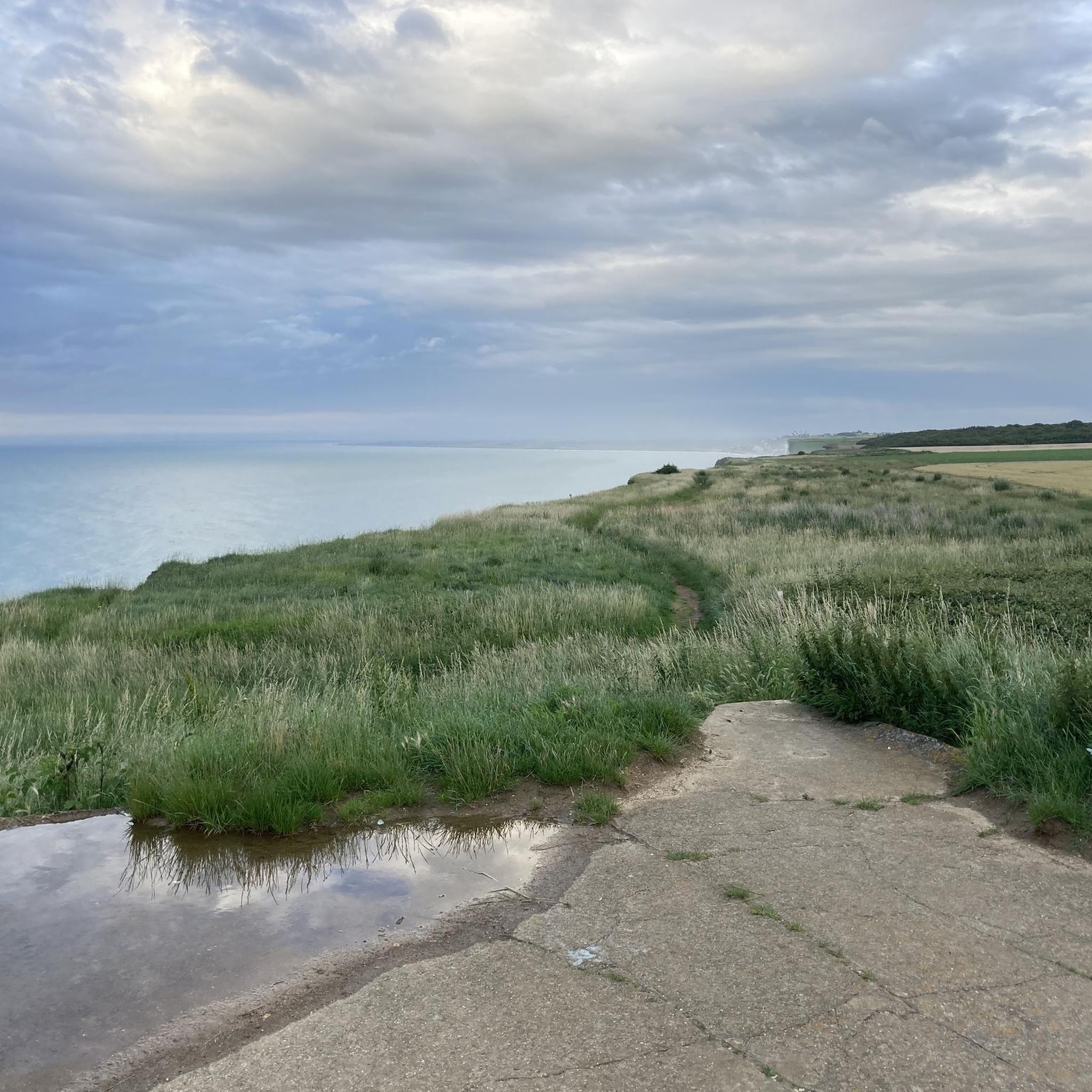
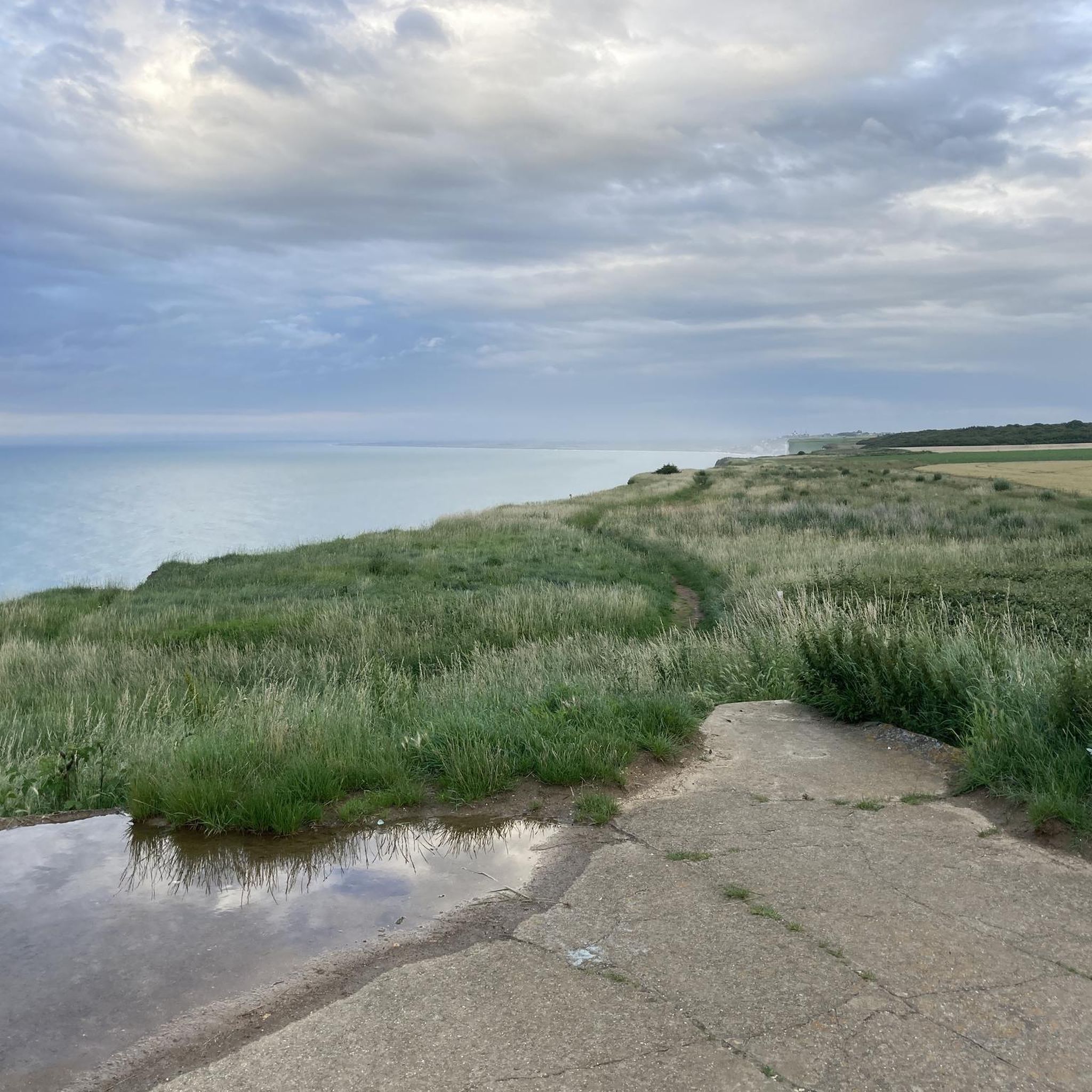
Even if the city has lost its splendor, the site is impressive, because to the north, the plain of the Bay of Somme extends, and to the west, the cliffs as far as Le Havre.
In my photo, unfortunately, I was not able to capture a beautiful light, but believe me, this is the land of exceptional lights.
Have a nice ride everyone.
Translated by Google •
Tip by

Viewpoint overlooking the cliffs of Le Tréport
Highlight • Viewpoint
Translated by Google •
Tip by

Sign up for free to discover even more natural monuments around Mers-Les-Bains.
Sign up for free
Already have an account?
Start today with a free account
Your next adventure awaits.
Login or Signup

Tips from the Community


you don't have to take the cliff top path on the last stretch to Treport funicular
0
0

Above the cliffs of Le Treport there is a great view over the city, the sea and the cliffs of Mers-les-Bains.
3
0
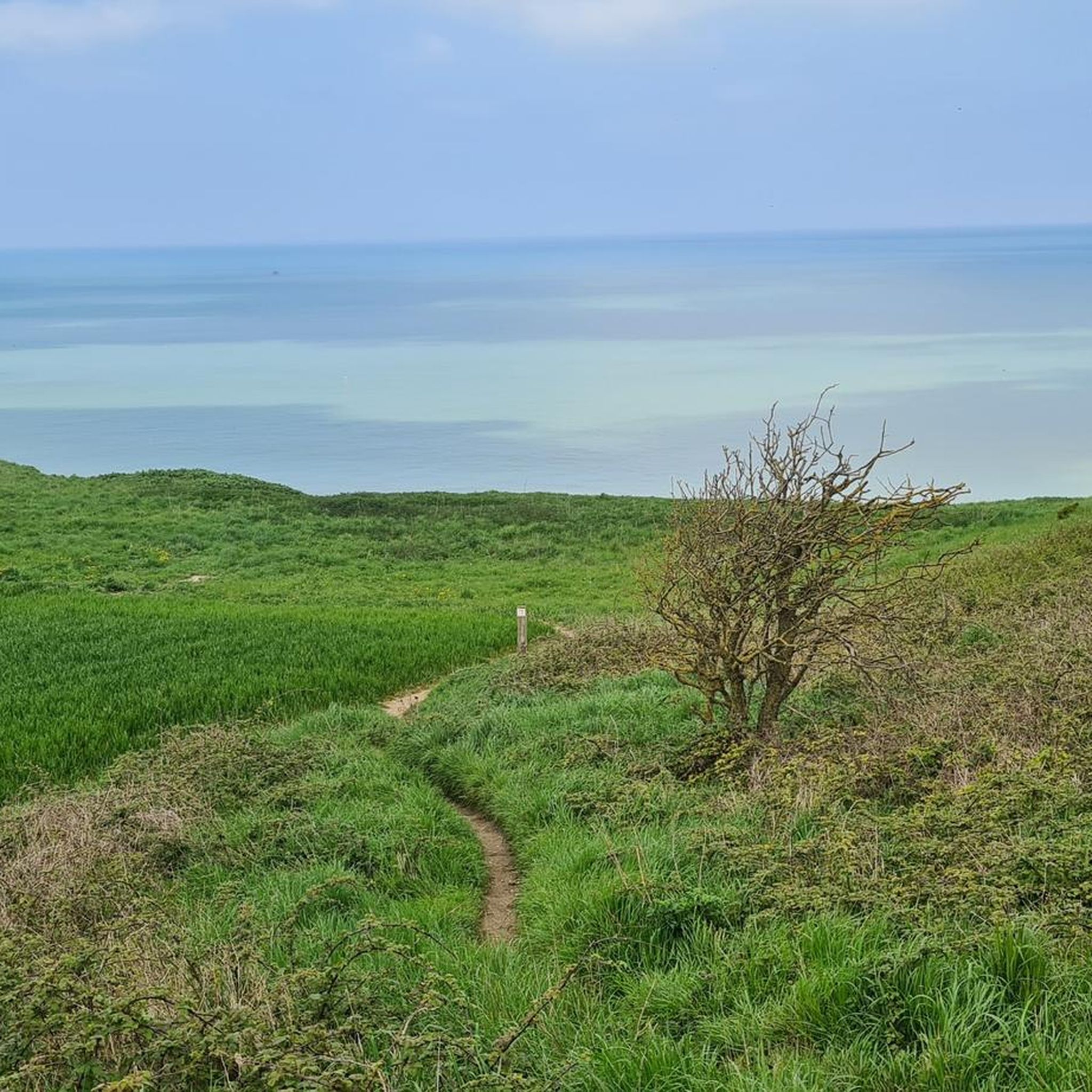
The cliffs are made of chalk and are impressive to look at.
3
0
Here in Ault begin the chalk cliffs, which stretch all the way to Normandy and repeatedly appear as enormous cliffs.
4
0


The cliffs around the beach of Ault are composed of chalk from the Upper Cretaceous, more precisely from the Turonian and Coniacian (around 83 million years ago to 90 million years ago). They are strewn with flint nodules which highlight the subhorizontal stratification planes (the formation of flint has already been discussed in Discovery of the geology of the cliffs of Étretat, presentation of an excursion from the beach of Tilleul (Antifer) to the Porte d'Amont (Étretat Nord)). The relative proportion of chalk and flint is around 90-95% chalk to 5-10% flint. Flint horizons are stratigraphic markers. On the cliffs of Ault, the regular flint band called Seven Sisters is recognizable and characterizes the boundary between the Middle Coniacian and the Upper Coniacian (around 87 million years ago). The boundary between the lower and middle Coniacian is marked by the Shoreham 2 marl level, which is more difficult to identify. These lithostratigraphic markings allow in particular the correlation of distant deposits, such as between the Normandy and Picardy coasts, or between the French and English coasts.
3
0
Frequently Asked Questions
What are the most striking natural features in Mers-les-Bains?
Mers-les-Bains is renowned for its dramatic white chalk cliffs, which form a stunning backdrop to the town, and its unique pebble beach. These features define the local landscape, offering breathtaking views and opportunities for exploration.
Are there specific natural monuments known for their geological significance?
Yes, the cliffs around Mers-les-Bains are geologically significant. For example, La Cise Cliff is composed of chalk from the Upper Cretaceous period, specifically from the Turonian and Coniacian ages (around 83 to 90 million years ago). These cliffs are interspersed with flint nodules that highlight their subhorizontal stratification, including the recognizable 'Seven Sisters' flint band.
What kind of views can I expect from the natural monuments in the area?
The natural monuments offer panoramic views. From the clifftops, you can see Mers-les-Bains, its beach, the neighboring town of Le Tréport and its outer harbor. On clear days, the distant Baie de Somme can also be seen. The Viewpoint overlooking the cliffs of Le Tréport is particularly noted for appreciating the impressive chalk cliffs.
Are there any family-friendly activities at the natural monuments?
Yes, the Mers-les-Bains Beach is ideal for families, especially at low tide when it transforms into a vast expanse of sand revealing rock pools teeming with marine life. It's a popular spot for beach games and searching for shells. The long pedestrian esplanade bordering the beach is also perfect for walks.
What outdoor activities can I do near these natural monuments?
The region offers various outdoor activities. You can enjoy scenic walks along the clifftops, such as the Coastal Path (Sentier du Littoral). For more structured activities, there are numerous routes for running, cycling, and gravel biking. You can find detailed guides for running trails, cycling routes, and gravel biking around Mers-les-Bains.
Are there specific hiking trails along the cliffs?
Yes, the clifftops provide exceptional scenic walks. The Coastal Path (Sentier du Littoral) stretches from Mers-les-Bains to Ault, offering invigorating sea air and stunning vistas. A notable hike is along La Cise Cliff, which offers a scenic and exhilarating experience from the village of Ault, leading to the Bois de Cise.
What is unique about the <a href="https://www.komoot.com/highlight/1112389" target="_blank" rel="noopener">Ault Chalk Cliffs</a>?
The Ault Chalk Cliffs mark the edge of the Normandy Alabaster Coast and are known for their impressive scale. They are made of chalk and offer significant views, with the plain of the Bay of Somme extending to the north and the cliffs reaching towards Le Havre to the west.
What is the best time to visit the natural monuments in Mers-les-Bains?
The clifftops and beach are particularly beautiful at sunrise or sunset, offering stunning light conditions. The dual character of the beach, with pebbles at high tide and sand at low tide, caters to different preferences throughout the day. Summer brings a vibrant atmosphere with activities and beach huts.
Are there any particularly high cliffs to see?
Yes, the white cliffs near Criel Plage, often referred to as White cliffs, are among the highest in Europe, reaching up to 106 meters. These impressive geological formations are located on the Côte d'Albâtre and offer a magnificent spectacle, especially at sunset.
What kind of wildlife can be observed near the natural monuments?
The cliffs are classified as a ZNIEFF protected area, emphasizing their ecological importance. The rock pools on Mers-les-Bains Beach at low tide are teeming with marine life, making it an ideal spot for nature enthusiasts to explore.
What do visitors enjoy most about the natural monuments around Mers-les-Bains?
Visitors frequently appreciate the dramatic coastal scenery, the invigorating sea air, and the unique geological formations. The opportunity for scenic walks along the clifftops and exploring the beach's rock pools are also highly valued experiences.
Is there a specific landmark on the clifftops?
Yes, the statue of Notre-Dame de la Falaise, standing 7 meters high since 1878, adorns the clifftop. It overlooks the resort and was historically a landmark for aviation, oriented towards the sea to protect seafarers and fishermen.
Most popular routes around Mers-Les-Bains
Most popular attractions around Mers-Les-Bains

Get inspired with the komoot mobile app


Explore more
Extend your search for the best caves by checking out these guides of the top ones around Mers-Les-Bains:
