The best cycling routes around Laufamholzer Forst
4.4
(12474)
76,623
riders
1,566
rides
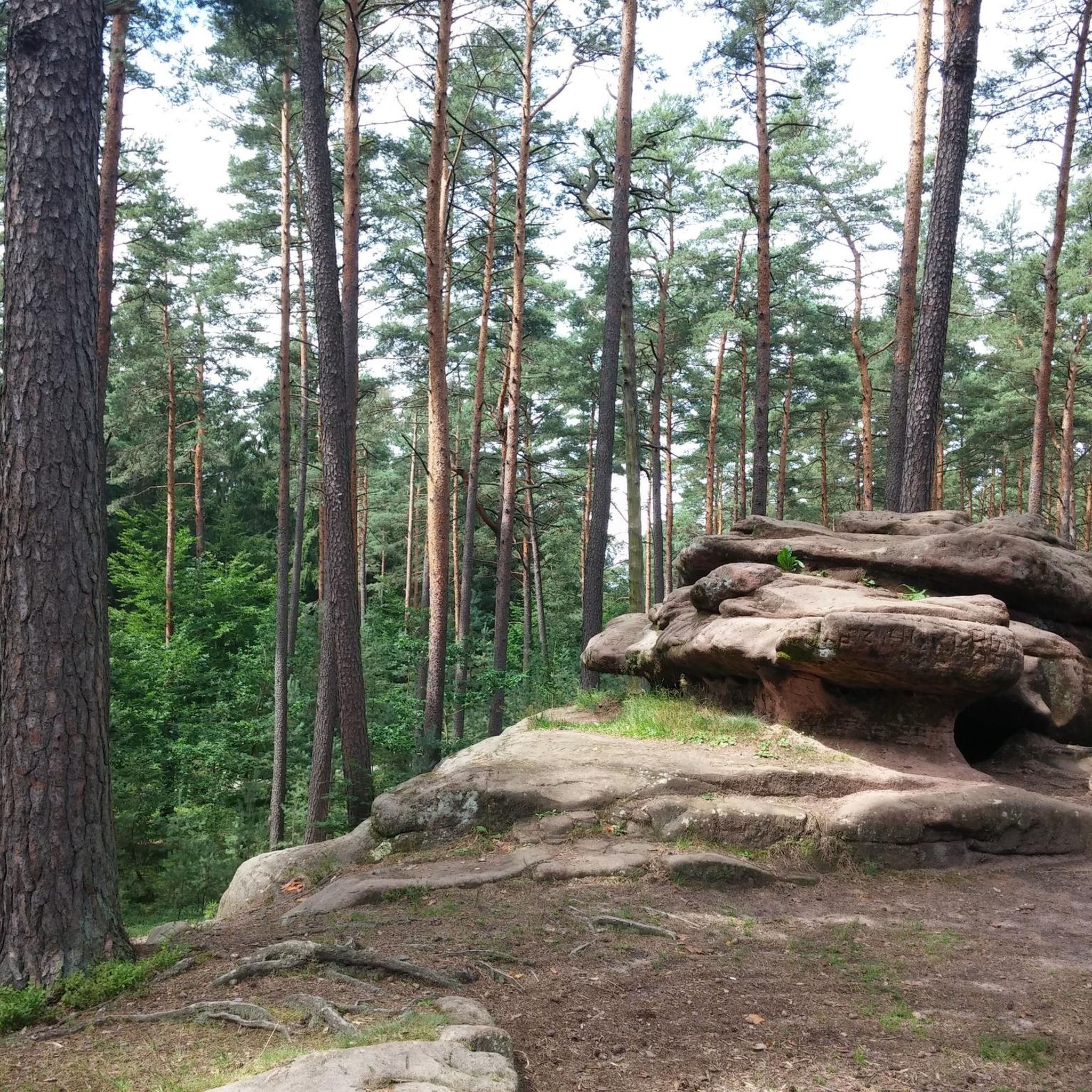
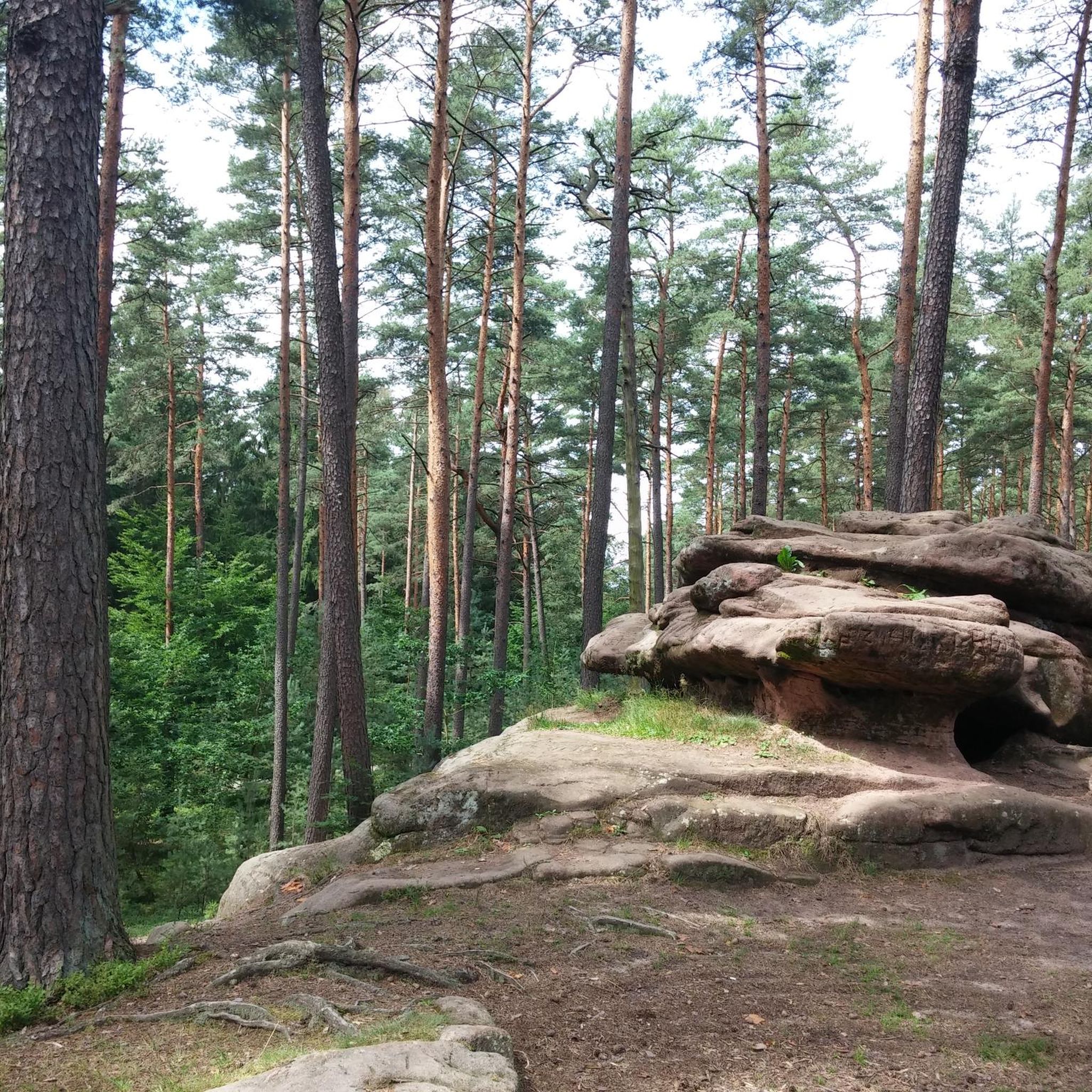
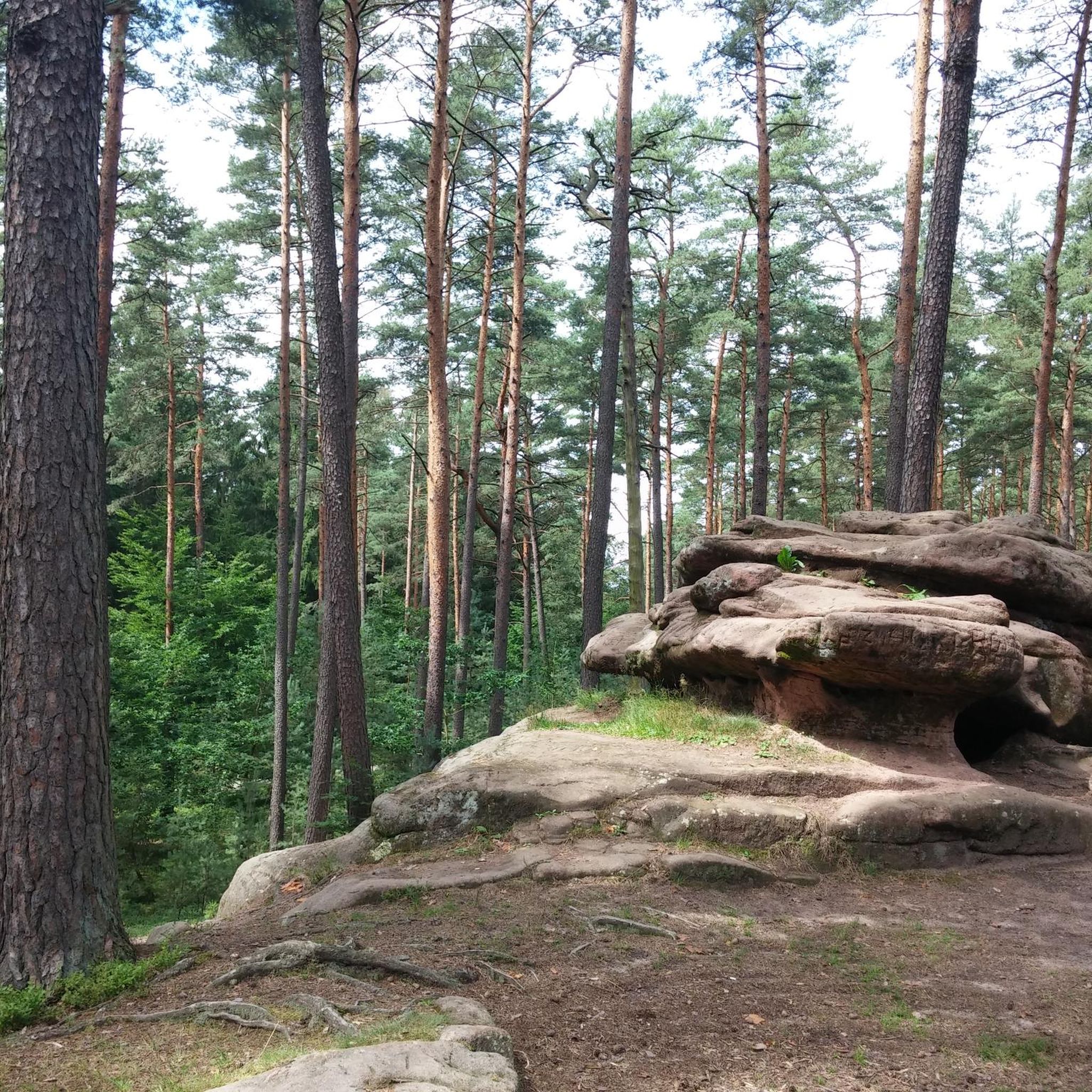
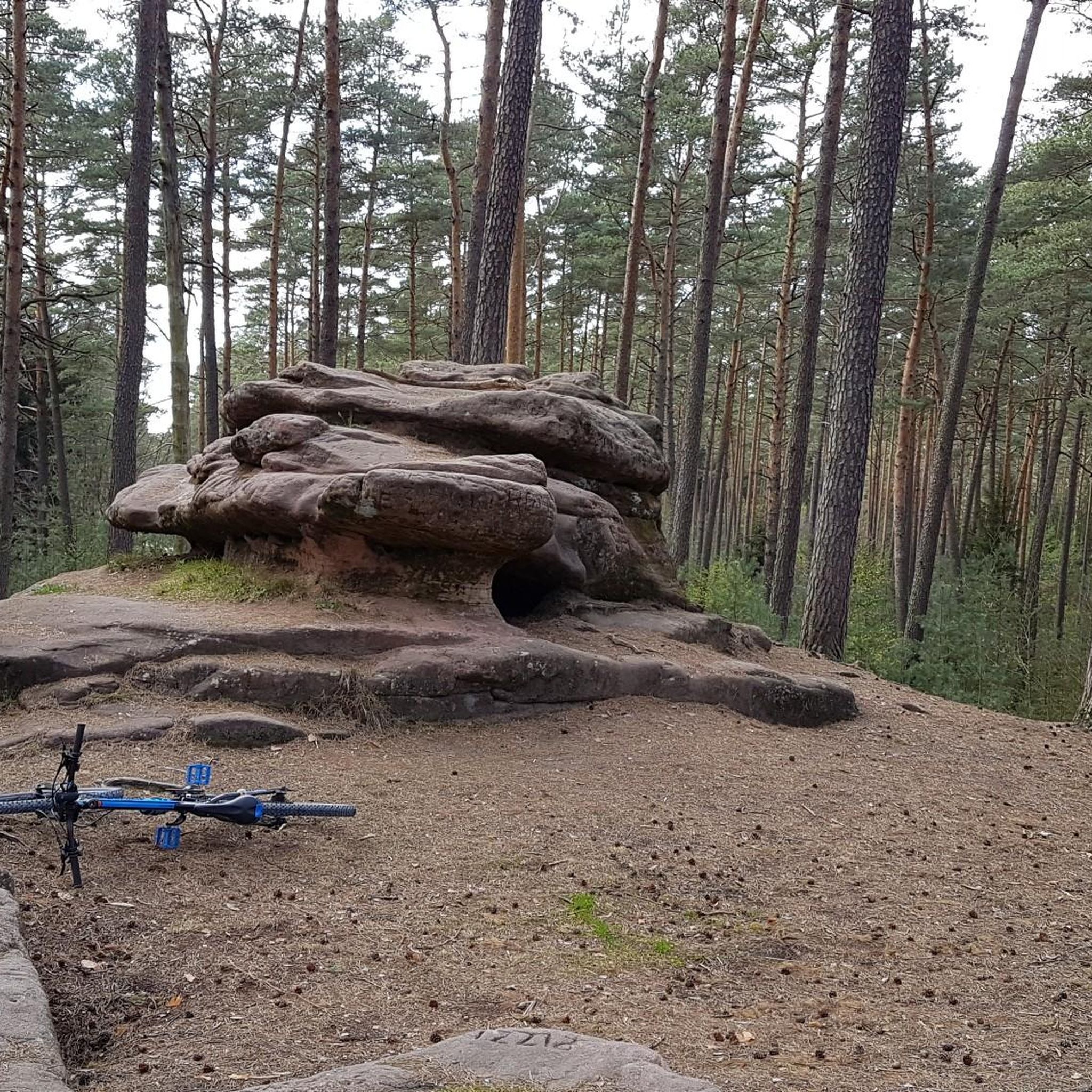
Touring cycling around Laufamholzer Forst offers routes through woodlands and natural open spaces within the Lorenzer Reichswald. The terrain near Schwaig is generally flat, making it suitable for various cycling abilities. The Schneidersbach creek flows through the area, providing scenic routes. Notable natural features include the Schüsselstein, an impressive sandstone monolith, and the Hirschenkopf, the highest elevation at 380 meters above sea level.
Best touring cycling routes around Laufamholzer Forst
- The most popular touring cycling route is Family ride to…
Last updated: October 1, 2026
4.6
(26)
94
riders
27.8km
02:02
180m
180m
Moderate bike ride. Good fitness required. Mostly paved surfaces. Suitable for all skill levels.
4.6
(61)
346
riders
Moderate bike ride. Good fitness required. Mostly paved surfaces. Suitable for all skill levels.

4.6
(69)
339
riders
48.8km
03:00
240m
240m
Moderate bike ride. Good fitness required. Mostly paved surfaces. Suitable for all skill levels.
4.1
(8)
61
riders
19.9km
01:14
80m
80m
Easy bike ride. Great for any fitness level. Mostly paved surfaces. Suitable for all skill levels.
4.5
(8)
61
riders
Easy bike ride. Great for any fitness level. Mostly paved surfaces. Suitable for all skill levels.
Get access to more routes and recommendations from other explorers.
Already have an account?
Our route recommendations are based on thousands of hikes, rides, and runs completed by other people on komoot.
Start today with a free account
Your next adventure awaits.
Tips from the Community

Here there is everything on the way.... cyclists, runners, etc.
0
0

In the years 1356 - 1360, the then Emperor Charles IV had a stately castle built on the small island on the Pegnitz. It served as a resting place on the way from Nuremberg to the imperial residence in Prague. The coat of arms hall is a stone testament to his power: 112 colorfully painted coat of arms shields of Bohemian noble families are carved into the wall. They were skillfully carved and painted into the sandstone by stonemasons. The coat of arms friezes are among the highest achievements of medieval heraldry.
2
0

On the northern edge of the Hammer factory estate, the Pegnitz river flows by. Upstream from there is the first weir within the city limits, where a small hydroelectric power plant was built. Water power had already generated energy for the factory estate at that location in the past. The ambitious plan in 2015 was to significantly increase the share of electricity generated by water in Bavaria to almost 25 percent by 2025 (in 2020 it was approx. 15 percent). In the meantime, the overly radical increase in the generation of electricity from hydropower is no longer considered ecologically sensible, as the rivers are too severely disturbed in their natural course. A small one like the existing one in Laufamholz hardly makes a difference in Bavaria's overall balance and does not further disturb the natural course of the Pegnitz.
0
0

A beautifully preserved gate.
2
0

The building you see today was built immediately after its destruction in the 2nd Margraves' War. The citizens rebuilt it in record time: Material. Massive sandstone was used, giving the building its characteristic, sturdy appearance to this day. A late Gothic structure with Renaissance influences was created. Particularly striking is the steep timber-framed gable, which was later plastered over. The town hall was much more than just an office for the mayor back then. The open ground floor (the so-called arcades) used to house the bread and meat benches. Bakers and butchers sold their goods here under the protection of the city council. The city council met on the first floor, and justice was administered. The council bell in the turret announced important verdicts or warned of fire. From early on, there was a "council room" in the town hall where the council members were entertained.
9
0
The Nuremberg Gate is the western city gate of Lauf and was part of the medieval city fortifications. It marked the beginning (or end) of the stage on the famous Golden Road in the direction of Nuremberg. The core of the gate dates from the 14th century (approx. 1350), from the time when Emperor Charles IV was also active in Lauf. It is a classic gate tower with a pointed arch passage. The striking half-timbered upper floor and the steep hipped roof give it its typical Franconian appearance.
7
0
The castle was built between 1356 and 1360 by Emperor Charles IV. It was strategically located on the "Golden Road", the important trade route between Nuremberg and Prague. Charles IV used it as a stopover castle and residence to consolidate his claims to power in the region. Today, it houses an external campus of the Nuremberg Academy of Fine Arts.
9
0
The Hersbrucker Tor is one of the two remaining city gates of Lauf an der Pegnitz and marks the eastern end of the historic market square. The gate was originally built in the 15th century as part of the town fortifications, shortly after Lauf was elevated to a city in 1355 by Emperor Charles IV. In its current form, the structure essentially dates from 1476, as inscriptions also indicate.
8
0
Frequently Asked Questions
How many touring cycling routes are available in Laufamholzer Forst?
Laufamholzer Forst offers a vast network of over 1500 touring cycling routes. These routes cater to various skill levels, with more than 780 easy, nearly 500 moderate, and over 270 difficult options to explore.
What kind of terrain can I expect when touring cycling in Laufamholzer Forst?
The terrain around Laufamholzer Forst is generally flat, especially near the town of Schwaig, making it suitable for relaxed touring. You'll find a picturesque blend of serene forest paths and natural open spaces, characteristic of the Franconian landscape. While mostly gentle, the Hirschenkopf, at 380 meters, offers a slight elevation for those seeking a bit more challenge and potential views.
Are there any family-friendly touring cycling routes in Laufamholzer Forst?
Yes, Laufamholzer Forst has several family-friendly options. A popular choice is the Family ride to the zoo, a moderate 17.3-mile (27.8 km) route designed with families in mind. The generally flat terrain also makes many of the easy routes suitable for all ages.
What natural features or landmarks can I see along the touring cycling routes?
You can discover several unique natural features and landmarks. The impressive Schwarzach Gorge (Schwarzachklamm) is a notable highlight. Keep an eye out for the Schüsselstein, an impressive sandstone monolith with distinctive bowl-shaped depressions. The Schneidersbach creek also adds charm, offering pleasant routes along its banks. Additionally, the Fabrikgut Hammer is a historical site worth noting.
Are there any circular touring cycling routes in the area?
Yes, many routes in Laufamholzer Forst are designed as loops, perfect for touring cyclists. For instance, the Hersbrucker Gate – Old Town of Lauf an der Pegnitz loop from Schwaig is an easy 10.7-mile (17.2 km) path guiding you through historic areas. Another option is the Pegnitz Valley East Nature Reserve – Along the Pegnitz River loop from Schwaig, a 5.9-mile (9.6 km) trail through a nature reserve.
What do other touring cyclists enjoy most about cycling in Laufamholzer Forst?
The area is highly rated by the komoot community, with an average score of 4.5 stars from over 10,000 reviews. Touring cyclists often praise the extensive woodlands providing shade, the tranquil atmosphere, and the variety of routes along the Pegnitz river. The accessibility for different skill levels is also frequently highlighted.
Where can I find parking for touring cycling routes in Laufamholzer Forst?
Given the proximity to towns like Schwaig near Nuremberg, you can typically find parking facilities in and around these urban centers, which serve as good starting points for routes into Laufamholzer Forst. Specific parking information is usually detailed on individual route pages on komoot.
Is public transport available to access touring cycling routes?
The region's integration into the broader network around Nuremberg suggests good public transport links to towns bordering Laufamholzer Forst, such as Schwaig. From these points, you can easily access various cycling routes. We recommend checking local public transport schedules for the most convenient access points.
Are there any cafes or places to rest along the touring cycling routes?
While the forest itself is primarily natural, the surrounding areas and towns like Schwaig offer various amenities. You can find places to rest and refuel, such as the Moritzberg Mountain Inn, or other huts and shelters like the Forest House on the Nature Discovery Trail. Many routes also pass through or near villages with cafes and pubs.
What is the best time of year for touring cycling in Laufamholzer Forst?
The extensive tree cover in Laufamholzer Forst makes it particularly appealing during warmer months, as it provides ample shade and a refreshing atmosphere. Spring and autumn also offer pleasant conditions with milder temperatures and beautiful seasonal foliage, making them ideal for touring cycling.
Are dogs allowed on the touring cycling trails in Laufamholzer Forst?
Laufamholzer Forst is a natural area, and generally, dogs are welcome on trails. However, as it's part of the Lorenzer Reichswald and an EU bird sanctuary, it's crucial to keep dogs on a leash, especially during breeding seasons, and to respect local wildlife and other trail users. Always check specific signage at trailheads for any particular regulations.
Are there any easy touring cycling routes suitable for beginners?
Absolutely. Over 780 of the routes in Laufamholzer Forst are classified as easy, making them perfect for beginners or those seeking a relaxed ride. The generally flat terrain, especially near Schwaig, contributes to a comfortable cycling experience. An example is the Gartenstraße Fountain, Schwaig – Schwaig Castle loop from Schwaig, an easy 7.8-mile (12.6 km) route.
What types of surfaces can I expect on the touring cycling trails?
The touring cycling routes in Laufamholzer Forst feature a mix of surfaces. You'll encounter well-maintained forest paths, gravel tracks, and potentially some paved sections, especially when connecting through or near towns. The focus on nature means many routes offer a natural, unpaved experience, while still being suitable for touring bikes.
Most popular attractions around Laufamholzer Forst

Get inspired with the komoot mobile app


Explore more
Browse the best Cycling routes in other regions.
