Top 8 Natural Monuments around Prissé
Best natural monuments around Prissé include prominent geological formations within the Mâconnais vineyards of Saône-et-Loire, France. The region is characterized by its limestone escarpments and rolling hills, offering expansive views of the surrounding landscape. These natural features are often intertwined with significant archaeological and historical importance, providing insights into ancient geological processes and prehistoric human activity. The area is well-suited for outdoor exploration, with a network of trails connecting these natural landmarks.
Best natural monuments around Prissé
- The most popular…
Last updated: July 4, 2026
Roche de Solutré
Highlight • Natural Monument
Translated by Google •
Tip by

Vergisson Rock
Highlight • Natural Monument
Translated by Google •
Tip by

Sign up now to discover places like this
Get recommendations on the best single tracks, peaks, & plenty of other exciting outdoor places.
Sign up for free
La Lie Quarry
Highlight • Natural Monument
Translated by Google •
Tip by

View of the Roche de Solutré
Highlight • Viewpoint
Translated by Google •
Tip by

Mount Pouilly
Highlight • Summit
Translated by Google •
Tip by

Sign up for free to discover even more natural monuments around Prissé.
Sign up for free
Already have an account?
Start today with a free account
Your next adventure awaits.
Login or Signup


Tips from the Community

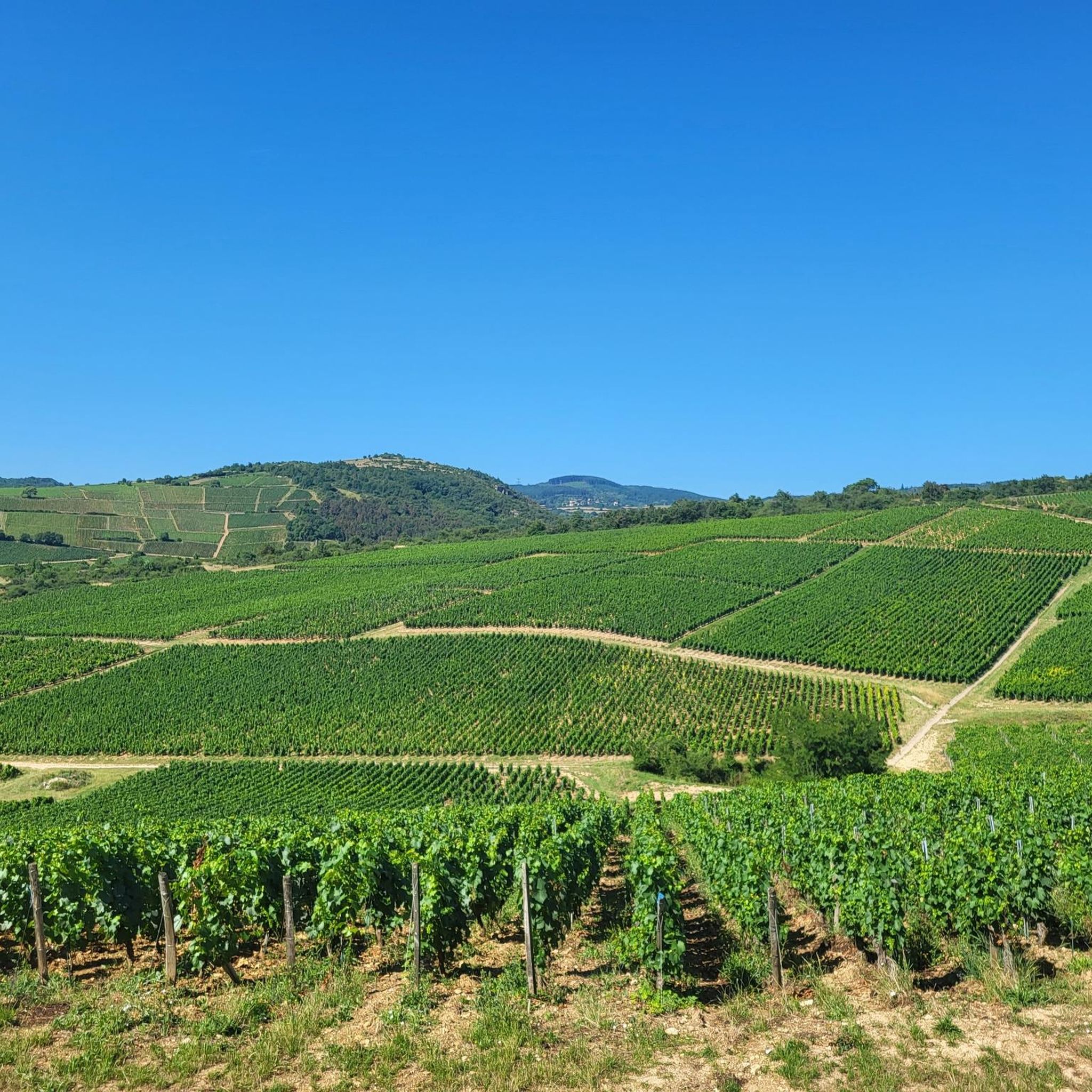
The Solutré Rock is a world-famous, 493-meter-high limestone cliff in the south of the Burgundy region. It is situated amidst the picturesque vineyards of the municipality of Solutré-Pouilly. The region is officially designated as a Grand Site de France. The hike to the summit is easy to moderate and well-suited for families. It takes about 1 hour for the entire circular route (approx. 4 kilometers round trip). The elevation gain is around 100 to 140 meters from the official parking lot, on well-maintained paths with information panels, although there are many steps.
0
0
The rock is located in the south of the Burgundy region (Département Saône-et-Loire), not far from the town of Mâcon. Its distinctive profile rises out of a vast "sea of vines". The vineyards shown belong to the well-known Mâconnais wine region and produce renowned white wines such as Pouilly-Fuissé. The entire area is protected as a Grand Site de France and is also one of the most important prehistoric sites in Europe.
2
0

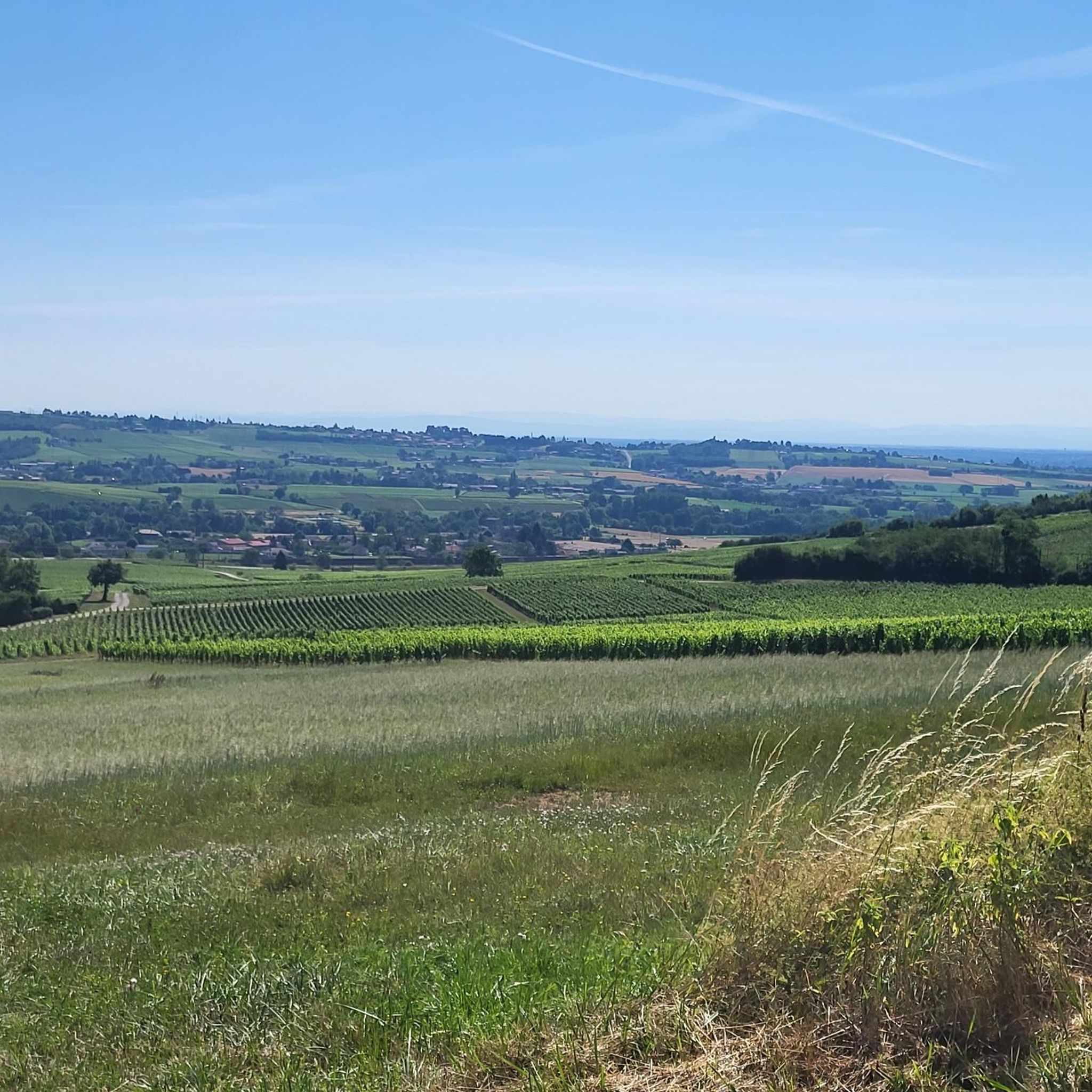
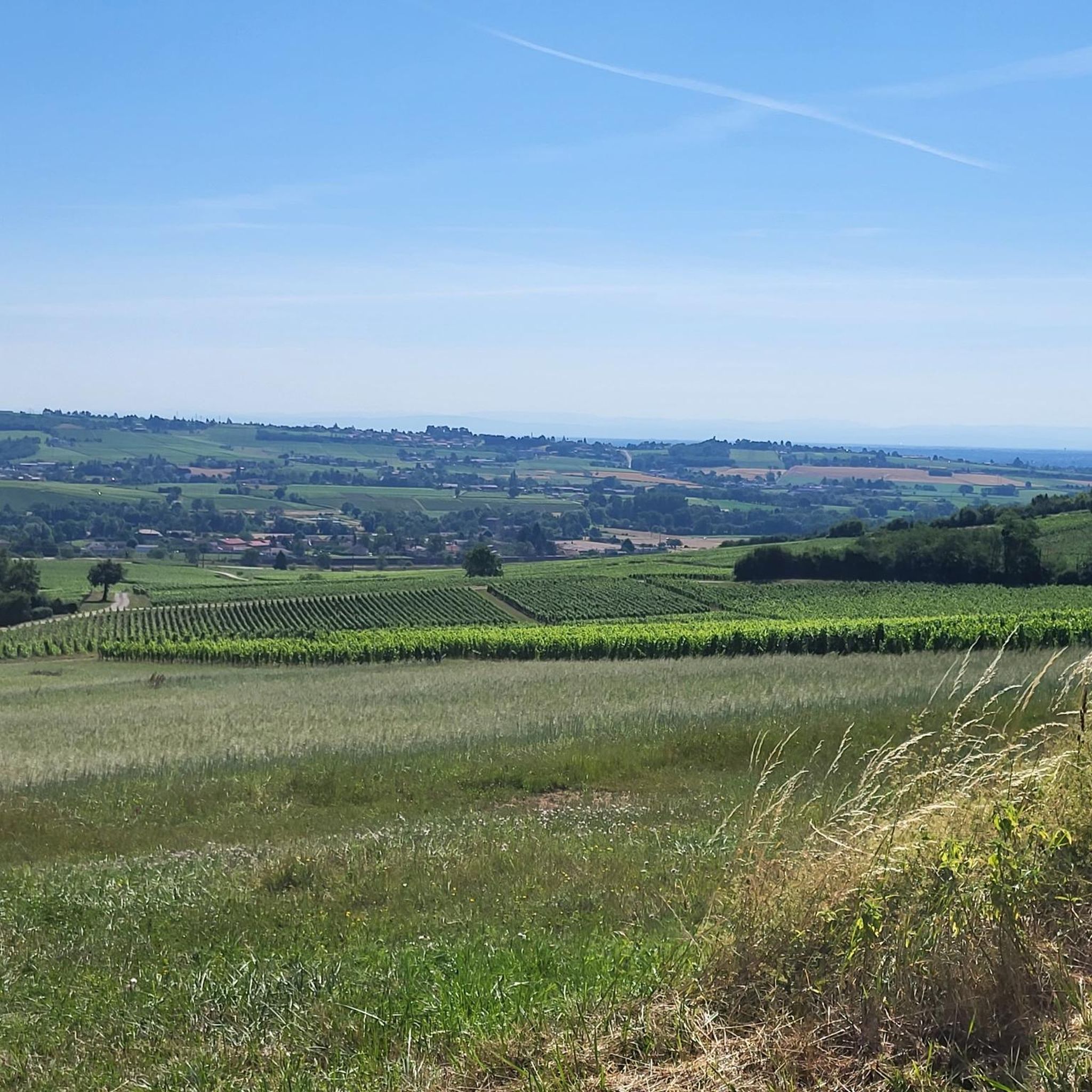
Magnificent view across the countryside all the way to Mâcon
2
0

A perfect complement to the Solutré rock and Mont de Pouilly.
1
0

Several paths lead to the summit. A very pretty hike, which can be extended by climbing its big sister, Solutré, for the more athletic.
1
0

Mont Pouilly 481m above sea level with a magnificent panoramic view
1
0

Archaeological site. The excavations show the 2000-year history of stone mining. Dismounting and taking a short walk through the area of the Carrières de la Lie is worthwhile just for the magnificent view at the back.
2
0

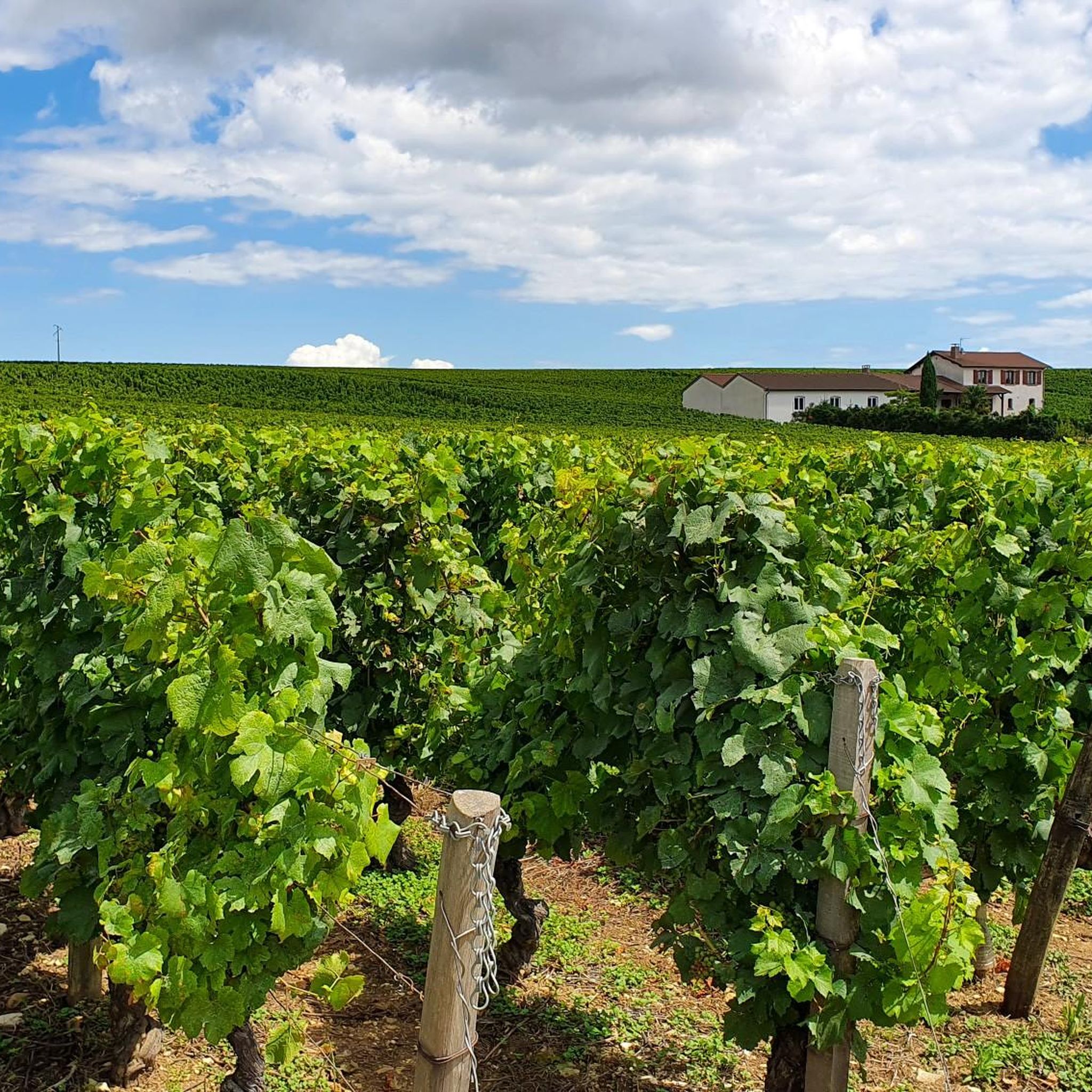
Beautiful view at a historic site.
3
0
Frequently Asked Questions
What are the most prominent natural monuments to visit around Prissé?
The region around Prissé is dominated by impressive limestone escarpments. The most prominent natural monuments include Roche de Solutré, offering a spectacular panorama over the Mâconnais vineyards, and Vergisson Rock, which provides a unique view of the Beaujolais valley. Both are part of the Grand Site de France.
Are there family-friendly natural monuments or activities near Prissé?
Yes, the La Lie Quarry is a geological curiosity that is great to discover with family. It offers beautiful views of the Roche de Solutré and provides insights into 2000 years of stone mining history. While some paths can be steep, it's generally considered suitable for a family walk.
What kind of views can I expect from the natural monuments in this area?
The natural monuments around Prissé are renowned for their expansive panoramic views. From the summit of Roche de Solutré, you'll see the vast Mâconnais vineyards. Vergisson Rock offers a distinct perspective over the Beaujolais valley, while Mount Pouilly also provides magnificent vistas of the surrounding landscape.
What historical or archaeological significance do these natural monuments hold?
The Roche de Solutré is particularly significant for its rich prehistoric past. At its foot, you'll find a prehistory museum that helps visitors understand the archaeological value of the site, which is famous for the Solutrean culture. The La Lie Quarry also showcases the history of stone mining in the region.
Are there hiking opportunities around the natural monuments?
Absolutely. The natural monuments are popular hiking destinations. For example, you can follow in the footsteps of many by hiking to the top of Roche de Solutré. There are also various paths to access the summit of Vergisson Rock, ranging from less sporty to more challenging. For more detailed routes, explore the Hiking around Prissé guide.
What outdoor activities can I do near these natural monuments besides hiking?
Beyond hiking, the area around Prissé is excellent for road cycling. You can find various routes that pass by or offer views of these natural monuments. Check out the Road Cycling Routes around Prissé guide for options like the 'View of La Roche de Solutré – Col de la Grange du Bois loop'.
What is the best time of year to visit the natural monuments around Prissé?
The natural monuments are beautiful year-round, but spring and autumn offer pleasant temperatures for hiking and clear skies for panoramic views. The Mâconnais vineyards surrounding the rocks are particularly stunning during the harvest season in early autumn or when new growth emerges in spring.
How long should I plan for a visit to one of these natural monuments?
For a visit to a major site like Roche de Solutré, including the hike to the summit and a stop at the prehistory museum, you should plan for at least 2-3 hours. Shorter visits to viewpoints like Mount Pouilly might take 1-2 hours, depending on your pace and how long you spend enjoying the view.
Are there any less crowded natural monuments or viewpoints to explore?
While Roche de Solutré is very popular, Vergisson Rock offers equally stunning views but often with significantly fewer people, making it a great alternative for a more tranquil experience.
What should I wear when visiting the natural monuments, especially in autumn?
For visits in autumn, it's advisable to wear layers as temperatures can vary. Sturdy hiking shoes are recommended for climbing the rocks and navigating trails, which can be uneven. A windbreaker or light jacket is also useful, especially at the exposed summits where it can be breezy.
Can I find information about other natural sites in Burgundy?
Yes, for broader information on natural sites within the Burgundy region, you can visit the official Burgundy tourism website: burgundy-tourism.com.
Most popular attractions around Prissé

Get inspired with the komoot mobile app


Explore more
Extend your search for the best caves by checking out these guides of the top ones around Prissé:
