Top 6 Natural Monuments around Saales
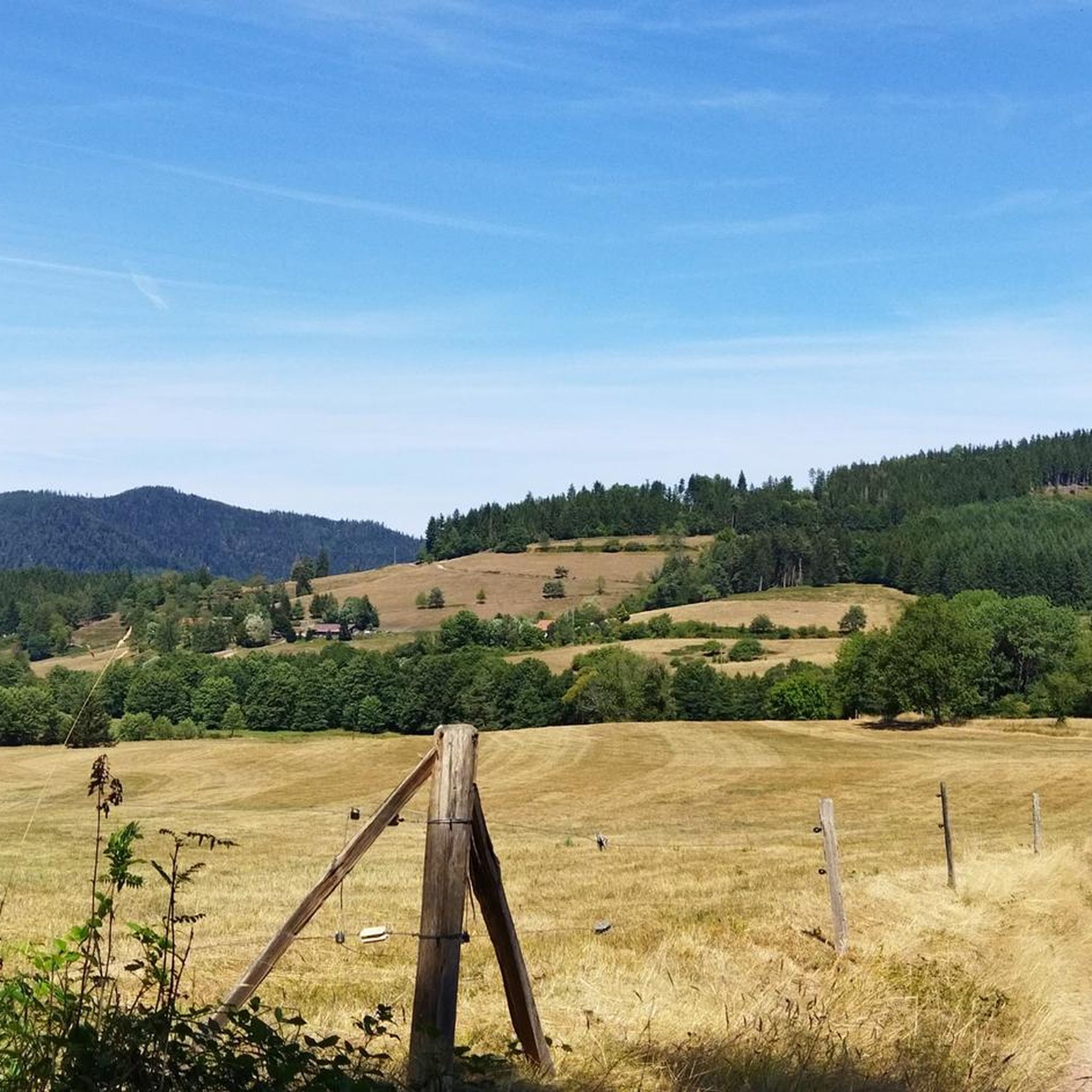
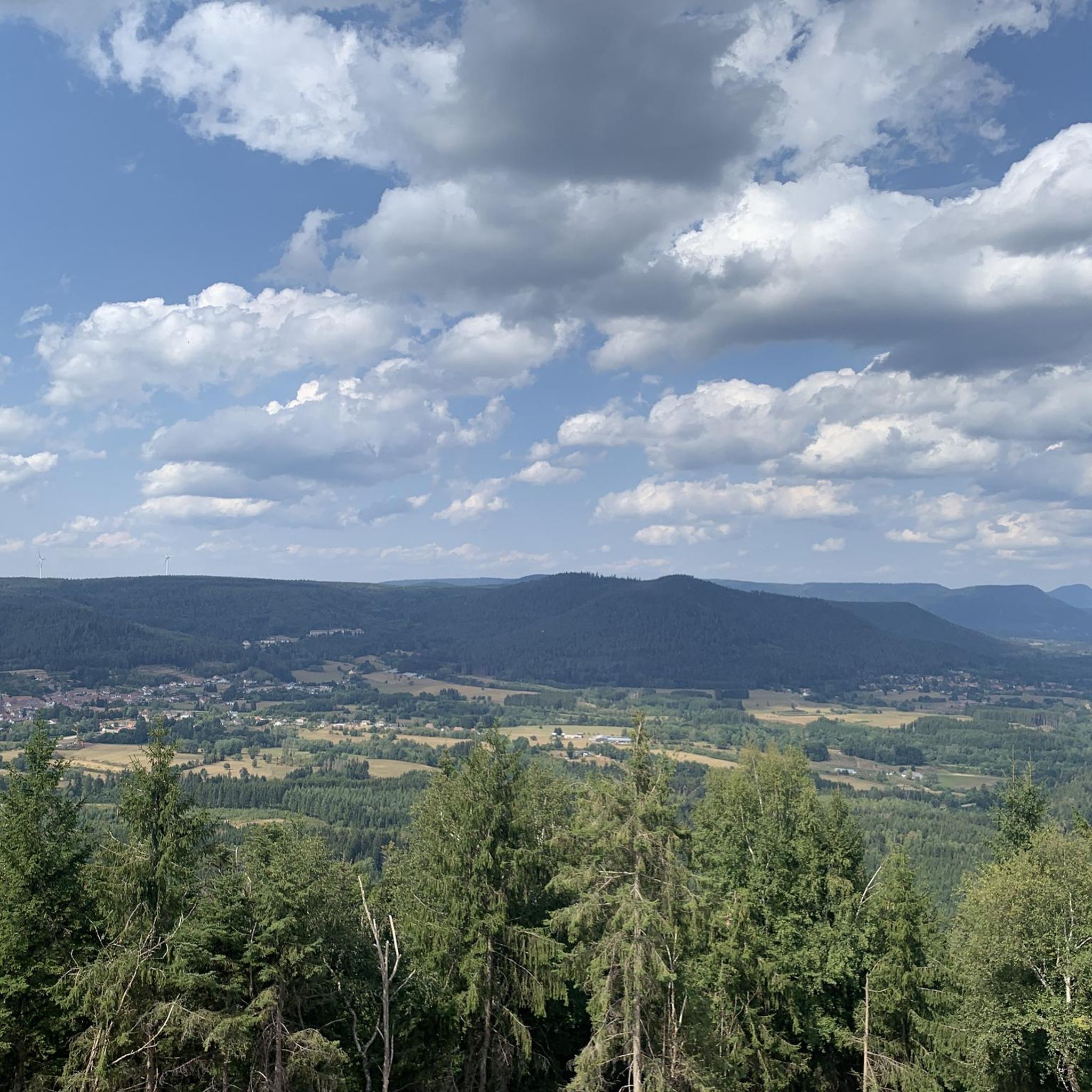
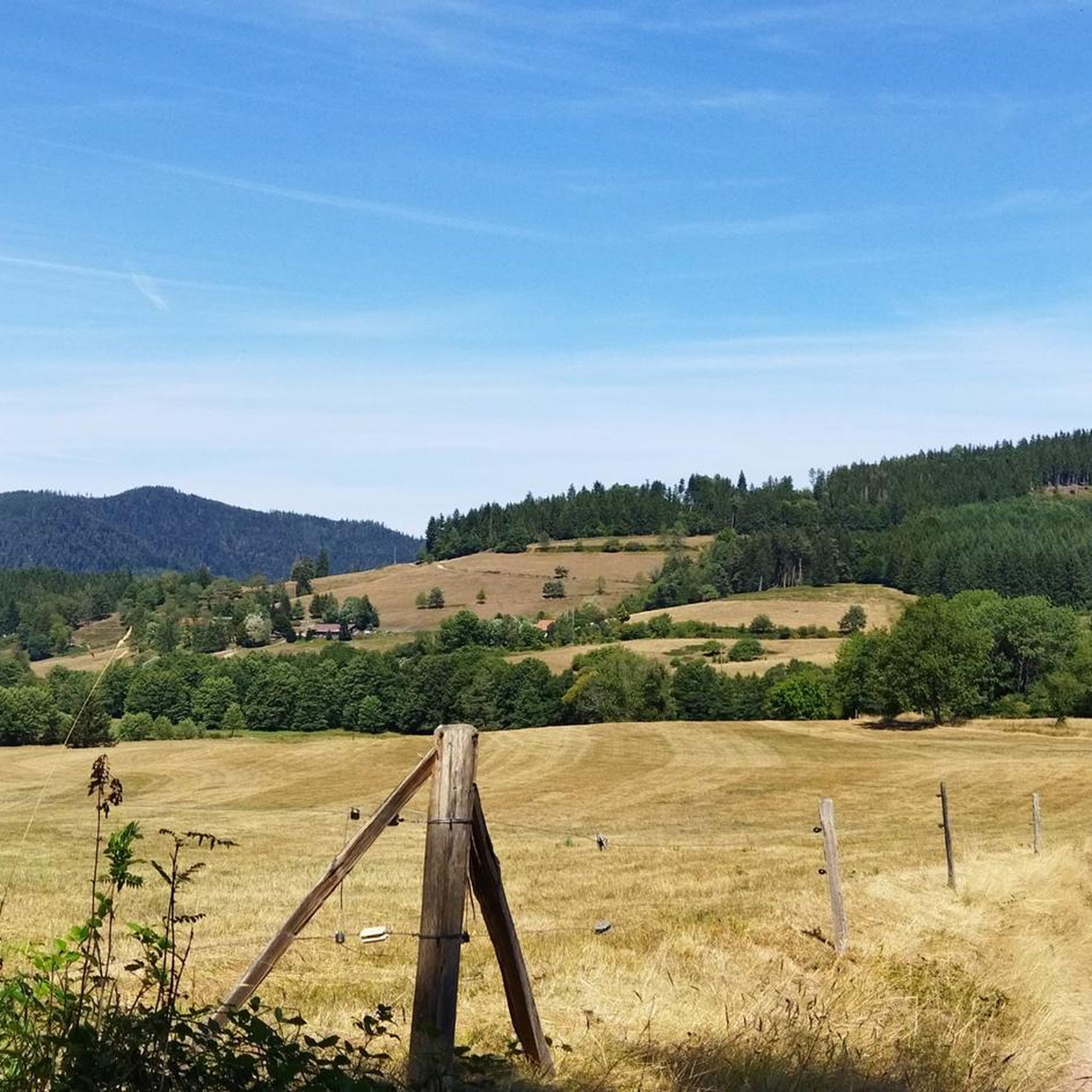
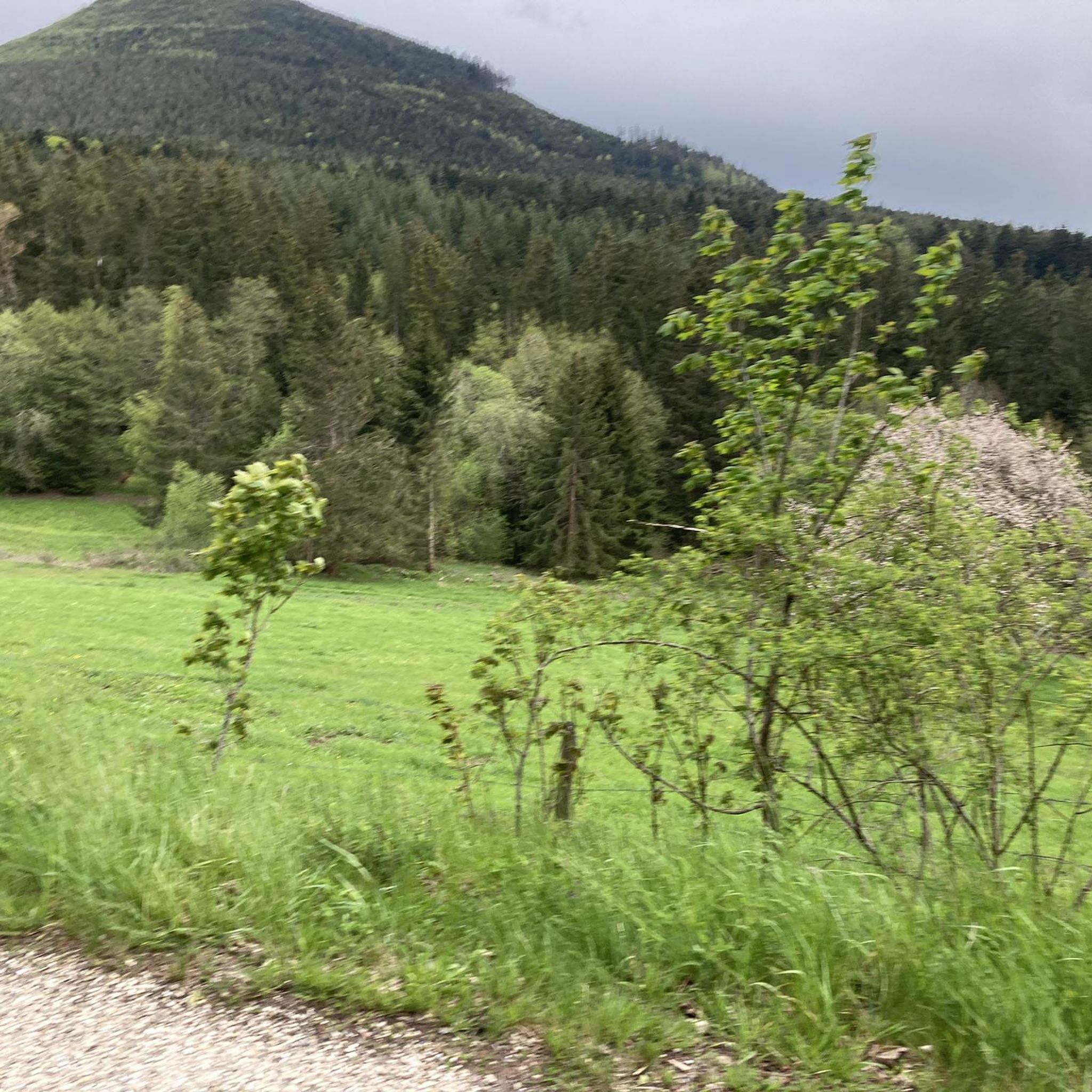
Best natural monuments around Saales are situated within the Vosges Mountains, a region known for its rounded summits, extensive forests, and diverse geological features. The area's terrain, ranging from 517m to 831m in altitude, is influenced by ancient tectonic activity and the Rhine Rift Valley. This landscape provides a variety of natural features, including granite, sandstone, and schist formations. Forests cover a significant portion of the Saales area, offering numerous natural landmarks and viewpoints.
Best natural monuments around Saales
- The…
Last updated: July 4, 2026
Dry Fir Rock
Highlight • Viewpoint
Translated by Google •
Tip by

Roche des Abris
Highlight • Natural Monument
Translated by Google •
Tip by

Sign up now to discover places like this
Get recommendations on the best single tracks, peaks, & plenty of other exciting outdoor places.
Sign up for free
Protected Natural Area of the Chatte Pendue
Highlight • Natural
Translated by Google •
Tip by

Fountain of the Little Birds
Highlight • Natural Monument
Translated by Google •
Tip by

Moss-Covered Rocks and Bridge in the Vosges Forest
Highlight • Bridge
Probably not here on the path. In the former command bunker near the viewing rocks perhaps?
Translated by Google •
Tip by
Sign up for free to discover even more natural monuments around Saales.
Sign up for free
Already have an account?
Start today with a free account
Your next adventure awaits.
Login or Signup


Other adventures around Saales

Tips from the Community


Please stay on the paths
0
0

This rock shelter linked to a fort is that of the commander of the cartographic section. Inside there is a table, a stove, a bed, a telephone and electricity. This is where all the information obtained by the observers on the massif arrives.
0
0

A drinking trough for small birds. What a wonderful contrast to the relics of the inhumane and life-despising fighting of the First World War that can be found everywhere here.
2
0
Now we just need to know which place exactly is meant... Probably not here on the path. In the former command bunker near the viewing rocks perhaps?
1
0


The Vosges sandstone rock is equipped with an iron ladder and gives a panoramic view of the region, over the territories of Nayemont, Saint-Jean d'Ormont and Saint-Dié-des-Vosges.
1
0

Frequently Asked Questions
What are some notable natural monuments to visit around Saales?
Around Saales, you can explore several unique natural monuments. The Dry Fir Rock offers panoramic views of the region, including Nayemont and Saint-Dié-des-Vosges, accessible via an iron ladder. Another significant site is Roche des Abris, a historical rock shelter with a great view. For nature conservation, visit the Protected Natural Area of La Châtaigne Pendue, a forest reserve focused on protecting young seedlings and the capercaillie.
What kind of natural features can I expect to see in the Saales area?
The Saales area, nestled within the Vosges Mountains, is characterized by diverse natural features. You'll find rounded mountain peaks, dense forests of beech and fir, and varied geological formations including granite, sandstone, and schist. The landscape also features high-altitude pastures, wetlands, and numerous lakes and rivers in the broader region. Expect stunning viewpoints and unique subalpine flora.
Are there any historical natural sites near Saales?
Yes, the Roche des Abris is a natural monument with significant historical context. It's a rock shelter linked to a fort, which served as a command post during historical conflicts. Visitors can enjoy a great view from this historic rock, offering a glimpse into the past amidst nature.
What outdoor activities can I do near the natural monuments around Saales?
The region around Saales is excellent for various outdoor activities. You can find numerous opportunities for hiking, running, and cycling. For detailed routes, explore the Hiking around Saales guide, the Running Trails around Saales guide, or the Cycling around Saales guide. These guides offer routes ranging from moderate to difficult, suitable for different fitness levels.
What is the best time to visit the natural monuments in the Vosges region?
The best time to visit the natural monuments and the broader Vosges region largely depends on your preferred activities. Spring and summer (May to September) are ideal for hiking, mountain biking, and enjoying the lush greenery and pleasant weather. Autumn (October) offers spectacular fall foliage. Some challenging trails, like the Sentier des Roches, are generally closed in winter (November to April) due to hazardous conditions, but winter sports like snowshoeing and cross-country skiing are popular in other parts of the Vosges Mountains.
Are there any family-friendly natural monuments or activities near Saales?
While specific 'family-friendly' categories aren't listed for all monuments, many natural sites in the Vosges Mountains offer accessible paths suitable for families. The Protected Natural Area of La Châtaigne Pendue, being a forest reserve, provides gentle trails for walking. For more general family outings, the broader Ballons des Vosges Regional Nature Park offers numerous opportunities for easy walks and enjoying nature.
What are some unique natural sites in the wider Vosges and Alsace regions, accessible from Saales?
Beyond Saales, the broader Vosges and Alsace regions boast several remarkable natural sites. These include the expansive Ballons des Vosges Regional Nature Park with its 'ballons' (rounded peaks) and diverse ecosystems. The Hohneck offers exceptional panoramic views, and glacial lakes like Lac Blanc and Lac Vert provide stunning scenery and recreational opportunities. The challenging Sentier des Roches is also a highlight for experienced hikers.
What do visitors enjoy most about the natural monuments around Saales?
Visitors particularly appreciate the breathtaking panoramic views offered by sites like Dry Fir Rock. The historical significance combined with natural beauty at Roche des Abris also receives high praise. Many enjoy the tranquility and conservation efforts at the Protected Natural Area of La Châtaigne Pendue, and the unique charm of smaller features like the Fountain of the Little Birds.
Can I observe wildlife near the natural monuments in Saales?
Yes, the natural areas around Saales are home to diverse wildlife. The Protected Natural Area of La Châtaigne Pendue, for instance, is specifically dedicated to the protection of species like the heather rooster or capercaillie. In the broader Ballons des Vosges Regional Nature Park, you might spot lynx, peregrine falcons, chamois, and various unique flora. Remember to stay discreet and on designated paths to avoid disturbing the local wildlife.
Are there any natural monuments that offer unique photo opportunities?
Absolutely. The Dry Fir Rock is a prime spot for panoramic landscape photography, especially with its unique iron ladder feature. The Moss-Covered Rocks and Bridge in the Vosges Forest offers picturesque scenes with its lush, ancient forest aesthetic. Additionally, the glacial lakes like Lac Blanc and Lac Vert in the wider region are renowned for their stunning colors and reflections, providing excellent photographic subjects.
What should I wear when visiting natural monuments in the Saales region?
Given the varied terrain and potential for changing weather in the Vosges Mountains, it's best to dress in layers. Sturdy hiking boots with good ankle support are recommended, especially for trails like the one leading to Dry Fir Rock, which can be challenging. Waterproof outerwear is advisable, and in colder months, warm clothing, hats, and gloves are essential. Always check the local weather forecast before your visit.
Most popular attractions around Saales

Get inspired with the komoot mobile app


Explore more
Extend your search for the best caves by checking out these guides of the top ones around Saales:
