Top 20 Natural Monuments around Sulzbach
Best natural monuments around Sulzbach offer diverse landscapes for exploration. The region features high-altitude summits, scenic mountain passes, and historical sites integrated with natural features. Visitors can also discover ancient stone monuments and natural springs. These varied natural monuments provide opportunities for outdoor activities and experiencing different natural environments.
Best natural monuments around Sulzbach
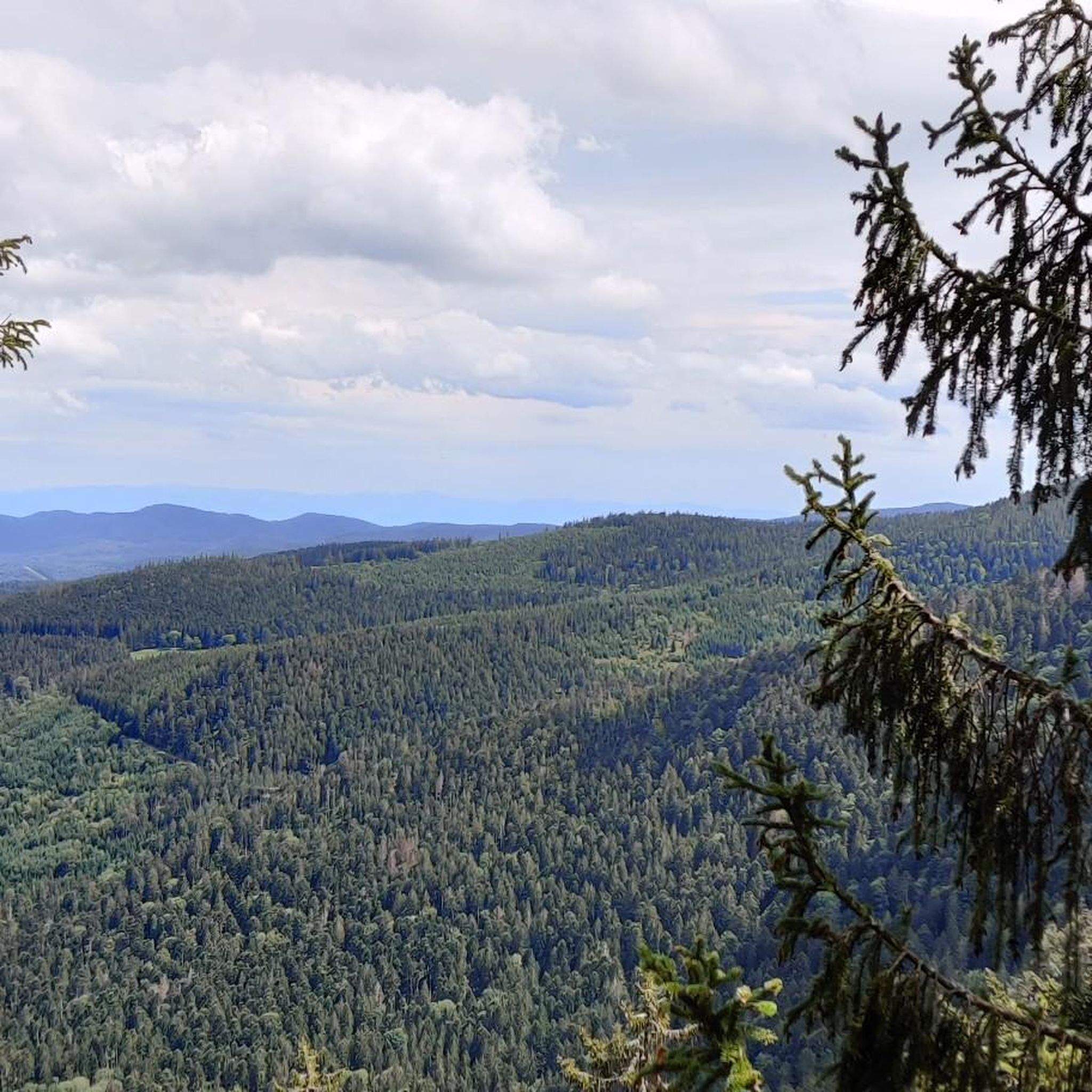
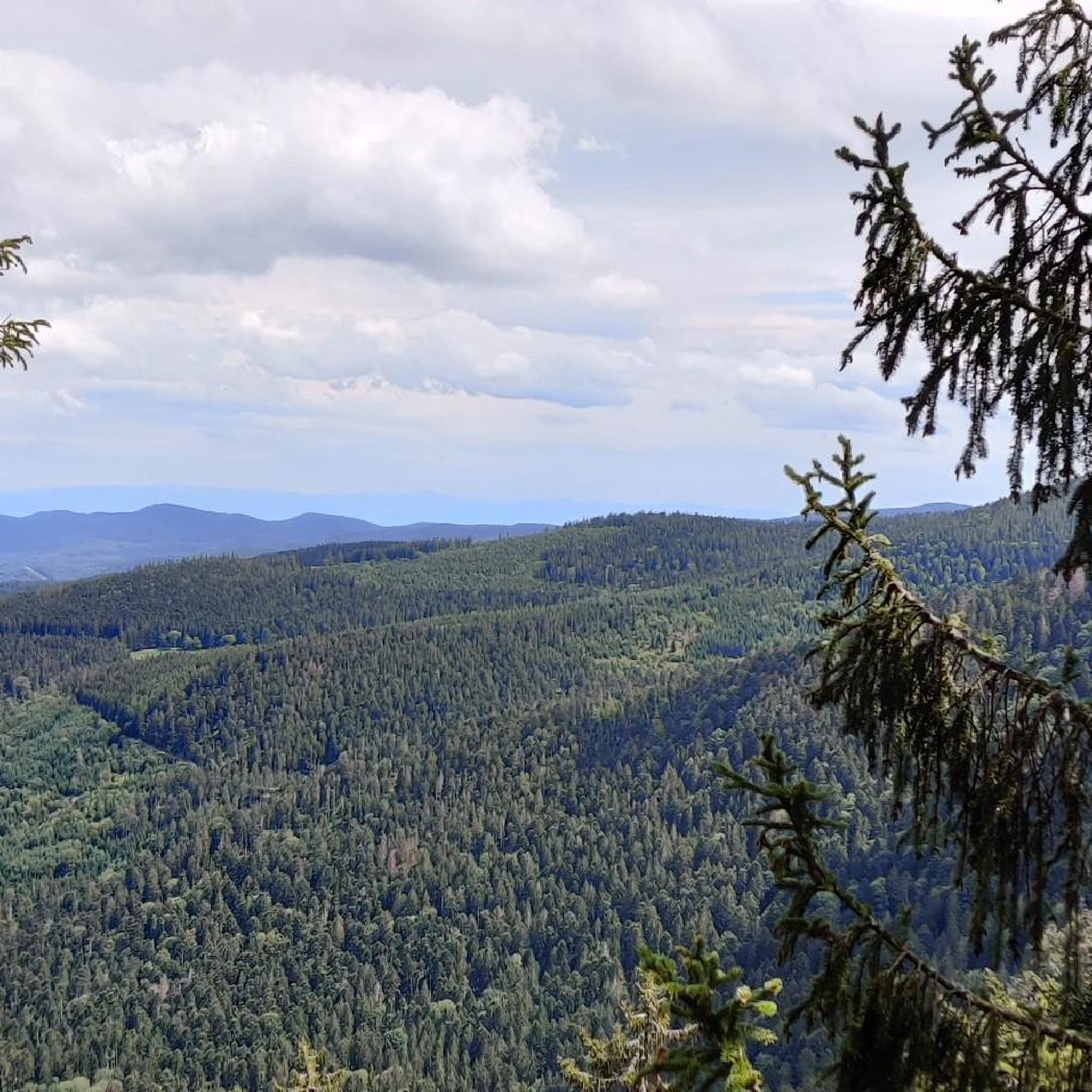
- The most popular natural monuments is Petit Ballon, a summit that offers expansive views from its 1272 meters. It provides an authentic mountain feeling with…
Last updated: October 7, 2026
Petit Ballon
Highlight • Summit
Translated by Google •
Tip by

Petit Ballon Pass (1,163 m)
Highlight • Mountain Pass
Translated by Google •
Tip by
Sign up now to discover places like this
Get recommendations on the best single tracks, peaks, & plenty of other exciting outdoor places.
Le Linge Memorial
Highlight • Historical Site
Translated by Google •
Tip by

Langenstein Menhir
Highlight • Monument
Translated by Google •
Tip by

Fontaine de la Dame
Highlight • Natural Monument
No view and therefore not very exciting.
Translated by Google •
Tip by

Sign up for free to discover even more natural monuments around Sulzbach.
Already have an account?
Start today with a free account
Your next adventure awaits.
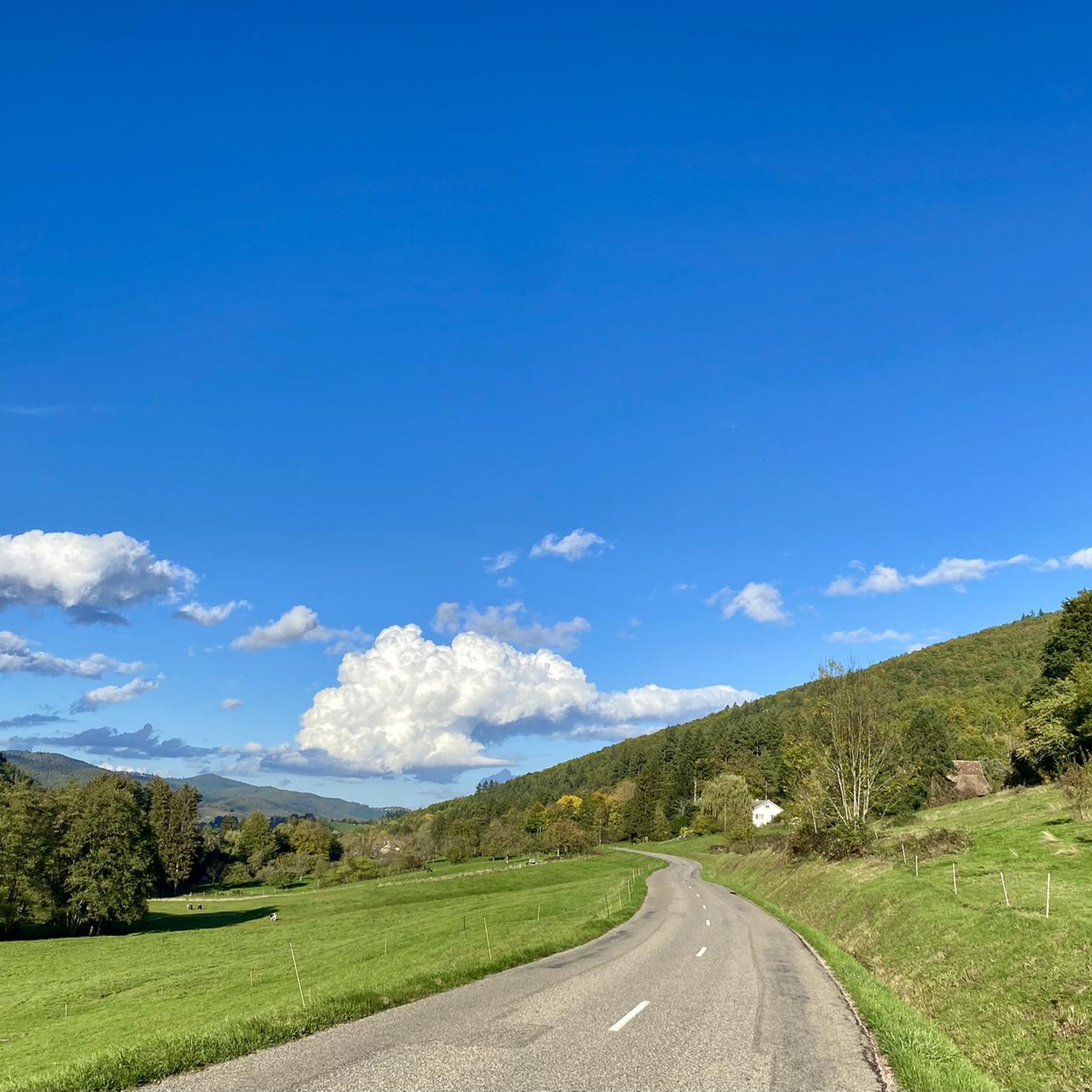

Tips from the Community

A challenge on a mountain bike without a motor. But the downhill trails are great. It's worth it 👍🏻
2
0

The Langenstein menhir (a 4-meter-high long stone) was erected in 1904 by a Soultzmatt industrialist, who recognized this block as an overturned menhir. Legend tells that on full moon nights, fairies, or White Ladies, come to dance around the Langenstein. During this ceremony, the stone is said to begin spinning!
1
0

Located on the Collet du Linge near Orbey, the Musée Mémorial du Linge is an impressive museum and memorial site dedicated to the fierce fighting that took place here during the First World War in 1915. Nearly 20,000 French and German soldiers died on this ridge between the Orbey and Munster valleys. Displaying uniforms, weapons, personal items and models of the battlefield, the museum offers a vivid insight into the lives of the soldiers. Outside, the original trenches and German defence system are still clearly visible. The site is open daily from 9am to 12.30pm and from 2pm to 6pm, from April to November, and is a place of reflection amidst the rugged Vosges landscape.
8
0
The Collet du Linge is a picturesque mountain pass in the Vosges that combines athletic challenge with historical significance. The climb, mainly known to cyclists and hikers, winds through a wooded landscape and offers impressive views of Alsace along the way. The pass is located near the historic battlefield of Le Linge, where fierce fighting took place in 1915 during the First World War. Today it is a place of peace and remembrance, with access to the Musée Mémorial du Linge and various hiking trails that make the past tangible in an impressive natural landscape.
9
0

A magnificent climb to the Le Ligne pass, with a World War I-era terrain and rest stops. A must-stop and explore.
4
0

The way up is full of street paintings from the last Tour de France stages that went up there. It's a special feeling even without all the extras and I can recommend everyone to try the climb. Once you're at the top, you have the choice between different descents. I opted for the gravel descent, which was an additional physical challenge as it was very steep and rocky. There is a lovely mountain pasture on the way down where you can recharge your batteries with blueberry cake, coffee and non-alcoholic beer (Ferme Auberge Strohberg). It's also a good place to go if you've "forgotten" your bars and gel.
4
0

A worthwhile destination by bike and a nice starting point for hikes.
4
0

Very windy but great view
4
1
Frequently Asked Questions
What are some of the most popular natural monuments to visit around Sulzbach?
The region around Sulzbach offers diverse natural monuments. Highly regarded by visitors are Petit Ballon, a summit known for its expansive 360° panoramas, and Petit Ballon Pass (1,163 m), which provides magnificent views of the surrounding valleys and mountain pastures. Another notable site is the Le Linge Memorial, a historical site set within a natural landscape.
Are there natural monuments around Sulzbach that are suitable for families?
Yes, several natural monuments are family-friendly. The Langenstein Menhir, an ancient stone monument with local legends, is a fascinating stop for all ages. Additionally, the Fontaine de la Dame offers a peaceful spot in the forest, ideal for a quiet break during a family walk.
What kind of outdoor activities can I do near the natural monuments in Sulzbach?
The area around Sulzbach is excellent for various outdoor activities. You can find numerous routes for hiking, cycling, and running. For example, hiking trails range from moderate loops like the 'Hiking loop from Soultzbach-les-Bains' to more challenging routes such as the 'Trail to the Wolfsgrube – Wolfsgrube Pass loop'.
What unique geological formations can be found in the broader Sulzbach region?
Beyond the immediate area, the Amberg-Sulzbach district in Germany, part of the Franconian Jura, is known for its jagged peaks, limestone cliffs, gorges, sinkholes, and caves. Notable formations include the Vogelherd Grotto, an impressive karst cave, and the Stone City with the "Two Brothers", a unique karst rock labyrinth. The Emil Rock and Türkenfelsen are also characteristic limestone formations popular with climbers.
Are there any historical sites integrated with natural monuments around Sulzbach?
Yes, the Le Linge Memorial is a significant example. This site, where bloody battles took place during World War I, is preserved within a natural landscape, offering a poignant blend of history and nature. The Langenstein Menhir also represents an ancient historical marker within a natural setting.
What is the best time of year to visit the natural monuments around Sulzbach?
The best time to visit largely depends on the activity you plan. Spring and autumn offer pleasant temperatures for hiking and cycling, with vibrant foliage or blooming landscapes. Summer is ideal for enjoying the high-altitude views and longer daylight hours, though some areas might be more crowded. Winter can offer a unique, serene experience, especially in higher elevations, but requires appropriate gear and caution due to snow and ice.
What do visitors particularly enjoy about the natural monuments in this region?
Visitors frequently praise the authentic mountain feeling and the expansive views from summits like Petit Ballon, which offers 360° panoramas. The peaceful atmosphere of places like the Fontaine de la Dame and the impressive mountain atmosphere at Petit Ballon Pass are also highly appreciated. The blend of natural beauty with historical significance, as seen at Le Linge Memorial, also leaves a lasting impression.
Are there any wilderness areas or nature parks near Sulzbach?
Yes, the broader region includes significant natural areas. The Hirschwald Nature Park in the Amberg-Sulzbach district is known for its diverse ecology, including forests, juniper heaths, and rocks, and is a sanctuary for endangered species. Further afield, the Sulzbach valleys wilderness area in Austria's Hohe Tauern National Park is a globally recognized natural gem, offering pristine wilderness and a complete range of climate zones.
Are there any water-related natural monuments or trails in the Sulzbach area?
While the immediate guide focuses on summits and historical sites, the broader Sulzbach region in the Black Forest, Germany, features the Water Trail in the Sulzbachtal. This adventure-packed 4.5-kilometer trail follows the Sulzbach stream, offering interactive stations for children to learn about the stream as a habitat and source of life, with bridges and stepping stones.
What should I pack for a visit to the natural monuments around Sulzbach?
Given the diverse terrain, it's advisable to pack layers of clothing suitable for changing weather conditions, especially when visiting higher elevations. Sturdy hiking boots are recommended for trails. Don't forget water, snacks, sun protection, and a map or GPS device. For historical sites like Le Linge Memorial, comfortable walking shoes are sufficient.
Where can I find accommodation or places to eat near the natural monuments?
While specific recommendations depend on your exact location, many areas around the natural monuments, particularly near popular spots like Petit Ballon, have farm inns (ferme-auberges) where you can enjoy local cuisine and even spend the night. Nearby towns and villages also offer a range of cafes, pubs, and accommodation options.
Most popular routes around Sulzbach
Most popular attractions around Sulzbach

Get inspired with the komoot mobile app


Explore more
Extend your search for the best caves by checking out these guides of the top ones around Sulzbach:
