Top 4 Natural Monuments around Épône
Best natural monuments around Épône include a diverse range of natural and historical sites within the Yvelines department of France. The area features the "Épône Nature" circuit, which highlights local biodiversity and ancient history. Épône is also situated within the Parc Naturel Régional du Vexin Français, offering access to extensive natural landscapes characterized by valleys, wooded hills, and limestone plateaus. These locations provide opportunities to explore significant ecological zones and historical monuments.
Best natural monuments around Épône
- The most popular…
Last updated: July 4, 2026
They actually believed they had discovered the remains of a monastery.
The stripping of …
Translated by Google •
Tip by

Flambertins Toad Pond
Highlight • Lake
Translated by Google •
Tip by

Sign up now to discover places like this
Get recommendations on the best single tracks, peaks, & plenty of other exciting outdoor places.
Sign up for free
Saint-Gaucher Fountain
Highlight • Natural Monument
Translated by Google •
Tip by

The Dolmens of Épône
Highlight • Historical Site
Translated by Google •
Tip by
Gallo-Roman sanctuary
Highlight • Monument
Gallo-Roman nymphaeum organized around a spring. Pretty marble statuette, two remaining columns and a basin on this ancient sanctuary.
Translated by Google •
Tip by

Start today with a free account
Your next adventure awaits.
Login or Signup


Other adventures around Épône

Tips from the Community

To discover following the path that goes beyond the small roundabout parking lot. Gallo-Roman nymphaeum organized around a spring. Pretty marble statuette, two remaining columns and a basin on this ancient sanctuary.
1
0

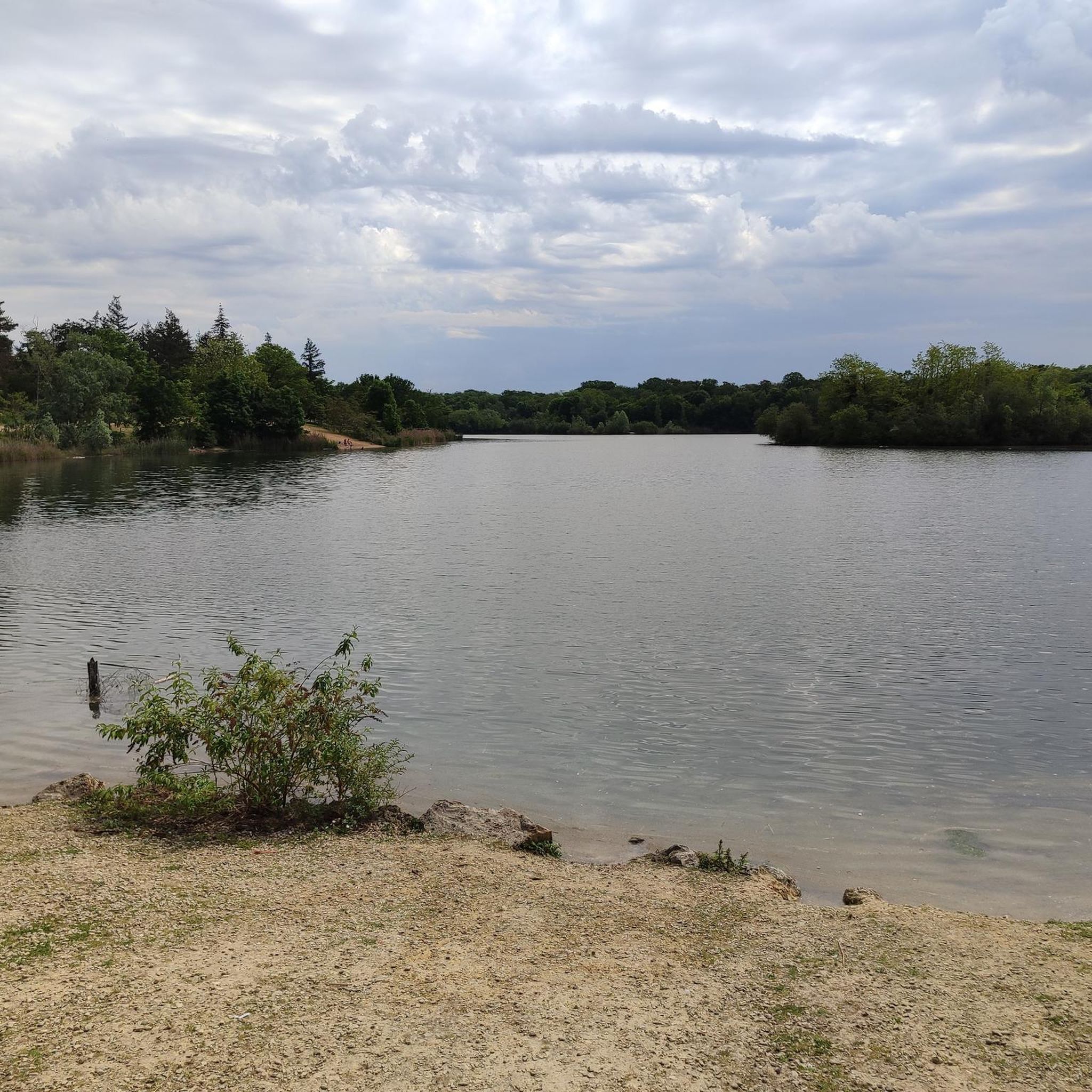
A must-have when the toads wake up from their slumber all at once. It's an incredible song around this pond, we hear more than that. Gorgeous
0
0

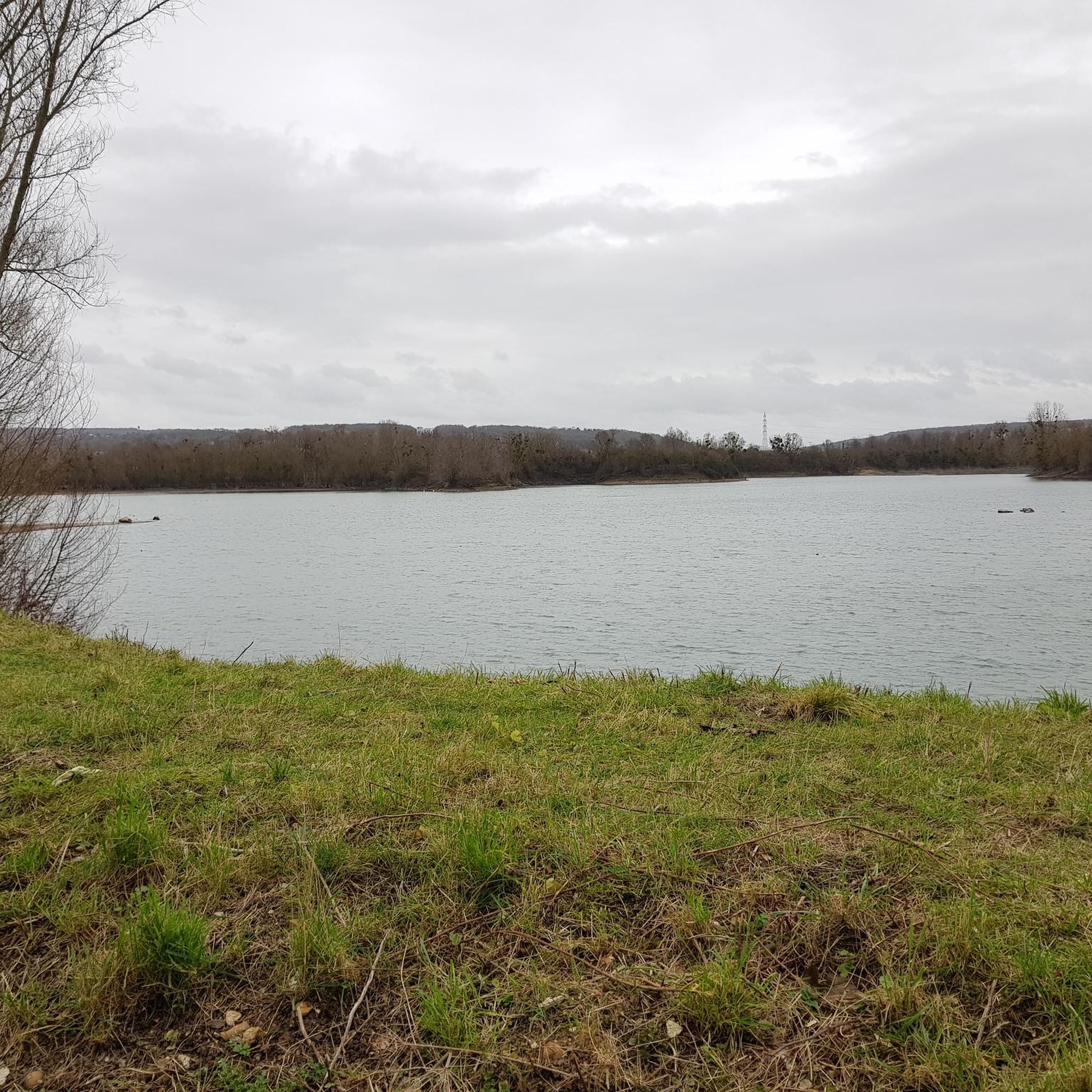
Small pond in the Flambertins forest in Crespières
1
0

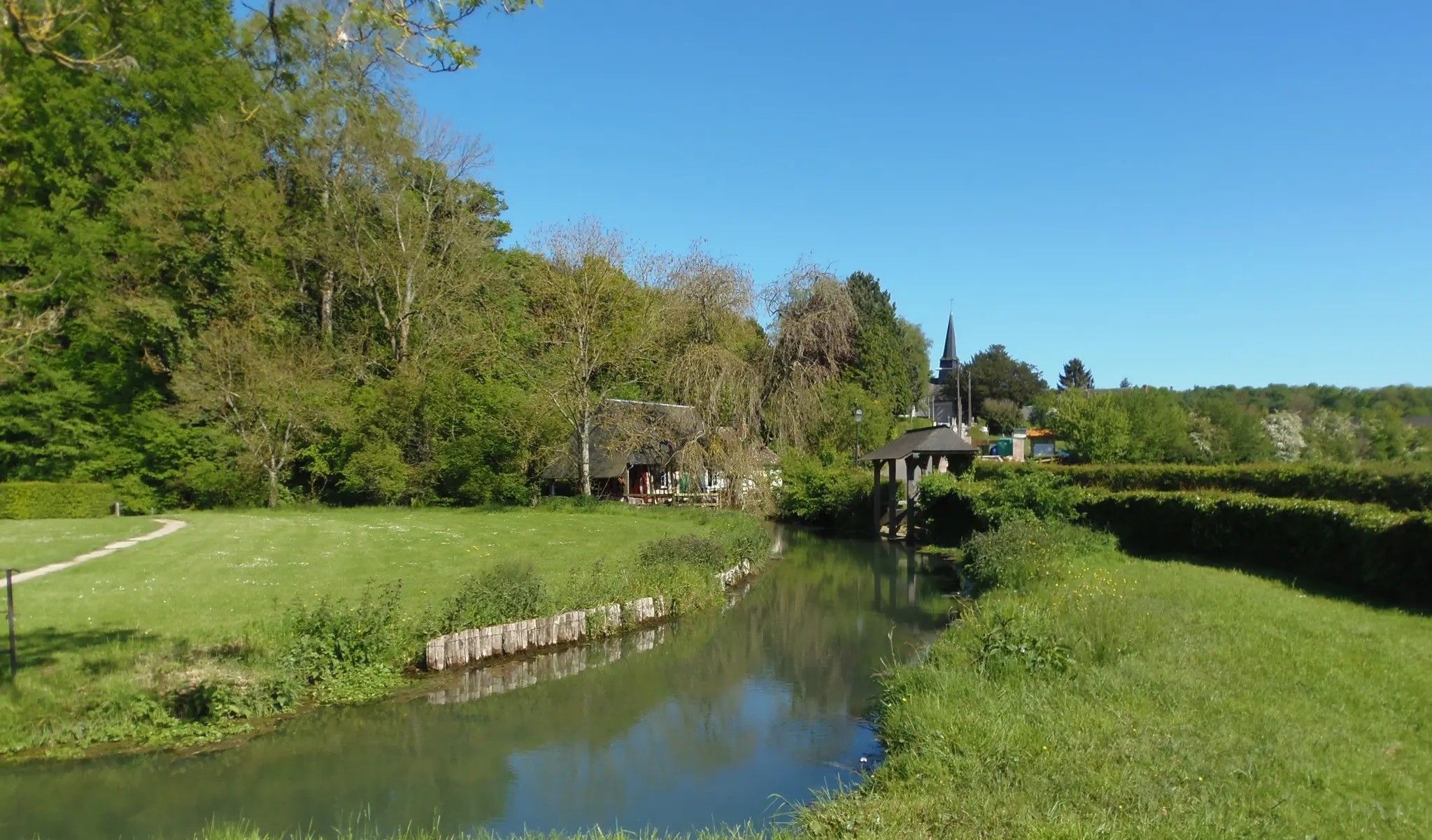
Gaucher was born in Meulan in 1060 and was brought up in the hamlet of Chartre. A pious man, he cured the unfortunate, the water from the Saint Gaucher fountain would have had some effects against epilepsy, and calmed "all the fires of the body". Gaucher will be canonized in 1194.
0
0
These are two covered alleys, built between -2,400 and - 1,700 BC located in the city center. These are burial chambers which contained around sixty bodies. Seven covered aisles in total have been located within this perimeter.
0
0

We are here in the presence of a large dolmen discovered in 1768 by the villagers. They actually believed they had discovered the remains of a monastery. The stripping of the dolmen delivered leather spatulas, vases, ashes and flint knives. It was estimated in 1894 that this monument contained 150 skeletons. It was excavated in a more scientific way in 1899 by Mr. Mortillet and restored in 1970. The archives show the presence of roofing slabs until the 18th century. The dolmen consists of large sandstone slabs forming the pillars. The gaps between the pillars are filled with flat stones.
1
0
Frequently Asked Questions
What historical natural monuments can I explore in Épône?
Épône is rich in historical natural monuments. You can visit the Allée couverte de la Cave aux Fées, a significant megalithic site discovered in 1768, which is a large dolmen made of sandstone slabs. Another notable site is The Dolmens of Épône, two covered alleys built between 2,400 and 1,700 BC, which served as burial chambers. These sites offer a direct connection to prehistoric human activity in the region.
Where can I observe wildlife and unique natural features in Épône?
For wildlife observation, the Biotope du Bout du Monde is an exceptional site, classified as a ZNIEFF for its ecological importance. It's a haven for biodiversity, with over 200 bird species and 340 plant species, and features three bird observatories. Another unique spot is Flambertins Toad Pond, known for its distinctive amphibian activity, especially when toads emerge, creating a remarkable natural soundscape.
Are there walking trails to explore Épône's natural monuments?
Yes, the "Épône Nature" circuit is a flat, approximately 4.5 km walking trail that takes about an hour to complete. This circuit, marked with yellow, allows visitors to discover both the historical Allée couverte de la Cave aux Fées and the natural Biotope du Bout du Monde. You can also find other hiking options in the area, such as "The Dolmens of Épône loop from Épône - Mézières" which is a moderate 14.2 km route. For more hiking routes, check out the Hiking around Épône guide.
What outdoor activities are available near Épône's natural monuments?
Beyond walking the "Épône Nature" circuit, the region offers various outdoor activities. You can find numerous hiking trails, including moderate loops like "Le Giboin – Biotope du Bout du Monde loop from Juziers." For cycling enthusiasts, there are options for gravel biking and mountain biking. Explore routes such as "Arm of the Seine at Andresy" for gravel biking or "Water Lily Pond – Herbeville loop" for MTB. You can find detailed routes in the Gravel biking around Épône and MTB Trails around Épône guides.
Are Épône's natural monuments suitable for families?
Many of Épône's natural monuments are family-friendly. The "Épône Nature" circuit is a relatively flat and easy walk, suitable for all ages. Flambertins Toad Pond is a great spot for children to observe nature, especially during amphibian activity. The historical Dolmens of Épône also offer an engaging educational experience for families interested in ancient history.
When is the best time to visit Épône's natural monuments?
The best time to visit Épône's natural monuments largely depends on your interests. Spring and autumn offer pleasant temperatures for walking and hiking. Spring is particularly vibrant for wildlife observation at the Biotope du Bout du Monde, as it's a crucial migratory stopover. The unique amphibian activity at Flambertins Toad Pond is also a spring highlight. Summer can be enjoyable, but it's advisable to visit early in the morning or late afternoon to avoid the midday heat.
How long does it take to visit the natural monuments in Épône?
The "Épône Nature" circuit, which covers both the Allée couverte de la Cave aux Fées and the Biotope du Bout du Monde, typically takes about an hour to complete, as it's a 4.5 km flat walk. If you wish to spend more time observing birds at the observatories or exploring the historical sites in detail, you might want to allocate 2-3 hours for a more leisurely visit.
Is parking available at Épône's natural monuments?
Yes, for the "Épône Nature" circuit and the Biotope du Bout du Monde, parking is available at the Bout du Monde car park, which serves as the starting and ending point for the trail. For other sites like The Dolmens of Épône, which are located in the city center, local parking options would be available nearby.
Are there other significant natural areas near Épône?
Épône is situated within the Parc Naturel Régional du Vexin Français, which offers extensive natural landscapes characterized by valleys, wooded hills, and limestone plateaus. This regional park provides access to a broader range of ecological zones and outdoor activities beyond the immediate vicinity of Épône, including other natural sites like Vaux de Cernay, Vallée de Chevreuse, and Forêt de Rambouillet, which are a short drive away.
What is the significance of the Saint-Gaucher Fountain?
The Saint-Gaucher Fountain is a natural monument with historical and religious significance. It is associated with Gaucher, born in Meulan in 1060, who was known for curing the unfortunate. Legend has it that the water from this fountain had healing properties, particularly against epilepsy and to calm "all the fires of the body." Gaucher was canonized in 1194, making the fountain a site of local pilgrimage and historical interest.
Most popular attractions around Épône

Get inspired with the komoot mobile app


Explore more
Extend your search for the best caves by checking out these guides of the top ones around Épône:
