Top 8 Natural Monuments around Le Tour-Du-Parc
Best natural monuments around Le Tour-Du-Parc are found in this commune within Brittany's Morbihan department. The region is characterized by diverse wetland ecosystems and abundant birdlife. These sites offer opportunities for nature observation and appreciating the area's ecological heritage. The landscape provides serene settings and walking opportunities along coastal paths.
Best natural monuments around Le Tour-Du-Parc
- The most popular natural monuments is Observation Tower 2 of Marais du Duer, a viewpoint located in an old salt pan. This reserve…
Last updated: July 4, 2026
Observation Tower 2 of Marais du Duer
Highlight • Viewpoint
Translated by Google •
Tip by

Truscat Saltworks
Highlight • Structure
Translated by Google •
Tip by
Sign up now to discover places like this
Get recommendations on the best single tracks, peaks, & plenty of other exciting outdoor places.
Sign up for free
Tréhervé Beach
Highlight • Viewpoint
Translated by Google •
Tip by
Pointe de la Garenne
Highlight • Viewpoint
Translated by Google •
Tip by
Cup-marked Stone of Tréven Clos
Highlight • Monument
Translated by Google •
Tip by

Sign up for free to discover even more natural monuments around Le Tour-Du-Parc.
Sign up for free
Already have an account?
Start today with a free account
Your next adventure awaits.
Login or Signup

Other adventures around Le Tour-Du-Parc

Tips from the Community

An information board provides detailed information about the history of the stone.
0
0

Error in the text! This is in no way a collective of enthusiasts!! Where did you get this information from!? I restored it all by myself and against the advice of some naturalists!!
1
0

Tap a clip to paste it into the text box. Welcome to the Gboard clipboard, where the copied text will be saved.
0
0

Nice observation tower but not very suitable for telescopes. Binoculars are preferable. The windows are in the way but avoid disturbing the wildlife and protect from the rain. The Duer is also a walk along the gulf on the waters of which many migratory birds, among others, meet. Too bad we can't put some very recent photos here.
0
0

The observatory is a beautiful wooden tower where you can observe many species of birds. The windows inside are unfortunately dirty with time.
1
0

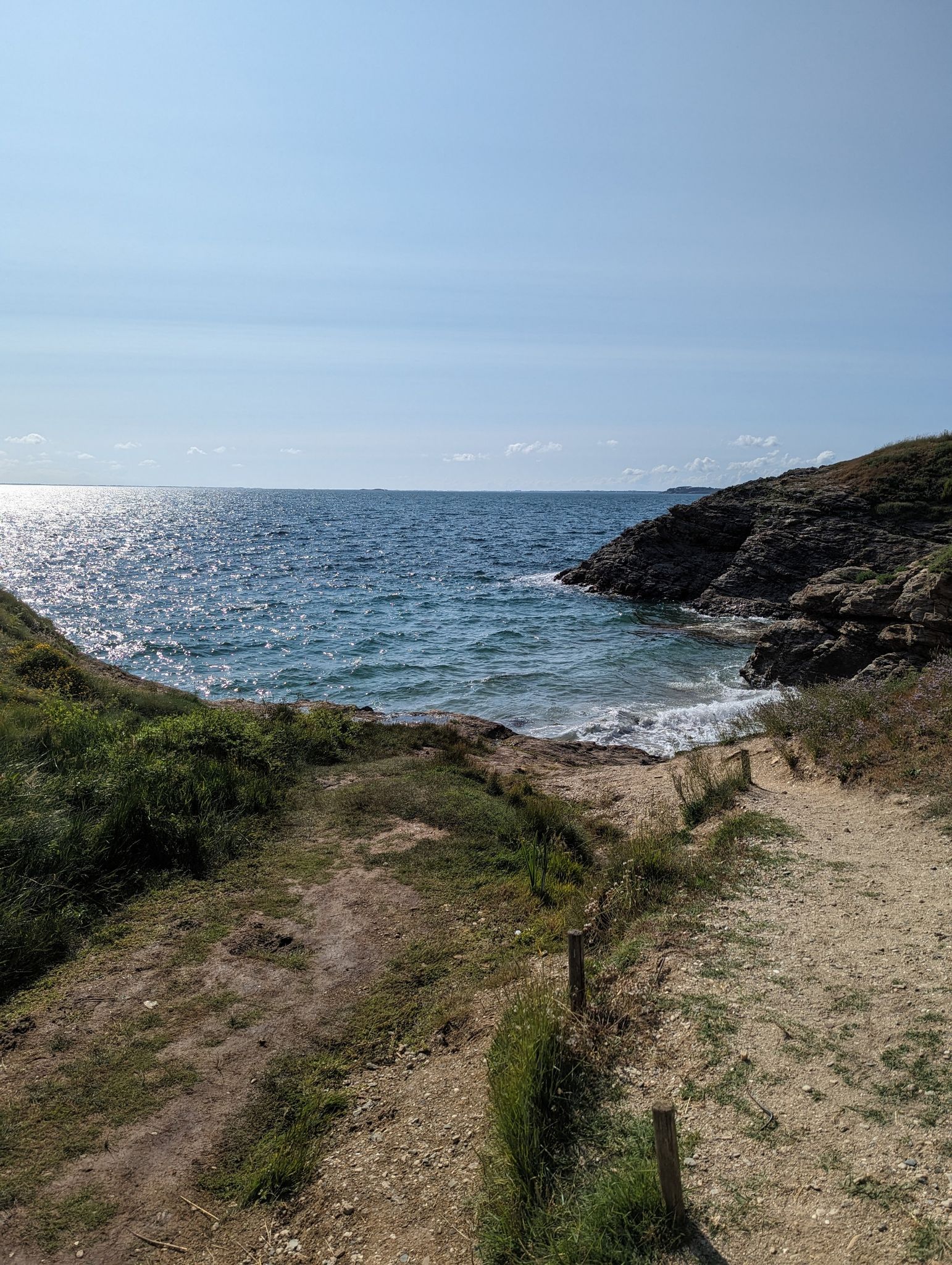
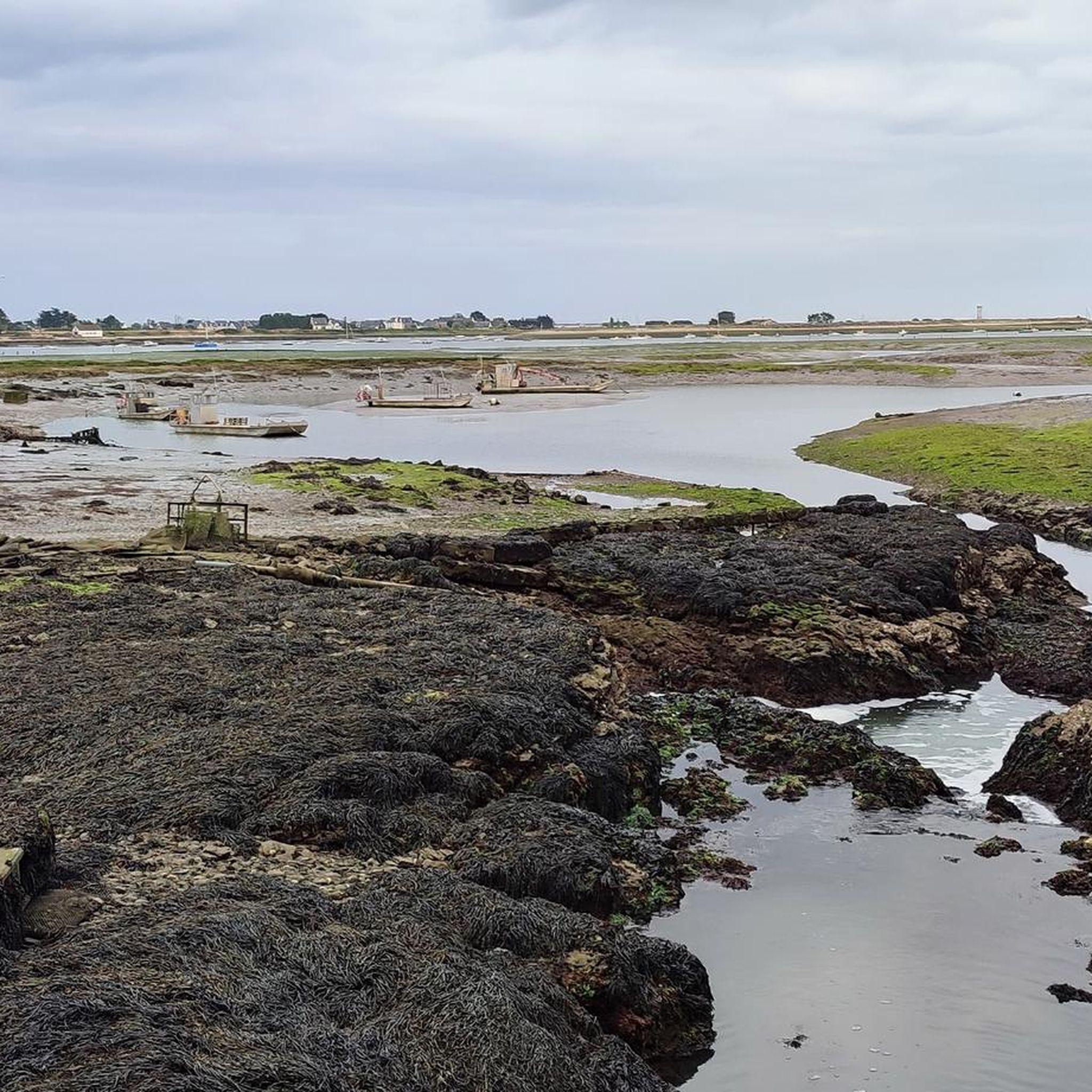
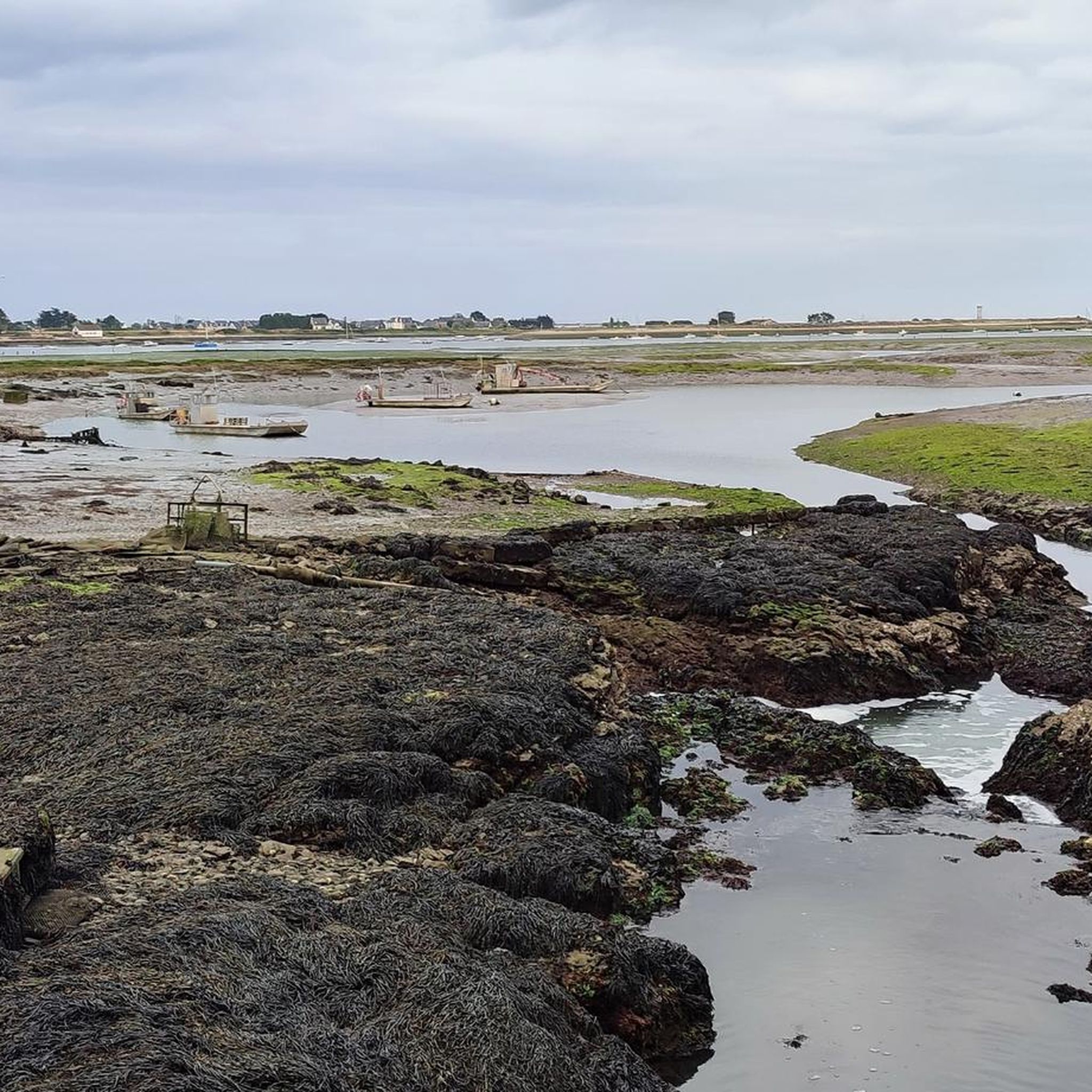
In a landscape littered with rockery and salt marshes, the Pointe de la Garenne is a small overhang of land which offers a lovely panorama over the east of the Gulf of Morbihan. Opposite, you can observe the Passage peninsula.
0
0
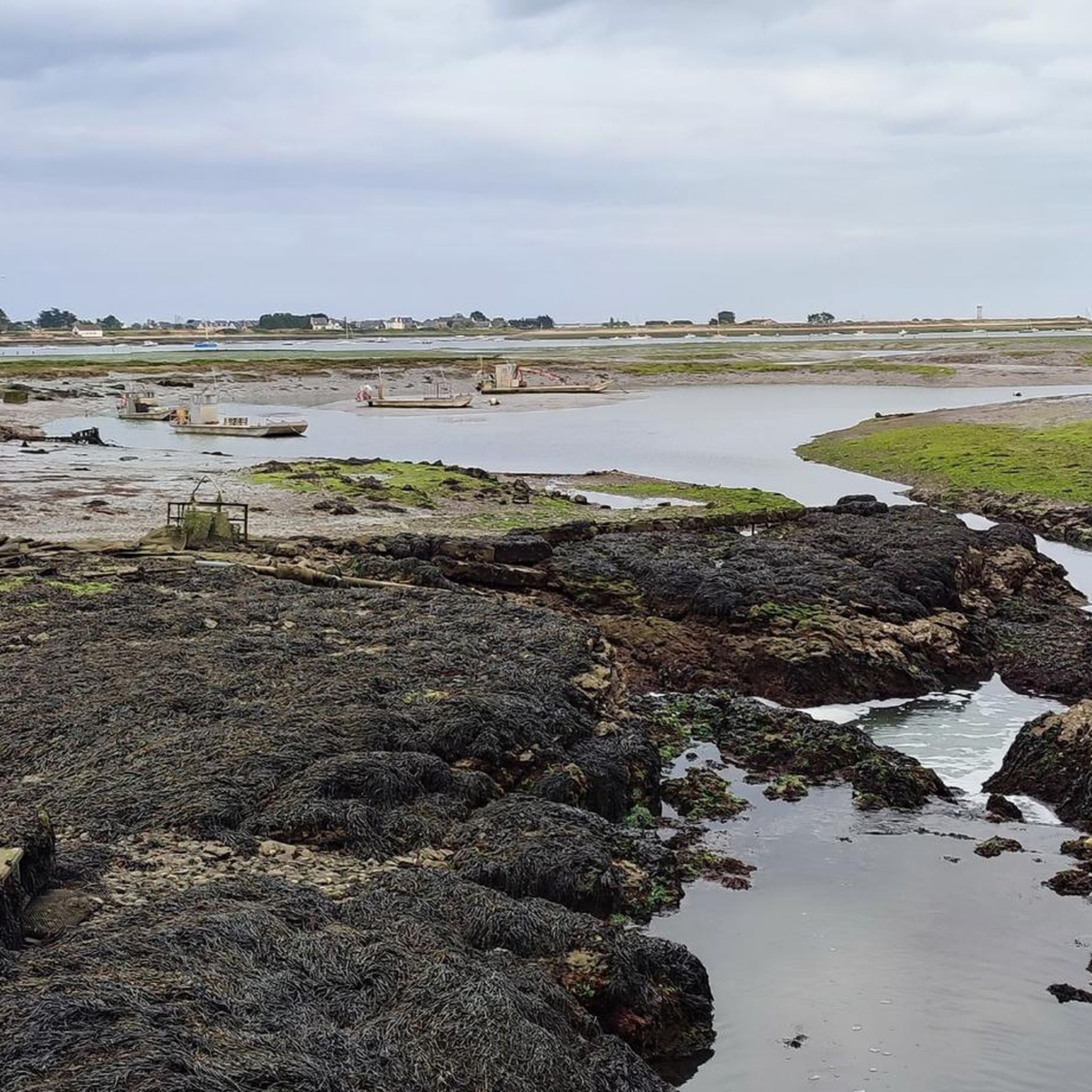
The Duer ornithological reserve is an old salt pan now inhabited by tens of thousands of birds. From the two hides installed occasionally, it is possible to observe specimens throughout the year. In winter, geese and teal replace the stilts and terns that camp there in the summer. Observatory number 1 is located a little further east of the salt pan.
1
0
North of Sarzeau, the Truscat saltworks is the oldest in the Gulf of Morbihan. Abandoned for a long time, it was restored to cultivation in 2016 by a collective of enthusiasts led by Olivier Chenelle, salt worker, beekeeper and naturalist.
1
0
Frequently Asked Questions
What natural features can I expect to see around Le Tour-Du-Parc?
Le Tour-Du-Parc is characterized by its diverse wetland ecosystems, abundant birdlife, and coastal landscapes. You'll find significant salt marshes like the Réserve ornithologique du Duer and Marais de Lasné, as well as beautiful sandy stretches such as Grande Plage de Penvins.
Where are the best places for birdwatching in Le Tour-Du-Parc?
The region is excellent for birdwatching. The Observation Tower 2 of Marais du Duer is a prime spot, offering views of tens of thousands of birds, including barnacle geese and teal in winter, and stilts and terns in summer. The Marais de Lasné and Truscat Saltworks are also vital habitats for various species like shelduck, redshank, egret, avocets, and common terns.
Are there any historical natural monuments in the area?
Yes, the Truscat Saltworks is the oldest salt marsh in the Gulf of Morbihan, with a history of salt production dating back to the Middle Ages. The Marais de Lasné also combines environmental protection with traditional activities like oyster farming. Additionally, the Cup-marked Stone of Tréven Clos offers a glimpse into ancient history.
What is the best time of year to visit the natural monuments for wildlife viewing?
Spring is particularly good for birdwatching, as many species like pied avocets, white stilts, and common terns return from Africa to nest in the marshes. Winter also offers opportunities to see barnacle geese and teal. The Truscat Saltworks is especially rich in breeding bird species during spring.
Are there family-friendly natural attractions around Le Tour-Du-Parc?
Many natural monuments are suitable for families. The Observation Tower 2 of Marais du Duer provides an engaging birdwatching experience. Grande Plage de Penvins is a spacious beach perfect for coastal walks and play. The Fontaine des Amourettes is also listed as family-friendly.
What outdoor activities can I do near these natural monuments?
The area is ideal for various outdoor activities. You can enjoy hiking on trails like the Banastère Beach – Cale de Léon loop or the Penvins Point – Notre-Dame-de-la-Côte chapel loop. Road cycling routes, such as the View of the Gulf of Morbihan – Suscinio Castle loop, and mountain biking trails are also available. For more details, explore the Hiking around Le Tour-Du-Parc, Road Cycling Routes around Le Tour-Du-Parc, and MTB Trails around Le Tour-Du-Parc guides.
Are there easy walking trails to access the natural monuments?
Yes, there are easy walking options. The dikes at Marais de Lasné are freely accessible for observation. For the Truscat Saltworks, you can access the area by car to Kerbodec and then continue on foot or by bike along the GR34. There are also easy hiking routes like the Église Saint-Vincent-Ferrier – Puits d'Arvel loop, which is around 5.4 km.
What do visitors enjoy most about the natural monuments in Le Tour-Du-Parc?
Visitors appreciate the serene landscapes and the opportunities for nature observation. The Observation Tower 2 of Marais du Duer is valued for its birdwatching, despite some windows being dirty. The Grande Plage de Penvins is loved for its breathtaking views and opportunities for coastal runs.
Can I access the natural monuments by car, and is parking available?
Access varies by site. For the Truscat Saltworks, you can drive to Kerbodec and then proceed on foot or by bike. Specific parking information for each site is best checked locally upon arrival, but generally, these natural areas are designed for pedestrian and cyclist exploration after initial access.
Are there any hidden gems among the natural monuments?
While the main sites are well-known, the smaller, less frequented paths around the salt marshes, such as those near Marais de Lasné, can offer a more intimate experience with nature and wildlife. The Cup-marked Stone of Tréven Clos, located directly on the V45 cycle route, is a subtle historical gem that many might overlook.
What kind of wildlife can I spot besides birds?
Beyond the abundant birdlife, the wetland ecosystems and salt marshes are home to a rich and varied wildlife. While birds are the primary focus, these habitats support diverse flora and fauna, including various insects, amphibians, and small mammals adapted to marsh environments. Keep an eye out for the unique plant species that thrive in saline conditions.
Are there any viewpoints offering panoramic views of the natural landscapes?
Yes, the Observation Tower 2 of Marais du Duer provides excellent vantage points over the former salt marsh. Additionally, Grande Plage de Penvins offers breathtaking coastal views, and from the terrace of the nearby Château de Suscinio, you can get a magnificent view of the park, the sea, and the Marais beyond.
Most popular routes around Le Tour-Du-Parc
Most popular attractions around Le Tour-Du-Parc

Get inspired with the komoot mobile app


Explore more
Extend your search for the best caves by checking out these guides of the top ones around Le Tour-Du-Parc:
