Top 20 Natural Monuments around Saint-Philibert
Best natural monuments around Saint-Philibert include a variety of coastal features and ancient megalithic sites. This commune in Brittany, France, offers distinctive natural areas and historical landmarks. The region is characterized by its coastal landscapes and preserved natural zones, providing opportunities for exploration. The broader Morbihan area is also known for its significant salt marshes, recognized for their biodiversity.
Best natural monuments around Saint-Philibert
- The most popular natural monuments is Isthmus of Penthièvre, an other natural feature that is…
Last updated: July 4, 2026
Isthmus of Penthièvre
Highlight • Natural
On these few meters a road, a railway line and the cycle …
Translated by Google •
Tip by

Alignments of Ménec
Highlight • Monument
Translated by Google •
Tip by

Sign up now to discover places like this
Get recommendations on the best single tracks, peaks, & plenty of other exciting outdoor places.
Sign up for free
Kermario Stone Alignments
Highlight • Historical Site
Translated by Google •
Tip by
Dolmen des Pierres Plates
Highlight • Historical Site
Translated by Google •
Tip by
Géant du Manio Menhir
Highlight • Monument
Translated by Google •
Tip by

Sign up for free to discover even more natural monuments around Saint-Philibert.
Sign up for free
Already have an account?
Start today with a free account
Your next adventure awaits.
Login or Signup
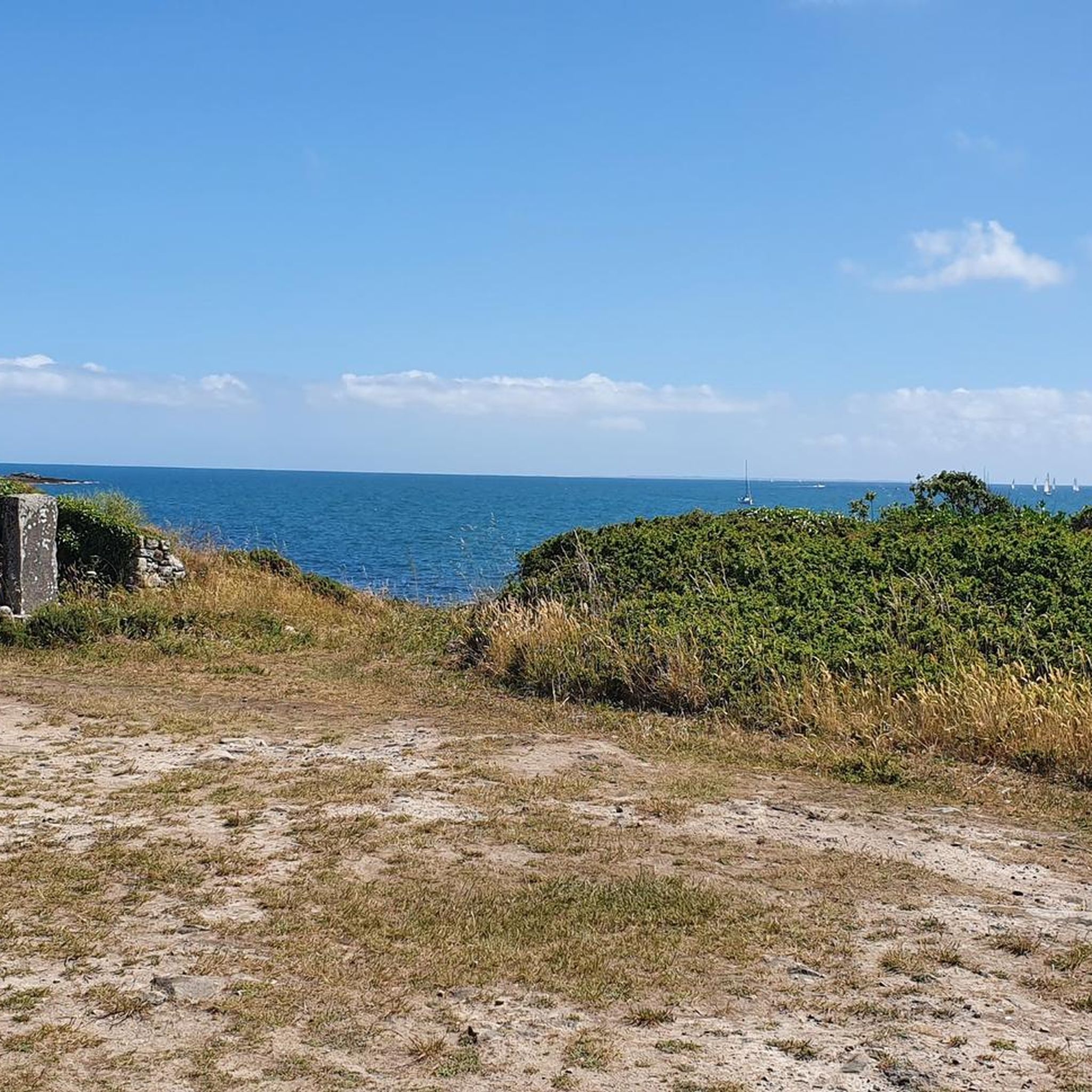
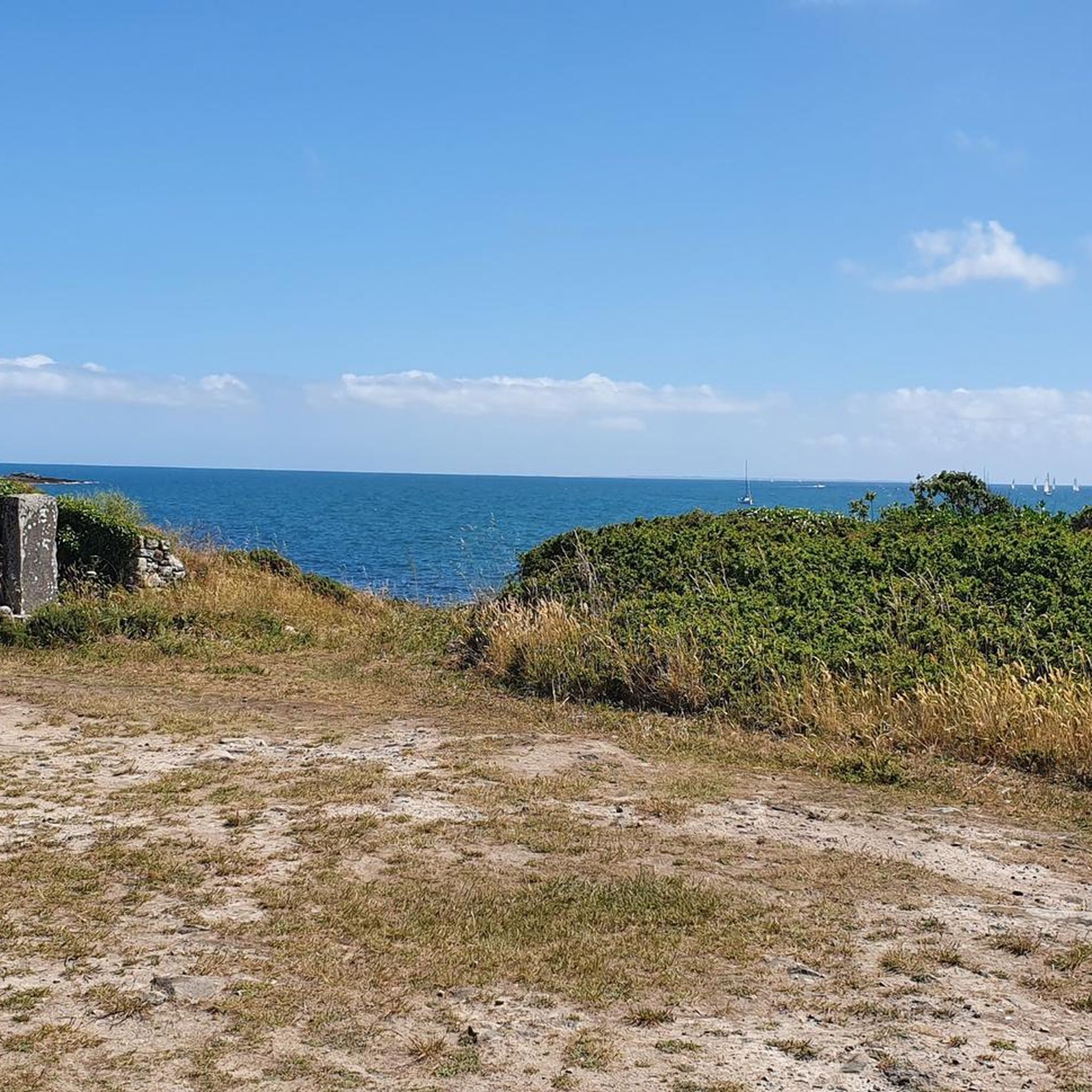
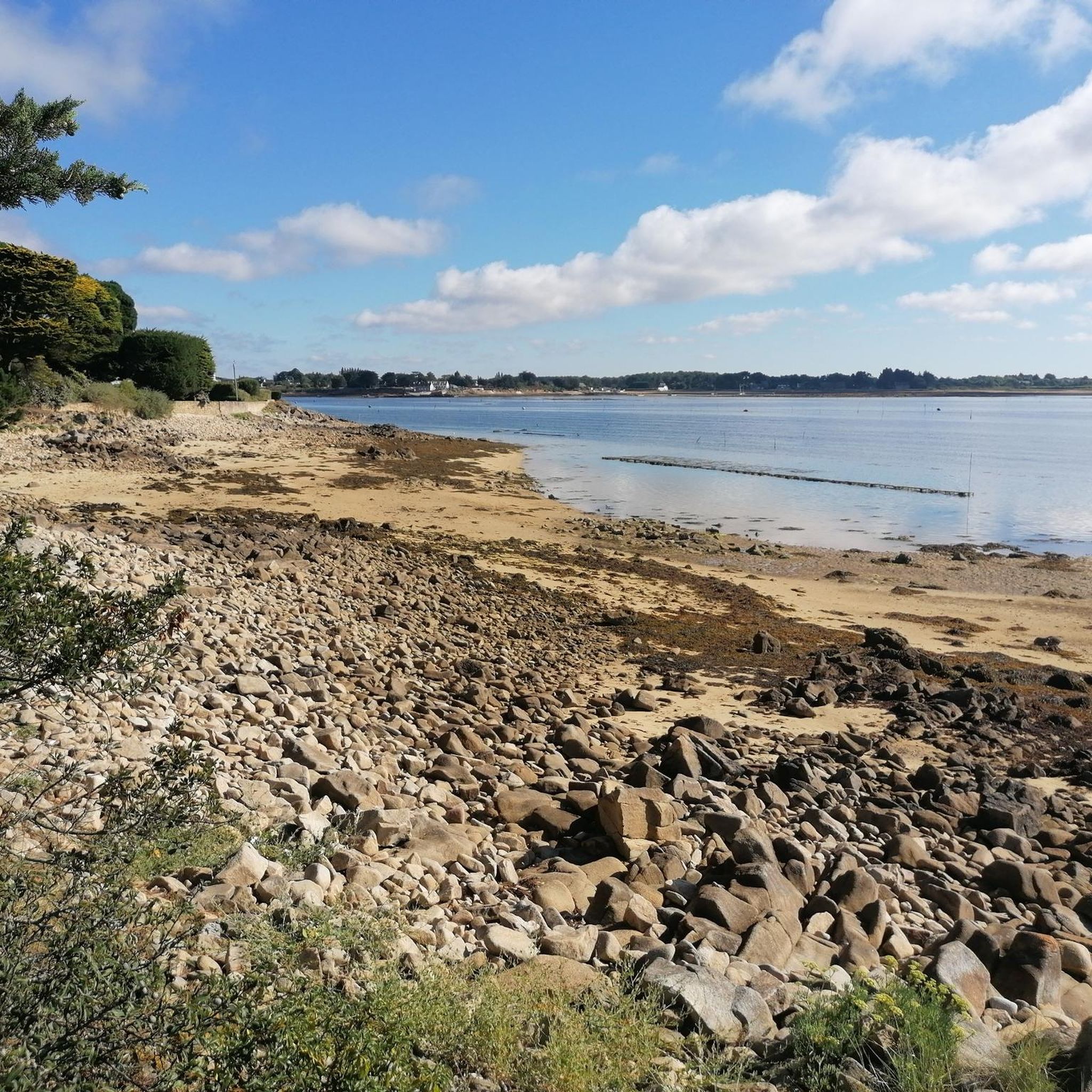
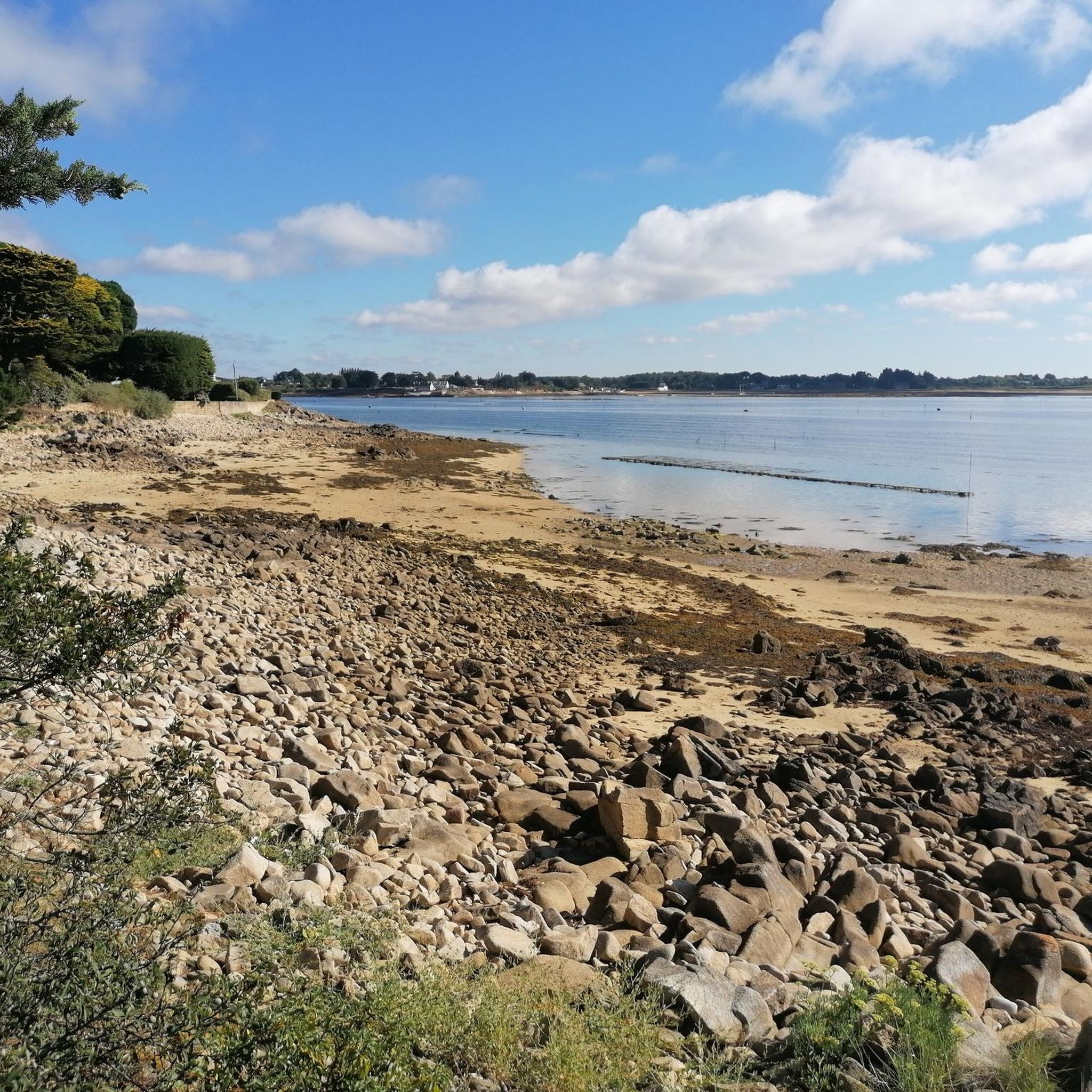

Tips from the Community

When the wind blows from the east, kitesurfers flock here. Beautiful views of Carnac.
0
0

The Quiberon Peninsula loop from Erdeven (50 km) is a must-do. More than 40 km of cycle path. Magnificent scenery.
0
0

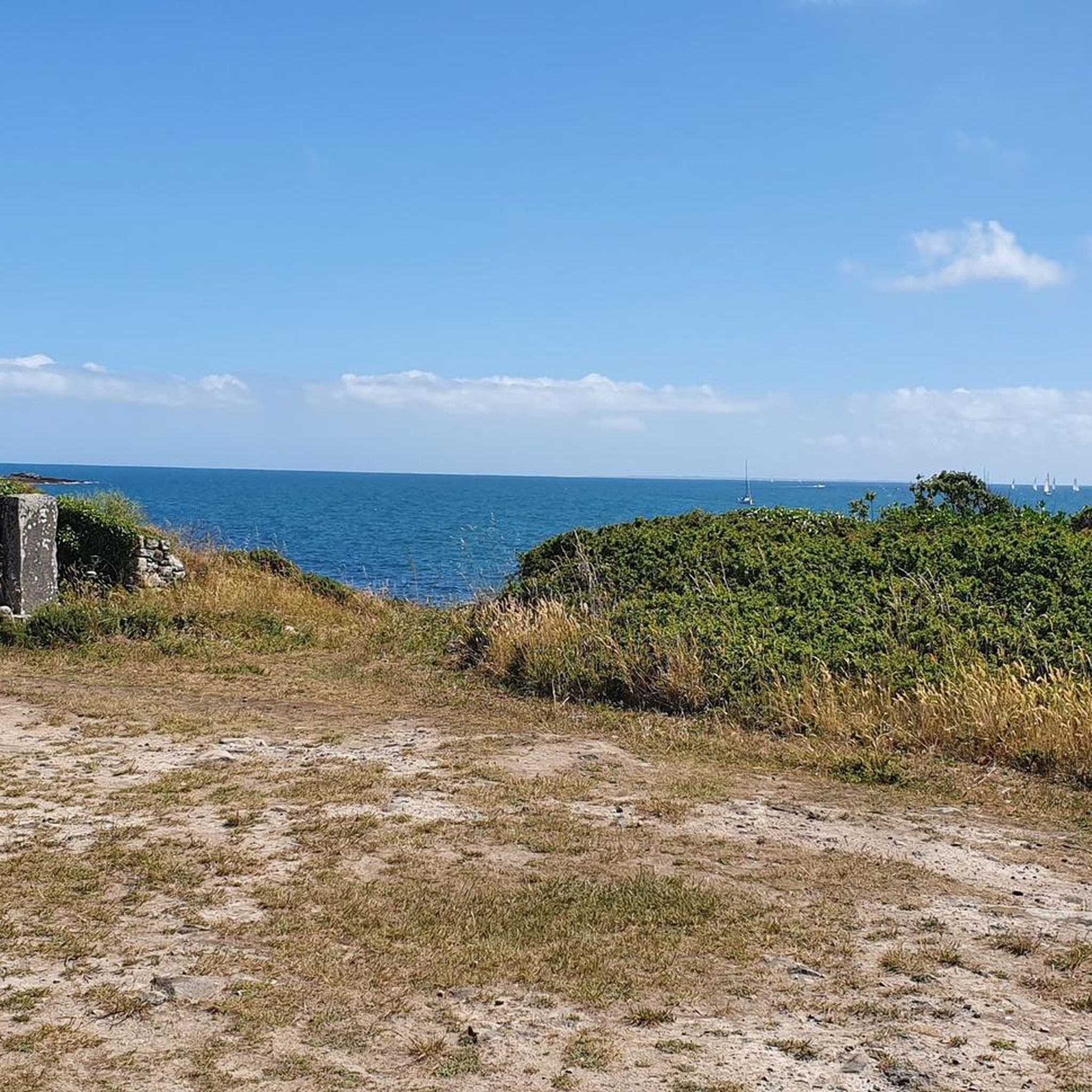
A site full of history, with a magnificent view of the bay of Quiberon. Be sure to respect the regulations of the place!
0
0


Interesting dolmen right by the sea.
1
0

The two comic book heroes Asterix and Obelix, who are very popular not only in France, discover Brittany and the huge stone rows from ancient times that can be found there on their very own "Tour de France" (under the title "Le Tour de Gaule", volume 5 of the French edition, but volume 6 in the German edition). The explanation given to the two travellers for the origin of the megalithic culture is, however, too simple: people say that the soil is so bad that only stones grow there; this can be read in the comic.
3
0

The Alignement de Kermario may not have the most megaliths, but it does have the largest and most impressive ones. All megalithic fields are fenced off, but a beautifully laid out and well-signposted circular path opens up and connects the megalithic fields and allows you to see the stone witnesses of history from the path. Don't forget that it doesn't cost a cent to walk the paths.
2
1
Frequently Asked Questions
What natural features can I explore around Saint-Philibert?
Saint-Philibert offers a variety of coastal features and preserved natural areas. You can explore the unique Isthmus of Penthièvre, a narrow strip of land connecting the Quiberon peninsula, which features beaches on both sides. The Pointe de Kernevest is another significant coastal area known for its scenic beauty and beaches. While not strictly natural monuments, the region also boasts inviting green spaces like Parc de Keravéon and Parc du Mastoua for peaceful retreats.
Are there historical or megalithic sites among the natural monuments?
Yes, the area around Saint-Philibert is rich in historical and megalithic sites. You can visit the impressive Alignments of Ménec, part of the world's largest megalithic complex with over 1000 menhirs. Nearby, the Kermario Stone Alignments also feature numerous ancient stones. Additionally, the Dolmen des Pierres Plates in Locmariaquer offers a fascinating glimpse into Neolithic history right by the sea, and the towering Géant du Manio Menhir is a must-see.
Are there family-friendly natural monuments around Saint-Philibert?
Yes, many natural monuments in the area are suitable for families. The Isthmus of Penthièvre offers beaches and a cycle path, perfect for a family outing. The megalithic sites like the Alignments of Ménec, Kermario Stone Alignments, Dolmen des Pierres Plates, and Géant du Manio Menhir are all considered family-friendly, offering an educational and engaging experience for all ages.
What outdoor activities can I do near these natural monuments?
The region around Saint-Philibert provides excellent opportunities for various outdoor activities. You can find numerous routes for hiking, mountain biking, and road cycling. For detailed routes and guides, explore the Hiking around Saint-Philibert guide, the MTB Trails around Saint-Philibert guide, and the Road Cycling Routes around Saint-Philibert guide.
Are there hiking trails near the natural monuments around Saint-Philibert?
Yes, Saint-Philibert is an excellent starting point for hiking. The renowned GR34, also known as the 'customs path,' stretches along the Breton coastline, offering exceptional landscapes. You can find specific hiking routes like the 'Fort Kernevest – Men Er Beleg Beach loop' or the 'Pointe de Kerhéré – Dolmen des Pierres Plates loop.' For more options, refer to the Hiking around Saint-Philibert guide.
Can I cycle near the natural monuments?
Absolutely. The area is well-suited for cycling, with options for both road cycling and mountain biking. The Isthmus of Penthièvre even has a dedicated cycle path. You can find routes such as the 'Anse du Pô – Men Du Beach loop' for road cycling or the 'Kermario Alignments – Anse du Pô loop' for mountain biking. Check the Road Cycling Routes around Saint-Philibert guide and the MTB Trails around Saint-Philibert guide for detailed information.
What is the best time of year to visit the natural monuments around Saint-Philibert?
The coastal and natural sites around Saint-Philibert are generally pleasant to visit from spring through early autumn (April to October). During these months, the weather is typically milder, making it ideal for exploring the coastal paths, beaches, and megalithic sites. Summer offers the warmest temperatures for water activities, while spring and autumn provide a quieter experience with beautiful scenery.
What do visitors enjoy most about the natural monuments in this region?
Visitors frequently express awe at the ancient megalithic sites, describing them as 'very impressive' and 'unique.' The sheer number of menhirs at the Alignments of Ménec leaves a lasting impression. The coastal locations, such as the Isthmus of Penthièvre and the Dolmen des Pierres Plates right by the sea, are also highly appreciated for their scenic beauty and unique atmosphere.
Are there any unique natural ecosystems to explore nearby?
While Saint-Philibert itself focuses on coastal landscapes, the broader Morbihan region is famous for its salt marshes, such as those in Guérande. These are recognized as Natura 2000 zones for their breathtaking landscapes and rich biodiversity, including various bird species and unique plants. They offer a unique ecosystem where traditional salt harvesting coexists with diverse flora and fauna. You can find more information about the region on the Brittany Tourism website.
What kind of terrain can I expect on trails around Saint-Philibert's natural monuments?
The terrain around Saint-Philibert's natural monuments is varied. Coastal trails, like sections of the GR34, often feature sandy paths, rocky outcrops, and some elevation changes along cliffs. Inland, particularly around the megalithic sites, you'll find flatter paths through fields and woodlands. Routes can range from easy walks suitable for beginners to more challenging hikes with moderate difficulty, as seen in the 'Fort Kernevest – Men Er Beleg Beach loop' which is moderate.
Are there good viewpoints to capture the scenery?
Yes, the region offers several excellent viewpoints. The Isthmus of Penthièvre provides panoramic views of the sea on both sides. The Dolmen des Pierres Plates is also situated in an attractive coastal location, offering scenic vistas. The coastal hiking trails, such as the GR34, are renowned for their stunning sea views and picturesque landscapes.
Most popular routes around Saint-Philibert
Most popular attractions around Saint-Philibert

Get inspired with the komoot mobile app


Explore more
Extend your search for the best caves by checking out these guides of the top ones around Saint-Philibert:
