Top 19 Castles around Vaz/Obervaz
Best castles around Vaz/Obervaz are found in a municipality within the Albula Region of Graubünden, Switzerland. This area is historically connected to the powerful Lords of Vaz, an influential noble family in the Alpine region. The landscape features strategic rocky ridges and valleys, offering sites with early medieval defensive architecture and later expansions. The region provides access to various historical castle sites.
Best castles around Vaz/Obervaz
- The most popular castles is View of Hohen Rätien Castle Ruins, a castle…
Last updated: July 7, 2026
View of Hohen Rätien Castle Ruins
Highlight • Castle
Translated by Google •
Tip by

Riom Castle
Highlight • Castle
Translated by Google •
Tip by

Sign up now to discover places like this
Get recommendations on the best single tracks, peaks, & plenty of other exciting outdoor places.
Sign up for free
Episcopal Court
Highlight • Castle
At the top left the square is closed off by the episcopal castle. The secular counterpart to the …
Translated by Google •
Tip by

Rietberg Castle
Highlight • Castle
Translated by Google •
Tip by

Schauenstein Castle
Highlight • Castle
An episcopal Meierhof as the origin of Fürstenau
The episcopal power in Domleschg was probably already developed in the epoch of the Frankish Empire, in …
Translated by Google •
Tip by
Sign up for free to discover even more castles around Vaz/Obervaz.
Sign up for free
Already have an account?
Start today with a free account
Your next adventure awaits.
Login or Signup
Popular around Vaz/Obervaz
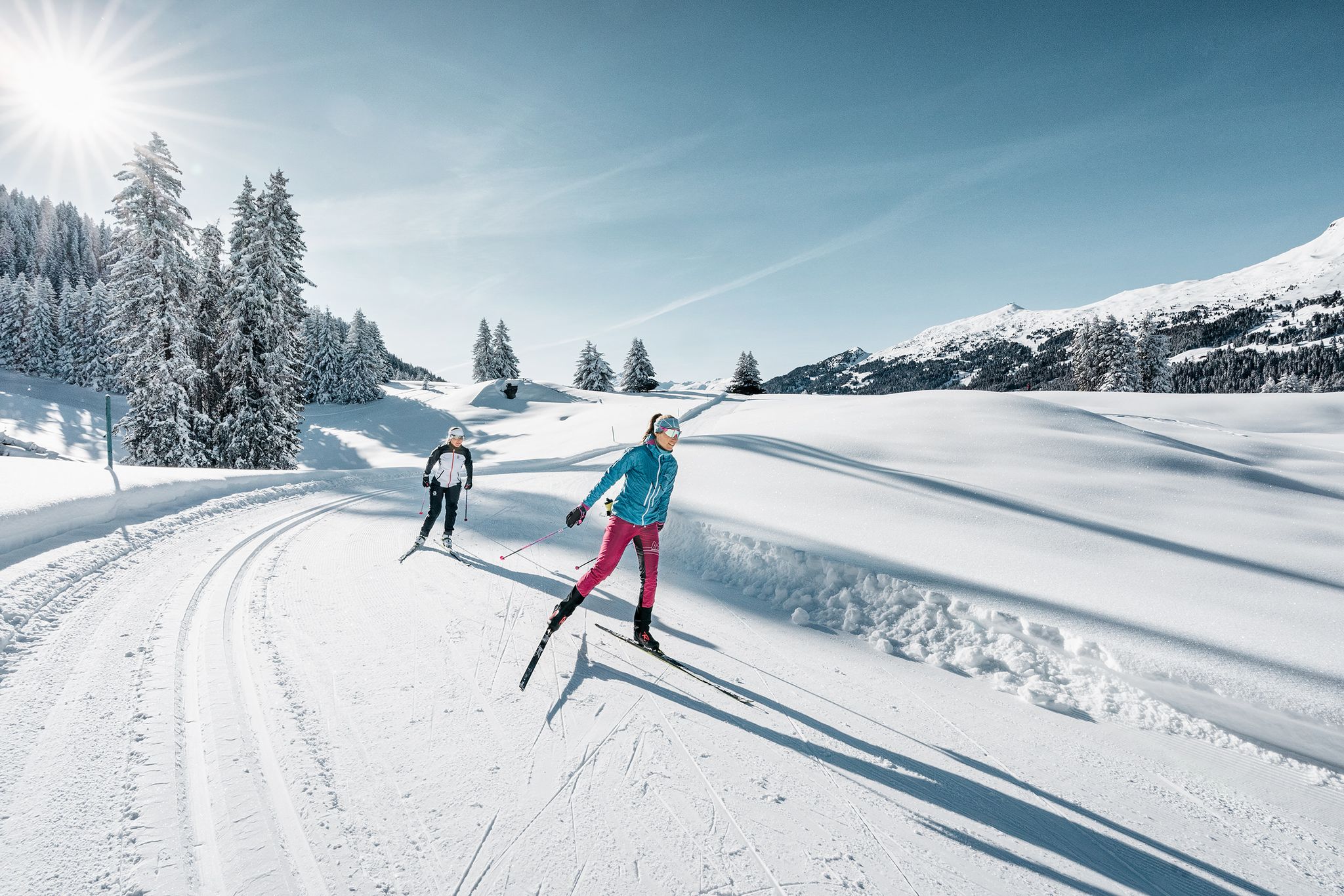
Cross-country skiing fever in the Graubünden region
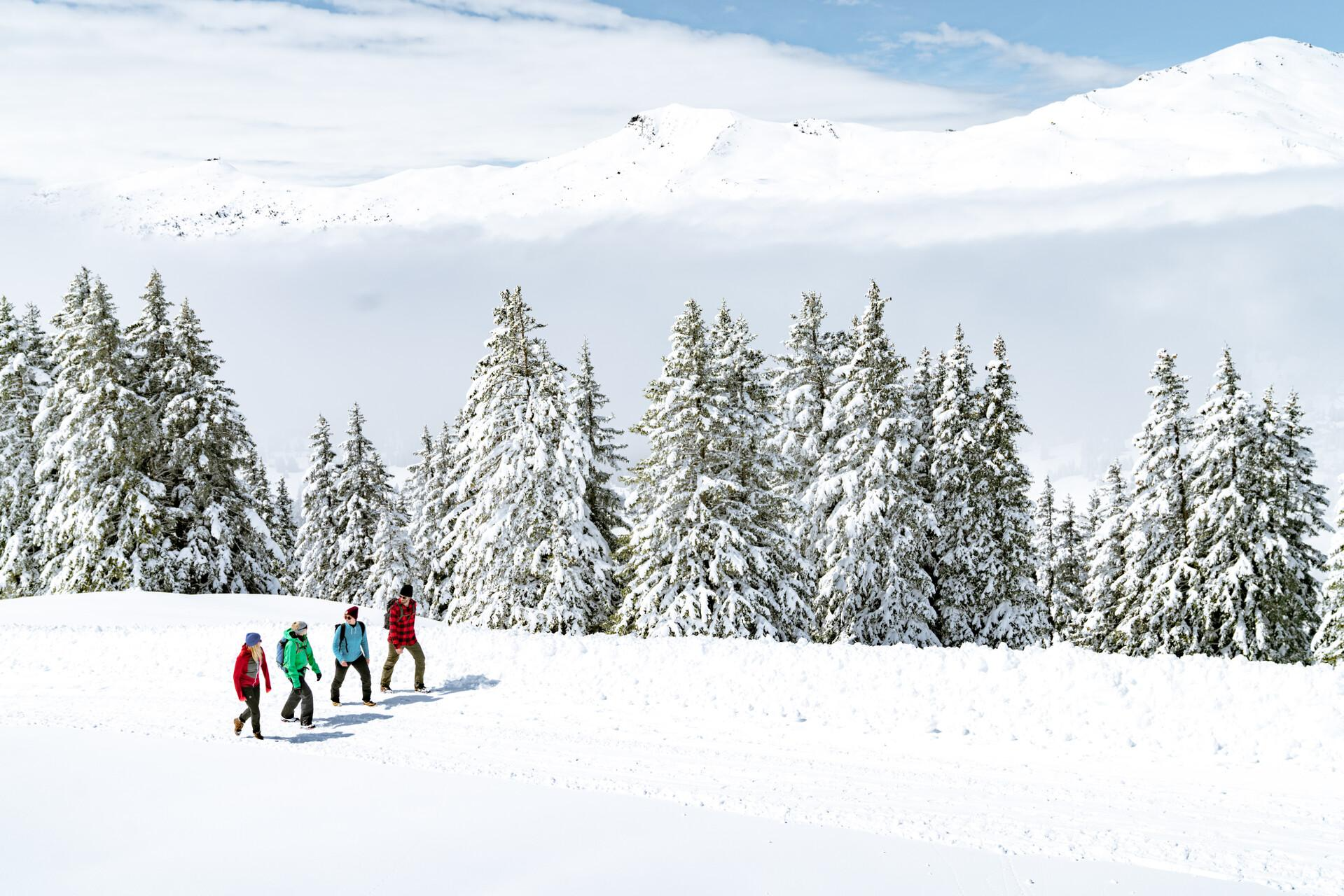
Immerse yourself in Lenzerheide's winter wonderland
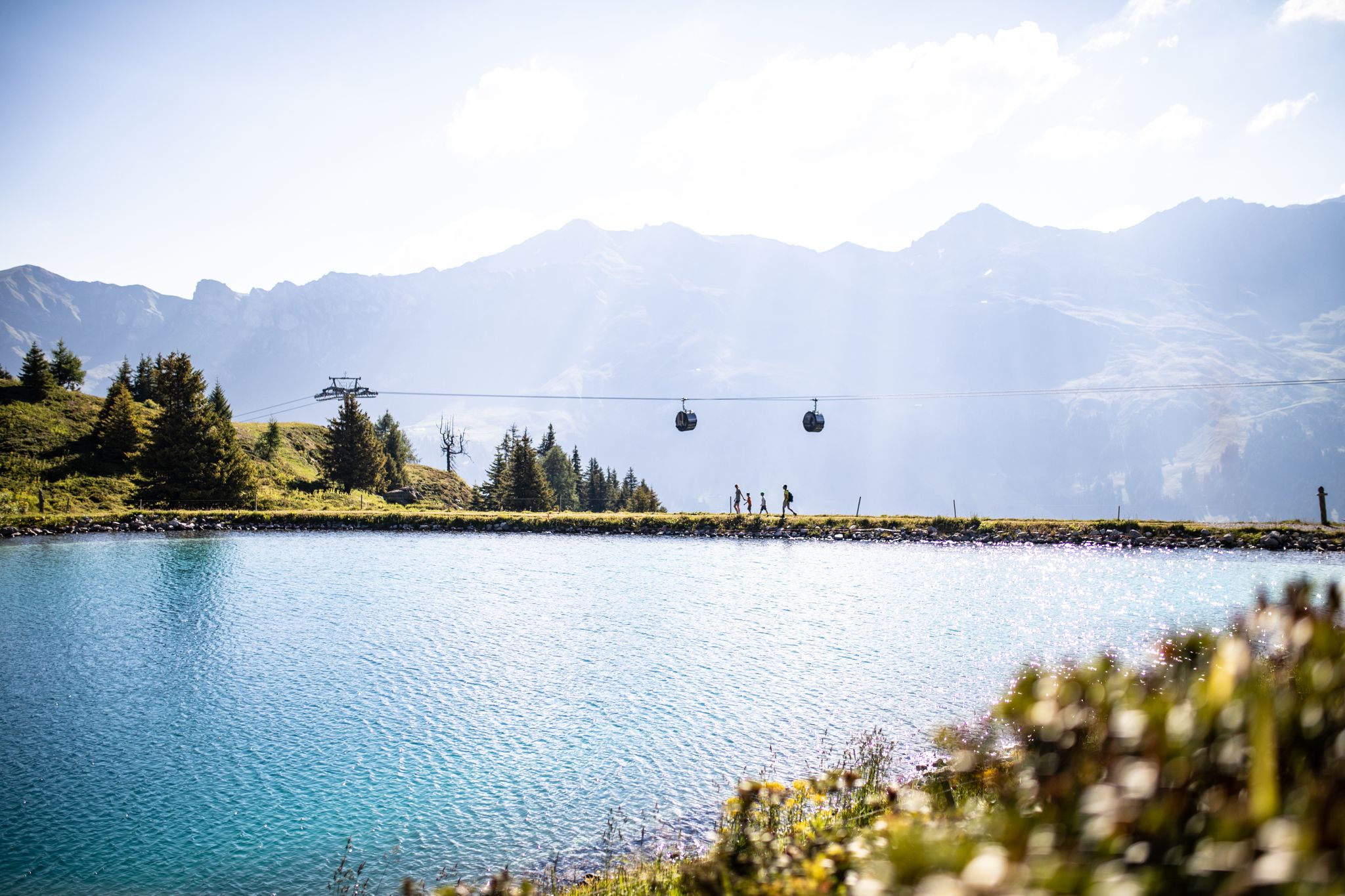
From the peaks to the cool waters – Coolcation Lenzerheide
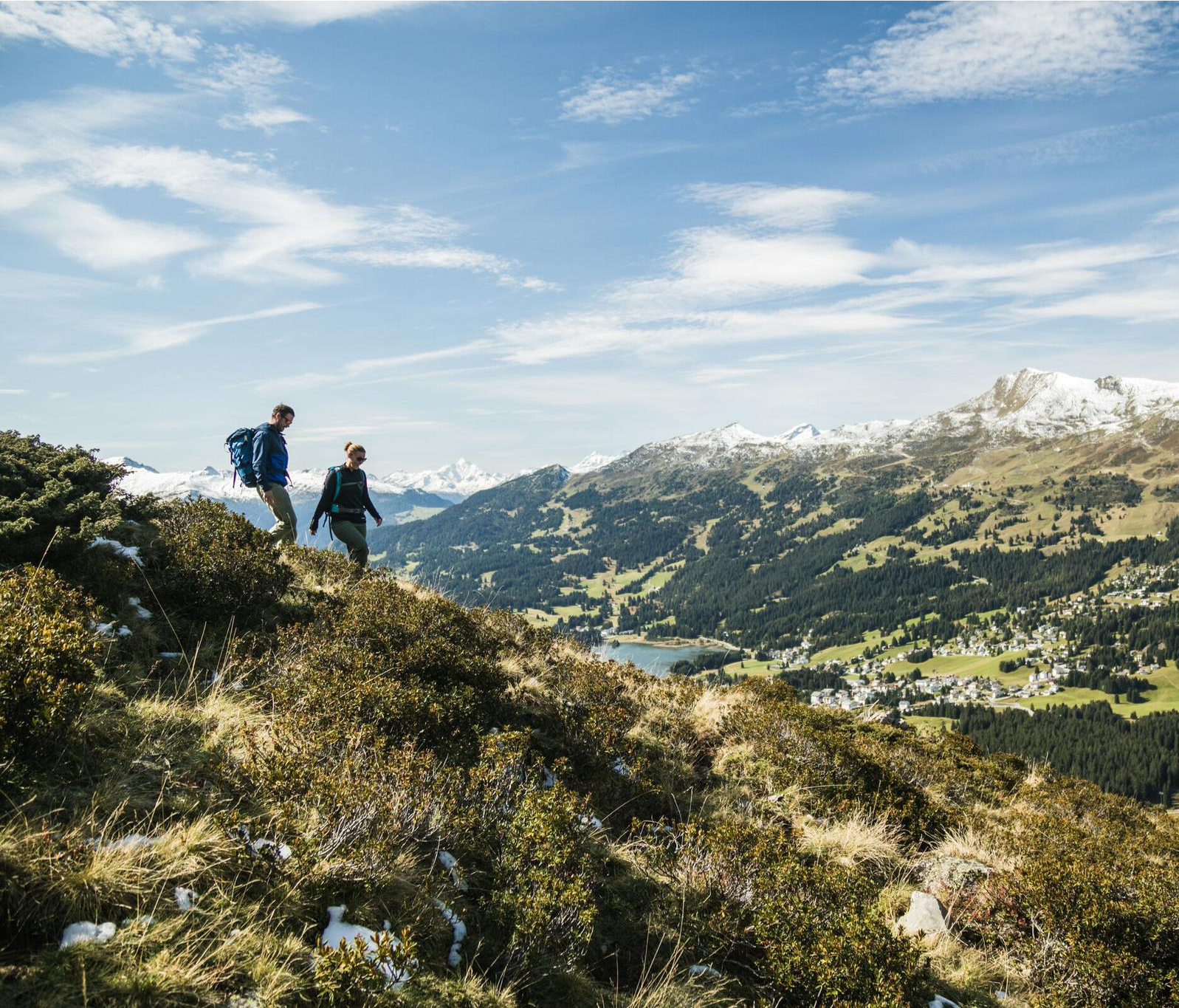
Diverse natural beauty – autumn hiking in Lenzerheide
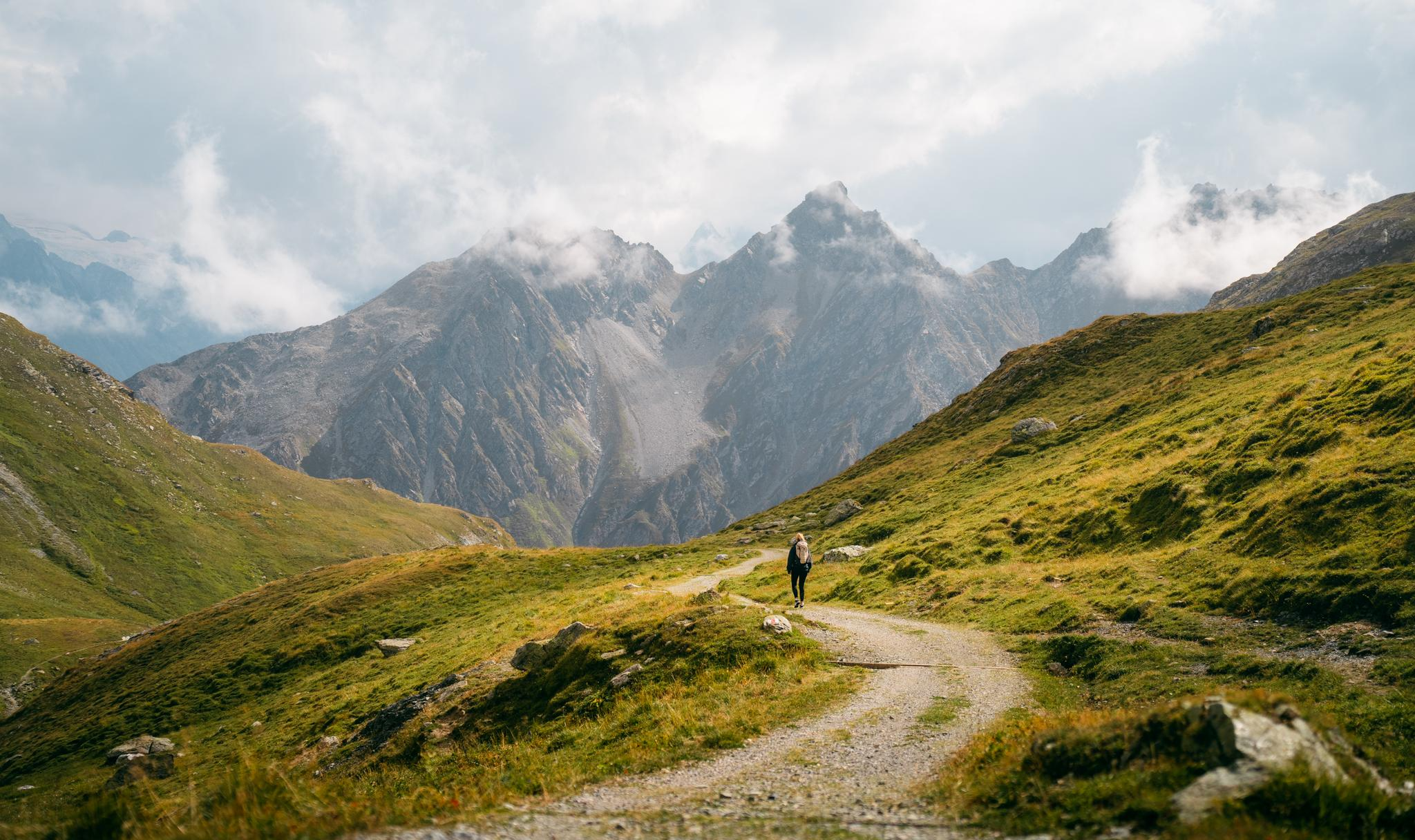
Quiet villages, proud passes, impressive history – the Via Sett
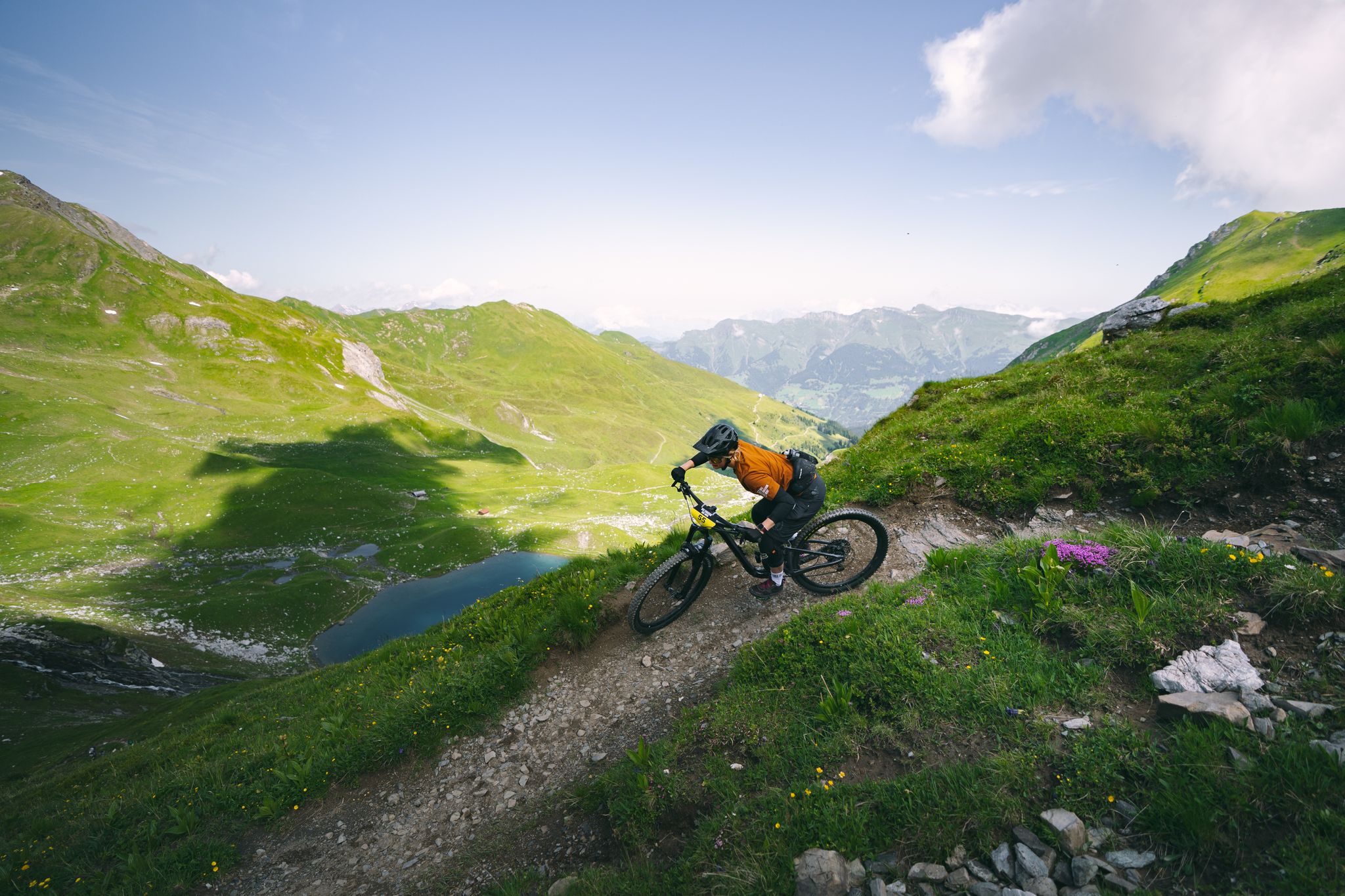
Hundreds of kilometres of trails and endless peaks - MTB in Arosa
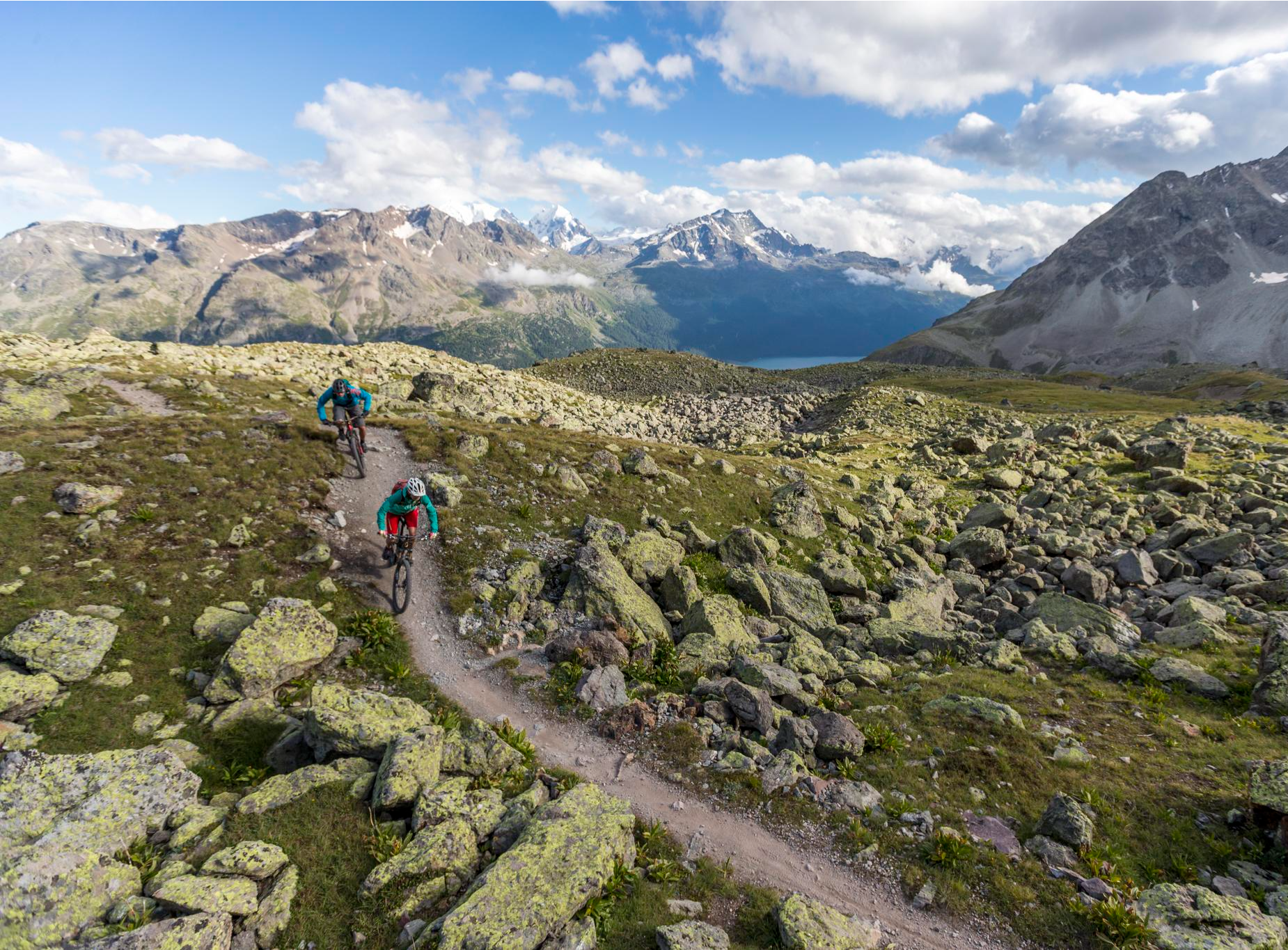
Consideration on the trails – it just makes sense!
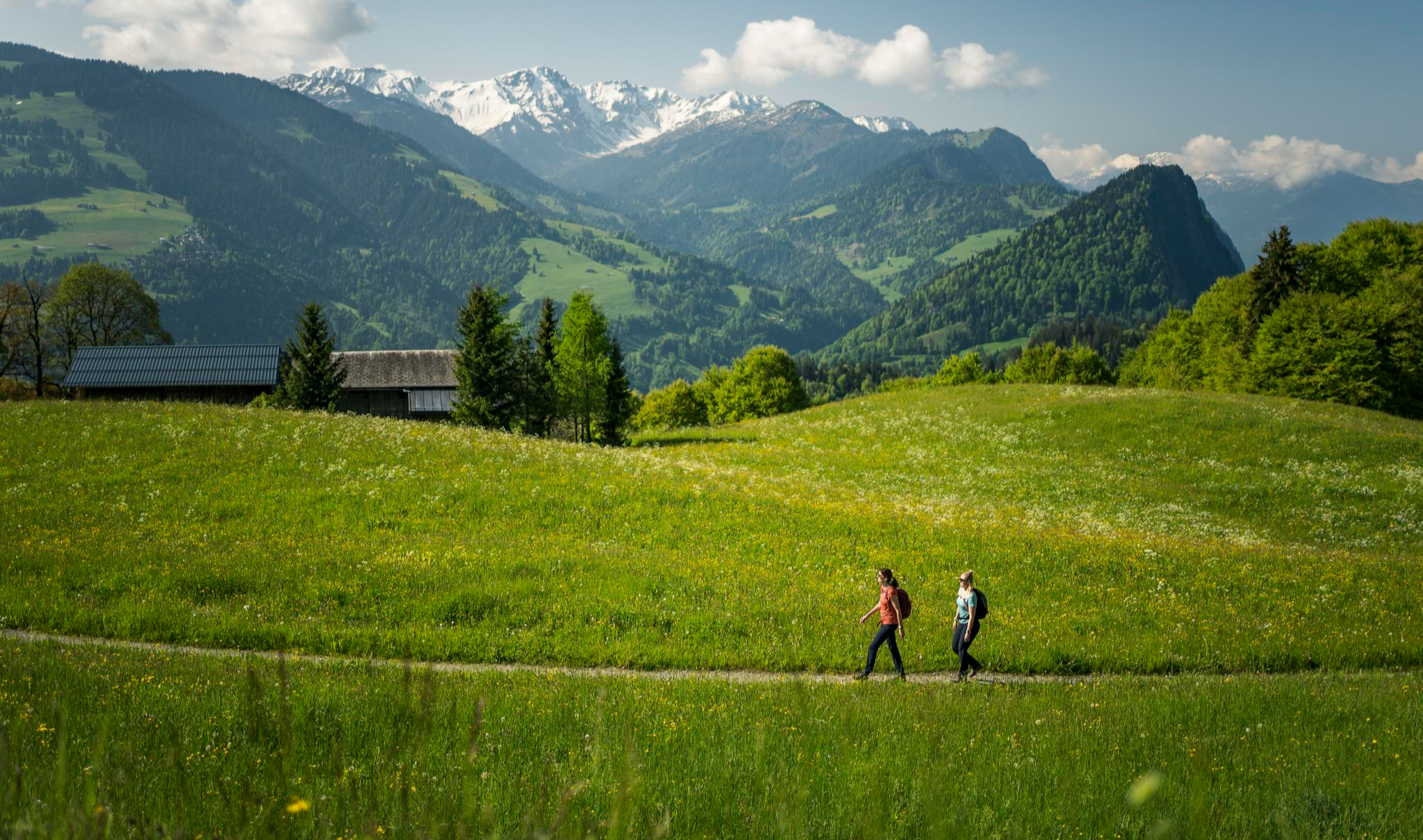
Hiking with respect and tolerance – it just makes sense!
Satisfy your wanderlust in the Lenzerheide region
Endless trail fun in the Lenzerheide region
Other adventures around Vaz/Obervaz


Tips from the Community

The first building was constructed after 1272, following the consecration of the cathedral. Its current appearance dates back to the Baroque redesign of 1732/33 under Bishop Joseph von Rost, a Tyrolean native (serving as Bishop of Chur as Benedikt von Rost from 1728 to 1754), who incorporated architectural ideas from his homeland into the building. The cookbook "Ein schön Kochbuch 1559" (A Beautiful Cookbook 1559) was created in the Episcopal Palace between 1559 and around 1610. It is considered the oldest cookbook in Switzerland. In 2020, the Cathedral Treasury Museum, featuring the cathedral treasury and the death pictures dated 1543, will open in the Episcopal Palace. Source: https://de.wikipedia.org/wiki/Bisch%C3%B6fliches_Schloss_(Chur)
0
0

Not only is the ensemble above the old town of Chur very impressive as a whole building and bulwark, the view is also wonderful!
1
0

This castle is located 250m above the Oden valley. It is privately owned and is very well preserved. Inside there is seating and a fireplace. Entrance fee is 5 francs to help maintain this beautiful castle.
0
0

The Höhen Rätien Castle is a hilltop and church castle high on the rock at an altitude of 946 metres above the entrance to the Viamala Gorge. It is located in Sils im Domelschg Hinterrhein Graubünden. It is one of the oldest cultural and settlement sites in Switzerland.
2
0
Rietberg Castle stands above Pratval in Doleschg Graubünden. It was built in 1225 as a hilltop castle at an altitude of 723 metres.
0
0

Rätia Ampla Castle in Riom The Romans already had a settlement in Riom. In the early Middle Ages, a royal court developed. Following the episcopal bailiffs, the land bailiffs lived in what was then one of the largest castles in the canton of Graubünden. After the village fire in 1864, all the wood from the fortress was used to rebuild the village. Until 1977, when a roof was rebuilt, the castle eked out a miserable existence as a ruin. Today's theater house houses Graubünden's largest theater and cultural festival. The Origen Festival takes place every summer in July and August. Rätia Ampla Castle in Riom was probably built around 1250. It quickly changed hands from the old lords to the Bishop of Chur. In 1552, the valley was bought free from episcopal rule. The castle was used as a conference venue and as a prison. Text / Source: Tourism Savognin Bivio Albula AG, Stradung 42, 7460 Savognin https://www.valsurses.ch/de/excursions/burg-riom
12
0
Rätia Ampla Castle in Riom Rätia Ampla Castle in Riom is the largest castle in Surses. After the village fire in 1864, all of the fortress's wood was used to rebuild the village. The former bishop's castle, built in 1227, can be viewed from the outside. Text / Source: Tourismus Savognin Bivio Albula AG, Stradung 42, 7460 Savognin https://www.valsurses.ch/de/ausflugsziele/burg-riom
12
0
Court district with its canon houses, the episcopal castle and the cathedral At the top left the square is closed off by the episcopal castle. The secular counterpart to the cathedral received its current shape under Bishop Joseph Benedikt von Rost (r. 1728-54). The complex is built around an inner courtyard. The façade, which only has three window axes, is divided by rising pilasters into two wide and a narrow central section, with the two side parts being crowned by gables and the middle part by a hatch-like attachment. For reasons of symmetry, a counterpart was added to the left portal on the right, which, however, only forms the entrance to a carriage house. On the doors, bronze lion masks serve as ring holders. Doors and windows have stucco decorations. Joseph Benedikt von Rost came from Tyrol and it is not surprising that his work is influenced by the Austrian Baroque. The bishop managed to remove the building from the shadow of the cathedral and give it a dominant accent. Nowhere else in Graubünden can we find such rich sculptural outdoor decoration. Text / Source: Chur Tourismus, Bahnhofstrasse 32, 7001 Chur, Switzerland https://www.chur.graubuenden.ch/de/uebersicht-ausflugsziel/bischoefliches-schloss-hof
18
0
Frequently Asked Questions
Which castles around Vaz/Obervaz offer the best views?
For impressive vistas, consider visiting View of Hohen Rätien Castle Ruins, which provides a great view of the ruins from the Via Spluga, high above Thusis. Burg Belfort also offers wonderful views over the Albula Valley from its strategic position.
Are there any well-preserved castle ruins to explore near Vaz/Obervaz?
Yes, Burg Belfort is a well-preserved ruin where you can explore robust walls, a main tower, a five-story residential wing, and a gatehouse. A modern steel staircase even leads to the original high entrance of the main tower. It's a popular excursion destination with a picnic area and grill.
What is the historical significance of the castles in the Vaz/Obervaz region?
The castles in this region are deeply tied to the powerful Lords of Vaz, an influential noble family. Burg Nivagl was their oldest seat, dating back to the 10th or 11th century, showcasing early medieval defensive architecture. Burg Belfort later became their main residence, strategically overseeing important routes to the Landwassertal and various Alpine passes.
Which castles are family-friendly to visit?
Burg Belfort is a great option for families. It's easily accessible, located about a 15-minute walk from a car park and a 5-minute walk from a bus stop. The site features a picnic area, grill, and a carefully maintained herb garden, making it pleasant for all ages to explore.
What is the best time of year to visit the castles around Vaz/Obervaz?
The best time to visit the castle ruins like Burg Nivagl is generally from spring to autumn, when the weather is mild and the trails are clear. Burg Belfort is also enjoyable during these seasons, offering pleasant conditions for exploring the ruins and enjoying the views.
Are there hiking trails that incorporate castle visits in the Vaz/Obervaz area?
Yes, the region offers opportunities to combine castle visits with hiking. Burg Nivagl, for instance, is accessible via marked trails and lies directly on the Via Albula/Bernina cultural route. For more hiking options in the area, you can explore the Hiking around Vaz/Obervaz guide.
How accessible are the castles by public transport or car?
Burg Belfort is quite accessible; it's a short 5-minute walk from a bus stop and about a 15-minute walk from a car park. While specific public transport details for all ruins vary, many are reachable via local bus services or are a short drive from nearby towns.
Can I visit the castles during winter?
While some castle sites may be accessible, conditions can be challenging in winter due to snow and ice, especially on trails leading to ruins like Burg Nivagl. Well-maintained paths to sites like Burg Belfort might be passable, but it's always advisable to check local conditions and accessibility before planning a winter visit.
What other historical sites are worth visiting near Vaz/Obervaz?
Beyond the ruins of Vaz, you can visit Riom Castle, the largest castle in Surses, which was a former bishop's castle built in 1227. Also, the Episcopal Court in Chur, with its episcopal castle and cathedral, forms a significant historical core.
Are there any castles that are still inhabited or privately owned?
While many castles in the wider region are ruins, some, like Ortenstein Castle (not in Vaz/Obervaz itself), are privately owned and not open to the public for interior visits. The castles directly associated with Vaz/Obervaz, such as Burg Nivagl and Burg Belfort, are ruins accessible for exploration.
What kind of outdoor activities can I do near the castles?
The area around Vaz/Obervaz offers various outdoor activities. You can find mountain hikes, such as the 'Cliffside Ladder loop from Donat' or 'Parpaner Rothorn – Gredigs Fürggli loop from Arosa', by checking the Mountain Hikes around Vaz/Obervaz guide. For gravel biking, routes like the 'Polenweg Trail – Alter Schin Historic Trail loop from Sils im Domleschg' are available in the Gravel biking around Vaz/Obervaz guide.
What should I wear when visiting the castle ruins?
Given that many castles are ruins and often involve walking on uneven terrain or trails, comfortable and sturdy walking shoes are highly recommended. Layered clothing is also advisable, as weather conditions in the mountains can change quickly, even during warmer months.
Are there any cafes or amenities near the castle sites?
Burg Belfort is equipped with a picnic area and grill, making it suitable for a self-catered stop. For more extensive amenities like cafes or restaurants, you would typically need to visit the nearby villages or towns such as Brienz/Brinzauls or Vaz/Obervaz itself.
Most popular routes around Vaz/Obervaz
Most popular attractions around Vaz/Obervaz

Get inspired with the komoot mobile app


Explore more
Looking for the best castles somewhere else? Discover other guides around Vaz/Obervaz:
