Top 18 Natural Monuments around Le Val-Saint-Père
Best natural monuments around Le Val-Saint-Père are characterized by a unique coastal landscape and proximity to the Bay of Mont Saint-Michel. This commune in Normandy, France, serves as a gateway to significant natural features shaped by powerful tidal forces. The area offers diverse natural settings, from vast tidal flats to river estuaries. These natural monuments provide opportunities to observe geological phenomena and preserved ecosystems.
Best natural monuments around Le Val-Saint-Père
- The most popular natural monuments is Mont Saint-Michel, a…
Last updated: July 18, 2026
Mont Saint-Michel
Highlight • Religious Site
Translated by Google •
Tip by

Saint Aubert Chapel
Highlight • Religious Site
Translated by Google •
Tip by

Sign up now to discover places like this
Get recommendations on the best single tracks, peaks, & plenty of other exciting outdoor places.
Sign up for free
Grouin du Sud
Highlight • Viewpoint
Translated by Google •
Tip by

Château d'Avranches
Highlight • Castle
Translated by Google •
Tip by

Banks of the Sélune at Pontaubault
Highlight • River
Translated by Google •
Tip by

Sign up for free to discover even more natural monuments around Le Val-Saint-Père.
Sign up for free
Already have an account?
Start today with a free account
Your next adventure awaits.
Login or Signup
Tips from the Community

The holy Aubert of Avranches was bishop of the Norman city of Avranches in the 8th century. According to Christian tradition, he founded the first sanctuary on the rock of the later Mont-Saint-Michel. According to legend, the Archangel Michael appeared to him several times, urging him to build a church on the then Mont Tombe. After initial hesitation, Aubert followed this command and had a chapel built, which became the origin of the famous pilgrimage site of Mont-Saint-Michel. Aubert is venerated as a pious bishop. His feast day is September 10th.
1
0

Many visitors run their hand over the chapel's granite wall or briefly place their hand on it. It is said to bring: • Good luck, • Protection on journeys, • or the fulfillment of a wish. However, there is no official historical source to document this custom. It is a local tradition passed down by visitors and tour guides – similar to many pilgrimage sites.
1
0
Who was Saint Aubert? According to legend, the Archangel Michael appeared to him in a dream three times in the year 708 and instructed him to build a church on the then Mont-Tombe. Aubert considered the first two apparitions to be dreams and ignored them. On the third occasion, Michael is said to have become impatient and touched him on the forehead with his finger – so forcefully that a hole was created in his skull. This hole, supposedly created by the archangel's finger, is still shown today in the Basilica of Avranches. Only then did Aubert begin the construction of the first sanctuary, from which Mont-Saint-Michel later emerged. The statue therefore shows him as a bishop: • with a mitre on his head, • in bishop's vestments, • with his right arm raised in a gesture of blessing, • with the crozier on his shoulder.
1
0
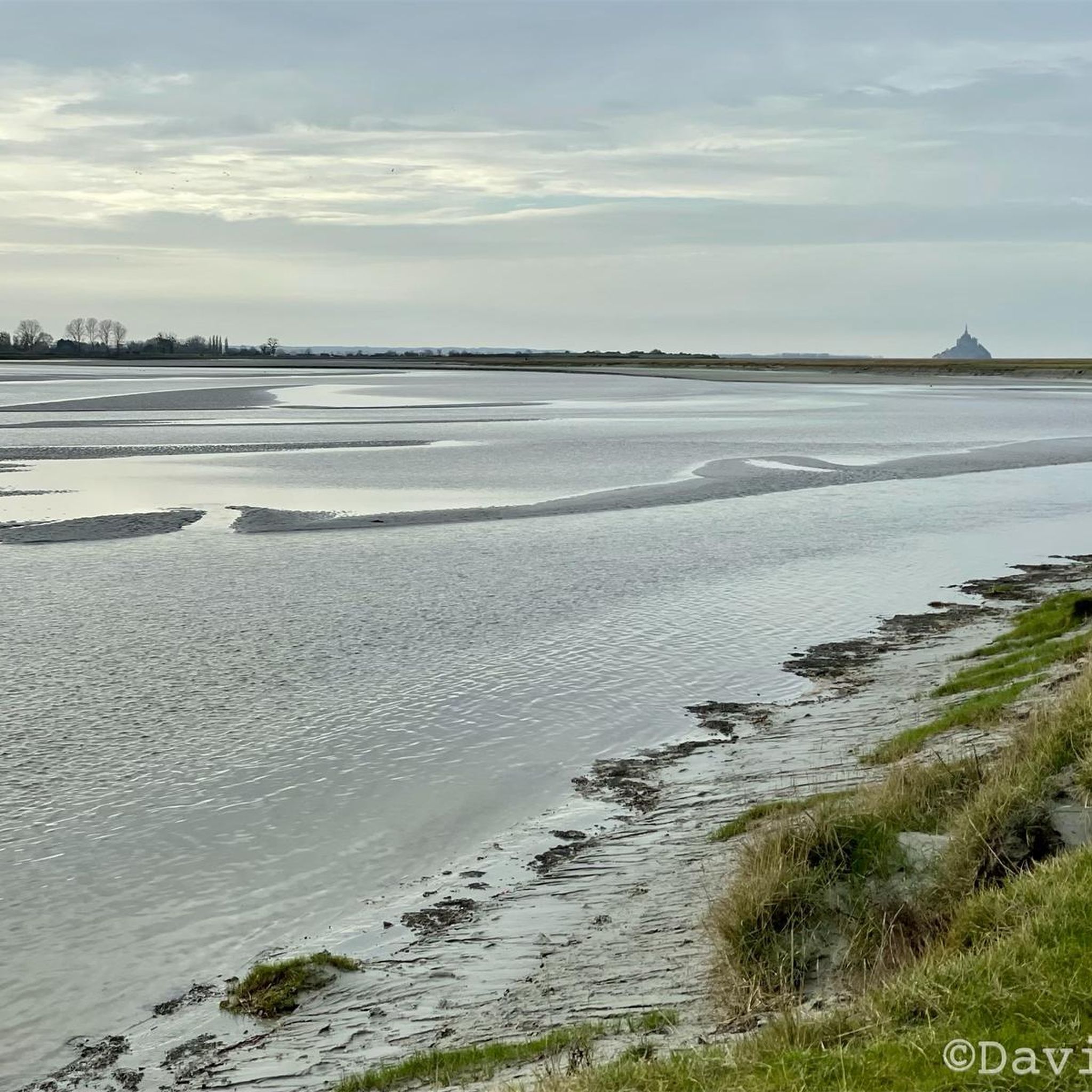
The Grouin du Sud is a natural headland offering impressive views of the bay and the famous Klosterberg. Depending on the tide, the landscape alternates between vast mudflats and ocean views, making the place particularly charming.
1
0

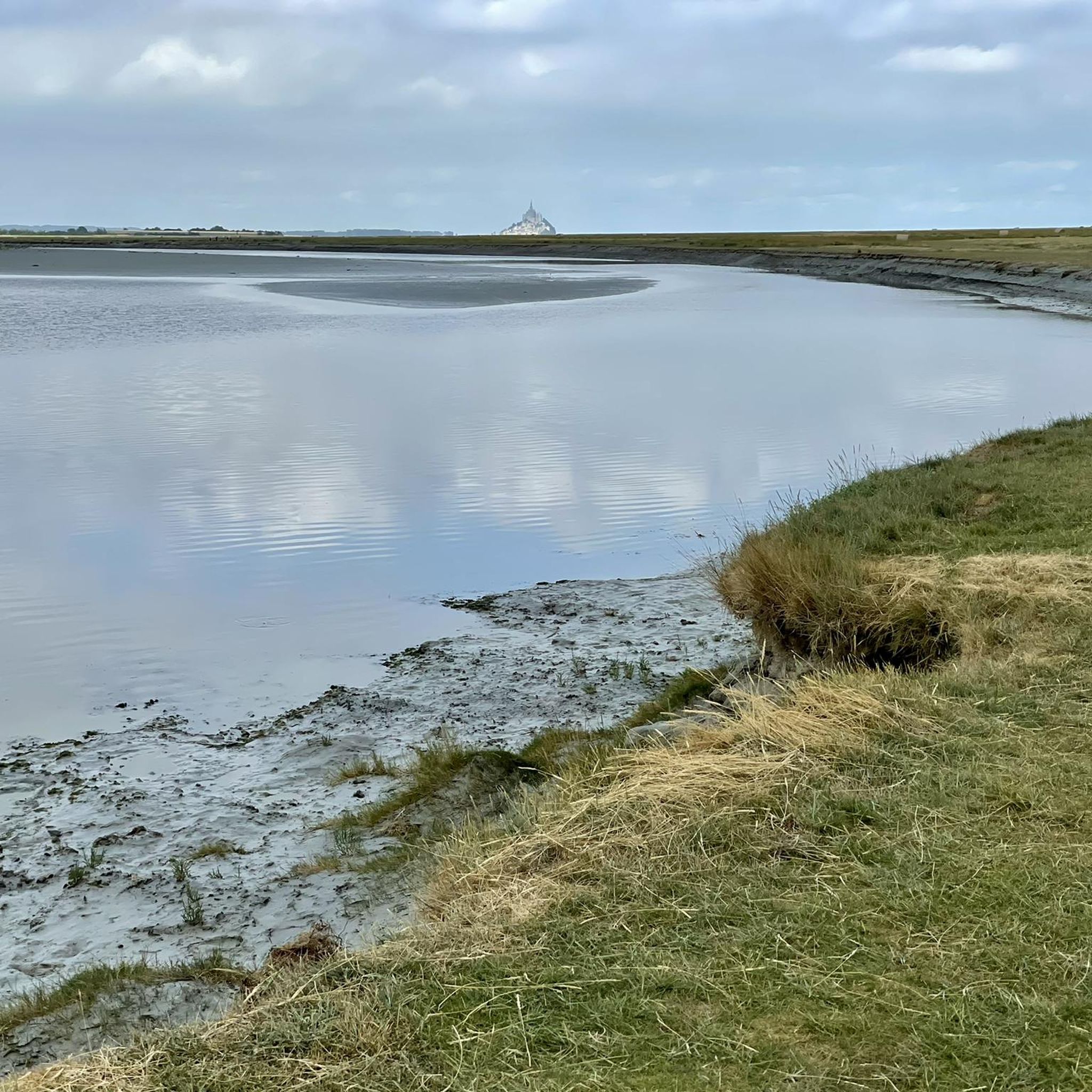
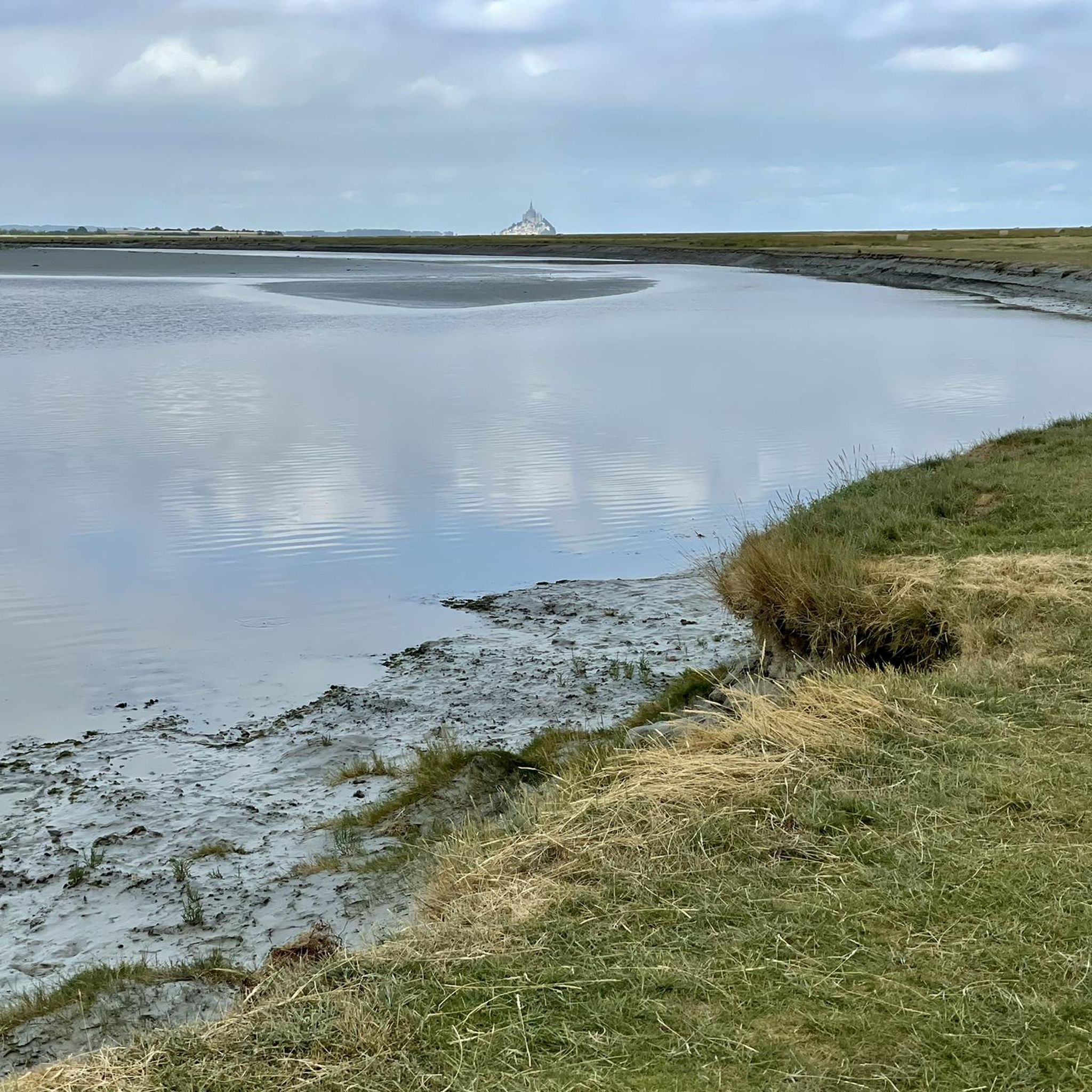
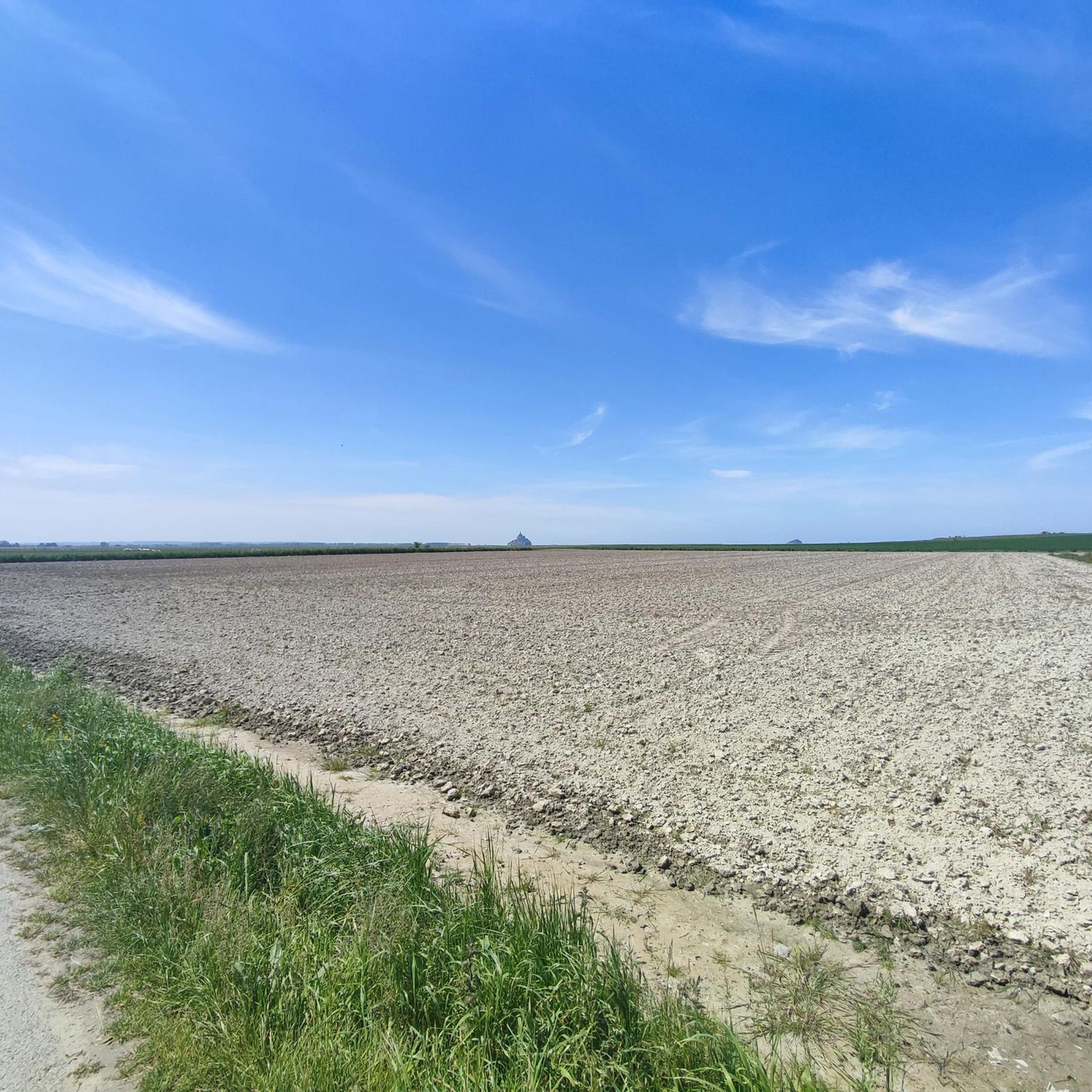
Magnificent landscape with its green pastures of salt meadows. Gradually approaching Mount Mich Mich
2
0

Nice opportunity for a break. Picnic area with a good view
2
0

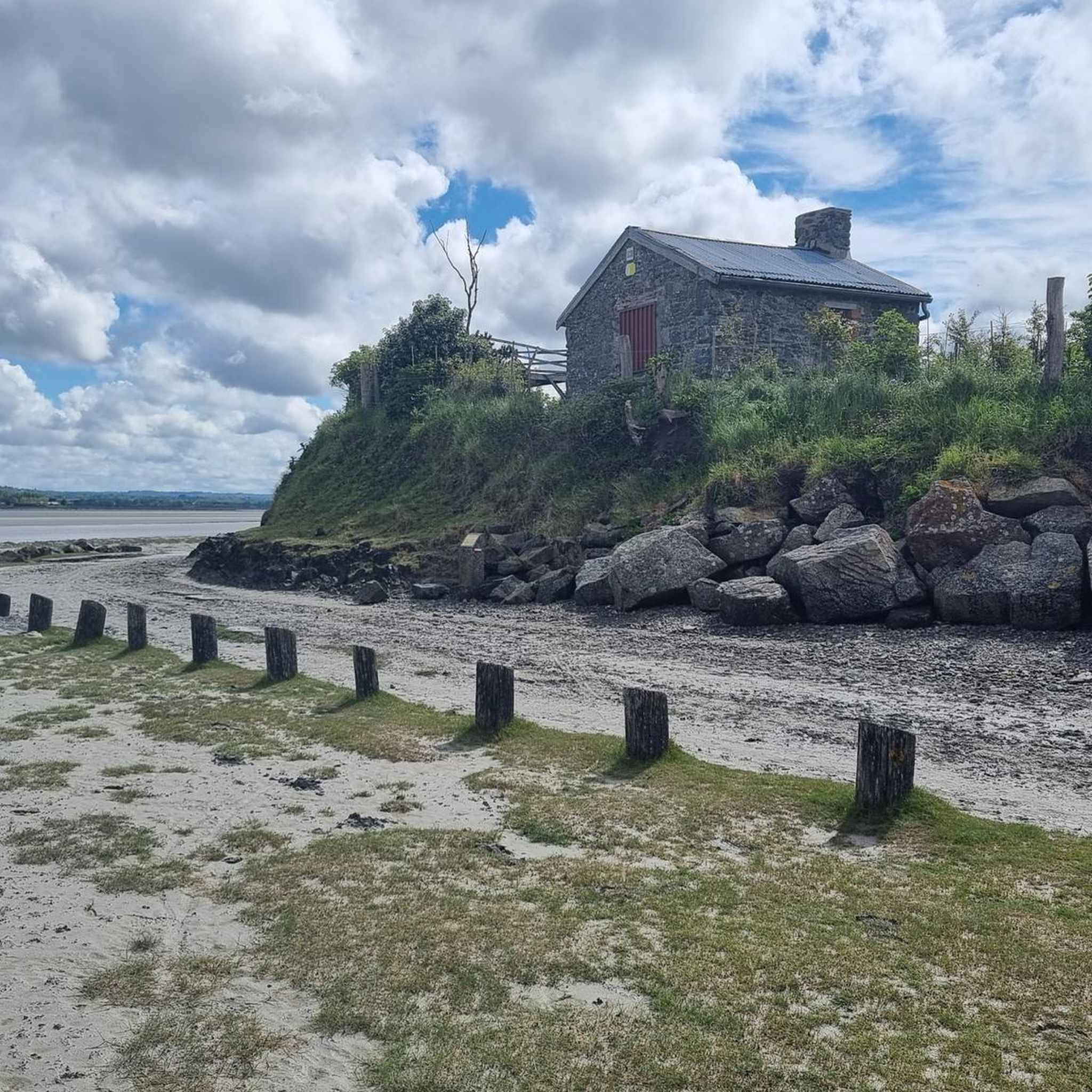
A forgotten part of Mont Saint-Michel, this chapel on the northwest side of the island. At low tide you can easily walk towards this chapel that is not otherwise open to visitors, but is nevertheless beautifully situated on the rocks below the famous monastery.
1
0

Frequently Asked Questions
What are some of the most iconic natural monuments to visit near Le Val-Saint-Père?
The region is dominated by the unique coastal landscape of the Bay of Mont Saint-Michel. Must-see natural monuments include the tidal island of Mont Saint-Michel itself, famous for its dramatic tides. Another excellent spot is Grouin du Sud, which offers panoramic views of Mont Saint-Michel and its expansive bay. You can also visit the Banks of the Sélune at Pontaubault, known for its salt meadows and tidal phenomena.
Are there family-friendly natural monuments around Le Val-Saint-Père?
Yes, several natural monuments are suitable for families. Mont Saint-Michel, Grouin du Sud, and the Banks of the Sélune at Pontaubault are all categorized as family-friendly. These locations offer opportunities to observe unique natural phenomena and enjoy the outdoors together.
What kind of outdoor activities can I do near these natural monuments?
The area around Le Val-Saint-Père is excellent for outdoor activities, especially hiking and cycling. You can find numerous routes that allow you to explore the natural beauty. For hiking, consider trails like the 'Pontaubault Bridge – View of Mont Saint-Michel loop' or 'Pré Salé Wetlands – Pontaubault Bridge loop.' Cyclists can enjoy routes such as 'Meeting Mont Saint-Michel Trail' or 'Sélune Riverbank – View of Mont Saint-Michel loop.' For more options, explore the dedicated guides for hiking, road cycling, and gravel biking around Le Val-Saint-Père.
What natural features can I expect to see in the region?
The region is characterized by its unique coastal geology. You'll encounter vast tidal flats, river estuaries, and salt meadows. The most prominent feature is the dramatic tidal phenomenon in the Bay of Mont Saint-Michel, where the landscape transforms significantly with the ebb and flow of some of the world's strongest tides. You can also observe the Sélune river as it opens into the bay.
Is it possible to spot wildlife near the natural monuments?
Yes, the preserved nature of the Bay of Mont Saint-Michel supports diverse wildlife. The tidal flats and salt meadows, particularly around locations like the Banks of the Sélune at Pontaubault, are important habitats. Keep an eye out for various bird species and other creatures adapted to this unique coastal environment.
What is the best time to visit the natural monuments around Le Val-Saint-Père?
The best time to visit largely depends on what you want to experience. To witness the dramatic tidal changes, consult local tide tables. Spring and autumn generally offer pleasant weather for outdoor activities and fewer crowds. Summer is popular but can be busier. Winter visits can be serene, but be prepared for colder, potentially windier conditions.
Are there any historical sites intertwined with the natural monuments?
Absolutely. Mont Saint-Michel is a prime example, being a UNESCO World Heritage Site where an architectural marvel, the abbey, rises from a natural tidal island. You can also find the Saint Aubert Chapel, a Roman Catholic chapel beautifully situated on the rocks below the main monastery. Additionally, the Château d'Avranches, though a castle, offers historical context and panoramic views over the bay.
How long should I plan for a visit to the natural monuments?
For a comprehensive visit to Mont Saint-Michel and its immediate surroundings, including observing the tides, you could easily spend a full day. If you plan to explore multiple viewpoints like Grouin du Sud and the Banks of the Sélune at Pontaubault, or engage in hiking/cycling, consider dedicating a weekend or several days to the region.
Are there accessible natural sites for visitors with mobility considerations?
While the terrain around Mont Saint-Michel itself can be challenging due to cobbled streets and steps, many viewpoints offer accessible options. The Couesnon Dam Bridge (Barrage sur le Couesnon), for instance, provides wide-angle, panoramic views of Mont Saint-Michel and its bay from a more accessible vantage point. It's advisable to check specific site accessibility before your visit.
What do visitors enjoy most about the natural monuments near Le Val-Saint-Père?
Visitors are consistently amazed by the dramatic tidal phenomena and the constantly changing landscape of the Bay of Mont Saint-Michel. The blend of impressive natural forces with the architectural marvel of the abbey creates an unforgettable experience. The panoramic views from spots like Grouin du Sud are also highly praised for their photographic opportunities and grandeur.
Are there any less-known natural gems worth exploring?
Beyond the main attractions, the area offers quieter spots to appreciate nature. The Saint Aubert Chapel, located on the northwest side of Mont Saint-Michel island, is a beautiful and often forgotten part that can be reached at low tide. The tranquil, pastoral landscapes of the salt meadows around the Banks of the Sélune at Pontaubault also offer a peaceful natural experience away from the busiest crowds.
What should I wear when visiting the natural monuments, especially considering the weather?
Given the coastal environment, weather can change quickly. It's always recommended to dress in layers. Even on sunny days, a windproof and waterproof jacket is advisable, especially when exploring the bay or viewpoints. Comfortable walking shoes are essential, particularly if you plan to explore Mont Saint-Michel or embark on any of the nearby hiking trails.
Most popular routes around Le Val-Saint-Père
Most popular attractions around Le Val-Saint-Père

Get inspired with the komoot mobile app


Explore more
Extend your search for the best caves by checking out these guides of the top ones around Le Val-Saint-Père:
