Top 4 Natural Monuments around Portbail
Best natural monuments around Portbail are defined by a dynamic coastal landscape, featuring extensive dune systems and unique tidal estuaries. The region's geography includes significant natural spaces like the Havre de Port-Bail, an estuary that has evolved over approximately 4000 years. Adjacent to this, the Lindbergh Dunes form part of a larger dune massif, offering varied habitats. This area provides a blend of ecological interest and opportunities for outdoor exploration.
Best natural monuments around Portbail
- The most popular natural monument…
Last updated: July 4, 2026
Fontaine Saint Germain
Highlight • Natural Monument
Translated by Google •
Tip by

The Capes Route
Highlight • Trail
Translated by Google •
Tip by
Sign up now to discover places like this
Get recommendations on the best single tracks, peaks, & plenty of other exciting outdoor places.
Sign up for free
The Lindbergh Dunes
Highlight • Natural Monument
Translated by Google •
Tip by

Guardhouse Mont de Doville
Highlight • Natural Monument
Translated by Google •
Tip by

Sangsurière and Adriennerie Nature Reserve
Highlight (Segment) • Natural Monument
Translated by Google •
Tip by

Sign up for free to discover even more natural monuments around Portbail.
Sign up for free
Already have an account?
Start today with a free account
Your next adventure awaits.
Login or Signup
Other adventures around Portbail

Tips from the Community

The nature reserve is home to the last active peatlands in the region. It serves as a refuge for a wide diversity of flowers. In particular, there are several carnivorous plants. On the wildlife side, the reserve is a sanctuary for many birds and insects.
0
0

The old guardhouse, built on Mont Doville during the Ancien Régime, served as a military camp. The building has been a listed building since 1992.
1
0

Be careful on the paths at Cap Carteret. There are also (poisonous!) snakes there. So it's better to keep dogs close to you.
1
1

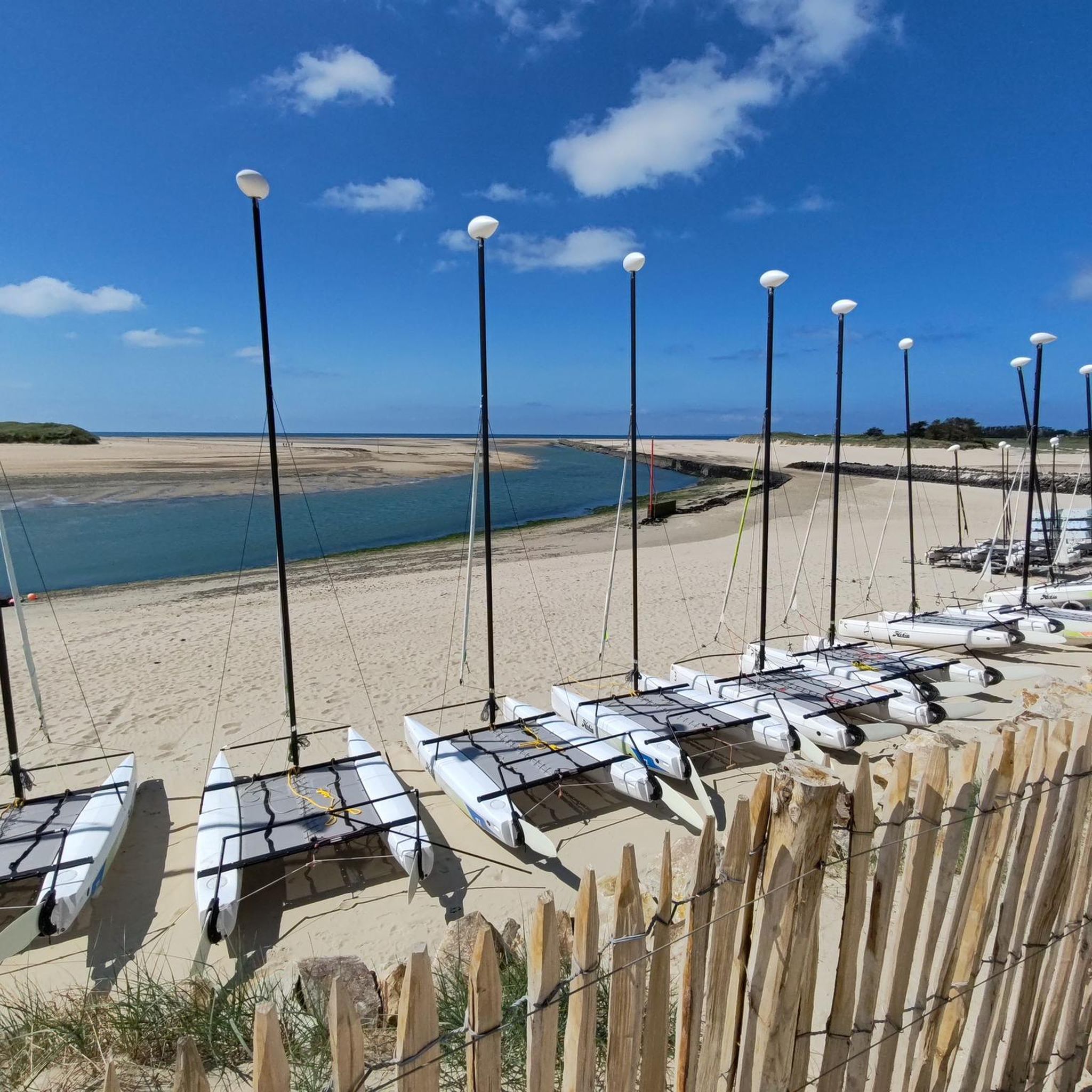
It's great that the dunes are still accessible with a dog (it's different in other countries). Please stick to the leash requirement in the fenced area and collect your dog's piles if they haven't just fallen into one of the many rabbit holes. Please keep the dunes accessible to all.
3
0

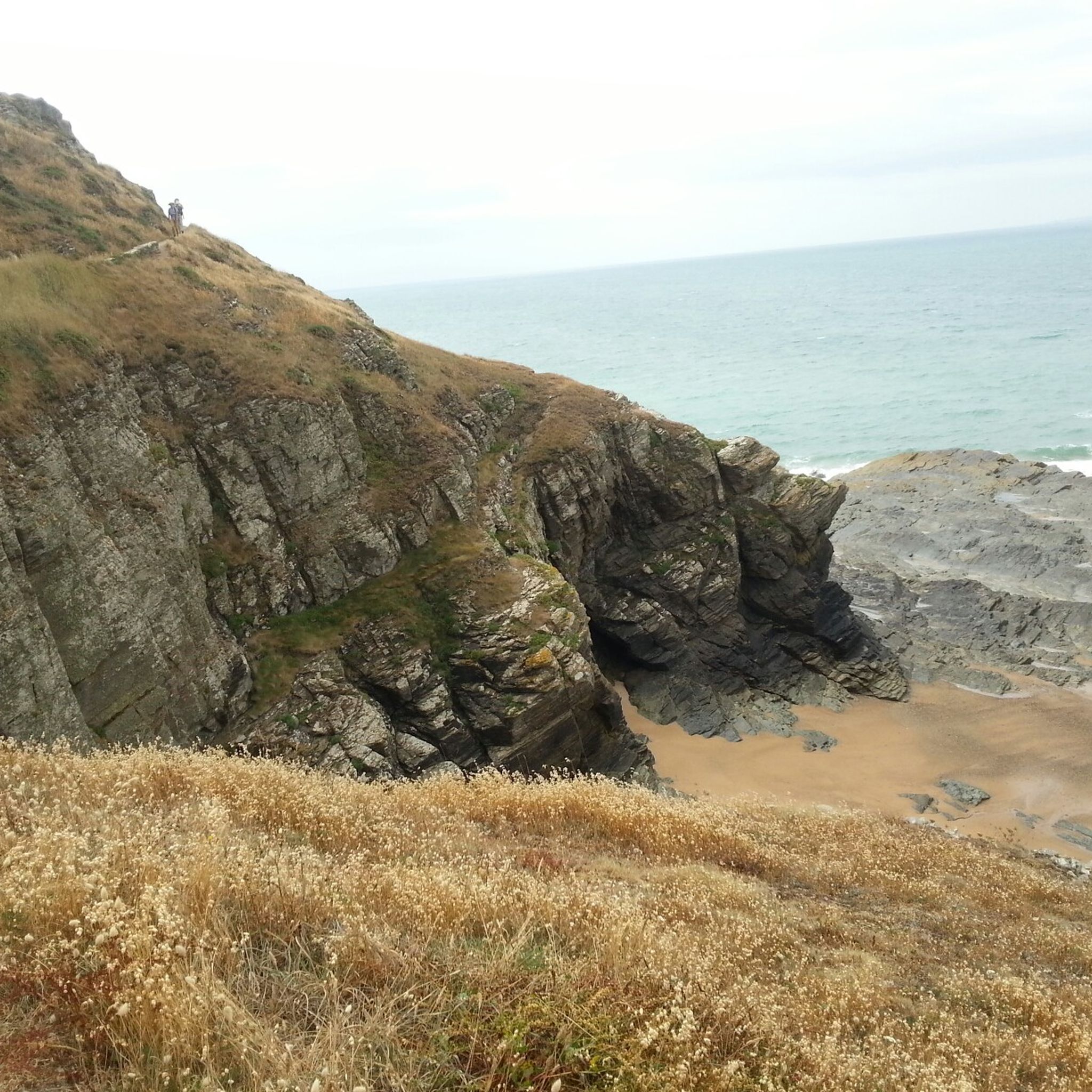
Between the cape and the dunes, in a still wild site, is the small Saint-Germain fountain with legendary therapeutic virtues. A sign indicates the direction, but you really have to look for the fountain. You will find it, to the right of the path, going down towards the beach, in lush vegetation which invades it little by little, not far from the "old church".
3
0

1km of ascent with portions of + 10%. The point of view is earned.
0
0
Frequently Asked Questions
What are some of the most popular natural monuments to explore around Portbail?
The region offers a variety of natural monuments. Highly regarded by visitors are The Lindbergh Dunes, known for their varied habitats and accessibility, and The Capes Route, which provides stunning coastal views. Another unique spot is the Sangsurière and Adriennerie Nature Reserve, home to rare peatlands and diverse wildlife.
Are there family-friendly natural monuments in the Portbail area?
Yes, the Sangsurière and Adriennerie Nature Reserve is considered family-friendly. It offers an opportunity to explore the last active peatlands in the region, observe diverse flora including carnivorous plants, and spot various birds and insects in a protected environment.
Which natural monuments offer the best panoramic views?
For breathtaking panoramic views, visit the Cap de Carteret. From this prominent headland, you can see the surrounding dunes, the Côte des Havres, and even the distant Channel Islands. The Capes Route also offers exceptional vistas as it links Barneville-Carteret to Cherbourg.
What kind of wildlife can I expect to see at the natural monuments?
The natural monuments around Portbail are rich in wildlife. The Dunes d'Hatainville and The Lindbergh Dunes are home to various amphibians, birds like ringed plovers, and mammals such as foxes. The Havre de Portbail and Baie des Veys are crucial for wintering birds and support populations of seals. The Sangsurière and Adriennerie Nature Reserve is a sanctuary for many birds and insects.
Are there dog-friendly natural monuments or trails?
Yes, The Lindbergh Dunes are explicitly noted as dog-friendly. Visitors are encouraged to keep dogs on a leash in fenced areas and clean up after them to help maintain accessibility for all.
What outdoor activities can I do near these natural monuments?
The area is ideal for various outdoor activities. You can enjoy extensive hiking and walking trails, particularly along the GR223 coastal path at sites like the Dunes d'Hatainville and Cap de Carteret. Birdwatching is popular at the Havre de Portbail and Baie des Veys. The sandy beaches near the dunes are also suitable for long walks and water sports. For more structured routes, explore the hiking trails around Portbail, or consider gravel biking and running trails.
Are there any historical or cultural sites among the natural monuments?
Yes, the Fontaine Saint Germain, located between Cap Carteret and the dunes, is a small fountain with legendary therapeutic virtues. Additionally, the Guardhouse Mont de Doville, an old military camp built during the Ancien Régime, is a listed building offering historical context alongside natural beauty.
What is the best time of year to visit the natural monuments around Portbail?
The natural monuments around Portbail can be enjoyed year-round, but spring and early autumn often offer the most pleasant weather for hiking and exploring. These seasons also provide opportunities to observe migratory birds. Summer is popular for coastal activities, while winter can offer dramatic, wild landscapes, especially along the coast.
What are the unique geological features of the natural monuments here?
The region boasts several unique geological features. The Dunes d'Hatainville are famous for their 'perched dunes' formation, where sands rest on a fossilized cliff. The Cap de Carteret is composed of Cambrian sandstone and shale, making it a geologically interesting site. Further north, the Nez de Jobourg features some of Europe's highest cliffs, made of ancient Precambrian gneiss.
Are there any hidden natural gems worth discovering near Portbail?
Beyond the well-known sites, consider exploring the wild landscapes of the Cap de la Hague, known for its rugged granite and gneiss cliffs and diverse hiking trails. The Baie des Veys, an important estuary, is a significant ornithological reserve and a great spot for observing seals. The Écréhous Archipelago, visible from the coast, is a Ramsar site with unique marine life and seabird colonies, though access is typically by boat.
What are the typical terrain and difficulty levels for hiking in the area?
Hiking trails vary in terrain and difficulty. Coastal paths like those along the Cap de Carteret and Dunes d'Hatainville often involve sandy dunes, gorse-covered slopes, and some rocky sections, requiring sure-footedness. The ascent to the Guardhouse Mont de Doville includes portions with a +10% incline. Many trails are moderate, but easier walks are available, such as the Submersible footbridge – Our Lady of Portbail loop from Port-Bail-sur-Mer.
Most popular routes around Portbail
Most popular attractions around Portbail

Get inspired with the komoot mobile app


Explore more
Extend your search for the best caves by checking out these guides of the top ones around Portbail:
