Top 6 Natural Monuments around Annequin
Best natural monuments around Annequin are defined by a distinctive landscape shaped by both human history and ecological regeneration. The region features prominent slag heaps, remnants of former coal mining, which have evolved into unique natural areas. These sites offer panoramic views and demonstrate nature's capacity to reclaim and diversify man-made environments. The area provides opportunities to explore these formations and their historical and ecological significance.
Best natural monuments around Annequin
- The most popular natural monument is Loos-en-Gohelle slag heap…
Last updated: July 4, 2026
Loos-en-Gohelle slag heap
Highlight • Natural Monument
Translated by Google •
Tip by

Spoil heaps 74 and 74a
Highlight • Natural Monument
Translated by Google •
Tip by

Sign up now to discover places like this
Get recommendations on the best single tracks, peaks, & plenty of other exciting outdoor places.
Sign up for free
Tilleul de Joncquoy
Highlight • Natural Monument
Translated by Google •
Tip by

Terril 36 of Nœux-les-Mines
Highlight • Natural Monument
Translated by Google •
Tip by

Terril de Fouqureuil
Highlight • Natural Monument
Translated by Google •
Tip by

Sign up for free to discover even more natural monuments around Annequin.
Sign up for free
Already have an account?
Start today with a free account
Your next adventure awaits.
Login or Signup


Tips from the Community

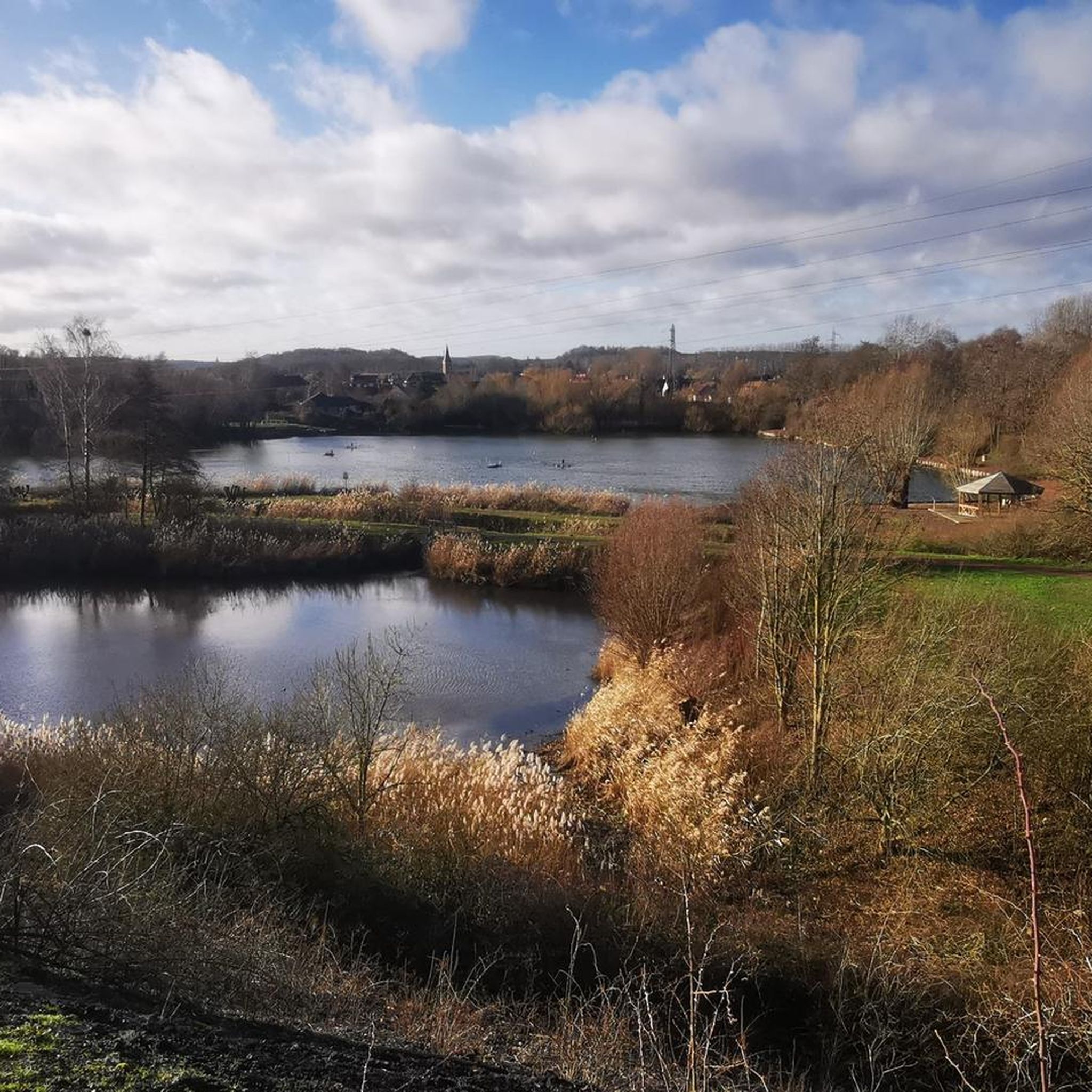
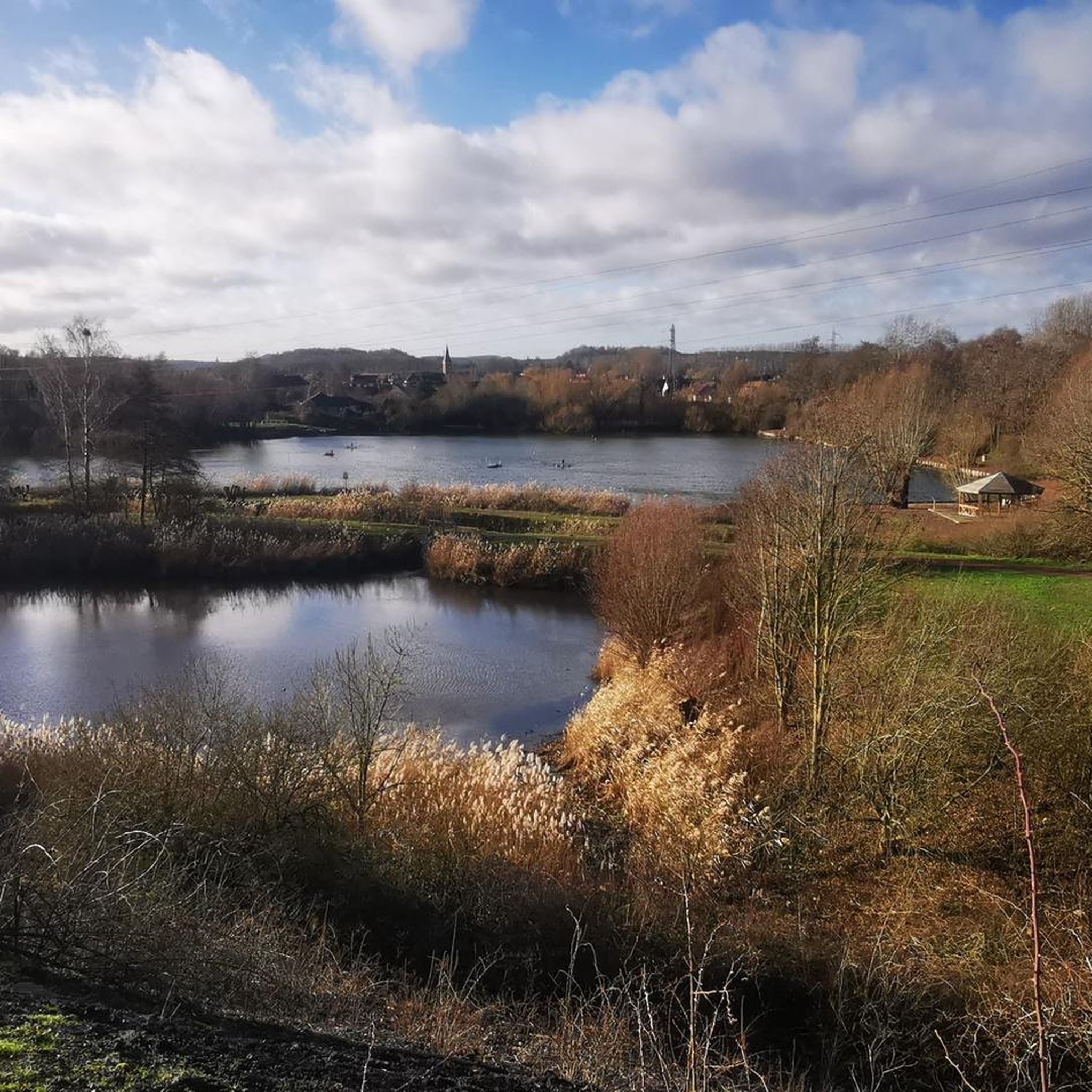
Beautiful panoramic view of Lens and the surrounding area. Be careful when you climb onto the spoil heap during a storm, it's a real hair-raiser!
1
0

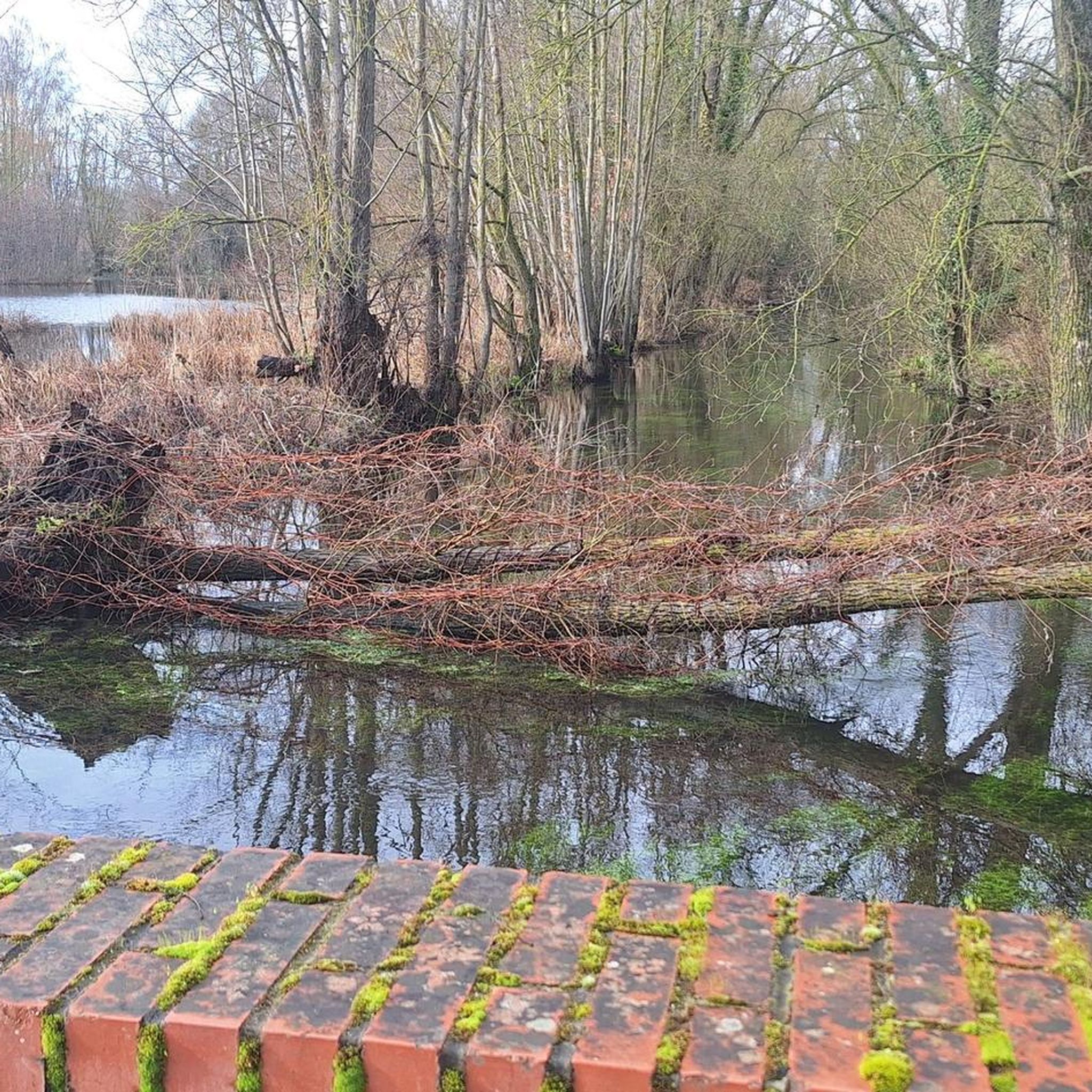
Also known as "terril de la cuisse maraine" (the slag heap of the thigh maraine), a slag heap where nature has reclaimed its rights, dotted with small paths.
0
0

The Tilleul de Joncquoy is a historic lime tree in Aubers. This tree was planted in 1490 and is an important landmark in the region. Despite the many wars and changes in the landscape, this tree has survived for more than five centuries.
8
0

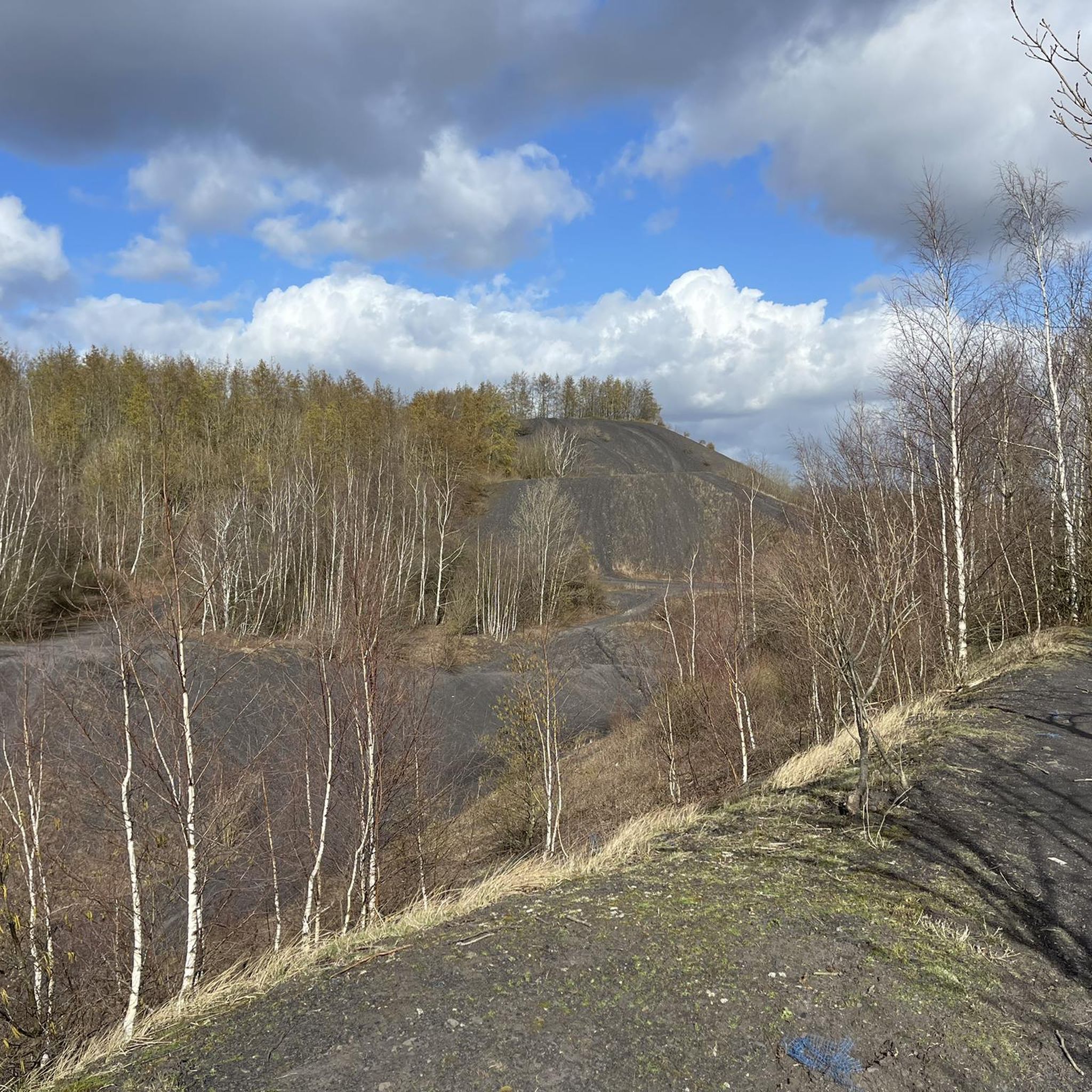
Don't miss the Loos-en-Gohelle slag heap, an astonishing and unusual spectacle. There are five hills made of coal waste, and this one is the highest, reaching 146 meters, the highest in Europe! Hike to the top and admire the views. You can see how nature has transformed the hills with plants, animals and even grapes. Take the opportunity to learn about this UNESCO World Heritage site and discover its rich history and culture at Base 11/19.
4
0

Lime tree dating from the 15th century
4
0

Nice view on the heights of Noeux and in particular on the ski slope
0
0

Terril 36 de Noeux les mines with a beautiful view of the ski slope. The last part of the slag heap will be done on foot by the sliers
2
0
Great playground for mountain bikers! Beautiful climbs and single around the slag heaps!
0
0
Frequently Asked Questions
What makes the natural monuments around Annequin unique?
The natural monuments around Annequin are distinctive due to their blend of industrial heritage and ecological reclamation. Many are former coal mining slag heaps that have been rewilded, offering unique landscapes and panoramic views. Additionally, you'll find ancient, historically significant trees and protected wetland areas.
Can I hike at these natural monuments, and what are the typical difficulties?
Yes, many of the natural monuments offer excellent hiking opportunities. For instance, the Loos-en-Gohelle slag heap and Terril 36 of Nœux-les-Mines are classified as intermediate climbs, providing a good workout with rewarding views. Nature has reclaimed these sites, creating varied paths. You can find more hiking options in the Hiking around Annequin guide.
Are there family-friendly natural monuments in the Annequin area?
Absolutely. The Tilleul de Joncquoy, a historic lime tree, is a family-friendly site offering a glimpse into the region's past. While some slag heaps involve intermediate climbs, many have accessible paths around their bases, allowing families to enjoy the unique landscapes and observe nature's reclamation.
What kind of views can I expect from these natural monuments?
The slag heaps, in particular, offer spectacular panoramic views. From the top of the Loos-en-Gohelle slag heap, the highest in Europe at 146 meters, you can see across the landscape, observing how nature has transformed these hills. Similarly, Spoil heaps 74 and 74a and Terril 36 of Nœux-les-Mines also provide expansive vistas, often including local landmarks like ski slopes.
What is the historical and cultural significance of these natural monuments?
Many natural monuments, especially the slag heaps, are direct remnants of the region's rich coal mining history. The Loos-en-Gohelle slag heap is part of a UNESCO World Heritage site, offering insights into its industrial past at Base 11/19. The Tilleul de Joncquoy is a historic lime tree planted in 1490, serving as a living landmark that has witnessed centuries of regional history.
Are there opportunities for cycling or mountain biking near Annequin's natural monuments?
Yes, the unique terrain around Annequin, particularly the slag heaps, provides excellent opportunities for both cycling and mountain biking. Sites like Spoil heaps 74 and 74a are known as great playgrounds for mountain bikers with beautiful climbs and single tracks. You can explore routes in the Cycling around Annequin guide and the MTB Trails around Annequin guide.
What kind of wildlife and nature can I observe at these sites?
The natural monuments, especially the rewilded slag heaps and wetland areas like the Marais de Beuvry, Cuinchy et Festubert, are rich in biodiversity. Nature has reclaimed these sites, leading to diverse plant life, various animal species, and even grapes growing on some slag heaps. The Marais is a regional nature reserve, vital for its diverse fauna and flora, making it ideal for nature observation.
What is the best time of year to visit the natural monuments around Annequin?
Spring and autumn are generally ideal for visiting, as the weather is mild and comfortable for outdoor activities like hiking and cycling. In spring, you'll witness the vibrant reawakening of nature, while autumn offers beautiful foliage. Summer can also be pleasant, but it's advisable to visit during cooler parts of the day.
Are there any specific natural areas focused on wetland ecosystems?
Yes, the Marais de Beuvry, Cuinchy et Festubert is a significant regional nature reserve (RNR) near Annequin. This expansive wetland area is crucial for its ecological interest, supporting diverse flora and fauna. It's an excellent spot for observing wetland ecosystems and understanding their importance in the region.
What do visitors enjoy most about the natural monuments in Annequin?
Visitors frequently highlight the unique combination of industrial history and natural beauty. They appreciate the panoramic views from the slag heaps, the challenge of the climbs, and the opportunity to see how nature reclaims man-made structures. The historical significance of sites like the Tilleul de Joncquoy also adds to the appeal, offering a blend of outdoor activity and cultural insight.
Is there a natural monument that is particularly notable for its height or unique features?
The Loos-en-Gohelle slag heap stands out as an astonishing spectacle. It is the highest slag heap in Europe, reaching 146 meters, and offers unparalleled panoramic views. Its unique composition of five hills made of coal waste, now covered in diverse plant life and even grapes, makes it a truly remarkable natural monument.
Most popular routes around Annequin
Most popular attractions around Annequin

Get inspired with the komoot mobile app


Explore more
Extend your search for the best caves by checking out these guides of the top ones around Annequin:
